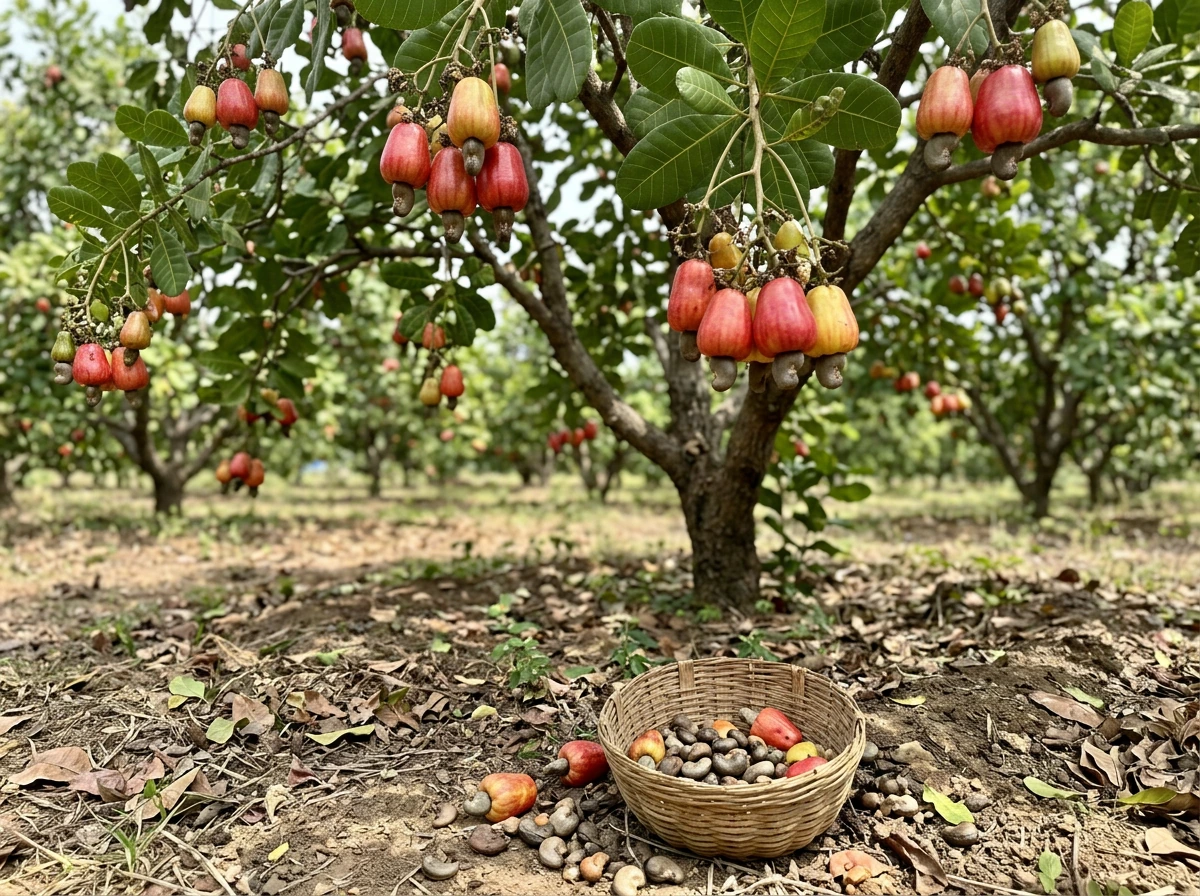
If you plant a cashew tree today, expect to wait roughly 3 years before you see your first nuts, and closer to 8 to 10 years before you get what most growers would call a real harvest. That is the honest range, and most of the variation comes down to how you propagate the tree, where you live, and how well you manage it in those early years. Let me break that down so you can figure out exactly what timeline makes sense for your situation.
How Long Does It Take to Grow Cashews to Harvest?
Marcus Hendricks
24 Mar 2026
The direct answer: years to your first cashew nuts
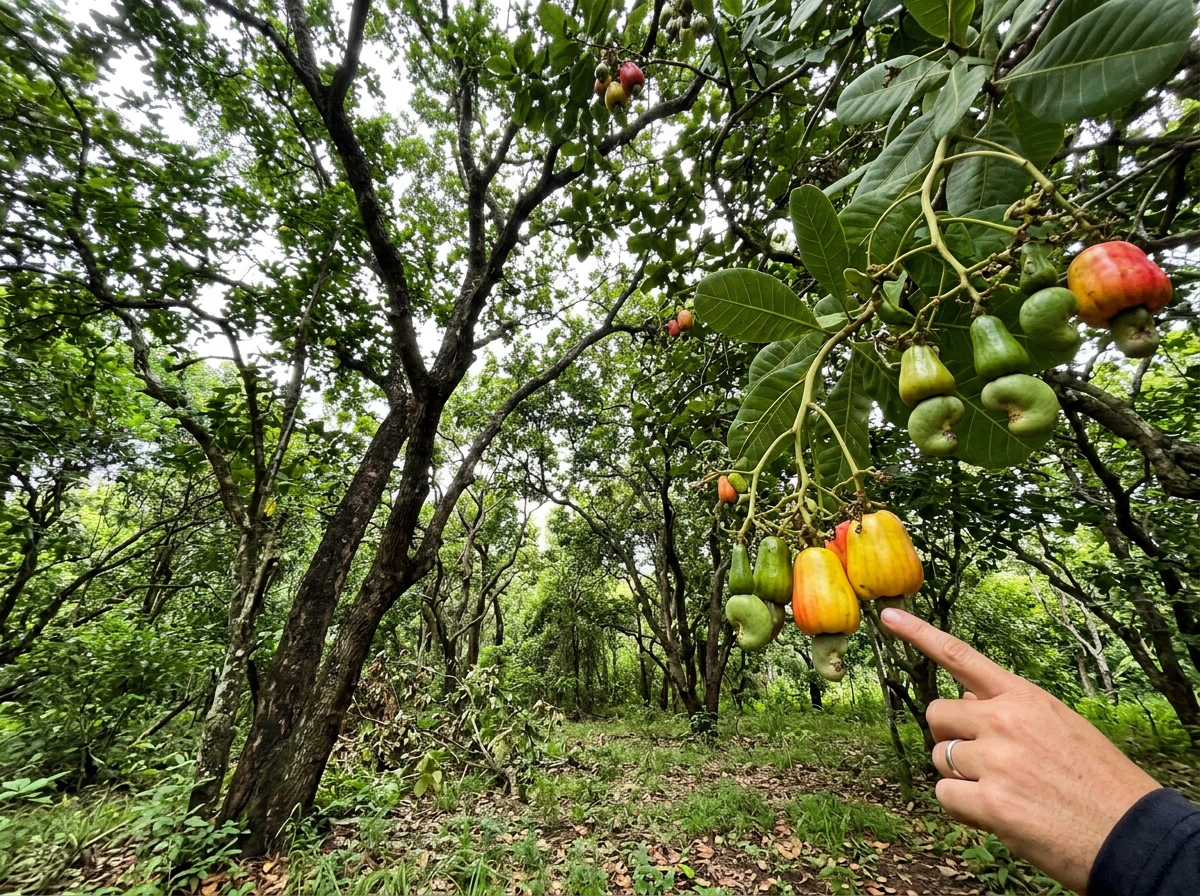
Grafted cashew trees typically start bearing fruit in year 2 or 3 after planting, and the number of nuts per tree is one of the reasons growers talk about a real harvest only after the timeline settles. Seed-grown trees take a bit longer, usually 3 to 5 years before you see any meaningful fruit. Either way, what you get in those early years is not a harvest in any commercial sense. You might get a handful of cashew apples and nuts in year 3 or 4, enough to confirm the tree is working, but not enough to matter as a food source. Full production, meaning around 30 kg of nuts per tree per year, does not happen until roughly year 8 to 10. That distinction between first fruit and full production is one of the most misunderstood parts of growing cashews, so keep it in mind as your benchmark.
| Propagation Method | First Fruit Expected | Full Production |
|---|---|---|
| Grafted tree | Year 2 to 3 | Around year 7 to 8 |
| Seed-grown tree | Year 3 to 5 | Around year 8 to 10 |
Growth timeline vs harvest timeline: they are not the same thing
A cashew tree grows fast enough to fool you into thinking it is almost ready. In good tropical conditions it can put on several meters of height in the first two or three years and look like a proper mature tree. But physical size and reproductive maturity are different. The tree needs time to develop the root system, canopy structure, and internal energy reserves that support consistent flowering and fruit set. Just because it looks big does not mean it is ready to produce reliably.
Here is how the two timelines play out in practice. The growth timeline covers roughly years 1 through 5, when the tree is establishing itself, building its canopy, and beginning to flower. The harvest timeline, meaning when you can genuinely plan around a yield, starts around year 3 for grafted trees and does not reach full swing until year 8 to 10. Growers who plan their operation around year 3 yields end up disappointed. Plan around year 5 for any meaningful picking and year 10 for full production, and you will be set up correctly.
One more thing worth understanding: even when the tree flowers, most flowers will not become nuts. About 70 percent of bisexual flowers fail to set fruit, and each flowering panicle typically produces only 1 to 6 fruits. Flowering runs over a 30 to 60 day window, and from pollination to a mature nut takes another 50 to 70 days depending on variety, climate, and temperature. So between flowering starting and nuts being ready to pick, you are looking at roughly 2 to 3 months of fruit development. If you want to dig deeper into how that process works botanically, there is more detail in the related article on how cashew nuts grow.
What actually changes the timeline
Climate is the biggest wildcard. Cashews evolved in seasonally dry tropical environments, and they need a well-defined dry season of at least 4 months to flower and fruit properly. Rain during flowering is one of the most damaging things that can happen to a cashew crop. Wet conditions during that window trigger anthracnose, which causes flower drop and can wipe out most of the season's potential crop. On top of that, temperatures above 34°C combined with relative humidity below 20 percent during flowering cause pollen damage and flower desiccation. And on the cold end, anything below about 7°C can harm young trees and flowers. Young trees especially are frost-sensitive and should not be exposed to temperatures approaching 0°C except briefly. The target is a frost-free climate where monthly minimum temperatures stay above 10°C through the flowering season.
Sunshine matters more than most beginner growers expect. Cashews need at least 2,000 sunshine hours per year to reach full productive potential. If you are in a region with heavy cloud cover or unpredictable dry seasons, you will see slower maturation and lower yields even if the temperature range looks acceptable on paper.
Soil quality affects how quickly the tree builds the root system needed for flowering. Cashews are famously tolerant of poor soils, but that tolerance does not mean they thrive on them. Trees planted in well-drained sandy loam with decent organic matter will mature faster and start producing earlier than trees struggling in waterlogged or highly compacted ground. Poor drainage in particular slows establishment dramatically and increases disease risk in the root zone, pushing the first-fruit timeline further out.
Water management in the early years is also a timeline factor. Cashews are drought-tolerant once established, but young trees benefit from consistent moisture during the growing season, especially if you’re wondering about what nut takes the most water to grow. Letting a one or two year old tree dry out severely will set back root development and delay the onset of flowering by months. If you want to understand more about exactly how much water cashews need at each stage, there is a related article covering cashew water requirements in detail. do cashews take a lot of water to grow
How you propagate makes a real difference
The choice between planting a grafted tree and growing from seed is the single biggest controllable factor in how quickly you get nuts. Grafted trees come with a head start because they are already at a certain stage of vegetative maturity. The rootstock provides vigor while the scion, taken from a known-productive variety, is pre-programmed to flower earlier than a seedling raised from scratch. That is why grafted trees can produce fruit in year 2 or 3, while seed-grown trees rarely produce before year 3 and often take 5 years.
Grafting success rates matter here too. Softwood grafting achieves roughly 60 to 70 percent success under good nursery conditions. If you source grafted planting material and some of those grafts failed during nursery production, you may end up with trees that behave more like seedlings than grafted trees because the scion did not take properly. Always source from a reputable nursery and check that the graft union is healthy and well-healed before planting. In regions like India, grafted cashew planting is timed to coincide with monsoon onset in June or July to give the young tree the best establishment conditions.
If you do grow from seed, keep your expectations calibrated correctly. You will get more genetic variation, which means some trees in a planting may start producing in year 3 while others take until year 5 or 6. That unpredictability is one of the reasons commercial operations overwhelmingly prefer grafted material.
Milestones to track as your tree grows
Rather than just watching a calendar, track these concrete markers to gauge where your tree is in its development. Each one tells you something real about whether the tree is on schedule or falling behind.
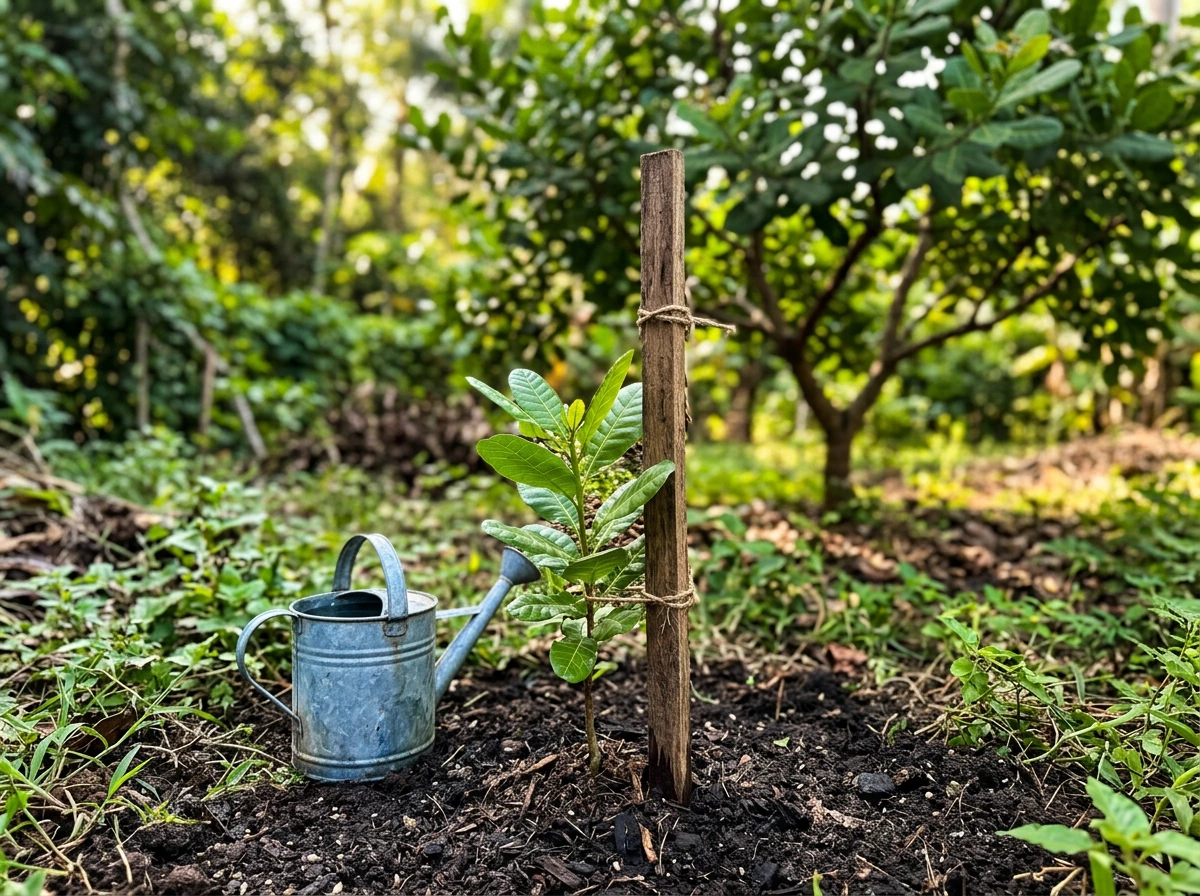
- Year 1: Establishment. The tree should be putting on visible growth, developing a branching canopy, and showing no signs of root stress. If growth looks stunted in a climate with adequate rainfall and temperature, check soil drainage and nutrient status.
- Year 2 to 3: First flowering. Look for flower panicles appearing at the tips of new shoots, typically at the end of the wet season or during the dry season. In grafted trees this can happen as early as year 2. If you see flowers, the tree is on track. Note whether flowers are setting fruit or dropping. Some drop is normal. Most flower drop in healthy conditions is weather-related.
- Year 3 to 5: First fruit set. You should see at least some cashew apples developing with attached nuts. This is confirmation the tree has crossed the reproductive threshold. Do not expect a meaningful yield here. Collect what you get and note the timing relative to your local dry season.
- Year 4 to 6: Increasing yield. Each year the canopy expands and more flowering sites develop. Yield should increase noticeably year over year during this phase. If it is not increasing, look at canopy shading, water availability during flowering, and whether local temperatures during flowering fall in the damaging range.
- Year 8 to 10: Approaching full production. A well-managed tree in good conditions should be approaching peak annual yield around this point, with roughly 30 kg of nuts per tree being the commonly cited benchmark for full production.
At each flowering event, note the timing from flower appearance to mature nut drop. You should see nuts reaching maturity roughly 50 to 70 days after pollination, with the cashew apple maturing an additional 20 to 30 days after that. When both the nut and apple are mature, the whole structure falls from the tree, which is the traditional harvest cue in most cashew-growing regions. If you want to understand how the cashew nut's unusual structure (including the double-walled shell around the kernel) affects what maturity looks like from the outside, there is a related article on cashew nut structure and shell development worth checking.
How to estimate the schedule for where you live
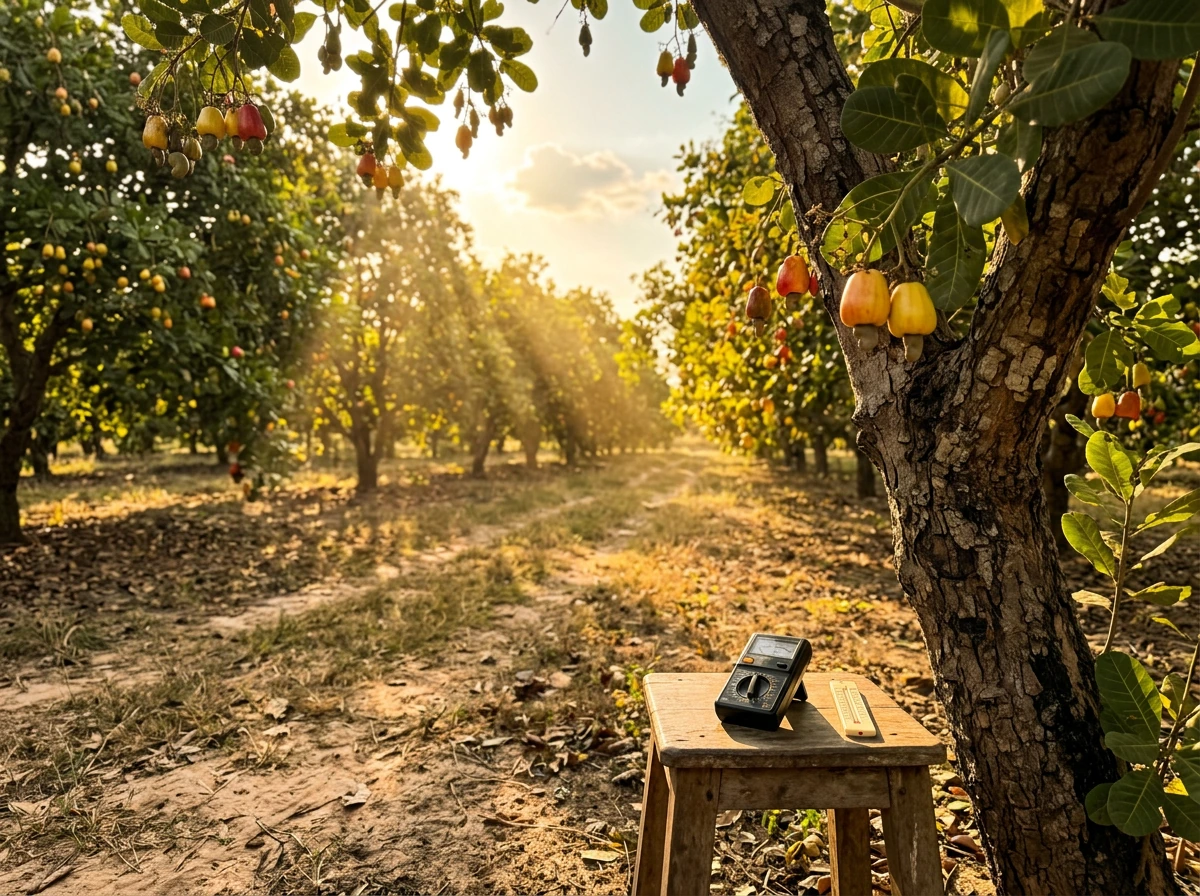
The baseline range is 3 to 5 years to first fruit and 8 to 10 years to full production, but your actual timeline will sit somewhere within or even outside that range depending on four things: your climate zone, your propagation method, the quality of your establishment practices, and what variety you are growing. Here is how to use those factors to make a realistic estimate.
First, check whether your climate actually supports cashew production at all. You need a frost-free environment where monthly minimums stay above 10°C through flowering season, a dry season of at least 4 months, and adequate annual sunshine. If you are in a tropical or subtropical zone that meets those criteria, you are working with baseline timelines. If your climate is marginal, meaning occasional cold snaps, inconsistent dry seasons, or high humidity during the period when cashews should be flowering, add 1 to 2 years to each timeline milestone.
Second, identify your propagation method and add or subtract accordingly. Grafted tree from a reliable nursery: subtract about 1 to 2 years from the seedling baseline. Seed grown from a known productive variety: use the baseline. Seed of unknown origin: add a year of buffer because you have no idea about the genetic flowering tendency of the parent.
Third, look honestly at your establishment conditions. Did the tree go in during the right season with good soil drainage and consistent early watering? A well-established tree tracks toward the earlier end of each range. A tree that struggled through its first year with waterlogging, drought stress, or cold damage tracks toward the later end. Poor establishment in year 1 can easily delay first flowering by an entire season or more.
Put those factors together and you can build a rough personal timeline. A grafted tree, planted in a reliable tropical climate during the correct season with good drainage and regular early irrigation, could realistically give you first fruit in year 2 or 3 and approach full production by year 7 or 8. A seed-grown tree in a marginal subtropical climate with an inconsistent dry season is realistically looking at year 5 or 6 for first meaningful fruit and year 10 or beyond for full production. Neither outcome is a failure. Both are just what cashew tree biology looks like in practice.
FAQ
My tree has flowers, does that mean I will be harvesting soon?
If your cashew is producing a few nuts or cashew apples early, treat that as confirmation, not yield. True “commercial” harvest timing is usually when production stabilizes toward consistent yearly output (around year 8 to 10 in the typical range), so you can plan picking dates earlier only if you expect small, irregular loads.
How can I estimate harvest timing from the flowering stage?
In most seasons, mature nuts are the result of a successful pollination window, then ripening after it. Expect roughly 50 to 70 days from pollination to nut maturity, plus another 20 to 30 days for the cashew apple, and remember flowering itself spans weeks (about 30 to 60 days), so harvest will be staggered rather than one single day.
Why would a grafted cashew still take longer than the usual year 2 to 3 for first nuts?
It is possible to see a healthy-looking grafted tree yet get delayed first fruit if the graft did not establish properly (scion vigor problems) or if the first year had poor drainage or stress. Inspect the graft union for a healthy, well-healed join and verify the tree was planted in the correct seasonal window for establishment.
What weather changes most commonly delay cashew production even when the tree is growing?
Yes, cold and wet stress can break the timeline without killing the tree. Cashews need a frost-free setup for young trees (avoid prolonged near 0°C exposure) and a well-defined dry season (at least 4 months). Cold snaps or rain during flowering can cause flower drop or reduce set, pushing first fruit and later production later even if growth looks fast.
How does rain during flowering affect how long it takes to reach harvestable nuts?
If rainfall continues into the flowering window, disease pressure rises, flower drop increases, and pollen viability can suffer at hot, dry extremes. The practical takeaway is to plan for the calendar of your local dry season, because the critical period is flowering and early fruit development, not just overall annual rainfall.
What soil problem most often makes cashews start producing later?
Planting too close to low spots or compacted areas is one of the fastest ways to delay the timeline. Waterlogging slows establishment and increases root-zone disease risk, which often moves first flowering back by a whole season or more. Improving drainage before planting is usually more effective than trying to correct it after.
If the temperature is right, why might my cashews still be slow to fruit?
Sunlight affects how quickly the tree builds energy reserves and canopy strength. If your region has frequent cloud cover or unreliable dry-season conditions, you may still grow a tree, but it commonly matures more slowly and yields later, even when temperatures look suitable. Before planting, compare your expected sunshine hours to the local average.
How should my watering schedule change in the first couple of years to avoid delaying first nuts?
Water needs shift by age. Young trees benefit from consistent moisture through establishment, and severe drying in years 1 to 2 can delay flowering by months. However, once established, cashews are more drought-tolerant, so avoid keeping them constantly wet if your drainage is weak.
Can pruning, spacing, or training change how long it takes to get a real harvest?
Yes, spacing and canopy management can influence the pace at which a tree reaches productive maturity. If the canopy is too shaded by nearby plants or buildings, or the tree is trained poorly so airflow is restricted, flowering and fruit set can be weaker. Focus on letting the tree develop an open, productive canopy as it establishes.
Should I grow from seed if my main goal is the fastest possible harvest?
If you are starting from seed, expect genetic variability. Some seedlings may flower earlier, but others can take until year 5 or 6 for meaningful fruit. If speed matters, the practical decision aid is to switch to grafted planting material from a reputable nursery, because it reduces the range of timing you have to wait through.