Yes, you can grow a green acorn into an oak tree, but whether it actually sprouts depends almost entirely on whether that acorn is mature enough and still alive inside. A green acorn is not automatically a bad acorn. Depending on the oak species and time of year, green can mean "freshly fallen and perfectly viable" or "not yet ripe and very unlikely to germinate." Knowing which situation you're in, and what to do next, makes the difference between a thriving seedling and a lot of waiting for nothing.
Can You Grow a Green Acorn Into an Oak Tree?
Marcus Hendricks
20 May 2026
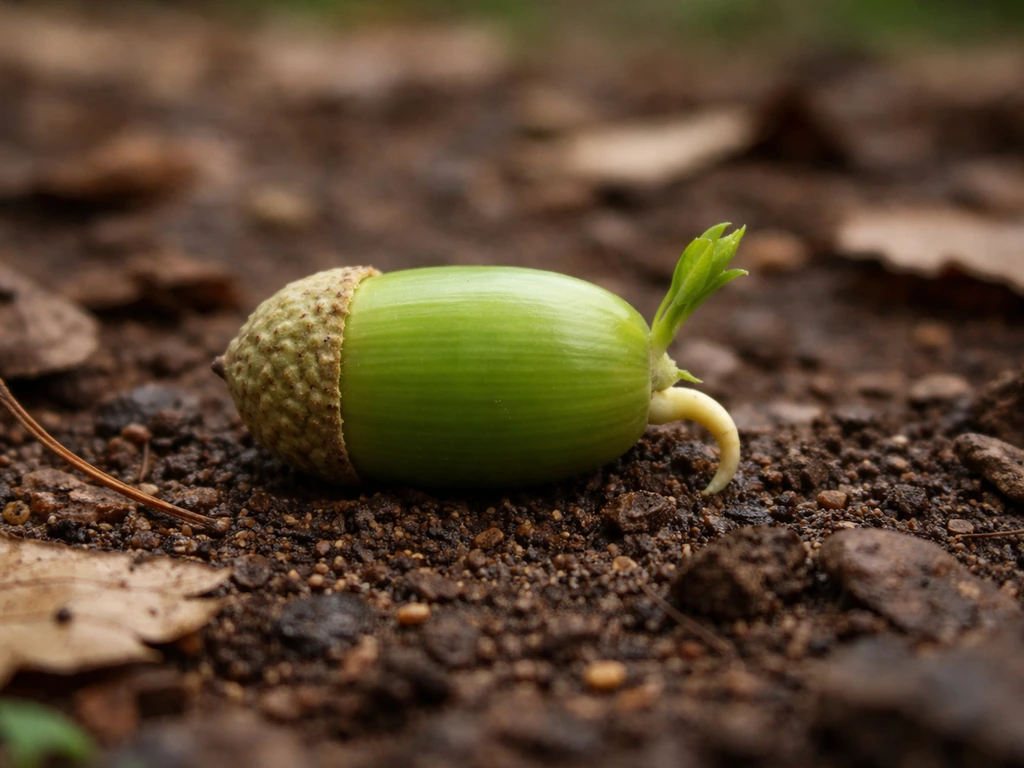
What 'green' actually means for an acorn
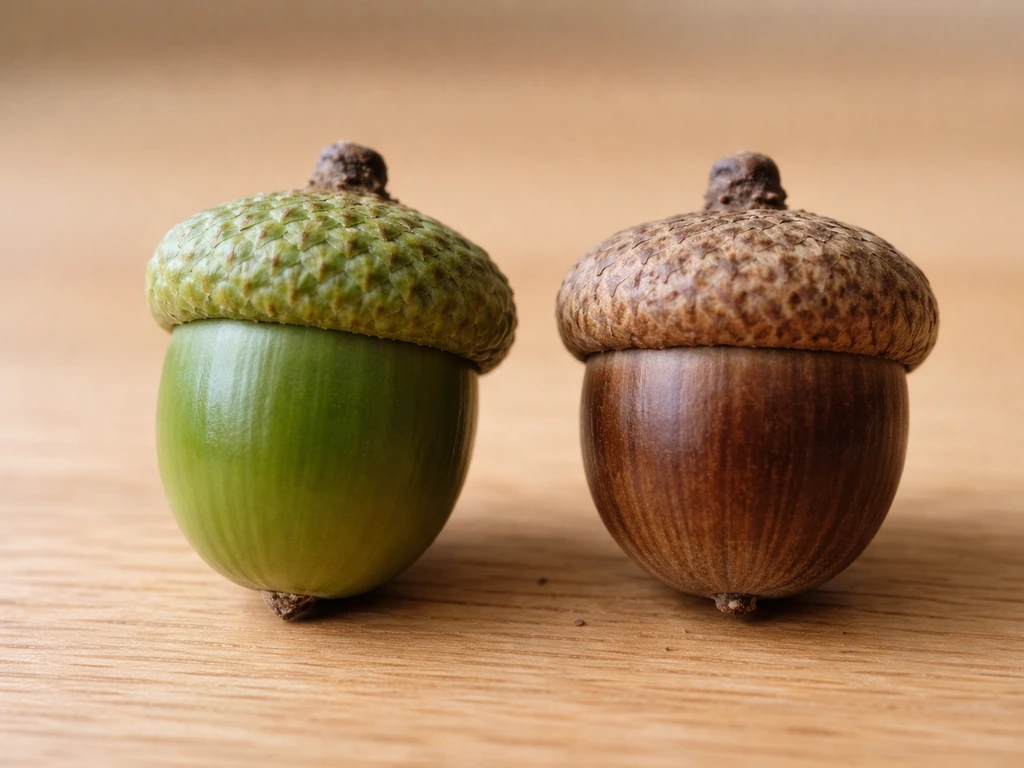
When people ask about growing a green acorn, they usually mean one of two things: an acorn that's still green in color (not yet brown), or an acorn that's fresh and hasn't dried out. These are related but not the same thing, and the distinction matters a lot for germination.
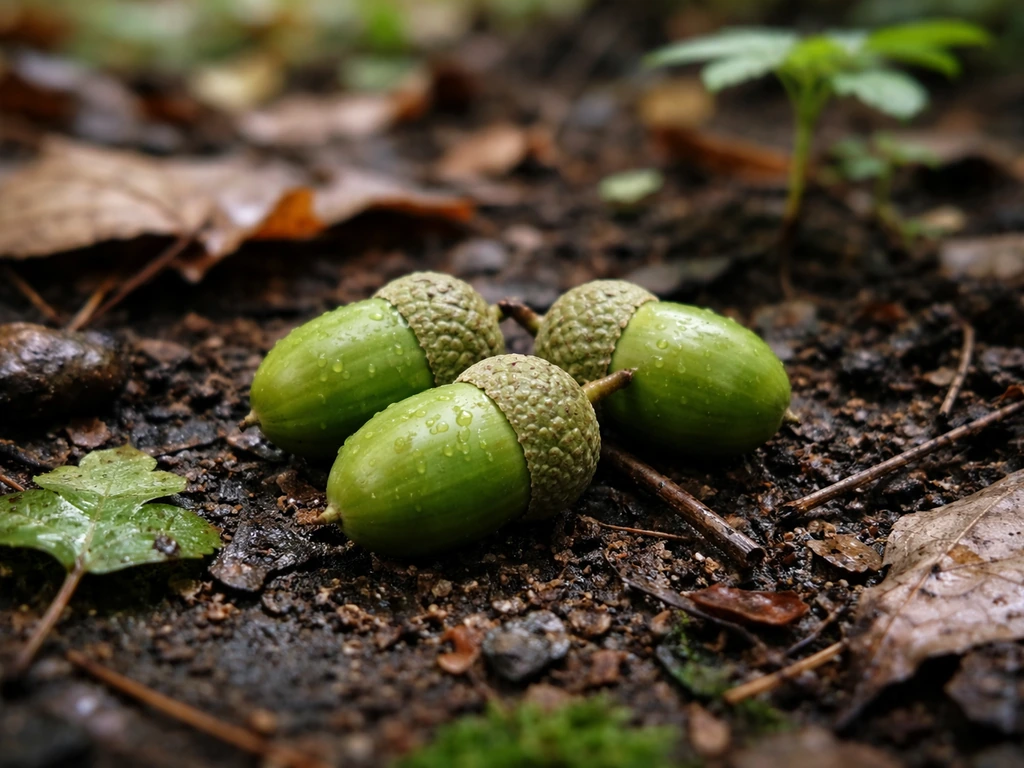
A truly immature acorn, one that fell from the tree in midsummer well before the normal fall drop, has likely not finished developing its embryo. The seed inside hasn't had time to build up enough stored energy to push a radicle out and establish a root system. These acorns almost never germinate successfully, no matter what you do with them.
A green acorn that dropped in early fall, right around the start of normal acorn season for that species, is a different story entirely. Many white oak acorns, for example, fall while still partially green and are completely viable. The green color just means it hasn't fully oxidized and dried out on the outside. Inside, the embryo is mature and ready. For most oak species, the acorn ripening window runs from late September through November, and a fresh green-brown acorn collected in that window is often your best starting material, because it hasn't had a chance to dry out and lose viability.
The bottom line: green and fresh is often fine. Green and premature (fell in June or July) is almost always a dead end. Timing your collection relative to the species' normal drop window tells you more than color alone.
How to tell if your green acorn is still viable
Before you invest any time in stratifying or planting, run a quick viability check. If your acorn passes the basic checks, you are much more likely to see it sprout and grow acorn will grow. You have two main tools: the float test and the cut test. Neither is perfect, but together they'll give you a solid read on what you're working with.
The float test
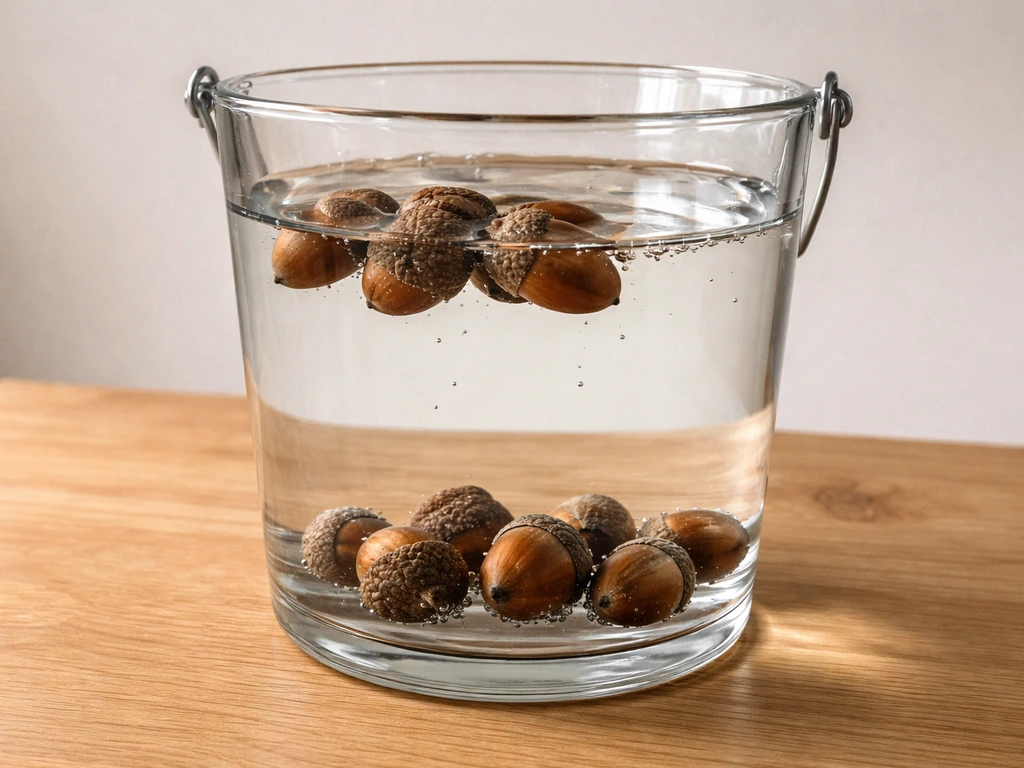
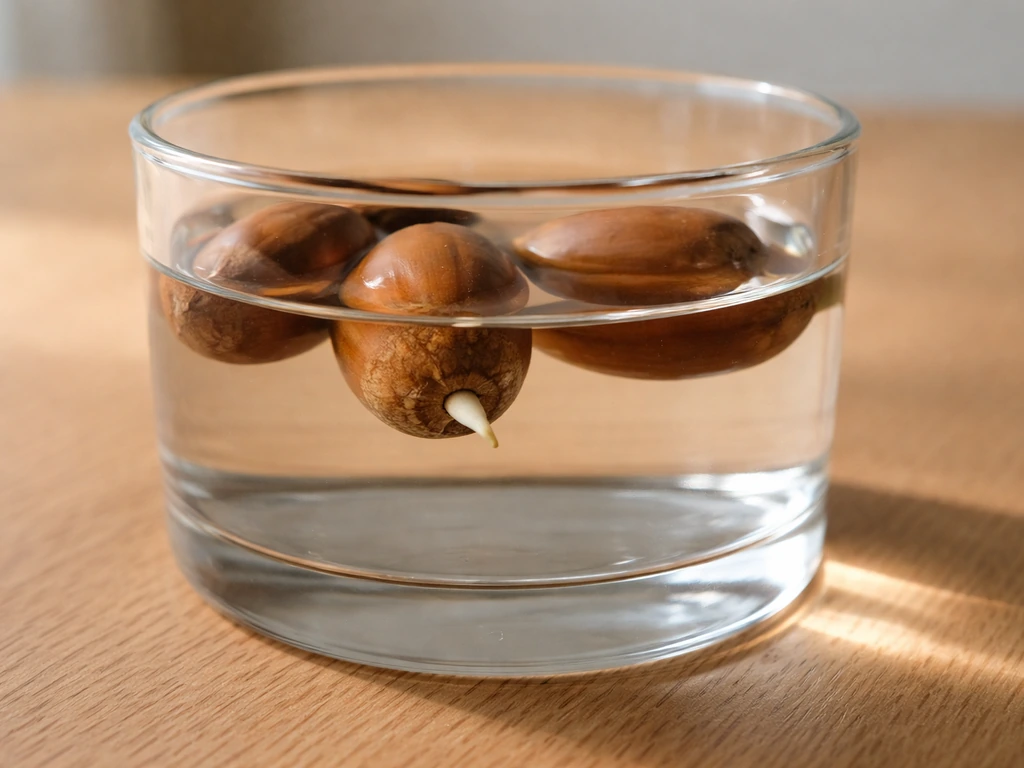
Drop your acorns into a bucket of water. Acorns that sink are generally the ones to plant. Floaters have often failed to fully develop their embryo or have been hollowed out by acorn weevils, leaving them too light to sink. Mississippi State University Extension Service describes the float test as a viability check, advising you to blank" rel="noopener noreferrer">discard acorns that float because floating can indicate the embryo has not fully developed or the seed is damaged. For white oaks especially, floating is a reliable red flag. However, if you're working with red oaks, the float test is less definitive. Research on red oak group acorns has found that blank" rel="noopener noreferrer">many floaters can still contain viable embryos, so don't automatically discard all of them without doing a cut test first.
The cut test
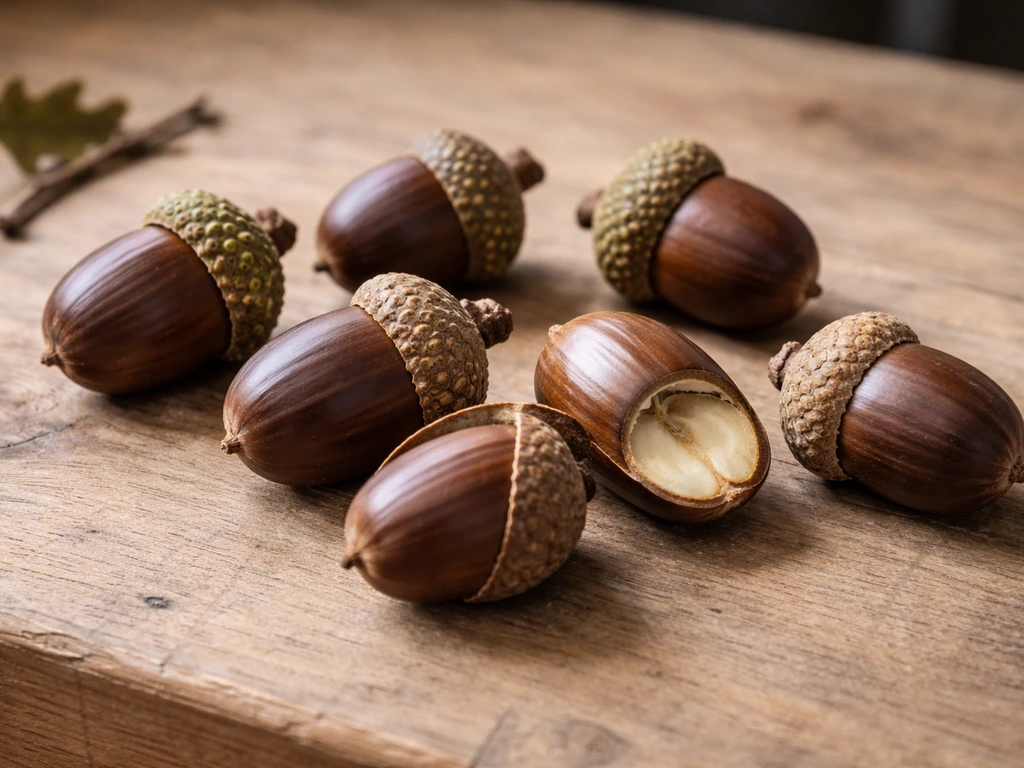
Sacrifice one or two acorns by slicing them in half lengthwise. A viable acorn will show white or cream-colored cotyledons (the fleshy interior), firm and consistent throughout. A nonviable acorn will often show brown or gray cotyledons, visible insect tunneling, or hollow space where the embryo should be. Weevil damage is one of the biggest viability killers and it's not always obvious from the outside. If the inside looks healthy and white, you're in good shape. If it's discolored or damaged, that acorn is not worth your time.
Visual inspection
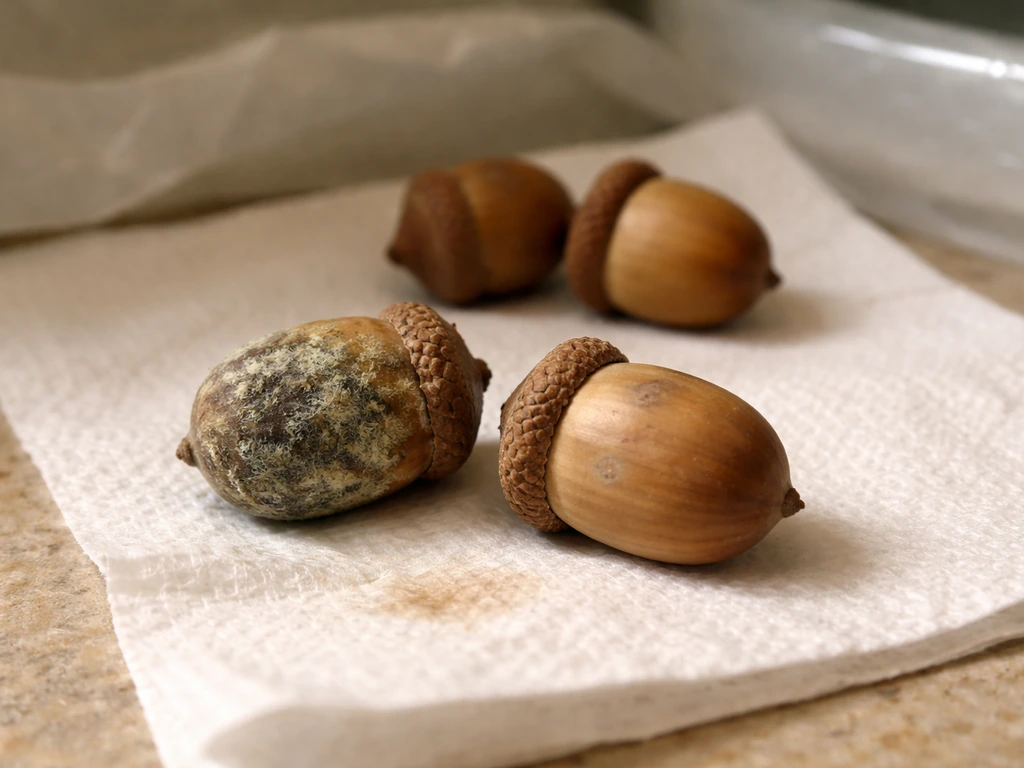
Also look at the exterior. Reject any acorn with visible mold, soft spots, small entry holes (signs of weevil damage), or a cap that's still firmly attached and the acorn feels very lightweight. A healthy acorn should feel dense and solid, and the cap should come off relatively easily without pulling the top of the nut apart.
Plant now or stratify first: picking the right path
Once you know your acorn is viable, the next decision is timing. You have two real options: plant it in the ground immediately (fall direct sowing) or put it through a controlled stratification period and plant in spring. The right choice depends on when you're collecting, what oak species you have, and your climate.
White oak group acorns (including bur oak, swamp white oak, and many western species) are the most time-sensitive. These acorns germinate in fall, not spring. If you collect a white oak acorn in September or October, it may already be beginning to crack its shell and send out a radicle within days or weeks. For these, the advice is to get them in the ground fast, ideally within 1 to 2 days of cleaning them, and absolutely do not let them sit out over a weekend without moisture. Letting white oak acorns dry out is the single most common way to kill them.
Red oak group acorns (northern red oak, pin oak, Nuttall oak, black oak, and others) require a cold, moist stratification period before they'll germinate. These acorns naturally overwinter and sprout in spring, so they have a built-in dormancy that needs to be broken by cold exposure. If you have red oak acorns and it's fall, you can either sow them outdoors directly and let winter do the work, or you can stratify them in your refrigerator to control the process. If it's already late winter or spring, refrigerator stratification is your only option.
Step-by-step: how to stratify and store an acorn
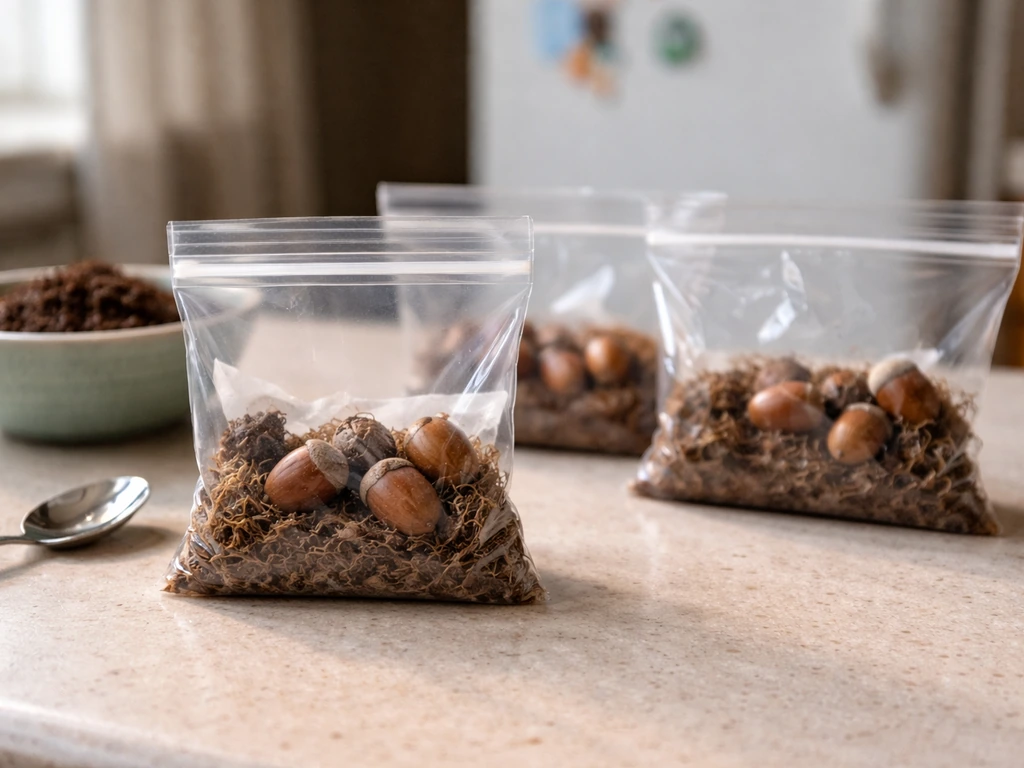
Cold stratification mimics what happens when an acorn spends winter buried under leaves and soil. You're just doing it in a controlled environment. Here's how to do it correctly.
- Run your viability checks first (float test, cut test). Only stratify acorns that pass.
- Soak viable acorns in water for 24 hours before stratifying. This rehydrates the seed and helps kick-start the process.
- Prepare a moist growing medium: a 50/50 mix of sand and peat moss works well, or you can use plain horticultural sand or vermiculite. The medium should be damp but not dripping. If you squeeze a handful, no water should run out.
- Place the acorns and medium in a container. A zip-lock bag, plastic food storage container, coffee can, or plastic bucket all work. Leave a little air space in the bag so there's some gas exchange.
- Label the container with the species and the date you started stratification.
- Store in the refrigerator at 32 to 41°F (0 to 5°C). Do not freeze white oak acorns. Red oaks can tolerate slightly colder temperatures, but staying in the 35 to 40°F range is the safest target for all species.
- Check every 1 to 2 weeks. Look for mold and for sprouting. Remove any obviously moldy or rotting acorns promptly so they don't infect healthy ones.
- Follow species-specific cold periods: bur oak needs 30 to 60 days; red oak and pin oak need 30 to 45 days; black oak and California species may need 30 to 90 days. Longer stratification tends to produce faster and more even germination.
- Once radicles (the white root tip) begin emerging from stratified red oaks, it's time to pot them up or plant them out, depending on outdoor conditions.
- If you're stratifying white oak acorns and they sprout early in the refrigerator, plant them out as soon as the soil is workable, even if it's winter, because the root will keep growing even in cold soil.
If your climate naturally provides cold, wet winters, like most of the northern US, you can skip the refrigerator entirely for fall-collected acorns. Just plant them in the ground in October or November, mulch lightly, and let winter do the stratifying for you. Iowa State Extension confirms that normal winter weather in places like the Midwest does the job just as well as artificial stratification.
Planting conditions that actually give seedlings a chance
Whether you're direct-sowing in fall or planting a stratified acorn in spring, the physical conditions you provide at planting time have a big effect on success.
Soil and containers
For container growing, use a deep pot rather than a wide one. If you’re wondering can I grow an acorn indoors, container culture is usually the most realistic starting point while you control moisture, light, and temperature For container growing. If you’re wondering whether you can grow acorns in water, the key is to treat it like a controlled moisture setup and watch for rot can you grow acorns in water. Oak taproots go straight down, and a shallow container will cramp the root system within weeks. A tall nursery tube, a 2-liter bottle with the top cut off, or a deep tree pot all work. Fill with a mix of potting soil and native soil or sand to improve drainage. Avoid dense, water-retaining commercial mixes on their own.
If planting directly in the ground, choose a spot with decent drainage. Oaks tolerate a range of soil types, but sitting in waterlogged soil during establishment will rot the root before it ever gets started.
Planting depth
Depth matters more than most people realize, both for germination success and for protecting against squirrels and other predators. For white oak group acorns, plant about 1 to 2 inches (2.5 to 5 cm) deep. For red oak group and other deeper-rooted species, go 3 to 5 inches (7.5 to 13 cm) deep. The deeper planting isn't just about squirrel protection; it also puts the acorn in contact with more consistent soil moisture and slightly more stable temperatures.
Moisture and light
Keep the soil consistently moist but not saturated during germination. Once the seedling emerges, make sure the entire stem is in full sunlight throughout the day. Oak seedlings grown in shade get leggy and weak, and they struggle to develop the root reserves they need to survive their first summer drought. After germination, if you have multiple seedlings in one pot, clip the weaker ones at soil level about a week after emergence rather than pulling them out. Pulling disturbs the roots of the one you're keeping.
Transplanting to the ground
Spring is generally the best time to move container seedlings into the ground. Soil moisture is naturally high, temperatures are mild, and if the seedling is still small, it hasn't built up a root system that will suffer badly from the move. Water well after transplanting and firm the soil around the roots to eliminate air pockets. Avoid transplanting in midsummer heat unless you can water daily.
Which oak species and what climate: matching tree to region
Not all oak acorns behave the same way, and where you live significantly changes both your timeline and your odds of success. Here's a practical breakdown of the most commonly grown species by region.
| Species | Group | Stratification Needed | Cold Period | Best Planting Zones | Key Notes |
|---|---|---|---|---|---|
| Northern red oak (Q. rubra) | Red oak | Yes | 30–45 days | Zones 3–8 | Very storable; viability can remain high for 18–30 months in cold, moist storage |
| Pin oak (Q. palustris) | Red oak | Yes | 30–45 days | Zones 4–8 | Similar to red oak; tolerates wet soils better than most |
| Bur oak (Q. macrocarpa) | White oak | Yes (shorter) | 30–60 days | Zones 3–8 | Extremely cold-hardy; radicle may emerge quickly in fall |
| White oak (Q. alba) | White oak | Minimal/none | Falls germinate fast | Zones 3–9 | Plant within 1–2 days; don't let it dry out or freeze |
| Nuttall oak (Q. texana) | Red oak | Yes | 30–45 days | Zones 6–9 | Unstratified seeds sown in January showed 79% germination in field trials |
| California black oak (Q. kelloggii) | Red/Black oak | Yes | 30–90 days | Zones 7–9 (West) | Longer stratification improves germination evenness; soak 24 hrs first |
| Oregon white oak (Q. garryana) | White oak | Yes (moderate) | 30–60 days | Zones 6–9 (Pacific NW) | Viability held at 84% after 2 years of refrigerated storage in research trials |
If you're in the deep South (Zones 7 to 9), your winters are mild enough that fall-sown red oak acorns may not get enough natural cold exposure to break dormancy properly. In that case, refrigerator stratification is more reliable than leaving things to nature. Conversely, if you're in Zone 3 or 4, your bigger concern is getting acorns into the ground before the soil freezes solid, or keeping your refrigerator-stratified seedlings safe until spring planting conditions arrive.
In California, the white oak group (valley oak, blue oak) and the black oak group behave differently. White oaks tend to germinate faster and with less cold requirement, while black oaks need the full 30 to 90 days of cold treatment and benefit from a 24-hour soak beforehand. The UC ANR guidance for California oak regeneration specifically calls out the need to prevent drying during stratification, because California's low-humidity conditions can desiccate stored acorns faster than they would in humid eastern climates.
When things go wrong: mold, failed germination, and what to do next
Even with good acorns and correct technique, things don't always go to plan. Here's what to look for and what to do.
Mold during stratification
Surface mold on the outside of an acorn during refrigerator storage is common and often not fatal to the seed inside. Wipe it off with a cloth or rinse the acorn, and check whether the acorn itself still feels firm and solid. If the acorn has gone soft, smells bad, or the interior shows discoloration when you cut into it, discard it. The most effective way to prevent mold in the first place is to make sure your stratification medium is moist but not wet, and to leave some air space in your storage container so gases can exchange. Don't seal acorns in an airtight bag with no room to breathe.
Nothing is sprouting
If you've passed the minimum cold period and nothing has happened, give it more time before writing off the batch. Germination is not always even across a group of acorns, and some will lag weeks behind others. Red oaks that were stratified for 45 days may take another 2 to 4 weeks after planting before anything visible happens above soil. Don't dig them up to check every few days; that disturbs roots that may have already started developing underground. If after 8 to 10 weeks in the ground there's still no sign of life, then it's fair to do a test dig on one or two.
Acorns rotting in the ground
If you dig up failed acorns and find them completely rotted, the most likely causes are planting in poorly drained soil, watering too heavily, or using acorns that were already compromised before planting. Review your viability checks for the next batch and make sure you're not overwatering. A common mistake is keeping container-sown acorns as wet as you'd keep a houseplant. The goal is consistent moisture in the root zone, not saturated soil.
Seedling dies after emerging
Early seedling death, where the shoot comes up then collapses at the soil line, is usually damping off, a fungal problem that thrives in overly wet, poorly ventilated conditions. If this happens with container seedlings, improve drainage in your potting mix, reduce watering frequency, and move containers somewhere with better air circulation. It's also worth checking that you haven't planted more than one acorn per container, since overcrowding amplifies the problem. Clip weaker seedlings rather than letting them compete.
Realistic expectations and timeline
Growing an oak from an acorn requires patience that most seed-starting projects don't ask for. From collection to a seedling that's ready to transplant into its permanent spot, you're typically looking at one full growing season minimum, and often two. White oak acorns collected in October might give you a 6-inch seedling by the following June. Red oaks collected in October, stratified over winter, and planted in March might produce a similar result by August. Planning ahead by about a year and a half before you need the tree in the ground is a reasonable mindset. The USDA Forest Service recommends thinking in that kind of timeframe for oak establishment planning, and it's honest advice.
If you're just getting started and want to make sure you're working with the best possible material, the most important variable isn't technique; it's starting acorn quality. Fresh, fully mature, undamaged acorns from a healthy local tree will outperform any heroic effort applied to compromised ones. Collect from the ground right after natural fall drop, skip anything that floats, check a few interiors, and you'll have the best odds before you've even touched a bag of peat moss.
FAQ
Can you plant a green acorn right away and skip stratification for every oak type?
Only for oaks in the white oak group (they are the ones that typically germinate in fall). For red oak group acorns, skip stratification and you often get no sprout even if the acorn is viable, because the cold dormancy requirement still needs to be met.
What if my green acorn is from the wrong season for my area, can I “save” it with stratification or longer storage?
If it’s truly premature (for example, fallen in midsummer), stratification cannot reliably replace missing embryo development. You can try germination later only after a float and cut test, but for most premature acorns the odds remain very low.
Are float test results ever misleading, and what should I do if an acorn floats?
Yes, especially for red oak group acorns, where some floaters can still be viable. If an acorn floats, do the cut test before discarding. If the interior is firm and white or cream with no tunneling, keep it and process based on the species.
How long should green acorns be kept before planting if I cannot plant immediately?
Avoid letting them dry, but the safe window depends on species. White oak group acorns generally should be cleaned and planted within about 1 to 2 days, while red oak acorns can be handled through refrigeration stratification as long as the medium stays moist but not wet.
What stratification medium should I use, and does it matter if it gets a little wet?
Moist-but-not-wet is the goal. Use a medium that holds moisture lightly and provides air space, such as damp sand or a properly moistened mix, and don’t seal everything airtight. If it becomes waterlogged, rot becomes more likely.
Should I keep container-grown acorns in bright light right away, or only after sprouting?
After planting, focus on consistent moisture and temperature, but once a shoot emerges, give full sun to the stem quickly. Waiting too long on light can produce leggy growth that fails more easily during the first summer drought.
What is the correct planting depth if I am unsure whether my acorn is white or red oak group?
A practical approach is to identify the oak group first, but if you truly cannot, err toward the shallower depth only if the acorn is likely white oak group. White oak group is typically 1 to 2 inches deep, while red oak group is commonly 3 to 5 inches.
If only some acorns sprout, is it better to replant the rest or wait longer?
Wait longer before replanting, germination can be uneven in the same batch. If you have red oak acorns, even after stratification some seedlings can lag weeks. A reasonable checkpoint is to wait through the typical emergence window, then do a limited test dig on one or two.
How do I tell damping off from simple slow germination in container seedlings?
Damping off shows up as a collapsed, rotted-looking stem near the soil line soon after emergence, often after overwatering or poor airflow. Slow germination means nothing has emerged yet, with no collapse, and can be consistent with red oak timing.
My acorns got mold in the refrigerator, when should I throw them out?
Mold on the outside can be wiped off, but discard if the acorn feels soft, has a bad odor, or shows interior discoloration when cut open. If interior tissue is still firm and healthy, you can clean, adjust moisture, and continue storage.
Do I need to plant multiple acorns in one container, and how many is safe?
It’s best to avoid overcrowding. One acorn per container reduces damping off risk because airflow and moisture conditions stay more stable. If multiple sprout, clip the weaker ones at soil level after emergence rather than pulling them.
What’s the best time to move a container seedling into the ground if spring weather varies?
Move when soil is reliably workable and temperatures are mild, spring is usually safest. Water well after transplanting and firm the soil around the roots. Avoid mid-summer moves unless you can water daily for establishment.
Can I grow an acorn indoors for a long time and then plant later?
You can start indoors in a deep container, but plan for transplant timing. The key risk indoors is keeping moisture right and avoiding root crowding, because oak taproots need vertical room. If you delay outdoor planting too long, the seedling may become root-bound or stressed when conditions change.