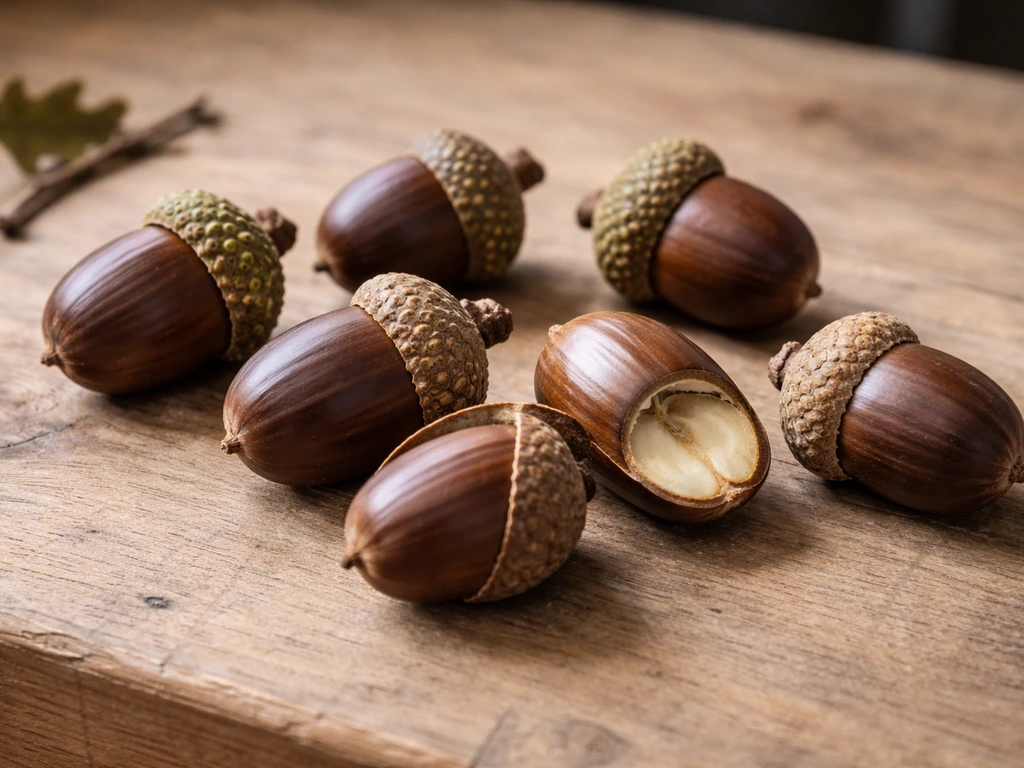
You can use water to pre-soak and briefly sprout an acorn before moving it to soil, but you cannot grow an oak tree in water long-term. What works is a short, controlled soak of 24 to 48 hours to hydrate the seed and test viability, followed by a moist stratification period if needed, and then a brief window in shallow water or damp conditions to encourage the radicle (the first root) to emerge.
Can You Grow Acorns in Water? Step-by-Step Guide
Marcus Hendricks
16 May 2026
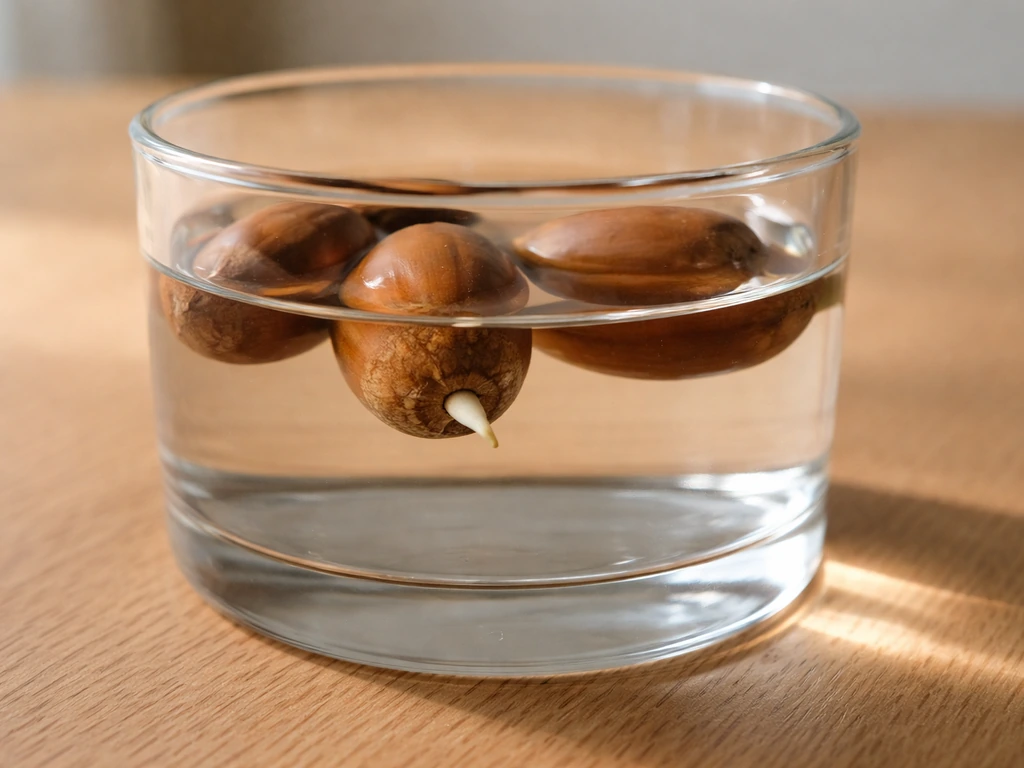
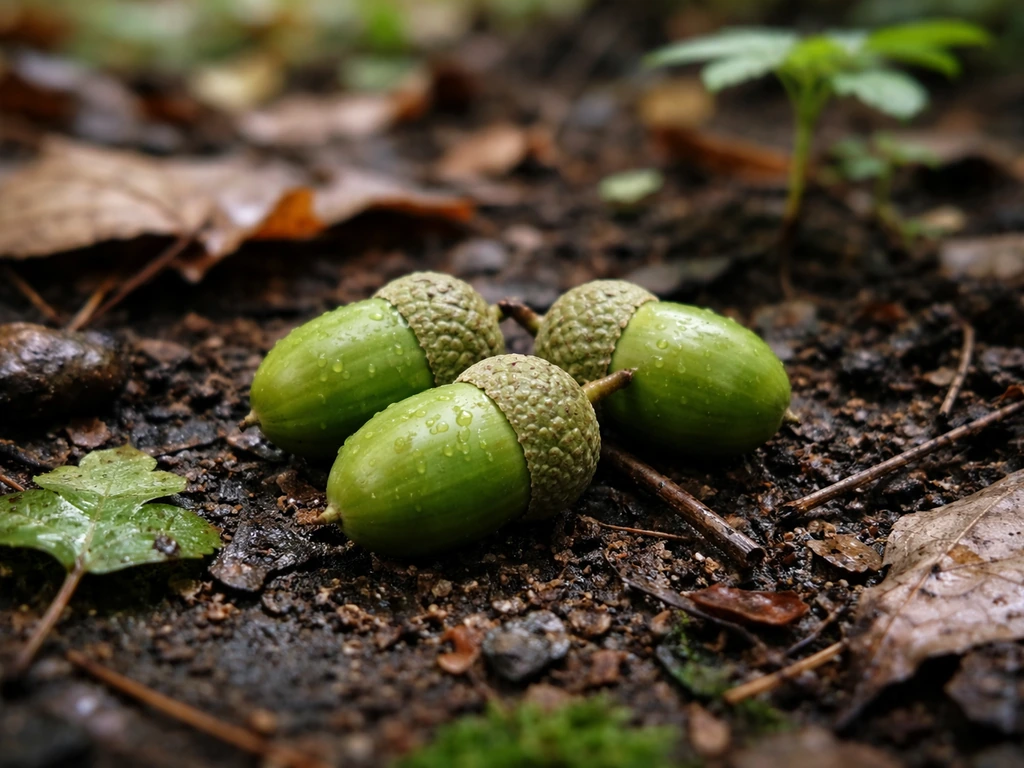
Once that root appears, the acorn needs to go into soil immediately. Keeping it submerged will rot it. Think of water as a germination trigger and a viability filter, not a growing medium. Yes, you can start the process, but you generally cannot grow an oak tree to maturity entirely from an acorn while it stays submerged in water can you grow a green acorn.
Can acorns actually germinate in water? What works and what doesn't
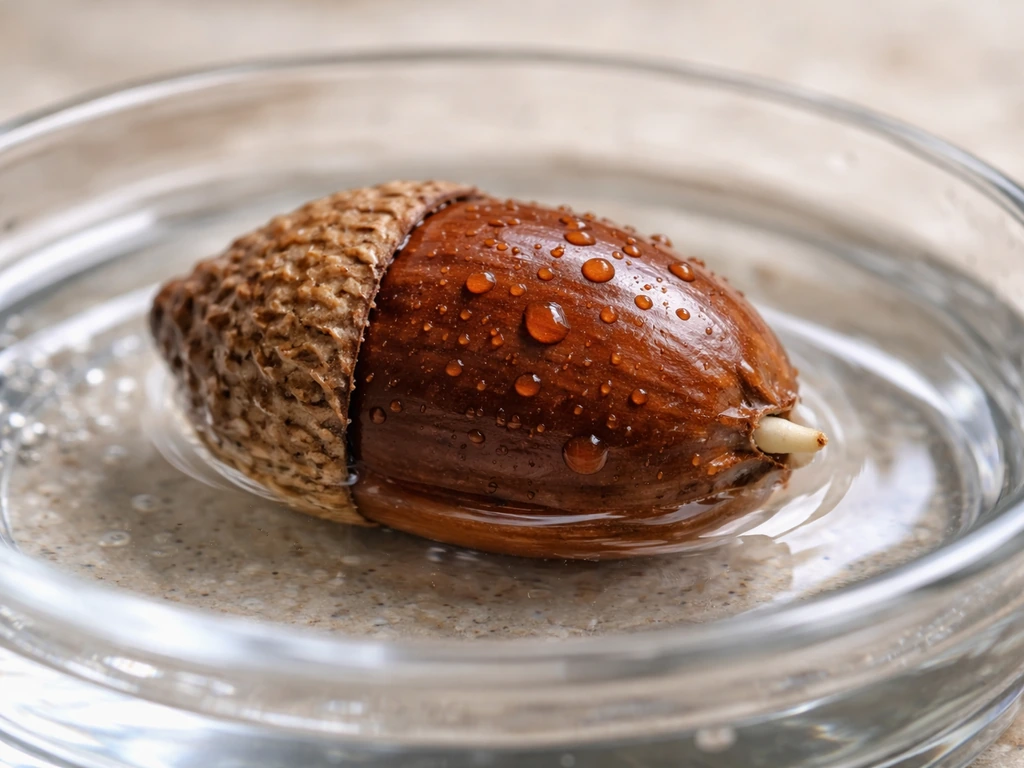
Acorns are oak seeds, and like most seeds they need three things to germinate: moisture, oxygen, and the right temperature. Water handles the moisture part, but here's the catch: if an acorn sits submerged for more than a day or two, the water displaces oxygen around the seed. Without oxygen, germination stalls, the seed swells but doesn't sprout, and rot sets in fast. So pure water culture, the kind you might use for avocado pits with toothpicks, doesn't work for acorns.
What does work is using water strategically. A 24-hour soak hydrates the seed, softens the outer shell, and helps you quickly separate viable acorns from duds using the float test. After that, the acorn either goes directly into moist stratification media (for species requiring cold treatment) or, if it's a white oak group species in fall and conditions are right, you can watch it over a few days in a barely moist environment for the radicle to push out. Some growers use a damp paper towel in a plastic bag rather than standing water, and that setup keeps moisture without drowning the seed in oxygen-poor conditions.
The bottom line: water is useful for the first 24 hours, and a moist (not wet) environment works for the stratification and sprouting phase. If you try to keep an acorn submerged until you see a full sprout, you'll almost certainly lose it to rot or mold before that happens.
Choosing viable acorns: fresh vs. stored, and basic viability checks
Freshness matters enormously with acorns. Unlike many seeds that can be stored for years, acorns are recalcitrant seeds, meaning they don't tolerate drying out and their viability drops quickly with poor storage. A fresh acorn collected in fall from the ground (ideally within a day or two of dropping) is your best starting point. Acorns stored without proper cool, moist conditions can still be technically viable but dormant after months, as studies on Oregon white oak have shown, but germination rates fall the longer and drier the storage.
When you have a batch of acorns, the first thing to do is a float test. Drop them all into a bucket of water and let them sit for 24 hours. Acorns that sink are generally denser and more likely to be viable; ones that float are often hollow, insect-damaged, or dried out and should be discarded. This is a good rough filter, but it's not perfect. Research on Quercus garryana (Oregon white oak) has shown float test results don't perfectly predict every acorn's fate, so don't stress if a small number of sinkers still fail to germinate.
Beyond the float test, physically inspect each acorn. Discard any with cracks, obvious mold, soft spots, or tiny exit holes (a sign of weevil larvae). A healthy acorn should feel firm and heavy, have its cap recently separated or still attached, and show no discoloration of the nut meat if you carefully nick the shell.
Water method setup: container, water quality, temperature, and timing
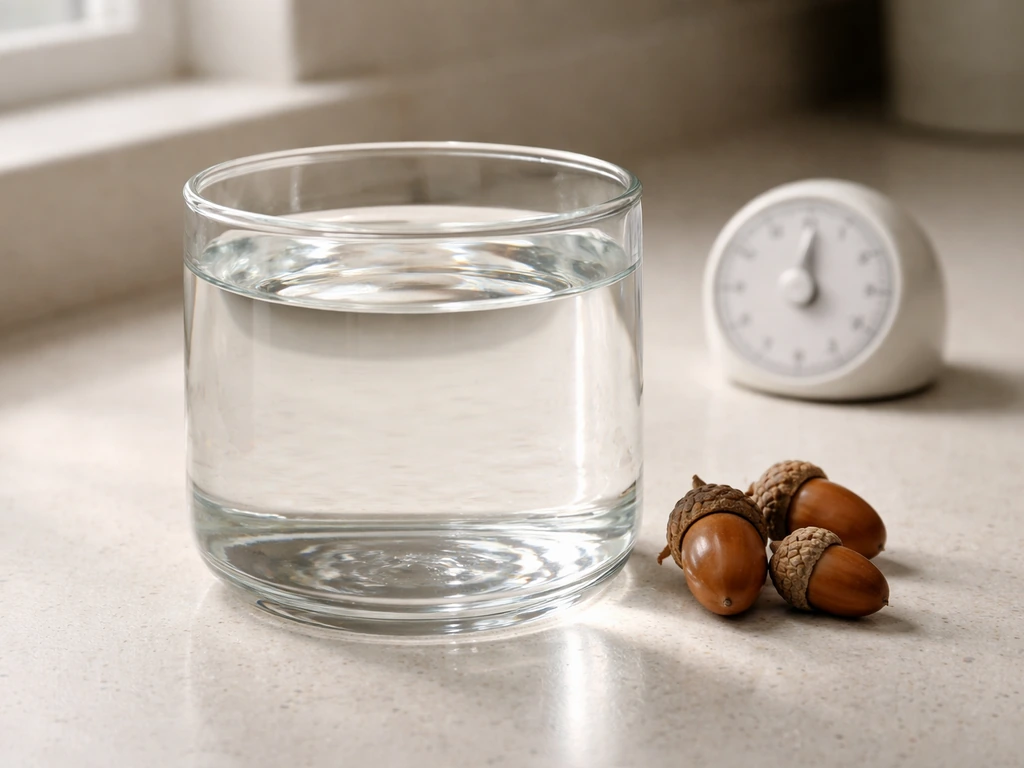
For the initial 24-hour soak, use a clean container, nothing that previously held soap or chemicals, and fill it with room-temperature water. Tap water that has sat out for an hour to off-gas chlorine works well. Distilled water is fine too. Avoid warm water (above about 70°F/21°C) during the soak, as it encourages pathogen growth. Cool water around 50 to 65°F (10 to 18°C) is ideal and also aligns better with the cool stratification temperatures most oak species actually need for dormancy-break.
Do not leave acorns soaking for longer than 24 to 48 hours. After 24 hours, pull out the sinkers, rinse them with clean water, and move immediately to the next step. Prolonged soaking creates anaerobic (oxygen-free) conditions around the seed, which is exactly the environment that promotes rot organisms like Pythium and Phytophthora, the same pathogens behind damping-off in seedlings.
If you want to encourage sprouting before moving to soil (the closest thing to a legitimate 'grow in water' method), place your soaked acorns on a damp paper towel inside a zip-lock bag. While you can encourage initial radicle emergence using a damp paper towel or very brief shallow soaking, will green acorns grow as a long-term water-grown plant is a different question grow in water.
Add just enough moisture so the towel is wet but no standing water pools in the bag. Leave it slightly open for air circulation. Keep it at 35 to 45°F (2 to 7°C) in your refrigerator for cold-stratification species like red oak and bur oak, which need 30 to 60 days of cold treatment, or at cool room temperature for white oak group species that will sprout without cold treatment when conditions are right. Check every few days.
What to watch for during germination
Signs of progress
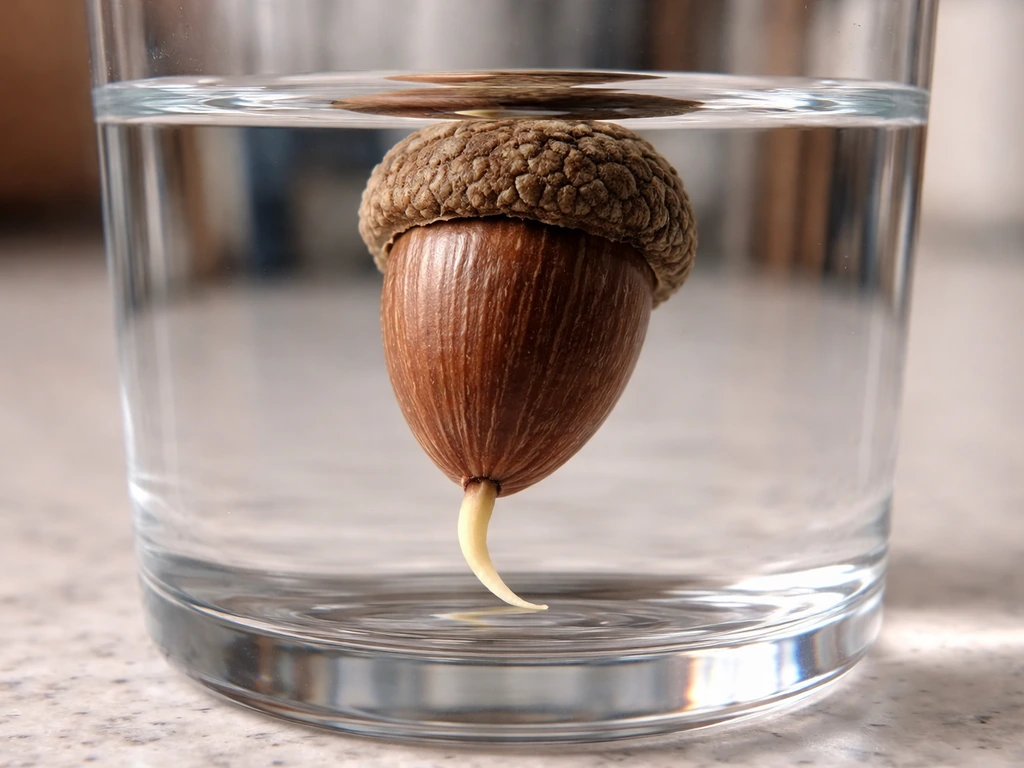
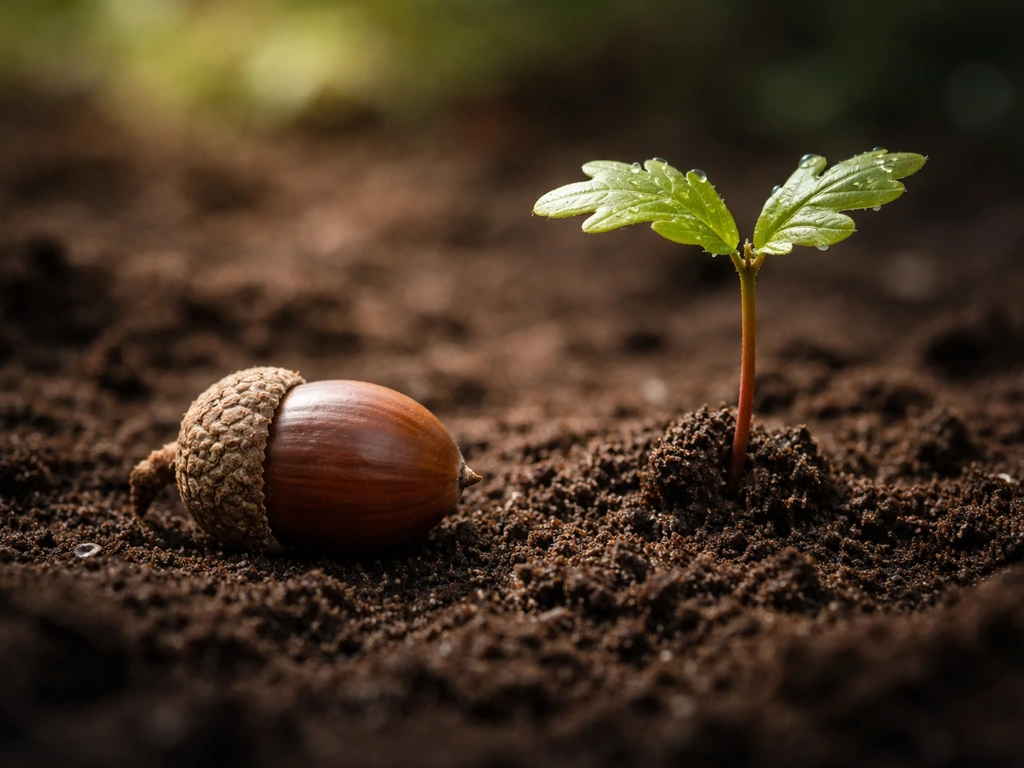
The first sign of germination is the radicle, a pale, cream-colored root tip poking out of the pointed end of the acorn. For white oak group species (white oak, bur oak, swamp white oak), this can happen within 2 to 4 weeks under the right cool, moist conditions. For red oak group species (northern red oak, pin oak, scarlet oak), cold stratification must complete first, so you'll wait 30 to 60 days before you typically see movement. The radicle should look smooth, white or pale yellow, and firm. Anything fuzzy, dark, or slimy is a bad sign.
Mold and rot prevention
Surface mold on the acorn shell doesn't always mean the seed inside is ruined, but it's a warning. Rinse the acorn gently under cool water, dry the shell lightly, and replace the paper towel with a fresh one. The key is to keep conditions moist, not wet. Standing water in the bag or a dripping-wet towel will almost guarantee rot. Good airflow (keep the bag cracked open slightly) and cool temperatures slow pathogen activity considerably. If you see black or soft areas on the acorn itself, or the shell feels mushy, discard it immediately before the rot spreads to neighboring acorns.
When and how to move from water to soil
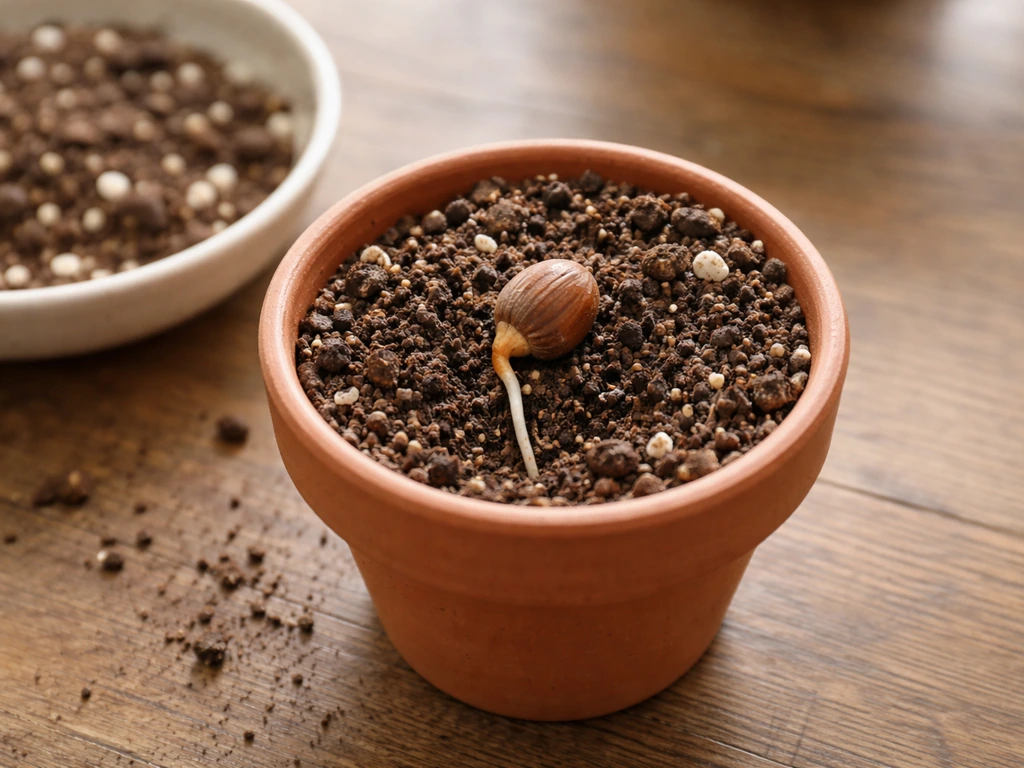
Once the radicle is 0.5 to 1 inch long (1 to 2. If your goal is can you grow acorns successfully, this is where you transition from water-based germination to proper soil growing move immediately to the next step. 5 cm), that acorn needs to go into soil right away. Leaving it longer in the bag or in water gives the root no structure to grow into, and roots that develop in open air or water often grow poorly shaped and struggle to establish properly. Timing matters: a radicle longer than about 2 inches before planting becomes fragile and easy to break.
Use a well-draining potting mix, not straight garden soil, which can carry pathogens and compacts too easily in containers. A mix of potting soil with 20 to 30 percent perlite or coarse sand works well. Plant the acorn with the pointed end (where the radicle emerged) facing down and cover it with about 1 inch (2.5 cm) of mix. Don't bury it deeper than that at this stage. Water it in gently until moisture reaches the bottom of the container, then let the top inch of soil dry slightly before the next watering.
Container choice matters more than most beginners expect. Oak seedlings develop a taproot quickly and aggressively. A shallow seed tray will strangle that root within weeks. Use a deep container from the start, something at least 10 to 12 inches deep, even for a newly sprouted acorn. Research on northern red oak seedlings confirms that container depth and geometry meaningfully affect early root development and overall seedling growth.
Oak seedling care after sprouting
Once the shoot pushes up through the soil and unfurls its first leaves, light becomes the most important variable. Oaks are not shade-tolerant seedlings in the early weeks indoors. Put them in your brightest window, a south-facing one if you're in the northern hemisphere, or under a grow light for 12 to 14 hours per day. Insufficient light produces weak, leggy seedlings that are far more susceptible to damping-off and transplant failure. White oak in particular is known to need at least 35 percent of full sunlight to establish well.
Keep moisture consistent but never soggy. Water when the top inch of mix is dry to the touch. Good air circulation around the seedlings reduces the mold and damping-off risk significantly, so don't crowd multiple seedlings in a small space. A small fan running nearby on low also helps.
Before moving the seedling outdoors permanently, harden it off over 1 to 2 weeks by putting it outside in a sheltered, partly shaded spot for a few hours each day, gradually increasing the exposure. This prevents the shock of going from an indoor environment to full outdoor conditions. Once hardened off, oak seedlings are generally much tougher than they look at the seedling stage.
When planting out into the ground, choose a permanent spot carefully because oaks do not transplant well once they're established. The taproot goes deep fast. Plant in spring after last frost for cold-stratified species, or in fall for fresh-acorn direct planting in milder climates.
Species and regional suitability: picking the right oak for where you live
Not all oaks need the same treatment, and using the right species for your region dramatically affects your success rate. Beyond just germination method, the oak you grow needs to be suited to your climate, soil type, and hardiness zone. Here's a quick overview of common species and their requirements:
| Species | Cold Stratification | USDA Zones | Notes |
|---|---|---|---|
| Northern Red Oak (Q. rubra) | 30–90 days at 32–41°F | 3–8 | Very common; reliable stratification responder; deep taproot early |
| White Oak (Q. alba) | Minimal to none | 3–9 | Often germinates without cold treatment; radicle emerges quickly in fall |
| Bur Oak (Q. macrocarpa) | 30–60 days | 3–8 | Drought-tolerant once established; excellent for Midwest and plains |
| Pin Oak (Q. palustris) | 30–45 days | 4–8 | Tolerates wet soils; common urban/landscape species |
| Water Oak (Q. nigra) | None to minimal | 6–9 | Southern species; germinates at warmer temps; not cold-hardy |
| Oregon White Oak (Q. garryana) | 60–90 days | 5–9 | Pacific Northwest native; higher float-test variability noted in research |
Sourcing acorns locally is genuinely important, not just philosophically. A white oak acorn from Georgia may not be adapted to germinate reliably in Minnesota, even if white oak technically grows in both places. Local ecotypes have evolved timing cues (like when to break dormancy) matched to local weather patterns. Whenever possible, collect acorns from trees growing in your own region, or at least from a similar climate zone. This applies especially to species like Oregon white oak where local genetic stock preservation is actively encouraged.
If you're trying this in a region where the target species isn't native or well-adapted, your germination rates will likely be lower and your seedling survival after transplant harder. That's worth knowing upfront rather than after you've put weeks of effort into the process.
Troubleshooting: no germination, mold, and stalled sprouts
No germination after weeks in the bag
First, check whether your species actually requires cold stratification and whether you've provided it. A northern red oak acorn sitting at room temperature in a damp bag isn't going to sprout because it's waiting for that cold period signal. Move it to the refrigerator (33 to 41°F / 1 to 5°C) and restart the clock. If you've already done the cold treatment and still nothing after the expected window, gently squeeze the acorn. If it feels firm and solid, it may just be slow. If it's mushy or hollow, it was non-viable from the start. Some batches from a bad mast year (low-quality seed year) just have poor germination rates regardless of what you do.
Mold on the acorn or paper towel
Surface mold on the paper towel is common and usually manageable. Replace the towel, rinse the acorn, and make sure you're not over-moistening. If the mold is heavy and the acorn shell feels soft or smells off, that one is lost. Keeping the bag slightly open for air exchange is the single most effective prevention step. Adding a very small pinch of activated charcoal to the damp towel can also help suppress mold without harming the seed, though it's not essential.
Radicle appeared but stopped growing or turned brown
A radicle that goes brown and soft has rotted, almost always from sitting too wet or too warm for too long. A radicle that stopped growing but looks healthy (firm, white or cream-colored) may just be paused waiting for better conditions, or the temperature may be outside the optimal range. Check that your fridge stratification temperature is actually in the 33 to 41°F range (thermometers lie sometimes) and that there's no freezing occurring. If the radicle is still firm but stalled, try moving the acorn to its soil container anyway. Sometimes the act of being in a proper growing medium restarts growth.
Seedling emerged but is falling over or collapsing at the base
This is damping-off, caused by fungal pathogens (Pythium, Phytophthora, Fusarium) thriving in overly wet, poorly ventilated conditions. There's no saving a seedling that has fully damped off. Prevent it in future starts by using sterile potting mix, not garden soil, ensuring your container has drainage holes, watering from below when possible, and providing strong light and airflow. Cold, wet, and dark is the perfect recipe for damping-off losses, so keep your seedlings warm, bright, and well-ventilated once they've emerged.
FAQ
Can you grow acorns in water like an avocado pit, with toothpicks and a jar?
Not as a full long-term grow. Acorns can be kept wet for a short, controlled period to hydrate or to coax the radicle to emerge, but remaining submerged is an oxygen problem and leads to fast rot. If your goal is “water-based growing,” use damp paper towel or very brief shallow moisture, then move to soil as soon as the radicle appears.
What counts as successful germination when trying to sprout an acorn in water
If you only see the acorn swelling or splitting slightly, that is usually not the same as germination. The key milestone is the radicle, the pale root tip, that should look smooth and firm. If you do not see a radicle after your expected timing window, the batch may be dormant, non-viable, or temperature mismatched, so switch to stratification or planting rather than extending submersion.
If I change the water daily, can I keep the acorn submerged longer
Do not keep it fully submerged, even if you change the water frequently. Water exposure beyond a day or two reduces oxygen around the seed and increases rot risk. If you rinse, do it after the initial soak, then place the acorn on damp (not pooling) material with some airflow, or move to moist stratification media.
Is it okay to soak acorns in warm water to speed things up
Yes, you can use cool, clean water for the first 24 hours, but avoid warm water and avoid leaving it too long. Warmth accelerates microbial growth, which can look like “mold” on the surface but often means the seed tissues are deteriorating too. Stick to the initial soak only, then transition to moist, oxygenated conditions or stratification.
Why do my acorns float and still not sprout after soaking
Start with viable, fresh acorns. If most acorns are hollow or damaged, no water method will fix it. Use the float test as a rough filter, then inspect for cracks, soft spots, and weevil exit holes before you begin the soak or stratification.
How do I prevent mold and rot when using a damp-bag method instead of submersion
A slightly open bag, a damp towel that is wet but not dripping, and cool temperatures are the combination that prevents rot. Standing water, a tightly sealed bag, or an overly wet towel removes oxygen and boosts pathogen activity.
Should I plant immediately when the radicle appears, even if it's short
Yes. If the radicle is still short and firm, moving immediately to soil often helps it continue developing in a structured medium. But if the root is long and fragile (around 2 inches or more), breakage becomes likely, so transplant sooner rather than waiting for a bigger sprout.
What should I do if my acorn is firm but never sprouts after the waiting period
After stratification, if a red oak group acorn shows no change, re-check that it received the full cold period and that temperatures stayed in the correct refrigerator range without freezing. If it still feels mushy, discard it, and if it feels firm, it may be slow, so consider planting into a proper container rather than extending wet submersion.
Can I grow acorns in a container with shallow water that just covers the bottom
Yes, but only to a point. A brief shallow wet phase can encourage the radicle, yet once the first root emerges you need soil for structure. Also, a clear container does not guarantee oxygen, so the deciding factor is moisture level and airflow, not visibility.
Why does the radicle turn brown or get slimy
If it turns brown or feels soft, it has likely rotted, usually from staying too wet or too warm for too long. There is no realistic rescue once tissues are damaged, so discard it to protect the rest of the batch.
Do all oak acorns need cold stratification before they will sprout
If you are unsure about whether your acorn needs cold stratification, treat it as species-dependent. Northern red oak group acorns generally require a cold period before sprouting, while some white oak group species can sprout without cold if conditions are right, so skipping cold for the red oak group is a common reason for failure.
If I accidentally kept a sprouted acorn in water too long, can I switch back to soil later
When the acorn has sprouted, you should not place it back into water as “insurance.” Roots grown without soil contact often establish poorly, and reverting to water increases breakage and rot risk. Transition to a deep container and water based on the top inch of mix drying.