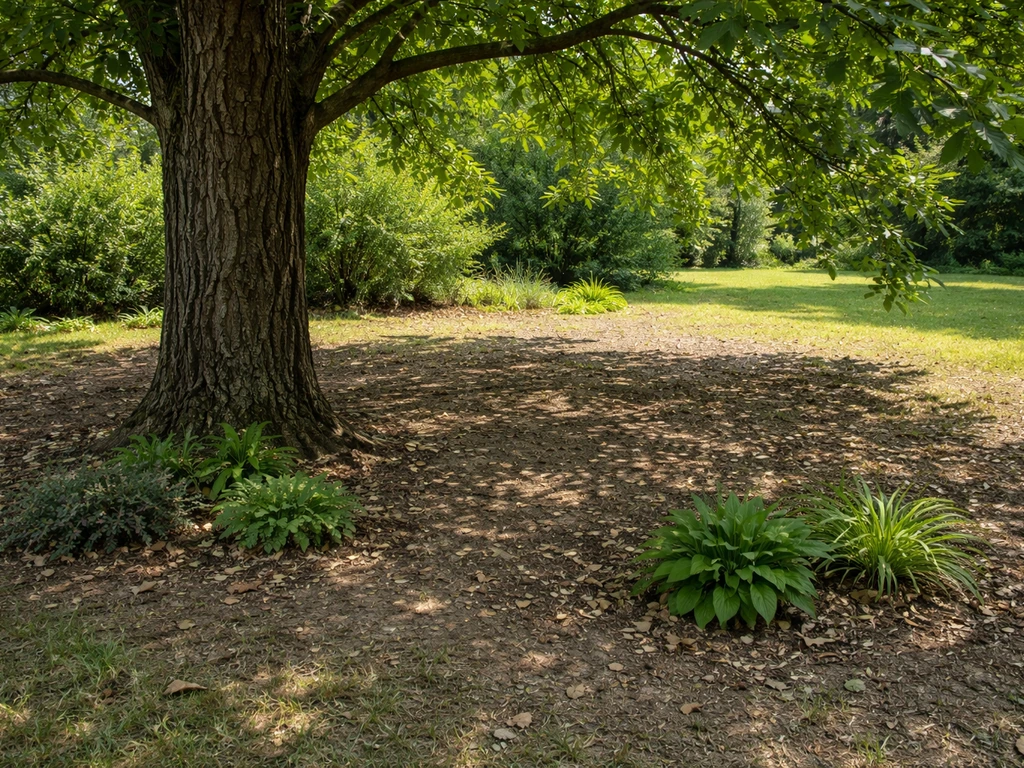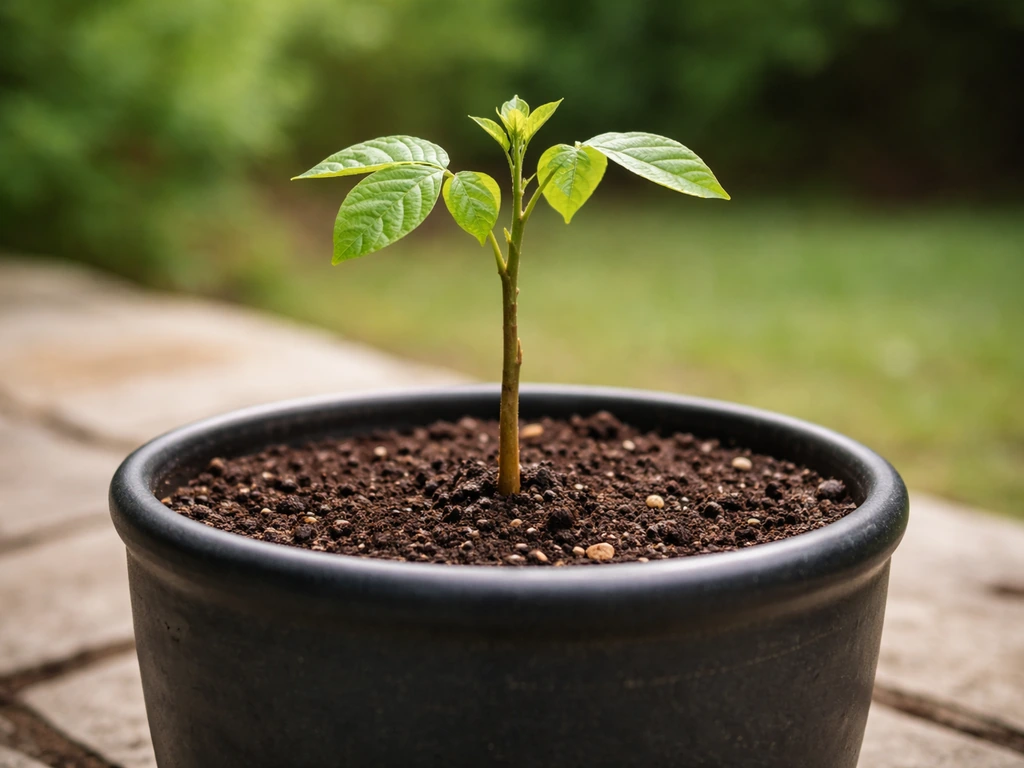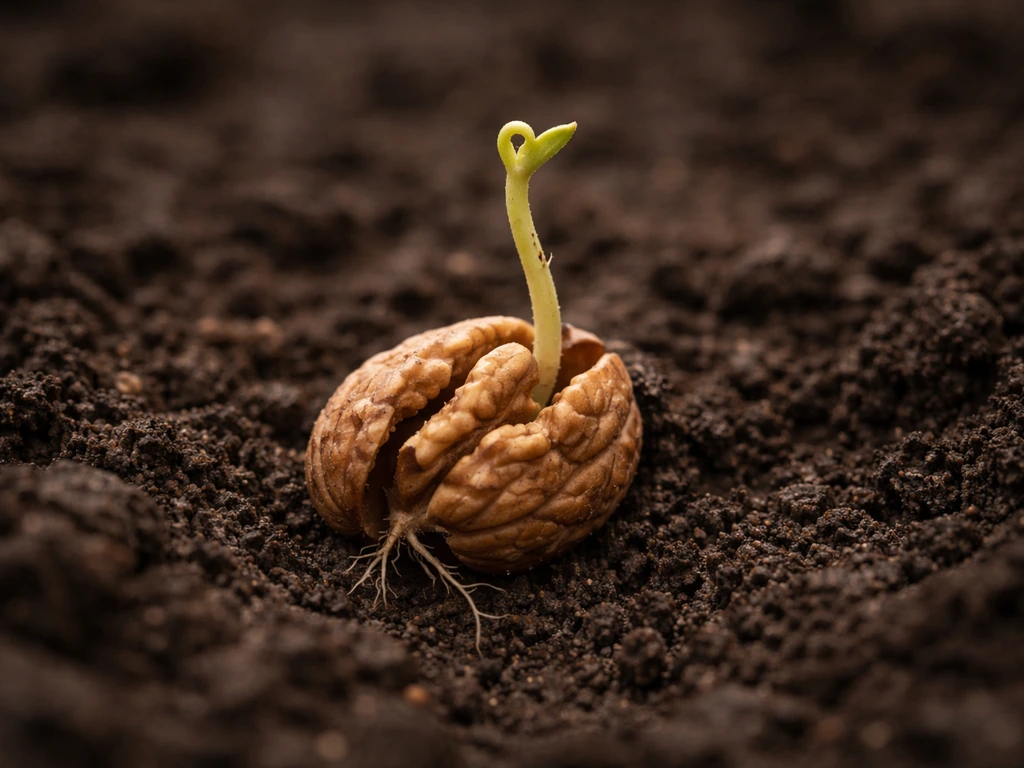
Some vegetables can grow near walnut trees, but your success depends almost entirely on which walnut species you have, how far away your beds are, and how well you manage fallen leaves and hulls. Near a black walnut, your safest vegetable bets include beans (lima and snap), carrots, beets, onions, parsnips, corn, and most squash. Tomatoes, peppers, eggplant, potatoes, cabbage, and most members of the nightshade family are highly sensitive and will likely fail or struggle badly. Near English walnut, Butternut, or other non-black-walnut species, the restrictions loosen significantly, and most vegetables do fine as long as root competition and shade are managed.
What Vegetables Will Grow Near Walnut Trees
Marcus Hendricks
11 May 2026
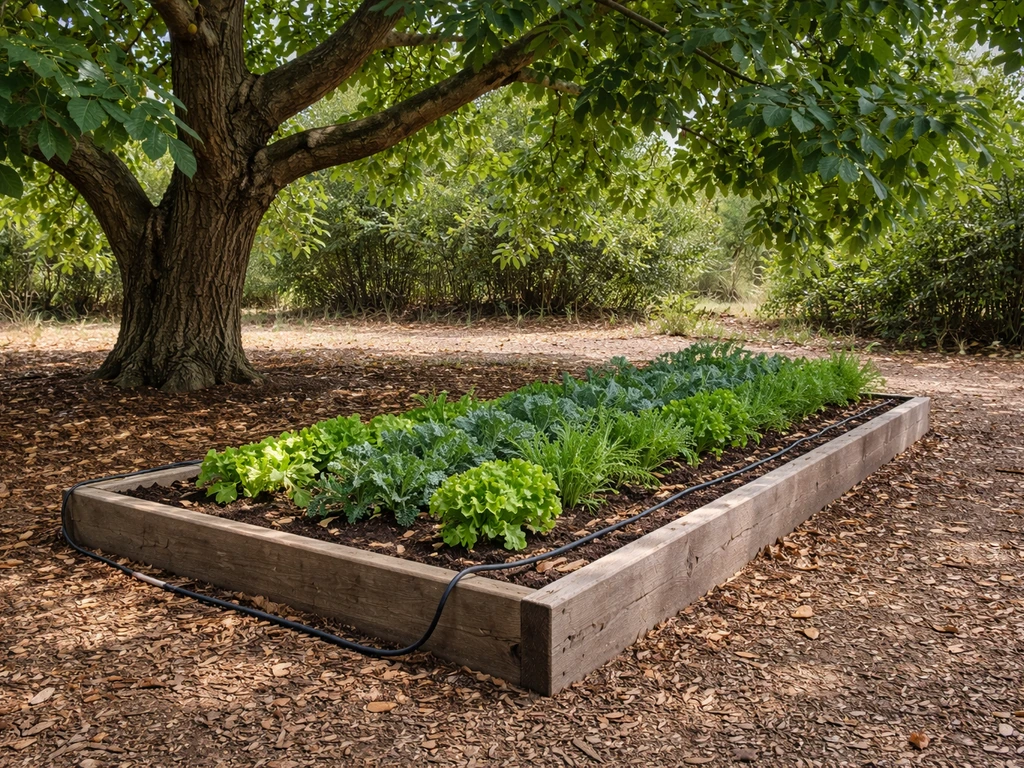
Why walnut trees are so hard on nearby vegetables
The core problem is a compound called juglone. blank" rel="noopener noreferrer">Black walnuts produce it in almost every part of the tree: the roots, bark, leaves, buds, and especially the nut hulls. When any of those parts decompose in or on your soil, juglone enters the soil environment and can interfere with the germination, root development, and respiration of sensitive plants. According to USDA Forest Service and Penn State Extension research, blank" rel="noopener noreferrer">juglone is the primary reason black walnuts are so antagonistic toward a wide range of plants, including many common vegetables.
What makes juglone tricky is that it does not behave like a simple spray-on toxin. It accumulates. UNH Extension points out that fallen leaves, twigs, and nut hulls sitting on wet or waterlogged soil can cause juglone to build up to damaging concentrations. Penn State Extension specifically flags poorly aerated, wet soil with low microbial activity as the highest-risk scenario, because juglone breaks down faster when soil biology is active and well-drained. A 2026 Springer study confirms juglone has a soil half-life ranging from about 2 to 14 days depending on pH, organic matter levels, and microbial activity. That means in healthy, well-amended, well-drained soil, juglone cycles out relatively quickly. In wet, compacted, or low-organic soil, it lingers.
Beyond chemistry, there are two other physical factors that hurt vegetables planted near walnuts. First, walnut roots are aggressive and compete hard for water and nutrients, especially in drier periods. Second, a mature walnut tree casts heavy shade, which cuts light availability for any sun-loving vegetable beneath or just outside the canopy. You can have all the soil chemistry dialed in, but if your tomato planting gets four hours of filtered light on a hot July afternoon because of canopy, you will still get a disappointing harvest.
One more thing worth knowing: if you have already removed a black walnut tree and are trying to reclaim that ground, do not assume the problem is gone. UW–Madison Extension reports that juglone can persist in the soil for five or more years after removal, because the remaining root material and any buried wood continue releasing toxins as they slowly decay. This is not a reason to give up, but it is a reason to test and build soil actively before expecting good vegetable results.
Black walnut vs. other walnuts: the difference really matters
Most of the vegetable-killing reputation attached to walnuts is specifically earned by Juglans nigra, the black walnut. If you are gardening near an English walnut (Juglans regia), a Butternut (Juglans cinerea), a Japanese walnut (Juglans ailantifolia), or a hybrid like a Heartnut, your situation is meaningfully different. These species do produce some juglone, but at substantially lower concentrations than black walnut, and the allelopathic effect on vegetables is far less severe in practice.
| Walnut Species | Juglone Level | Vegetable Risk | Notes |
|---|---|---|---|
| Black walnut (Juglans nigra) | High | Significant — many vegetables affected | Most research focuses on this species; roots and hulls are the biggest sources |
| English/Persian walnut (Juglans regia) | Low to moderate | Mild — most vegetables tolerate it | Commercial orchards commonly interplant cover crops without major issues |
| Butternut (Juglans cinerea) | Moderate | Some sensitivity possible | Less studied; treat like a milder version of black walnut |
| Japanese walnut (Juglans ailantifolia) | Low to moderate | Generally mild | Often used as rootstock; less problematic for understory plants |
| Hybrid walnuts (e.g., Heartnut) | Variable | Usually mild | Depends on parentage; English walnut hybrids tend to be lower risk |
The practical takeaway: if you are not sure which walnut you have, check the nut husks. Black walnut hulls are thick, green-to-black, and deeply stain everything they touch. English walnut hulls are thinner and lighter. If you have a black walnut, take the precautions in this guide seriously. If you have an English walnut or a hybrid, you still need to manage shade and root competition, but the juglone-specific restrictions on which vegetables you can grow are much less strict.
Vegetables that can handle walnut proximity (and ones that cannot)
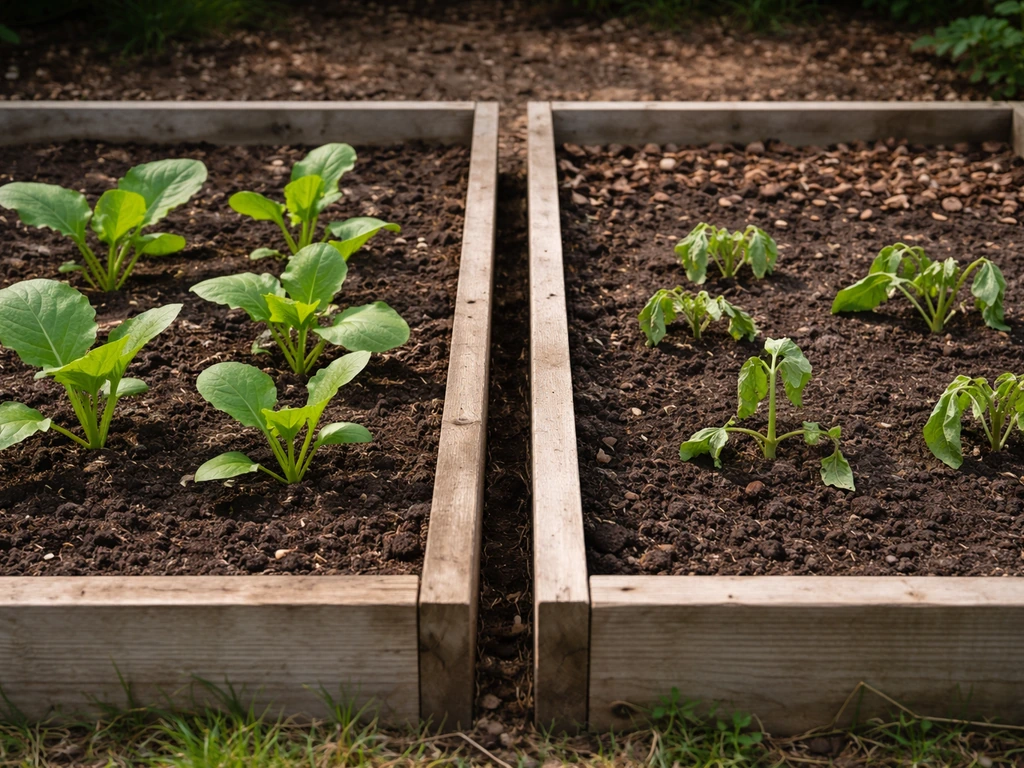
This list focuses on black walnut proximity, since that is the hardest case. Plants in the tolerant category have been documented to grow reasonably well within or near the drip line of black walnuts, though conditions still need to be managed. If you are wondering what will grow under a walnut tree, start with the tolerant vegetables and then adjust distance, soil drainage, and leaf cleanup to your specific yard. The sensitive list represents plants that consistently fail or suffer near black walnuts regardless of bed prep.
Vegetables and edibles that tend to tolerate black walnut
- Beans (snap beans, lima beans, pole beans) — widely reported as tolerant; one of the more reliable choices
- Corn — generally tolerant, though it still competes with walnut roots for water
- Squash and pumpkins — summer and winter squash both show reasonable tolerance
- Carrots and parsnips — root vegetables that generally do okay if soil is well-drained
- Beets — moderate tolerance, especially in raised beds with amended soil
- Onions and garlic — both relatively tolerant
- Melons (muskmelon, watermelon) — often listed as tolerant with proper bed management
- Kale and most brassica greens — better than other brassicas; still worth testing in your specific spot
- Parsley — commonly listed as tolerant
- Grapes (Concord variety specifically) — noted as tolerant, relevant if you are planning an edible landscape near walnuts
Vegetables to keep well away from black walnuts
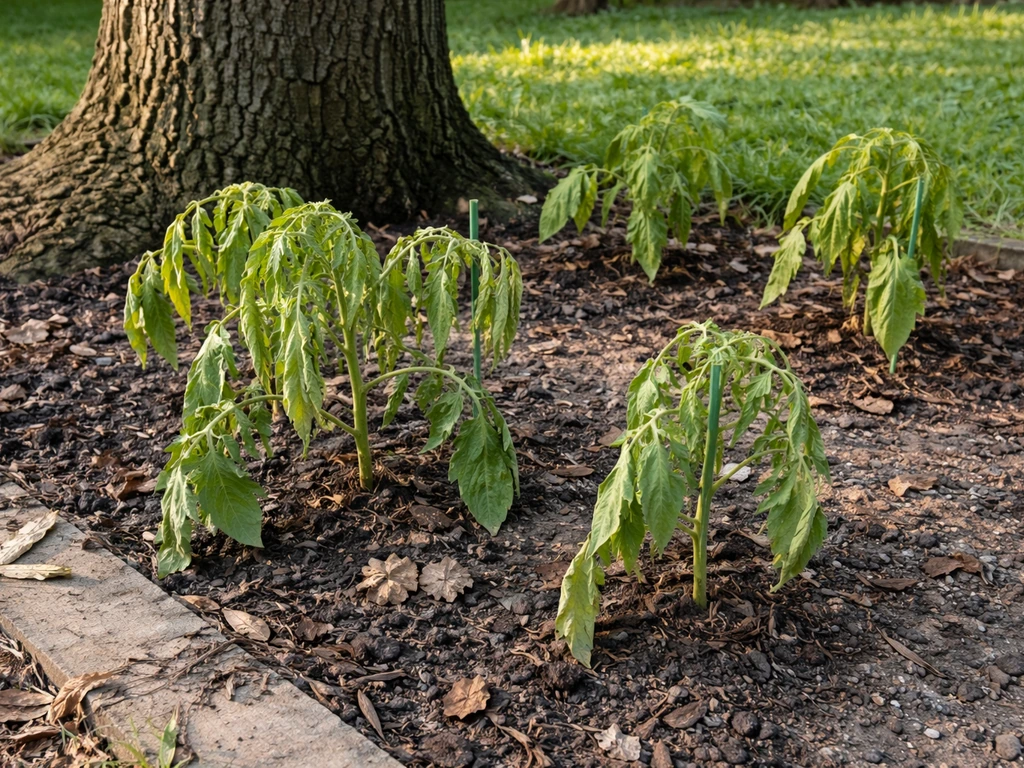
- Tomatoes — highly sensitive; wilting and collapse even in moderately affected soil is common
- Peppers and eggplant — same nightshade sensitivity as tomatoes
- Potatoes — very sensitive; poor germination and tuber development near black walnuts
- Cabbage, broccoli, cauliflower, Brussels sprouts — brassicas as a family show significant sensitivity
- Asparagus — perennial, which means it cannot escape seasonal toxin accumulation
- Blueberries and most berry shrubs (except Concord grape) — generally sensitive
- Most herbs in the mint family planted directly in affected soil — variable but often disappointing
A note on the tolerant list: tolerant does not mean guaranteed. Every yard is different. A bean planted 15 feet from a black walnut with no leaf management and in wet clay soil may fail, while one planted 25 feet away in a well-drained raised bed with clean mulch may thrive. Distance from the tree, soil drainage, and leaf/hull cleanup are modifiers that matter as much as the species itself.
How to actually set up beds near walnut trees
Placement is the single most important decision you will make. For black walnut, the general recommendation is to keep vegetable beds outside the drip line of the canopy, and then add another 10 to 15 feet of buffer beyond that if possible. The drip line is roughly the outer edge of the tree's canopy overhead. This matters because juglone concentration in soil tends to be highest where surface roots are densest, which tracks fairly closely with where rain drips off the canopy. For a mature black walnut with a 40-foot canopy spread, that means you may need to site beds 30 to 35 feet or more from the trunk for the best chance of success.
Sunlight is your next consideration. If you are trying to figure out how walnut grow affects nearby vegetable beds, use these sunlight and timing checks before planting. Even outside the canopy drip line, walnut trees cast significant shadow depending on tree height and orientation. Most vegetables need at least 6 to 8 hours of direct sun. Walk your potential bed sites at mid-morning, noon, and mid-afternoon to see what you are actually working with before you build anything. A bed that looks sunny in early spring may be deeply shaded once the walnut leafs out in late May.
Soil prep near walnuts should focus on two things: improving drainage and boosting microbial activity, because both help juglone break down faster. Work in generous amounts of aged compost (not walnut-leaf compost, see the timing section below), and consider adding coarse horticultural grit or perlite to heavy clay soils to open up drainage. A soil pH between 6.0 and 7.0 supports the microbial populations that help metabolize juglone. Test your soil pH before spending money on amendments.
Mulching near walnut trees requires attention to what you are using. Avoid using shredded black walnut leaves, hulls, or bark as mulch anywhere near your vegetable beds. Use straw, wood chips from non-walnut trees, or commercial bark mulch. Keep mulch pulled back a few inches from plant stems, and refresh it regularly to maintain a clean zone around your vegetables.
Quick wins you can try today: raised beds, containers, and root barriers
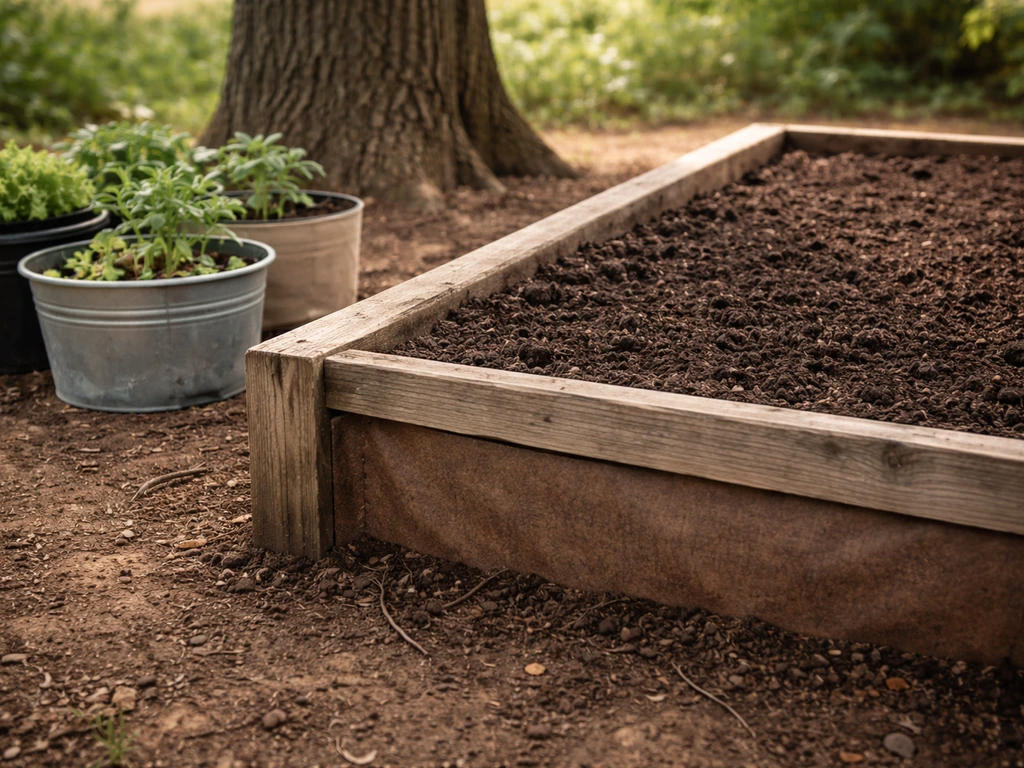
If you are not sure whether your soil has a juglone problem, or if you want to start growing this season without waiting years for soil conditions to improve, raised beds and containers are your best immediate options. A raised bed filled with imported, fresh growing mix that has no contact with the native walnut-affected soil gives you a clean start. The key is height: aim for at least 12 inches of clean soil above grade, and line the bottom of the bed with a physical barrier like heavy landscape fabric or a layer of cardboard before filling. This slows root intrusion from below.
Root barriers are worth using if you are building in-ground beds within 20 to 30 feet of a black walnut. Rigid root barriers made from HDPE plastic, buried vertically to a depth of 18 to 24 inches around the perimeter of your bed, help block lateral root intrusion. They are not perfect over time as roots eventually find paths around or under them, but they buy you several seasons of cleaner growing conditions. Combine this with the raised bed approach for the most protection.
Containers are the nuclear option, and sometimes exactly the right call. Large fabric grow bags or plastic containers placed on a paved surface or on top of a weed barrier, positioned in a sunny spot at good distance from the tree, have essentially zero risk of juglone exposure. If you are trying to grow tomatoes or peppers in a yard dominated by black walnuts, a 15 to 20 gallon container on a sunny patio is more likely to succeed than any in-ground bed near the tree.
For a small-scale trial this season, pick three or four of the tolerant vegetables (beans, squash, beets, onions), set them up in a raised bed or containers at maximum practical distance from your walnut, and track results. This gives you real data about your specific site rather than relying on generalizations. Note germination rates, plant vigor at 30 days, and fruit or root development at harvest. If something fails entirely, that is useful information about your local juglone levels and soil conditions.
Timing and maintenance through the season
Leaf cleanup is non-negotiable if you are growing vegetables near a black walnut. Fallen leaves, nut husks, and twigs sitting on or near your beds are a direct juglone input. As UNH Extension explains, juglone accumulates in soil from decomposing leaf and hull material, especially in wet conditions. Rake and remove walnut leaves promptly as they fall, and never compost them in a pile that you plan to use on vegetable beds. Walnut leaves need either dedicated hot composting over an extended period (at least 6 to 12 months in an active pile) or removal from the property entirely.
Timing your plantings relative to walnut leaf-out and leaf-drop also matters. In most of the US, black walnuts leaf out relatively late in spring (often mid-May in zones 5 to 6) and drop leaves earlier in fall than many deciduous trees. This gives you a useful early-season window where juglone input from leaf drop is minimal and soil biology is ramping up after winter. Plant tolerant cool-season crops like beets, carrots, onions, and peas as early as your last frost date allows to take advantage of this window.
Watering management near walnuts deserves attention. Overwatering or allowing water to pool near beds creates the saturated, low-oxygen soil conditions that Penn State Extension identifies as the highest-risk scenario for juglone accumulation. Drip irrigation or soaker hoses that deliver water directly to root zones without saturating the surrounding soil are better choices than overhead sprinklers near walnut-affected areas.
After the growing season, remove any plant debris from beds near walnuts before walnut leaf-drop begins. A clean bed going into fall has less material for juglone to bind to and accumulate in. Topping beds with a fresh layer of clean compost in late fall gives soil biology a boost heading into winter, which improves juglone breakdown through the off-season.
When things go wrong: troubleshooting and next steps
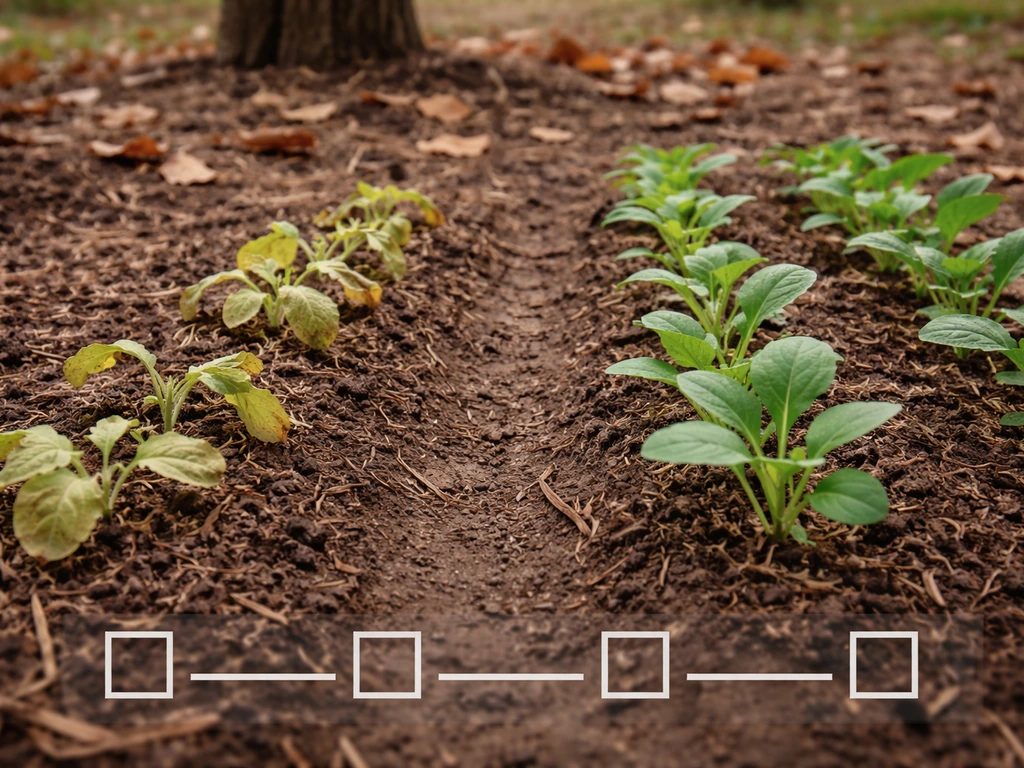
If your vegetables are stunting, wilting, or failing to germinate in beds near walnuts, the first question to ask is whether the symptoms match juglone toxicity or something else. Juglone toxicity typically shows as wilting that does not respond to watering, yellowing of leaves, stunted growth, and eventually plant collapse. It tends to affect sensitive species (tomatoes, peppers) faster and more dramatically than tolerant ones. If you are seeing these symptoms in beans or squash, the problem may be something else entirely, like nitrogen deficiency, a soilborne fungal issue, or simple drought stress.
If you suspect juglone is genuinely the issue, here are the adjustments to make in order of impact.
- Move beds further from the tree: even 10 additional feet can make a measurable difference if you are currently inside or just outside the drip line.
- Switch to raised beds or containers with fully imported growing mix: this removes native soil from the equation entirely.
- Audit your leaf management: if any walnut leaves or hulls have been sitting on or near beds, remove them and replace the top 2 to 3 inches of bed soil.
- Improve drainage: if your beds are staying wet, add drainage material or build them up higher above grade.
- Check for root intrusion: dig a test hole at the edge of your bed 12 inches deep and look for walnut feeder roots. If they are present, install a root barrier or relocate.
- Switch to tolerant species only: if partial failures are happening, stop experimenting with sensitive crops and focus exclusively on the tolerant list until you understand your site better.
- Give it time: if you have recently removed a black walnut or significantly reduced leaf input, soil juglone levels should decline over one to three growing seasons with active soil management. Test progress each year.
Regional climate plays a real role in how quickly juglone cycles through soil. In warmer, wetter climates (Zones 7 and above), active microbial populations help break down juglone faster, which means gardeners in the Southeast or Pacific Northwest with well-drained soil may have more flexibility than growers in cold, compacted-soil zones further north. In zones 4 to 5, where soils stay cold longer and dry out more slowly in spring, juglone accumulation from leaf fall can be a bigger seasonal problem, and the early-planting window before leaf-out is especially valuable.
Growing vegetables near walnut trees is genuinely possible for many gardeners, but it rewards people who observe their specific conditions rather than following a rigid rule set. The biology matters, the cleanup matters, and the distance matters. If you are specifically wondering whether you can grow a walnut tree in a pot, the same juglone and root-management ideas apply in a contained way can you grow a walnut tree in a pot. If you are also curious about what non-vegetable plants can tolerate walnut proximity, or about growing walnut trees themselves from seed or in containers, those are questions worth exploring separately, since the understory planting picture goes beyond just vegetables and includes perennials, groundcovers, and fruit trees with their own tolerances and strategies.
FAQ
I am not sure whether my walnut is black or English. What should I assume to avoid wasting the season?
If you cannot identify the walnut species, treat the area like black walnut and prioritize the “safe by default” setups: keep beds outside the canopy drip line plus an extra buffer, use raised beds with fresh mix, and avoid any walnut leaves, hulls, or bark in compost that could later be added to the vegetable zone.
Can I compost walnut leaves and then use that compost in my vegetable beds near the tree?
Yes. A common mistake is using “walnut leaf compost” or mulch made from walnut litter. Even if compost is aged, juglone risk remains if walnut leaves or hulls were included without sustained hot compost conditions, so either remove walnut litter from the property or compost it separately for months before any use.
If I plant outside the drip line, can juglone still be a problem because of how water runs on my property?
Don’t rely only on distance from the trunk. Juglone input often correlates with where rainwater runs off the canopy and where surface roots are densest, so watch the slope and low spots. If water pools after rain, that micro-area becomes a high-risk zone even when beds are “far enough” by trunk distance.
How do I use a raised bed to reduce juglone risk if the garden soil is close to the walnut roots?
Raised beds and containers work best when they are truly separated from native soil. If you build a raised bed that touches or is filled with any local soil, roots can reach the juglone-affected zone. For best results, use imported growing mix, and if possible keep a physical separation at the bottom.
Do root barriers permanently solve walnut root competition and juglone exposure?
Root barriers can help, but they are not a permanent fix. Roots often find seams, disturbed soil, or paths around barrier edges over time, so check for gaps, overlap barrier segments at corners, and pair barriers with leaf cleanup and improved drainage.
What watering approach should I use if my beds near the walnut stay wet even when I think I am not overwatering?
Watering failure near walnuts is usually about soil oxygen, not just “too much water.” If you see soggy soil after watering or heavy rain, switch to drip or soaker irrigation, water less frequently but more deeply, and consider adding drainage amendments like coarse grit to prevent long saturation around the bed.
My tolerant vegetables are struggling. How can I tell whether it is juglone versus another common problem like nutrients or temperature?
If beans or squash fail, it may still be juglone, but the diagnosis should include basics first. Check for nitrogen deficiency, because cool-season stress plus poor microbial activity can limit nutrient cycling, and verify soil temperature and seed depth. Juglone symptoms often look like stunting and yellowing that worsen rather than bounce back.
What mulch is safest for vegetables near walnuts, and how close can it be to the plant stems?
Mulch can be safe, but keep it “clean” and functional. Use straw or wood chips from non-walnut sources, keep mulch pulled a few inches from stems, and refresh it because decomposing organic matter in the walnut litter zone can become an additional juglone source if any walnut material is present.
Does planting timing relative to walnut leaf-out actually change outcomes, or is it mostly about distance and soil prep?
Yes, especially for short-lived cool-season crops. A practical strategy is to start tolerant cool-season vegetables early (before full leaf-out) and use faster crop cycles so you finish before heavy leaf fall contributes more litter and juglone input.
If I want to try tomatoes or peppers near a black walnut, what is the best realistic approach?
In many yards, the most effective way to keep risk low for sensitive plants is not “more fertilizer,” it is changing the growing unit. Use containers or a raised bed with fresh mix in a sunny spot and keep the container above any wet soil areas, then eliminate any walnut-litter contact with the growing surface.
How can I run a quick test this season to figure out whether the problem is juglone or something else?
A useful troubleshooting step is to run a small test with different setups side-by-side at the same time: one bed in-ground at the chosen distance, one raised bed with imported mix, and one container. If only the in-ground bed fails, it strongly points to juglone and root intrusion rather than general site issues.