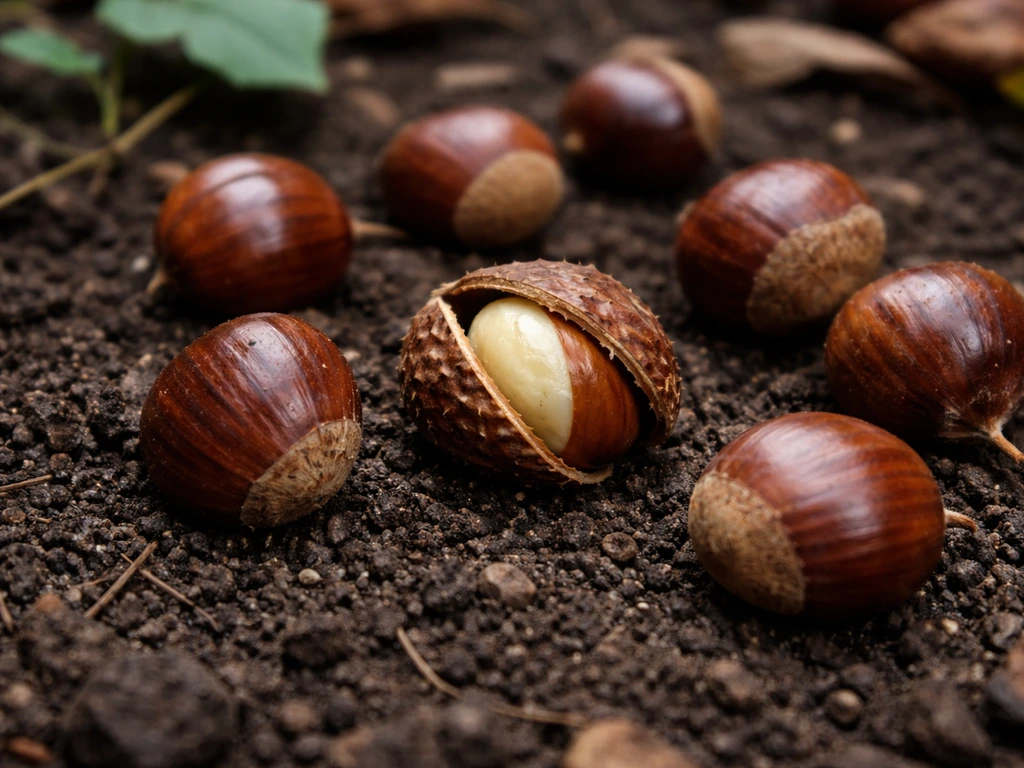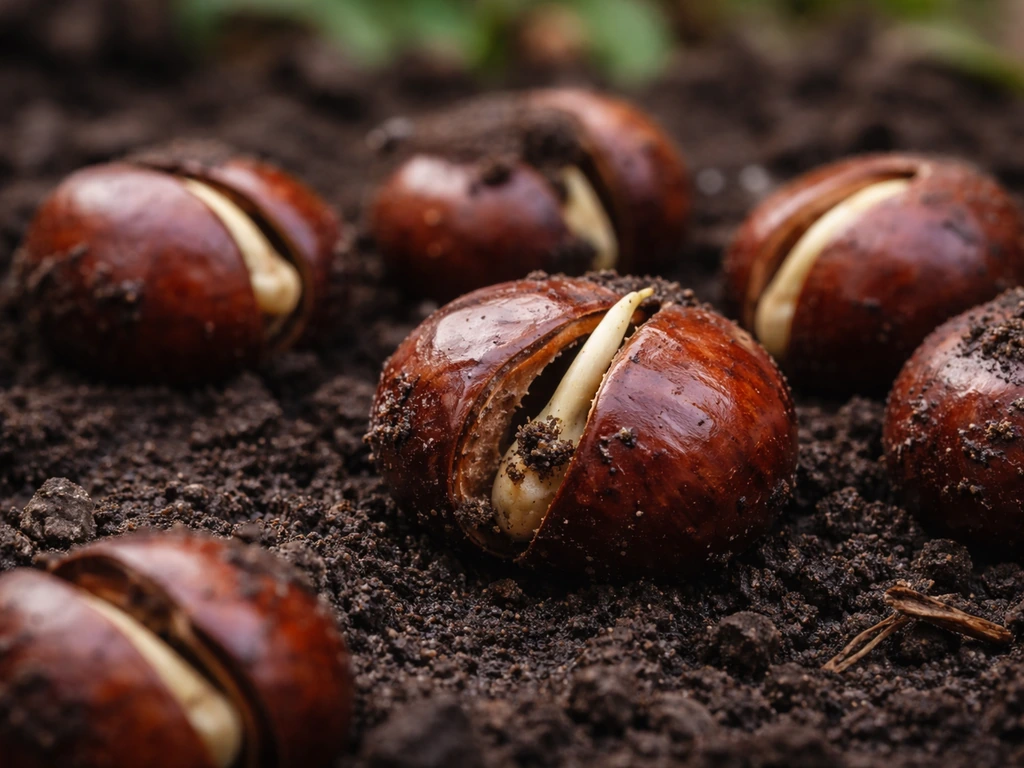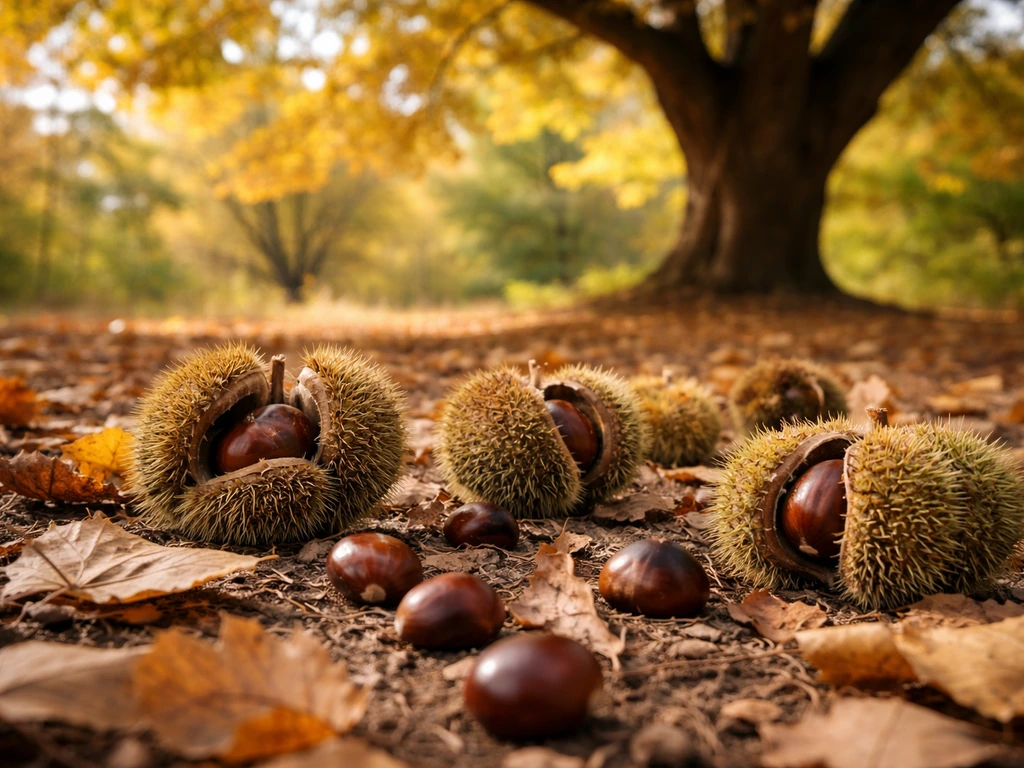
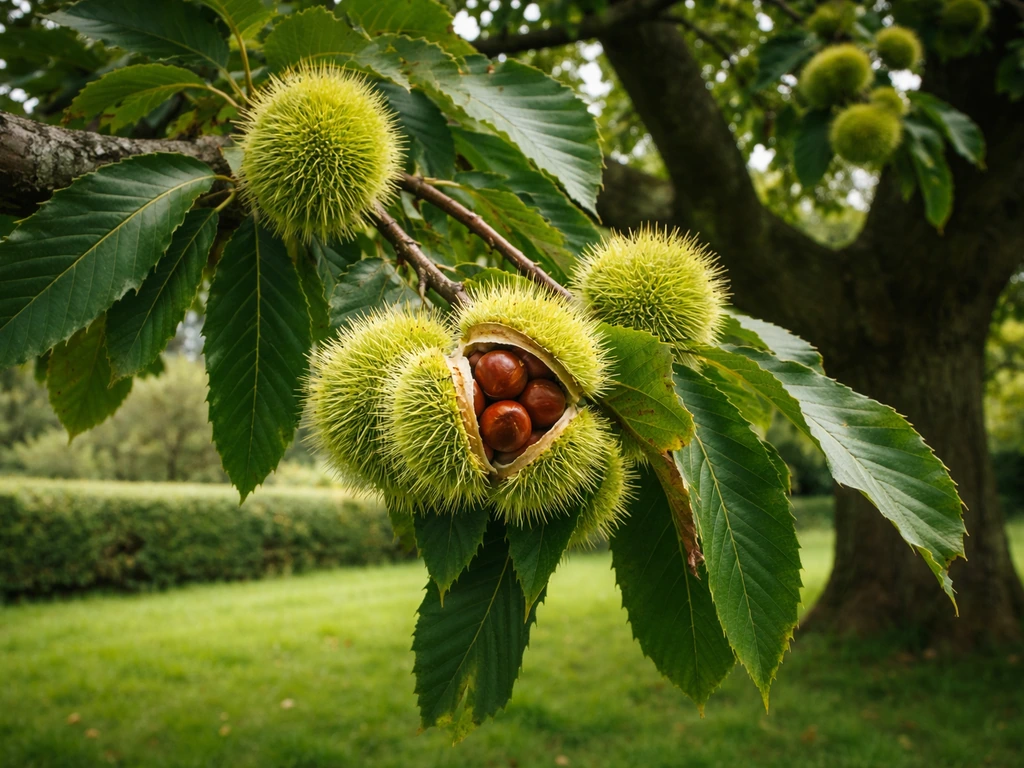
Yes, chestnuts grow in the UK, and sweet chestnut (Castanea sativa) in particular is well-established here. It has been growing on British soil since Roman times and now covers around 30,000 hectares, roughly 2% of woodland cover, mostly concentrated in the south of England. You can absolutely grow one in a UK garden or smallholding, and with the right site, you can realistically expect edible nut production.
Do Chestnuts Grow in the UK? Sweet Chestnut Guide
Marcus Hendricks
26 Apr 2026
You can also read up on whether you can grow a chestnut tree from a nut, as the steps and timing differ from planting a grafted tree can you grow a chestnut tree from a nut. That said, success depends heavily on where you are in the country and whether your soil and drainage suit the tree.
Which chestnuts actually grow in the UK
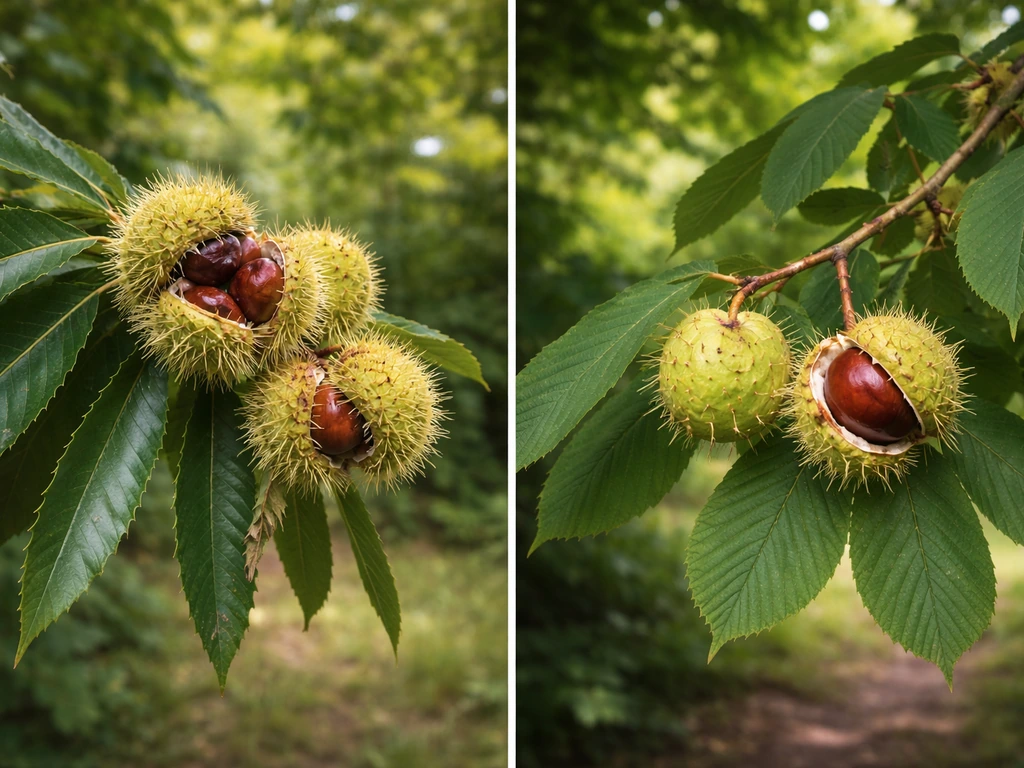
When most people in the UK ask about chestnuts, they mean one of two things: sweet chestnut (Castanea sativa) or horse chestnut (Aesculus hippocastanum). These are completely different trees, and only sweet chestnut produces the edible nuts you'd roast or use in cooking. Horse chestnut produces conkers, which are not edible.
If you are specifically interested in horse chestnuts, you can start them from conkers by collecting the viable seeds and germinating them in the right conditions horse chestnuts from conkers. If you are specifically asking how to grow horse chestnut trees from conkers, the process is different because conkers are not edible and horse chestnut has its own planting and growing requirements.
Confusing the two is an easy mistake because both produce spiny outer cases, but the differences are obvious once you know what to look for. Sweet chestnut cases are densely covered in long, soft spines and typically contain two or three nuts inside. Horse chestnut cases have short, spaced-out spines and contain a single, shiny conker.
Sweet chestnut leaves are long and narrow with toothed edges; horse chestnut leaves grow as a fan of five to seven leaflets joined at a central point. The trees look quite different once you're used to it.
There are also hybrid and cultivated varieties of Castanea worth knowing about. Some nurseries offer named cultivars, including crosses involving Japanese chestnut (Castanea crenata) or American chestnut (Castanea dentata), that have been selected for nut production, size, or disease resistance. If nut production is your goal, these grafted or selected varieties often make more sense than growing straight Castanea sativa from seed, since grafted trees bear earlier and the nut quality is more predictable. For native woodland planting or larger-scale forestry use, the straight species is more typical.
Sweet chestnut vs other chestnut types: which is right for you
| Type | Edible nuts | Native/Established in UK | Best use in UK | Notes |
|---|---|---|---|---|
| Sweet chestnut (Castanea sativa) | Yes | Archaeophyte (long-established) | Nut production, woodland, amenity | Best performer for edible nuts in UK; thrives in south of England |
| Horse chestnut (Aesculus hippocastanum) | No | Yes (introduced) | Amenity, wildlife, shade | Conkers only; not related to edible chestnuts |
| Hybrid chestnuts (Castanea hybrids) | Yes | Not naturally established | Nut orchards, agroforestry | Often grafted; earlier bearing, selected varieties available |
| American chestnut (Castanea dentata) | Yes | Not established | Trial planting | Highly susceptible to chestnut blight; rarely recommended for UK planting |
For most UK growers who want to actually harvest nuts, sweet chestnut or a named hybrid cultivar is the practical choice. Horse chestnut is a beautiful tree but it belongs in a different conversation entirely. If you are growing for woodland canopy, timber coppice, or wildlife value, straight Castanea sativa is tried and tested. If your primary goal is nut production and you want reliable crops sooner, look at grafted cultivars.
Where in the UK chestnuts actually thrive
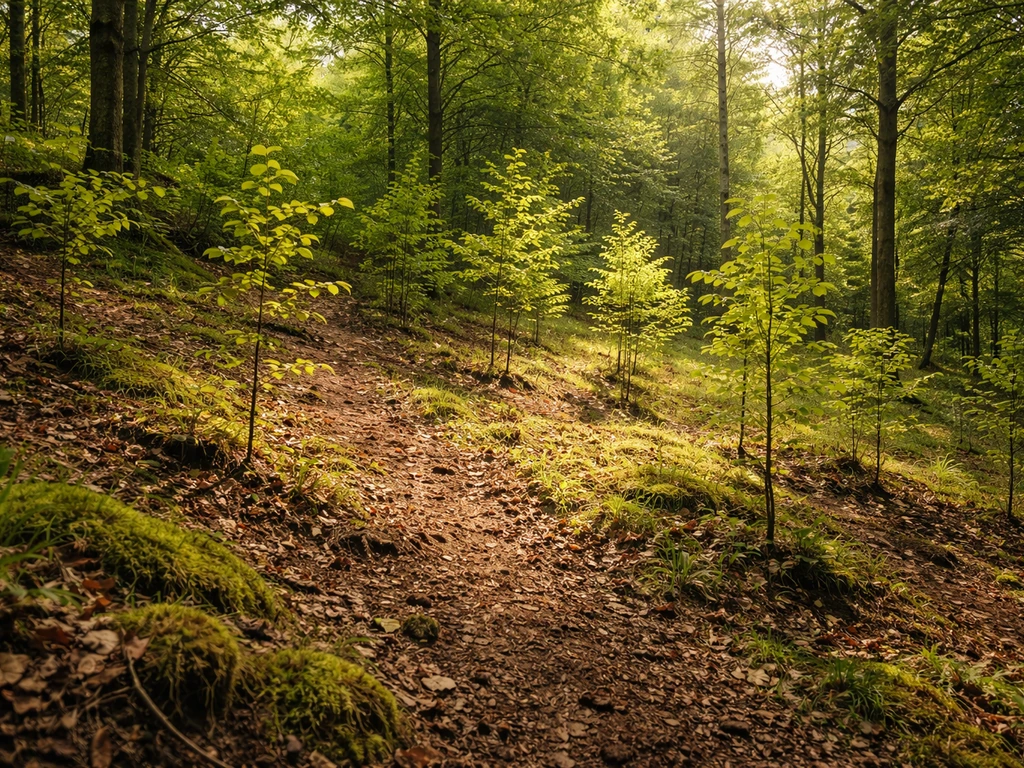
Sweet chestnut is rated as hardy in the UK overall, but it performs best in warm, sunny localities, which in practice means southern England. The Forestry Commission has described it bluntly: sweet chestnut is best suited to the warm, sunny localities of southern England. That is not to say you cannot grow it further north, but nut production becomes increasingly marginal as you move into central and northern England, Wales, or Scotland. In cooler or wetter northern climates, the tree may grow well enough but will struggle to ripen nuts reliably. The heat of a southern English summer is really what brings the nuts to maturity.
In terms of soil, sweet chestnut has a clear preference: acid to neutral, moist but well-drained, and ideally deep and fertile. It does not like waterlogged ground, shallow chalk soils, or heavy clay that sits wet. Sweet chestnut growth also depends on avoiding stress, since poor conditions can delay establishment and reduce nut yields over time avoid waterlogged ground. A pH somewhere between 4.
5 and 6. 5 is ideal. It is a light-demanding tree, so an open, sunny position is important, though some shelter from cold winds during establishment is helpful to reduce frost risk on young growth. In parts of south-east England, the tree has become so well adapted that it self-seeds and spreads through woodland naturally, behaving almost like a native species.
Pollination is also worth thinking about before you plant a single tree and expect a big harvest. Sweet chestnut is wind-pollinated and produces far better nut crops when there are other trees nearby. Planting at least two trees, ideally from different genetic sources, improves cross-pollination and therefore nut set significantly. If you have neighbours with mature sweet chestnuts, that helps too.
How to plant and establish a chestnut tree in the UK
The traditional planting window for bare-root stock is autumn through early spring, while the tree is dormant. Cell-grown or container stock can technically be planted at other times of year as long as the roots stay moist and you avoid periods of drought or hard frost. In practice, autumn planting in the UK gives young trees the best start: the soil is still warm, roots can establish before winter, and the tree gets the full growing season ahead before facing a dry summer.
- Choose your site carefully: full sun, sheltered from cold north and east winds, with well-drained acid to neutral soil. Avoid frost hollows, waterlogged ground, and shallow chalk.
- Test your soil pH if you're unsure. Aim for 4.5 to 6.5. If your soil is above neutral, consider improving it before planting or choosing a different site.
- Decide on your spacing before you plant. For nut production, Forest Research recommends individual trees spaced 8 to 10 metres apart. Orchard systems often start at 6 x 6 metres with thinning planned later.
- Plant at least two trees from different sources to support cross-pollination and improve nut set.
- Prepare the planting hole: wide rather than deep, to encourage lateral root spread. Avoid adding too much compost in heavy soils as this can create a sump that holds water.
- Stake young trees if your site is exposed. Use a low stake angled into the prevailing wind rather than a tall central stake, which can cause unnecessary trunk movement restriction.
- Water in well after planting and mulch around the base with a 5 to 10 cm layer of woodchip or similar, keeping the mulch clear of the trunk. This retains moisture and suppresses competing grass and weeds.
- If growing from a nut rather than buying stock, nuts need cold stratification over winter before they will germinate reliably. Sow fresh nuts in autumn directly into pots or a seed bed outside, or stratify them in moist compost in a refrigerator before spring sowing.
If nut production is your priority and you want to shorten the wait, buy a grafted cultivar rather than a seedling. Seedling trees from open-pollinated nuts can take 20 years or more to bear well. Grafted trees on suitable rootstocks typically start producing meaningful crops considerably sooner. This is one of the most practical decisions you can make at the buying stage.
What to expect from nut production: timelines and reality
Be patient. Sweet chestnut is not a fast-cropping tree, and the common mistake is expecting results too soon. A seedling-grown tree may not produce a worthwhile nut crop for 15 to 25 years. Even a grafted cultivar, which will begin flowering earlier, often takes 5 to 10 years before it produces a crop worth harvesting. Full nut production from an established tree comes later still in forest or orchard establishment cycles.
Once a tree is mature and well-sited, a single good season can produce a substantial harvest. The nuts fall from the spiny cases in autumn, typically in September and October, once they have ripened. Nut quality and quantity are strongly tied to summer temperatures: a warm, sunny summer in southern England produces a much better crop than a cool, cloudy one.
If you are wondering about growing chestnuts in California specifically, the key factor is whether local conditions can match a warm, sunny summer and good drainage. If you are wondering about can you grow chestnuts in canada specifically, the key factor is whether local conditions can match a warm, sunny summer and good drainage.
This is exactly why the further north you go in the UK, the less reliably sweet chestnuts ripen and the smaller the nuts tend to be. where do chestnuts grow in the us is partly about climate matching, in the same way that the further north you go in the UK, the less reliably sweet chestnuts ripen.
If you are in the north of England, Scotland, or a high-altitude site in Wales, it is honest to say that nut production may be unreliable or minimal. The tree will likely grow, but harvesting chestnuts every year in those locations is not something you can count on. In those cases, growing sweet chestnut for coppice, timber, or wildlife value may be more realistic than expecting a nut harvest.
Pests, diseases, and the main things that go wrong
Sweet chestnut faces some serious disease threats in the UK that every grower should be aware of, and a couple of them require legal reporting if you suspect you have found them. GOV.UK notes that if you receive a statutory plant health notice (SPHN) related to pests or diseases, you may be instructed to fell infected trees you suspect you have found them.
Sweet chestnut blight
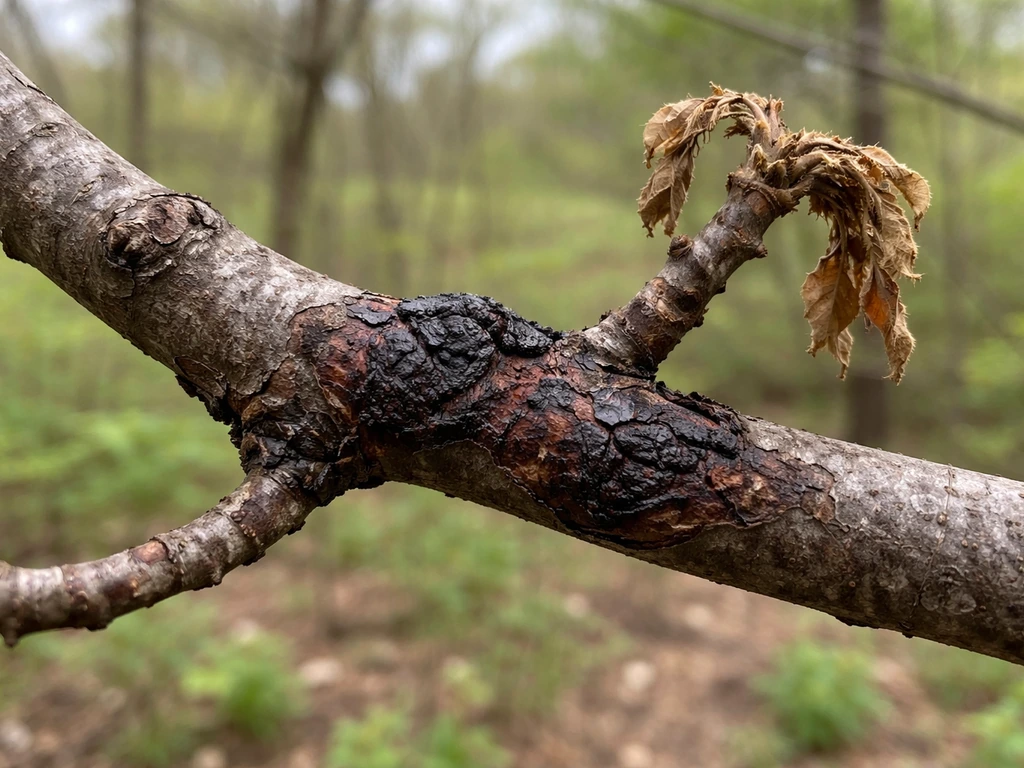
This is the most serious threat. Caused by the fungus Cryphonectria parasitica, sweet chestnut blight devastated American chestnut populations in North America in the early twentieth century, effectively wiping them out as mature trees. In the UK it is a regulated quarantine pest, meaning it cannot be introduced, moved, multiplied, or released without authorisation. If you suspect blight on a tree, you are legally required to report it via Forest Research's TreeAlert service or to the relevant plant health authority.
Symptoms include sunken, discoloured cankers on stems, yellowing and dying foliage above the canker, and fan-like growth of the fungus under the bark. There is research into biological control using a hypovirulent strain of the fungus (CHV1), which reduces its virulence, but this is still at the research stage in the UK rather than something individual growers can apply themselves.
Oriental chestnut gall wasp
First recorded in the UK in 2015, oriental chestnut gall wasp (Dryocosmus kuriphilus) is now fairly widespread in south-east England. It causes distinctive galls and swellings on buds, leaves, and shoots of Castanea species. It is a notifiable pest, meaning you must report it to Forest Research or via TreeAlert if you find it on a tree. There are concerns that gall damage can create wound sites that may allow entry for other pathogens, including sweet chestnut blight. Keep an eye on new growth each spring for abnormal swellings or distorted buds.
Phytophthora and ink disease
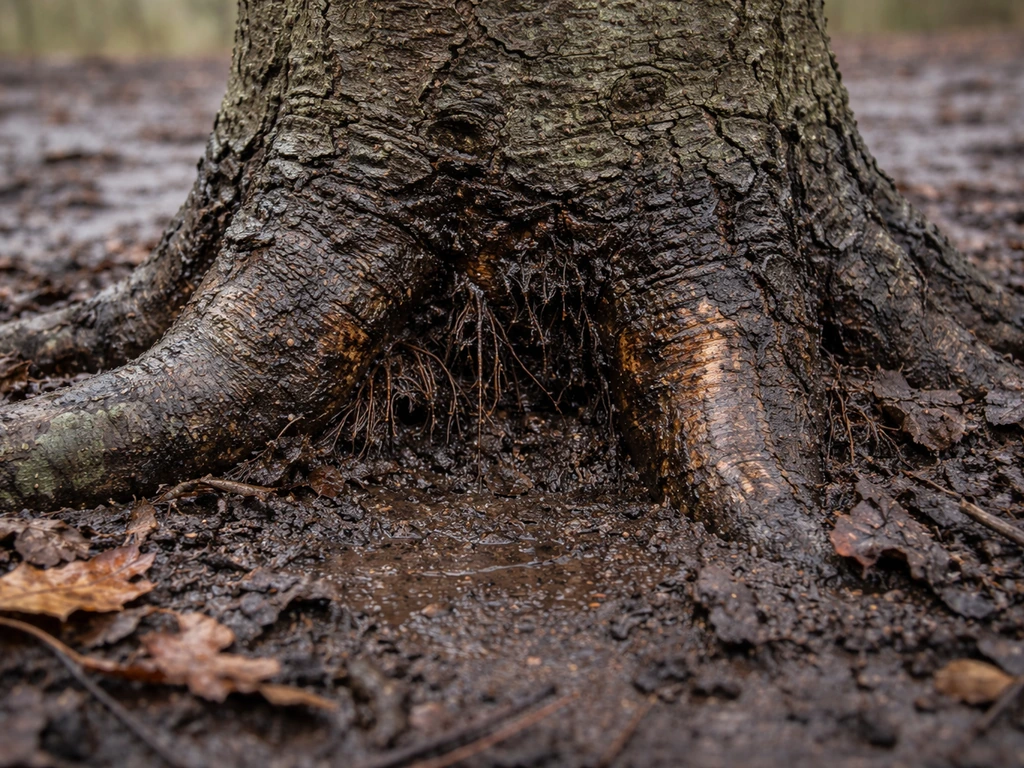
Phytophthora species are a persistent problem for sweet chestnut, particularly in poorly drained soils. Ink disease, caused by Phytophthora cinnamomi and Phytophthora cambivora, infects and kills sweet chestnut roots, turning them black. It is most damaging where waterlogging occurs, which is another reason why well-drained soil is non-negotiable for this species. Phytophthora ramorum can also affect sweet chestnut, causing dieback and lesions. Good site selection (avoiding wet ground) is the most effective preventative measure.
Honey fungus and leaf spot
Sweet chestnut is susceptible to honey fungus (Armillaria species), which can kill young trees if it is already present in the soil from a previous woody host. Leaf spot diseases can affect foliage but are generally less damaging than the above threats. Maintaining good tree health through appropriate site conditions and avoiding waterlogging gives the best protection against most of these issues.
Assessing your site and choosing the right approach
Before you order trees or start digging, spend a few minutes honestly evaluating your site against the conditions sweet chestnut actually needs. Most failures with this tree come down to planting on the wrong soil in the wrong location, rather than any mystery growing difficulty. Sweet chestnut can grow in climates like California’s if temperatures, chill, and drainage match the tree’s needs do chestnuts grow in California.
- Check your location: if you are in southern England, particularly south-east England, you are in the sweet spot for sweet chestnut. If you are in the north of England, Scotland, or a high, exposed site anywhere in the UK, lower your nut production expectations accordingly and consider whether the tree will meet your goals.
- Test your soil pH: acid to neutral is essential. If you are on chalk or alkaline soil, sweet chestnut is the wrong tree. If your soil is neutral but well-drained, you may be fine.
- Assess your drainage honestly: walk the site after heavy rain and see how long water sits. If it stays wet for more than a day or two, you have a Phytophthora risk that is very hard to manage. Choose a better-drained spot or a different species.
- Decide what you want from the tree: nut production, coppice, timber, amenity, or wildlife value. Your answer changes whether you should buy a grafted cultivar, a seedling, or cell-grown stock.
- If nut production is the goal, buy a grafted named cultivar rather than a seedling. It will cost more upfront but will produce far sooner.
- Plan for at least two trees if you want a decent harvest. Cross-pollination makes a real difference to nut set.
- Familiarise yourself with the symptoms of sweet chestnut blight and oriental chestnut gall wasp before your trees arrive. Both are notifiable, and early identification matters.
If you are in a marginal area of the UK or have a site that only partly meets the requirements, it is worth exploring whether a different Castanea hybrid or a more sheltered micro-site on your land might work better. The same logic applies whether you are a home gardener planting a single tree or a farmer planning an agroforestry system. Getting the site and variety match right at the start saves years of poor performance or complete failure later. Chestnuts are long-lived, slow-to-mature trees: they reward good decisions made early and punish poor ones for a long time.
FAQ
If chestnuts grow in the UK, will one tree in my garden produce nuts reliably?
A single sweet chestnut can grow and flower, but nut set is often much lower because pollination is wind-assisted and works best with nearby compatible trees. If possible, plant at least two trees (ideally different genetic sources), or confirm there are mature sweet chestnuts within reasonable distance. This is especially important if you want a harvest every year rather than occasional bumper crops.
How can I tell whether my chestnut tree is actually sweet chestnut (edible nuts) or horse chestnut (conkers)?
Look at the nut cases and leaves. Sweet chestnut burrs are densely covered with long, soft spines and usually contain two or three nuts, and the leaves are long and narrow with toothed edges. Horse chestnut burrs have short, spaced-out spines and typically contain a single shiny conker, and the leaves form a fan of multiple leaflets joined at a central point.
What’s the biggest soil mistake that causes chestnuts to fail in UK gardens?
Planting in ground that stays wet or waterlogged. Sweet chestnut prefers moist but well-drained, deeper soil, ideally with an acid to neutral pH. Even if the tree survives the first year, chronic wet feet can increase dieback and root diseases such as Phytophthora, which can quietly ruin crops later.
Can I grow sweet chestnut successfully on heavy clay or chalky soil if I improve it?
You can sometimes improve conditions, but chalk and heavy, wet clay are high-risk for long-term performance. The practical decision aid is drainage first: if you cannot create consistently well-drained planting conditions, choose a more suitable site on your land or use a different species. If you do amend, avoid just mixing topsoil, because saturated subsoil often remains the problem.
Is it worth planting seed to grow a chestnut, or should I buy a grafted cultivar?
For nut production in the UK, grafted cultivars are usually the better choice because seed-grown trees can take many years longer before they bear well, and nut quality is less predictable. If you are planting purely for experimentation or woodland establishment with time on your side, seed can work, but plan for a long wait.
How far apart should I plant sweet chestnuts for better pollination?
Closer is generally better for wind-pollination, but the key is having another sweet chestnut nearby during the flowering period. As a practical approach, if you are planting for reliable nut set, aim to establish at least two trees within the same general area rather than far apart across properties.
What does it mean if my sweet chestnut flowers but doesn’t fruit much?
Flowering without strong nut set is often linked to pollination limits, weather during flowering, or the tree being too young to carry a full crop. If you have only one tree, add a second tree or rely on nearby mature trees. Also remember that good nut crops depend on warm, sunny summer ripening, so cool seasons can reduce yields even when pollination occurs.
Where in the UK is nut production most realistic, and when is it a waste of effort?
Nut production is most reliable in warm, sunny localities, typically closer to southern England. In northern England, Wales at higher elevations, and Scotland, the tree may still grow well, but ripening nuts consistently can be marginal. If your site cannot deliver sun and drainage, consider growing sweet chestnut for coppice, timber, or wildlife rather than expecting yearly edible harvests.
What should I do if I suspect chestnut blight or oriental chestnut gall wasp on my trees?
Treat it as an urgent action item. Both are regulated or notifiable, meaning you should report suspected findings promptly through the appropriate plant-health reporting route (TreeAlert or your relevant authority). Do not move plant material off-site until you have guidance, and document symptoms with clear photos and dates for the reporting process.
How do I reduce disease risk if I already have a wet area on my land?
The most effective preventive step is choosing a planting position that never stays waterlogged, because sweet chestnut is vulnerable to root infections associated with wet soils. If your site has drainage issues, improve drainage only after careful assessment, or plant elsewhere on your holding. For older trees, avoid unnecessary compaction around the root zone and keep the area from staying saturated after rain.