Chestnuts grow on large deciduous trees in the genus Castanea, and the nuts themselves form inside spiny green husks called burrs that split open in autumn. That is the short answer. The longer answer involves understanding which species fits your climate, what your soil needs to look like, how pollination works, and how long you are realistically waiting before you see a harvest. All of that is covered below, in the order that actually matters when you are planning a planting.
How Do Chestnuts Grow: Conditions, Timing, and Varieties
Marcus Hendricks
7 Apr 2026
What chestnuts actually grow on
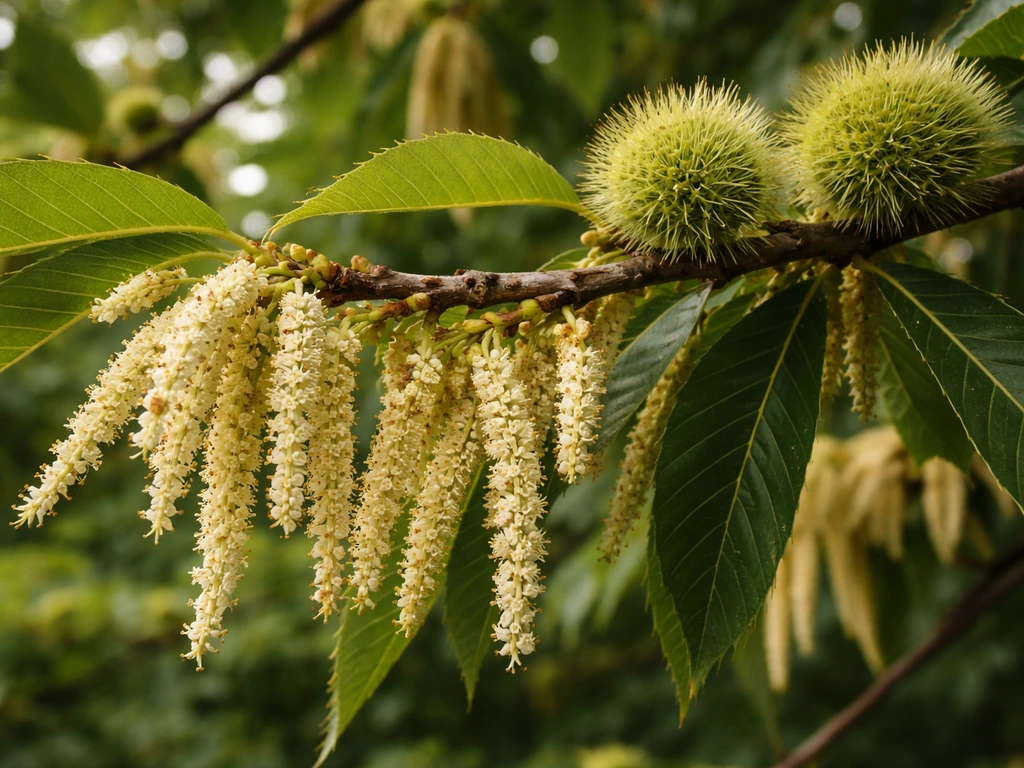
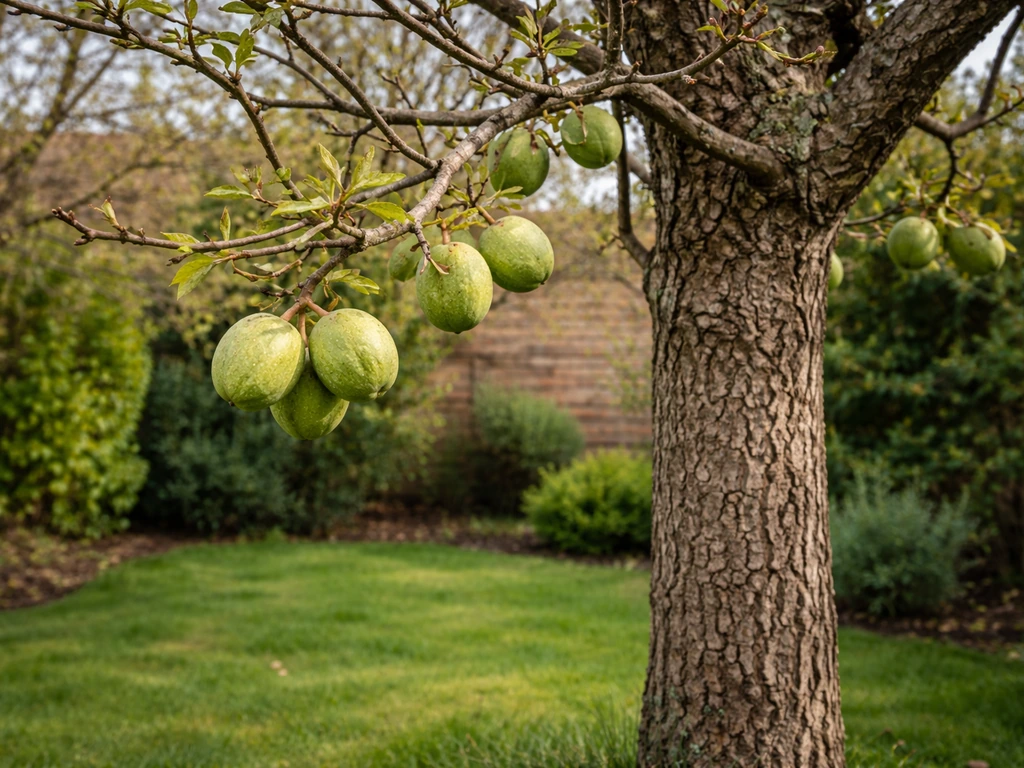
If you have ever wondered do chestnuts grow on trees, the answer is yes, and only on trees. Chestnuts are not shrub fruits, not ground crops, and not the product of a vine. Every edible chestnut comes from a Castanea species tree, and the nut is technically a seed enclosed in a spiny cupule (the burr) that the tree produces after pollination.
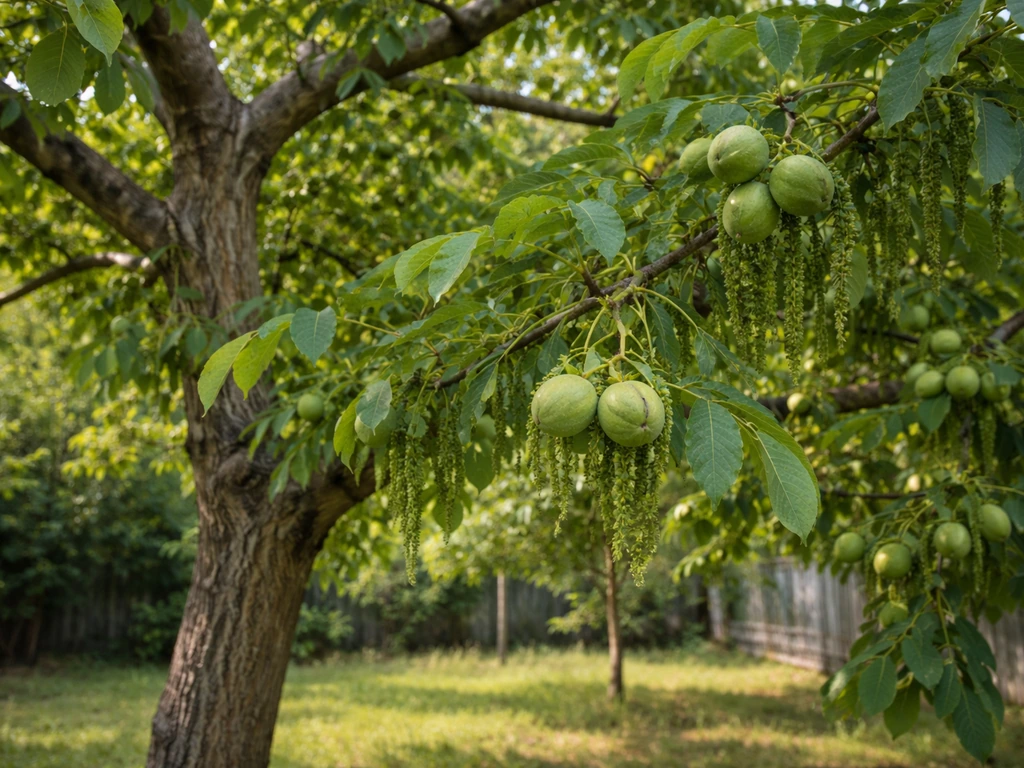
The flowering structure is worth understanding because it directly affects how you plant. Chestnut trees produce long, caterpillar-like flower clusters called catkins. The male flowers are the showy part of the catkin, while the female flowers are smaller and sit at the base of certain catkins. After a female flower is fertilized, it develops into the familiar spiny burr, with one to three nuts tucked inside. The catch: chestnuts are self-incompatible, meaning pollen from the same tree (or a genetically identical tree) will not set fruit. You need at least two genetically distinct trees planted close enough for cross-pollination to occur. That is not optional if you want nuts.
Once pollination happens, nut development follows a fairly predictable sequence. The fertilized female flower swells into a small green burr, the nuts inside begin enlarging, and over the following months they fill out and harden. Water availability during this enlargement phase is critical. Seasonal rainfall or supplemental irrigation during the nut-fill period directly determines final nut weight. Drought stress at that stage means small, light nuts or poor yields even from a healthy tree.
Where chestnuts grow around the world
The genus Castanea spans four main species with meaningful ranges. The American chestnut (Castanea dentata) was historically native from southern Maine west to Michigan and south to Alabama and Mississippi, essentially following the Appalachian mountain corridor. It is hardy to about USDA Zone 4. The European sweet chestnut (Castanea sativa) is native to southern Europe, Asia Minor, and parts of Iran, and has since been cultivated widely across the UK and temperate Europe. The Chinese chestnut (Castanea mollissima) originates from northern China and was introduced to the United States primarily as a blight-resistant alternative after American chestnut populations collapsed in the early 20th century.
Chestnut blight, caused by the fungal pathogen Cryphonectria parasitica, affects all Castanea species and remains the single biggest disease threat to chestnut growing worldwide. It devastated American chestnut populations and is now confirmed on sweet chestnut in the UK as well, first appearing there in 2011. Any serious planting plan needs to factor in blight resistance, which is why Chinese chestnut and blight-tolerant hybrid varieties have become the practical default for most North American growers.
In North America specifically, where chestnuts grow in the US comes down largely to climate zone, soil drainage, and species choice. Chinese chestnut does well across a broad mid-Atlantic, Southeastern, and Midwestern band. In Canada, American chestnut occurrences are concentrated in the Carolinian Zone of southern Ontario, in upland forests and treed cliffs, and hardiness data from Canada's Plant Hardiness Site should be your first check before assuming a site is viable. For a deeper look at northern viability, growing chestnuts in Canada involves real constraints that are worth understanding before investing in trees.
Where edible chestnuts grow best
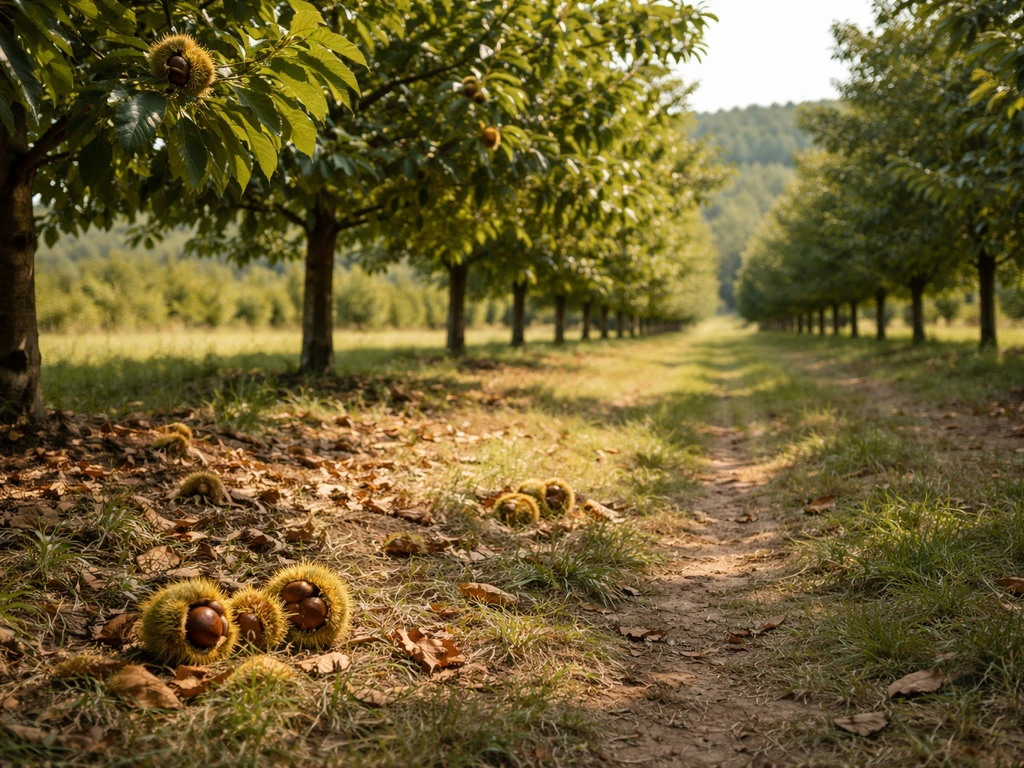
Not all chestnuts are equally productive everywhere. Matching the right species to your climate is the first practical decision, and getting it wrong means years of poor performance. Here is how the main edible species break down.
| Species | Native Range | Best Climate Fit | Blight Resistance | Key Trait |
|---|---|---|---|---|
| American chestnut (C. dentata) | Eastern US, Appalachians | Zones 4–8, humid temperate | Very low (susceptible) | Historically productive; restoration efforts ongoing |
| Chinese chestnut (C. mollissima) | Northern China | Zones 4–8, broad US adaptability | High | Most practical choice for NA growers today |
| European sweet chestnut (C. sativa) | S. Europe, Asia Minor | Zones 5–7, UK and Pacific NW | Moderate | Drought tolerant once established; good for UK/mild climates |
| Japanese chestnut (C. crenata) | Japan | Zones 4–8 | Moderate-high | Used in hybrid breeding programs |
Chinese chestnut is the workhorse for most North American growers. It combines reasonable productivity with meaningful blight resistance, and it performs well across a wide range of climates. European sweet chestnut is the standard for UK growers and much of temperate Europe. It is comparatively drought tolerant and straightforward to establish once you have weed control and frost protection sorted during the first year or two. In California, site-specific factors matter a lot. Coastal plantings may need little or no irrigation once trees mature, but inland sites in hotter valleys require consistent water during nut development. For anyone weighing Pacific Coast viability, the nuances of growing chestnuts in California cover climate-specific considerations worth reading before you pick a variety.
For growers in the UK, sweet chestnut is well established, but the blight confirmation in 2011 means ongoing vigilance is part of the management picture. If you are in Britain and researching what is realistic for your area, whether chestnuts grow in the UK covers both the productive history of sweet chestnut coppice there and the current disease risks.
When chestnuts grow through the season
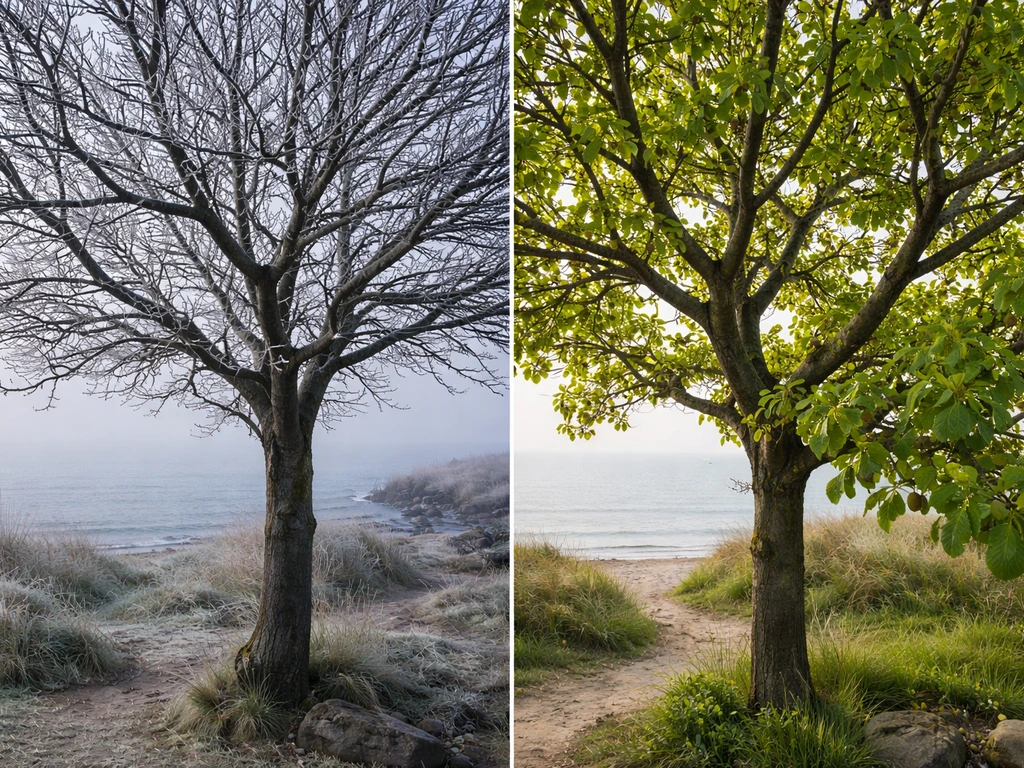
Chestnut phenology follows a single-season cycle from flowering to harvest. Flowering happens in late spring to early summer, and nuts mature in autumn of the same year. That sounds simple, but the timing between those two points is where most surprises happen for new growers.
After budbreak in spring, catkins elongate and become visible in late spring. Peak pollen shed typically happens in early summer, and this is the window during which cross-pollination needs to occur. After peak pollination, the fertilized female flowers begin forming the green, spiny burr structures. Over the following months (roughly late summer into early fall), the nuts inside the burr enlarge and develop. The sequence from peak pollination to a recognizable, fully developed burr and ripe nuts spans several months, with each stage being tied to cumulative heat and water availability.
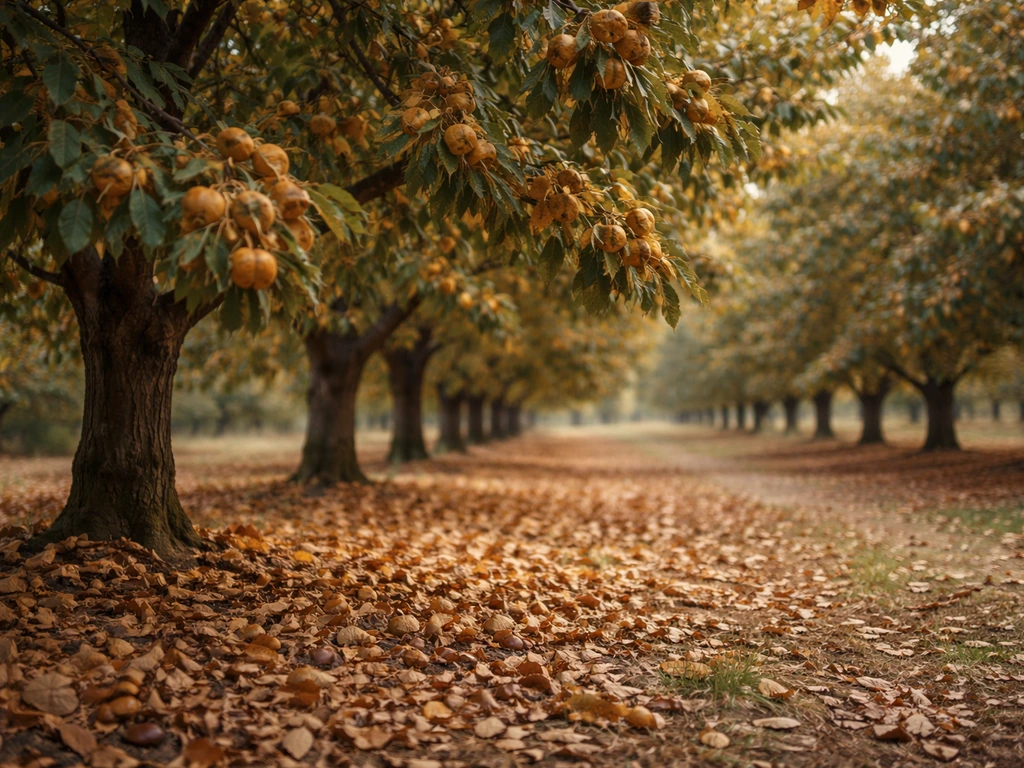
Harvest typically runs from September into October across most of the temperate US and UK, though timing shifts depending on species, elevation, and local climate. Stark Bro’s also recommends harvesting promptly after the burs split open (typically September to October) and harvesting every other day for 3 to 4 weeks to maintain nut quality harvesting promptly after burs split open. In hotter parts of California, the ripening window can be significantly different from northern California conditions, where cooler temperatures may require nuts to stay on the tree longer to fully develop. The practical harvest signal is simple: ripe burrs split open and nuts fall to the ground. Collecting daily or every other day during this window protects nuts from mold and wildlife pressure.
For growers trying to locate new trees or expand a planting, there is a useful off-season scouting trick: in fall and winter, look for the empty, split burrs left on the ground from the prior season. They persist long after nuts are gone and tell you exactly where productive trees were fruiting.
One last timing note worth flagging: in a commercial orchard context, young trees are typically not harvested in any meaningful quantity until about five years after planting. That is the realistic production timeline. Expect the first few years to be about establishment, not yield.
The growing conditions that actually decide success
Sunlight
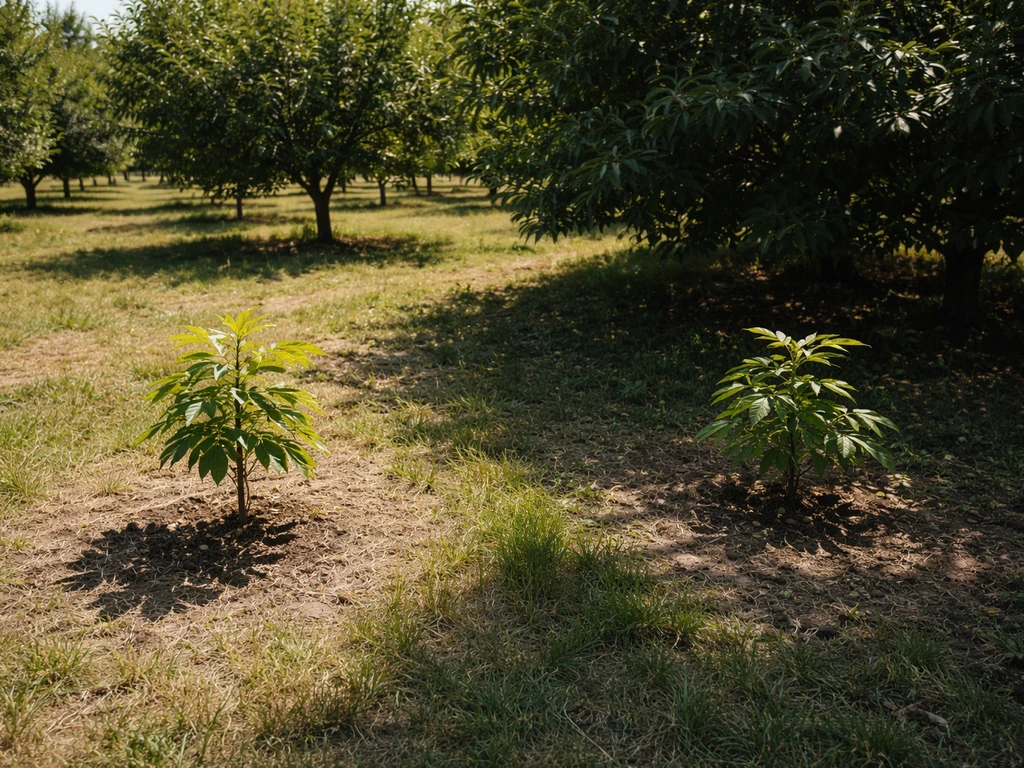
Chestnuts want full sun. A practical minimum is 6 to 8 hours of direct sunlight per day. European sweet chestnut can tolerate some shade and is noted to grow in conditions ranging from full sun to half-shade, but for nut production you want maximum light exposure. Shaded trees grow slower, flower less reliably, and produce fewer nuts. If you are siting a planting, choose the open, sunny end of your property over the convenient but shaded spot near the wood line.
Soil drainage and pH
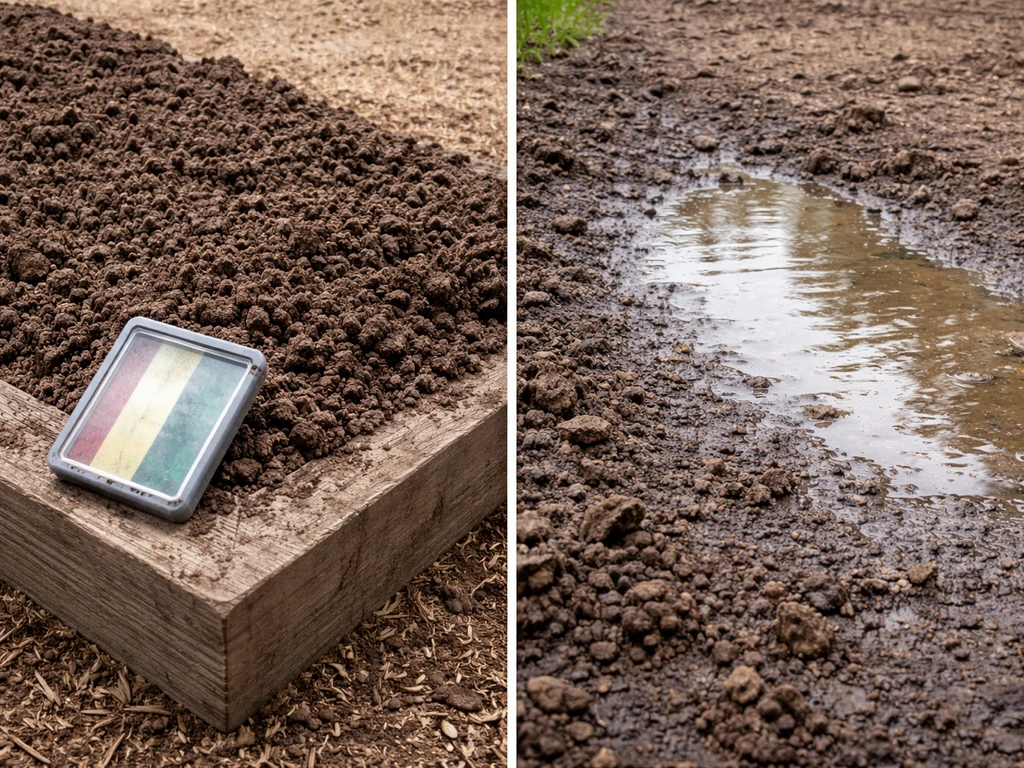
Drainage is non-negotiable. Chestnuts are susceptible to root rot in poorly drained soils, and this is not a minor risk. Do not plant in any spot where water pools after rain, even briefly. Well-drained, sandy to sandy-loam soils are ideal. The organic matter content and soil texture can vary even within a small area, so a quick assessment of your specific site beats assuming the whole property drains the same way.
For pH, the target range used by most extension services for orchard establishment is 5.5 to 6.5, slightly acidic. Some guidance suggests chestnuts can tolerate soil as low as pH 4.5, so there is a reasonable working window, but the 5.5 to 6.5 sweet spot gives you the best nutrient availability. If your soil is too alkaline, lime additions are not the fix here. You are working in the opposite direction. Sulfur applications and organic matter can help lower pH, but if your native soil is strongly alkaline, chestnuts are a bad fit regardless of other conditions.
Moisture
Consistent moisture matters most during two windows: tree establishment in the first year or two, and nut development in late summer. Newly planted bare-root trees should have their roots kept moist right up until the moment of planting. Fall-planted trees face a real establishment challenge because they may not develop enough root system before winter, so spring planting is often more forgiving in cold climates. During nut fill, water stress translates directly into lower nut weight and yield. If your site does not get reliable late-summer rainfall, plan for irrigation.
Picking the right site and species for your region
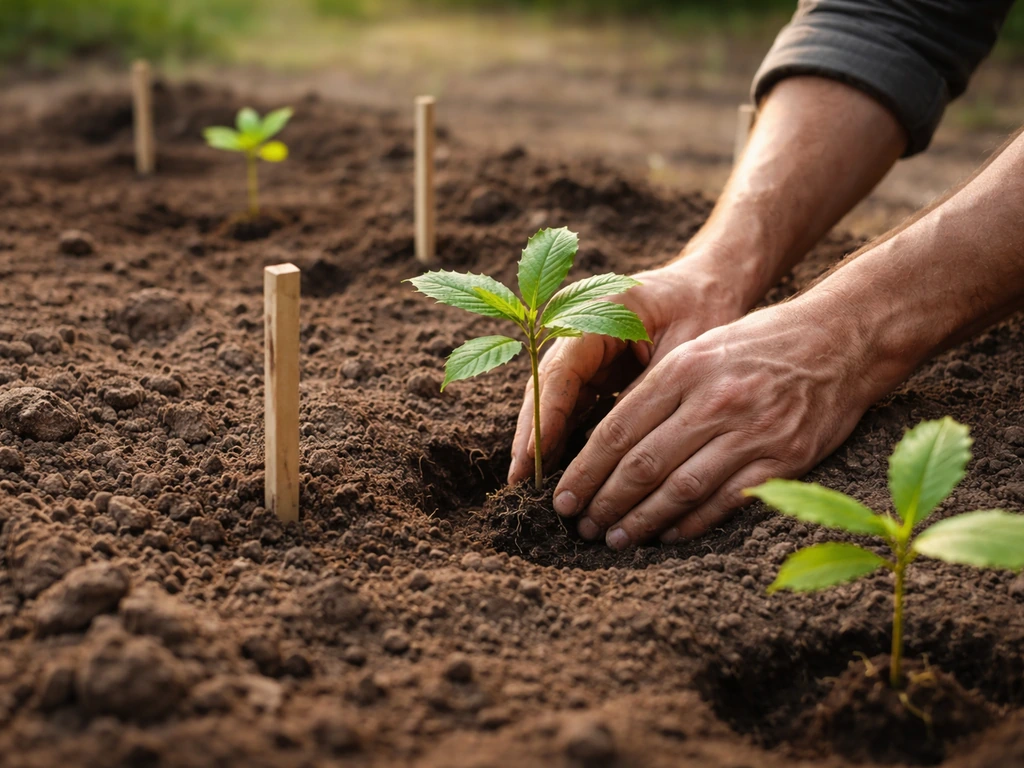
The practical sequence for getting a chestnut planting right is not complicated, but skipping steps is how people waste years on a tree that never performs. Here is how to work through it.
- Check your USDA hardiness zone (or equivalent in your country) and confirm your chosen species survives your winter lows. Chinese chestnut handles Zone 4 to 8. Sweet chestnut is reliable in Zones 5 to 7. If you are at a Zone 4 northern edge, choose accordingly.
- Walk your site after a heavy rain and note where water sits longest. Any spot that holds water for more than a few hours is disqualifying for chestnuts. Raised beds or mounded planting rows can help on borderline sites.
- Test your soil pH before planting. Kits are inexpensive. Target 5.5 to 6.5. Amend with sulfur if you are above that range; work in organic matter to improve structure on sandy sites.
- Plan for two or more genetically distinct trees. They do not need to be the same variety, but they do need to flower at overlapping times. Buy from a nursery that can confirm the varieties are cross-compatible.
- If your region carries chestnut blight pressure (most of the eastern US does), default to Chinese chestnut or a proven blight-tolerant hybrid. Do not romanticize planting pure American chestnut for nut production unless you are part of a restoration program with access to tested material.
- Set realistic timeline expectations. You are not harvesting meaningful quantities for at least five years. Plan accordingly and consider intercropping the orchard rows in the early years if space efficiency matters to you.
If you are starting from seed rather than purchasing grafted or rooted trees, the process is doable but slower and less predictable in terms of variety performance. The mechanics of growing a chestnut tree from a nut involve cold stratification and careful first-year establishment, and the resulting tree will not be genetically identical to the parent. For serious production, buying named varieties from a reputable nursery beats seed-grown trees every time.
One species that often confuses beginners is the horse chestnut (Aesculus hippocastanum), which is not a true chestnut and produces inedible nuts. If you have found large, glossy conkers and are trying to grow a tree from them, that is a completely different process from edible chestnut cultivation. The guide on how to grow horse chestnut trees from conkers covers that path in detail, but do not expect edible nuts at the end of it.
The bottom line: chestnuts are not a difficult tree to understand, but they reward growers who take site selection seriously and plant the right species for their actual conditions. Get the drainage, pH, sunlight, and species match right, put in two trees minimum, plan for a five-year wait, and you will have a productive chestnut planting. Cut corners on any of those steps and you will spend years troubleshooting instead of harvesting.
FAQ
Can I get chestnuts from just one chestnut tree? If not, how many trees do I need and what about related seedlings?
It is possible, but self-incompatibility means you should plan on two genetically distinct Castanea trees. If you buy several trees from the same nursery block or they are clones, they may behave like one genetic tree, so ask the seller for cross-compatibility information or plant a different named variety with a proven pollinator pair.
When will my chestnut planting start producing, and can I harvest anything in the first few years?
Roughly the first few years are for establishment, expect little to no meaningful harvest until around year 5 in a production sense. You can still see burrs earlier on some trees, but early yields are often too low to judge variety performance or spacing decisions.
How do I know the chestnuts are ready to pick, and what happens if I wait too long after they fall?
For harvest timing, don’t wait for a perfect color. Use the burr split as the main signal, then collect at least every other day during the ripening window to reduce mold risk and wildlife damage. Nuts left too long on damp ground can also develop off flavors.
Do all chestnuts ripen at the same time, or should I expect a staggered harvest?
Chestnut burrs and nuts often don’t all mature at once, especially on young trees or in mixed microclimates. Plan for a phased collection, and if you see some burrs splitting early, collect those nuts promptly while leaving later-maturing burrs on the tree.
If my tree has conkers or large spiny fruits, how can I tell whether it is edible chestnut or horse chestnut?
No, horse chestnuts (Aesculus hippocastanum) are different and their conkers are not edible chestnuts. If you are seeing large spiny fruits but are unsure what you planted, confirm the tree species label before troubleshooting anything related to burrs, germination, or harvest.
What should I do if my planting spot holds water briefly after storms?
If soil stays wet after rain, you risk root rot and poor long-term performance even if the tree seems fine at first. Improve drainage with site selection first, then consider raised rows or mounds, and avoid planting in depressions where water pools.
If my soil pH is too high, is liming off the problem or is there a better approach for chestnuts?
Chestnut pH adjustment is tricky, because alkaline soil can be hard to correct and isn’t a reliable fix for strongly mismatched ground. If you test and find high pH, prioritize choosing another site, or use sulfur and organic matter only as part of a measured plan, not as a guaranteed cure.
Do chestnuts need the most water during spring, or is late summer the critical time?
Water needs shift by season. Newly planted trees need consistent moisture to build roots, and nut fill needs steady water to support nut weight. If rainfall is unreliable in late summer, plan irrigation before you install trees, because late-season stress shows up directly in yield.
How do my local conditions like elevation and cool nights affect how long chestnuts need to ripen?
Yes. Many chestnut plantings require heat and time to mature burrs, and cool or exposed sites may delay harvest or reduce nut fill. Use your local elevation, frost frequency, and accumulated heat to set expectations for how long nuts need to stay on the tree before splitting burrs.
Is it worth growing chestnuts from nuts, and will seedlings be like the parent tree?
If you start from seed, resulting trees are genetically different from the parent, so you lose the predictability of nut size, yield, and disease behavior. For a production goal, buy named varieties, and if you use seed for experimentation, treat it as a long-term selection project rather than a direct replacement for nursery stock.
What are the most common harvest and post-harvest mistakes that lead to mold or poor-quality chestnuts?
In orchards, harvest management is more than collecting nuts from the ground. Many growers also manage fallen-nut sanitation and timing so nuts are not left to mold, and they focus on gathering during the peak split window to protect storage quality.
If blight is the biggest threat, how should it change which chestnut variety I plant and how I manage the trees?
Blight pressure can influence variety choice and planting strategy. If you are in an area where chestnut blight is confirmed, prioritize blight-tolerant Chinese chestnut or blight-tolerant hybrids and maintain vigilant monitoring on all trees, because late detection can turn into long-term losses.