Yes, you can grow nut trees in pots, and some species will actually produce nuts for you in a container. But the honest picture is this: not every nut tree adapts well to pot culture, and even the ones that do will produce less than a tree in the ground. What you get in exchange is flexibility. You can move trees to shelter them from hard winters, protect them from late frosts, and grow species that your climate wouldn't otherwise support. The key is choosing the right species from the start, setting up the pot correctly, and managing water and roots with more attention than you'd need in the ground.
Can You Grow Nut Trees in Pots? A Practical Guide
Marcus Hendricks
27 May 2026
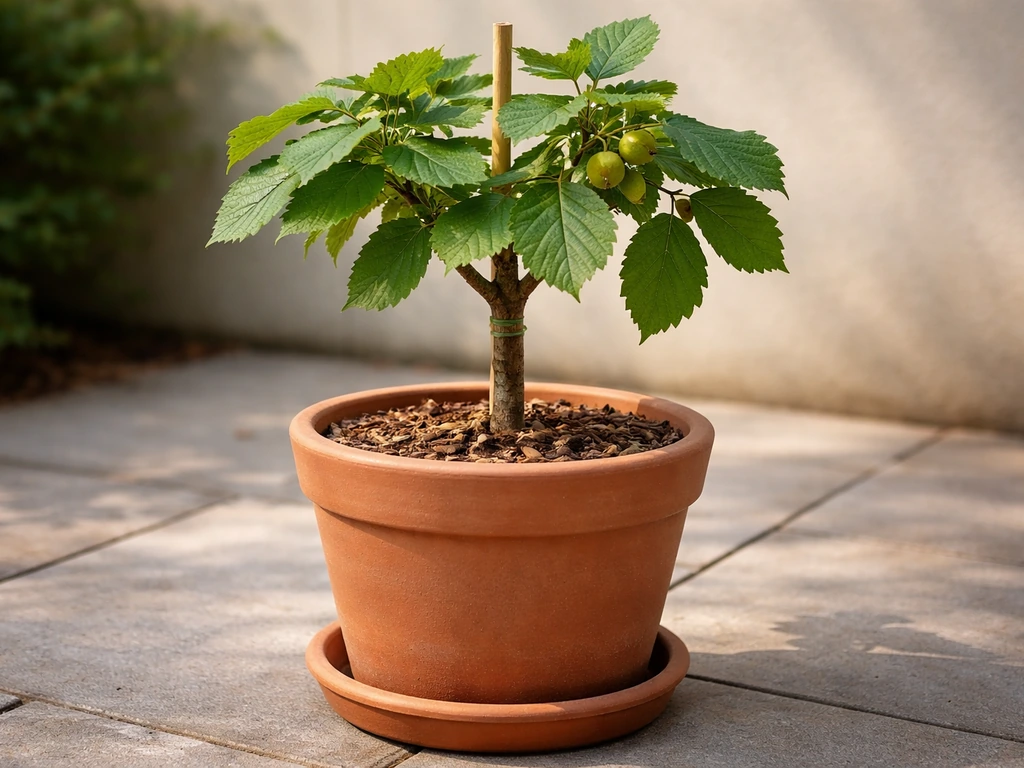
What's actually possible growing nut trees in containers
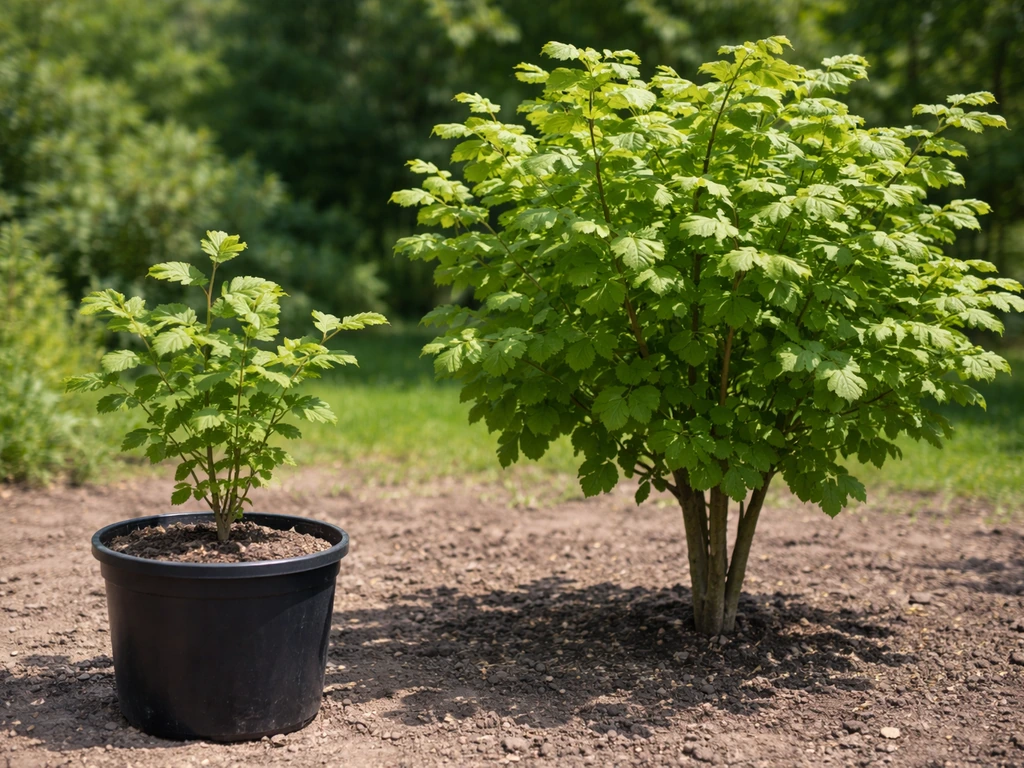
The biggest misconception about growing nut trees in pots is that 'container-friendly' means 'small and easy.' Nut trees are, by nature, large forest trees, and you're asking them to do something that runs against their biology. That said, container growing genuinely works for several species when you match expectations to reality.
Here's what's realistic: a hazelnut in a 15-gallon pot can start producing small crops within 3 to 4 years. An almond in a large container can bloom and set nuts in zones where winters are mild enough. A chestnut seedling can be started in a pot and grown on for a season or two before transplanting, or kept in a very large container long-term if you manage root pruning well. Pecans and walnuts are the toughest candidates. Their tap roots and sheer size mean you're fighting the tree's instincts every step of the way, and productive nut crops in a pot are unlikely without a lot of work and a very large container.
What you should expect from most container nut trees: slower growth than in-ground, smaller canopy, reduced but real nut production once established, and a tree that needs more attention than one planted in the soil. You'll also need to commit to repotting or root pruning every few years to keep the tree healthy. If you go in with those expectations, container nut growing is genuinely rewarding.
Best nut tree species for pots, matched to climate and size
Species selection is the single most important decision you'll make. Choose a species poorly suited to your climate or your available space and you're making every other step harder.
| Species | Best Climate/Zones | Container Suitability | Time to First Nuts | Key Limitation |
|---|---|---|---|---|
| Hazelnut (Corylus avellana / C. americana) | Zones 4–9 | Excellent — naturally shrubby, roots adapt well | 3–5 years | Needs cross-pollination; two plants recommended |
| Almond (Prunus dulcis) | Zones 7–9 (warm, dry summers) | Good in large pots (25+ gal) | 3–5 years | Susceptible to late frost; needs low-chill varieties in mild zones |
| American/Chinese Chestnut (Castanea spp.) | Zones 4–8 | Good for container starts; long-term needs 25+ gal | 4–7 years | Needs two trees for cross-pollination; roots dislike waterlogging |
| Pistachio (Pistacia vera) | Zones 7–11 (hot, dry summers; cold winters) | Moderate — slow grower, manageable size | 5–8 years | Strictly requires male + female plants; very drought-tolerant once established |
| Pecan (Carya illinoinensis) | Zones 6–9 | Difficult — deep taproot, large canopy | 7–10+ years | Self-fertile but poor fill without a second cultivar; needs very deep container |
| Black Walnut (Juglans nigra) | Zones 4–9 | Poor — extremely vigorous, allelopathic roots | 7–10+ years | Juglone toxicity limits companion planting; rarely practical in pots |
| Heartnut / Buartnut (Juglans ailantifolia) | Zones 5–8 | Marginal — better than black walnut but still large | 5–8 years | More compact than black walnut but still challenging long-term |
If you're choosing one species to start with in a container, hazelnut is the most practical across most climates. If you want the simplest species shortlist for your region, see our guide on the best nuts to grow in Pennsylvania. It's naturally multi-stemmed, responds well to pruning, and its fibrous root system tolerates pot conditions far better than any of the deep-rooted species. Almond is the right pick if you're in a warm, dry climate and want a genuine tree form with real nut crops. Chestnut works well if you have space for a 30-gallon or larger pot and patience for a longer wait.
Pot setup: size, drainage, and the right growing medium
The pot itself does more work than most people realize. Get the setup wrong and you'll be fighting root rot, drought stress, or stunted growth before the tree even hits its stride.
Pot size
Start small trees in a 3- to 5-gallon pot and move up as the tree grows. The goal for a mature container nut tree is to reach at least a 25- to 30-gallon container, and for chestnuts or almonds, 30 to 45 gallons gives you much better results. Pecans really want a 50-gallon or larger container with significant depth, at least 24 inches, to accommodate the taproot. Pots that are too small restrict roots too aggressively, limit water and nutrient uptake, and stress the tree into poor flowering and nut production.
Drainage
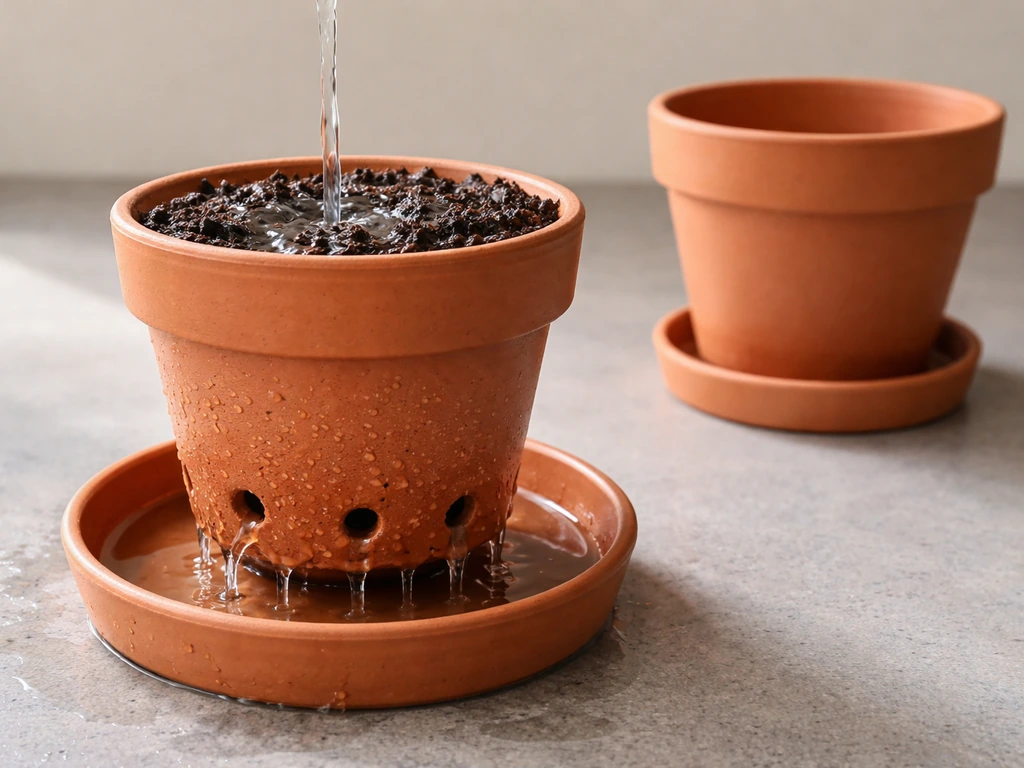
Every pot must have drainage holes. This isn't negotiable. NC State Extension makes it clear that containers without drainage holes require special workarounds like double-potting because excess moisture with nowhere to go causes root rot, and no nut tree tolerates that well. If you're using a decorative outer pot with no drainage, treat it as a sleeve only and keep the actual root zone in a drilled inner container. Cover holes with mesh or a coffee filter to keep the medium in without blocking water flow.
Growing medium
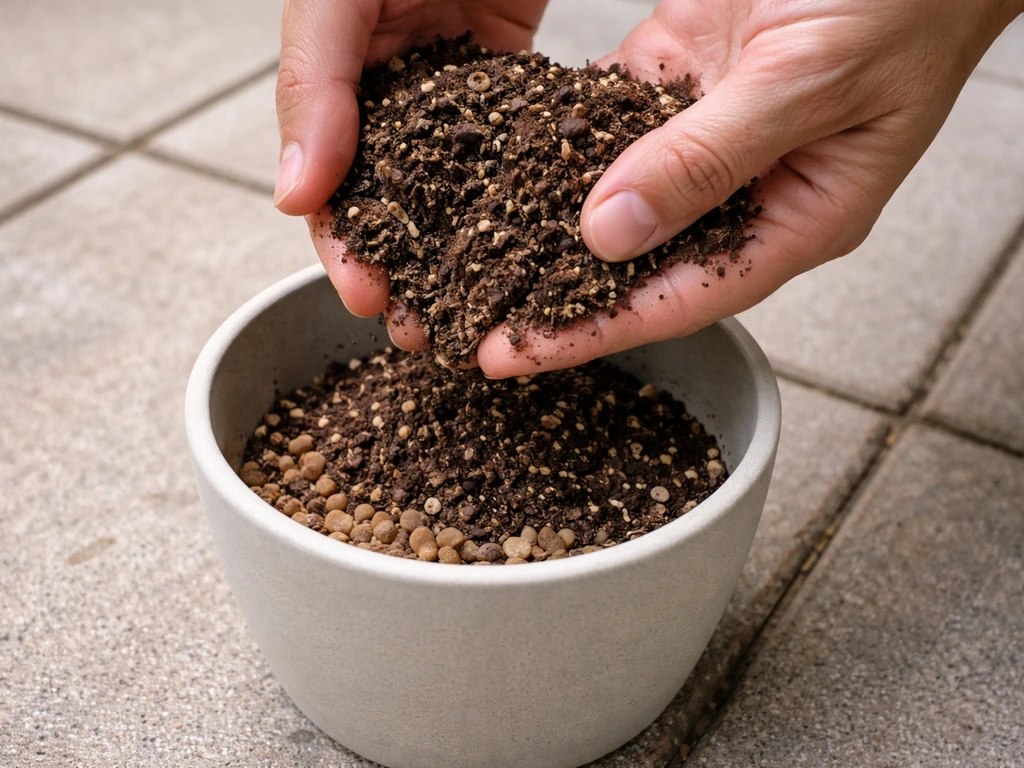
Do not use straight garden soil in containers. It compacts, drains poorly, and suffocates roots. A good container mix for nut trees is roughly two parts quality potting mix to one part perlite or coarse horticultural grit. This keeps drainage fast while holding enough moisture between waterings. For chestnuts specifically, the American Chestnut Foundation warns that very dry peat-based mixes can repel water and should be pre-wetted before use, because water will bead off and run down the inside of the pot without actually reaching the roots. A slight lean toward slightly acidic mix (pH 5.5–6.5) suits chestnuts, hazelnuts, and almonds well.
Watering, feeding, and managing roots over time
Watering
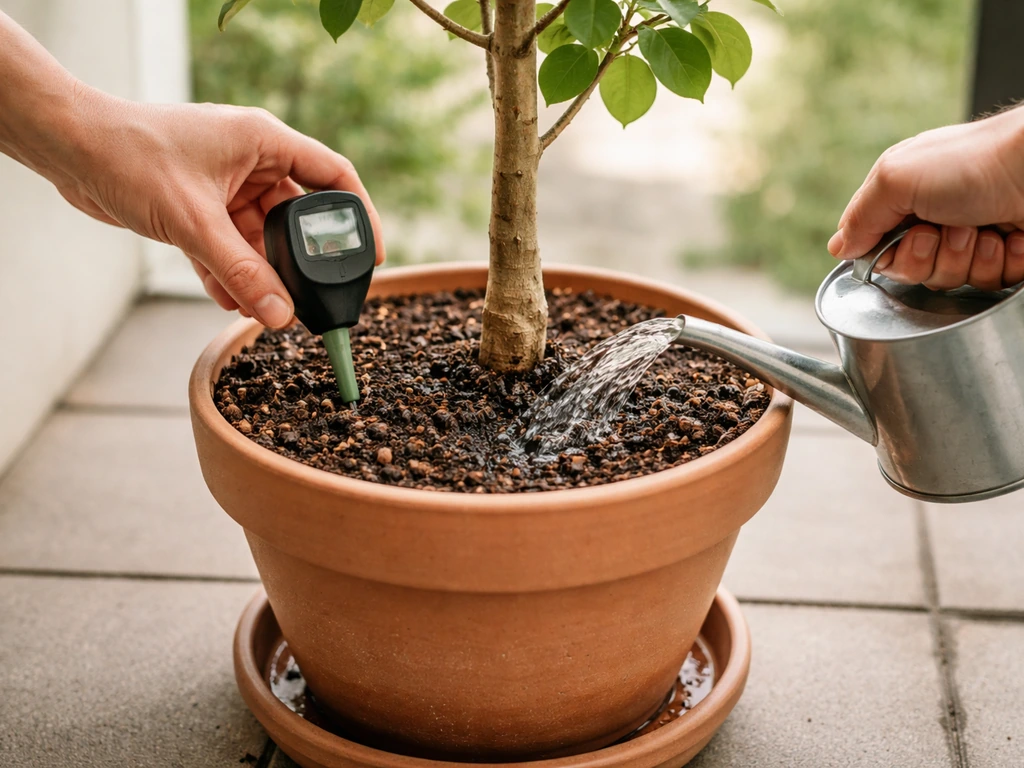
Container nut trees dry out faster than in-ground trees and are more vulnerable to both overwatering and drought stress. In summer, you may need to water 3 to 5 times per week depending on pot size, temperature, and species. Chestnuts are a good example of a species that hates soggy conditions. The American Chestnut Foundation is explicit that American chestnut does not like to be too wet, so let the top inch or two of the medium dry before watering again. Almonds and pistachios are far more drought-tolerant and can handle drying out between waterings once established. A good general rule: stick your finger 2 inches into the medium. If it's dry, water thoroughly until it drains from the bottom. If it's still moist, wait.
Feeding
Nut trees in pots need regular fertilization because frequent watering leaches nutrients from the container medium much faster than in garden soil. During the growing season (roughly March through August depending on your zone), feed every 3 to 4 weeks with a balanced slow-release fertilizer, supplemented with a liquid feed every couple of weeks. As flowering and nut development begin, a fertilizer with a slightly higher potassium ratio supports better fruit set. Stop feeding in late summer to allow the tree to harden off before winter. Avoid heavy nitrogen late in the season as it pushes soft growth that's vulnerable to frost damage.
Root management
Root restriction is both the tool and the challenge of container growing. Mild restriction encourages earlier flowering and fruiting, but severe restriction stresses and eventually kills the tree. Every 2 to 3 years, either pot up into the next size container or remove the tree, trim back the outer third of the root mass with clean shears, and repot into fresh medium in the same container. Root pruning sounds drastic but trees tolerate it well if you do it in late winter before new growth starts and water the tree well immediately after repotting.
Pruning and training to keep container nut trees compact and productive
Without pruning, most nut trees will outgrow a container quickly and become top-heavy, which stresses roots and makes the tree vulnerable to wind damage. Pruning is also how you direct the tree's energy toward nut production rather than endless vegetative growth.
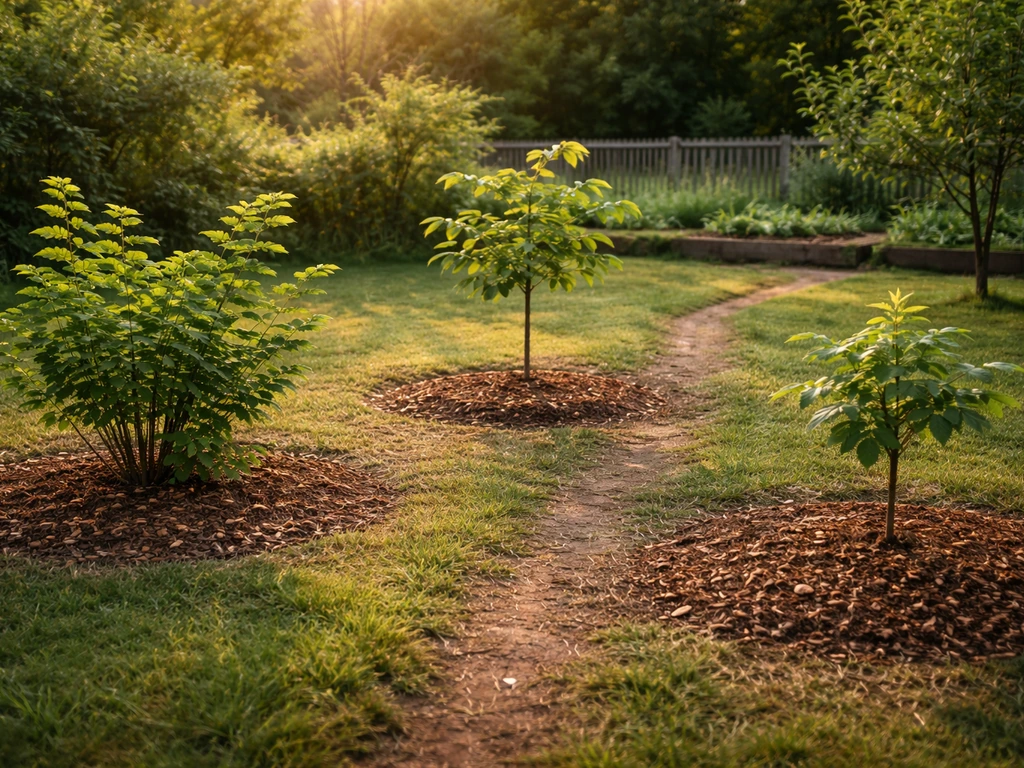
For hazelnuts, maintain a multi-stem bush form by removing the oldest stems at the base every few years, keeping 5 to 7 productive stems. This keeps the plant compact and encourages younger, more fruitful wood. For tree-form species like almond, chestnut, or pistachio, aim for an open-center or modified leader shape with a low branching point (around 18 to 24 inches from the soil), keeping the canopy width roughly proportional to the pot diameter. Annual pruning in late winter, just before buds break, removes crossing branches, dead wood, and any vigorous vertical shoots (water sprouts) that would push the canopy height upward. Keep the total height to a manageable 5 to 8 feet in a container to avoid the tree becoming unstable and to make harvest practical.
Summer pinching of the growing tips in June or early July can also be used on more vigorous species to limit growth without the heavier cuts needed in winter. This is particularly useful for chestnuts and almonds that put on a lot of new wood in a season.
Pollination and what to expect when it comes to nuts
This is where a lot of container nut growers get surprised, so pay attention here. Most nut trees rely on wind pollination. In a garden or orchard, pollen travels freely between trees. In a container on a patio or balcony, you're often working with limited space and possibly only one plant, which creates a real challenge for species that need cross-pollination.
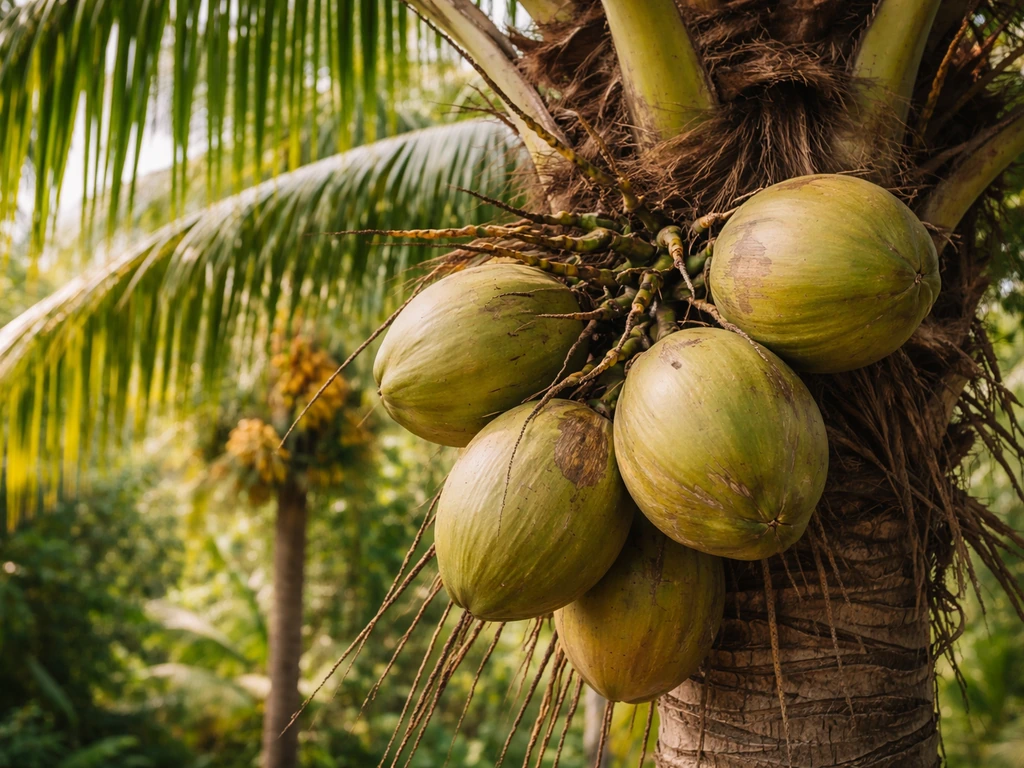
Hazelnuts almost always need two different compatible varieties to set a decent crop. One plant may produce some nuts, but you'll get significantly better results with a second hazelnut nearby. The same applies to chestnuts. American and Chinese chestnuts are largely self-sterile, and planting two trees in separate containers placed within 40 to 50 feet of each other is the standard recommendation for reliable nut set. If you are also wondering what nuts grow on palm trees, note that palms produce different types of nuts than chestnut trees do chestnuts.
Pecan is listed as self-fertile by Penn State Extension, but UGA's Pecan Extension program is clear that a large percentage of self-pollinated pecans fail to develop and fill well. The USDA Forest Service also notes that some cultivars are proterandrous or protogynous, meaning pollen shed and stigma receptivity don't always overlap, making cross-pollination from a second cultivar practically necessary for a good crop. USDA Forest Service (Silvics of North America) notes that pecan is wind-pollinated and that some cultivars require overlapping pollen shed and stigma receptivity to achieve good fruit set. In a container scenario, this means you'd realistically need two pecan trees in large pots side by side, which is a significant commitment.
Pistachios require both a male and a female plant. There's no way around it. You need both for any nut production at all. Almonds are largely self-fertile in their improved cultivars (particularly 'All-in-One,' which was specifically bred for self-fertility in home situations), so a single almond in a pot has a reasonable shot at producing nuts on its own.
Time-to-fruiting in containers typically runs 3 to 5 years for hazelnuts and almonds, 4 to 7 years for chestnuts, and 5 to 8 or more years for pistachios and pecans. Don't expect a heavy nut crop in year one or two from any species.
Winter protection and heat management by region
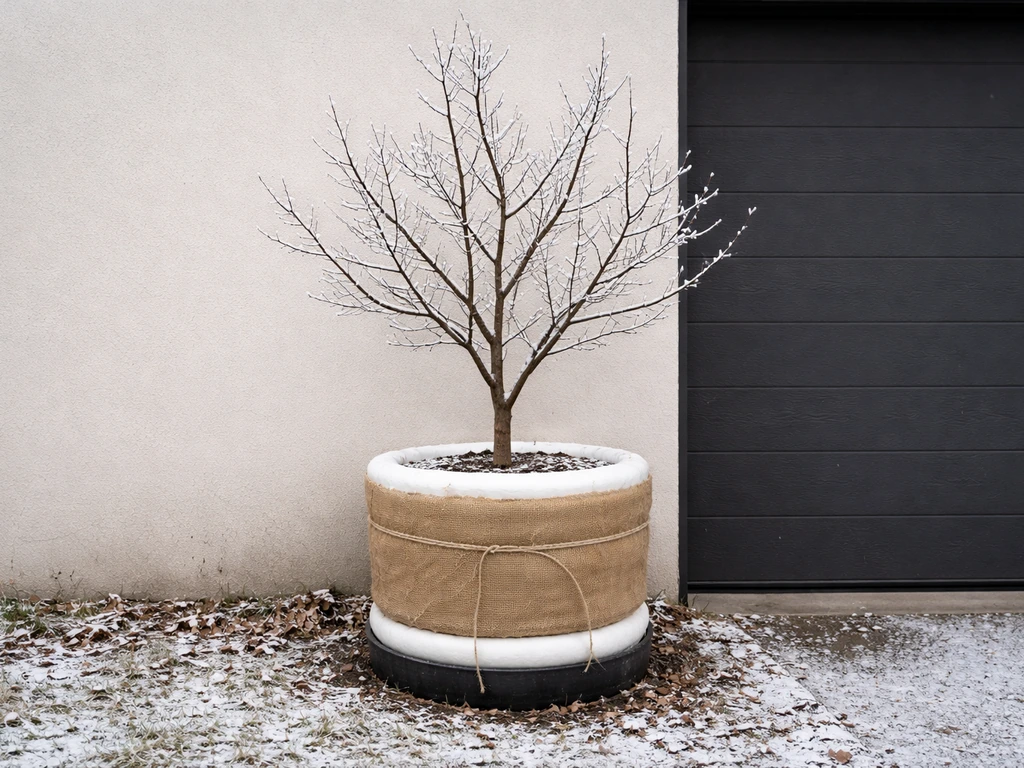
This is one of the biggest advantages of container growing: you can move trees. But you have to plan for it, because container roots are far more cold-exposed than in-ground roots and the protection strategy varies a lot by where you live.
Cold climates (Zones 4–6)
Penn State Extension offers a critical insight here: container roots experience temperatures much closer to ambient air temperature than in-ground roots, which means a tree rated hardy to Zone 6 may suffer root damage in a Zone 6 winter when it's in a pot. The guidance is to choose species hardy to one or two USDA zones colder than your actual zone to give roots a safe buffer. In practical terms, a Zone 5 gardener should look for nut trees rated to Zone 3 or 4 for reliable overwintering in containers. If you're pushing the limits, move pots into an unheated garage or shed (which stays above freezing but doesn't heat the tree enough to break dormancy early), wrap pots in bubble wrap and plastic per Penn State's recommendation, and water the pot well before the soil freezes. Illinois Extension emphasizes that the goal during winter is to prevent the soil mass from freezing solid while maintaining some moisture throughout the dormant period. A large soil volume in an insulated, protected location is the most reliable way to achieve this.
Mild and warm climates (Zones 7–11)
In warmer zones, the winter challenge shifts: many nut trees need a certain number of chilling hours (temperatures between 32 and 45°F) to break dormancy and flower properly. In Zone 9 or 10, almonds and hazelnuts may not get enough cold unless you choose low-chill varieties. Pistachios, interestingly, are one of the few nut trees that handle both hot summers and genuinely cold winters (they need both), making them well-suited to desert Southwest or Mediterranean-climate regions. In hot climates, position pots where they get full morning sun but some afternoon shade in summer to prevent heat stress and soil temperature spikes in dark-colored containers. Light-colored or double-walled pots help significantly in Zone 8 and warmer.
Pacific Northwest and humid climates
Hazelnuts thrive in Pacific Northwest conditions and are already commercially grown there. OSU Extension notes that hazelnut pollination timing can be affected by cold spells during the catkin season (late winter to early spring), though brief cold snaps usually cause only minimal crop damage. Container hazelnuts here have the advantage of being movable to a sheltered location during the worst late-winter cold snaps, which is a real benefit over in-ground planting in the most exposed spots.
Common problems, mistakes, and a step-by-step starter plan
Problems you'll actually run into
- Overwatering and root rot: The most common container killer. Heavy, poorly draining medium combined with a pot without adequate drainage holes is the usual culprit. Fix it before planting, not after.
- Nutrient deficiency (especially iron and manganese): Frequent leaching from watering strips minerals fast. Yellowing between leaf veins (interveinal chlorosis) is the telltale sign. A chelated iron supplement fixes iron deficiency in most cases.
- Root-bound stress: A tree that's been in the same pot too long will show stunted growth, leaf drop, and poor flowering. If you can see a mass of circling roots when you tip the pot, it's past time to pot up or root-prune.
- Aphids and spider mites: Nut trees in containers, especially stressed ones, attract aphids on new growth and spider mites during hot, dry periods. A strong water spray knocks off most infestations. Neem oil handles persistent cases.
- Chestnut blight and leaf diseases in humid conditions: Good air circulation around container trees and avoiding overhead watering reduces fungal pressure significantly.
- Poor nut fill from insufficient pollination: If you're getting flowers but empty husks, pollination is almost certainly the issue. Add a second compatible plant.
Your starter plan
- Choose your species: Match to your climate zone first, then available space. For most people, hazelnut is the best first container nut tree. Almond is the pick for warm, dry climates. Chestnut if you have space for large containers and want a longer project.
- Get two plants for cross-pollinating species: Hazelnuts, chestnuts, and pistachios all need a partner. Buy two compatible varieties at the same time and pot them both up.
- Set up pots correctly before planting: Use a well-draining medium (potting mix plus perlite), confirm drainage holes are open, and pre-wet the medium before planting. Start in a 5- to 7-gallon pot for young trees.
- Plant at the right depth: For chestnuts specifically, TACF recommends no deeper than half an inch to one inch when sowing seeds in containers. Grafted trees should be planted with the graft union above the soil surface.
- Water consistently but not excessively: Check the medium daily in summer. Water thoroughly when the top 2 inches are dry. Never let pots sit in standing water.
- Begin a fertilizing schedule in spring: Start feeding 4 to 6 weeks after growth begins in spring. Use a balanced slow-release fertilizer and supplement with liquid feed every 2 to 3 weeks through midsummer.
- Prune in late winter each year: Remove dead, crossing, and vigorous upright shoots before buds break. Keep height and canopy proportional to pot size.
- Plan your winter strategy now, not in November: If you're in Zone 6 or colder, identify your overwintering location (garage, shed, or well-insulated outdoor spot) before the first hard frost. Water the pot well before the soil freezes.
- Expect first nuts in years 3 to 5 for hazelnuts and almonds, longer for chestnuts and pistachios. Track growth and nut set each season to learn what your specific tree and microclimate need.
Growing nut trees in pots is genuinely doable, but it rewards patience and realistic expectations more than any other approach. The growers who get frustrated are usually the ones who planted a single walnut in a 10-gallon pot and expected nuts in two seasons. The ones who succeed pick the right species, set up the container correctly, and manage water and roots consistently year after year. If nuts you can grow at home interest you more broadly, or you're thinking about whether growing nuts indoors in a very controlled environment might suit your space better, those are related paths worth exploring. But for most outdoor gardeners with a patio, deck, or courtyard, a hazelnut or almond in a large pot is a very achievable place to start. If you want to keep the tree indoors part of the year or year-round, you can still aim for similar success by choosing a suitable species and providing the right light and watering routine grow nuts indoors.
FAQ
How soon can I realistically harvest nuts from a potted nut tree?
It depends on whether you mean “produce nuts” or “make a lot of nuts.” In containers, even productive varieties typically start slowly (often a few years), and many trees yield light crops at first. Plan for a multi-year ramp-up and treat the first couple of seasons as establishment, not peak harvest.
Can you grow nut trees in pots indoors year-round?
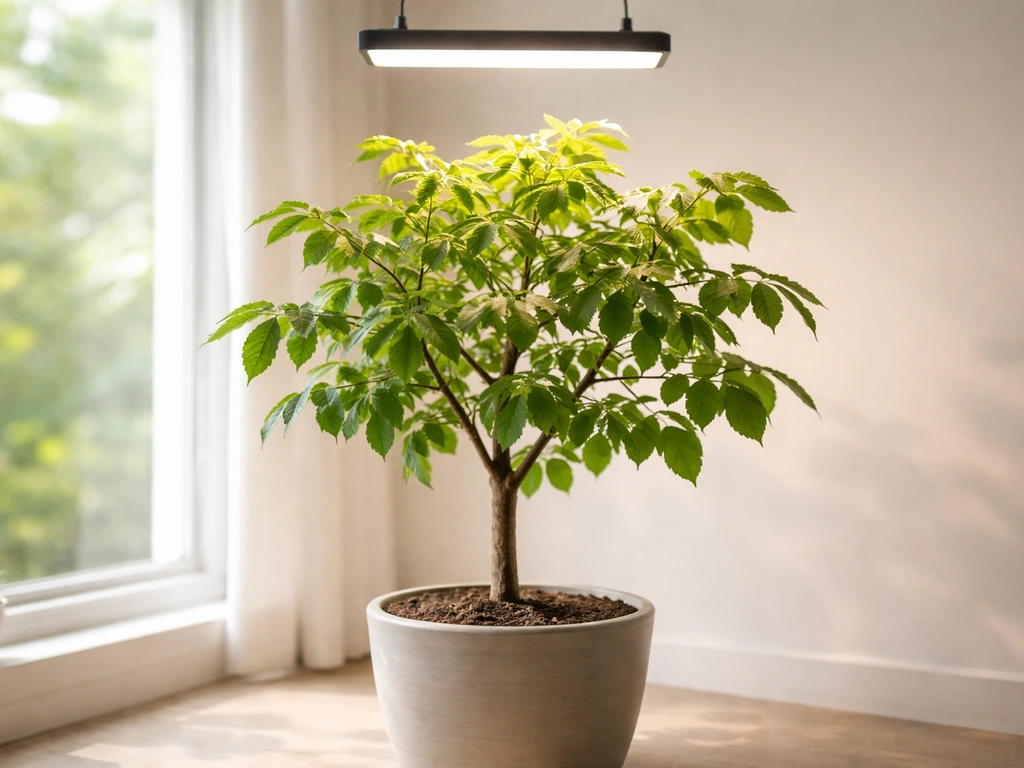
Yes, but it’s usually a bad match for most nut trees because indoor light is rarely intense enough for flowering and nut set. If you bring a pot indoors, do it only as a short cold-protection measure, keep it near the brightest window or under strong grow lights, and prevent overwatering by checking the mix 2 inches down.
What’s the best way to avoid overwatering or underwatering a potted nut tree?
Use the container mix as your “soil,” then measure water by moisture, not by a fixed schedule. A strong approach is watering until it drains from the bottom, then waiting until the top 2 inches of mix feel dry before watering again (more often in hot weather, less in cool weather).
Do potted nut trees stay in the same pot for life?
Don’t keep the tree in the smallest pot it came with. Most nut trees need pot ups or root pruning every 2 to 3 years to stay healthy and productive, and too-small pots often lead to weak flowering and poor nut fill. Aim toward the larger mature pot sizes mentioned in the guide for your species.
If I only have space for one potted nut tree, will I still get nuts?
Many nut trees are wind-pollinated, so you may need compatible partners and the right timing, even when you already have “one variety.” If you’re working with hazelnuts or chestnuts, plan for two compatible varieties within practical container distance, and don’t assume self-fertility will always solve it in small spaces.
Can I put my nut tree pot inside a decorative pot without drainage holes?
Decorative outer pots are a common trap. If the outer pot has no drainage, treat it like a sleeve only, keep the actual root container drilled and free-draining, and block leaks with mesh or a filter over the holes so the mix doesn’t wash out.
Why does my chestnut or other nut tree pot sometimes seem to water “without soaking”?
Yes. For chestnuts and similar conditions, dryness matters differently than you might expect because some peat-based mixes can repel water. Pre-wet the mix before potting (thoroughly damp, not just surface-moistened), then water normally after planting.
My potted nut tree leafs out well but never sets nuts, what should I check first?
If you only see leaves but no nuts, the causes are usually one of these: insufficient pollination, lack of age, poor nutrition balance during flowering, or stress from uneven watering. Container trees can also be too cold in winter and then fail to flower reliably.
Which nut trees are most likely to disappoint in containers, and why?
Do not expect pistachios, pecans, or walnuts to behave like hazelnuts in pots. Pistachios require a male and female plant, pecans often need large deep containers plus cross-pollination for good nut fill, and walnuts are especially challenging due to root size.
What’s the most effective winter strategy for potted nut trees in cold climates?
Winter protection is about preventing the root ball from freezing hard and staying too wet. Use a colder-but-still-safe hardy rating buffer, insulate the pot in exposed areas, move containers into an unheated protected spot when needed, and water before freeze-up so the root zone has usable moisture while dormant.
When should I fertilize a potted nut tree, and how do I know if I’m overdoing nitrogen?
A general schedule is to feed during the active growing season at the interval recommended in the guide, then stop in late summer so new growth matures. If you see lots of fast leafy growth late in the season, reduce nitrogen and prioritize hardening off before cold weather.
How much pruning is too much for a container-grown nut tree?
Yes, but do it strategically. Light annual pruning keeps the canopy manageable in a container, improves air and light penetration, and directs energy toward nut wood instead of runaway shoots. Avoid drastic cuts at the wrong time, especially right before or during active growth, and adjust pruning intensity to your species form (multi-stem vs tree form).