Yes, you can grow edible nuts at home, but the answer comes with some honest caveats about time, space, and climate. Most nut trees take anywhere from 5 to 25 years to hit full production, they often need a compatible pollinator nearby, and they have specific soil and cold requirements that vary dramatically by species. Get the match right and you'll have a productive tree for decades. Get it wrong and you'll spend years waiting for a harvest that never quite comes.
Can You Grow Nuts at Home Start Here by Zone
Marcus Hendricks
16 Apr 2026
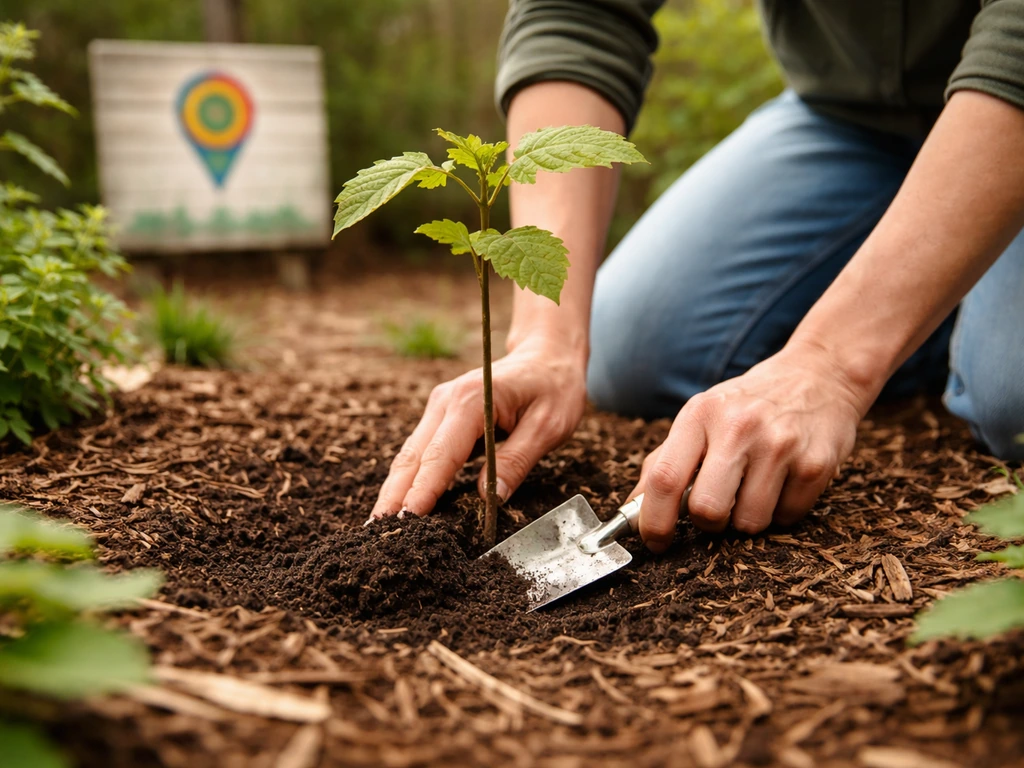
Quick reality check: which nuts you can grow at home (and which you can't)
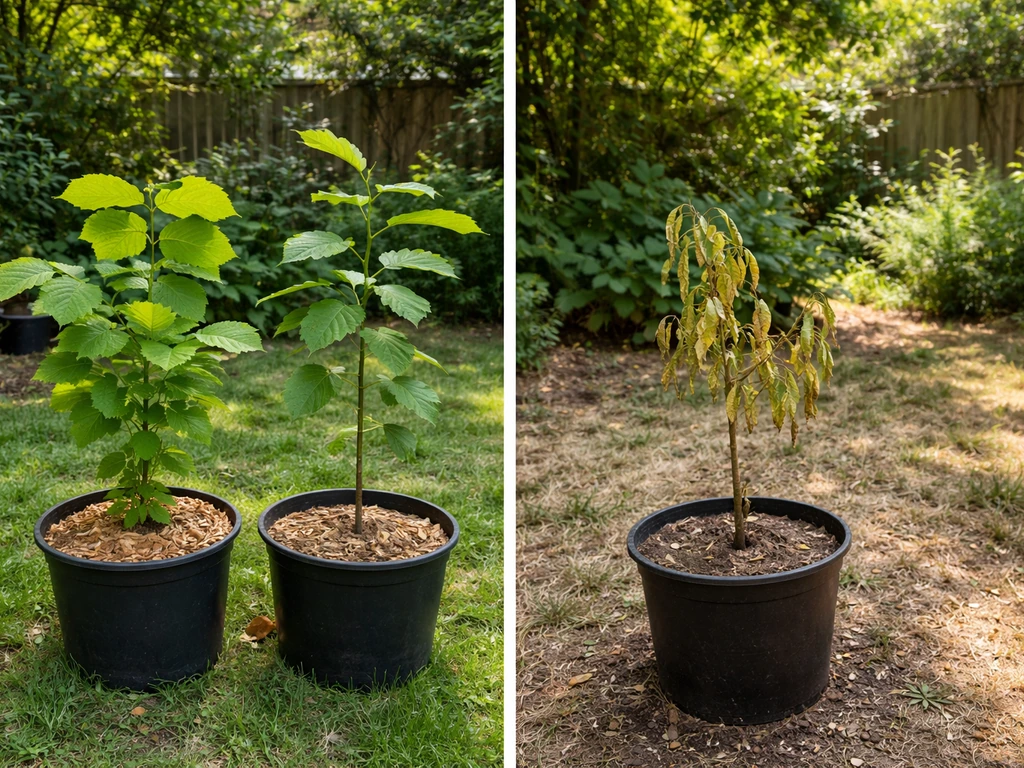
Most commonly eaten nuts are genuinely growable in the right climate zone. Almonds, walnuts, pecans, hazelnuts, chestnuts, and pistachios are all practical home-garden or home-orchard crops, provided your winters are cold enough to meet their chill-hour requirements and your summers are long and warm enough for the nuts to fill out. A few nuts, like macadamia, are strictly tropical or subtropical and only work in zones roughly 9b and warmer. If you're in the mid-Atlantic, the Midwest, or anywhere that gets a real winter, macadamia is off the table outdoors.
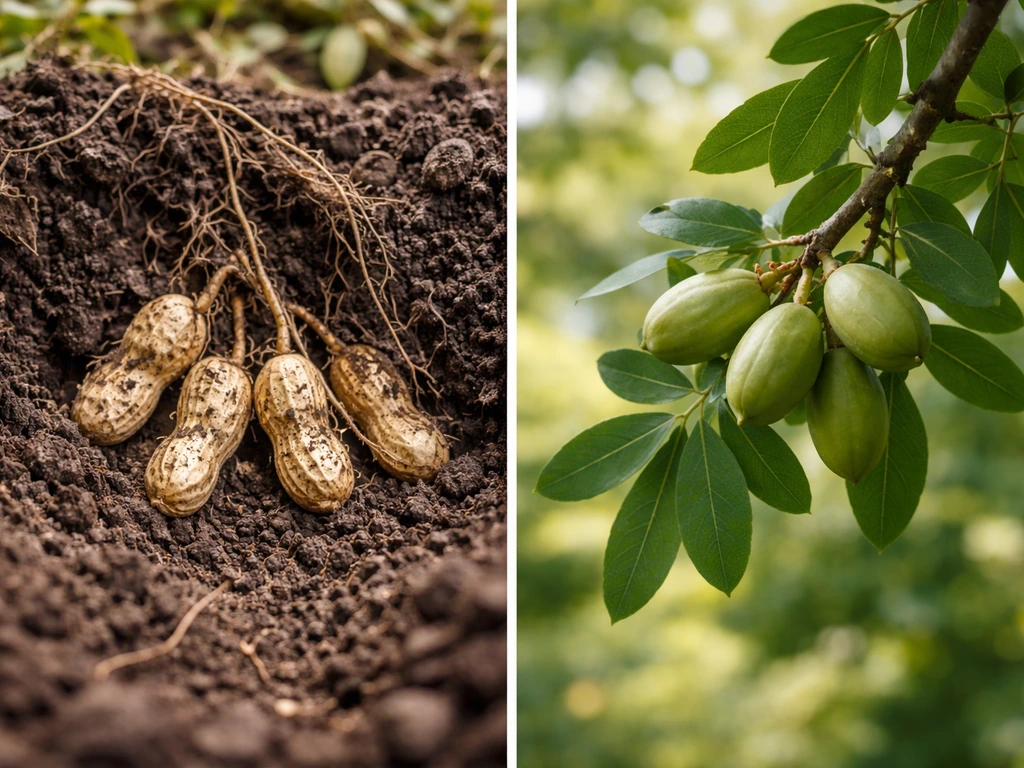
It's also worth knowing that not everything called a "nut" in the grocery store is a botanical nut. Peanuts, for example, are legumes that develop underground. If that's the kind of growing you're interested in, the mechanics are completely different from tree-based crops. Understanding what nuts grow in the ground can help you separate ground-crop production from tree-crop production before you invest in either.
Here's a quick feasibility snapshot to set expectations before going deeper:
| Nut Crop | Growth Form | Home Grower Feasibility | Biggest Limiting Factor |
|---|---|---|---|
| Almond | Tree (20–30 ft) | Good in zones 7–9 | Chill hours + late frost risk |
| Walnut (English/Black) | Large tree (40–60 ft) | Good in zones 5–9 | Space; juglone toxicity for English walnut neighbors |
| Pecan | Large tree (70–100 ft) | Good in zones 6–9 | Size; cross-pollination; 5–25 yr to full production |
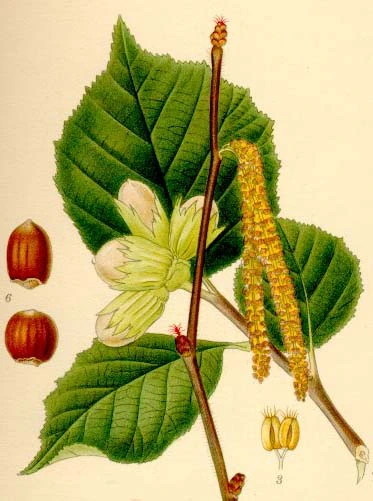
| Hazelnut/Filbert | Shrub/small tree (8–15 ft) | Excellent in zones 4–8 | Needs compatible pollinizer variety |
| Chestnut (Chinese) | Tree (40–60 ft) | Good in zones 4–8 | Blight resistance matters; 2 trees needed |
| Pistachio | Tree (20–30 ft) | Good in zones 7–10 | Very specific chill + heat requirements |
| Macadamia | Tree (25–40 ft) | Zones 9b–11 only | Cold sensitivity; not viable in most of US |
Nut tree basics: what "growing nuts" really involves
Nut trees are not annual crops. You're making a multi-year, sometimes multi-decade commitment. Almonds typically begin producing around year three after planting, but growers are advised not to let the tree set fruit during those first three years, so the tree can build structure. Pecan trees vary widely: some newer cultivars begin producing as early as years 5 or 6, while older or seedling-grown trees can take 10 to 15 years or more, with full maturity often not reached until 20 to 25 years after planting. That timeline is worth understanding before you plant anything.
Pollination is one of the most misunderstood parts of growing nuts. Some species are largely self-fertile in theory but will produce drastically better with a compatible pollinizer nearby. Pecans are a good example: self-pollination is possible but can reduce yield by as much as 75% compared to cross-pollinated trees. The reason is dichogamy, where pollen shed and female receptivity happen at different times on the same tree, so you need a second variety whose timing offsets correctly. Hazelnuts have a different issue: they're fully self-incompatible, meaning a compatible pollinizer variety is flat-out required, full stop. Wind carries the pollen for both crops, so you don't need bees, but you do need the right companion tree within range.
Understanding which trees produce the nuts you eat also helps you plan your space correctly. What nuts grow on trees covers this in more detail, but the short version is that most commercial nut crops come from full-sized trees that need significant room. If you're working with a smaller yard, hazelnuts are the obvious exception since they grow as shrubs in home settings and top out at around 8 to 15 feet.
Climate and regional suitability: hardiness zones, chill hours, and where each nut thrives
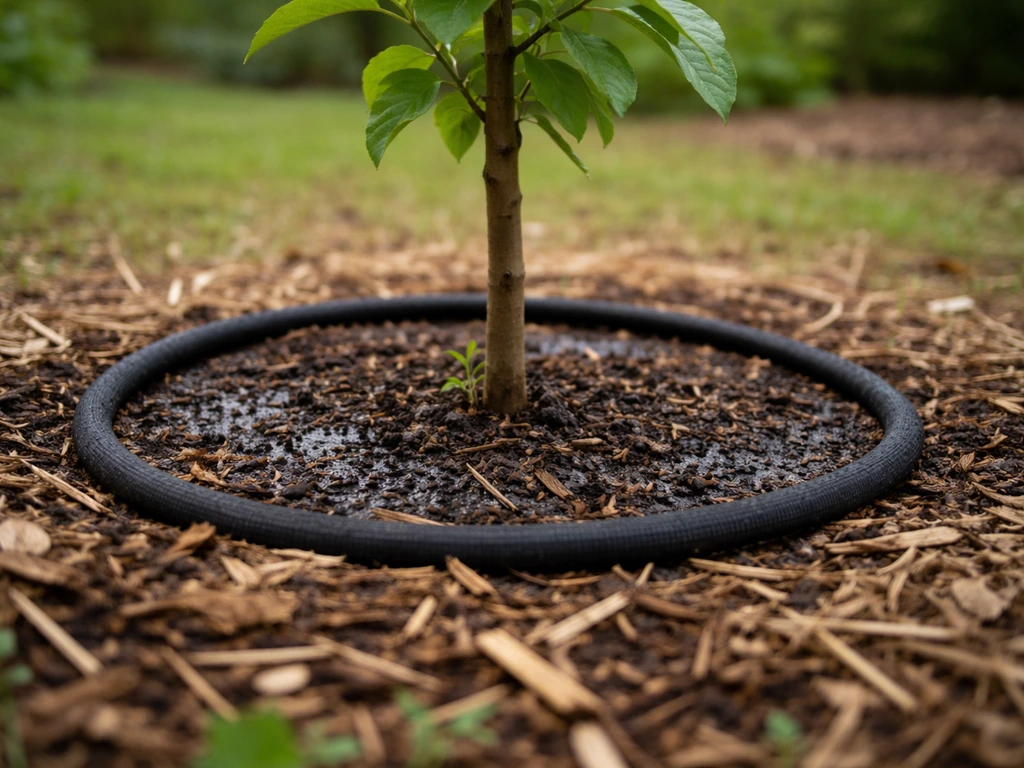
The USDA Plant Hardiness Zone Map is the standard starting point for species selection. The USDA Plant Hardiness Zone Map defines zones using the average annual extreme minimum winter temperature, shown as 10°F zones and 5°F half zones. It's based on 30-year average minimum winter temperatures, which tells you whether a tree can survive the cold, but it doesn't tell you whether you have enough winter chill for the tree to break dormancy and produce properly. For nut crops, chill hours matter just as much as cold hardiness.
Chill hours are the cumulative hours per winter spent at temperatures roughly between 32°F and 45°F (0°C to 7°C), depending on the model used. Each species has a minimum requirement. [Almonds need roughly 400 to 600 chill hours. ](https://ipm.
ucanr. edu/home-and-landscape/site-selection/) Walnuts need around 800 to 1,000, though some references list lower ranges of 500 to 700 for certain cultivars, and lower-chill varieties are becoming available. Hazelnuts range from 800 to 1,300 hours depending on variety. Pistachios are commonly cited at around 800 to 900 hours below 45°F in some references, though other models peg requirements differently depending on cultivar.
The takeaway: if you're in a mild-winter climate that doesn't reliably hit those thresholds, variety selection at the cultivar level becomes critical. University extension resources that track chill-portion requirements by cultivar can help you match the right variety to your exact site conditions.
Regionally speaking, hazelnuts and chestnuts are the most broadly adaptable across the northern U.S. and Pacific Northwest. Pecans are the dominant nut crop of the Southeast, and most commercial varieties were bred for that climate. Almonds thrive in California's Central Valley and similar Mediterranean-type climates. Pistachios are extremely well-suited to hot, dry summers with cold winters, which is why California's San Joaquin Valley produces the majority of U.S. pistachios. If you're in Florida or along the Gulf Coast, the story changes significantly since chill-hour accumulation is unreliable there; what nuts grow in Florida goes into those regional specifics in depth.
One thing to know about hardiness zone changes: the USDA periodically updates the map based on updated 30-year temperature data. If your zone shifted recently, that doesn't automatically mean you should uproot existing plantings, but it does affect which new species are worth attempting. Use zone maps as a guide, not a guarantee, since year-to-year cold events still happen even in "warmer" zones.
Choosing the right species by goal
Not everyone growing nut trees is optimizing purely for edible yield. Some growers want productive crops, others want a mix of food production and shade or wildlife value, and some are planting black walnut primarily for the timber value with nut production as a secondary benefit. Here's how to think through the choice:
If you want reliable edible crops in a small yard
Hazelnuts are the practical winner here. They're compact, they come into production relatively quickly (often within 3 to 5 years), and they fit into spaces where a 60-foot walnut or pecan would be completely impractical. They also happen to grow as shrubs in many home settings, which means they double as screening or hedgerow plants. The catch is you need at least two compatible varieties for pollination, since hazelnuts are self-incompatible. It's also worth knowing that some nut crops grow on smaller woody shrubs rather than full-sized trees; what nuts grow on bushes covers the shrub-form options in more detail.
If you have space and patience
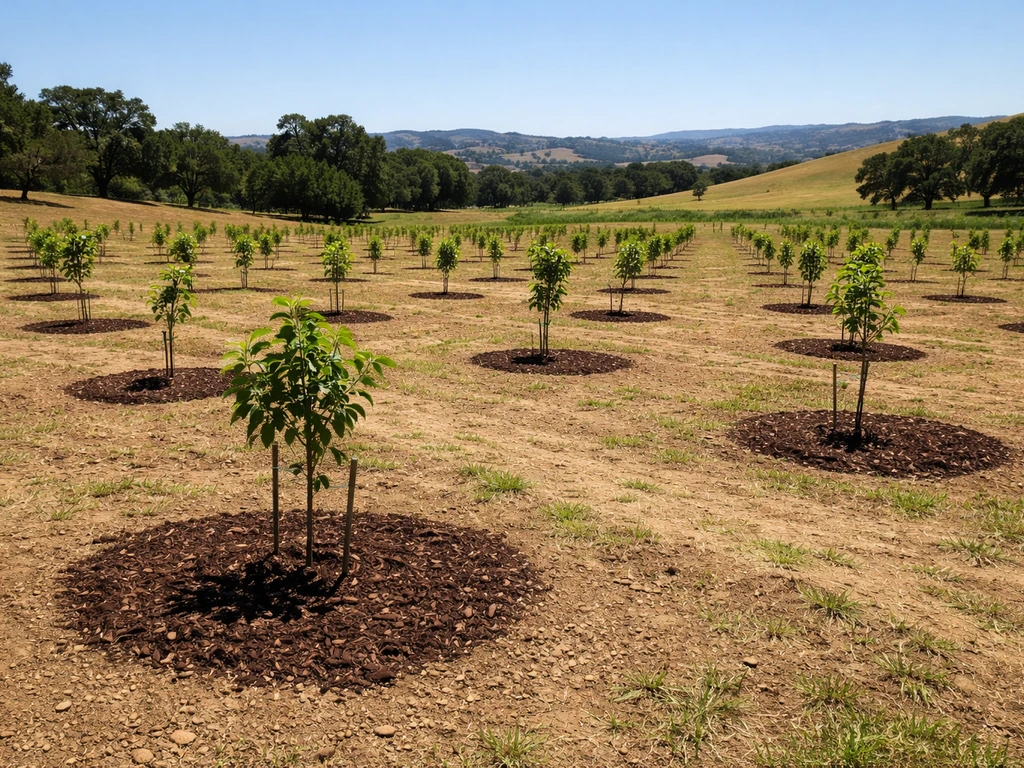
English walnut, pecan, and chestnut are excellent long-term investments where space allows. English walnut is productive, relatively manageable, and grows well across zones 5 to 8. Pecan is a dominant crop for zones 6 to 9 in the South and lower Midwest, though its size demands respect (allow 40 to 50 feet between trees minimum in a home planting). Chinese chestnut is a great choice in the East where chestnut blight is endemic; unlike the native American chestnut, Chinese and Japanese varieties have natural resistance to the blight and can thrive across zones 4 to 8.
If you're in a warm, dry climate
Almonds and pistachios are built for hot summers and cool (but not brutally cold) winters. Both do best in zones 7 to 9 (with some almond cultivation in zone 6 in protected spots). Both also need specific chill hours to produce well, so if you're in a mild coastal area that barely gets cold, even these warm-climate species may underperform without cultivar-level matching to your local chill accumulation.
Planting and soil setup: spacing, pH, drainage, and sunlight
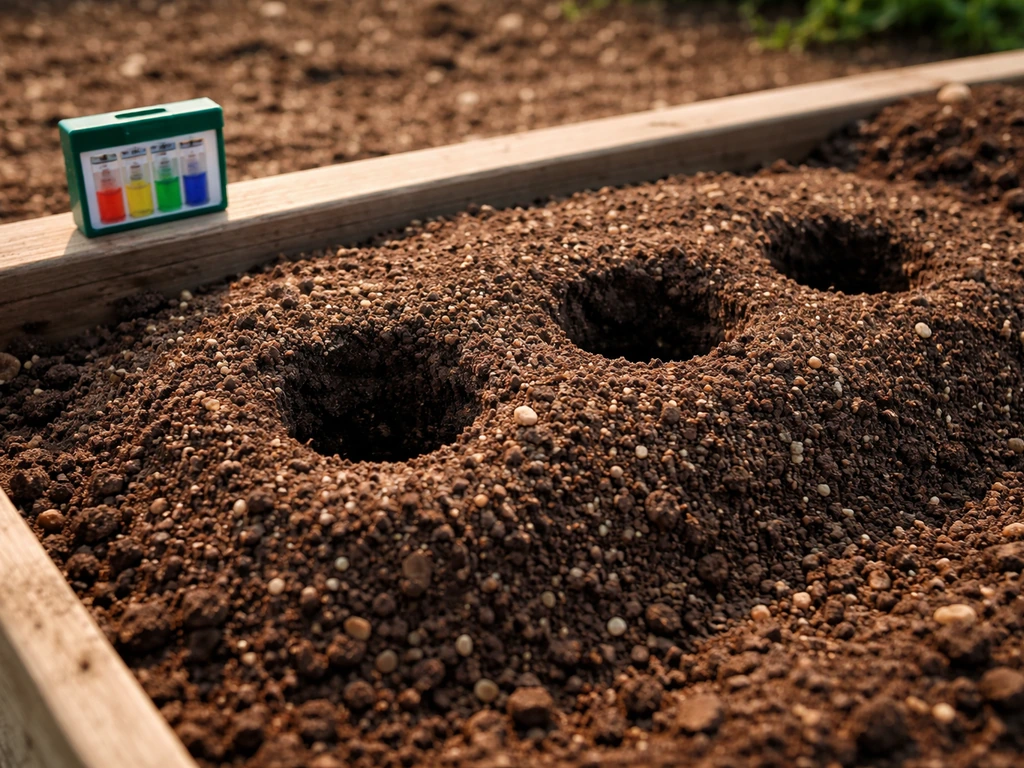
Every nut species has non-negotiable requirements around drainage. Wet, compacted, or waterlogged soil will kill or severely stunt nut trees over time, regardless of how well everything else is managed. Hazelnuts prefer well-drained, moist, loamy soil but can tolerate many soil types as long as drainage is adequate. Walnuts need deep, well-drained soils, and for black walnut specifically, adding lime before planting if your soil pH is below 7.0 is a commonly recommended starting point, since black walnut prefers a near-neutral to slightly alkaline soil environment.
Spacing is where most home growers underestimate the commitment. Pecan trees at full maturity can reach 70 to 100 feet tall, with canopies to match. Even in a home setting, the guidance for a solid block planting is roughly one pollinizer tree per every 5th tree on every 5th row, which tells you a lot about the scale these trees assume. Chestnuts can be started at tighter initial spacings, with the Northern Nut Growers Association recommending closer spacing when establishing a planting and then thinning to a wider final spacing as trees mature. This approach lets you hedge your bets early and cull underperformers later.
For planting depth, get it right from the start. Pecan trees should be planted so the bud or graft union is at least 2 inches above the soil surface after the soil settles. For black walnut seedlings, plant at the same depth the tree grew in the nursery, no deeper. Full sun is non-negotiable for all productive nut crops: minimum 6 to 8 hours of direct sun per day, and most prefer 8 or more. Shaded trees produce sparse crops and are more vulnerable to disease.
Care through the seasons: watering, fertilizing, pruning, and pest management
Watering
Young nut trees need consistent moisture to establish, but once they're in the ground and past the first couple of seasons, most benefit from allowing the root zone soil to dry moderately between irrigations rather than staying constantly wet. Overwatering encourages shallow root development and can promote root rot. During the nut-fill period in summer, consistent moisture is especially critical since water stress at that stage directly reduces nut size and quality.
Fertilizing
Most nut trees respond well to a basic balanced fertilization program in early spring, before bud break. Nitrogen is typically the primary nutrient of concern for vegetative growth, but avoid over-applying it on young trees, which can push excessive shoot growth at the expense of root development and cold hardiness. Soil testing before you plant, and periodically after establishment, is the most reliable way to know what amendments you actually need rather than guessing.
Pruning
For most nut trees, pruning goals in the early years are about establishing good structure: a strong central leader or scaffold branches, removing crossing or rubbing limbs, and maintaining airflow through the canopy. Heavy pruning of young trees delays production, so less is usually more until the tree is well established. On mature trees, annual light pruning to remove dead wood and open up the canopy to light and air is more beneficial than infrequent heavy cuts.
Pest and disease management
This is an area where home growers need to set realistic expectations. Commercial orchards run intensive spray programs with professional-grade equipment that simply isn't practical at the home scale. The most useful approach for home growers is scouting (regularly checking trees for early signs of trouble) and prevention (choosing resistant varieties, maintaining good sanitation around the tree).
Pecans face two particularly significant threats: pecan scab (a fungal disease that is the most prevalent and damaging disease in pecan-growing regions of the Southeast, including states like South Carolina) and pecan phylloxera (a pest with multiple species affecting leaves and nuts, with documented interactions with other pests like hickory shuckworm). Planting scab-resistant cultivars is the most practical defense for a home grower who can't run a commercial spray program.
Hazelnuts are susceptible to aphids, leaf rollers, spider mites, and scale insects. Chestnuts in the eastern U.S. face chestnut blight, which is why Chinese chestnut and Japanese chestnut varieties with natural blight resistance are strongly recommended over attempting to grow susceptible American chestnut seedlings. For hazelnuts, commercial-scale pest control programs aren't realistic for most home growers, so monitoring and early identification are your main tools.
Harvesting, processing, and storage: when nuts are ready and how to keep them
Knowing when to harvest
Harvest timing varies by species but in general, nuts are ready when a high percentage of them have reached the appropriate maturity indicator. For walnuts, that's hull split: harvest begins when a high percentage of nuts on the tree have hulls that are naturally splitting open, and some may already be dropping to the ground. For almonds, hull split is similarly the trigger, with roughly 95% hull split across the canopy being the guideline used by commercial growers. Getting the timing right matters because nuts left in split hulls too long become vulnerable to pest damage and, if early rains come, quality problems from moisture exposure.
Pecans are ready when the shucks (husks) begin to split and nuts fall or can be shaken loose. Hazelnuts typically drop from the bush or can be hand-harvested when the husks begin to loosen and the shells are brown. Chestnuts drop from the burr when fully ripe, usually in fall, and should be collected promptly because they can mold quickly on wet ground.
Processing after harvest
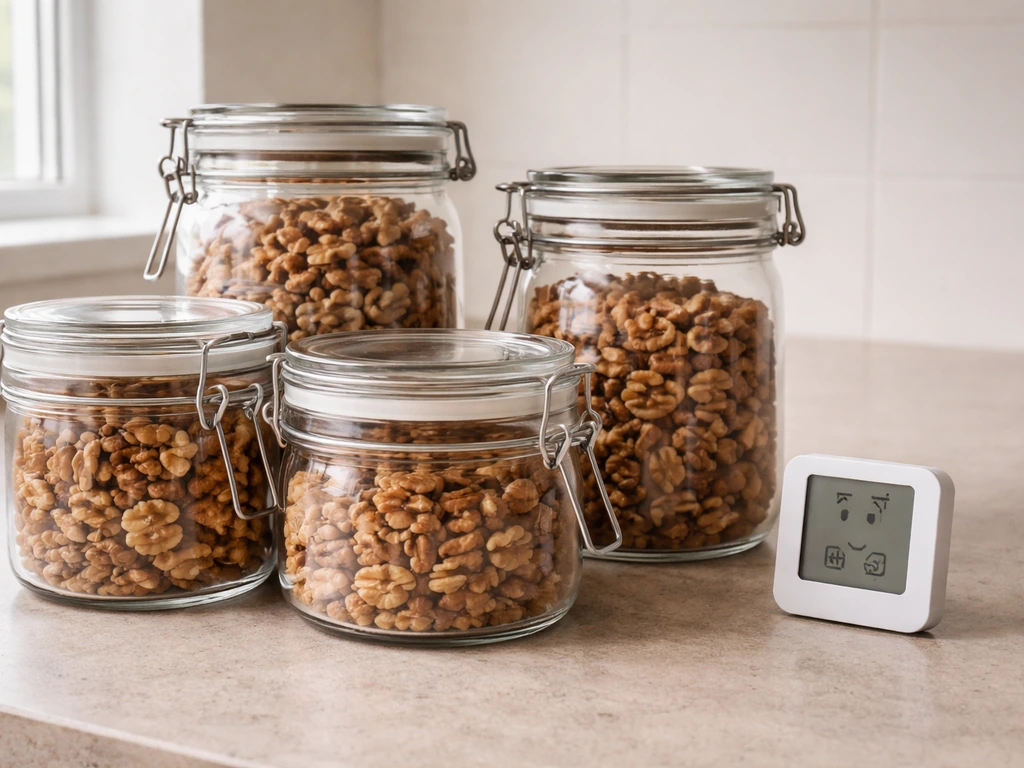
Most nut crops need at least some processing before storage. Walnuts harvested in-hull need to be dehulled promptly, then dried down to approximately 8% moisture content before long-term storage. Commercial gas dryers can accomplish this in 24 hours or less, but home growers typically air-dry on screens or mesh racks in a single layer with good airflow, which takes several days to a couple of weeks depending on humidity. Almonds need to be dried thoroughly as well, with storage relative humidity kept under control to prevent rancidity and mold.
Storing nuts so they stay good
Storage conditions matter far more than most home growers expect. For walnuts, the target storage environment is 32 to 50°F with 50 to 65% relative humidity, which keeps kernel moisture at roughly 2. 8 to 7. 0%.
Outside those parameters, you're looking at accelerating rancidity (from fat oxidation) or mold from excess moisture. In-shell walnuts and almonds store longer than shelled nuts because the shell slows oxygen exposure and moisture exchange. If you don't have a cool, humidity-controlled space, your best option is to shell the nuts, vacuum-seal or tightly seal them in airtight containers, and keep them in the refrigerator (months) or freezer (up to a year or more).
Chestnuts are unusual among nut crops in that they're high in starch and low in fat, which means they don't go rancid but they do mold and dry out quickly. Refrigerate fresh chestnuts and use them within a few weeks, or freeze them after blanching.
Your practical next steps
If you're ready to get started today, the sequence is straightforward. First, identify your USDA hardiness zone and estimate your average annual chill-hour accumulation (your local county extension office is the fastest source for this). Second, match a species to your zone and chill budget using the tables above as a starting framework. Third, pick specific cultivars within that species based on disease resistance, pollinizer compatibility, and precocity (how quickly they start producing).
Fourth, test your soil pH and drainage before planting, and amend accordingly. Fifth, buy grafted or named-variety trees from a reputable nursery rather than seedlings, because seedling-grown trees are unpredictable in production quality and timing. And sixth, plant at the right depth, in full sun, with appropriate spacing, and commit to at least the first few years of consistent watering and light formative pruning.
The waiting is the hard part, but for most nut species in the right climate, the long-term payoff is real.
FAQ
Can you grow nuts at home if you do not have a cold winter, or do you need to hit specific chill hours?
You generally need both survivability and enough chill for each species to set and develop nuts. Even if a tree can survive mild winters, under-chilled trees often produce poorly or not at all, so focus on cultivar-level chill requirements and consider starting with species known to tolerate your exact chill range (ask your county extension for chill data).
Do I need bees to grow nut trees?
Most nut crops you listed rely mostly on wind for pollen, so you do not need bees for pollination. However, you still need the right companion variety for timing, especially for self-incompatible or yield-sensitive species like hazelnuts and many pecan cultivars, so plan for a pollinizer tree early rather than assuming “any tree nearby will do.”
If I plant one nut tree, can I still get a harvest?
For self-fertile in theory species, you might get some nuts, but yields can be dramatically lower without a compatible pollinizer. For self-incompatible crops like hazelnuts, one tree will not be enough at all, so verify compatibility before buying, and confirm bloom timing overlap for your specific cultivars (not just the species name).
How far apart should nut trees be, especially for pollination and yard planning?
Spacing is two separate problems: pollinizer effectiveness and long-term canopy room. For pollination, keep compatible cultivars close enough for wind pollen to reach, but for growth, many nut trees need far more distance than most home gardeners expect, so a “small yard” approach usually means choosing compact shrubs like hazelnuts or an appropriately managed orchard layout.
Are store-bought nuts usable to grow new trees?
Sometimes, but for home nut production named cultivars are usually better because seedlings can vary in nut quality, disease resistance, and how quickly they bear. If you start from seed, expect unpredictable timing and performance, and you may still need a matching pollinizer, so grafted or named trees are typically the safer bet for harvest goals.
What is the biggest reason home nut trees fail to produce after planting?
The most common causes are mismatched chill hours, pollinizer problems, and drainage issues rather than planting “too early” or “not watering enough.” Another frequent mistake is heavy early pruning that delays maturity, or over-fertilizing with nitrogen that produces lots of shoots but weak structure and reduced cold tolerance.
How do I know whether my soil drains well enough before planting?
Do a simple percolation test by digging a hole, filling it with water, and checking how fast it drains. If water sits for many hours or the area stays soggy after rain, nut trees are likely to struggle, so improve drainage with raised beds or site changes before planting rather than relying on fertilizer or mulch to solve the problem.
Can I grow nuts in pots or containers?
You can start some trees in containers, but most nut crops will eventually need in-ground space because mature trees become large and long-lived. Containers also make water management harder, and they do not eliminate the chill-hour requirement, so treat container growing as an early-stage nursery approach, not a final solution for production.
Do I need to fertilize, or will the trees be fine without it?
Many nut trees benefit from a light, early-season balanced fertilization program, but overdoing nitrogen is a common error that can reduce cold hardiness. The practical decision aid is to soil-test first, then apply only what your results show, and avoid “calendar fertilizing” when you have poor or unknown nutrient data.
How much watering do nut trees need, and when should I reduce it?
Young trees need consistent establishment moisture, but mature trees generally perform best when the root zone dries moderately between irrigations rather than staying constantly wet. Also pay special attention during the summer nut-fill period, because drought stress at that stage tends to reduce nut size and overall quality.
When should I harvest nuts, and what happens if I wait too long?
Harvest when the maturity indicator starts showing for your species, for example hull split for walnuts and almonds, shuck splitting and falling for pecans, and prompt burr drop collection for chestnuts. Leaving nuts in split hulls can increase pest and quality issues, and chestnuts mold quickly on wet ground, so timing and cleanup directly affect storage life.
What drying and storage steps matter most for keeping nuts from going rancid or molding?
For walnuts and almonds, drying down to an appropriate low moisture level and storing at cool temperatures with controlled humidity is crucial to prevent fat oxidation and mold. If you cannot control temperature and humidity, shelled nuts sealed airtight in a refrigerator or freezer usually keep longer, while chestnuts are different because they are prone to drying and need fast refrigeration use.
Are nut trees low maintenance compared with vegetables?
They are low in day-to-day labor, but not low in commitment. You still need long-term planning for space, pollination partners, formative pruning, scouting, and eventually consistent harvest and processing, so think of nut trees as a multi-year orchard project rather than a set-and-forget planting.