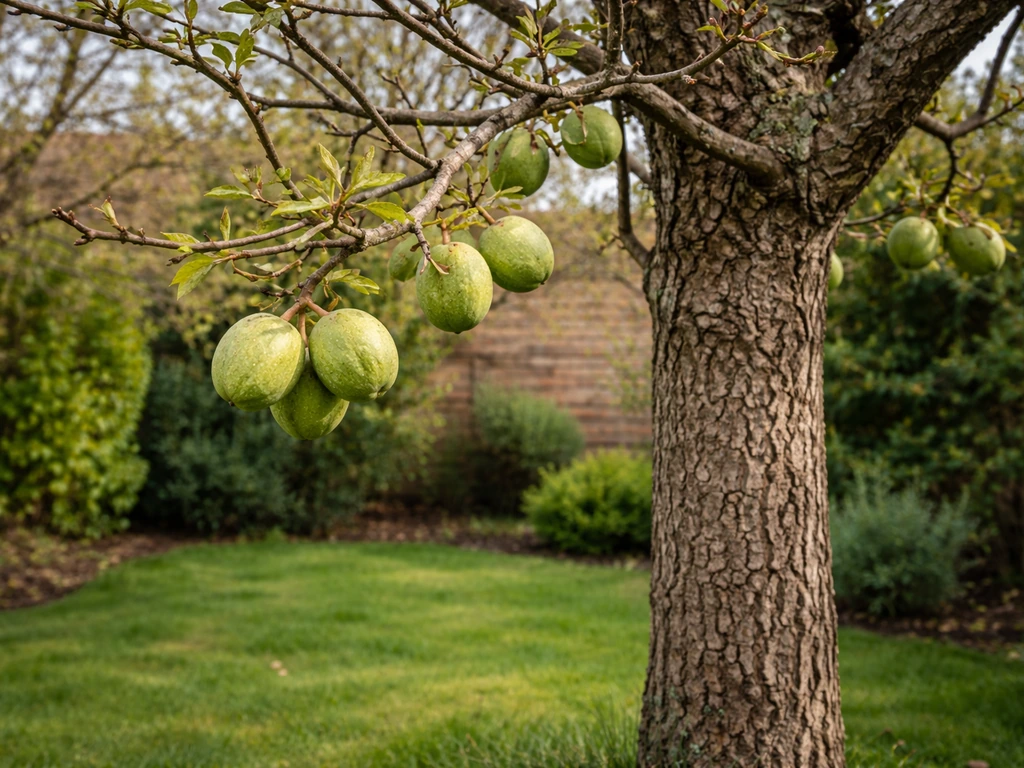
Most nuts do grow on trees. If you grabbed a handful of mixed nuts from a bowl at a party, the vast majority of what you ate came from a tree: walnuts, pecans, almonds, chestnuts, pistachios, cashews, macadamias, and Brazil nuts all originate on trees of one kind or another. But the story gets more complicated once you start asking which of those are actually "nuts" in a botanical sense, versus just things we casually call nuts in the kitchen. That distinction matters when you're trying to grow them, because a true botanical nut behaves differently from a drupe or a legume, and understanding the difference helps you pick the right species for your region.
What Nuts Grow on Trees? Botanical Answers and Planting Tips
Marcus Hendricks
5 Apr 2026
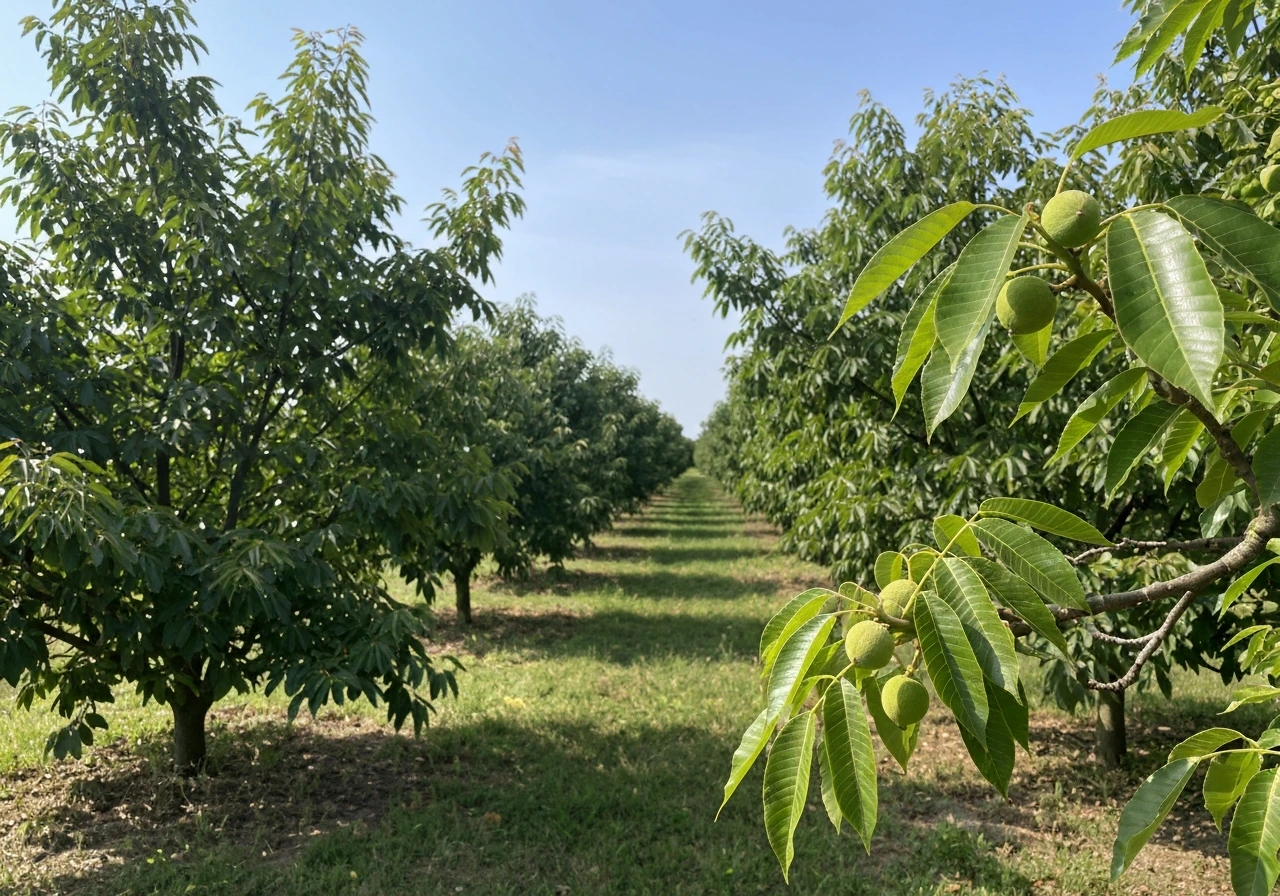
What a "nut" actually is (botany vs. your snack bowl)
In botany, a nut is a very specific thing: a dry, indehiscent fruit with a hard shell enclosing a single seed. "Indehiscent" just means it doesn't split open on its own at maturity. The whole outer wall (the pericarp) hardens into that shell, and unlike a peach or a plum, there's no soft flesh surrounding it. Chestnuts, hazelnuts, acorns, and true walnuts all qualify under this strict definition. The hard shell you crack is the fruit wall itself, not just a seed coat.
The culinary definition is much looser. In the kitchen, "nut" basically means any hard-shelled, oily seed that you eat whole or use in cooking. That sweeps in almonds, cashews, pistachios, Brazil nuts, and peanuts. None of those are botanical nuts: almonds and cashews are drupes (stone fruits), pistachios are also drupes, Brazil nuts are seeds packed inside a large woody capsule, and peanuts are legumes that form underground. The food world grabbed the word "nut" and ran with it, which is why the botanical category and the grocery-store category don't line up at all.
Trees, bushes, or the ground: where do nuts actually come from?
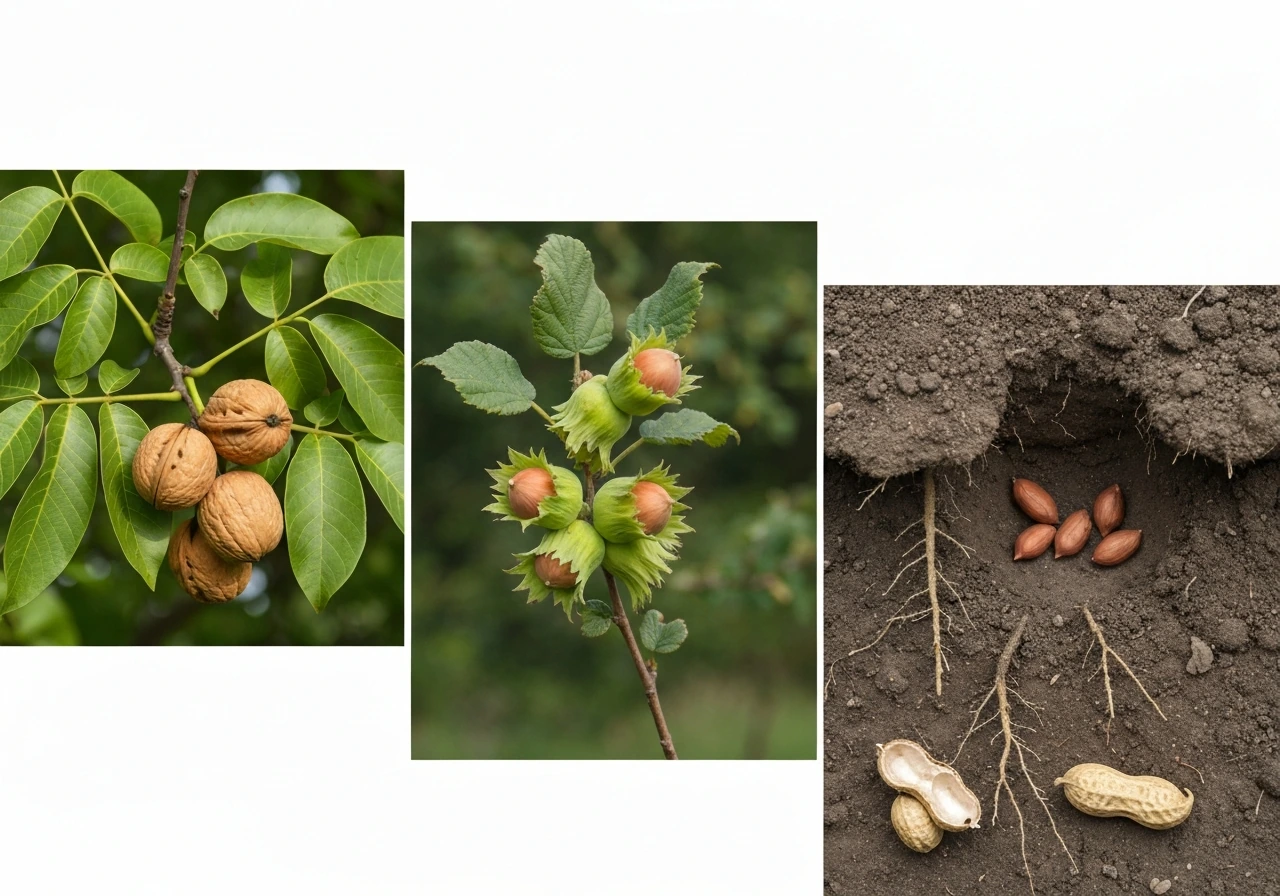
The answer depends on which "nut" you mean. Most of the things people call nuts do grow on trees, but a few come from shrubs or bushes, and one very famous "nut" grows entirely underground. Hazelnuts, for example, can grow on large shrubs as well as on managed trees depending on how they're cultivated. If you're curious about the full breakdown, understanding what nuts grow on bushes versus trees is a useful distinction to make before you decide what to plant. And the underground case gets its own section below, because peanuts genuinely confuse a lot of people.
The main nuts that grow on trees
Here's a rundown of the most common tree-grown nuts (using the culinary meaning), how they form, and what kind of tree produces them.
Walnuts
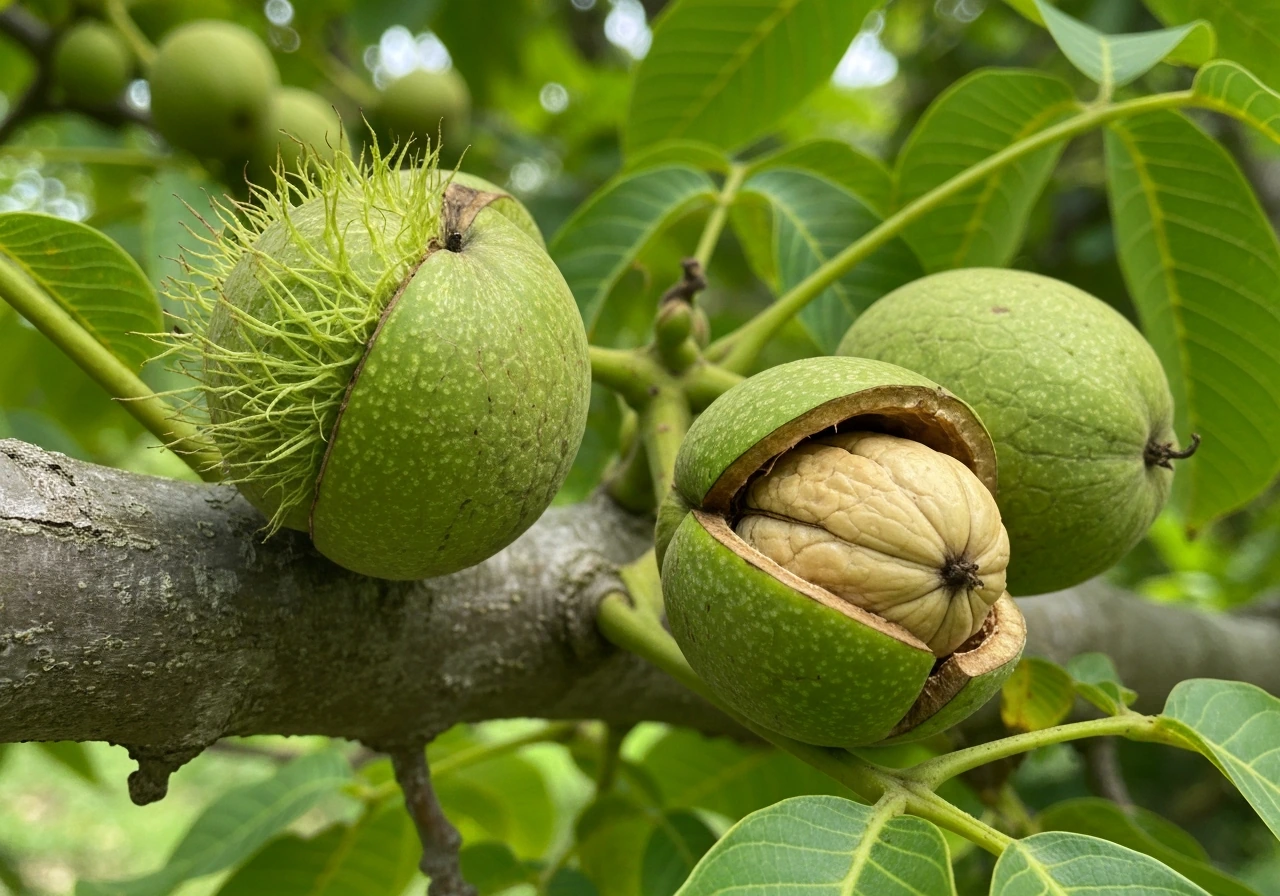
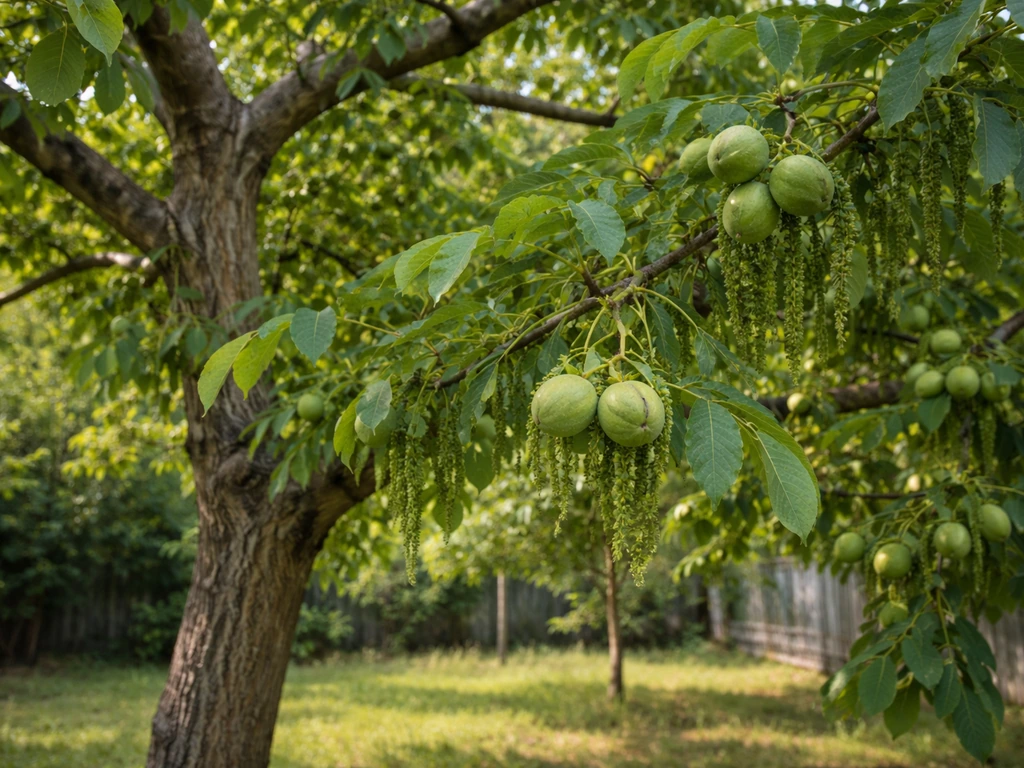
Black walnuts and English (Persian) walnuts both grow on large deciduous trees in the genus Juglans. The "nut" you crack open is the seed inside a hard inner shell, which is itself enclosed in a fleshy green husk when it's on the tree. That husk turns black and falls away at maturity. Black walnut is a tough, native North American species that's genuinely hard to grow for production purposes (the husks stain everything and the roots emit a chemical called juglone that suppresses nearby plants), but it thrives in USDA Zones 5 through 8.
Pecans
Pecan trees (Carya illinoinensis) are native to the south-central United States and are one of the most commercially significant nut trees in North America. They're hardy across USDA Zones 5 through 9, which is a broad range, but individual cultivars have specific chilling-hour requirements (around 250 hours of cold below 45°F), so northern-edge growers need to choose cold-hardy varieties carefully. UC ANR’s fruit and nut crop chill portions/requirements table provides a reference for translating chill hours below 45°F into chill portions for different crops and cultivars chilling-hour requirements (around 250 hours of cold below 45°F). The pecan is botanically a drupe, not a true nut, even though it's always grouped with nuts in cooking and horticulture. The hard shell you crack is the endocarp of the drupe, not the fruit wall.
Chestnuts
Chestnuts (Castanea spp.) are true botanical nuts enclosed inside a spiny burr. When the burr splits at maturity, the glossy brown nuts fall out. American chestnut was devastated by a blight in the early 20th century, but Chinese and European varieties (and hybrid crosses) are widely grown and productive. Chestnuts are unusual among culinary nuts because they're low in fat and high in starch, making them behave more like a grain in cooking. They thrive in Zones 4 through 8 depending on the species. The North Carolina Extension Gardener Plant Toolbox lists Chinese chestnut (Castanea mollissima) as hardy in USDA zones 4a through 8b Chinese chestnuts thrive in Zones 4 through 8 depending on the species.
Almonds
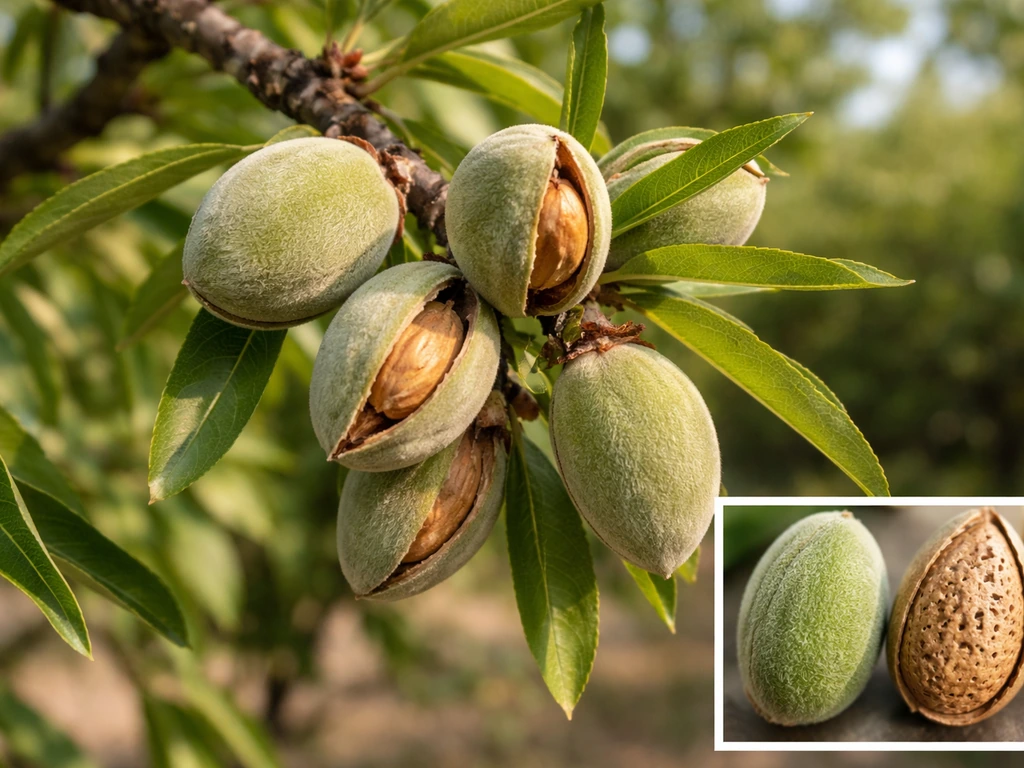
Almonds grow on trees in the Prunus genus, making them close relatives of peaches and cherries. What you eat is the seed of a drupe: the outer hull looks like an unripe green peach early in the season, then dries and splits open as harvest approaches. That hull split is a key timing signal for growers. Almonds need a long, hot, dry summer and mild winters (Zones 7 through 9 are the core range), which is why California's Central Valley produces the majority of the world's supply.
Hazelnuts
Hazelnuts (Corylus spp.) are true botanical nuts, and depending on the species and how they're managed, they grow on large shrubs or small trees. European hazelnut is grown commercially as a multi-stemmed shrub, while American hazelnut is a native shrubby species. Both are wind-pollinated, and nut production is significantly better with cross-pollination from a different compatible variety. Their chilling requirement is substantial, around 800 hours, which limits them to cooler regions (Zones 4 through 8 for most cultivars).
Pistachios, cashews, and macadamias
All three grow on trees, but none are botanical nuts. Pistachios and cashews are drupes. The cashew is especially unusual: the shell hangs below a swollen, fleshy structure called the cashew apple, and the shell contains a caustic oil that has to be neutralized during processing (which is why you never see raw cashews in the shell at the store). Macadamia nuts are seeds enclosed in a very hard shell inside a fleshy husk, more similar to a drupe in structure. All three are warm-climate trees suited to Zone 9 and above.
The "nuts" that don't come from trees
Peanuts are the biggest source of confusion. They grow underground, full stop. Peanut plants flower above ground, then the flower stalk bends downward and pushes the developing pod into the soil, where it matures. The pods develop entirely below the surface. Peanuts are legumes, not nuts at all in a botanical sense, which puts them in the same family as beans and lentils. If you want to understand the full picture of what nuts grow in the ground, peanuts are the main example most people encounter, and they're fundamentally different from tree nuts in terms of biology, growing method, and nutritional profile.
Brazil nuts are another interesting exception. They do grow on trees (massive Bertholletia excelsa trees in the Amazon rainforest), but they're seeds packed inside a large, heavy, woody capsule rather than true nuts. And they're essentially impossible to cultivate outside their native rainforest ecosystem because they depend on a specific orchid bee for pollination. They're a tree food, but not a nut, and definitely not something you'll be growing in your backyard.
How nut trees go from flower to harvest
The timeline from pollination to a nut you can eat is longer than most people expect, and it varies significantly by species. Here's the general sequence for most tree nuts.
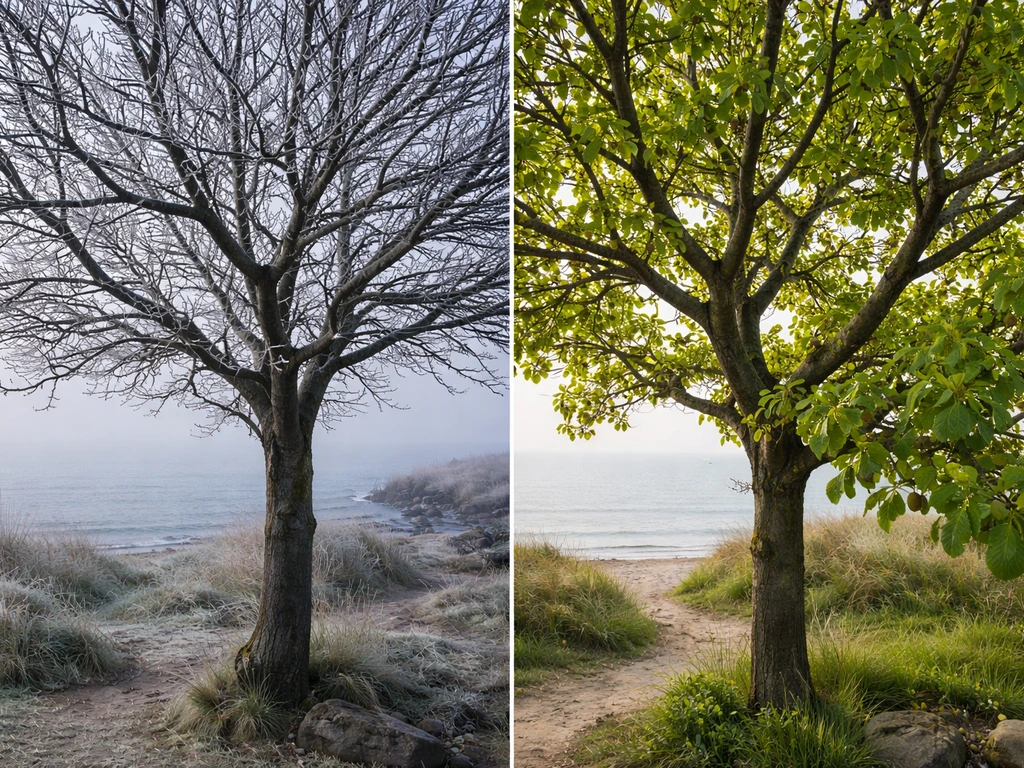
- Dormancy and bud break: Nut trees require a certain number of cold hours (chilling hours, typically measured below 45°F) before they'll break dormancy and flower reliably. Skip those cold hours and you get erratic, poor flowering.
- Flowering: Most nut trees are wind-pollinated. They produce separate male and female flowers, sometimes on the same tree (monoecious), sometimes on different trees (dioecious). Hazelnuts, for example, develop male catkins starting in mid-May of the year before harvest, and pollination happens the following late winter.
- Pollination and fertilization: Wind carries pollen from male flowers to female flowers. In pecans, after fertilization the ovule begins expanding and lengthening from the tip of the nut toward the stem as the kernel develops inside.
- Shell and kernel development: The outer shell hardens over summer while the kernel fills in. For pecans, the exact timing of maturity depends on accumulated heat units in early spring, which is why harvest dates shift from year to year.
- Hull or husk split: As harvest approaches, the outer covering splits. In pecans the shuck splits to release the nut; in almonds the hull splits open while the nut is still on the tree. This split signals that harvest is imminent.
- Harvest: Depending on the species, nuts either fall on their own or are shaken from the tree. Chestnuts fall from their burrs; walnuts drop in their husks; pecans fall after the shuck opens.
For hazelnuts specifically, that development cycle spans more than a year from initial flower formation to harvest. The catkins that will eventually release pollen start forming in mid-May, pollination happens the following January or February, and nuts are ready to harvest in September or October of that same year. It's a slow process, and cross-pollination with a compatible variety makes a measurable difference in how many nuts set.
Keep in mind that most nut trees don't produce a meaningful crop until they've been in the ground for several years. Pecans can take 6 to 10 years to produce a decent crop from seed, chestnuts may start bearing in 3 to 5 years, and hazelnuts typically begin producing in 2 to 4 years from planting a named variety. If you're thinking about whether this is realistic for your situation, the broader question of can you grow nuts in your specific context is worth thinking through before you commit to a long-term planting.
Nuts as seeds: can they grow into trees?
Yes, the nut you eat is (or contains) the seed of the tree, and in many cases that seed is still viable and can germinate. But there are two important catches. First, most nuts need cold stratification to germinate: a period of cold, moist storage that mimics winter conditions and breaks their dormancy. Black walnuts typically need 90 to 120 days of cold stratification before they'll sprout reliably. Chestnuts need 60 to 90 days at around 34 to 40°F. Pecans can be stratified in cold storage over winter, or sown outdoors in fall to stratify naturally in the ground. Second, trees grown from seed don't reliably reproduce the parent tree's characteristics. A pecan tree grown from a Desirable variety nut won't necessarily produce Desirable-quality nuts. Commercial growers graft named varieties onto seedling rootstock to get predictable results.
Picking the right nut tree for your climate
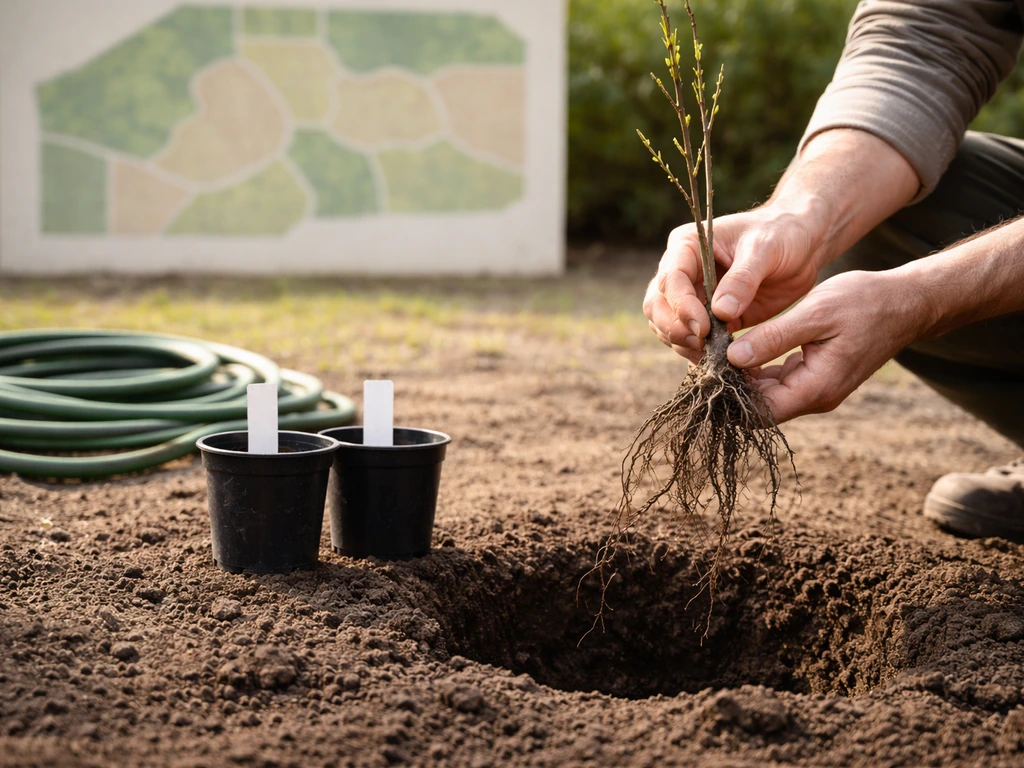
This is where the rubber meets the road for most growers. Climate fit matters more than anything else when choosing a nut tree. The two main constraints are hardiness (can the tree survive your winters?) and chilling hours (does your winter provide enough cold exposure to trigger proper flowering?). Warm climates often have the first problem solved but run into trouble with chilling hours. Cold climates have the opposite issue: plenty of chilling hours but marginal winter hardiness for warm-loving species like pecan or almond.
| Nut | USDA Zones | Chilling Hours Needed | Notes |
|---|---|---|---|
| Pecan | 5–9 | ~250 hours | Broad zone range; choose cultivar carefully for northern edge |
| Black Walnut | 5–8 | ~400–500 hours | Very cold-hardy; juglone root toxicity limits companion plants |
| Chestnut (Chinese/hybrid) | 4–8 | ~400–500 hours | One of the more forgiving nut trees for cold climates |
| Hazelnut (European) | 4–8 | ~800 hours | Needs cross-pollination; suits Pacific Northwest and Midwest |
| Almond | 7–9 | ~250–500 hours (variety-dependent) | Needs dry summers; frost at bloom is the main risk |
| Pistachio | 7–11 | ~1,000 hours | Surprisingly high chilling need; also needs hot dry summers |
| Macadamia | 9–11 | Low | Frost-sensitive; best for Hawaii and coastal Southern California |
If you garden in Florida, the zone variation across the state creates very different options depending on where you are. North Florida growers (Zones 8–9) can reasonably attempt pecans and some chestnut varieties, while South Florida's subtropical conditions (Zones 10–11) limit tree nut options significantly. Understanding what nuts grow in Florida by zone is genuinely important before investing in a tree that won't thrive in your part of the state.
One thing worth emphasizing: temperate nut trees that need chilling hours will struggle in warm climates not just in one bad year but consistently, because the chilling requirement isn't optional. It's a biological trigger for proper bud development. Plant a hazelnut that needs 800 chilling hours in Zone 9 and you'll get erratic leafout, poor flowering, and minimal nut set year after year, not because you did anything wrong, but because the tree's biology isn't getting what it needs.
How to check your zone and chilling hours
Start with the USDA Plant Hardiness Zone Map to identify your zone based on your zip code. That tells you the minimum winter temperature your area typically reaches, which is the hardiness threshold. Then look up your average annual chilling hours, which your local Cooperative Extension office will usually have on file for your county. Once you have both numbers, you can cross-reference them against the species table above and narrow down what's realistic for your site.
Site factors beyond zone
Zone and chilling hours get you to a short list, but site factors can make or break success within that list. Soil drainage matters a lot for most nut trees: pecans and walnuts both prefer deep, well-drained loam and will underperform in compacted or waterlogged soils. Chestnuts are famously intolerant of poorly drained soil. Wind exposure matters for pollination, particularly with wind-pollinated species like hazelnuts. And space is a real constraint: mature pecan trees can reach 70 to 100 feet tall and wide, which isn't a backyard-friendly situation unless you've got acreage.
A practical path forward
If you're serious about growing nut trees, the best starting point is to get clear on your zone and chilling hours, then pick a species that fits both constraints before you fall in love with a particular nut. Chestnuts are often the most forgiving choice for cold-to-moderate climates (Zones 4–7): they produce relatively quickly, don't have extreme chilling requirements, and the nut has a genuinely useful culinary profile that's different from other tree nuts. Hazelnuts are a good second pick for the same zones, especially if space is limited, since they can be managed as shrubs. Pecans are the right choice if you're in the Southeast or South-Central US with the space to accommodate a large tree and the patience to wait for production.
Almonds are tempting but genuinely difficult outside California and similarly arid, mild-winter climates. The main killer isn't cold: it's spring frost hitting the flowers, which bloom very early in the season. One late frost can wipe out an entire year's crop. If you're not in a region where late frosts are rare by early March, almonds are a frustrating choice. Stick with a cold-hardy nut that blooms later and you'll have a much better experience.
The bottom line: most nuts do come from trees, but "nut" in everyday language covers at least three or four different botanical categories. Knowing which category your target nut falls into, and what growing conditions that category needs, is what separates a successful planting from years of disappointment. Match the tree to your climate first, understand the timeline (these are not quick crops), and choose named grafted cultivars over seedlings if consistent production is the goal.
FAQ
If most “nuts” come from trees, why do some people say almonds or pistachios are not nuts?
Because the grocery word “nut” groups several different seed types together. Almonds and pistachios are drupes, meaning their edible part is a seed inside a stone fruit structure. “Nut trees” in gardening lists can include drupes and even non-nuts, so you need to match the species biology, not just the common name.
Do walnuts, pecans, and chestnuts all come from the same kind of tree “nut” fruit?
No. Walnuts are true nuts botanically, chestnuts are true nuts enclosed in a spiny burr, and pecans are drupes where the hard shell is the fruit’s endocarp. This matters because their husks, harvest timing, and processing steps differ, and so do the site conditions they tolerate.
Why don’t the nuts I plant from store-bought nuts grow into the same quality tree?
Seed-grown trees often revert to variable traits. Named varieties are usually grafted onto rootstock for predictable nut quality and yield. Even when the seed germinates, the tree may produce smaller, lower-quality nuts than the original cultivar.
Can I skip cold stratification if I plant nuts directly in the yard?
Sometimes, but it depends on the species and timing. Fall planting can provide natural winter stratification for some nuts (like pecans), while others often require controlled cold, moist storage to break dormancy reliably. If you plant too late or your winter is too mild, germination can be poor.
What’s the quickest nut tree to produce edible nuts, and how long is “quick” realistically?
For many gardeners, chestnuts are often the fastest to bear, commonly starting in about 3 to 5 years. Hazelnuts are next for many climates (often 2 to 4 years), while pecans frequently take much longer (roughly 6 to 10 years for a decent crop). Seedling starts can stretch timelines further.
How important is cross-pollination for tree nuts like hazelnuts and pecans?
It can be the difference between a light harvest and a meaningful one. Hazelnuts require compatible cross-pollination for better yields, and pecans also benefit from having the right pollinizer cultivar nearby. Planting one tree of the “main” variety may not be enough for consistent production.
Do I need a pollinator tree for all tree nuts?
Not the same way for all species. Wind-pollinated nuts like hazelnuts rely heavily on compatible pollen availability, so adding a second cultivar often helps. Some nuts are self-fertile or less demanding, but yield still commonly improves with the right pollination setup, and spacing affects pollen delivery.
Why do almond trees fail even when the temperatures seem warm enough?
Spring frost is a major risk because almond blossoms early. A single late frost can destroy the crop even if winters are mild enough for the tree to survive. In many areas, choosing a nut that flowers later is the practical workaround.
Can I grow nut trees in heavy clay soil if I improve it with compost?
Often not in the way people hope. Many nut trees want deep, well-drained soil, and amended topsoil does not fix subsoil compaction or chronic waterlogging. If water stays around roots after rain, pecans and walnuts can underperform, and chestnuts may fail.
What spacing should I plan for if I only have a small yard?
Mature sizes can be much larger than people expect. Pecans can become roughly 70 to 100 feet tall and wide, which is rarely suitable for small lots. Hazelnuts are usually easier for small spaces because they can be managed as multi-stem shrubs, staying more contained.
How do chilling hours affect nut trees, and what happens if I don’t meet them?
Chilling hours act as a biological trigger for bud development and proper flowering. If the requirement is not met, you can see erratic leaf-out, weak flowering, and poor nut set year after year, even though the tree looks healthy. This is a common reason warm-climate attempts disappoint consistently.
Are Brazil nuts something I can grow outside the rainforest ecosystem?
In most home settings, no. They need the specific rainforest conditions and pollination ecology (they rely on particular pollinators) that are not available outside their native environment. While they are tree-grown in their habitat, they are not practical backyard nut-tree projects.
Which “nut” is actually the underground one, and what should I expect if I plant it?
Peanuts. They flower above ground, then the pod develops and matures underground, which requires a different planting and growing approach than tree nuts. Expect different timing, soil needs, and nutritional considerations compared with typical tree nut production.