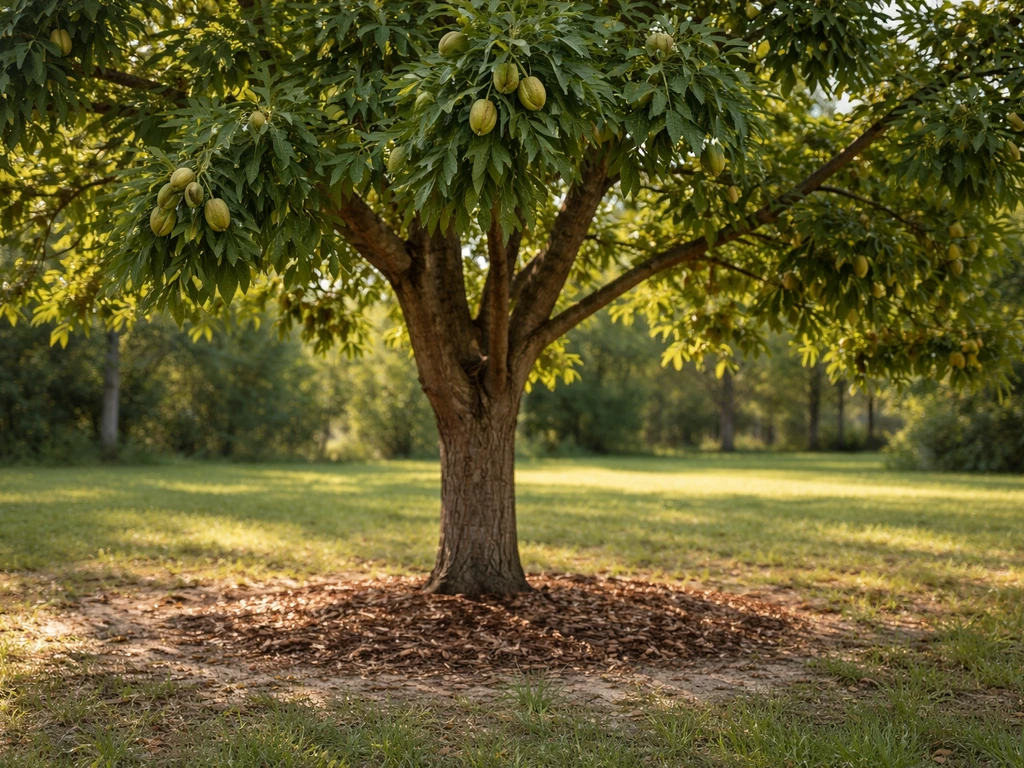
Florida isn't exactly famous for nut production, but you have more options than most people realize. You can also grow nuts in other parts of Florida, but the right species and cultivar matter a lot. The short list of nut trees that will actually produce edible nuts in Florida includes pecan, Chinese chestnut, and a few native species. Which ones work for you depends heavily on where in the state you live, what your soil looks like, and how many chill hours your yard gets in winter. Let's break it down practically.
What Nuts Grow in Florida: Best Trees for Central FL
Marcus Hendricks
18 Apr 2026
Nut trees you can actually grow in Florida
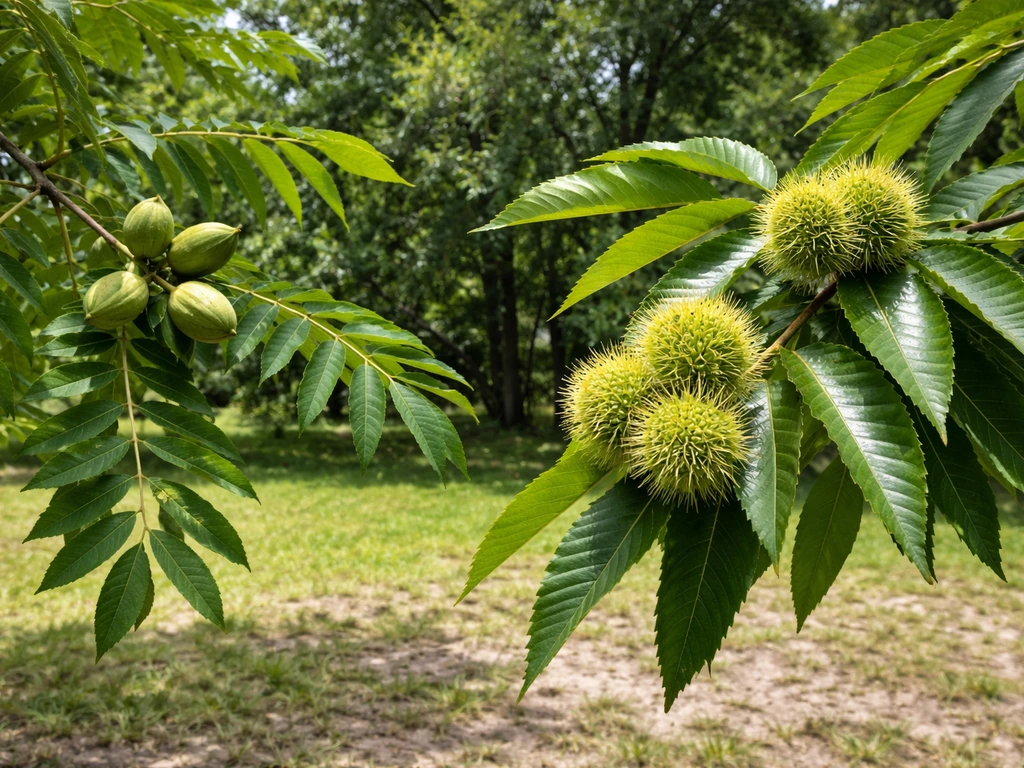
UF/IFAS, which is the most authoritative source for Florida-specific horticultural guidance, identifies pecan and Chinese chestnut as the primary edible nut trees for Florida home gardeners and growers. Pecan is the most widely adaptable of the two, growing throughout most of the state. Chinese chestnut is more restricted to North Florida. Beyond those two, pawpaw (Asimina triloba) is a native edible tree that grows across much of Florida and produces a custard-like fruit often grouped loosely with edible forest foods, though botanically it is a fruit rather than a true nut. If your goal is a true nut harvest, pecan is your most reliable statewide bet, with chestnut as a strong secondary choice for northern growers.
- Pecan (Carya illinoinensis): grows throughout Florida, best results in North and Central Florida
- Chinese chestnut (Castanea mollissima): best suited to the northern half of Florida
- Pawpaw (Asimina triloba): native edible tree, grows across North and Central Florida, technically a fruit but widely grown by edible-landscape gardeners
- Hickory species (native): several hickory relatives exist natively in Florida but are rarely cultivated for nut production due to small nut size and difficult processing
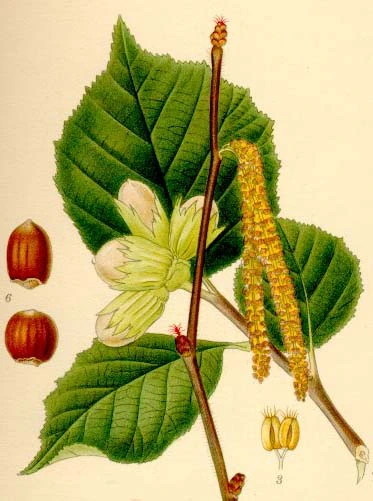
Walnuts, hazelnuts, and almonds are not practical choices for Florida. They need chill hours and soil conditions that Florida simply does not provide consistently enough for reliable nut production. If you've seen those species listed elsewhere, treat that as aspirational rather than practical advice.
What grows well in Central Florida specifically
Central Florida sits in USDA hardiness zones 9a and 9b, which means mild winters, hot and humid summers, and chill-hour totals that are significantly lower than North Florida. That narrows the field. Pecan is still your best option in Central Florida, but you need to select cultivars carefully. Varieties like 'Elliott' and 'Curtis' are commonly recommended for Florida and perform well in the moderate-chill conditions of Central Florida.
'Desirable' and 'Stuart' are also widely planted, though 'Stuart' in particular does better when it can accumulate enough chill hours, so in the warmer parts of Central Florida it can underperform. UF/IFAS Extension (HS982/HS229: The Pecan Tree, EDIS) notes that many older pecan cultivars once considered resistant to pecan scab, such as 'Cape Fear' and 'Stuart', may require an intensive spray program to consistently produce a good crop ['Desirable' and 'Stuart'](https://edis. ifas. ufl.
edu/publication/HS229).
Chinese chestnut becomes questionable once you move into Central Florida. UF/IFAS is fairly direct: chestnuts do best in the northern half of the state. The further south you go from the I-4 corridor, the harder it becomes to accumulate enough winter chill for dependable chestnut production. If you're in the northern edge of Central Florida near Ocala or Gainesville, you may have enough chill hours to try Chinese chestnut. In Orlando or further south, pecan is the smarter investment.
Pawpaw is worth mentioning for Central Florida too. The native netted pawpaw (Asimina reticulata) is found widely across peninsular Florida and tolerates the heat and sandy soils common in Central Florida better than the northern-origin Asimina triloba. It won't give you a walnut-sized harvest, but for edible landscaping it's a low-input option that fits the climate naturally.
What actually determines whether a nut tree succeeds in Florida
Florida's growing conditions look simple on a map but are surprisingly variable on the ground. The four factors that most directly control whether a nut tree thrives or struggles here are chill hours, drainage, soil pH, and airflow. Get all four right and your odds improve dramatically. Get one wrong and you'll spend years wondering why the tree looks healthy but won't produce.
Chill hours
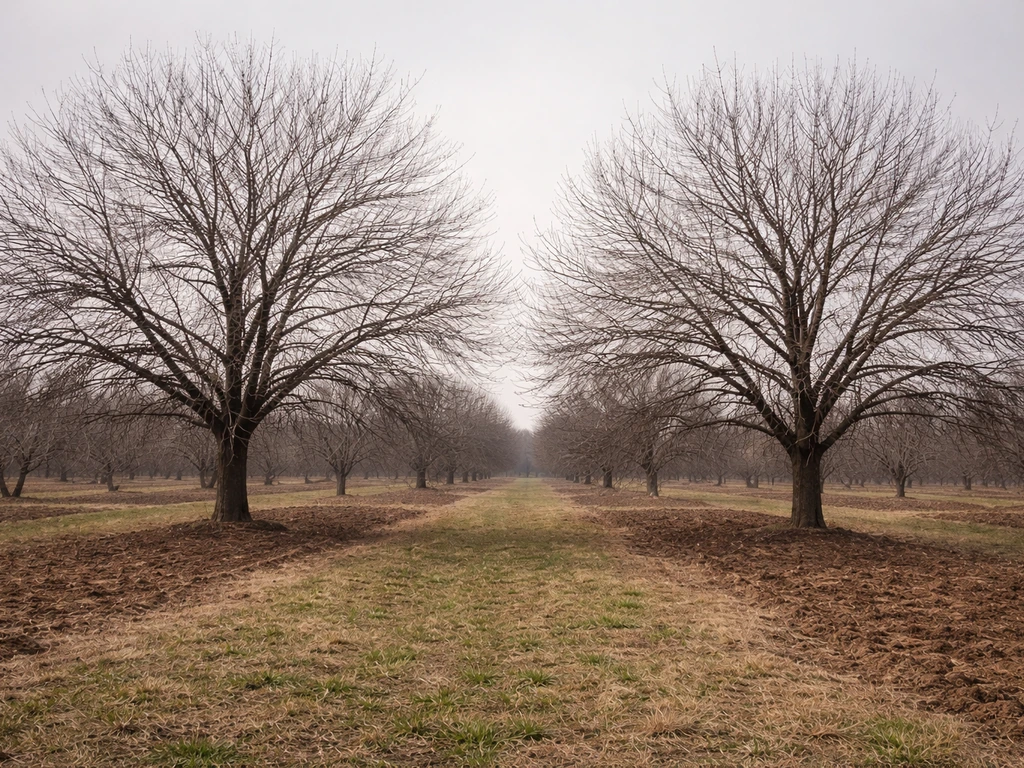
Chill hours are the number of hours between roughly 32°F and 45°F that a tree accumulates each winter. Temperate nut trees use chill hours to break dormancy and produce flowers (and ultimately nuts). North Florida typically gets 300 to 600+ chill hours depending on the specific location and year. Central Florida averages somewhere in the 200 to 400 range. South Florida gets far fewer, which is why pecan rarely produces good crops there and chestnut isn't practical at all. When selecting cultivars, always match the variety's chill-hour requirement to what your location actually delivers. UF/IFAS has chill-hour data broken down by Florida region that's worth checking before you buy any tree.
Soil drainage and pH
Pecan needs well-drained soil with a pH of around 6.0 to 6.5. Florida's soils are often sandy and acidic, which can work, but sandy soils drain so fast they can leave pecan trees moisture-stressed during summer unless you're irrigating. Heavy clay or poorly drained spots will rot roots. Pecan is also not salt tolerant, so coastal sites are off the table. If your yard has shallow or very sandy soil, plan on supplemental irrigation during dry stretches. Amend pH before planting if your soil tests below 6.0.
Airflow and spacing
Florida's humid summers create ideal conditions for fungal diseases, particularly pecan scab. One of the most practical things you can do to reduce disease pressure is give your trees room to breathe. UF/IFAS recommends grove spacing of at least 30 by 60 feet for orchard planting. For a home yard that's not always realistic, but the principle holds: don't crowd your pecan trees, avoid low-lying sites where moisture pools, and prune to keep canopies open. Dense canopy shading also reduces nut production directly since pecans produce where sunlight hits the foliage.
How long before you're eating your own nuts
This is where a lot of people get frustrated, and I think it helps to set honest expectations before you plant anything. Nut trees are not a quick payoff. Pecan trees typically begin producing nuts in 5 to 10 years after planting, with grafted trees generally on the shorter end of that range and seedling trees toward the longer end. By year 10 to 15, a well-managed pecan in a suitable Florida location can be producing meaningful quantities. Chinese chestnut tends to be a bit faster to first production, with grafted trees sometimes producing small crops in 3 to 5 years, though full production takes longer.
In Central Florida, the timeline can stretch slightly because trees may not accumulate enough chill hours every year to flower and set nuts consistently. Some years you'll get a good crop, others the tree may produce almost nothing. North Florida growers generally see more consistent year-to-year production because chill-hour accumulation is more reliable. Going in with this understanding prevents a lot of unnecessary disappointment.
| Nut Tree | Years to First Production | Full Production | Florida Region |
|---|---|---|---|
| Pecan (grafted) | 5–7 years | 10–15 years | Statewide (best N/C Florida) |
| Pecan (seedling) | 8–10 years | 15+ years | Statewide (best N/C Florida) |
| Chinese chestnut (grafted) | 3–5 years | 7–10 years | North Florida primarily |
| Pawpaw | 4–6 years | 7–10 years | North and Central Florida |
Tree care essentials for Florida nut production
Growing nut trees in Florida isn't passive. Pecan in particular is a high-maintenance crop according to UF/IFAS, and that characterization is accurate. Here's what the practical care routine looks like.
Watering
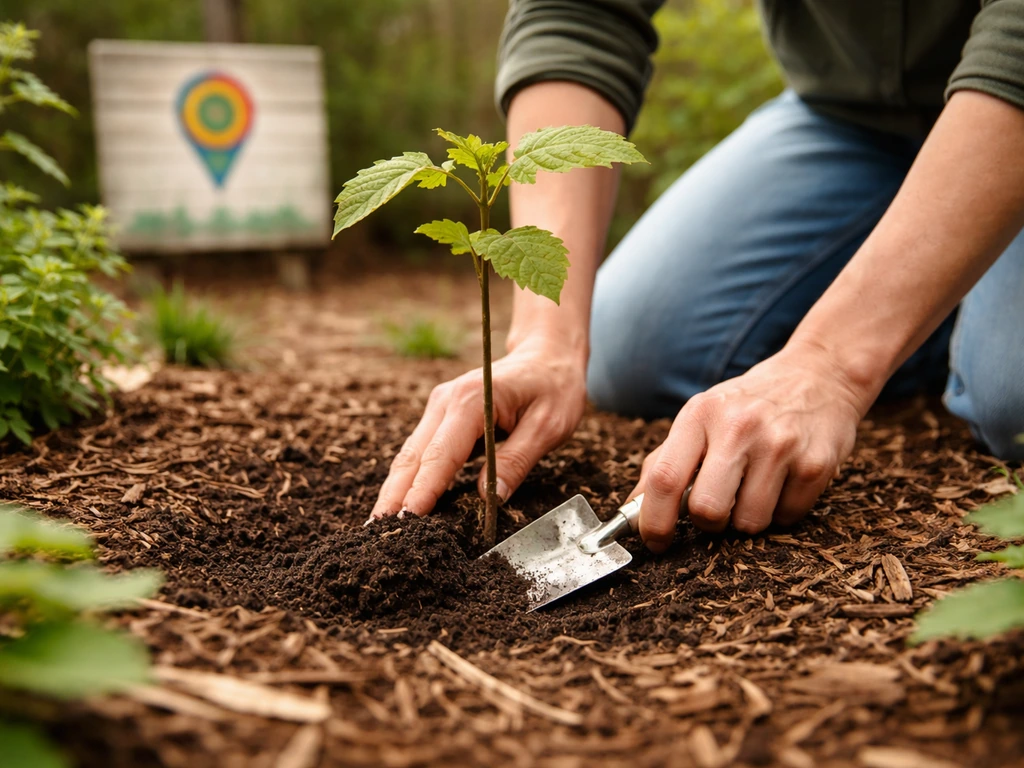
Young nut trees need regular watering during establishment, typically the first two to three years. Florida's rainy season (roughly June through September) can handle much of this, but the dry season (October through May) often requires supplemental irrigation. For sandy soils, which are common across Central Florida, you may need to water more frequently than you'd expect because water moves through quickly. Pecan trees in shallow sandy soils will almost always require irrigation for consistent production. Drip irrigation is more efficient than overhead watering and reduces foliar disease pressure.
Soil and fertilizing
Test your soil before planting. This isn't optional advice for Florida, it's genuinely important because Florida soils vary a lot and getting pH wrong from the start sets you back years. For pecan, aim for pH 6.0 to 6.5. If your soil is more acidic, add lime to adjust it before planting. Pecans benefit from zinc applications, which is a specific micronutrient deficiency common in Florida soils. A zinc deficiency shows up as small, mottled leaves and poor shoot growth, and it directly limits production. Many Florida pecan growers apply zinc sulfate foliar sprays several times during the growing season.
Pruning
Pruning nut trees in Florida serves two purposes: shaping a strong structure in young trees, and maintaining airflow in mature trees to reduce disease pressure. For young pecan trees, focus on developing a central leader and removing crossing or crowded branches in the first few years. Once mature, annual light pruning to open the canopy helps light penetration, which directly improves nut fill. Prune during dormancy (late winter in Florida, roughly January to February) rather than during the growing season.
Pollination for chestnuts
Chinese chestnut requires cross-pollination. You need at least two trees, and ideally two different cultivars, to get reliable nut production. Plant them within a reasonable distance of each other (within about 200 feet is generally sufficient). This is a common reason why single-tree chestnut plantings fail to produce: the tree looks healthy and flowers every year but sets no nuts. For pecan, having two compatible cultivars also improves pollination and therefore yield. UF/IFAS pecan production materials include pollination compatibility charts that are worth reviewing when selecting your cultivar mix.
The real challenges: pests, diseases, and chill-hour limits
Florida's warm, humid climate is great for growing things year-round, but it's also great for the things that eat or infect your trees. Nut growers here deal with a specific set of recurring problems that you need to know about before you plant.
Pecan scab: the biggest disease threat
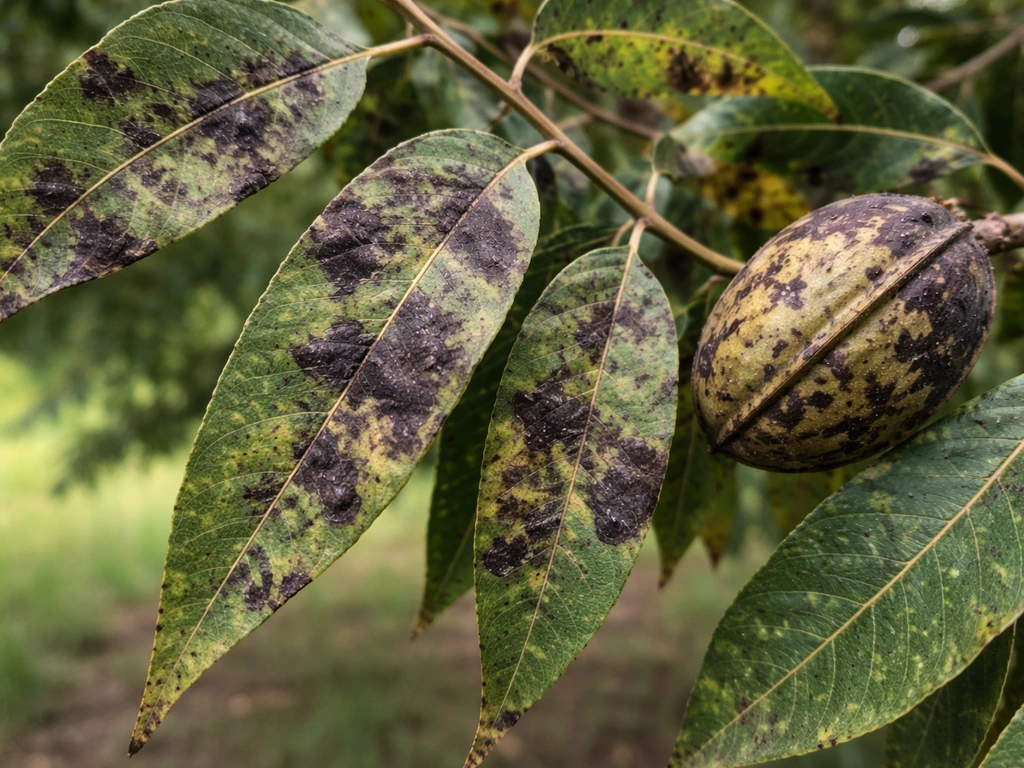
Pecan scab is the most common and economically damaging disease in Florida pecan production. It's a fungal disease that thrives in exactly the conditions Florida delivers every summer: warm temperatures and high humidity. Scab causes black lesions on leaves, shucks, and developing nuts, and a severe infection can destroy most of a crop. The most practical management step you can take is to select scab-resistant cultivars from the start. UF/IFAS specifically calls out 'Melrose', 'Candy', 'Elliott', and 'Sumner' as having increased scab resistance. Fungicide sprays are available but managing scab with sprays alone in a humid Florida summer is exhausting and expensive. Starting with resistant varieties is the smarter move.
Insect pests to watch for
Pecan has a long list of potential insect pests in Florida. The ones you're most likely to encounter include aphids (which can cause sooty mold and weaken trees), pecan weevils (which feed inside developing nuts and can ruin a large percentage of the crop), hickory shuckworm (larvae feed inside the shuck and nut), fall webworm (caterpillars that create silk nests in foliage), bark beetles, twig-girdler larvae, scales, spittlebugs, and phylloxera galls. The pecan weevil and shuckworm are the most damaging to actual nut yield. Scouting for these pests through the growing season and treating when populations reach damaging levels is the standard approach for home growers.
Chill-hour limits for South and Central Florida
The chill-hour limitation is not a disease or pest, but it can be just as limiting to production. If your location doesn't deliver enough winter chill for the cultivar you planted, the tree may leaf out poorly, produce minimal flowers, or set very few nuts. This is the core reason pecan rarely produces good crops in South Florida, and why Chinese chestnut is restricted to North Florida. Central Florida growers are in a variable zone: some sites, some cultivars, and some years line up well enough for good production, while others don't. Choosing low-chill cultivars and selecting sites that tend to be slightly cooler (north-facing slopes, areas away from heat-trapping pavement) gives you the best odds.
How to choose the right nut tree for your yard
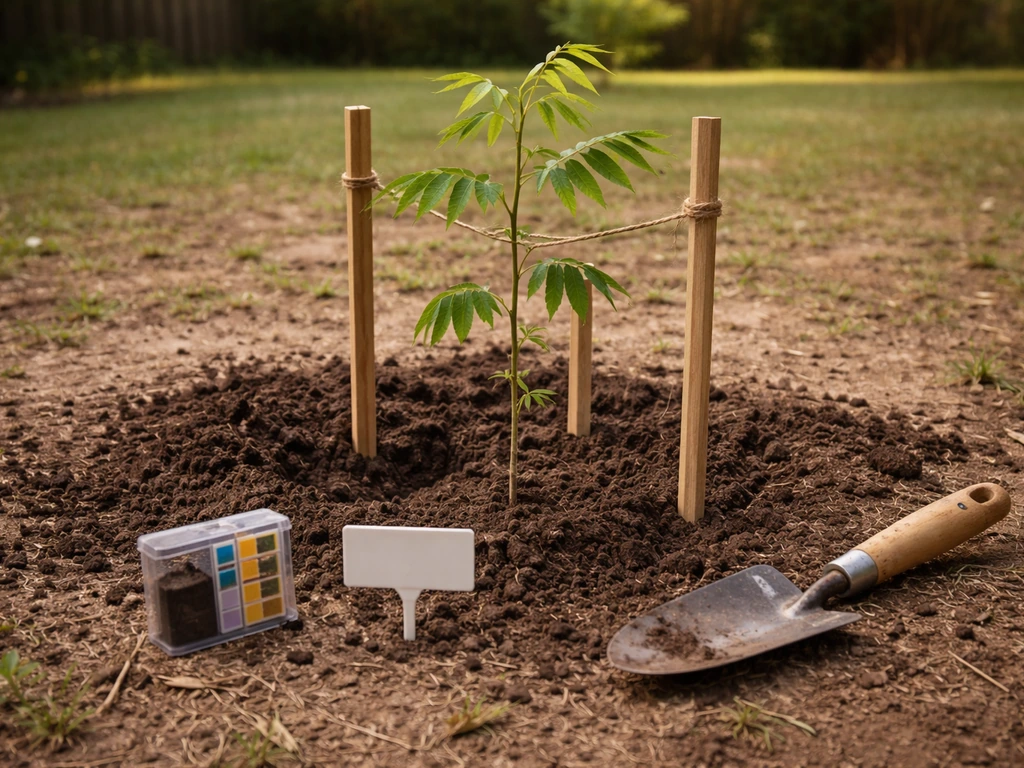
The goal here isn't to overwhelm you with options. It's to help you narrow down to one or two trees that fit your actual situation and then plant them with the right setup. Work through this checklist before you buy anything.
- Find your USDA hardiness zone and estimate your annual chill hours: North Florida (zones 8a–9a) gets 300–600+ hours; Central Florida (zones 9a–9b) gets roughly 200–400 hours; South Florida (zones 10a+) gets fewer than 200 hours and is not practical for nut production.
- Match your zone to the right species: North Florida can try pecan and Chinese chestnut (plant two chestnut trees for pollination); Central Florida should focus on pecan with carefully selected low-chill, scab-resistant cultivars like 'Elliott' or 'Curtis'; South Florida should skip traditional nut trees altogether.
- Test your soil pH before planting: pecan needs 6.0–6.5; amend with lime if needed and check for zinc deficiency in your soil report.
- Evaluate your drainage: avoid low-lying, waterlogged spots; sandy soils are workable but you'll need to plan for irrigation during the dry season.
- Choose grafted trees over seedlings: grafted trees come true to cultivar characteristics, produce sooner, and give you known scab resistance and chill-hour profiles.
- Plan for two compatible cultivars if growing pecan for maximum yield, or two trees minimum for Chinese chestnut.
- Set realistic timeline expectations: plan on 5 to 7 years minimum before significant pecan production, and 3 to 5 years for chestnut.
- Site for airflow: give pecan trees at least 20 to 30 feet from structures and other trees to reduce disease pressure and allow light penetration for better nut fill.
- Contact your local UF/IFAS Extension office: they have county-specific cultivar recommendations and can confirm which varieties have performed best in your exact area.
The broader question of which nuts grow on trees versus in the ground or on bushes is worth understanding too, since it shapes how you manage the harvest and site the plants differently. If you’re wondering what nuts grow on bushes, it helps to focus on native, fruiting shrubs and understand whether the “nut” is a true nut or a nut-like seed.
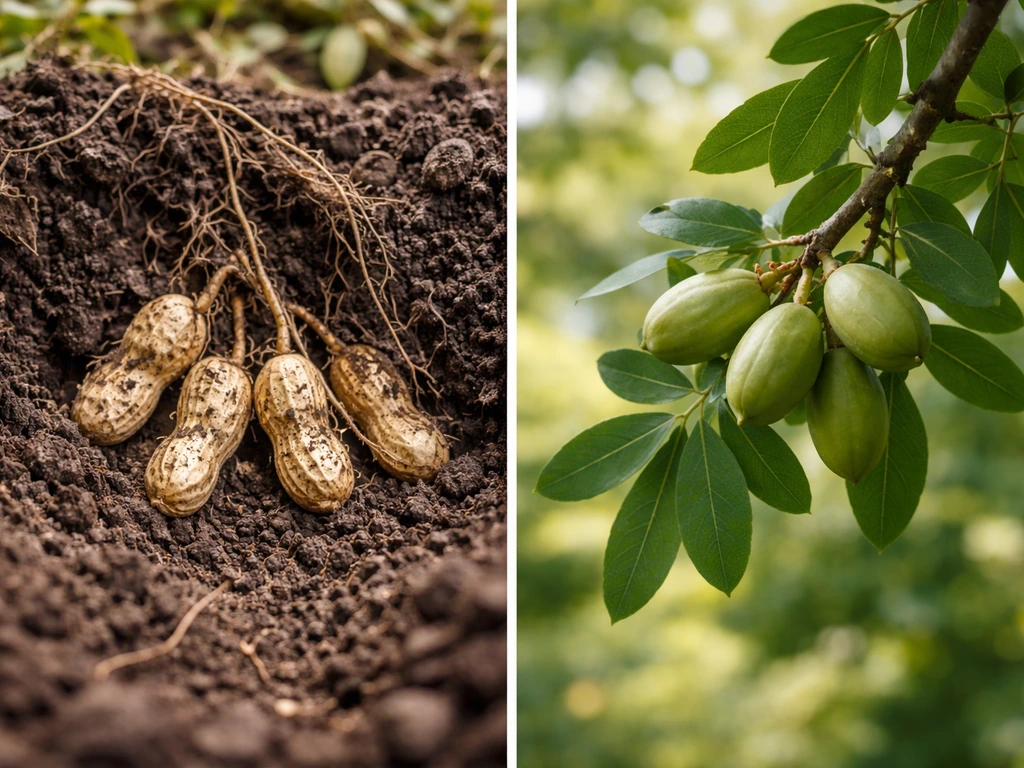
For a lot of homeowners, the most practical “in-ground” option is still looking at what edible nuts or nut-like foods can grow underground where you live. If you are really asking what nuts grow in the ground, focus on Florida's tree-grown options first, since true nut production is much more dependable with pecan and chestnut than with uncertain “in-ground” nut ideas. For Florida specifically though, the tree-grown options (pecan and chestnut) are where the most practical production opportunity lies. Go in with the right cultivar, decent drainage, a soil pH you've actually measured, and realistic time expectations, and you have a genuinely good shot at producing your own nuts in Florida.
FAQ
What should I plant in Florida if I want a reliable nut harvest, not just an edible fruit?
If your goal is a true edible nut crop, focus on pecan first. Chestnut can work in parts of North and the upper edge of Central Florida, but it is much less reliable once you are farther south, mainly because winter chill does not consistently meet the cultivar’s dormancy needs.
Will a pecan tree grow well in my yard if it does well at my neighbor’s house?
Yes, but only if you match the cultivar to your exact chill-hour reality and give the tree conditions that help it cope, especially drainage and airflow. Two nearby yards can perform very differently, because microclimates, soil type, and heat-trapping surfaces (pavement, walls) change how well a tree flowers.
Do I need more than one nut tree in Florida to get nuts?
For pecan, you typically want two compatible cultivars, even though some trees may flower without it. For Chinese chestnut, cross-pollination is essential, one tree will usually not produce nuts even when it looks healthy.
Are seedling pecans a good idea, or should I buy grafted trees?
You can, but expect slower returns and higher variability. Grafted pecans usually come into production sooner and more predictably, while seedling trees can take longer and may not produce the same quality as the parent due to genetic variation.
How important is soil testing before planting a pecan tree?
Do a soil test before buying any lime or fertilizer. Florida soils often skew acidic, and over-correcting pH wastes money and can cause other nutrient issues. Aim for the pecan target range, then adjust with measured inputs rather than guessing based on color or texture.
Why does my pecan tree produce a big crop one year and almost nothing the next?
Expect swings. Central Florida pecans may produce well in one year and lightly in another if chill accumulation is short or timing shifts. If you see inconsistent nut set, first check cultivar chill fit and site exposure, then review pruning and irrigation, because those also affect flowering.
Can I grow pecans near the coast in Florida?
If your site is coastal, salt is usually the limiting factor for pecan, not just the soil pH. Choose inland locations, or if you are near the ocean, watch for windborne salt spray and consider a more salt-tolerant edible landscape option rather than assuming pecan will adapt.
Should I use overhead sprinklers or drip irrigation for pecans in Central Florida?
Yes, and drip is usually the better choice for Florida pecan because it reduces leaf wetness, which helps limit foliar diseases like scab. Plan irrigation for the dry season, especially on sandy soils where moisture runs through quickly.
What drainage problems most often prevent pecan trees from producing in Florida?
If you plant in a spot that stays wet after rain, root problems can masquerade as a nutrient or drought issue. Improve drainage with proper site selection and, if needed, raised mounds or corrected grading, because persistent saturation can eventually lead to tree decline.
If I buy a scab-resistant pecan, do I still need to spray fungicide in summer?
For disease resistance, cultivar choice helps most, especially against pecan scab. Still, you may need additional management if you have a dense canopy or a very humid microclimate, because cultivar resistance reduces risk, it does not guarantee zero disease pressure.
What pests should I watch first for if I want to protect nut yield?
Common pest issues can include aphids, weevils, and shuckworm, but the key is timing. Start scouting early in the season, focus on nuts and developing shucks for yield-threatening pests, and treat based on observed damage levels rather than a fixed schedule.
Is pawpaw a good alternative if pecans and chestnuts are unreliable in my area?
Pawpaw is a fruit tree, not a true nut producer, so it will not replace your “nut” goal. It can still be a good edible landscaping tree because it tolerates heat and some Florida soils, but expect a different harvest and different care priorities.
Can I grow Chinese chestnut in Orlando or nearby?
It can be worth trying only on the northern edge of Central Florida, and even then you should treat it as a trial. Planting a low-chill cultivar or placing it in a heat-trapping spot will increase the odds of poor flowering, so pick a cooler microclimate location and be prepared for inconsistent results.
How can I tell if my tree is failing because of chill hours rather than a soil or watering problem?
If the tree leafs out poorly, flowers very little, or sets few nuts after a winter that seemed mild, chill shortage is a likely cause. Before changing anything else, verify cultivar chill requirement versus your location, then consider site cooling factors like avoiding warm pavement and choosing a better airflow position.