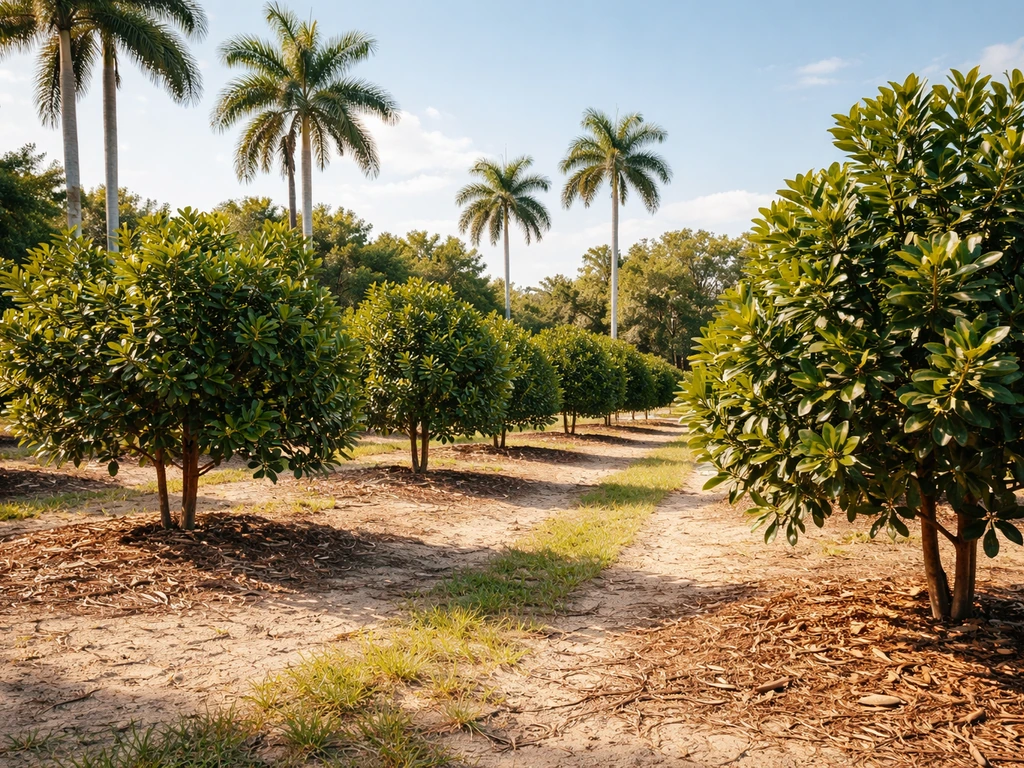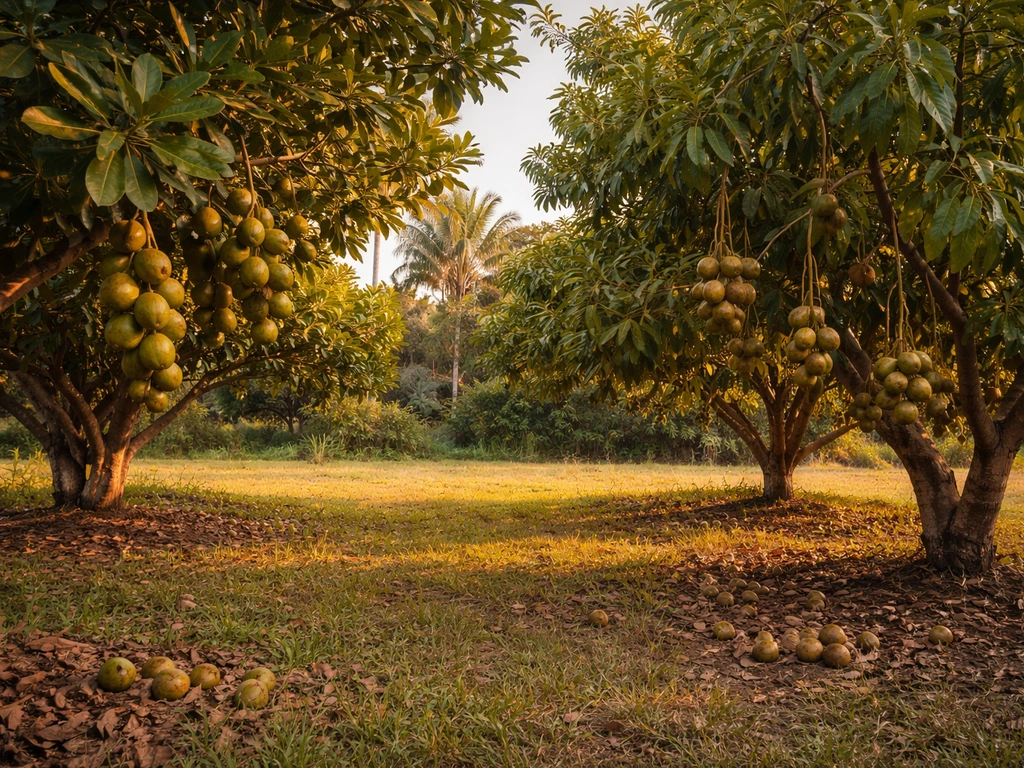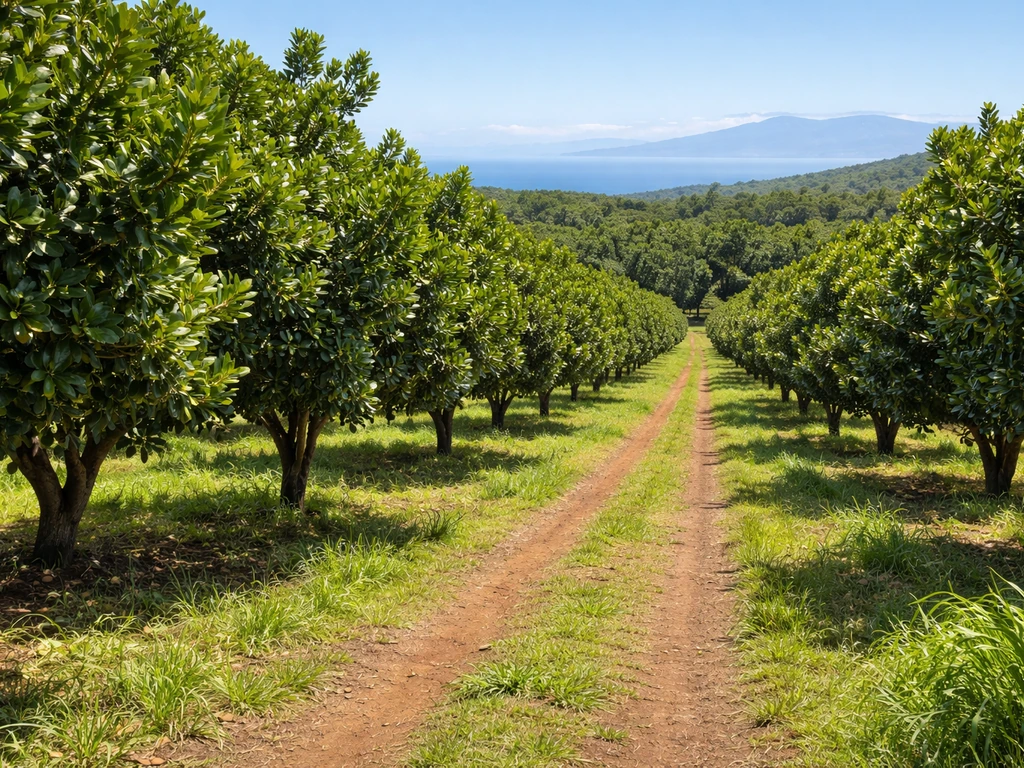
New Zealand can grow a surprisingly good range of nut trees: hazelnuts, walnuts, chestnuts, almonds, pecans, macadamias, and pistachios all have a place in NZ conditions, depending on where you are. Hazelnuts and walnuts are the most widely adapted and commercially established. Macadamias thrive in the warm, frost-light north. Chestnuts suit a wide band of temperate regions. Almonds, pecans, and pistachios are pickier but genuinely achievable in the right microclimate. Brazil nuts, on the other hand, are not a realistic prospect for NZ gardens, they need equatorial rainforest conditions that simply don't exist here.
What Nuts Grow in New Zealand: Best Options by Region
Marcus Hendricks
30 Apr 2026
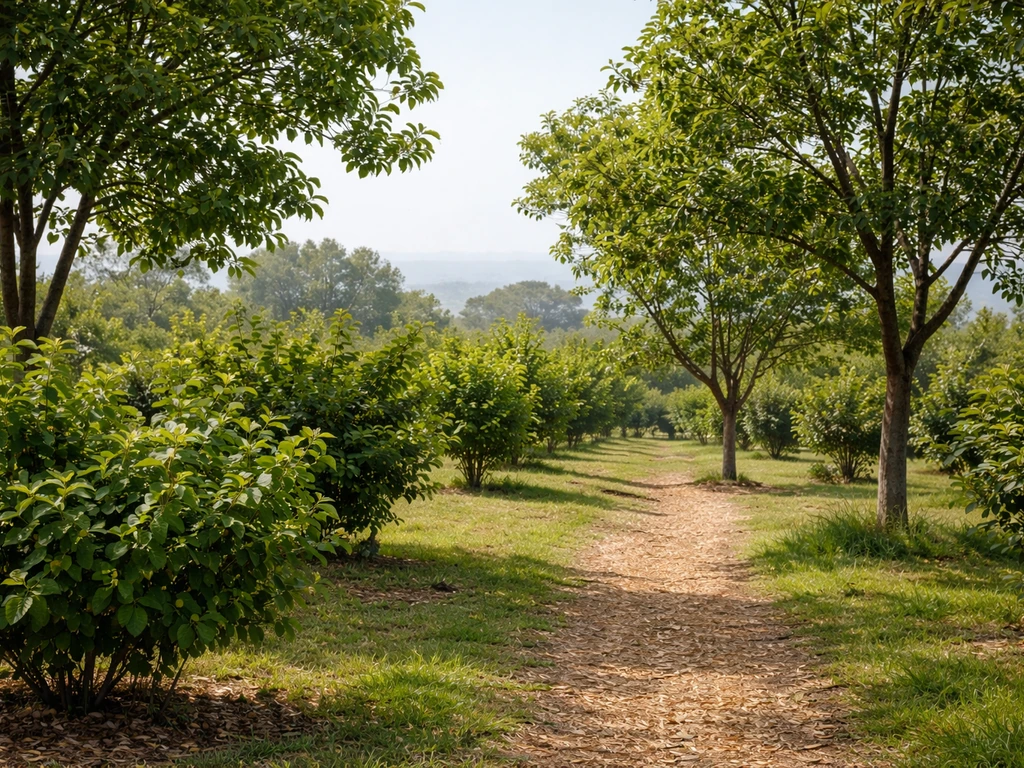
The most reliable nut trees for NZ gardens
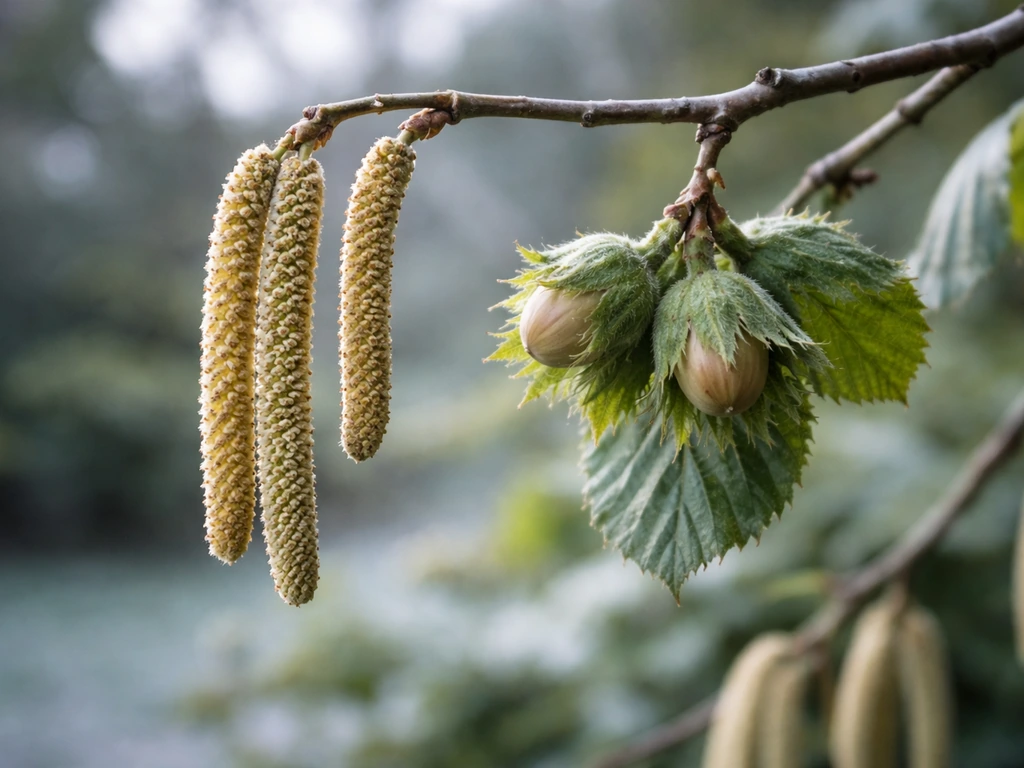
If you want to plant a nut tree in New Zealand and have it reliably bear crops without heroic effort, these are your best starting points. Hazelnuts (Corylus avellana) are the workhorse: they're cold-hardy, adaptable from Northland to Southland in the right spots, and well-supported by a local growers' association. Walnuts have been commercially grown since orchards were first established in Canterbury in the 1970s, with major production areas spanning Canterbury, Central Otago, Hawke's Bay, Marlborough, Nelson, Wairarapa, and Whanganui. The Horticulture Export Authority’s Walnut Trade page summarizes that NZ’s main walnut production areas include Canterbury, Central Otago, Hawke’s Bay, Marlborough, Nelson, Wairarapa, and Whanganui major production areas spanning Canterbury, Central Otago, Hawke’s Bay, Marlborough, Nelson, Wairarapa, and Whanganui.. Chestnuts are a close third, widely planted, productive from a young age by nut-tree standards, and tolerant of a range of soils. These three give most NZ gardeners the best odds of success regardless of region.
Macadamias, almonds, pecans, and pistachios are all achievable but they need you to be in the right place. Get the climate match wrong and you'll wait years for disappointment. The sections below break down who can grow what and where.
Nuts by NZ climate region
Warm north: Northland, Auckland, Bay of Plenty, Coromandel, Taranaki
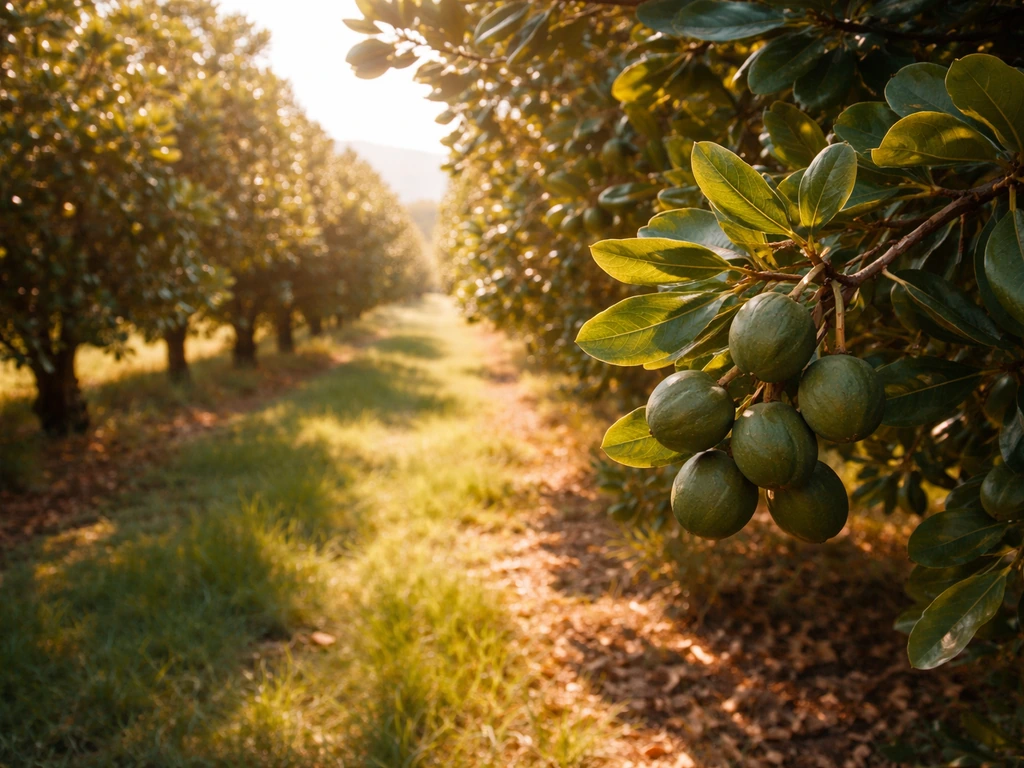
This is macadamia country. Coastal areas across Northland, Auckland, Bay of Plenty, Taranaki, and even parts of Nelson and Marlborough support macadamia production, and these are the areas where the species genuinely thrives rather than merely survives. The warm, wet coastal conditions are the right fit. The key constraint up here isn't heat, it's chilling. Northland doesn't accumulate enough winter cold for almonds, which need roughly 300 to 600 hours below 7°C depending on cultivar. MPI feasibility assessments have confirmed this: not enough chilling in Northland for most almond cultivars. Pecans can grow in warmer northern areas provided you pick early-maturing cultivars and have good air drainage, but it's marginal. Hazelnuts and walnuts will grow in the north but produce less reliably than in cooler regions because they also need significant winter chilling. Chestnuts are broadly adaptable and will work here.
Temperate middle: Hawke's Bay, Wairarapa, Nelson, Marlborough, Whanganui, Manawatū
This is the sweet spot for the broadest range of NZ nut species. Walnuts perform excellently here, most of NZ's production comes from this band of regions. Hazelnuts do well across this zone too. Almonds find their home here: the combination of adequate winter chilling, warm dry springs, and long summers suits them well, though frost at blossom time remains a genuine risk (blossom and young fruit can be killed at around -1°C). Pecans are viable in warmer, sheltered parts of this zone. Pistachios are most achievable in Nelson, Marlborough, and Hawke's Bay, where hot dry autumns and adequate summer heat match what the species needs. Nelson and Marlborough also support macadamias in coastal areas. Chestnuts grow reliably across this entire zone.
Cool and southern: Canterbury, Central Otago, Otago, Southland
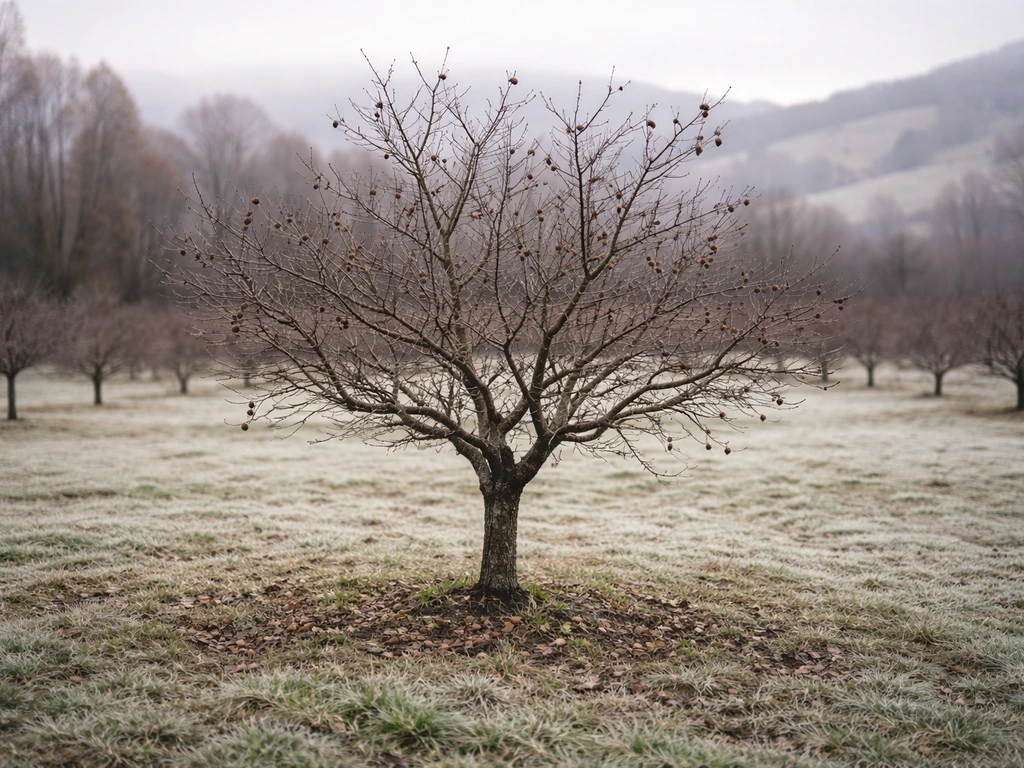
Canterbury is arguably the heartland of NZ walnut growing, with its combination of warm summers and cold winters providing ideal chilling and ripening conditions. Hazelnuts also do well across most of this zone. Chestnuts are viable across most of Canterbury and into Otago. The limits here are frost severity and season length. Almonds can work in Canterbury and some Central Otago sites, but late frost is a serious threat, MPI work notes that Otago cultivars can be damaged by late frosts, and timing cultivar selection to reduce exposure at blossom is critical. Macadamias are not suited to this zone: young trees are highly frost-prone, and even mature dormant trees, which can survive down to about -7°C for short periods, will have their flower clusters damaged, making commercial or reliable cropping impossible. Macadamias do not generally suit Florida either, because they still require protection from frost during the periods when flower clusters are forming can you grow macadamia nuts in florida. Yes, macadamia trees can grow in Hawaii, where the warm, frost-free climate suits them well. Pecans in deep south sites face both frost risk and season-length limits. Pistachios need more summer heat than southern NZ reliably delivers. Southland is largely restricted to hazelnuts, chestnuts, and walnuts in sheltered sites. The NZ Tree Crops Association notes that walnut suitability in Central Otago depends on frost-free conditions during the growing season Central Otago needs frost-free conditions during the growing season.
| Nut | Best NZ Regions | Marginal | Not Suited |
|---|---|---|---|
| Hazelnut | Nelson, Marlborough, Canterbury, Hawke's Bay, Wairarapa | Northland, Southland (sheltered) | — |
| Walnut | Canterbury, Central Otago, Hawke's Bay, Nelson, Wairarapa | Whanganui, Manawatū | Far Northland |
| Chestnut | Most of NZ (temperate band) | Southland (sheltered) | — |
| Almond | Nelson, Marlborough, Hawke's Bay, Canterbury | Wairarapa, Central Otago | Northland, Southland |
| Macadamia | Northland, Auckland, Bay of Plenty, coastal Nelson/Marlborough, Taranaki | Waikato (sheltered) | Canterbury south |
| Pecan | Hawke's Bay, Nelson, Whanganui, warmer Canterbury | Auckland (early cultivars) | Southland, Central Otago |
| Pistachio | Nelson, Marlborough, Hawke's Bay | Canterbury (hot sites) | Northland, Southland |
| Brazil Nut | — | — | All of NZ |
Chill, heat, and timing: what actually decides whether a nut tree works
Most nut trees have two competing environmental requirements that need to be balanced: enough winter cold (chilling hours) to break dormancy properly and trigger flowering, and enough frost-free, warm growing season to mature the crop. Get one side of that equation wrong and you'll either see poor bud break and erratic flowering, or the nuts won't have time to ripen before autumn frosts arrive.
Walnuts and hazelnuts have moderate chilling needs that Canterbury, Marlborough, Nelson, and Hawke's Bay satisfy comfortably. Almonds need roughly 300 to 600 hours below 7°C, achievable from Nelson south through Canterbury, but the problem with almonds is they bloom early and that blossom is killed at just -1°C, meaning a late frost after warm weather in August or September can wipe out a whole season's crop. Pecans need approximately 750 hours below 7°C, plus a long frost-free growing window from when growth begins in spring right through to when nuts mature in autumn. This is a demanding combination: enough cold in winter, no frost during the growing season. In NZ that points to the warmer parts of Nelson, Hawke's Bay, and Whanganui. Pistachios are unusual: their chilling needs are relatively low, but they need hot, dry weather into autumn and at least roughly 200 frost-free days for reliable cropping. Fruit set is sensitive, fruitlets abort if temperatures drop to around -3°C during that window. Macadamias sit at the opposite end: young trees are frost-prone at any frost, mature trees can handle brief dips to about -7°C when dormant, but flower clusters are damaged by those same frosts, meaning even cold-tolerant mature trees won't crop reliably where frosts occur during flowering.
Bearing years matter too. Walnut trees from grafted stock typically start producing seriously in 5 to 10 years. Hazelnuts begin bearing in 3 to 5 years and are among the faster nut producers. Chestnuts can start in 3 to 6 years from grafted trees. Macadamias take 5 to 7 years to first crop. Almonds can produce in 3 to 5 years but frost vulnerability means you may lose early crops. Pecans are the slow burn: 8 to 12 years to reliable production. Set your expectations accordingly before you plant.
Planting realities: site, soil, drainage, and pollination
Site selection

Most nut trees are deep-rooted and long-lived, so getting the site right before planting matters far more than with most garden plants. Air drainage is critical for frost-sensitive species like almonds, macadamias, and pecans: cold air pools in hollows and frost pockets overnight, and that's exactly where your blossom or young trees will be damaged. Choose elevated positions or gentle slopes that allow cold air to drain away. Pecans specifically need sheltered sites because they're also sensitive to wind during flowering and nut fill. Walnuts are more tolerant of exposed sites once established but benefit from shelter when young.
Soil and drainage
Hazelnuts prefer deep, fertile soil with a pH of around 6 to 7. Walnuts similarly want deep, well-drained soil and will not tolerate waterlogged roots. Chestnuts prefer slightly acidic, well-drained soils. Almonds are very sensitive to root diseases in wet, poorly drained soils, good drainage is non-negotiable. Macadamias need reliable moisture in the first two years (irrigation if there's any risk of soil drying out) but also need well-drained soil to avoid root rot. Pistachios are the most drought-tolerant of the group and actually prefer drier, well-drained conditions. Pecans need reliable moisture through summer, water stress in mid-summer not only reduces current-season nut quality but also reduces next year's crop potential, so sites with reliable moisture or access to irrigation are preferable.
Pollination
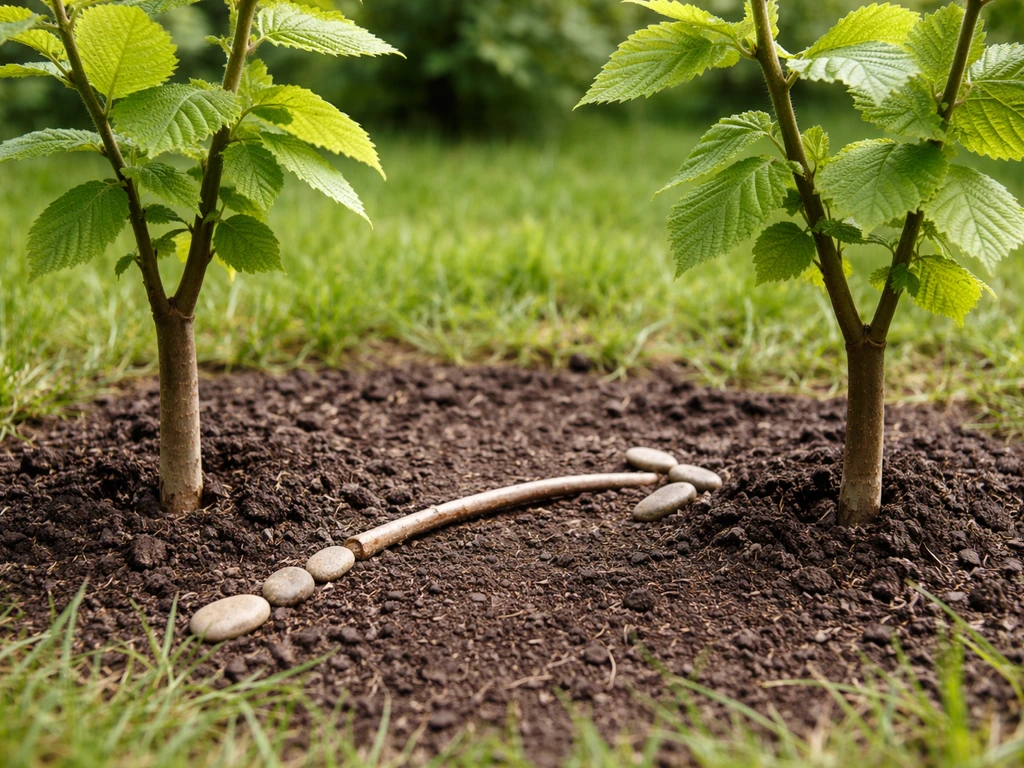
Most nut trees need cross-pollination, and this is one of the most common reasons home-grown trees disappoint. Hazelnuts are wind-pollinated and require polliniser varieties nearby, the timing of pollen shed needs to coincide with female flower receptivity, which doesn't always happen naturally with just one variety. Standard hazelnut orchard practice uses polliniser varieties spaced throughout the planting, based on a 6 x 3 metre layout (around 666 trees per hectare in commercial settings). At home, you need at least two compatible varieties within practical wind-drift distance. Walnuts are also wind-pollinated and often shed pollen at different times from when the female flowers are receptive on the same tree (a condition called dichogamy), so planting two trees or two cultivars greatly improves set. Almonds need cross-pollination and bees, so planting a compatible pollinator variety and having good bee activity during bloom is essential. Pecans similarly benefit from having more than one cultivar. Pistachios require both a male and female plant since they're dioecious, you cannot get nuts without a male tree nearby. Chestnuts need cross-pollination too, so plant at least two different varieties. Macadamias are partly self-fertile but produce better with cross-pollination.
Worth trying vs. not reliable: an honest species assessment
Definitely worth trying (most NZ locations)
- Hazelnut: The most broadly reliable nut tree for NZ. Cold-hardy, early-bearing (3 to 5 years), well-supported locally. Grows from Northland to Southland in suitable sites. The commercial industry is centred around Nelson/Tasman but home plantings succeed widely.
- Walnut: Excellent in the temperate central and southern regions. Canterbury provides near-ideal conditions. Long-lived and eventually very productive, though you're waiting 5 to 10 years for serious crops. The NZ Walnut Industry Group actively supports planting expansion.
- Chestnut: Underrated, broadly adaptable, and earlier-bearing than walnuts. Works across most of the temperate NZ climate band. Needs well-drained, slightly acidic soil and cross-pollination.
Worth trying with care (right region and microclimate essential)
- Macadamia: Reliable in warm, frost-light coastal areas from Northland through to Bay of Plenty, Taranaki, and coastal Nelson/Marlborough. Frost protection during establishment is non-negotiable for the first few years. Do not attempt in Canterbury south or anywhere frost is regular.
- Almond: Achievable in Nelson, Marlborough, Hawke's Bay, and Canterbury, but early-blooming means late-frost risk is real every season. Choose cultivars with appropriate chilling hours for your region, and accept that some years will lose the crop to frost.
- Pecan: Pecans have been in NZ for over 100 years, so they're not exotic here. But they're slow (8 to 12 years), need a long frost-free growing season, and need the right cultivar for your area. Best in Hawke's Bay, warmer Nelson, and Whanganui. Requires patience and matched cultivar selection.
- Pistachio: Viable in Nelson, Marlborough, and Hawke's Bay where hot, dry autumns occur. Low chilling needs but very sensitive to frost at fruit set. Requires both male and female plants. Less commonly attempted than other NZ nut species — expect a learning curve.
Not reliable for NZ conditions
- Brazil nut: Not a realistic prospect anywhere in New Zealand. Brazil nuts (Bertholletia excelsa) require equatorial rainforest conditions: year-round high temperatures, very high rainfall, and specific pollination by large-bodied bees that don't exist in NZ. No NZ climate comes close to meeting these requirements.
- Andean walnut: Frost-sensitive when young and lacking the chilling requirements other walnuts need. Marginal and not widely recommended for NZ gardens.
- Cashew: Requires tropical/subtropical temperatures and is genuinely not suited to NZ conditions outside of a heated greenhouse.
Your practical grow-or-not checklist
Work through these questions before choosing a species. They'll save you planting something that looks great in theory but doesn't fit your patch.
- Where are you in NZ? Northland/Auckland points to macadamias and chestnuts first. Canterbury/Central Otago points to walnuts and hazelnuts. Nelson/Marlborough/Hawke's Bay opens the widest range including almonds, pistachios, and pecans.
- Does your site have frost pockets? If yes, remove macadamias, almonds, pistachios, and pecans from your shortlist unless you have a clearly elevated, draining site. Walnuts, hazelnuts, and chestnuts are more forgiving.
- Do you have adequate winter chilling? If you're in Northland or coastal Bay of Plenty, almonds and walnuts will underperform. Stick to macadamias, chestnuts, and hazelnuts.
- Can you plant at least two compatible varieties? If you can only plant one tree, you'll likely get poor or no crops from hazelnuts, walnuts, chestnuts, almonds, and pecans. Pistachios require both a male and female plant — no male means no nuts.
- Do you have access to irrigation or reliable soil moisture through summer? Macadamias need it in the first two years. Pecans need consistent moisture in mid-summer. If you're relying on rainfall alone in a dry summer region, factor this in.
- What's your time horizon? If you want nuts within 4 to 5 years, hazelnuts and chestnuts from grafted stock are your best options. If you're planting a long-term orchard and can wait a decade, walnuts and pecans are worth the investment.
- Are you growing commercially or for home use? Commercial nut growing in NZ is supported by industry bodies for hazelnuts, walnuts, and to a lesser extent macadamias and almonds. Home growers can experiment more freely with species like pistachios and pecans, where the commercial infrastructure is thinner but the personal reward is real.
Next steps
If you've narrowed down to hazelnuts or walnuts, the New Zealand Tree Crops Association (NZTCA) and the Hazelnut Growers Association NZ have solid, locally tested growing guides including cultivar recommendations, spacing, and pollination setup. These are worth reading before you buy trees. For macadamias, almond, pecan, and pistachio, the NZTCA fact sheets are your best freely available NZ-specific reference point, they include chilling hour data, cultivar notes, and site guidance calibrated to NZ conditions rather than overseas recommendations that may not apply here. If you're wondering can you grow macadamia tree from nut in your area, those NZTCA fact sheets will help you match the right cultivar and chilling and frost conditions. If you're wondering what nuts grow in Hawaii, climate match is the key, since warm, frost-free conditions open up different species than in New Zealand. If you're in a region like Nelson, Marlborough, or Hawke's Bay and want to grow the widest possible range, consider starting with hazelnuts and a chestnut variety while you assess your frost patterns over a couple of winters before committing to almonds or pistachios. That observational groundwork will tell you more about your microclimate than any map.
NZ's nut-growing possibilities are broader than most people realise. The mistake most first-time growers make isn't planting the wrong species outright, it's planting the right species in the wrong spot, or planting just one tree without thinking through pollination. Get the region and site match right, choose cultivars suited to your chilling and frost profile, and plant pairs or polliniser groups from the start. The trees will do the rest, given time.
FAQ
What nuts grow in New Zealand without needing a very specific microclimate?
Hazelnuts, walnuts, and chestnuts are the safest bets because they tolerate a wider range of NZ conditions and are widely commercially grown. Even then, pick a frost-avoiding site (avoid hollows) to protect blossoms and young nuts.
Can I grow almonds in New Zealand if my area gets spring frosts?
You can, but success depends on whether you can avoid or buffer late frosts around bloom. Almond blossoms are very frost sensitive (around -1°C), so growers prioritize frost drainage and cultivar timing rather than only average winter chilling.
How do I check whether my backyard has enough winter chilling for nuts?
You can use a local weather station (or one near your elevation) plus a chilling-hours model, then compare to the cultivar’s target range. In general, almonds need roughly 300 to 600 hours below 7°C, pecans need far more (about 750 hours), and pistachios generally need less chilling but require hot, dry autumn conditions.
Why do my nuts fail to set even when the tree seems healthy?
The most common causes are pollination mismatch and frost during the narrow flowering window. Many species need compatible partners, and some rely on wind timing or male and female plant presence, so one tree often produces little even if it grows well.
Do I need two hazelnut trees to get nuts in New Zealand?
Not always, but you usually need more than one compatible variety for reliable crop set. Hazelnuts are wind-pollinated and timing matters, so a single variety can shed pollen when females are not receptive.
Can I plant just one walnut tree and still get a crop?
Better set usually comes from planting two trees or two cultivars, because pollen shed and female receptivity can be out of sync on the same tree. If you want reliable yields, plan for cross-pollination from the start.
Do pistachios require male and female plants in New Zealand?
Yes. Pistachios are dioecious, meaning you cannot reliably get nuts without a male plant nearby. The other requirement is weather, pistachios need hot, dry conditions into autumn and enough frost-free days during fruit development.
Are macadamias possible in New Zealand if there are occasional frosts on my property?
Occasional frosts are the main issue during flowering. Even if mature trees tolerate brief cold dips when dormant, flower clusters can be damaged if frost hits during the active flowering period, which leads to poor or zero cropping.
Which nut is the best choice for colder Southland-type conditions?
In practice, sheltered sites limit the options, and hazelnuts, chestnuts, and walnuts are the most realistic. More frost-sensitive species (like almonds, pistachios, and macadamias) generally struggle unless you have a uniquely favorable, well-drained frost-avoidant microclimate.
How long before my nut trees produce useful harvests in New Zealand?
Expect a range: hazelnuts often start bearing in about 3 to 5 years, walnuts in roughly 5 to 10 years, chestnuts in about 3 to 6 years, macadamias around 5 to 7 years, almonds about 3 to 5 years (but crop can be lost to frost), and pecans typically 8 to 12 years for reliable production.
What soil conditions matter most for nut trees in New Zealand?
Drainage. Many nut trees hate waterlogged roots, especially almonds, macadamias, and pecans. If you have heavy clay, raised beds or improved drainage can be the difference between chronic problems and stable growth.
Do pecans need irrigation in New Zealand?
Often, yes, because they need reliable moisture through summer. Water stress during mid-summer can reduce current nut quality and also reduce the next year’s crop potential, so plan irrigation access if your rainfall is unreliable.
What’s the biggest mistake when choosing what nuts grow in New Zealand?
Choosing the right species for the broad region, then planting it in a frost pocket. Site selection (elevation, slope, and airflow) can matter as much as the region itself, especially for bloom-sensitive nuts.