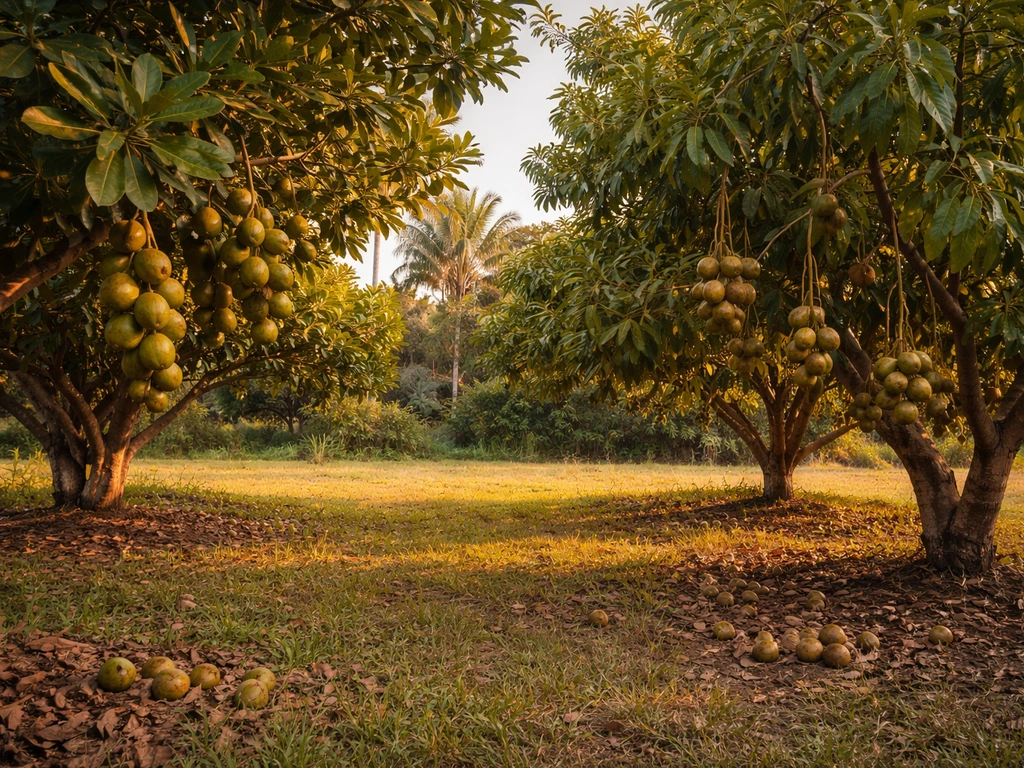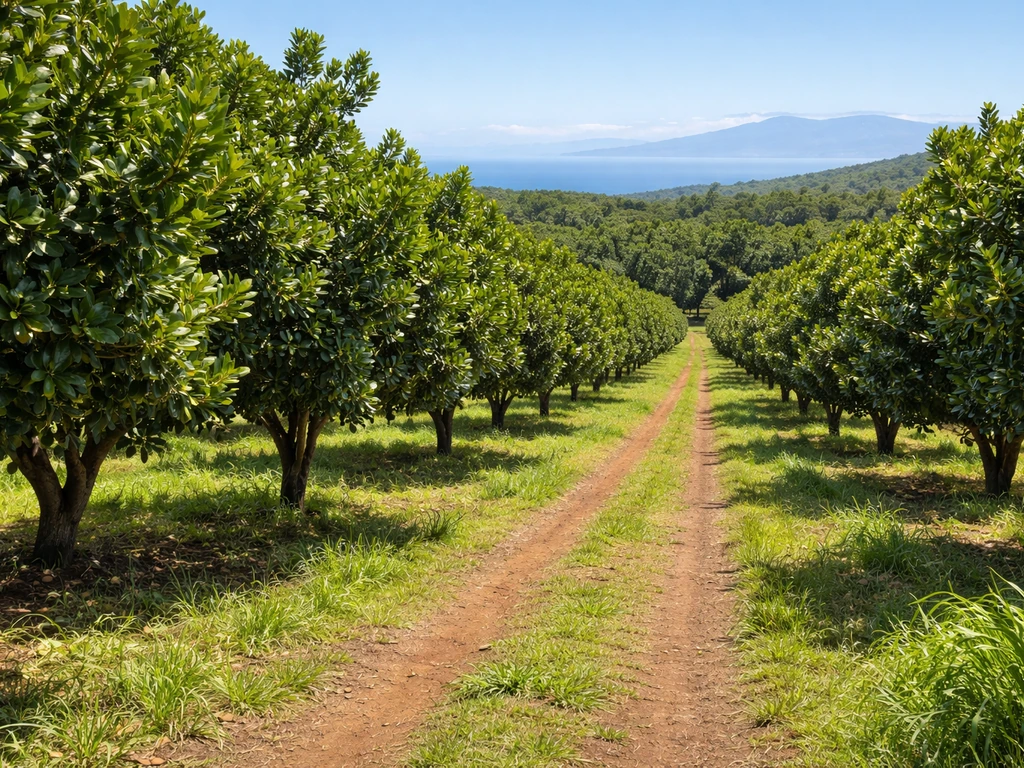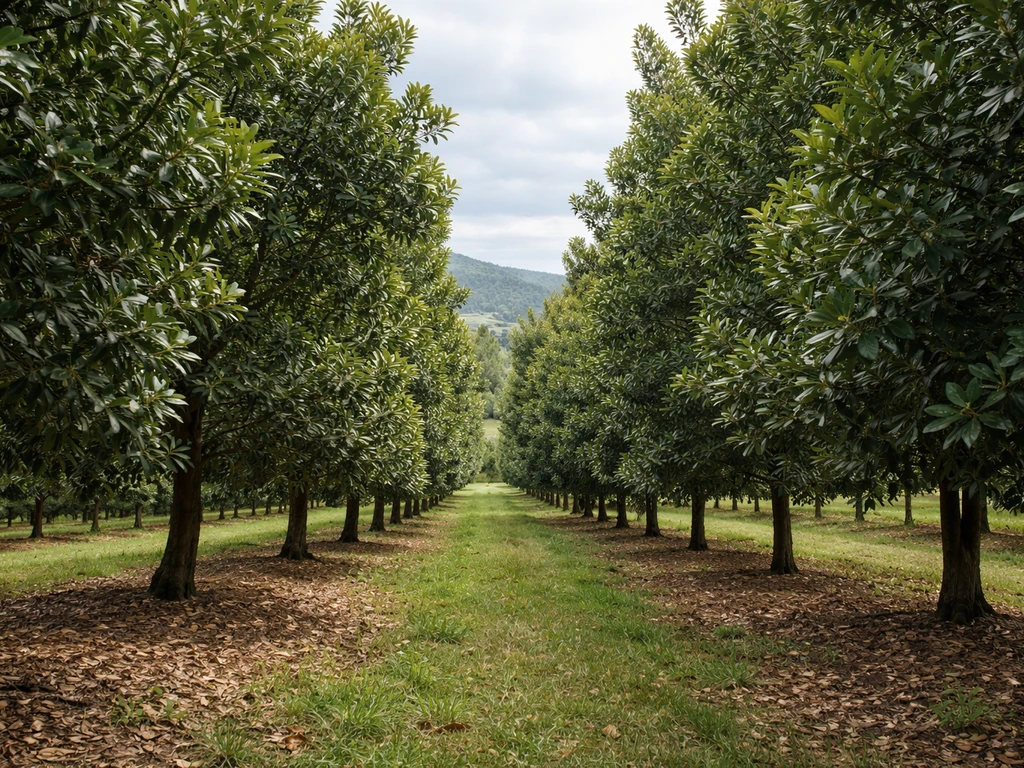
Yes, you can grow macadamia nuts in Florida, but the honest answer comes with a lot of important caveats. If you want the bigger picture, the next step is figuring out which countries grow macadamia nuts commercially.
Can You Grow Macadamia Nuts in Florida? Requirements
Marcus Hendricks
19 Apr 2026
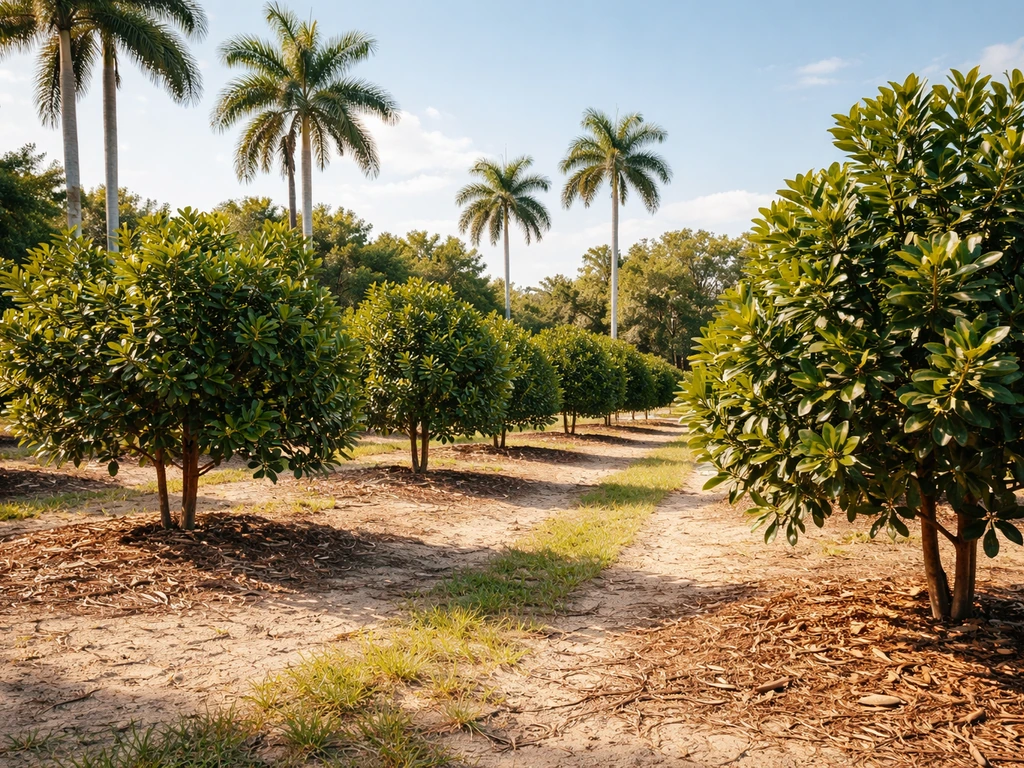
Florida's climate sits at the very edge of what macadamias can tolerate, and which part of the state you're in makes an enormous difference between a tree that thrives and produces nuts versus one that limps along or gets wiped out in a hard freeze. If you're in South Florida or protected coastal areas of Central Florida, your odds are genuinely good.
In South Florida, the growing conditions are similar to the areas where macadamia trees naturally do well, which is why people also ask what nuts grow in New Zealand. If you're in North Florida, you're probably looking at container growing or accepting that you'll lose the tree in a bad winter. From a nut, the process can work, but it is much slower and more uncertain than starting with a grafted tree can you grow macadamia tree from nut.
Is Florida Actually Viable for Macadamias?
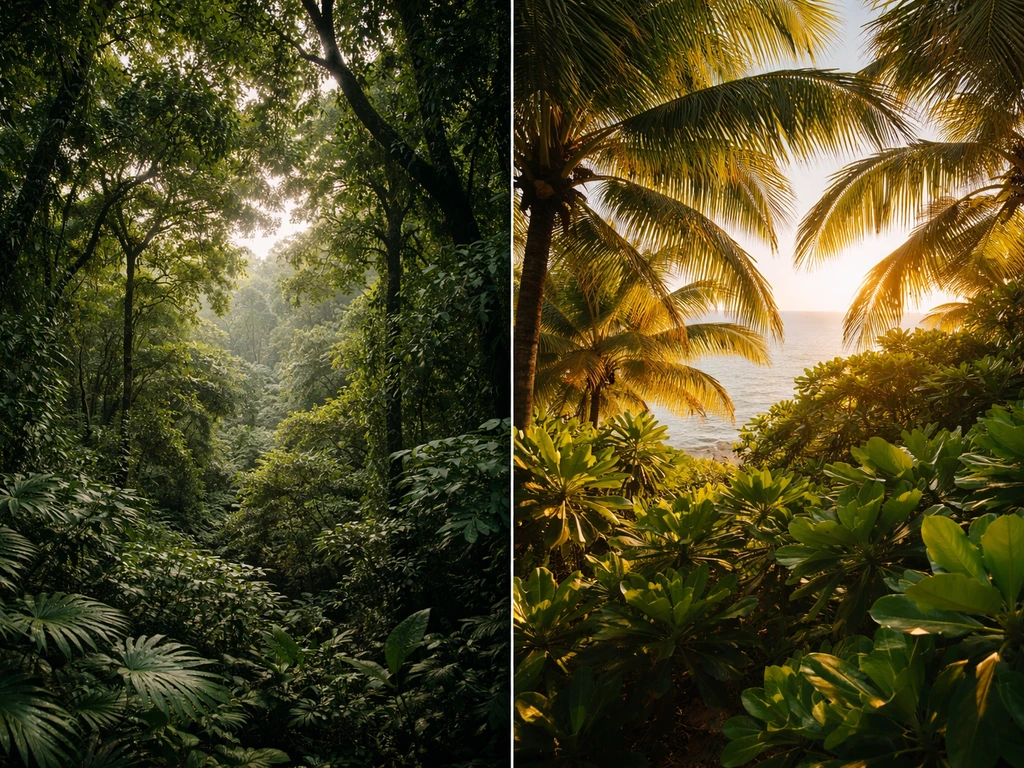
Macadamias are native to subtropical rainforest in Australia and are commercially grown in places like Hawaii, South Africa, and Kenya. They evolved in climates with consistent warmth, decent rainfall, and essentially no frost. Florida's tropical and subtropical zones can replicate much of that, but the freeze risk is the central challenge. According to UF/IFAS guidelines, mature macadamia trees can survive temperatures down to about 25–26°F, but that threshold is misleading if you want nuts rather than just a living tree.
Flower clusters are typically killed at 28°F, which means a single freezing night during bloom can wipe out your entire crop for the year even if the tree itself pulls through. Young trees are even more vulnerable, with any temperature below 32°F posing a real risk.
For vegetative growth, macadamias perform best at around 77°F (25°C), with growth slowing significantly below 50°F and above 95°F. Florida's summers easily push into that upper range, particularly inland, which can stress trees and reduce yields. Floral initiation actually requires a cooler period, with optimal temperatures around 65°F (18°C) and flowering conditions roughly in the 59–64°F range. Florida's mild winters in the southern part of the state can provide this naturally, which is part of why South Florida is the most realistic zone for actual nut production.
| Florida Region | USDA Zones | Freeze Risk | Realistic Outcome |
|---|---|---|---|
| South Florida (Miami-Dade, Collier, Monroe) | 10a–11 | Minimal | Best chance at consistent nut production |
| Southwest Coast (Sarasota, Naples area) | 9b–10a | Low to moderate | Good potential with site selection; documented local success |
| Central Florida (Orlando, Tampa area) | 9a–9b | Moderate | Feasible with protection; crop loss in hard freeze years |
| North Central Florida (Gainesville, Ocala) | 8b–9a | High | Container growing or very protected microclimates only |
| North Florida (Jacksonville, Tallahassee) | 8a–8b | Very high | Not recommended in-ground; container only with winter shelter |
The Sarasota County UF/IFAS Extension has documented macadamia trees producing nuts in a local food forest setting, which confirms that Central Florida's Gulf Coast is a real, workable zone rather than wishful thinking. That said, it's not effortless, and you need to go in with realistic expectations about freeze years.
Which Macadamia Species and Cultivars Work Best in Florida
There are two main macadamia species you'll encounter: Macadamia integrifolia (smooth-shelled macadamia) and Macadamia tetraphylla (rough-shelled macadamia). For Florida, M. tetraphylla is generally the better starting point. It shows slightly more cold tolerance than M. integrifolia and handles high summer temperatures more gracefully. If you're in a zone where freeze risk is a real concern, M. tetraphylla gives you a small but meaningful buffer. Hybrids between the two species also exist and can inherit cold tolerance from the tetraphylla parent while producing good nut quality.
For specific cultivars, look for selections that have been trialed in subtropical and borderline-tropical climates. Grafted trees from reputable Florida or subtropical nurseries are strongly preferred over seedlings. Grafted trees come true to cultivar, produce nuts sooner, and have known performance characteristics. Seedlings are a gamble, both in terms of cold tolerance and nut quality.
If you are wondering can you grow macadamia tree from nut, the short answer is yes, but germination and early survival can be a lot less predictable than starting with a grafted tree. UF/IFAS Extension recommends grafted seedlings for commercial orchards, and that guidance applies equally to serious home growers. When sourcing trees, ask the nursery specifically whether the cultivar has demonstrated performance in Florida or similar subtropical climates.
In-Ground, Container, or Protected Spot: Picking Your Setup
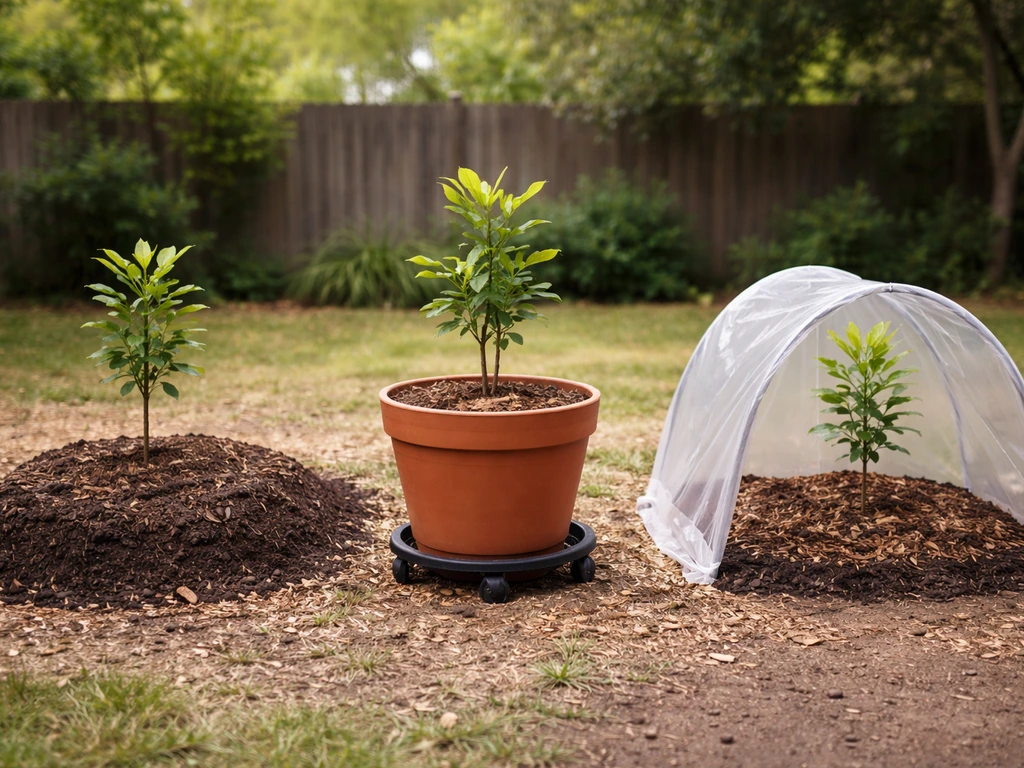
How you grow your macadamia should be driven almost entirely by your freeze risk and your long-term goals. There is no single right answer, but each approach involves real trade-offs.
In-Ground Planting
In-ground planting is the goal for serious growers in South Florida and protected Gulf Coast locations. Trees planted in the ground grow larger, produce more nuts, and require less intensive management once established. The downside is that you cannot move them when a hard freeze threatens. If you're in Zone 10 or a very protected 9b microclimate, in-ground is absolutely the way to go. In Central Florida, in-ground is viable but requires a freeze protection plan: frost cloth, holiday lights as a heat source underneath, or proximity to a structure or water body that moderates temperatures.
Container Growing
For North and North-Central Florida, containers are the most sensible option. You can move the tree into a garage or greenhouse when temperatures drop below 32°F and roll it back out once the cold snap passes. The trade-off is that container-grown trees stay smaller and produce fewer nuts, and they require more attentive irrigation and fertilization since they can't draw on surrounding soil resources. Use a large container (at least 25–30 gallons for a mature tree) and don't expect the same yields as an in-ground tree. That said, it's still entirely possible to get a container macadamia to produce a meaningful amount of nuts.
Protected Microclimates
Microclimates can shift your effective growing zone by half a zone or more. The USDA Plant Hardiness Zone approach is based on average annual minimum winter temperatures, which is why Florida microclimates and freeze patterns matter for macadamia survival blank" rel="noopener noreferrer">Microclimates can shift your effective growing zone by half a zone or more.. South-facing walls, proximity to a lake or large water body, urban heat islands, and overhead tree canopy cover all moderate nighttime lows. If you're in a borderline zone like 9a or 9b, siting your macadamia in a sheltered south-facing spot against a masonry wall can be the difference between tree survival and a dead tree after a hard January freeze.
Soil, Drainage, and Site Prep for Florida Conditions
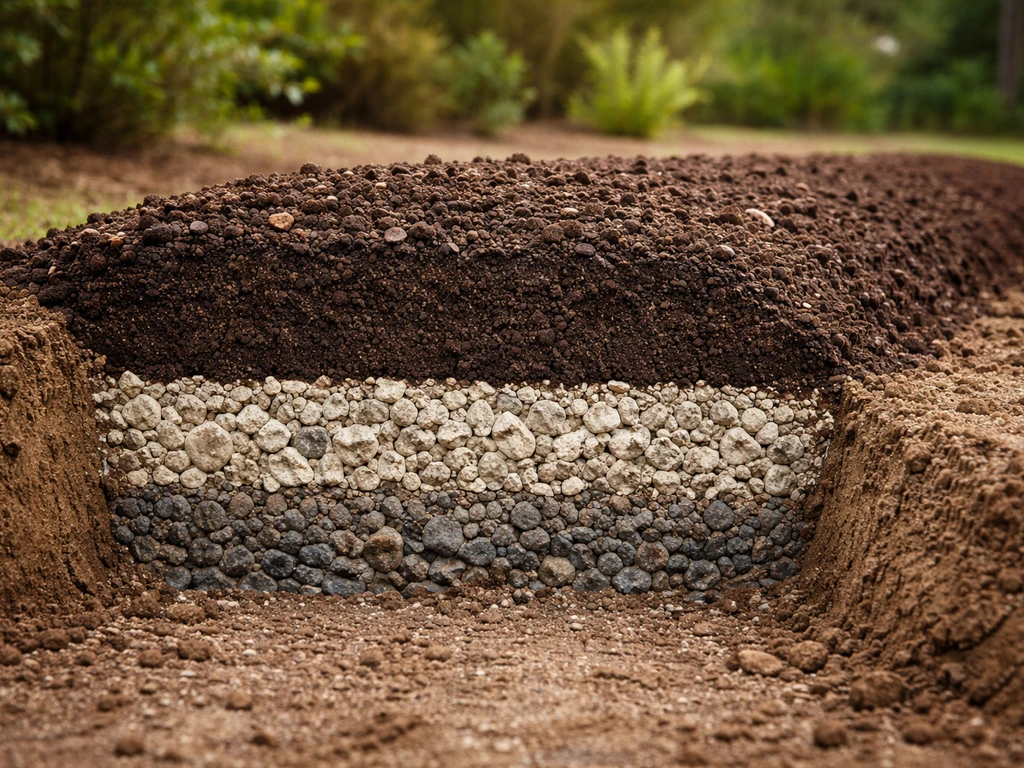
Macadamias are quite particular about drainage. They will not tolerate waterlogged soil, and Florida's heavy clay pockets, high water tables, and intense summer rainfall make drainage one of the most critical factors to sort out before you plant. Phytophthora root rot is a documented major problem in macadamia plantings and is directly linked to saturated soil conditions. If your site holds standing water after rain, you need to either choose a different location, build raised beds, or address drainage before planting.
The ideal soil for macadamias is well-drained, slightly acidic (pH around 5.0–6.5), and reasonably fertile without being overly rich in phosphorus. Florida's sandy soils are actually a reasonable fit for macadamias from a drainage standpoint, though they can be low in organic matter and nutrients. Amend sandy planting sites with quality compost to improve water retention and biological activity, but do not amend so heavily that you create a drainage-restricting bowl. A slightly elevated planting area, even just 12–18 inches above the surrounding grade, significantly reduces waterlogging risk in Florida.
Site selection should also account for wind exposure. Florida's hurricane season creates significant wind risk, and young macadamia trees are particularly vulnerable to wind damage. A site with some windbreak protection from structures or other trees is worth prioritizing, especially for the first few years of establishment.
Irrigation, Fertilization, Pruning, and Spacing
Watering
Macadamias need consistent moisture but hate sitting in water. In Florida, the wet season (roughly June through September) often provides sufficient rainfall, but you still need to monitor that roots are not drowning during prolonged wet spells. The dry season (October through May) requires supplemental irrigation, typically 1–2 inches of water per week during active growth periods. Drip irrigation is preferable to overhead watering as it keeps foliage dry and reduces fungal disease pressure.
Fertilizing
Macadamias are sensitive to high phosphorus levels, so avoid general-purpose fertilizers heavy in phosphorus. Use a balanced fertilizer formulated for tropical or subtropical fruit trees, applied in small, frequent doses rather than heavy single applications. In Florida's sandy soils, nutrients leach quickly, so a slow-release fertilizer combined with occasional liquid feeding works better than relying solely on granular applications. Micronutrient deficiencies, especially zinc, boron, and manganese, are common in Florida's alkaline pockets and should be addressed with foliar sprays if deficiency symptoms appear.
Pruning and Spacing
Macadamia trees naturally grow into large, spreading canopies reaching 30–40 feet in ideal conditions, though most Florida trees in home settings stay considerably smaller. For home orchards or food forests, spacing of 20–25 feet between trees is appropriate. For a more intensive setup where you plan to manage tree size through pruning, you can go tighter, but macadamias do not respond as readily to heavy pruning as some fruit trees, so aggressive size reduction is not advisable. Prune mainly to remove dead wood, improve airflow, and maintain a manageable canopy shape. Avoid heavy pruning right before or during flowering.
Pollination, Flowering, and the Long Wait for Nuts
Macadamias are partially self-fertile, but cross-pollination between two or more different varieties significantly improves nut set and overall yield. UF/IFAS also provides an EDIS (Extension) landing page for UF/IFAS Extension publications, which can help you link to the broader UF/IFAS knowledge base UF/IFAS EDIS Extension landing page. UF/IFAS Extension explicitly recommends planting at least two varieties for this reason. If you have space for only one tree, you may still get some nuts, but your yields will be noticeably lower. Bees are the primary pollinators, so a planting site with good bee activity is an asset.
Flowering in Florida typically occurs in late winter to spring, which unfortunately overlaps with the tail end of Florida's freeze risk window. As noted earlier, flower clusters are killed at 28°F, so a late cold snap can eliminate that year's crop entirely even if the tree is otherwise fine. This is one of the more frustrating realities of growing macadamias in borderline zones: you can do everything right and still lose a year's nuts to one bad February night.
In terms of timeline, expect to wait 4–5 years from planting before a grafted tree begins producing any nuts at all, and roughly 6 years before you see full production. Seedling-grown trees take even longer. This is not a short-term project. The green husk around each nut splits naturally as the nut matures and drops to the ground, which is your harvest signal. The inner shell is extremely hard, so you'll need a proper macadamia cracker or a vise to open the nuts.
Pests, Diseases, and Common Florida Growing Problems
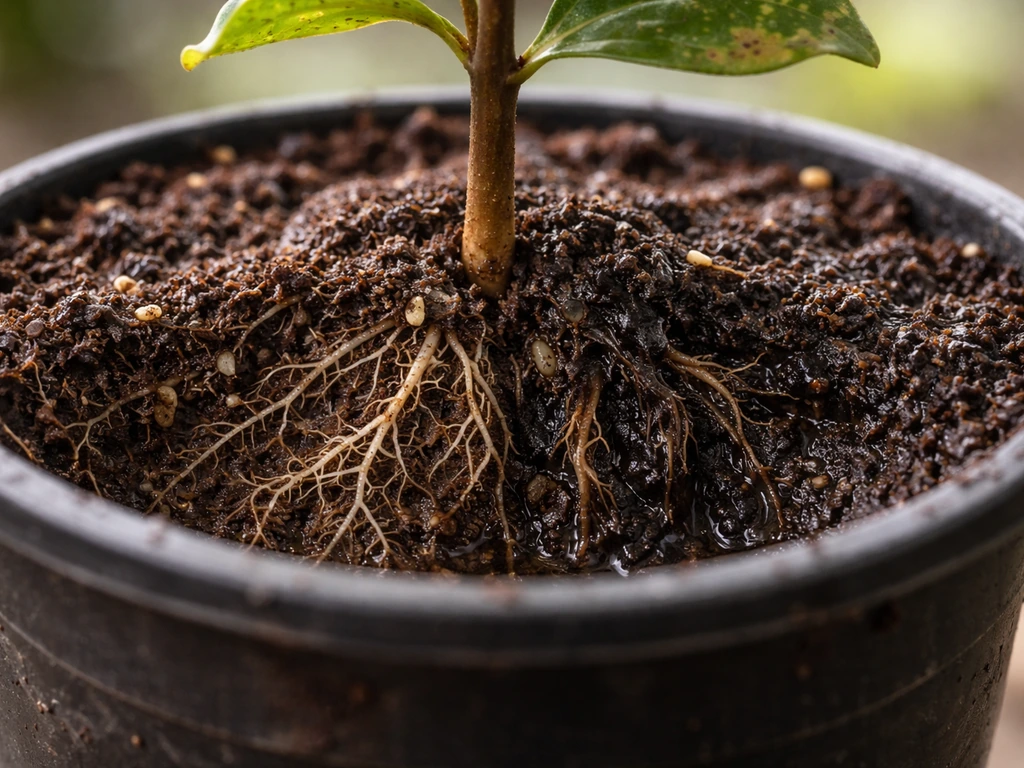
Florida's warm, humid climate creates a favorable environment for a range of fungal and pest issues. Here are the most important ones to watch for:
- Phytophthora root rot: This is the biggest disease threat. It's a water mold that thrives in saturated soil conditions, causing root and crown decay. Prevention through excellent drainage is far more effective than treatment. If you see sudden wilting, yellowing foliage, and decline after wet periods, Phytophthora should be your first suspect. Fungicide drenches containing phosphonate compounds can help, but a poorly drained site will keep reinfecting the tree.
- Macadamia felted coccid and other scale insects: Scale can build up on stems and foliage, weakening trees over time. Horticultural oil applied according to label directions during appropriate temperature windows manages scale effectively.
- Stink bugs and other fruit-piercing insects: These can damage developing nuts. Physical exclusion and targeted spraying during nut development can reduce losses.
- Anthracnose and other fungal leaf diseases: Florida's humidity makes fungal leaf diseases more common. Good airflow through pruning and avoiding overhead irrigation reduces pressure. Copper-based fungicides are a standard management tool.
- Nutrient deficiencies: Florida's sandy, often low-pH or high-pH soils lead to common deficiencies in zinc, boron, and manganese. Yellowing patterns in leaves (interveinal chlorosis, marginal burn) are the early signs. Foliar micronutrient sprays correct deficiencies faster than soil amendments.
- Wind and hurricane damage: Young trees are especially vulnerable. Stake and protect newly planted trees through at least the first two hurricane seasons.
What to Realistically Expect and Your Next Steps
Here's the bottom line on harvest expectations by region: In South Florida (Zone 10+), a well-sited, grafted macadamia tree has a genuine shot at producing meaningful quantities of nuts by year 5–6 and continuing to improve for years beyond that. That is why knowing where macadamia nuts grow is helpful for setting expectations about climate, freeze risk, and how much management you will need. On the Gulf Coast around Sarasota or Naples, success is very achievable with good site selection. In Central Florida, you'll likely get nuts in favorable years but expect freeze-related crop losses in some years. In North Florida, edible nut production in-ground is a long shot, and containers with winter shelter are the more honest approach.
Is it worth it versus alternatives? Macadamias are not the easiest subtropical nut to grow in Florida. Pecans do well across much of North and Central Florida. In South Florida, canistel and other tropical nuts might be lower-effort options. But if you specifically want macadamias, there is a real and documented path to success in the right Florida locations, as the food forest examples in Sarasota County demonstrate. You're committing to a 5–6 year minimum before meaningful nut production, so make sure your site, zone, and motivation are aligned before planting.
Macadamia is also commercially grown in Hawaii, where conditions are more consistently ideal, which gives some useful context about just how different the growing environment needs to be for peak production. Florida can get you there, but it requires more active management. If you're curious about what else grows alongside macadamias, see what nuts grow in Hawaii and how they compare to Florida conditions.
Your Practical Next Steps
- Look up your exact USDA hardiness zone and, more importantly, check your county's historical freeze records for the last 20 years. One hard freeze per decade matters differently than one hard freeze per three years.
- Walk your property and identify your warmest, most protected microclimate: south-facing walls, near water, sheltered from north winds. That's where your macadamia goes.
- Assess drainage by digging a hole 12 inches deep and filling it with water. If it drains in under an hour, you're in good shape. If it takes several hours or more, you need raised beds or a different site.
- Source a grafted M. tetraphylla or a cold-tolerant hybrid from a reputable Florida subtropical nursery. Ask specifically about cold performance in your zone.
- Plan to plant two different varieties at least 20 feet apart to enable cross-pollination and improve your nut yield.
- Set up drip irrigation before planting, especially if you're in a sandy soil area that dries out quickly in the dry season.
- Prepare a freeze protection kit: frost cloth large enough to cover your young tree, and a string of incandescent holiday lights to provide heat underneath the cloth on cold nights.
- Set a calendar reminder for year 4 to start watching for flowering. Keep notes on what temperatures occur during bloom so you can correlate freeze events with crop loss and plan accordingly.
FAQ
Can I grow macadamia nuts in Florida from seeds instead of buying a grafted tree?
Yes, but it usually is not the most realistic route for Florida if your goal is a reliable nut harvest. Seedlings are slower to start and can vary a lot in cold tolerance and nut quality, so Florida growers generally have better odds with grafted cultivars that have already shown performance in subtropical or borderline-tropical climates.
If my macadamia tree survives a freeze, will I still get nuts that year?
In Florida, survival does not equal production. Many people can keep a macadamia alive through winter, yet lose the crop because bloom and developing flower clusters are killed around 28°F. If you do not have a plan to protect flowering periods, you may get nuts only in the years when February nights stay warm enough.
Is container growing enough to grow macadamias in North Florida?
For most home growers in North or North-Central Florida, the deciding factor is whether you can consistently move the plant and keep it protected during cold snaps. Use a large container, plan on bringing it indoors or into a greenhouse when temperatures approach 32°F, and avoid letting it sit outdoors unprotected during late-winter cold waves when flowering overlap happens.
What should I prioritize first in Florida, warmth or drainage?
Use a sheltered south-facing site whenever possible, but do not rely on warmth from a wall alone. If standing water occurs after storms, your tree is at serious risk for root rot, so drainage must come first (raised bed or improved grading) even if the location is otherwise perfect for temperature.
Why do I need to avoid high-phosphorus fertilizer for macadamias in Florida?
Watch your phosphorus carefully, especially if you use lawn fertilizer or fruit tree mixes that are “high P.” Macadamias are sensitive to excessive phosphorus, and Florida’s leaching sandy soils can make nutrient plans feel inconsistent if you over-apply. If you can, base adjustments on soil testing rather than guesswork.
Can I plant macadamias in Florida clay soil?
It can, so long as the tree stays very well-drained and you manage wet-season saturation. Raised planting slightly above grade (even 12–18 inches) and avoiding any area where water pools after rain are usually the difference between healthy growth and chronic root issues.
Do macadamias need two different varieties in Florida to produce nuts?
You can, and cross-pollination is often what pushes yields higher. If you only have one tree, you may still get some nuts, but placing a second, different variety nearby can significantly improve nut set. If space is limited, consider whether you can keep two compatible cultivars within the same general microclimate.
How long will it take before my Florida macadamia tree produces meaningful nuts?
Be prepared for slow progress. A grafted tree often takes about 4–5 years before it produces any nuts, and closer to 6 years for full production. If you need results sooner, macadamias are usually not the fastest subtropical nut to start with.
What irrigation practices help prevent fungal problems in Florida?
Yes. Macadamias can take on fungal issues in Florida’s warm humidity, and overhead watering tends to make it worse by keeping foliage wet longer. Drip irrigation that targets the root zone, plus pruning only to improve airflow (not to drastically reshape right before flowering), reduces many preventable problems.
Do I need to worry about wind damage as much as cold in Florida macadamia planting?
You will want to protect young trees from wind, not just cold. In Florida’s hurricane season, wind damage can set growth back for years, and young macadamias are especially vulnerable. A temporary windbreak and proper staking for the first couple of years can reduce early losses.
How can I plan for freeze protection during macadamia flowering in Florida?
Yes, because what you need is not only a low-temperature threshold, but whether it hits during flowering. Since flower clusters are killed around 28°F, track your local forecasts during late winter and have materials ready (frost cloth and an indoor or sheltered option for containers). One cold night during bloom can cost an entire year’s crop.
When is the right time to harvest macadamias in Florida, and how do I crack them?
If your goal is nuts that you can crack efficiently, plan on using a purpose-built macadamia cracker and expect the shell to be extremely hard. Harvest timing also matters, the nut typically drops when the green husk splits, and waiting for that natural signal helps reduce broken or poorly developed kernels.