Hawaii can grow several nut-bearing trees, but the list is shorter than most people expect, and which ones will actually produce for you depends heavily on your island, your elevation, and how much rainfall your property gets. If you are also trying to figure out which countries grow macadamia nuts, use the same logic: climate, rainfall, and elevation drive where this tree can reliably produce.
What Nuts Grow in Hawaii: Best Varieties and How to Grow Them
Marcus Hendricks
19 Apr 2026
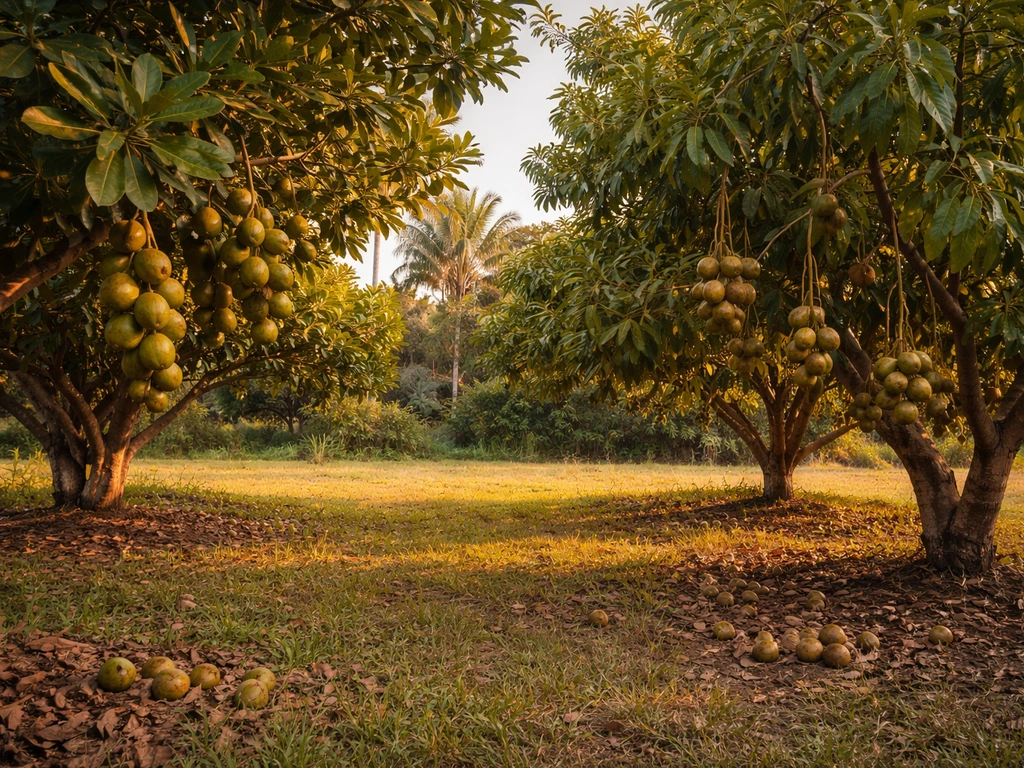
The two trees you will realistically encounter most often are macadamia (the commercial and backyard staple) and kukui, the candlenut that Polynesian settlers brought centuries before anyone else arrived. Beyond those two, cashew, tropical almond, and a handful of other species can fruit in certain Hawaiian microclimates. Here is what you need to know to figure out which ones make sense for your situation.
Nuts native vs introduced in Hawaii
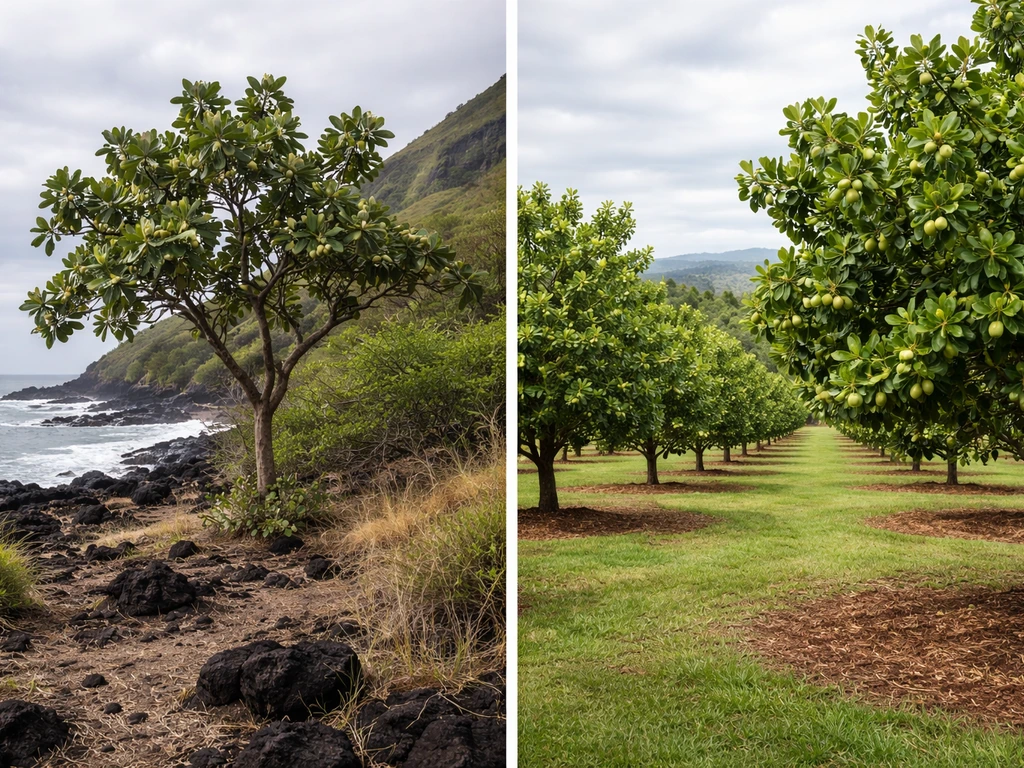
Technically, no nut tree is truly native to Hawaii in the strict botanical sense. The islands have no indigenous nut-producing tree that evolved there. What Hawaii has instead is two categories: Polynesian introductions that arrived with the first settlers and have been established for over a thousand years, and post-Western introductions brought in by botanists, farmers, and agricultural agencies over the last two centuries.
Kukui (Aleurites moluccana), also called candlenut, sits in the first category. It was brought to Hawaii by Polynesian settlers as a canoe plant and has been growing on all the main islands long enough that most people treat it as native. It is now so widespread that it is Hawaii's state tree. Its origins trace to tropical Asia (probably Malaysia), but for practical growing purposes, kukui is a fully established Hawaiian tree.
Macadamia is the dominant introduced nut crop. It originated in subtropical rainforest areas of Australia and was introduced to Hawaii in the late 1800s. Today it is the foundation of Hawaii's commercial nut industry, with 2023 utilized production reaching 36.8 million pounds. Cashew (Anacardium occidentale) and tropical almond (Terminalia catappa) are also introduced species that can fruit in the right Hawaiian conditions, though neither has anything close to the commercial or backyard presence of macadamia.
Top nut trees that can fruit in Hawaii
Not every nut tree you can plant in Hawaii will actually produce consistently. Here are the species with a realistic track record of bearing fruit in the islands, along with where they tend to do best.
Macadamia (Macadamia integrifolia and M. tetraphylla hybrids)
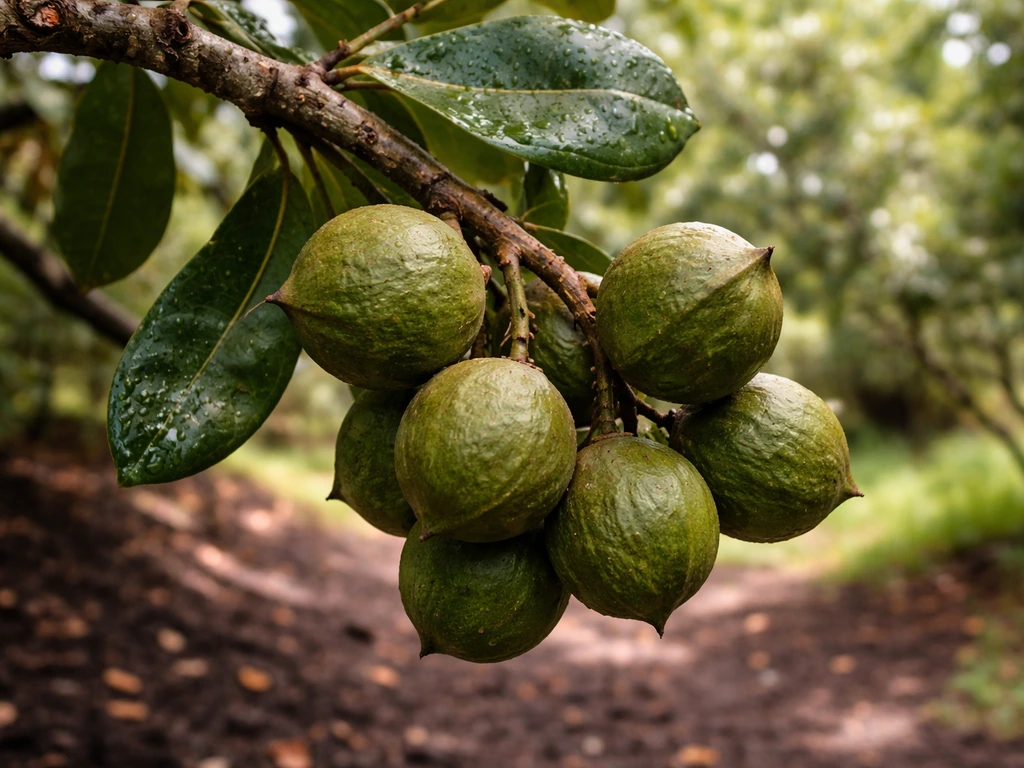
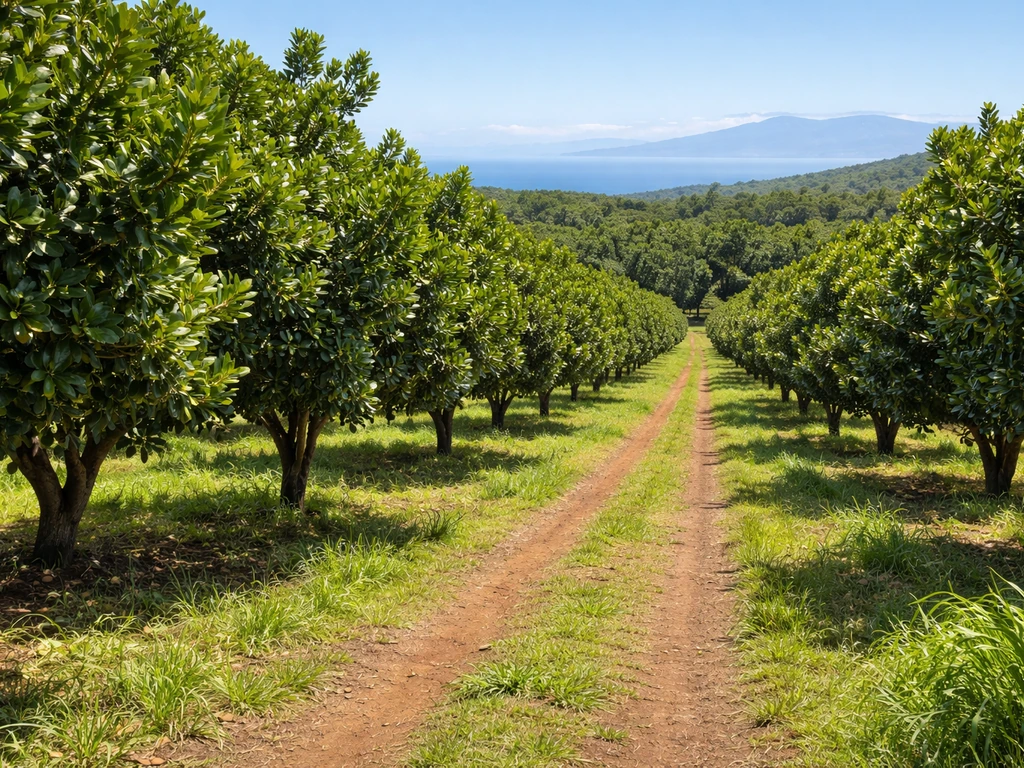
Macadamia is the most productive and well-studied nut tree for Hawaii growers. It performs best on the Big Island, particularly in the Kona, Ka'u, and Puna districts, where volcanic soil, reliable rainfall, and appropriate elevations align perfectly. If you are wondering where macadamia nuts grow best, focus on Hawaii’s warm, reliably rainy districts like Kona, Kaʻu, and Puna the Kona, Ka'u, and Puna districts.
If you are wondering where macadamia nuts grow, most of the best production in Hawaii comes from the Big Island where rainfall and volcanic soils match the tree’s needs. Oahu has research station plantings and some backyard production. Maui and Kauai can support macadamia where rainfall and elevation conditions match. The tree produces best between roughly 500 and 1,000 feet of elevation, though it can grow from sea level up to about 2,500 feet.
The sweet spot is where you get enough moisture without the cold or excessive wind that higher elevations bring.
Kukui / Candlenut (Aleurites moluccana)
Kukui grows on all the main Hawaiian islands from sea level up to about 2,000 feet and tolerates a wide rainfall range of roughly 25 to 170 inches per year. It is not a commercial nut crop, but it does produce oily, walnut-sized seeds that were historically used for food, medicine, and torchlight. Kukui grows readily, almost aggressively, which is why it shows up in moist valleys and disturbed areas all over the state. If you have a kukui on your property, you will not struggle to get nuts from it. The main limitation is that the nuts are not edible raw and require processing, so this is more of a heritage or specialty crop than a snack tree.
Cashew (Anacardium occidentale)
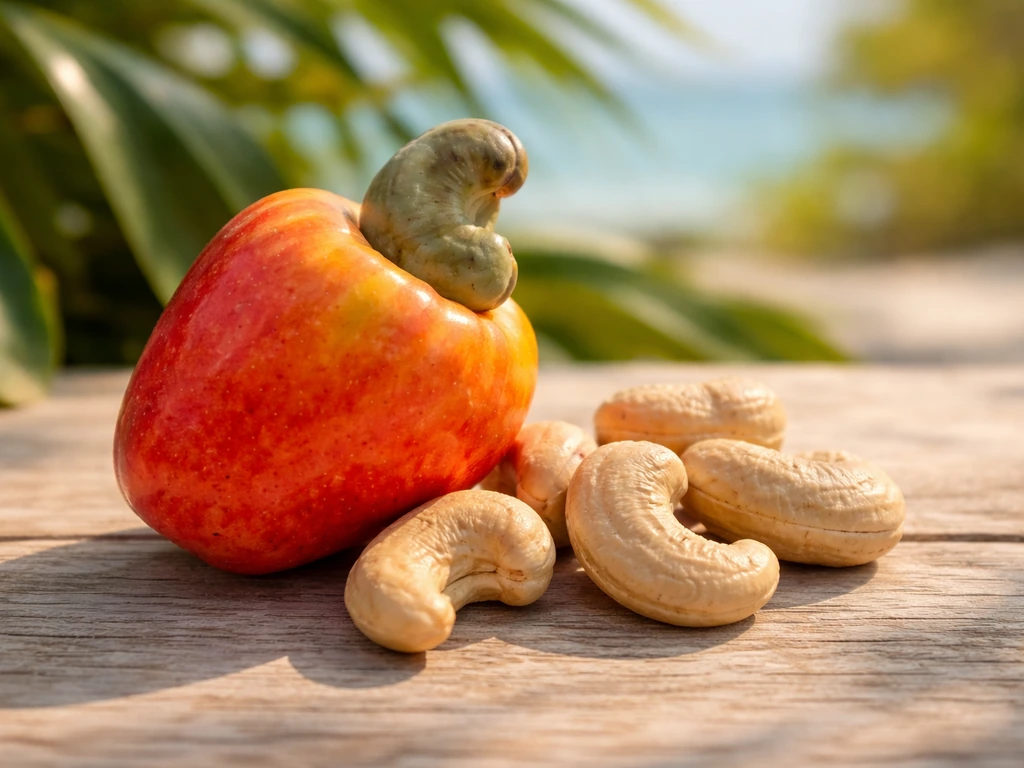
Cashew can fruit in Hawaii's warmer, drier coastal zones, particularly on the leeward sides of islands where temperatures stay consistently warm and rainfall is moderate rather than heavy. It is not widely grown, and the Hawaii Department of Agriculture has flagged significant disease and pest challenges with cashew production in the state. Think of it as a viable but high-maintenance option for growers in the right location who are willing to manage problems proactively.
Tropical almond (Terminalia catappa)
Tropical almond is a coastal tree common throughout Hawaii as a landscape and shade species. The seeds inside the fruit are edible and have an almond-like flavor, though the effort to extract them is significant. It tolerates salt spray and poor soils better than most nut trees, making it worth mentioning for coastal properties where other nut species would struggle.
Climate and site requirements
Hawaii's variability is what makes this complicated. You can have two properties five miles apart with dramatically different rainfall, wind exposure, and soil conditions. Getting climate and site right matters more here than almost anywhere else in the U.S.
| Tree | Rainfall (inches/year) | Elevation range | Soil preference | Chilling hours needed |
|---|---|---|---|---|
| Macadamia | 60–120 | Sea level to ~2,500 ft (best: 500–1,000 ft) | Well-drained, volcanic loam preferred | None (tropical) |
| Kukui (Candlenut) | 25–170 | Sea level to ~2,000 ft | Adaptable, tolerates disturbed soils | None (tropical) |
| Cashew | 40–80 (prefers dry season) | Sea level to ~1,000 ft | Sandy loam, well-drained | None (tropical) |
| Tropical Almond | 40–120 | Sea level to ~500 ft | Sandy, coastal soils tolerated | None (tropical) |
None of the nut trees that grow well in Hawaii require chilling hours, which is actually a major advantage over continental U.S. climates. What they do need is adequate warmth, appropriate moisture, and good drainage. Macadamia in particular dislikes waterlogged soil, and its flowers and developing nuts are vulnerable to fungal issues if wet weather persists during the critical flowering and nut-set period. The same type of site and moisture planning answers the question can you grow macadamia nuts in Florida, but success depends on matching the right climate conditions. Relatively dry weather during flowering helps prevent the nut abortion that fungi can trigger.
Wind is a significant site factor that often gets underestimated. Trade wind exposure on the windward sides of islands can damage macadamia flowers and young nuts, and it stresses cashew trees. Windbreaks or naturally sheltered slopes on the leeward side of a ridge are often what separates a productive macadamia orchard from a disappointing one. Sun exposure should be full for all of these species. Partial shade will reduce yields noticeably.
Soil drainage is non-negotiable for macadamia. The volcanic soils of the Big Island's Kona and Ka'u districts are naturally porous and excellent for this. On other islands or in lower-lying areas, check that water does not pool at the planting site after rain. Raised planting mounds or berms can help in marginal spots.
How Hawaii nut crops are actually grown
Planting and spacing
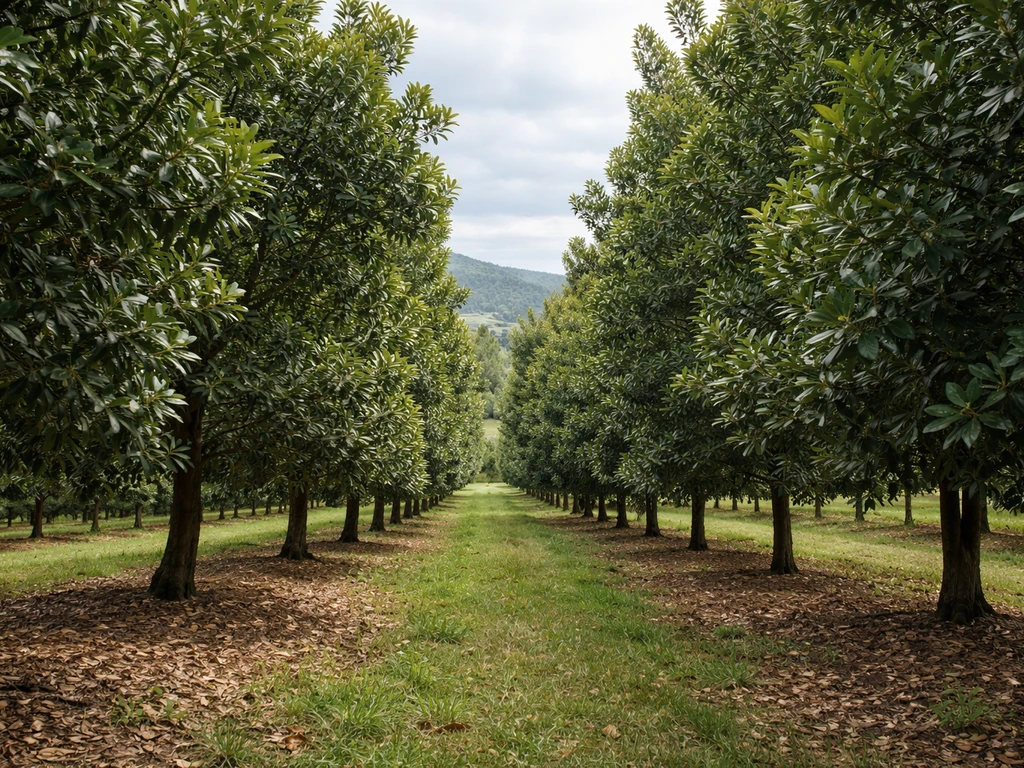
Macadamia trees in commercial Hawaiian orchards are typically planted at spacings that allow good air circulation and equipment access, often in the range of 20 by 20 feet or wider. For backyard situations, give each tree at least 20 feet from structures or other large trees. Kukui is traditionally planted at roughly 10 by 10 feet in landscape establishment contexts, though mature trees can spread considerably wider, so plan for that eventual canopy. Cashew needs at least 20 to 25 feet between trees.
Plant grafted macadamia trees rather than seedlings if you want predictable production. Seedling macadamias can take 10 to 12 years to bear and produce inconsistently. If you are wondering can you grow macadamia tree from nut, the key takeaway is that growers usually get better, earlier results from grafted macadamia rather than starting from seed. Grafted varieties typically begin producing in 5 to 7 years and have known performance characteristics. Kukui is commonly grown from seed, which germinates in roughly a month under good conditions.
Pollination
Macadamia has self-incompatibility in many of its cultivars, meaning a single tree may not set a full crop on its own. Cross-pollination between two or more compatible varieties significantly improves nut set. In practice, this means planting at least two different macadamia varieties if you want reliable production from a backyard planting. Commercial orchards in Hawaii rely on bees and other pollinators moving between trees. Cashew and tropical almond are generally self-fertile but also benefit from insect activity.
Fertilizing and ongoing care
Macadamia in Hawaii's commercial operations is typically fertilized multiple times per year to support the tree's long and overlapping cycles of flowering, nut development, and shoot growth. Pruning is done to manage canopy height and improve light penetration. Under-row weed management, using mowing and targeted herbicides, is standard practice in established orchards. For backyard growers, a balanced fertilizer applied three to four times per year and routine mulching around the base are the most important maintenance tasks. Kukui is comparatively low-maintenance once established and rarely needs fertilizing in Hawaii's naturally fertile volcanic soils.
Harvesting and storing your nuts
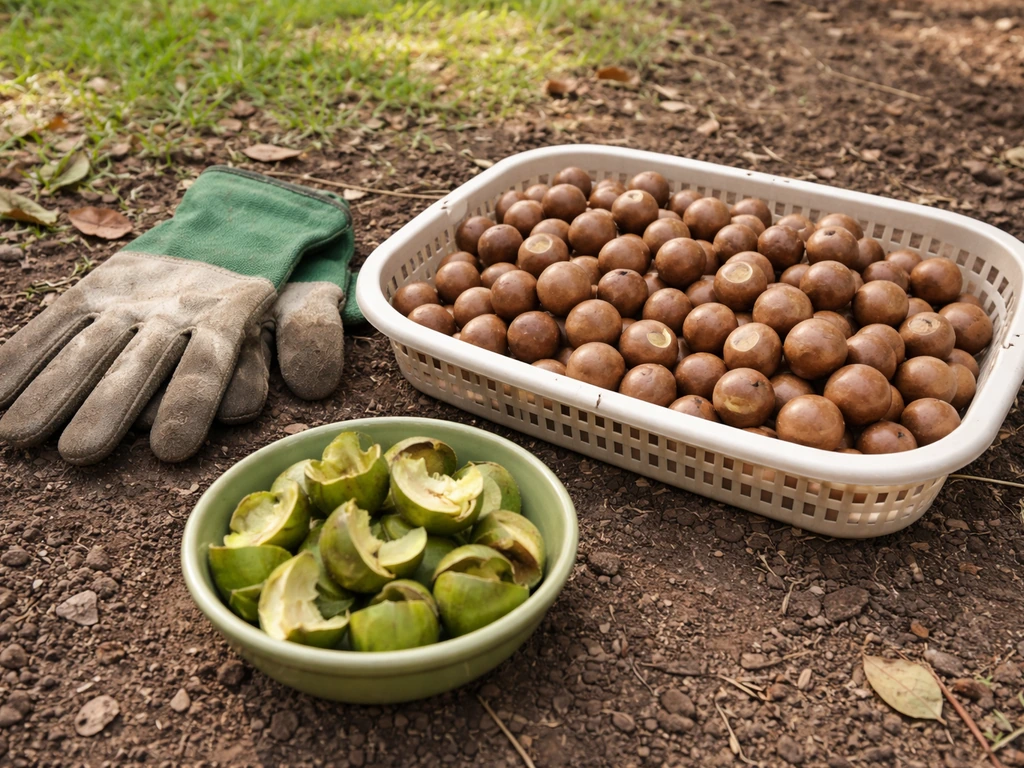
Macadamia nuts in Hawaii are typically harvested by collecting nuts that have fallen naturally to the ground rather than picking from the tree. The outer green husk splits and the nut drops when it reaches maturity. Harvesting off the ground rather than from the canopy is both practical and produces better quality nuts. In commercial operations, mechanical sweepers collect fallen nuts, but for a backyard tree, walking and collecting every week or two during the peak season (which can run from late summer through winter depending on variety and location) is the standard approach.
Once collected, remove the outer husk within 24 hours of harvest. After dehusking, the nuts need to be dried down from their initial moisture content of around 45 percent to approximately 1.5 to 5 percent for storage and processing. This is typically done by spreading the nuts in a warm, well-ventilated area for several weeks. Under-dried macadamia nuts will mold in storage; properly dried ones in an airtight container will keep for months to a year.
Kukui nuts require a different approach. The seeds contain toxic compounds in their raw state and should not be eaten without proper traditional processing. Roasting and preparation methods vary and are tied to Hawaiian cultural practice. If you are processing kukui for oil or lei-making, freshness matters because the oil content changes as nuts age.
Cashew harvest in Hawaii follows the same basic principle: collect the apple-and-nut fruit when it drops or when the apple turns red, then remove the outer shell very carefully. Cashew shells contain urushiol, the same irritating compound found in poison ivy, and should never be cracked or processed by hand without gloves. Roasting drives off the irritant. This processing step is not optional and is one reason cashew is more of a specialty project than a casual backyard crop.
Common challenges and how to troubleshoot them
Pests to know about
The tropical nut borer (Hypothenemus obscurus) is one of the most serious macadamia pests in Hawaii. This tiny beetle bores directly into the developing nut, and because of how it operates inside the nut shell, chemical treatment is largely impractical. Management relies mostly on cultural practices: collecting and disposing of fallen or damaged nuts promptly to reduce the beetle population, and maintaining orchard sanitation. The narrow window during which the nut is vulnerable to entry means timing matters, but there is no reliable spray option that solves this one.
Southern green stink bug (Nezara viridula) is another documented macadamia pest in Hawaii. Research has shown that feeding damage from this bug significantly increases nut abortion rates, particularly in smaller developing nuts in the 10 to 28 mm diameter range. If you see a lot of premature nut drop combined with dimpled or discolored shells, stink bug feeding is worth investigating. Rats are also a real issue in Hawaiian macadamia orchards, causing significant crop losses. Rodent bait stations around the orchard perimeter are a standard part of commercial operations and worth using in larger backyard plantings.
Cashew in Hawaii faces significant fungal disease pressure, including dieback and decline that the Hawaii Department of Agriculture has specifically highlighted. Anthracnose and other fungal pathogens thrive in the humidity that many Hawaiian growing zones provide, and this is a core reason cashew is not widely grown commercially in the state. If you are attempting cashew, choose the driest appropriate site you have, ensure excellent air circulation, and be prepared to monitor and manage fungal problems from the start.
Bearing problems and delays
The most common complaint from backyard macadamia growers is trees that simply do not produce well. In most cases, the root cause is one or more of the following: a seedling-grown tree (which may take over a decade and never be truly productive), inadequate cross-pollination from planting a single variety, poor drainage leading to root stress, or a site where rainfall is either insufficient or where wet flowering periods cause consistent nut abortion. Evaluate each of those factors before concluding your tree is a lost cause. A grafted tree on a well-drained site with a second variety nearby will almost always outperform a seedling tree planted without these considerations.
Staying current on pest threats
Hawaii's biosecurity situation means new pest and disease threats can emerge. The Hawaii Department of Agriculture's Plant Pest Control Branch issues New Pest Advisories that are worth checking periodically, and USDA APHIS maintains a Hawaii-specific pest information resource. For any nut crop, knowing what is currently active in your area is part of responsible management, not just a one-time setup concern.
Choosing the right nut tree for your exact location
Here is the practical decision process to narrow down your options based on where you actually are in Hawaii.
- Determine your elevation. If you are above 2,500 feet, realistic nut options narrow sharply. Macadamia becomes marginal above 2,000 feet. If you are between 500 and 1,500 feet with adequate rainfall, macadamia is your strongest choice.
- Check your annual rainfall. Macadamia wants 60 to 120 inches per year. If you are on a dry leeward coast getting under 40 inches, cashew or tropical almond are better fits. If you are somewhere in between, evaluate whether irrigation can bridge the gap for macadamia.
- Assess your wind exposure. Persistent trade wind exposure on windward slopes is a meaningful yield limiter. A naturally sheltered or leeward site, or one where you can install a windbreak, will produce better results.
- Evaluate your soil drainage. Dig a hole about 12 inches deep, fill it with water, and watch how fast it drains. If water sits for more than an hour, you have a drainage issue that will hurt macadamia and cashew. Either select a better-drained spot or plan to build raised planting mounds.
- Decide on seedling vs grafted stock. For macadamia, always choose grafted trees of known varieties. Contact the University of Hawaii's College of Tropical Agriculture and Human Resources (CTAHR) for current variety recommendations, as performance data on specific cultivars in Hawaiian conditions is updated regularly.
- Plan for cross-pollination. If planting macadamia, put in at least two different varieties, placed no more than 50 to 75 feet apart so pollinators can move between them effectively.
- Visit a CTAHR extension office or research station. Hawaii has research station plantings that demonstrate what actually grows in various island conditions. Seeing mature trees and talking to extension agents about your specific district (Kona, Puna, Kula, etc.) will give you more useful guidance than any general resource, including this one.
If macadamia is on your radar and you are curious about how it performs beyond Hawaii or elsewhere in the Pacific, the species has a documented global range worth understanding. Similarly, if you are comparing Hawaii to other island growing environments, the conditions that support nut crops in places like New Zealand offer an interesting contrast, since that climate requires cold-hardy species that would not survive a Hawaiian winter at all. In New Zealand, what nuts grow well depends on finding cultivars that match the cooler temperatures and your local rainfall patterns places like New Zealand.
The honest summary: macadamia is the nut tree with the deepest track record and best-understood growing requirements in Hawaii. If you are wondering do macadamia nuts grow in hawaii, the honest summary is that macadamia is the nut tree with the deepest track record and best-understood growing requirements in Hawaii. If you are considering planting macadamia, you can grow them only if your climate and drainage match the tree’s needs can i grow macadamia nuts.
Kukui is effortless if you accept it for what it is, a heritage crop rather than a snacking nut. Cashew is doable on the right dry leeward site but demands more management than most backyard growers expect. Start with macadamia in the right location, get your site conditions right before you plant, buy grafted trees, and you will have a realistic path to actual production within five to seven years.
Macadamia can be grown outside Hawaii too, so if you are wondering, can you grow macadamia nuts in Florida, it helps to compare Florida’s heat, rainfall, and cold risk to the tree’s site needs.
FAQ
What nuts grow in Hawaii that are most likely to produce if I plant at home?
In most home situations the practical answer is “macadamia and kukui.” Cashew and tropical almond can fruit in specific coastal microclimates, but they are far less reliable statewide than the two main trees mentioned.
How do I tell if my specific yard is suitable for nuts like macadamia or kukui?
A lot depends on where you land, but for macadamia the safest backyard starting point is a warm site with no standing water after rain, decent air movement, full sun, and placement that avoids wind hitting the canopy during flowering. If your yard stays wet, stays cool at night, or regularly sees salt-laden wind, nut set will suffer even if the tree survives.
Can I grow macadamia in Hawaii with only one tree?
For backyard macadamia, plan on cross-pollination by having at least two compatible macadamia varieties flowering at the same time. If you only plant one cultivar, you can get foliage and occasional nuts, but you often miss the consistent production you expected.
Are kukui nuts edible, and if not, what’s the practical workaround?
Kukui can be a fast producer, but raw seeds are not a casual snack. If your goal is edible nuts without processing, kukui is usually not the right fit, and you will likely want to focus on macadamia.
What happens if my macadamia site stays too wet during the rainy season?
Macadamia typically performs best with good drainage and a dry-ish flowering period. If your area has frequent persistent rain during flowering and nut set, you may need to rethink the site or build drainage measures (raised mounds, slope away from the trunk, avoid low pockets).
How far should I space nut trees and why does spacing matter in Hawaii?
A casual but common mistake is planting too close to other trees or structures, which reduces light and air flow and can worsen fungal stress. If you are planting macadamia, keep a full-sun planting space and give enough room for canopy size, irrigation, and easy cleaning of fallen nuts.
Is it better to buy grafted macadamia trees or grow from a nut?
Yes for macadamia if you want predictable timing and yield. Seedling trees can take much longer to bear and can vary in production, even when they grow well.
My macadamia tree grows but doesn’t produce well. What are the most likely causes?
If your macadamia sheds developing nuts early, look first at drainage (root stress), wet weather during flowering (fungal-driven nut abortion), and wind exposure (flower damage). Only after checking those site and weather factors should you troubleshoot fertilizer or “tree age.”
What are the key mistakes to avoid when harvesting and drying macadamia nuts?
For backyard growers, the most important harvest step is dehusking soon after nuts fall (within about a day) and then drying in a warm, well-ventilated area to the storage-safe moisture range. Skipping or rushing drying is a common reason macadamias mold in storage.
What pest management should I plan for, especially on macadamia?
Check Hawaii-specific pest advisories before planting and then use sanitation as your baseline defense. For macadamia, fallen nut cleanup is especially important because the nut borer develops inside the nut and sprays are often ineffective for that life stage.
If I want to attempt cashew in Hawaii, what is the biggest success factor?
Cashew is the most likely “it might fruit, but it is not simple” option. If you try it, choose the driest appropriate leeward coastal spot you have, prioritize airflow, and be ready for fungal monitoring from the start because problems can escalate under humidity.