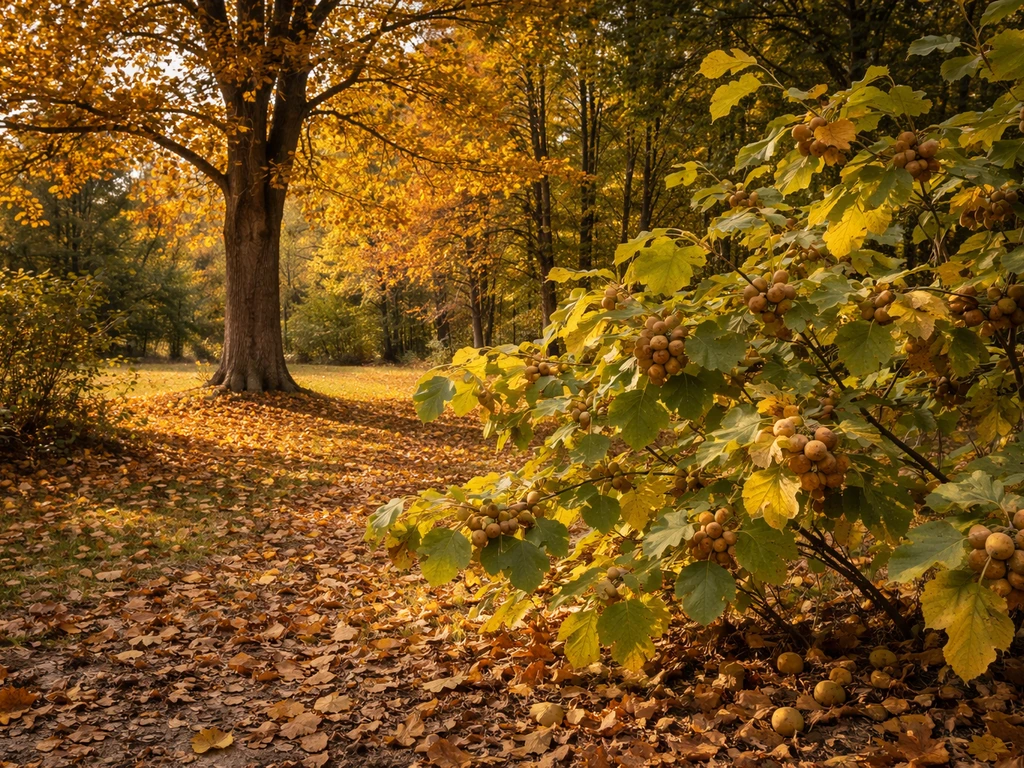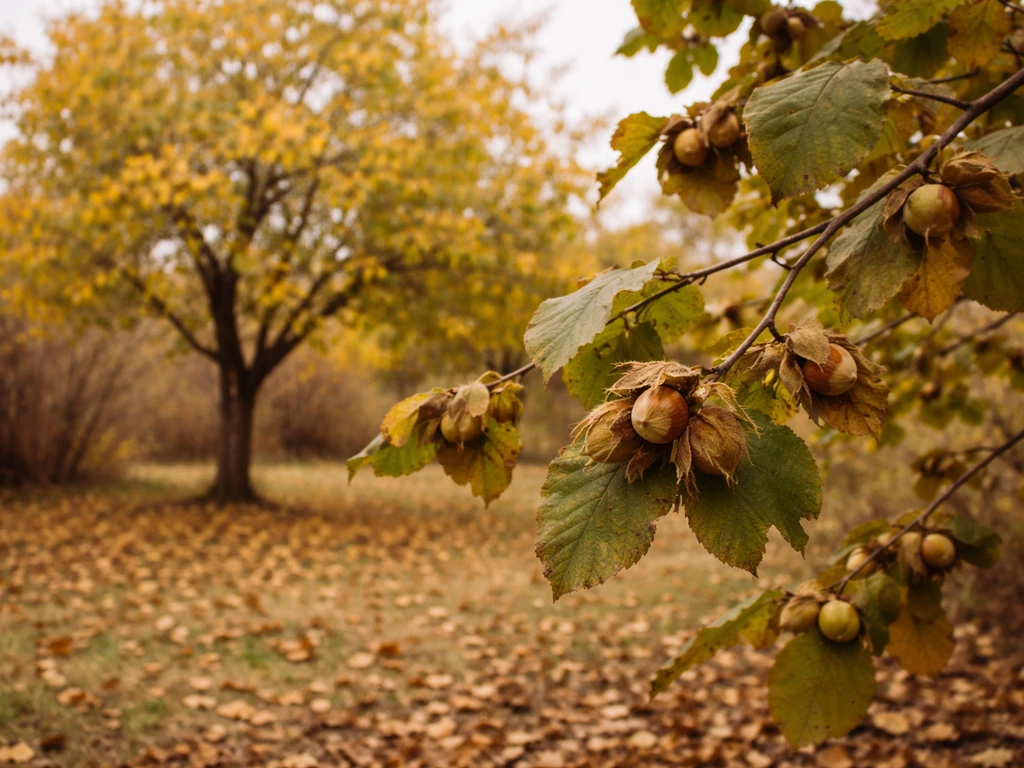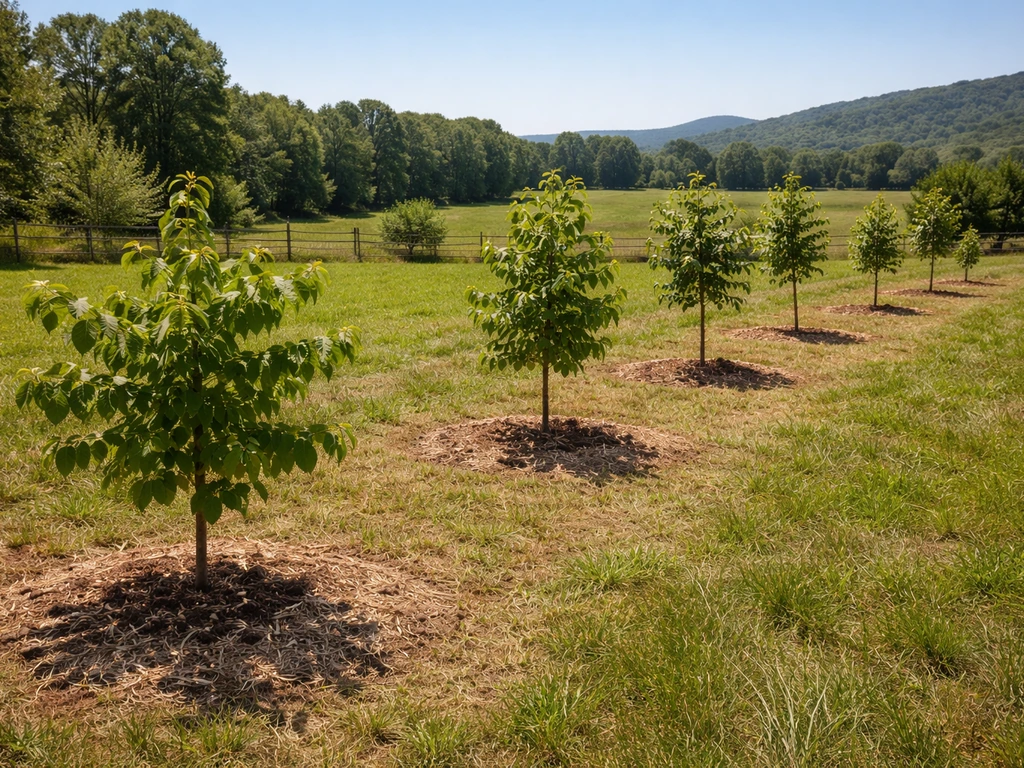
The most reliable nut trees for Colorado are hazelnuts, black walnuts (in lower-elevation areas with caution about disease), and Chinese or hybrid chestnuts. On the warmer Front Range and in protected valley microclimates, you can also push into almonds and butternuts. If you're above 7,000 feet or in a cold mountain zone, your realistic shortlist shrinks fast, and you'll be working hard just to get a tree to survive winter, let alone produce nuts.
What Nut Trees Grow in Colorado Best Picks by Region
Marcus Hendricks
23 Apr 2026
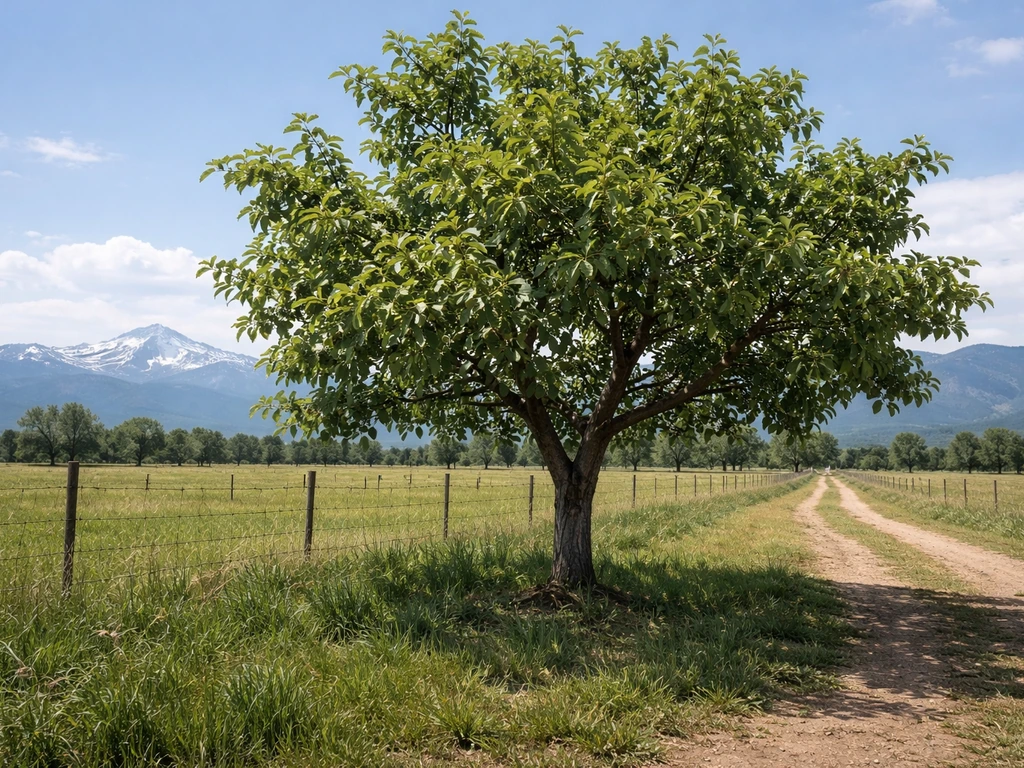
Colorado's climate reality: zones, elevation, and microclimates
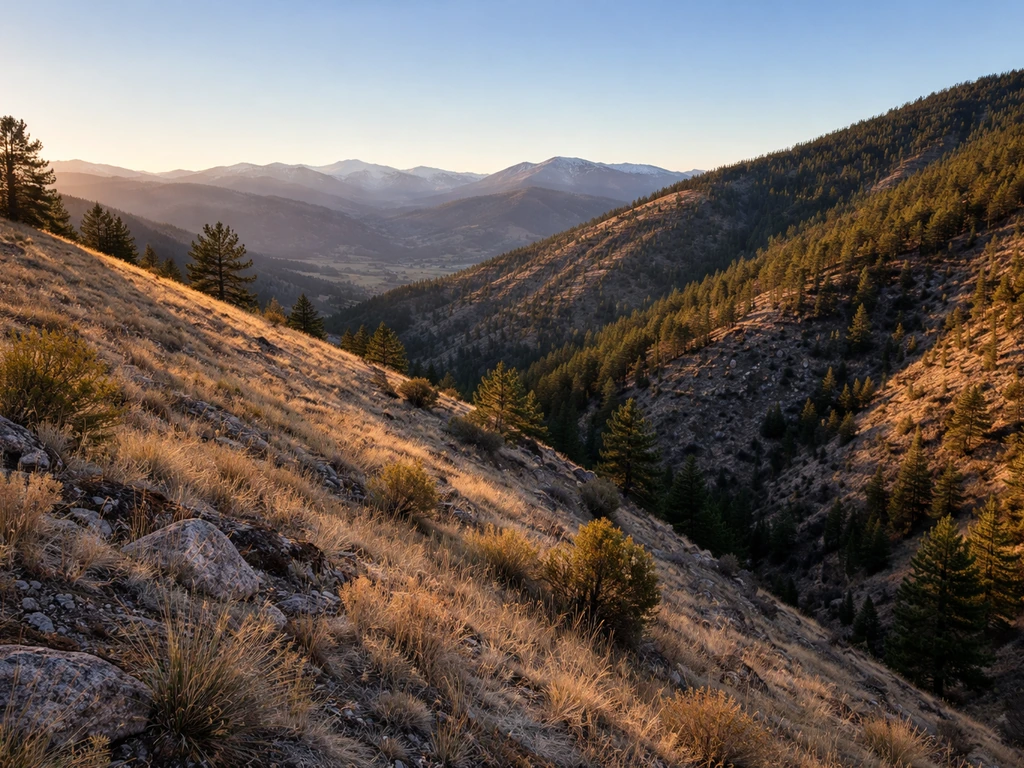
Colorado spans USDA hardiness zones roughly 3 through 7, depending on where you are. The Front Range cities like Denver, Fort Collins, and Pueblo sit in zones 5b to 6b, which opens up a decent range of nut trees. Hop up to mountain towns above 7,000 or 8,000 feet and you're in zones 3 to 4, where the conversation changes entirely. Even within a single elevation band, microclimates matter enormously. CSU Extension emphasizes that a south-facing slope can be dramatically warmer and drier than a north-facing one just across the same ridge, and thermal mass from rock walls or dark rock mulch can meaningfully raise soil and air temperatures around a tree.
The other thing USDA zones don't tell you is that Colorado can experience extreme cold events that blow past the historical average minimums the zone system is based on. An unusually brutal February can wipe out a tree that technically survives most winters fine. CSU Extension's own training materials flag this directly: treat zone numbers as guidance, not guarantees. For nut trees specifically, there's a second layer of complication. A tree can survive winter just fine but still fail to produce nuts because a late spring frost kills the blossoms. That's the pattern CSU Extension identifies for mountain areas: survival does not equal production.
The reliable picks: best nut trees for Colorado
These are the species that give you a reasonable shot at actual nut production in Colorado's more favorable zones, especially the Front Range and protected lower-elevation sites. If you want the broadest shortlist, use this as your starting point for the best nut trees to grow in Colorado, then narrow it by your zone and microclimate.
Hazelnut (American and hybrid)
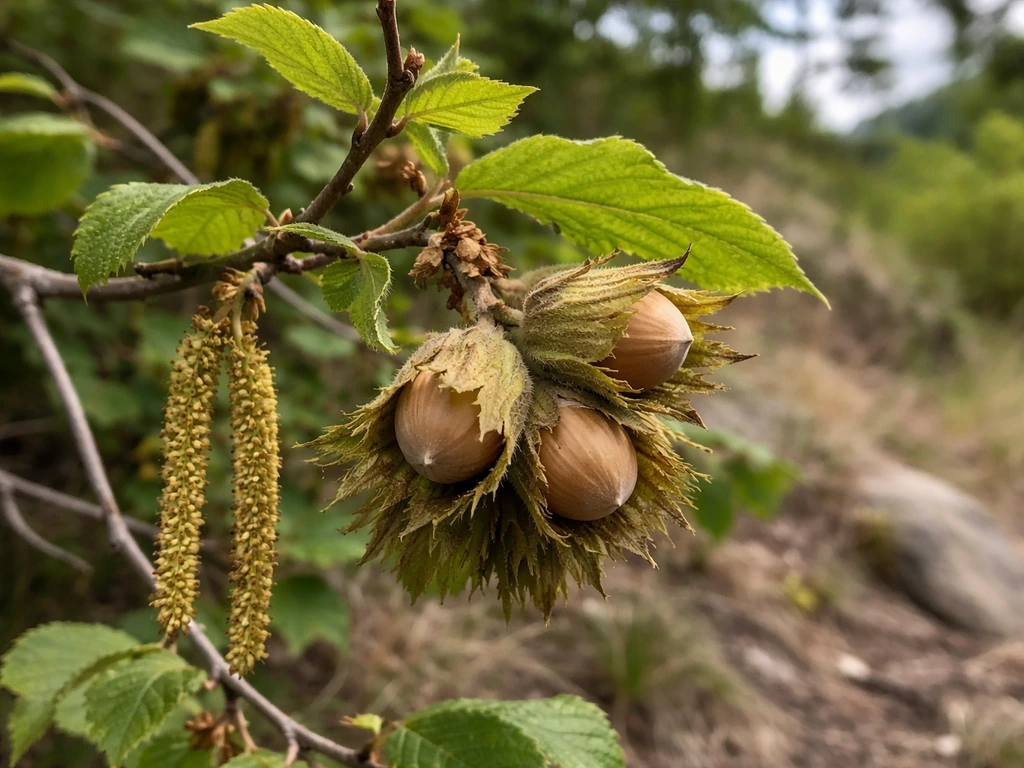
Hazelnuts are probably the most practical nut tree for a wide range of Colorado growers. American hazelnuts are hardy well into zone 4, and hybrid cultivars like Jefferson, Eta, and Theta are rated to zone 5 and have been specifically noted in CSU Extension Master Gardener materials as compatible pollinizers for Colorado plantings. You'll need at least two different cultivars for cross-pollination. The catch is bloom timing: hazelnuts flower very early in the season, which means a late frost can wipe out your crop for that year even when the tree itself is perfectly healthy. Planting in a frost-protected spot, like against a south-facing wall or in a low-wind microclimate with good cold air drainage, meaningfully improves your odds of consistent production.
Chinese chestnut and blight-resistant hybrids
Chinese chestnuts are cold-hardy to around zone 4 to 5 and, critically, carry resistance to chestnut blight, the fungal disease that devastated American chestnut across the eastern U.S. That resistance isn't absolute, but it gives you a working tree rather than a time bomb. For Front Range Colorado in zones 5b to 6, Chinese chestnuts are a solid choice. Blight-resistant hybrid varieties bred from Chinese chestnut genetics offer similar protection. American chestnut, by contrast, is essentially a non-starter for production because of blight susceptibility. If you're comparing Colorado to a state like Tennessee, chestnuts work well there too, but the blight-resistance requirement is the same everywhere. In Tennessee, similar chestnut requirements apply, especially choosing blight-resistant varieties if you want a real chance at production chestnuts work well there too.
Black walnut
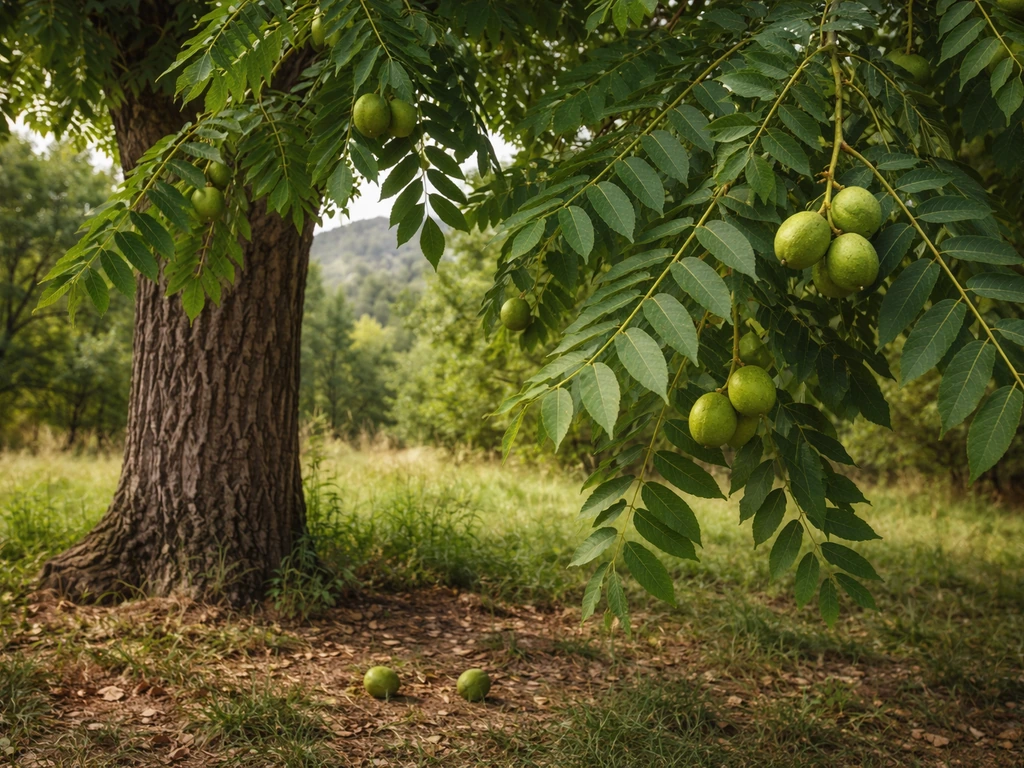
Black walnut is native to much of the eastern U.S. and can grow at Front Range elevations in Colorado, roughly zones 5 and 6. It's cold-hardy and, once established, a vigorous tree. But there's a real problem in Colorado right now: thousand cankers disease, caused by the walnut twig beetle carrying a canker fungus, has established itself in the state. CSU Extension reports that trees typically die within two to three years of showing symptoms, which include yellowing foliage and progressive dieback. This doesn't mean you absolutely can't plant black walnut, but it's a material risk you need to factor in. Black walnut also requires full sun and doesn't tolerate heavy competition from other trees. Plan for 7 to 8 years before first production, with full production around 15 years.
Higher-risk options that can work with the right conditions
These species aren't impossible in Colorado, but they require a more favorable microclimate, more attention, or carry more inherent uncertainty.
Almond
Almonds are adapted to arid climates, so Colorado's low humidity and dry summers are actually a decent fit. The problem is cold hardiness: most retail almond cultivars are hardy only to around zone 5, which means you need a protected Front Range site and a variety rated for that zone. USU Extension notes that cross-pollination is required, so you'll need two different cultivars. Bloom timing is similar to hazelnuts: almonds flower early, and a late freeze at bloom time will cost you that year's crop. On a warm, wind-sheltered south-facing slope in the Denver metro or Pueblo area, almonds can produce. In a colder valley or any mountain site, the risk is too high to recommend them.
Butternut
Butternut (white walnut) is hardier than black walnut, handling zone 3 to 4 conditions, and produces a milder-flavored nut. It's less commonly planted in Colorado, but it has fewer disease concerns than black walnut and could be a reasonable experimental choice for growers in colder zones who still want a walnut-family tree. Finding quality nursery stock can be harder than with more popular species.
Pecan
Pecans are a stretch for most of Colorado. They need a long, warm growing season to fill the nuts, and most of Colorado doesn't have enough heat units even where winters are mild enough. Southern-exposure protected sites in Pueblo or the lower Arkansas River valley are the only spots worth considering, and even there you'd want short-season northern-adapted varieties. For most Colorado growers, pecans are too much of a gamble.
Site requirements that actually decide whether a tree produces
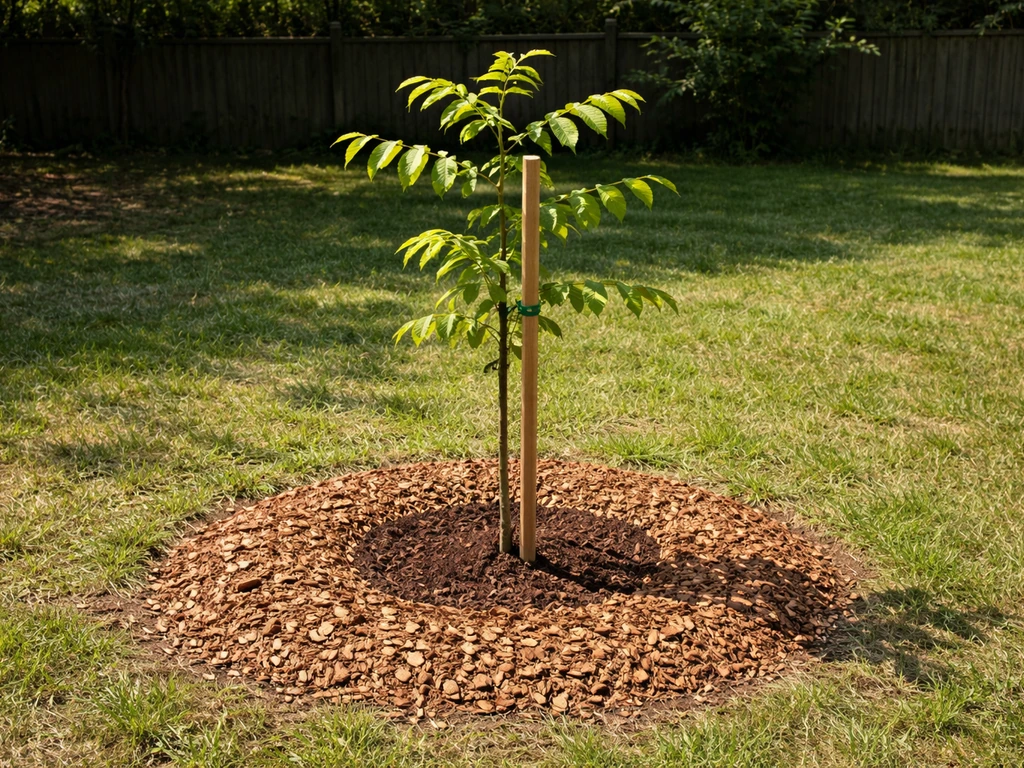
Getting the site right matters as much as species selection. Here's what to prioritize:
- Sun: All nut trees need full sun, at least 6 to 8 hours of direct sun daily. Black walnut is especially intolerant of shading. Don't plant under or near larger trees.
- Soil drainage: Colorado soils are often clay-heavy or alkaline, and poor drainage is a major tree killer. Nut trees need well-drained soil. If water pools for more than an hour after rain, build a raised planting area or choose a different spot.
- Wind protection: Colorado's wind is one of the most underrated problems. High winds dry out leaves, increase frost damage, and physically stress young trees. A windbreak, fence, or building on the prevailing wind side makes a real difference.
- Frost pocket avoidance: Cold air settles in low spots. Avoid planting in depressions or at the base of slopes where cold air drains. A mid-slope or elevated position with good air drainage protects blooms from late freezes.
- Soil pH: Most nut trees prefer slightly acidic to neutral soil (pH 6.0 to 7.0). Colorado soils often run alkaline, so test your soil and amend if needed before planting.
- Thermal mass: If you have a south-facing wall, rock garden, or can incorporate dark-colored rock mulch around the base, these features raise local temperatures and can meaningfully extend your effective growing zone.
Picking the right variety and setting realistic timelines
Within any species, variety selection is where a lot of Colorado growers make mistakes. A generic 'walnut' or 'chestnut' label at a big-box nursery tells you almost nothing useful. You want to know the specific cultivar, its USDA zone rating, and ideally whether it was trialed in the Mountain West or northern Plains region. For hazelnuts, Jefferson, Eta, and Theta are specifically identified in Colorado Master Gardener materials as zone-5 compatible options that work as pollinizers for each other. For chestnuts, look for cultivars labeled as blight-resistant or Chinese-hybrid. For almonds, USU Extension points to cultivars like Mission and Nonpareil, both hardy to zone 5, but confirm the specific rating before buying.
On timing: don't plant a nut tree expecting production in two or three years. Walnuts typically start producing at 7 to 8 years old and don't hit full production until around 15 years, per USU Extension. Chestnuts and hazelnuts can come in a bit faster, sometimes producing in 3 to 5 years from a young nursery tree. Plan your planting accordingly and think of the first few years as establishment, not production.
| Species | Cold Hardiness (Zone) | Time to First Nuts | Key Risk in Colorado | Suitability |
|---|---|---|---|---|
| Hazelnut (hybrid) | Zone 4-5 | 3-5 years | Late frost kills blooms | Best overall pick |
| Chinese/Hybrid Chestnut | Zone 4-5 | 3-5 years | Blight (manageable with resistant varieties) | Reliable on Front Range |
| Black Walnut | Zone 4-5 | 7-8 years | Thousand cankers disease | Viable but watch for disease |
| Butternut | Zone 3-4 | 5-7 years | Limited nursery availability | Good cold-zone option |
| Almond | Zone 5 | 3-4 years | Cold snaps, early bloom frost | Protected Front Range sites only |
| Pecan | Zone 5-6 | 8-10 years | Short growing season, heat deficit | Too risky for most of CO |
Care basics and common problems in Colorado
Watering: less is more than you think
Overwatering is one of the most common mistakes Colorado gardeners make with trees. CSU Extension is direct about this: leaf discoloration and decline often start from the bottom and inside of the canopy and are caused by waterlogged roots, not drought. Before you water, dig down 8 to 10 inches with a shovel and check. If the soil is still moist at that depth, don't water yet. New trees need establishment watering, but once they're a few years in, most nut trees in Colorado's climate need less irrigation than people assume, especially those adapted to drier conditions like almonds.
Pests and disease
Thousand cankers disease is the most serious disease threat to walnut trees in Colorado. The walnut twig beetle bores into bark and introduces a canker-causing fungus. Symptoms include yellowing leaves and progressive branch dieback. Because the tree is typically dead within two to three years of showing visible symptoms, and there's no cure, the main management strategy is early detection and, in high-risk areas, reconsidering whether walnut is worth planting at all. For chestnuts, buying blight-resistant cultivars is your best disease management. Keep an eye out for cankers (sunken, discolored areas of bark) and remove affected wood promptly.
Frost and late freezes
Late spring frosts are a recurring reality in Colorado, even on the Front Range. For early-blooming species like hazelnut and almond, a frost at bloom time means no nuts that year. You can't prevent every frost, but you can reduce risk by choosing protected planting sites, using row cover or frost cloth over small trees when a late freeze is forecast, and avoiding low-lying spots where cold air settles. CSU Extension notes that dark rock mulch around the base of trees absorbs heat during the day and releases it at night, providing a small but meaningful buffer against frost.
Winter establishment
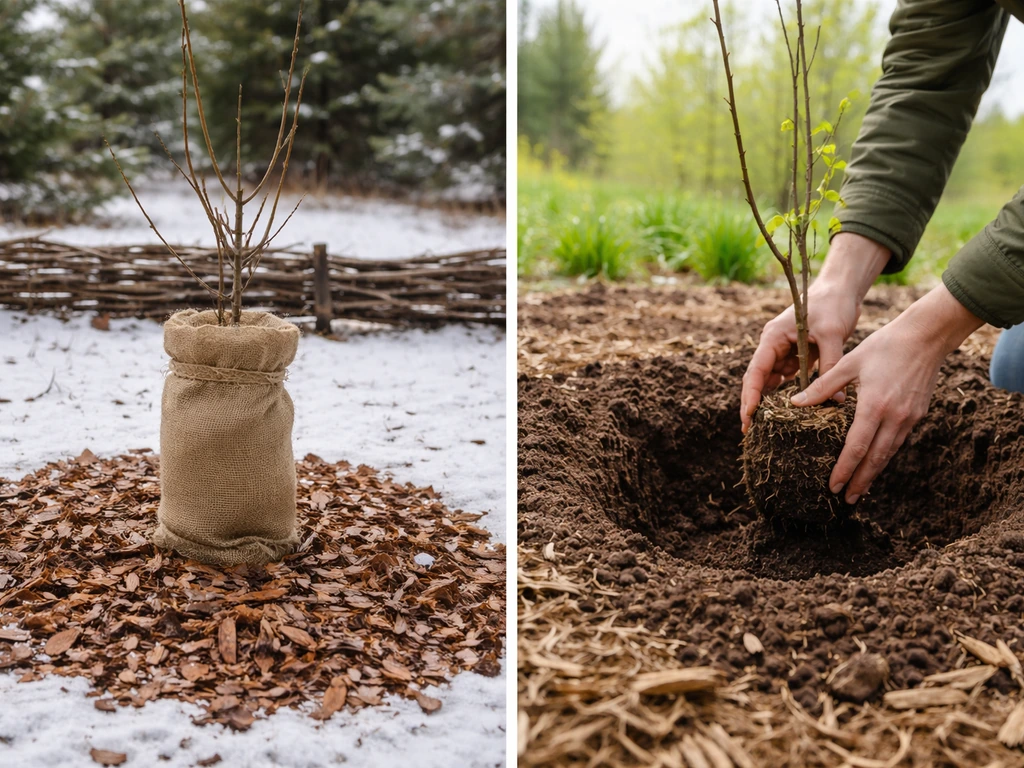
Young trees are most vulnerable in their first two winters. Plant in spring so the tree has a full growing season to establish roots before facing winter. Mulch the root zone well, but keep mulch away from the trunk to prevent rot. If you're in a mountain location, select your most protected microclimate and don't rush to plant marginal species. Getting a cold-hardy species established solidly is far better than pushing a questionable species and losing it.
How to narrow it down to your specific yard
Start by knowing your USDA hardiness zone. If you're in Denver or Boulder (zone 5b-6a), hazelnuts, chestnuts, and carefully sited almonds are all worth considering. If you're in a colder mountain valley at 7,000 feet or above (zone 4 or lower), stick to hazelnuts and butternuts, and be realistic that bloom-time frost may limit nut production some years. Wherever you are, walk your property and identify the warmest, most wind-protected, best-draining spot you have. That's where your nut tree goes.
- Look up your specific USDA zone using your zip code, not just your city's general zone.
- Identify the warmest, most wind-protected, well-drained spot in your yard. South-facing walls or slopes are ideal.
- Test your soil pH before planting and amend toward 6.0-7.0 if you're running alkaline (common in Colorado).
- For Front Range growers: start with a hazelnut pair (like Jefferson + Eta or Theta) or a blight-resistant chestnut cultivar. These give you the best odds.
- For mountain growers above 7,000 feet: hazelnuts or butternuts only, and choose the most protected microclimate on your property.
- Source named cultivars from a reputable nursery, not generic species. Know the cultivar's zone rating before you buy.
- Plan a 5 to 15 year timeline to full production depending on species, and treat the first 2 to 3 years as establishment years, not production years.
Colorado's climate rewards patience and careful site selection more than almost any other factor. The growers who consistently get nuts from their trees aren't necessarily the ones with the best species, they're the ones who matched the right tree to the right spot and gave it time. If you're also researching options for different regions or comparing zone-specific choices, the considerations for zone 6 growers broadly have a lot of overlap with what Front Range Colorado growers face, and the species comparisons hold up across those contexts too. If you're specifically asking <a data-article-id="102C01EC-8AD3-4C0A-8FA8-8EEDFC0FFF0D"><a data-article-id="21F011F0-44D5-4188-8F6C-946E78007BDF"><a data-article-id="06E0A061-4874-45C0-B14A-1803FC09AD3B">what nut trees grow in zone 6</a></a></a>, focus on hazelnuts and blight-resistant chestnut types that match your local frost and microclimate. For a broader, region-specific look that complements the zone-based advice above, you may also want to check what nut trees grow in maryland. For a region-wide comparison, you may also find it useful to look at what nut trees grow in the northeast. If you want to compare this to a warmer region, see what nut trees grow in georgia for a zone-and-climate perspective.
FAQ
What nut trees grow in Colorado if I only have one place that gets sun but I can’t plant multiple varieties for pollination?
Plan for cross-pollination. Many of the practical choices (especially hazelnuts and almonds) need two compatible cultivars to set real nut crops. If you only want one tree, prioritize species where you can reliably find a pollinizer option planted nearby, or choose a cultivar plan so your neighbors or another planting in your yard covers the bloom window.
Can I grow walnut or chestnut in Colorado if my site is mostly shaded?
For nut production, shade is a major constraint. Black walnut in particular needs full sun, heavy competition from other trees can reduce growth and nut set, and walnuts are slow to reach production even in good conditions. Chestnuts and hazelnuts can tolerate more partial conditions than walnuts, but nut set still drops when the canopy stays shaded, especially on windy or cold, north-facing areas.
How do I tell if my Colorado location’s problem is winter cold versus late spring frost?
Look at whether your trees leaf out normally after winter but fail to produce nuts. Survival problems usually show up as poor regrowth after hard freezes, dieback, or repeated winter damage in the first years. Production failures, especially in zones with strong spring freezes, often mean the tree survives but blossoms were killed, so you see normal foliage yet few or no nuts that year.
Is fall planting ever better than spring for nut trees in Colorado?
In most Colorado situations, spring planting is safer because the tree has time to establish roots before winter. Fall planting can work in the warmest, protected Front Range microclimates, but young trees are still vulnerable in their first two winters, and cold snaps can arrive before roots are established.
What frost protection actually helps for hazelnuts and almonds during bloom time?
Row cover or frost cloth can help small trees during a forecasted late freeze, but only if it fully covers the plant and you manage temperature and airflow. Larger mature trees are harder to protect, so site selection matters more than temporary coverings, choose warm, south-facing slopes or places where cold air drains away, and avoid hollows and low-lying spots.
If black walnut is risky in Colorado, are there ways to reduce thousand cankers disease damage or should I avoid it entirely?
If you plant black walnut, reduce risk by using early detection habits and realistic expectations. Monitor bark closely for cankers and dieback and act quickly on affected wood, but note that once trees show clear symptoms the outlook is poor. If you want a walnut-family tree with less disease uncertainty, butternut is generally a more conservative experimental choice.
How long should I wait for nuts before concluding my nut tree “failed” in Colorado?
Don’t judge by the first few seasons. Walnuts often take roughly 7 to 8 years to start producing and much longer to reach full output, about 15 years. Chestnuts and hazelnuts can come sooner, sometimes 3 to 5 years from a young nursery tree, while hazelnuts may show earlier returns but still be inconsistent if frost hits blooms.
What’s the most common irrigation mistake that affects nut trees in Colorado?
Overwatering. Many growers water too often because they assume Colorado is always drought-stressed, but waterlogged roots cause leaf decline and issues that start from the bottom and inside the canopy. Check soil moisture 8 to 10 inches down before watering, then use a lighter schedule once the tree is established.
Can I mulch to prevent frost damage without harming the tree?
Yes, mulch can help as a frost buffer when it absorbs and releases heat, dark rock mulch is especially effective around the base. However, keep mulch away from the trunk to prevent rot, and use enough depth in the root zone rather than piling it against the stem.
What nut tree should I choose for colder mountain valleys around 7,000 feet or higher?
If you want the highest odds of survival and some chance of nuts, hazelnuts and butternuts are your more realistic shortlist in colder zones. Even then, bloom-time frost can reduce yields in some years, so treat production as variable, choose the warmest and most wind-protected, well-draining spot you can find.