Yes, you can grow nut trees in the Northeast, and some of them do extremely well here. The short answer: American hazelnut, black walnut, butternut, shagbark hickory, and American chestnut hybrids are your most reliable picks across most of New York and the broader Northeast. Hardy pecans and heartnut (a Japanese walnut hybrid) round out the options if your site is warm enough. Each of those trees produces a distinct nut, and matching the right tree to your specific zone and site is where most people either succeed or waste years on something that was never going to work.
What Nut Trees Grow in the Northeast and New York
Marcus Hendricks
22 Apr 2026
Northeast vs. New York reality check
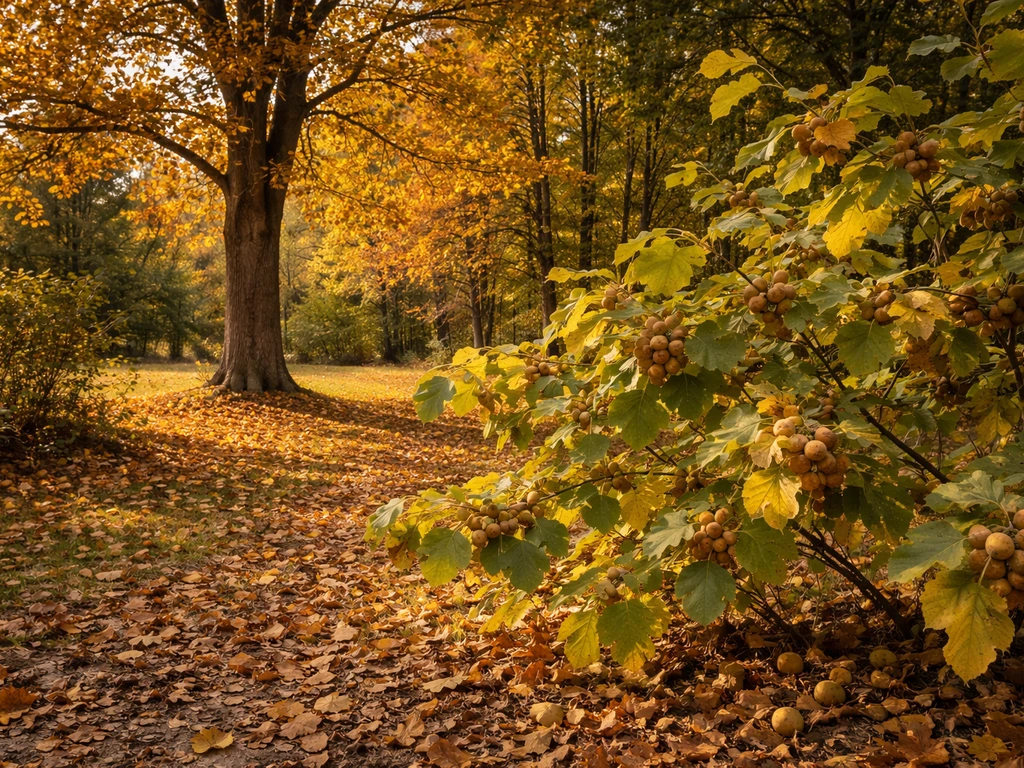
The Northeast is not one climate. Brooklyn Botanic Garden notes that hardiness zones in New York alone run from 7b in the New York City metro area all the way down to 4a around Lake Placid in the Adirondacks. That gap is enormous in practical terms. A tree that thrives in the Hudson Valley may struggle to survive a winter in the North Country, and a species perfectly suited to the Catskills might underperform in coastal Long Island simply because the seasons play out differently. Zone tells you the average annual extreme minimum temperature, but it says nothing about frost timing, summer heat accumulation, humidity, or rainfall patterns. All of those factors matter for nut production.
The Northeast's general profile: winters that can hit -10°F to -30°F inland, a frost-free growing season that ranges from roughly 100 days in the higher elevations to 200-plus days near the coast, and reliable summer rainfall with high humidity. That profile is good news for cold-tolerant native species and bad news for trees that need long, hot summers to fill their nuts. The biggest limiting factors in this region are late spring frosts that can wipe out flowers before pollination, short summers that leave nuts underfilled in colder zones, and heavy moisture that invites fungal disease. Plan around those three problems and your odds improve dramatically.
Nut trees that actually grow well here
American hazelnut
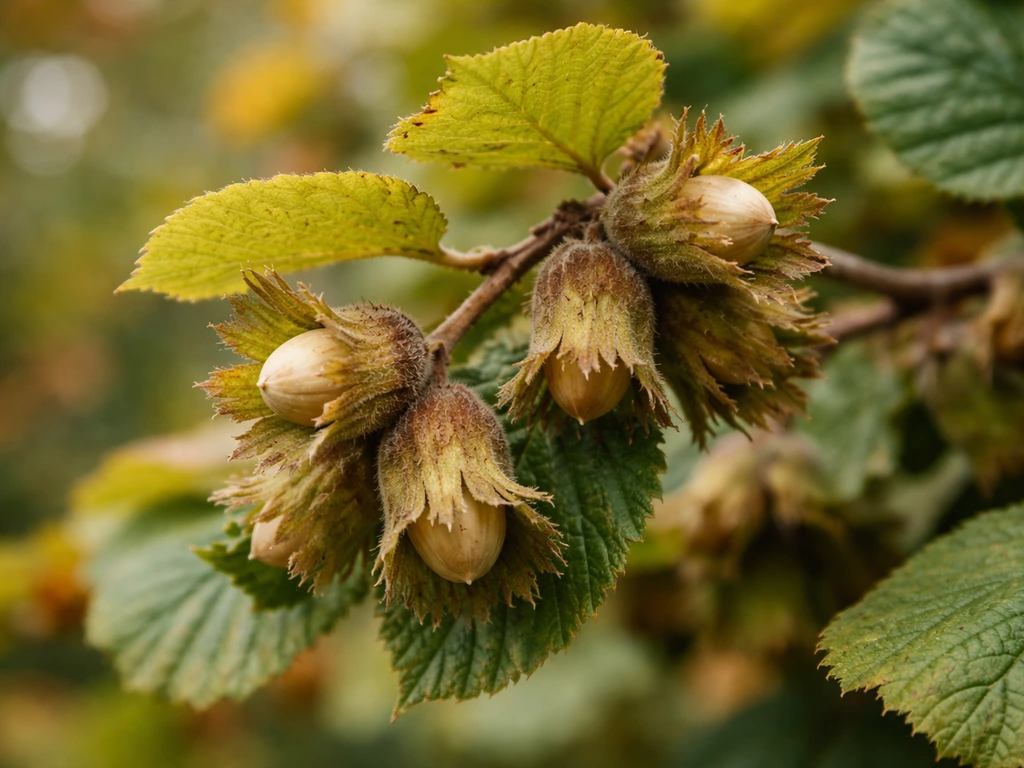
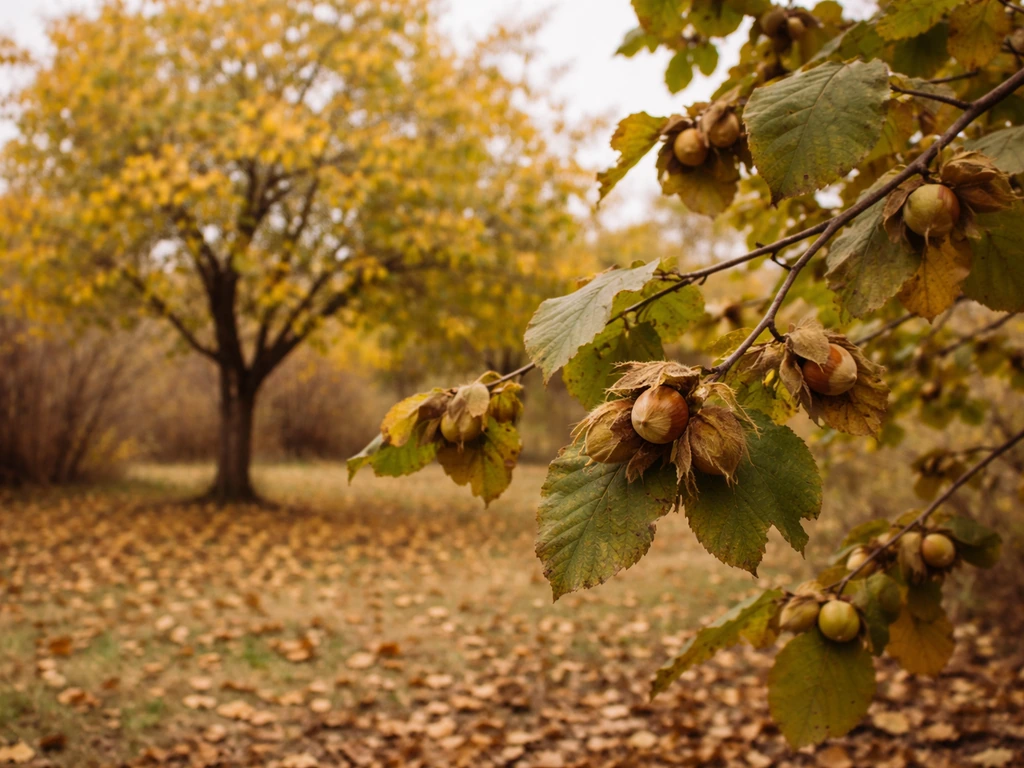
American hazelnut (Corylus americana) is the best starting point for most Northeast gardeners. It's native, cold-hardy to zone 4, shrubby in form (typically 8 to 12 feet tall), and starts producing nuts in 3 to 5 years. European hazelnuts produce larger nuts but are far more susceptible to Eastern filbert blight, a fungal disease that's endemic across the Northeast and will kill European varieties within a few years. Blight-resistant hybrids bred from American hazelnut crosses are a good middle ground if you want larger nuts, but straight American hazelnut is the most bulletproof choice for this region.
Black walnut
Black walnut (Juglans nigra) grows vigorously across most of the Northeast in zones 4 through 9 and is a legitimate nut producer, not just a timber tree. The nuts are intensely flavored, smaller than English walnuts, and protected by a thick green husk that stains everything it touches. Give it full sun and well-drained soil and it will grow fast and eventually produce heavily. The catch is juglone, the chemical black walnut roots release into the soil, which can inhibit or kill nearby plants including tomatoes, peppers, apples, and many ornamentals. Site it away from your garden beds and keep spacing in mind.
Butternut
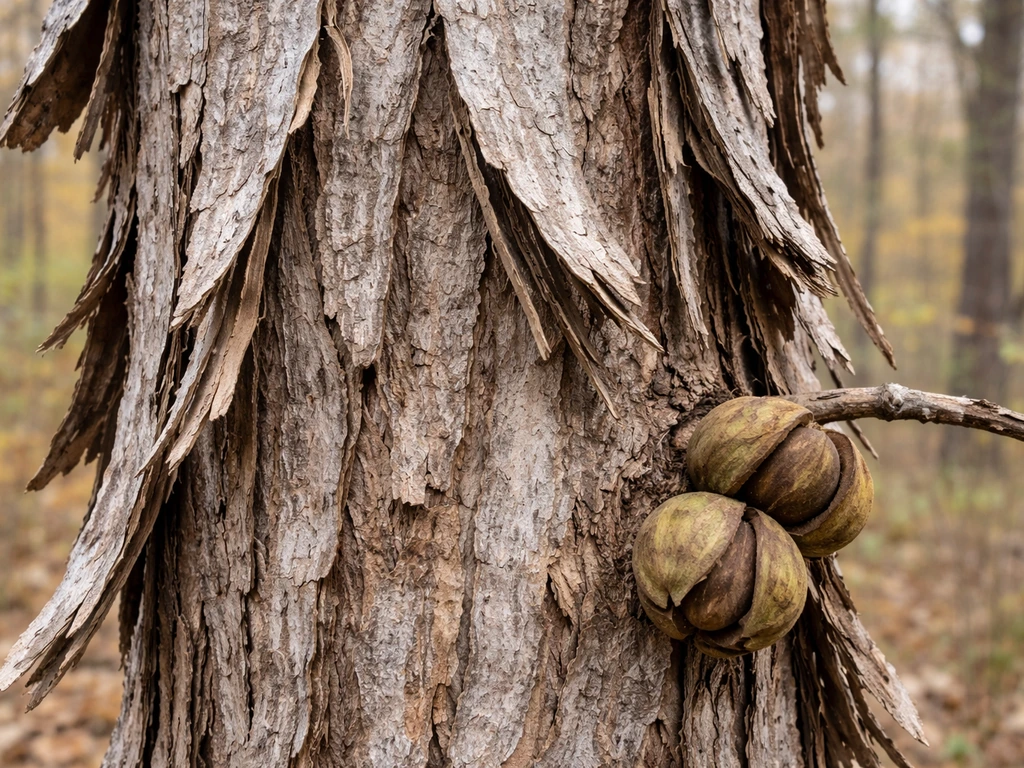
Butternut (Juglans cinerea) is the mildest-flavored of the native walnuts and one of the most cold-tolerant nut trees in the Northeast, surviving to zone 3. The nuts are oblong, rich, and buttery, and the trees mature earlier in the season than black walnut, making them better suited to shorter growing zones. The problem is butternut canker, a devastating fungal disease that has wiped out large portions of the native butternut population across the Northeast. Blight-resistant selections exist, and those are worth seeking out. Planting a straight-species butternut today carries real disease risk, so look specifically for canker-resistant cultivars or heartnut hybrids.
Shagbark hickory
Shagbark hickory (Carya ovata) produces some of the best-flavored nuts of any species native to North America, and it grows across a wide stretch of the Northeast in zones 4 through 8. The downside is time: most shagbark hickories take 10 to 15 years to produce their first significant crop. If you're planting for yourself, that's a long wait. If you're planting for your property long term or for future generations, it's worth every year. Shellbark hickory (Carya laciniosa) is a close relative that produces larger nuts and tolerates wetter soils, which is useful if your site has periodic flooding.
American chestnut hybrids
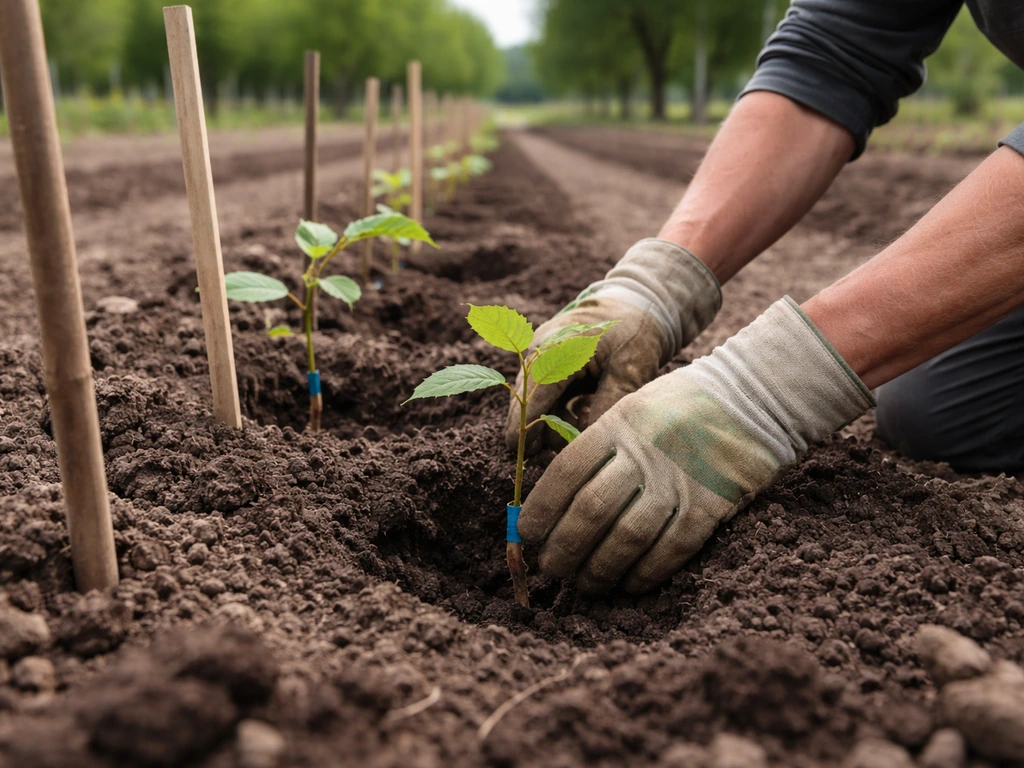
The pure American chestnut (Castanea dentata) was effectively wiped out by chestnut blight in the early 20th century, and planting pure American chestnut seedlings today almost guarantees disappointment. What works in the Northeast are blight-resistant hybrids, primarily American-Chinese chestnut crosses that carry the blight-resistance genes from Chinese chestnut (Castanea mollissima) while retaining much of the American chestnut's characteristics. The American Chestnut Foundation has been developing these trees for decades. Fully Chinese chestnut is also a solid performer in zones 4 through 8 and typically bears in 3 to 5 years. These trees produce a genuinely excellent edible nut, sweet and starchy, usable fresh, roasted, or dried.
Heartnut and hardy pecan
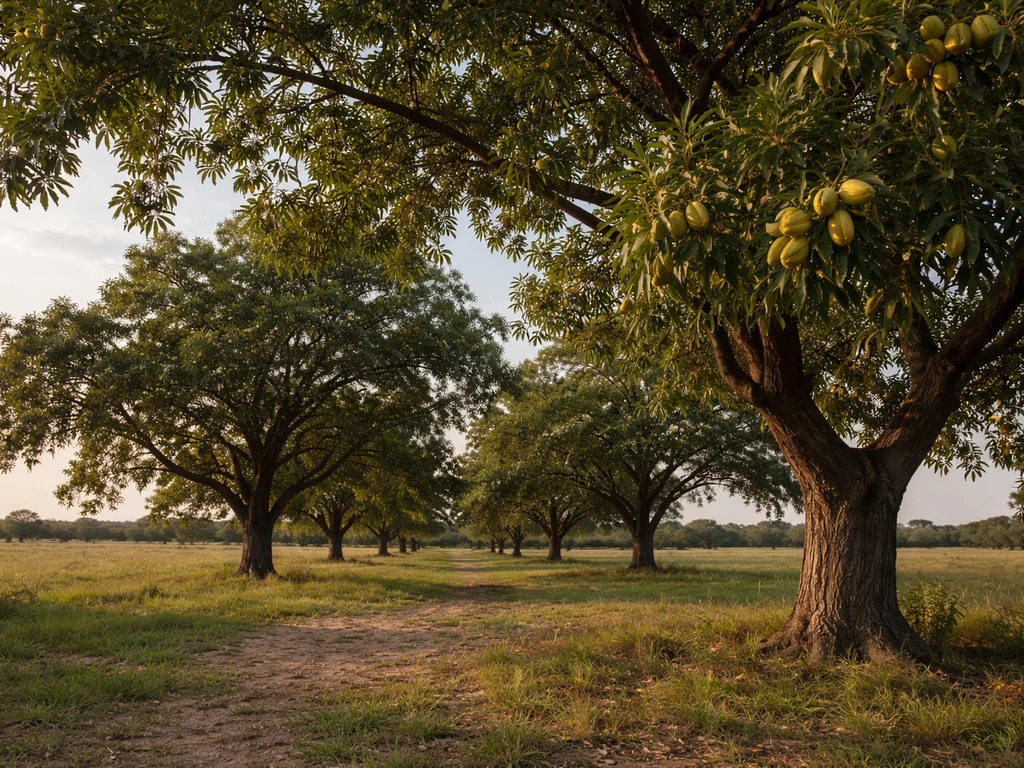
Heartnut (Juglans ailantifolia var. cordiformis) is a Japanese walnut variety that's cold-hardy to zone 5, bears in 4 to 6 years, and produces heart-shaped nuts with a mild flavor that cracks out more easily than black walnut. It's underused in the Northeast and worth considering for zone 5 and 6 sites with decent summer heat. Hardy pecan cultivars, bred for shorter growing seasons, can produce in zones 5 and 6 if you have at least 150 frost-free days and a warm site. This is a stretch in most of New York's interior, but the Hudson Valley and Long Island can support them. Standard southern pecan varieties won't work here.
What nuts you'll actually get from each tree
| Tree | Nut produced | Flavor profile | Typical bearing age | Hardiness zone |
|---|---|---|---|---|
| American hazelnut | Hazelnut (small, round, sweet) | Mild, sweet, nutty | 3–5 years | Zones 4–9 |
| Black walnut | Black walnut (thick-shelled, bold) | Intense, earthy, rich | 5–10 years | Zones 4–9 |
| Butternut | Butternut (oblong, smooth) | Buttery, mild, rich | 4–6 years | Zones 3–7 |
| Shagbark hickory | Hickory nut (thin shell, sweet meat) | Sweet, complex, excellent | 10–15 years | Zones 4–8 |
| Chinese chestnut / hybrids | Chestnut (large, sweet, starchy) | Sweet, starchy, mild | 3–5 years | Zones 4–8 |
| Heartnut | Heartnut (heart-shaped, mild) | Mild, sweet, easy to crack | 4–6 years | Zones 5–7 |
| Hardy pecan | Pecan (thin-shelled, buttery) | Buttery, rich, mild | 6–10 years | Zones 5–9 |
One thing worth flagging: the quality and quantity of nuts you get from any of these trees depends heavily on site conditions, pollination, and weather in the weeks around flowering. A black walnut in poor soil produces fewer, smaller nuts than one in deep, well-drained loam. A chestnut with no cross-pollinator nearby may produce almost nothing. These trees are not set-and-forget producers. They respond to what you give them.
Site and care essentials for the Northeast
Soil
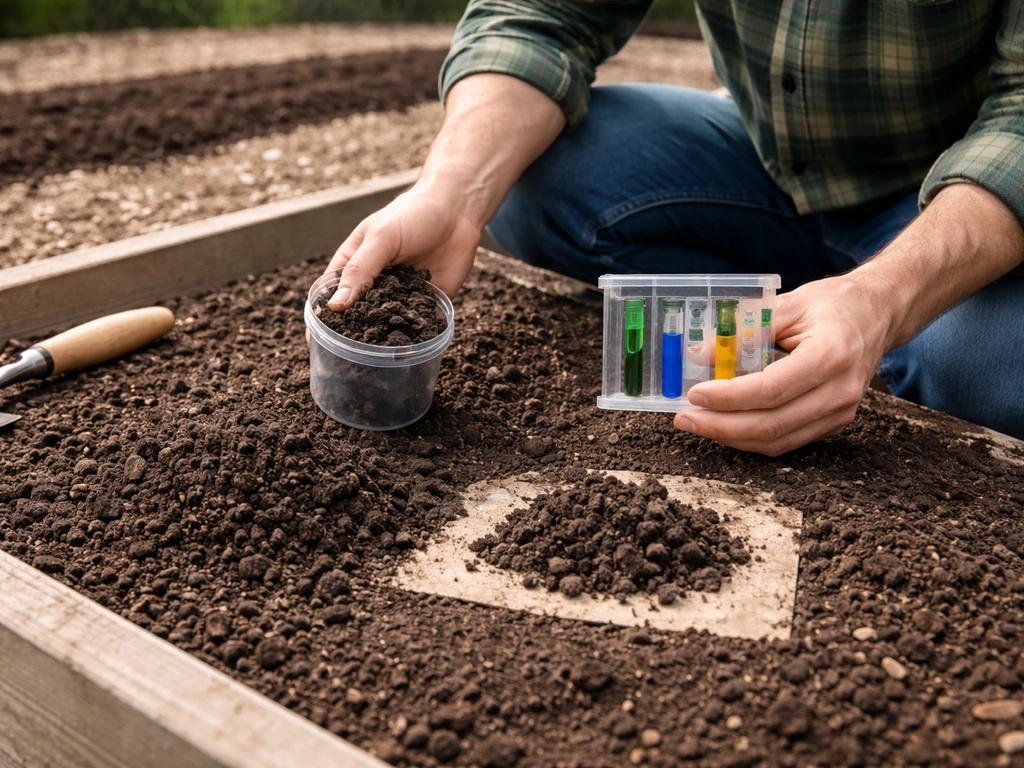
Most nut trees want deep, well-drained, slightly acidic to neutral soil with a pH between 6.0 and 7.0. Black walnut and butternut are the most tolerant of heavier or less perfect soils. Chestnut is more particular: it needs excellent drainage and will decline quickly in compacted or waterlogged ground, which is a real issue in many Northeast clay soils. Hickory develops a very deep taproot and does best in deep loam where that root can establish without hitting hardpan. For compacted urban or suburban lots, hazelnuts and chestnuts will adapt better than hickories or walnuts.
Sun
Full sun means 6 or more hours of direct sunlight daily, and all nut trees need at least that. In the Northeast, maximizing sun exposure also matters for heat accumulation in summer, which drives nut fill. A south-facing slope or a site sheltered from north winds by a tree line or building will consistently outperform an exposed flat site in colder zones. This is one of the most impactful things you can do for nut production without changing anything about the tree itself.
Spacing
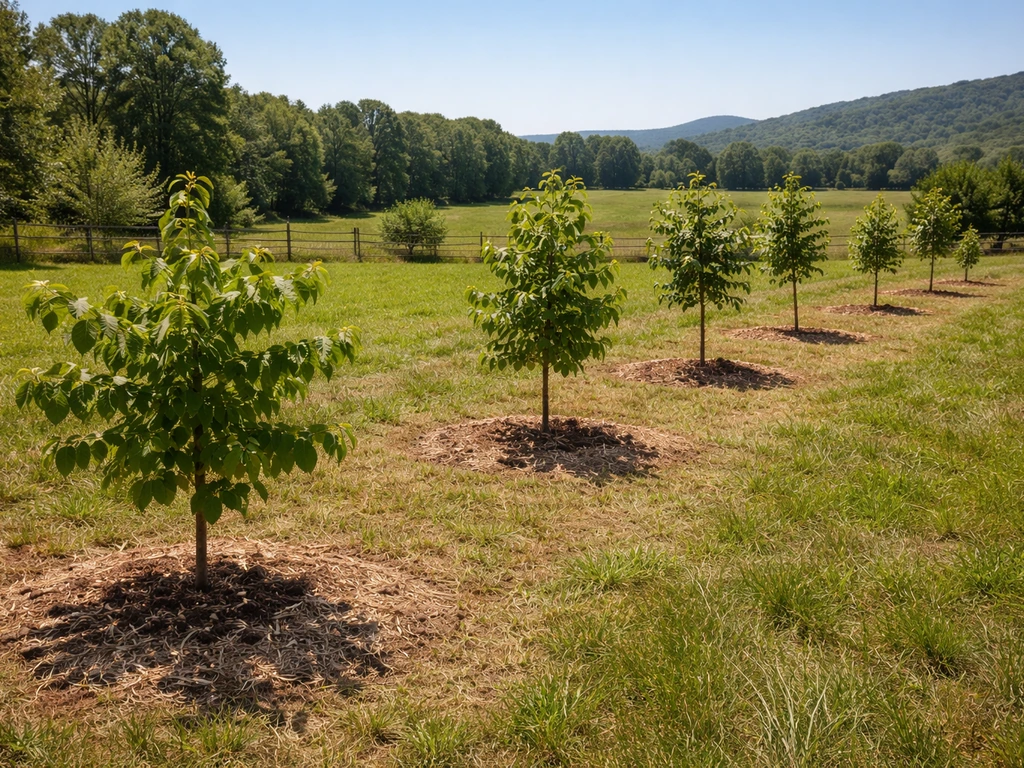
Large nut trees need more room than most people expect. Black walnut and shagbark hickory should be spaced 40 to 60 feet apart at maturity. Chinese chestnut typically reaches 40 to 60 feet wide. Hazelnuts are the exception, manageable at 8 to 12 feet apart, making them practical even in smaller yards. Don't crowd nut trees. Poor airflow in humid Northeast summers drives fungal disease, and competition for light reduces yields significantly.
Watering
Young nut trees need consistent moisture during their first two to three years of establishment, roughly one inch of water per week when rainfall doesn't provide it. After establishment, most native species (black walnut, hickory, butternut, hazelnut) are drought-tolerant and don't need supplemental irrigation except in extreme dry spells. Chestnut is slightly more drought-sensitive than the others. Avoid overhead irrigation, which promotes fungal disease, and keep mulch 2 to 4 inches deep around the root zone to retain moisture and suppress competing grass.
Pollination and when you'll see your first nuts
Nut trees pollinate differently than fruit trees. Most nut trees (walnuts, hickories, chestnuts, hazelnuts) are wind-pollinated and monoecious, meaning they carry separate male and female flowers on the same tree. Despite this, most of them perform significantly better with a cross-pollinator nearby, and a few require it. Chestnuts are largely self-incompatible and need at least two different seedling or cultivar trees within about 200 feet to set a meaningful crop. Hazelnuts are also most productive with a second plant nearby. Black walnut and hickory can produce without a cross-pollinator, but yields improve with company.
Timing is another Northeast-specific concern. Hazelnuts flower very early in spring, often in February or March before leaves emerge, which is well ahead of most late frosts. Chestnut flowers in June, which largely avoids frost risk. Black walnut and hickory flower in mid-spring, meaning a late frost event can wipe out an entire year's crop. That's not rare in the Northeast interior. This is one reason why south-facing slopes and microclimates that delay or buffer late frosts are worth seeking out.
Bearing age varies a lot by species. Hazelnut and chestnut are the fastest producers at 3 to 5 years from a young nursery plant. Black walnut and heartnut typically start in 5 to 10 years. Hickory is the slowest at 10 to 15 years, though grafted hickory cultivars may bear somewhat sooner. These are realistic timelines, not ideal ones. A tree in marginal conditions, poor soil, or heavy shade will take longer. A grafted cultivar from a reputable nursery will often outperform a seedling-grown tree by several years.
Common setbacks in the Northeast and how to avoid them
- Late spring frosts killing flowers: Plant on elevated or south-facing sites where cold air drains away rather than pooling. Choose late-flowering species like chestnut if your site is frost-prone.
- Eastern filbert blight on hazelnuts: Plant only American hazelnut or specifically blight-resistant hybrid cultivars. Do not plant European hazelnut in the Northeast without verifiable blight resistance.
- Butternut canker: Source only canker-resistant butternut selections or substitute heartnut for similar flavor and better disease tolerance.
- Chestnut failure in wet soils: Test drainage before planting. If water stands for more than a few hours after heavy rain, amend the site or choose a different species.
- Squirrel and wildlife predation: Significant in all Northeast sites. Expect to lose a portion of every crop, especially hazelnuts and chestnuts, and plan accordingly. Tree guards for young trunks help protect against deer browse.
- Juglone toxicity from black walnut: Maintain a 50 to 80 foot buffer between black walnut roots and susceptible plants. The toxic zone extends beyond the drip line.
- Slow establishment from bareroot stress: Plant nursery stock in early spring, water consistently through the first two seasons, and avoid heavy fertilization in year one, which pushes top growth at the expense of root development.
How to pick the right nut tree for your exact location
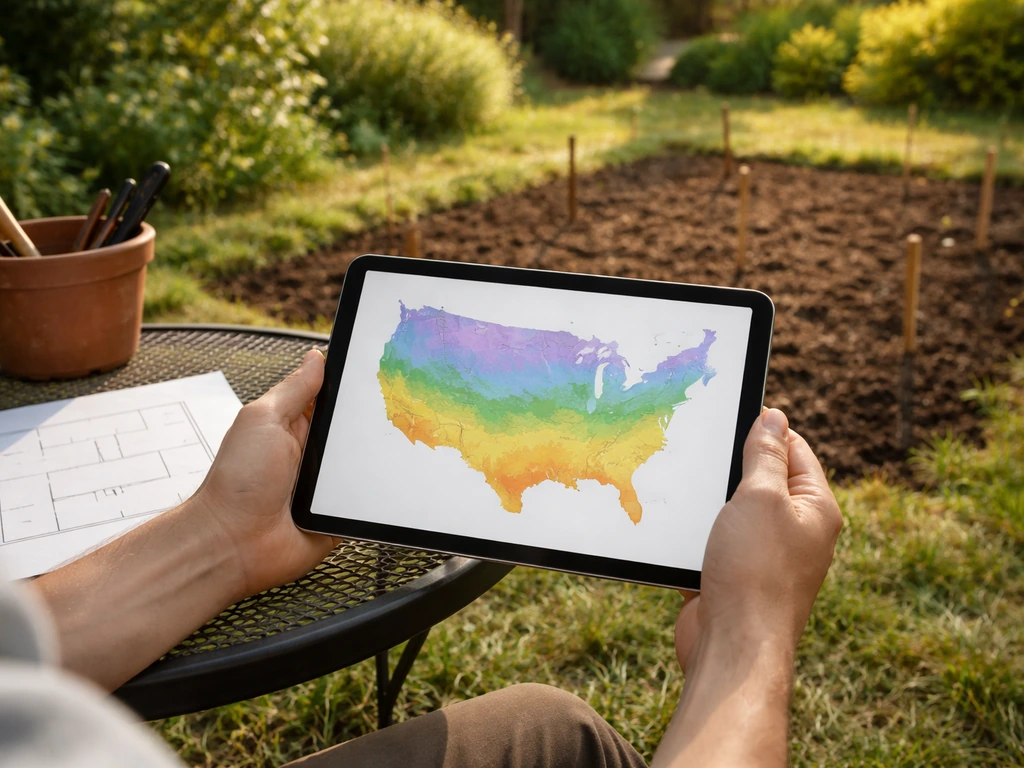
Start with your USDA hardiness zone. The 2023 USDA Plant Hardiness Zone Map is the most current official reference, and your county extension office can tell you your zone if you're unsure. In New York specifically, zones range from 4a in the coldest northern and high-elevation areas to 7b in the New York City metro, which means the range of viable species is genuinely wide across the state. Coastal Connecticut, Rhode Island, and Massachusetts share some of that warmer southern range. Interior New England (Vermont, New Hampshire, Maine) sits mostly in zones 3 to 5 and should stick to the hardiest options: hazelnut, butternut (resistant cultivars), black walnut, and shagbark hickory.
Beyond zone, assess your specific site. A warm, south-facing slope in zone 5 can successfully grow species rated for zone 6. A low spot that collects cold air in zone 6 may behave more like zone 4 during a hard frost event. Walk your site on a cold morning in early spring and note where frost lingers longest. That tells you a lot about where not to plant tender-flowering species.
Here's a simple decision framework based on what I've seen work in the Northeast: If you want nuts in the shortest time possible, plant hazelnut and chestnut. If you want excellent flavor and can wait, add a shagbark hickory now and let it develop over the next decade while your faster trees produce. If you have space for a large tree and want something deeply flavorful and self-sufficient, black walnut is hard to beat.
If you're in zone 5 or 6 with a warm site and good summer heat, heartnut is an underrated choice worth experimenting with. If you are specifically wondering what nut trees grow in zone 6, the picks above give you a solid starting list for that hardiness range If you’re in zone 5 or 6 with a warm site and good summer heat.
If you are wondering what nut trees grow in Georgia, the right answer depends on your local hardiness zone and site conditions just like elsewhere what nut trees grow in zone 6. For Colorado specifically, the right nut trees to grow depend on your local hardiness zone and the summer heat your site provides what nut trees grow in zone 6.
Avoid standard English walnut and European hazelnut without extremely careful cultivar selection, as both struggle with Northeast disease pressure.
The Northeast is actually a better region for diverse nut growing than most people realize. The climate closely overlaps with zone 6 conditions that favor a wide range of species (which is worth understanding if you're researching zone-specific options more broadly), and it shares many species considerations with Mid-Atlantic states like Maryland.
Because Maryland sits in the Mid-Atlantic overlap of zone conditions, the same nut-tree choices above can be a strong starting point, as long as you dial in for your local hardiness zone and site. The main thing working against you is impatience. Plant the right species for your zone, set up cross-pollinators where needed, give trees good drainage and full sun, and you'll be harvesting meaningful crops within a decade on the faster species. That's not a small payoff.
Nut trees can also be grown in Tennessee, but the best choices depend on your local hardiness zone and site conditions like winter lows, frost timing, and summer heat.
Your next steps
- Look up your USDA hardiness zone using the 2023 USDA Plant Hardiness Zone Map and confirm it with your local Cornell Cooperative Extension office or state equivalent.
- Assess your site for drainage, sun hours, and frost pocket risk before choosing a species.
- Select two species at minimum: one fast producer (hazelnut or chestnut) and one longer-term investment (hickory or black walnut).
- Source plants from nurseries that specify cultivar names and disease resistance, not just species. For chestnuts and hazelnuts especially, cultivar matters a lot.
- Plan for cross-pollination from the start. Buy two chestnuts, two or more hazelnuts, and plant them within 200 feet of each other.
- Mulch and water consistently through the first two full growing seasons. After that, most of these trees are on their own.
FAQ
Can I plant nut trees near woods or buildings in the Northeast and still get a good crop?
If your property sits near a fence line or wooded edge, choose that spot carefully. Many nut trees flower early (hazelnut) or mid-spring (walnut, hickory), and light wind is useful for moving pollen. A dense treeline that blocks prevailing winds can reduce nut set even if the tree is otherwise hardy.
What’s the easiest mistake people make when trying to grow English walnuts or European hazelnuts in the Northeast?
Yes, but “English walnut” and “European hazelnut” are the common traps. In the Northeast, disease pressure is the limiter, so you generally need named, bred cultivars or you will likely lose trees to blight issues. If you are not sourcing disease-resistant selections, stick with the native species listed in the article.
Do nut trees in the Northeast always need cross-pollination to produce nuts?
For wind-pollinated trees, you can often plant a single tree and still get some nuts, but yields are usually disappointing. A practical approach is to plant two hazelnut cultivars within a few yards, and for chestnut plan on at least two compatible trees within about 200 feet, or you may end up with lots of flowers and minimal harvest.
How do I reduce the long wait time before nut trees start producing in the Northeast?
If you want nuts sooner, buy grafted or otherwise named cultivars where available, not random seedlings. The article notes bearing age differences, and grafted trees typically compress that timeline by several years. Also confirm the nursery’s stated bearing expectations for your exact zone range, not just “hardy for the Northeast.”
My yard is in the right hardiness zone, but my trees keep failing after late frosts. What should I check first?
Avoid areas where cold air pools, even if the label says your zone matches. A low spot can behave like a colder zone during a late frost event, wiping out flowers. Walk your site on a clear, cold morning in spring and watch where frost lingers longest.
Which nut trees tolerate Northeast clay or wet spots better, and where does drainage become critical?
Heavy clay is often manageable for some species, but chestnut is the one that most strongly penalizes poor drainage, declining quickly in waterlogged ground. If your lot has seasonal standing water, prioritize black walnut, butternut (resistant selections), or hazelnut, and only plant chestnut where you can ensure excellent drainage.
What irrigation method should I use for nut trees in the Northeast to avoid fungal problems?
A practical rule is to treat overhead watering as a disease risk, especially in humid Northeast summers. Instead, use targeted drip irrigation during the first 2 to 3 years (when rainfall is insufficient), and keep mulch 2 to 4 inches deep to maintain moisture without keeping foliage wet.
Why do my hazelnuts produce poorly one year and better the next, even though the trees look healthy?
Early-flowering hazelnuts can be a surprise because they may flower before most people expect. If your site experiences frequent late-winter temperature swings, choose microclimates that protect blossoms (for example, a south-facing slope) and avoid planting where cold winds concentrate.
Can I grow vegetables near black walnut trees in the Northeast?
Yes, but you should plan for it. Black walnut releases juglone, which can suppress many garden plants, so keep nut trees set back from beds and assess nearby plantings before laying out a vegetable garden. If you want to garden close to the tree, choose compatible plants and avoid sensitive crops.
What happens if I plant nut trees closer together than the recommended spacing in the article?
Spacing affects airflow and light, which directly influences disease and yield in the humid Northeast. If you overcrowd, you also compete for sun and can create a microclimate that stays damp longer after rain. Follow mature spacing targets in the article, especially for walnuts and hickories.