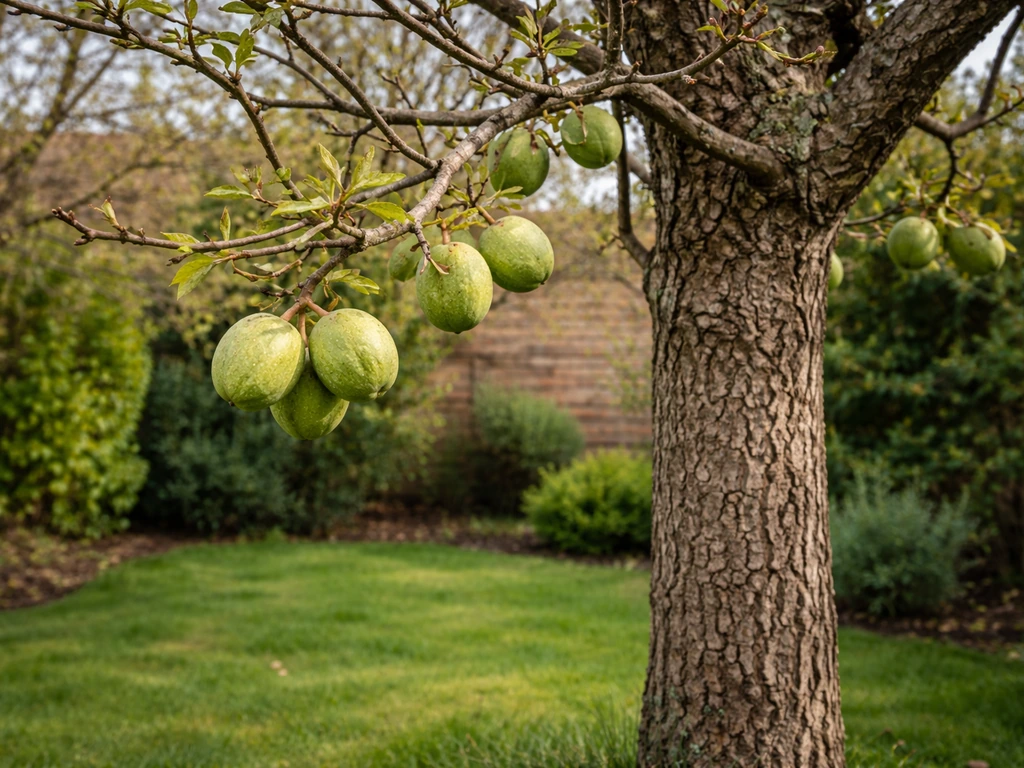
- American chestnut hybrids (Castanea species and crosses) — reliable producers in most of Zone 6
- Chinese chestnut (Castanea mollissima) — extremely well-suited to Zone 6 conditions
- American hazelnut (Corylus americana) and hybrid hazelnuts — hardy throughout Zone 6, fast producers
- Black walnut (Juglans nigra) — native to much of Zone 6, low-maintenance once established
- English/Carpathian walnut (Juglans regia) — use cold-hardy Carpathian strains for Zone 6a
- Shagbark hickory (Carya ovata) — slow but extremely cold-hardy and native to Zone 6
- Shellbark hickory (Carya laciniosa) — best hickory for wet lowland sites
- Northern pecan cultivars (Carya illinoinensis) — marginal but possible in Zone 6b with the right variety
What Zone 6 actually means for your trees
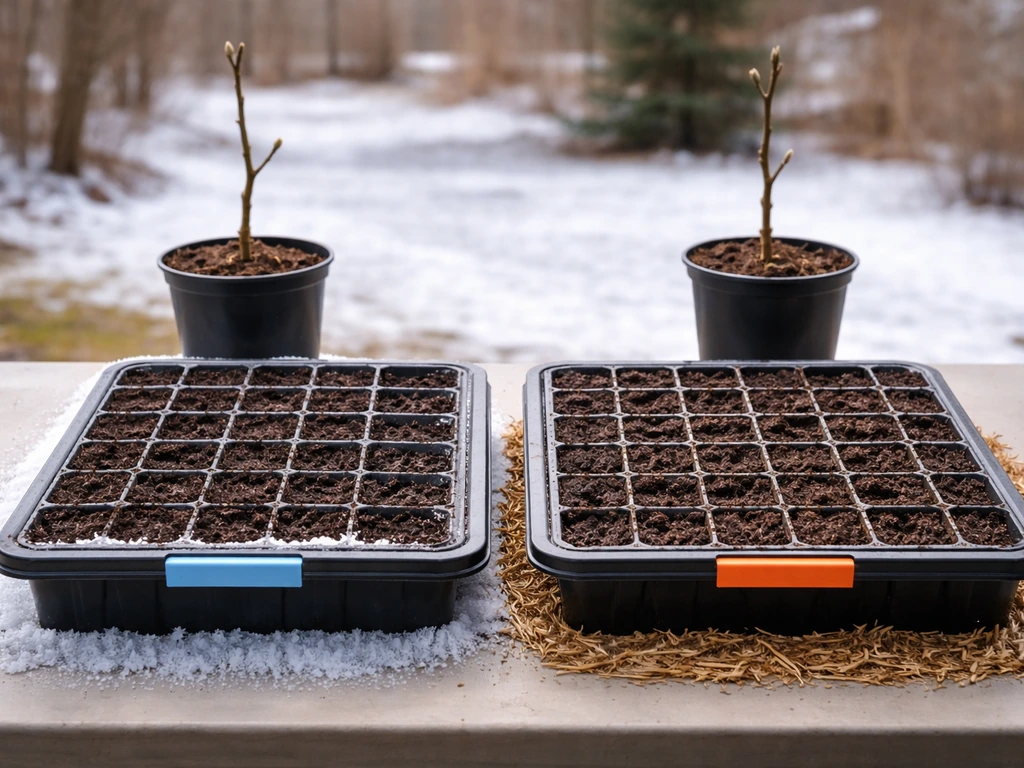
USDA hardiness zones are based on the average annual extreme minimum temperature recorded over a 30-year period. Zone 6 covers two subzones: 6a, where winter lows average between -10°F and -5°F, and 6b, where they average between -5°F and 0°F. That 5°F difference between subzones matters more than people realize when you're selecting nut tree cultivars, because the line between a tree surviving and a tree dying back to the roots can be a single-digit temperature difference.
Beyond cold hardiness, three factors determine whether a nut tree actually produces in Zone 6: chilling hours, season length, and late spring frost. Most nut trees need a certain number of hours below 45°F during dormancy (chilling hours) to break dormancy properly in spring. Zone 6 generally delivers 1,000 to 1,600 chilling hours depending on your exact location, which is plenty for chestnuts, walnuts, hazelnuts, and hickories. The trickier issue is season length combined with late frost.
Zone 6 last frost dates typically run from late March to mid-May depending on geography and elevation, and nut trees like English walnut can push tender growth early and get nipped. That's why cultivar selection and site placement matter as much as the zone rating itself.
It helps to know where Zone 6 actually sits geographically. It spans a wide band through the central and eastern U.S., covering parts of the mid-Atlantic, southern New England, Ohio, Indiana, Kansas, Missouri, and into the Pacific Northwest interior. If you're in Maryland, for example, you're likely in Zone 6 or right on its border with Zone 7, which means most of the trees on this list are directly applicable to your situation.
The best nut trees for Zone 6, by type
Chestnuts
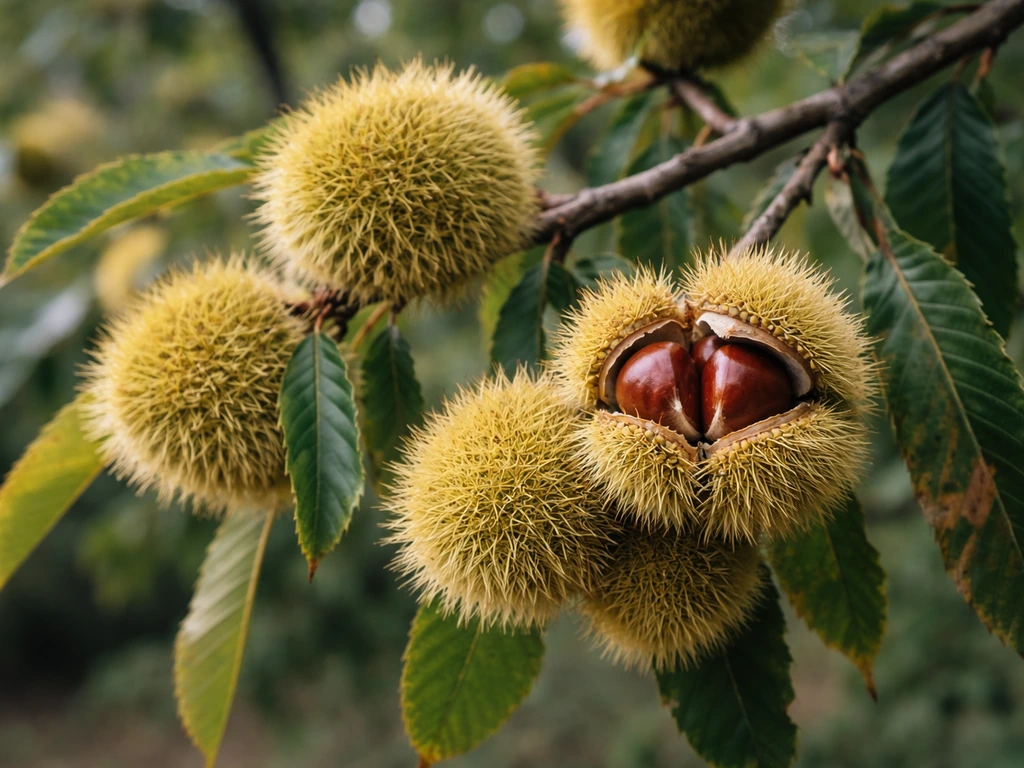
Chinese chestnut is the top pick for Zone 6 growers, and it's not close. It's cold-hardy to about -20°F in many selections, resists chestnut blight (unlike American chestnut), and consistently produces within 3 to 5 years of planting. Named varieties like 'Peach,' 'Colossal,' 'Qing,' and 'AU Homestead' are proven performers. You need at least two genetically different trees for cross-pollination, but that's easy to manage. American chestnut hybrid programs have also produced blight-resistant crosses that are worth exploring if you want the flavor profile of a true American chestnut, organizations like The American Chestnut Foundation release improved seedlings that perform well in Zone 6 conditions.
Hazelnuts
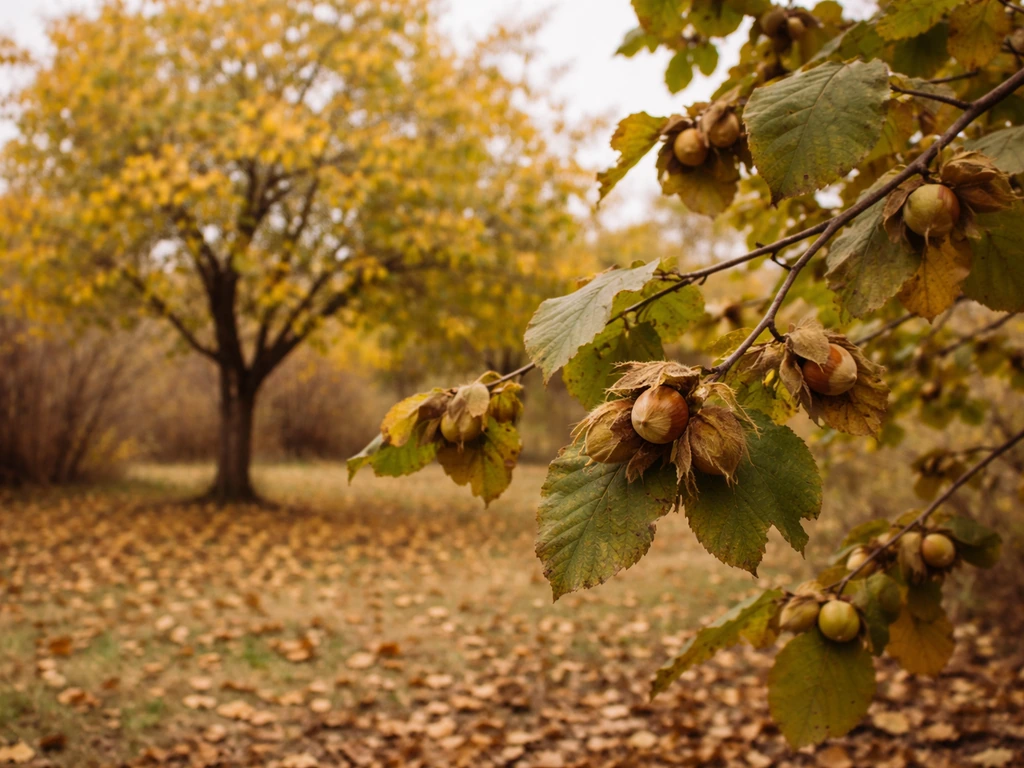
Hazelnuts are the most beginner-friendly nut tree for Zone 6. American hazelnut (Corylus americana) is native to most of the eastern half of Zone 6 and is essentially bulletproof in terms of cold hardiness. It produces smaller nuts than European hazelnut, but it sets fruit reliably. Hybrid hazelnuts, crosses between American and European species, offer the best of both: improved nut size from the European parent and cold hardiness from the American side. Varieties developed by the Arbor Day Foundation and the Badgersett Research Corporation are specifically bred for cold-climate nut production and are well-tested through Zone 6. Plant two or more different varieties for cross-pollination; hazelnuts are wind-pollinated and need the pollen from a genetically distinct plant.
Walnuts
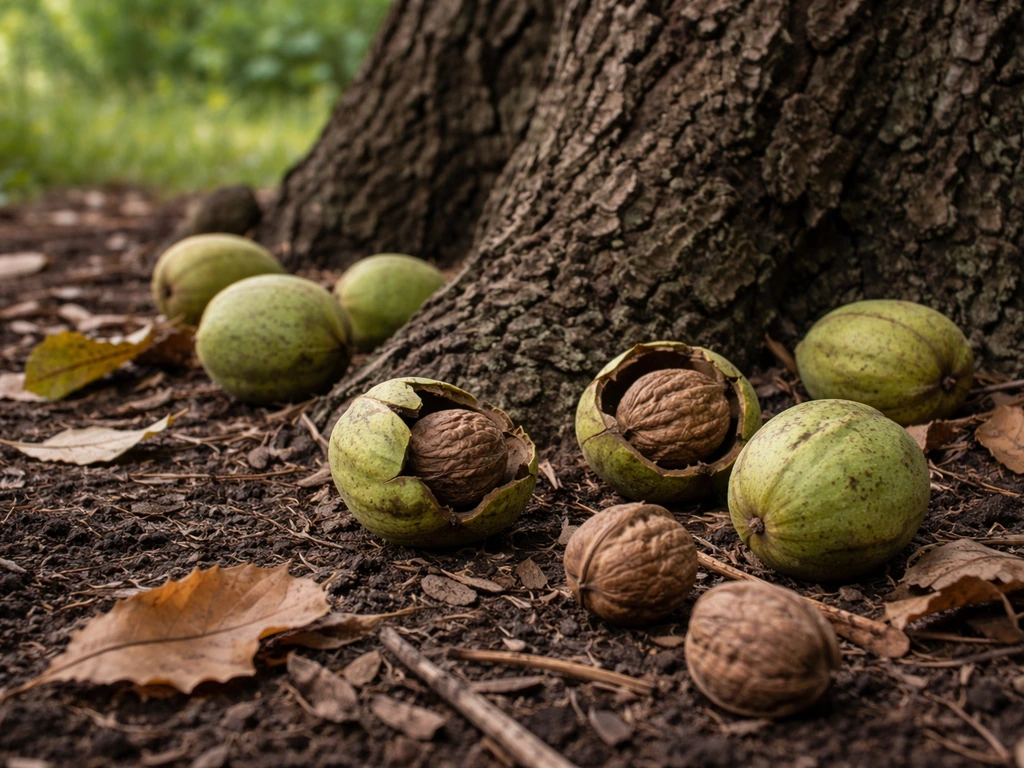
Black walnut is native throughout much of Zone 6 and is an easy, low-input tree once established. It takes 8 to 12 years to produce nuts from seed, so buy a named cultivar like 'Emma K,' 'Sparrow,' or 'Surprise' if yield and timeline matter. The main thing to know about black walnut is juglone toxicity: the roots release a compound that kills many plants nearby, so give it space away from vegetable gardens and orchard trees.
The University of Wisconsin, Madison Extension also notes that juglone can persist after the tree is removed because decaying material remains juglones may persist after removal because decaying material remains.
English walnut in Zone 6 is possible but requires cold-hardy Carpathian strains such as 'Broadview,' 'Colby,' or 'Cascade. ' These were selected from trees growing in mountainous regions of Eastern Europe and handle temperatures down to -20°F to -25°F in some cases, which puts them squarely in Zone 6a territory. Avoid standard English walnut seedlings without a Carpathian origin, they'll die back every winter in Zone 6a.
Hickories
Shagbark hickory (Carya ovata) is one of the most cold-tolerant nut trees in North America and grows natively in Zone 6 forests. The downside is time: expect 10 to 15 years to first production, and that's if you buy a grafted tree. Ungrafted seedlings can take much longer. Shellbark hickory (Carya laciniosa) produces larger nuts and tolerates seasonally wet, poorly drained soils better than shagbark. Both species are worth planting if you're thinking long-term and have the space. Hican hybrids (hickory-pecan crosses) like 'Burton' or 'Henke' can also work in the warmer end of Zone 6 and tend to produce a bit earlier than pure hickories.
Pecans
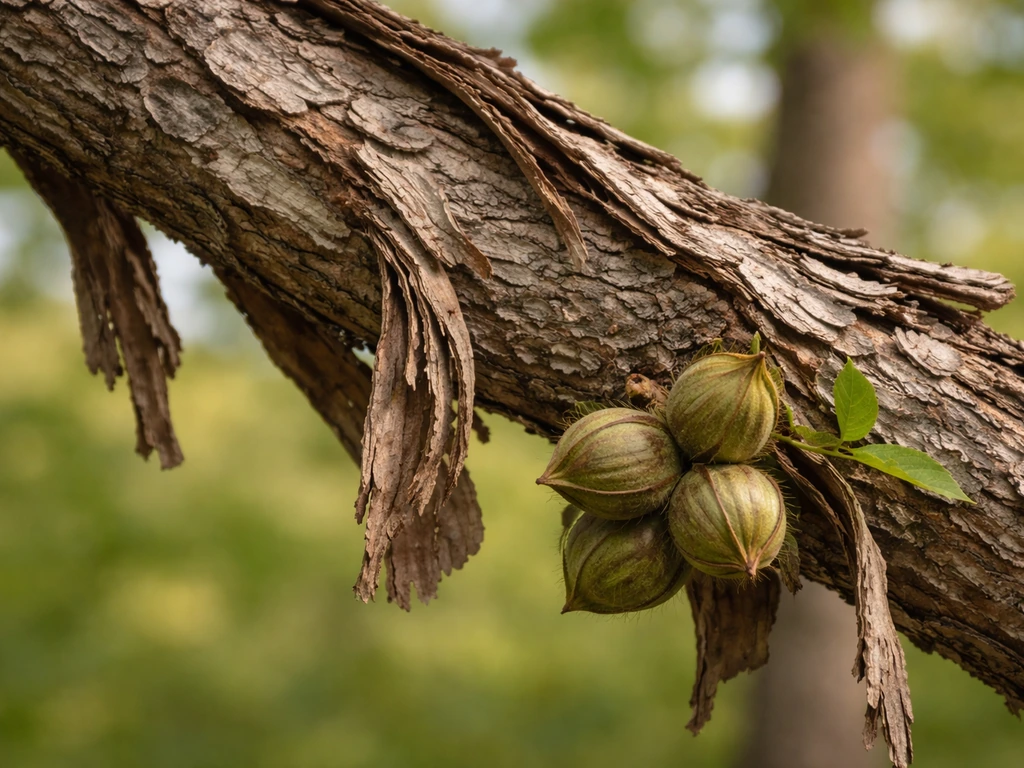
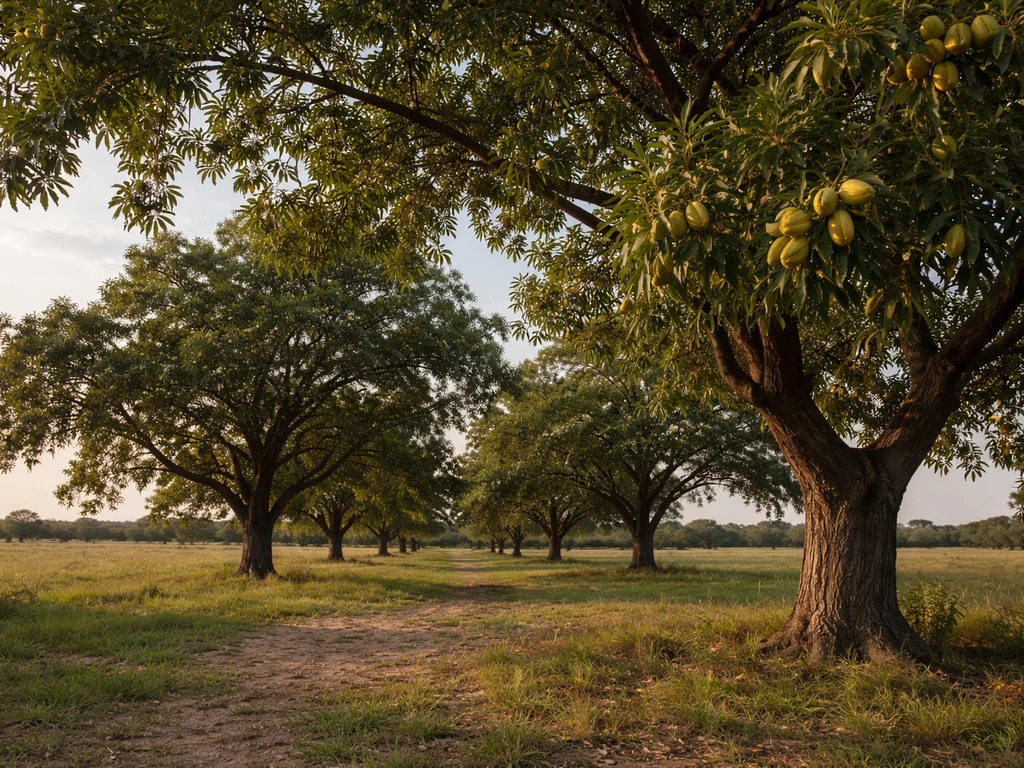
Pecan is a stretch in Zone 6, but it's achievable in Zone 6b with the right northern cultivars. The problem is season length: pecans need 150 to 200 frost-free days to fully ripen their nuts, and Zone 6 averages 150 to 180 days depending on location. Northern short-season varieties like 'Kanza,' 'Peruque,' 'Mullahy,' and 'Lucas' were developed specifically for this constraint. 'Kanza' is a widely recommended choice, it ripens in about 155 days and is cold-hardy to at least -10°F. If you're in Zone 6a with a short season, the honest answer is that hickory is a better investment of your time and space than pecan.
Zone 6a vs. 6b: choosing the right cultivar
The 5°F gap between Zone 6a (lows averaging -10°F to -5°F) and 6b (lows averaging -5°F to 0°F) is enough to eliminate some cultivars entirely. Before buying any tree, look up your specific subzone on the USDA map and match it to the cultivar's stated hardiness. Most reputable nurseries list cold-hardiness ratings down to a specific temperature, not just a zone number, and that detail matters.
| Tree / Cultivar | Hardiness Low | Zone 6a Safe? | Zone 6b Safe? | Cross-pollinator needed? |
|---|
| Chinese chestnut 'Peach' | -20°F | Yes | Yes | Yes (plant 2+ varieties) |
| Hybrid hazelnut (Badgersett type) | -30°F+ | Yes | Yes | Yes (2+ varieties) |
| Black walnut 'Emma K' | -30°F+ | Yes | Yes | No (self-fertile) |
| English walnut 'Colby' (Carpathian) | -20°F to -25°F | Yes | Yes | No (partially self-fertile) |
| Shagbark hickory (native) | -30°F+ | Yes | Yes | Recommended (2+ trees) |
| Pecan 'Kanza' | -10°F | Borderline | Yes | Yes (2 varieties) |
| Pecan standard cultivars | 0°F to 10°F | No | Marginal | Yes |
Cross-pollination deserves more attention than most growers give it. Chestnuts and hazelnuts will simply not produce nuts without a second genetically distinct tree nearby. Black walnut is monoecious (male and female flowers on the same tree) and can self-pollinate, but yields improve with multiple trees. Pecans are also monoecious but have a timing mismatch between pollen shed and receptivity on the same tree, so you need two different cultivars, ideally one Type I (protandrous) and one Type II (protogynous), to ensure overlap. This is a biological reality, not optional advice.
Planting and site prep that actually matters
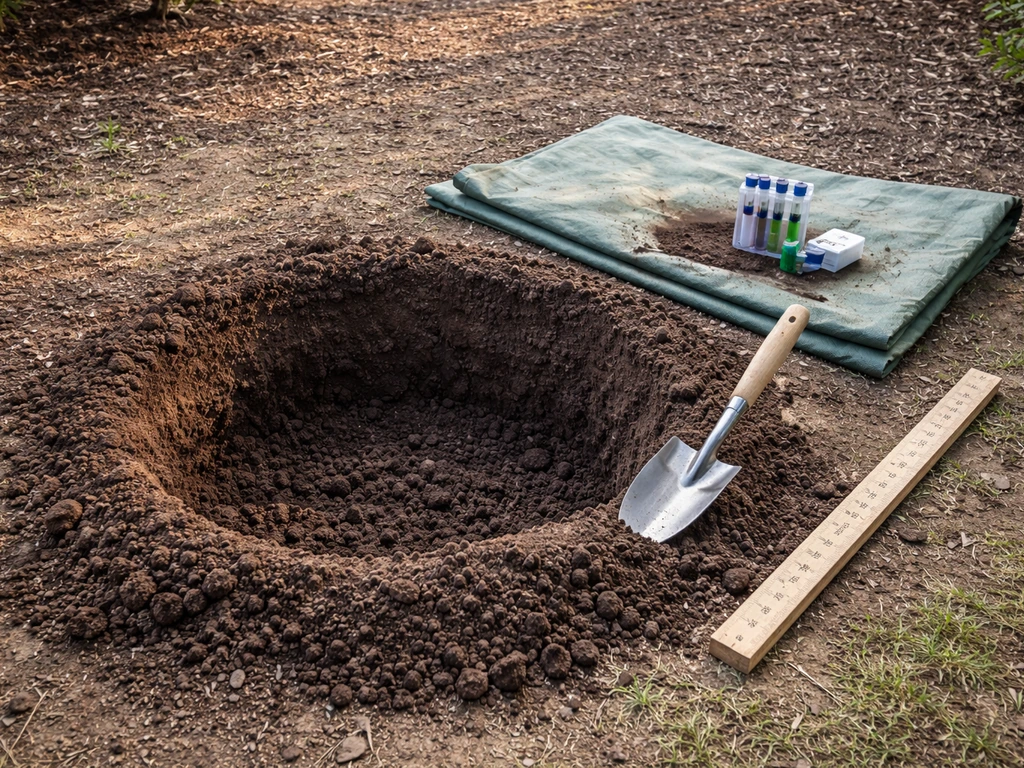
Nut trees are long-term investments, and getting the site right at planting pays dividends for decades. Here are the non-negotiables for Zone 6.
Sun and drainage
All the nut trees on this list need full sun: at minimum 6 hours of direct sunlight daily, and ideally 8 or more. Nut production drops sharply in partial shade because it's the high-energy process of filling those nuts with fat and protein that demands light. Drainage matters just as much. Most nut trees, except shellbark hickory, hate wet feet. Poorly drained soil encourages crown rot, Phytophthora root rot, and general decline. If your site has clay soil that stays saturated after rain, raise the planting area slightly or choose shellbark hickory as your species.
Soil pH and preparation
Most nut trees prefer a soil pH between 6.0 and 7.0. Chestnuts are more acid-tolerant, performing well at 5.5 to 6.5. Test your soil before planting and adjust with lime (to raise pH) or sulfur (to lower it). In Zone 6, where soils vary from the acidic forest loams of the Appalachians to the neutral-to-alkaline prairie soils of Kansas and Missouri, this step is particularly important. Black walnut is more tolerant of a range of soil conditions than most nut trees, but even it performs best in deep, well-drained loam.
Spacing and timing
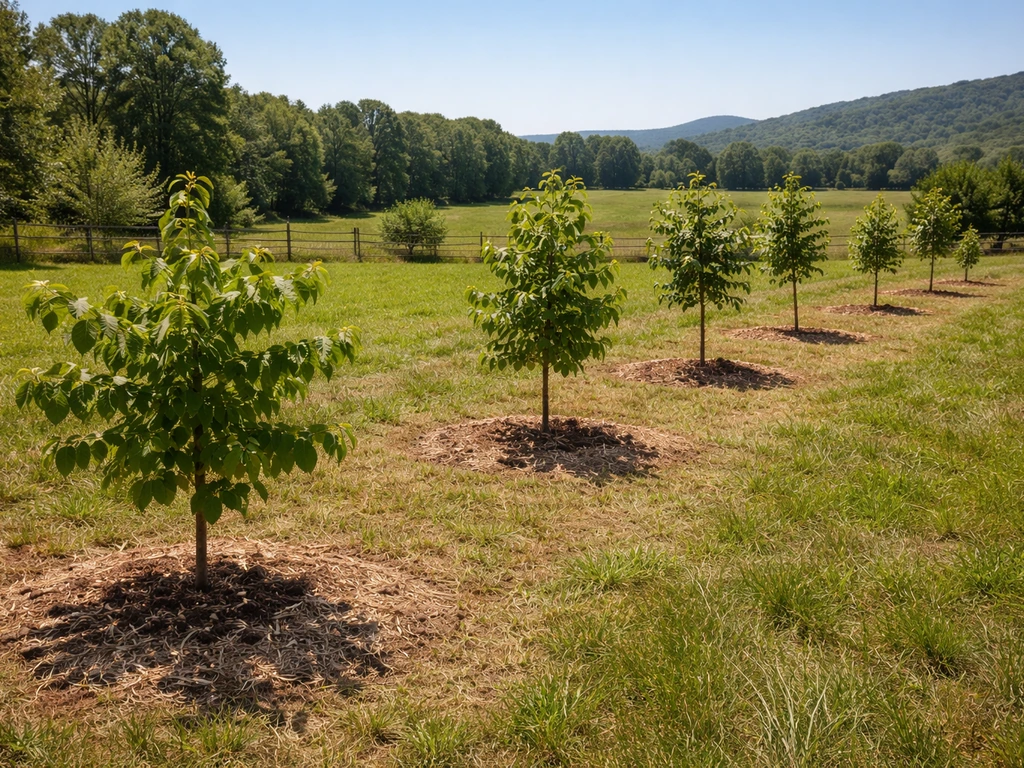
Space full-sized walnut and pecan trees at least 40 to 60 feet apart. Chinese chestnut can be kept to 30 to 40 feet with some management. Hazelnuts are shrubby multi-stemmed plants and can be spaced as close as 10 feet in a hedgerow planting, or 15 to 20 feet for individual specimens. Plant in early spring in Zone 6 as soon as the soil can be worked, typically late March to mid-April depending on your location. Fall planting is possible for container-grown trees but carries more risk in Zone 6a, where new root growth may not establish before hard frost. Bare-root trees should go in the ground in early spring without exception.
Keeping your trees healthy and productive
Watering
Newly planted nut trees need consistent moisture during their first two growing seasons. In Zone 6, summer droughts are common, especially in the western portions of the zone (Missouri, Kansas, inland mid-Atlantic). Plan for supplemental irrigation during dry stretches, targeting about 1 inch of water per week at the drip line. Once established, most native species like black walnut and hickory are drought-tolerant. Chestnuts and English walnuts remain more moisture-sensitive and benefit from mulching to retain soil moisture.
Fertilizing
Don't over-fertilize young nut trees. Excess nitrogen pushes vegetative growth at the expense of root development and cold hardiness, which is a problem in Zone 6 where you need trees to harden off properly before fall. A modest application of balanced fertilizer (10-10-10 or similar) in early spring for the first three years is sufficient. After bearing age, fertilize based on soil tests and annual shoot growth. A healthy nut tree should put on 12 to 24 inches of new growth annually; if it's significantly less, nutrient deficiency or pH problems are likely the culprit.
Pruning
Nut trees need minimal pruning compared to fruit trees, but early structural training pays off. For the first 3 to 5 years, focus on establishing a central leader (for chestnuts, walnuts, and pecans) and removing competing codominant stems. Hazelnuts are shrubs and can be coppiced periodically to rejuvenate production. Prune during late dormancy, late February to early March in most Zone 6 locations, to avoid disease entry through wounds. Never prune walnut in early spring when sap is flowing heavily; the excessive bleeding stresses the tree.
Real problems you'll face in Zone 6
Late spring frost
This is the number one production problem in Zone 6, not winter cold. Most nut trees survive Zone 6 winters without issue, but a hard frost in late April or early May hits tender new growth and flowers just as the trees are pushing out. English walnut is particularly vulnerable because it leafs out early. Chestnuts are more frost-tolerant in bud than walnuts, and hazelnuts flower so early (February to March) that their catkins are usually done releasing pollen before the dangerous late-frost window. Siting trees on a slope above a frost pocket, where cold air drains away, is a practical way to protect bloom.
Pests and disease
Chestnut blight remains a serious concern for pure American chestnut but is not a significant issue for Chinese chestnut or the blight-resistant hybrid varieties. The American Chestnut Foundation notes there are currently no American chestnut trees that are 100% blight-resistant Growing Chestnuts. Walnut bunch disease (caused by a phytoplasma) shows up in some Zone 6 black walnut populations and is spread by leafhoppers. There's no cure; infected trees should be removed. Pecan scab (Venturia effusa) is the major pecan disease in the eastern part of Zone 6 and is one reason many growers in this area choose scab-resistant northern varieties like 'Kanza' rather than southern cultivars. Hickories are generally low-problem trees in Zone 6 with few serious pests.
Poor or inconsistent yields
If your trees bloom but don't set nuts, the most common culprits are lack of a cross-pollinator, late frost wiping out flowers, or an immature tree that simply isn't old enough yet. Alternate bearing (heavy production one year, little the next) is normal in chestnuts and walnuts, especially when a late frost reduces one season's crop. Don't panic if year two or three produces nothing; it doesn't mean the tree is failing. Consistent soil moisture and fertility in the year before help reduce the severity of alternate bearing cycles.
How Zone 6 compares to nearby zones
Zone 6 sits in a productive middle ground. Growers in warmer zones to the south, like those looking at Georgia's nut tree options, have longer seasons that favor pecans and other southern species but face more disease pressure and heat stress. Growers who wonder about what nut trees grow in the Northeast are dealing with shorter seasons and colder winters that push them more heavily toward hazelnuts and hickories. Zone 6 gives you access to a wider roster than either extreme, which is one reason it's worth taking the time to match your specific subzone to the right cultivar rather than just picking a species generically.
States like Tennessee straddle Zones 6 and 7 and offer useful real-world examples of which cultivars succeed near the boundary. And if you're thinking about the western end of Zone 6, the climate context for growing nut trees in Colorado adds another layer of complexity, where low humidity and alkaline soils change which species make sense even within the same zone designation.
Matching expectations to reality
When you're trying to identify the best nut trees to grow for your specific situation, it's easy to get overwhelmed by options. The practical shortcut for Zone 6 is this: if you want nuts in the shortest timeframe with the least risk, plant Chinese chestnut or hybrid hazelnut first. Both produce within 3 to 5 years, both handle Zone 6 cold without issue, and both have manageable size. Add black walnut or hickory if you have the space and the patience for a longer-horizon planting. Pecan is worth attempting in Zone 6b with a northern cultivar, but go in knowing it's a 10-plus-year project that may underperform in cool, short seasons.
If you're in a region that overlaps with Zone 6 and Zone 7, the mid-Atlantic area including parts of Maryland being a good example, check the USDA map for your specific county or zip code, not just your state. Microclimates within a single county can vary by a full subzone depending on elevation, proximity to water, and urban heat effects.
Your next steps to find the right tree
- Look up your exact USDA hardiness subzone (6a or 6b) using the official USDA Plant Hardiness Zone Map and enter your zip code — don't rely on your state's general zone.
- Note your average last frost date and count your average frost-free days; if you're under 160 days, cross pecan off the list unless you want to accept the risk.
- Test your soil pH before buying any tree; get a basic soil test through your local cooperative extension office, which will also tell you your drainage situation.
- Decide how many years you're willing to wait for your first harvest: hazelnut and chestnut = 3 to 5 years; walnut = 8 to 12 years; hickory = 10 to 15 years.
- Plan for cross-pollination from the start: if you're planting chestnut, hazelnut, or pecan, identify two different varieties before you buy anything.
- Source trees from a nursery that specifies cold-hardiness ratings in degrees Fahrenheit, not just zone numbers, so you can confirm Zone 6a suitability.
- Walk your property and identify your best site: full sun (8+ hours), good drainage, away from frost pockets, and enough spacing for mature tree size.
- Mark your calendar for a first-year care plan: water weekly during dry spells, apply 3 to 4 inches of mulch around the base (keep it off the trunk), and skip heavy fertilizer in year one.