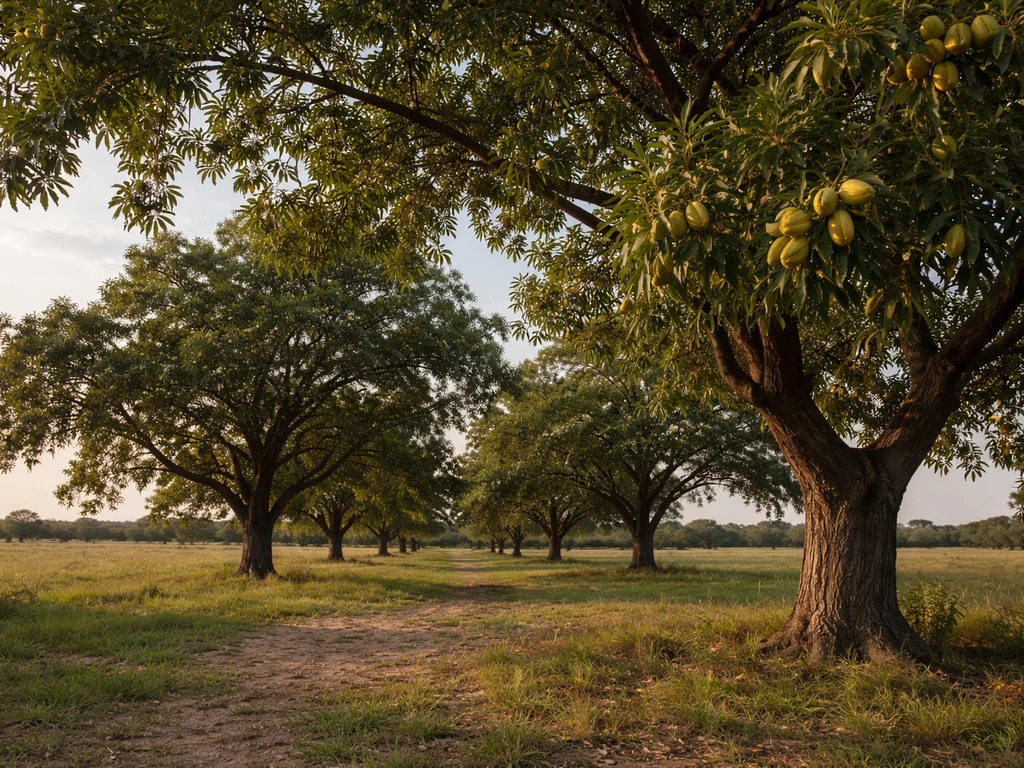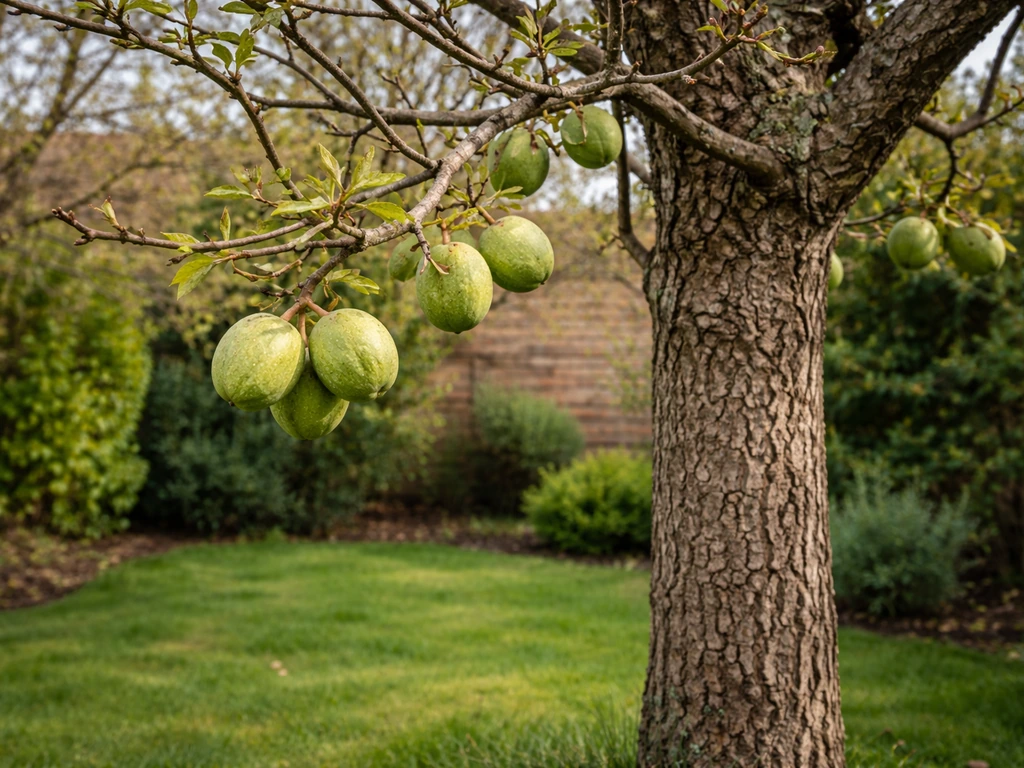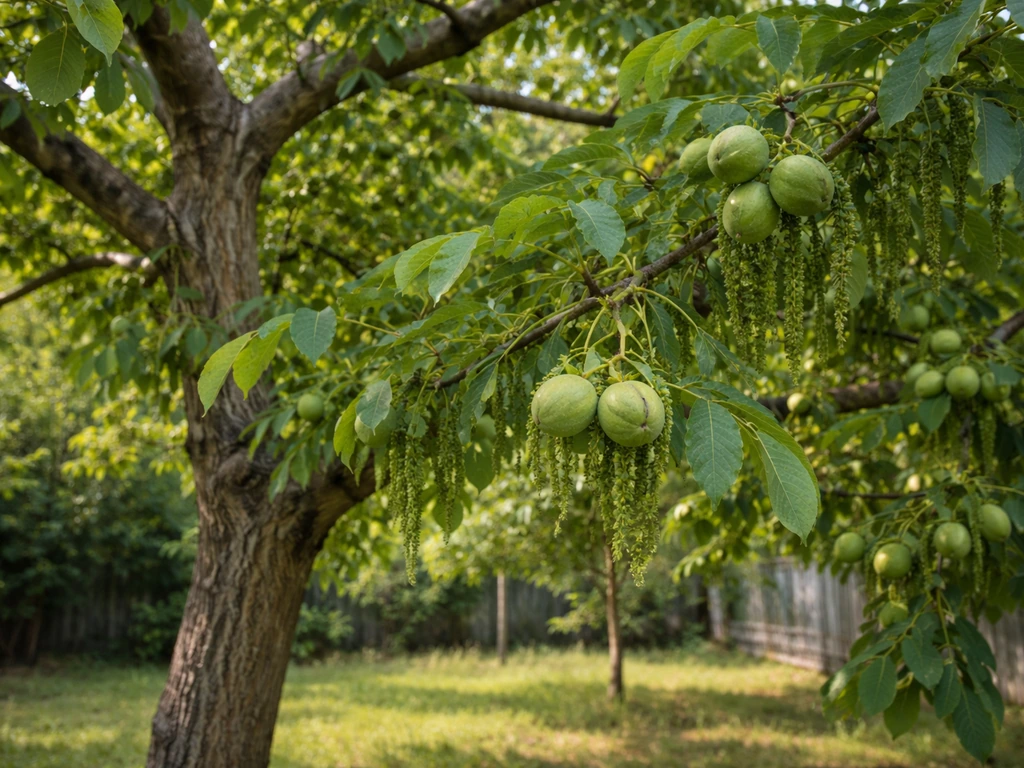
Tennessee is one of the better states in the country for growing nut trees. You have a long growing season, decent rainfall, and enough climate variation across the state that most major nut species find at least a corner of Tennessee where they thrive. The short answer: pecans, black walnuts, chestnuts, hazelnuts, hickories, and pawpaws all grow in Tennessee, and most homeowners can successfully establish at least two or three of these species depending on their region. This guide breaks down which species to choose, where they perform best, and what you actually need to do to get nuts on the ground.
What Nut Trees Grow in Tennessee Best Picks by Zone
Marcus Hendricks
17 Apr 2026
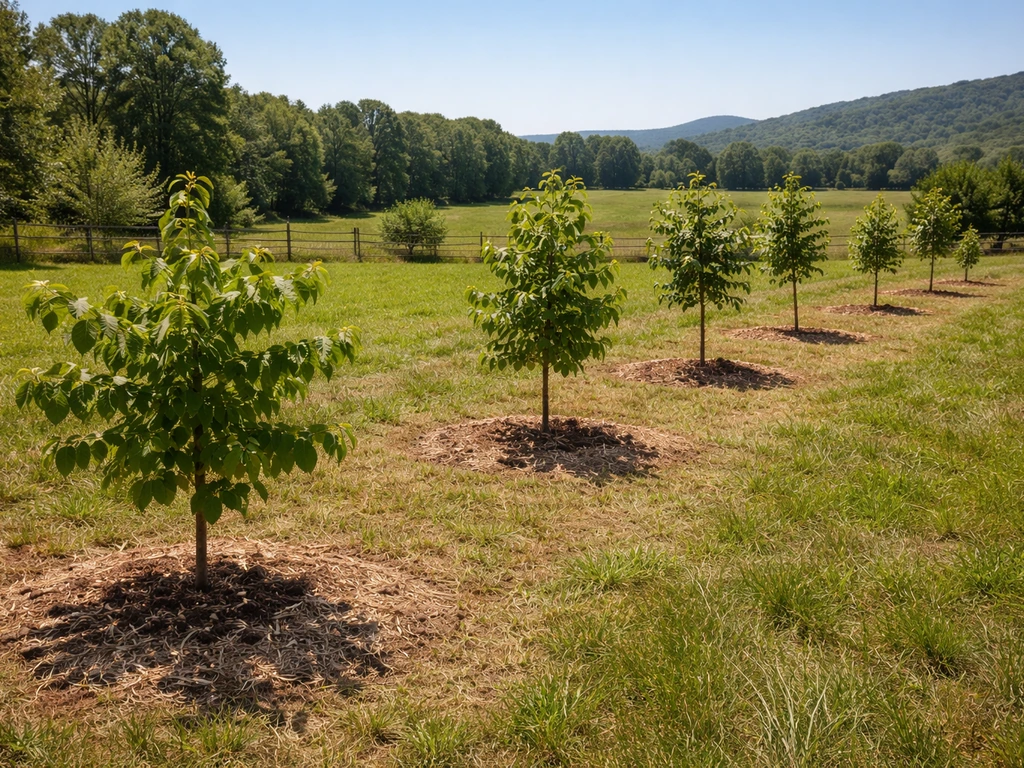
Quick Tennessee nut-tree shortlist
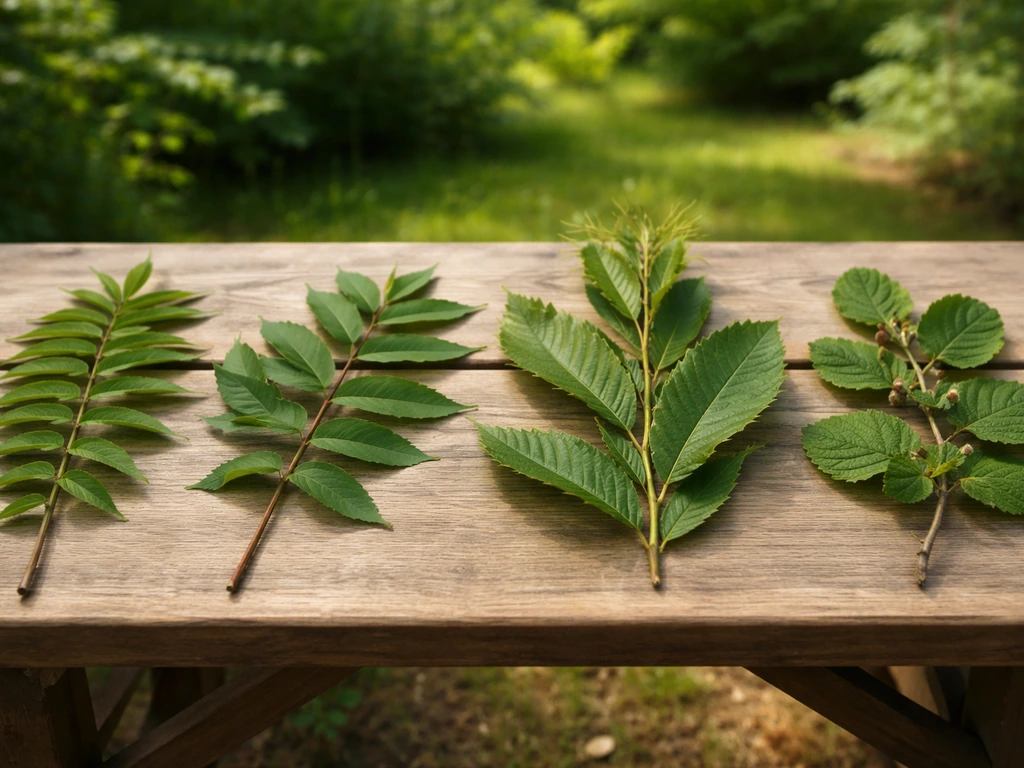
If you want a fast starting point, here are the species most reliably suited to Tennessee home orchards and small-scale growers, ranked roughly by ease of establishment and dependability of production:
- Black walnut (Juglans nigra) — native, nearly bulletproof, and highly productive once established. A top pick for most of the state.
- Pecan (Carya illinoinensis) — the big commercial opportunity in western and central Tennessee; needs the right cultivar to do well in the east.
- American hazelnut / filbert (Corylus americana) — compact, early-bearing, and underused by Tennessee growers. Excellent for small yards.
- Chestnut (Castanea species and hybrids) — American, Chinese, and hybrid varieties all work well in Tennessee; blight is the key management issue.
- Hickory (Carya species) — native, low-maintenance, very long-lived, but patience is required (years to first nut).
- Pawpaw (Asimina triloba) — technically a fruit tree, but commonly grouped with nut trees in Tennessee extension guidance; thrives in woodland edges statewide.
- Butternut (Juglans cinerea) — native and historically common, but now threatened by butternut canker disease; worth planting with disease-resistant seedlings where available.
English walnut, pistachio, and almond also appear on commercial nut crop lists, but none of them are well-suited to Tennessee's humidity and disease pressure. Don't waste your time with those unless you have a very specific protected microclimate. If you are still exploring your options and haven't committed to a region-specific plan yet, it helps to review what the best nut trees to grow are across a broader range of climates, because that context helps you understand why Tennessee's lineup looks the way it does.
Match species to Tennessee's regions and USDA zones
Tennessee spans USDA hardiness zones 5b through 8a, which is a surprisingly wide range. The Great Smoky Mountains in the east push into zone 5b at elevation, while Memphis in the far west sits comfortably in zone 7b to 8a. That matters a lot for nut tree selection. What works in Shelby County may not work in Johnson County.
| Region | USDA Zones | Best Species | Cautions |
|---|---|---|---|
| West Tennessee (Memphis, Jackson) | 7a–8a | Pecan, black walnut, chestnut hybrids | Pecan scab pressure is high; choose scab-resistant cultivars |
| Middle Tennessee (Nashville, Murfreesboro) | 6b–7a | Black walnut, pecan, chestnut, hazelnut, pawpaw | Best all-around region for diversity of species |
| East Tennessee valleys (Knoxville, Chattanooga) | 6b–7a | Black walnut, chestnut, hazelnut, pawpaw, hickory | Pecan works but northern-adapted cultivars needed |
| East Tennessee highlands / Appalachian ridges | 5b–6a | Black walnut, American hazelnut, hickory, butternut | Avoid pecan; focus on cold-hardy natives |
If you are in the Nashville basin or points west, you have the most flexibility. East Tennessee growers at elevation should think of their planting more like a zone 6 situation, and if you want a detailed look at what that means for species selection, the guide on what nut trees grow in zone 6 walks through exactly which species cross that threshold reliably.
Tennessee's southern neighbor Georgia shares similar climate pressures in the lower zones, and a lot of the pecan and chestnut experience from that state transfers directly. The resource on what nut trees grow in Georgia is worth reading if you are in southern Middle Tennessee or the Chattanooga area, because the cultivar recommendations and disease management strategies overlap significantly.
Growing requirements that actually determine whether you succeed
Soil
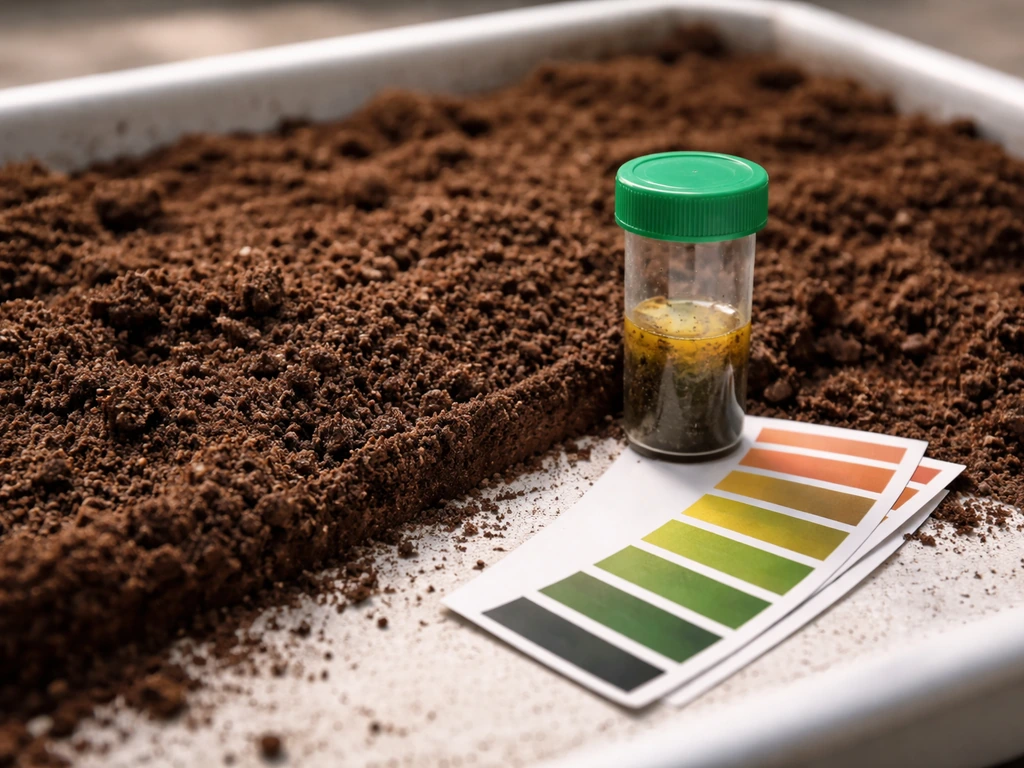
University of Tennessee Extension is clear on this: most nut crops do best in blank" rel="noopener noreferrer">deep, well-drained, loamy soil with a pH of roughly 6.0 to 7.0. That range covers the sweet spot for nutrient availability across all the major species on the list. Tennessee's soils are variable, so pull a soil sample before you plant anything. Extension offices across the state can process samples cheaply, and it is worth knowing your starting point. Heavy clay that holds water is the single biggest establishment killer for pecans and chestnuts. Black walnut and hickory are more forgiving of clay if it is not waterlogged, but they still want good drainage.
Chill hours and cold hardiness
Chill hour accumulation (hours below 45°F during dormancy) is not usually a limiting factor in Tennessee the way it is in Florida or coastal Georgia. West Tennessee typically accumulates 600 to 900 chill hours per winter; Middle and East Tennessee get 900 to 1,200 or more. Most nut trees you would plant there are cold-hardy well beyond what Tennessee winters deliver. The real cold hardiness concern is late spring frosts. A hard frost after pecan or chestnut trees have broken dormancy can kill new growth and wipe out a season's potential crop. Nashville's last average frost date is mid-April; Knoxville runs a week or so later in the hills. Plan your planting and variety selection accordingly.
Sun, space, and site
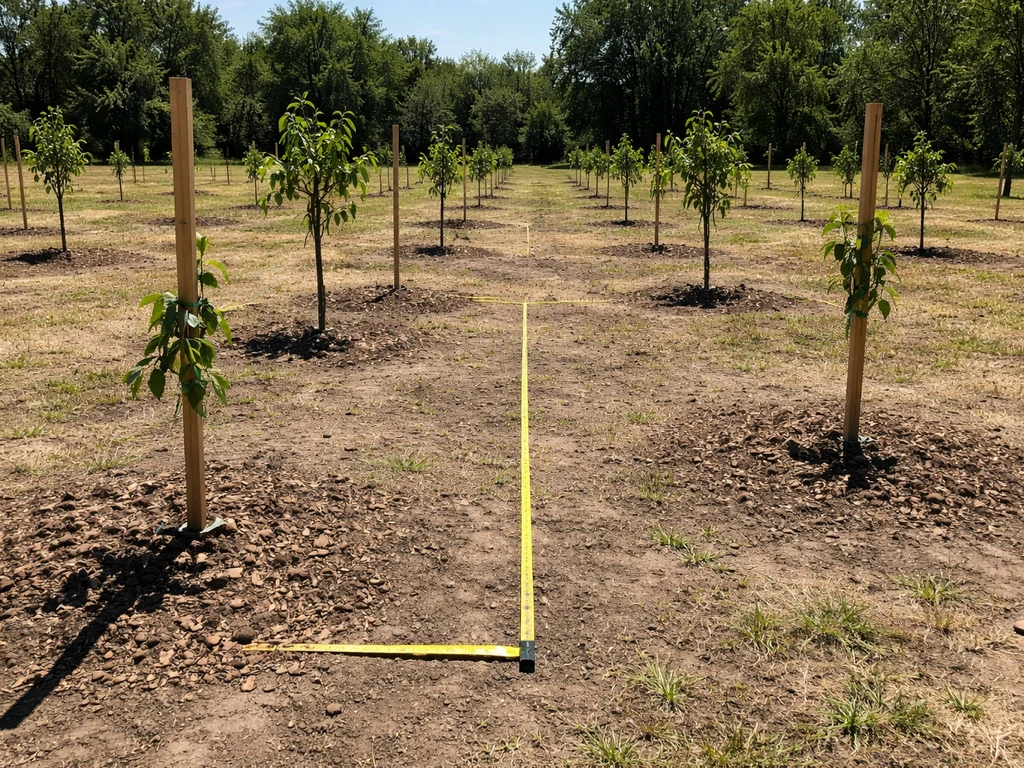
Every tree on this list wants full sun, meaning at least 6 to 8 hours of direct sun per day. Shade significantly reduces nut production and increases disease pressure by limiting airflow. Space requirements vary widely: black walnuts and pecans are big trees that ultimately need 50 to 80 feet of clearance from other large trees and structures. Hazelnuts are shrub-like and can be kept under 15 feet. Chestnuts fall in between at 40 to 60 feet at maturity. Also factor in juglone if you are planting black walnut: that allelopathic compound affects many plants in the root zone and can reach 50 to 80 feet from the trunk.
Planting and establishment: timing, sourcing, and early care
In Tennessee, the best planting window for bare-root stock is late winter to early spring, typically late February through March, before trees break dormancy. Container-grown trees have more flexibility and can go in the ground through early fall, but bare-root is usually cheaper and establishes well when timed right. If you are ordering from a nursery, order early because stock sells out. For chestnuts especially, sourcing matters: the American Chestnut Foundation distinguishes between wild-type American chestnut seeds and improved hybrid seeds with increased blight resistance. For Tennessee planting, blight-resistant hybrids are the practical choice.
UT Extension recommends planting nut seeds (when direct-seeding rather than transplanting) about 2 to 3 inches deep. For transplanted bare-root stock, dig the hole wide enough to spread the roots without bending them, set the graft union above the soil line for grafted trees, and backfill with native soil rather than amended mix. Amended backfill creates a drainage discontinuity that can actually trap water around roots. Mulch 3 to 4 inches deep in a 3-foot circle, keeping mulch away from the trunk.
Water newly planted trees deeply once or twice a week for the first growing season, especially during dry stretches. Tennessee can get humid, but summer droughts happen, and a stressed first-year tree is a set-back you do not want. Fertilize lightly in the second year once the tree shows active growth, using a balanced formula based on your soil test results.
Pollination, cultivar choice, and what to expect from nut production
Pecan
Pecan pollination is one of the trickier aspects of getting reliable nut set. Cultivars are divided into Type I (protandrous, pollen shed before pistil receptivity) and Type II (protogynous, pistil receptive before pollen shed). You need at least one Type I and one Type II cultivar in close proximity for good cross-pollination and consistent yields. UGA Extension's pecan resources, including cultivar compatibility charts from programs like LSU AgCenter, are the go-to for pairing decisions. For Tennessee specifically, cultivars with proven scab resistance such as Kanza, Lakota, and Pawnee perform well in the middle and western parts of the state. Pawnee is widely used but requires a compatible pollinizer. In terms of timing, expect small initial crops 2 to 4 years after planting and more meaningful production in years 5 to 7.
Hazelnut and filbert
American hazelnut (Corylus americana) is a Tennessee native that deserves far more attention than it gets. It blooms very early in late winter, and like most hazelnuts, cross-pollination significantly improves nut set. Plant at least two different cultivars or seedlings. A Utah State University Extension resource on hazelnuts confirms that nut production is best when cross-pollination occurs with another variety of the same species, which holds true whether you are in Utah or Tennessee. Good cultivars for the Southeast include Winkler, Gellatly, and various hybrid selections. Expect nuts within 3 to 5 years of planting.
Chestnut
Chinese chestnut (Castanea mollissima) and its hybrids with American chestnut are the most practical choices for Tennessee. Pure American chestnut trees will succumb to blight without the benefit of blight-resistance genetics. Look for hybrid selections from breeding programs. Chestnuts require cross-pollination between two or more trees for good nut set. Plant at least two different cultivars within 50 to 100 feet of each other. Dunstan hybrids, Colossal, and Eaton are commonly available and perform well in Tennessee's climate. First crops typically appear 3 to 5 years after planting.
Pawpaw
Pawpaw (Asimina triloba) is self-incompatible, meaning a single tree will not set fruit reliably. You need at least two genetically different trees planted together, whether named cultivars or seedlings from different parents. Kentucky State University's pawpaw research program recommends purchasing at least two genetically distinct trees, and Clemson University's extension guidance confirms the same biology: pawpaw flowers require cross-pollination to set fruit. Good cultivars available in the Southeast include Shenandoah, Susquehanna, and Allegheny. Expect first fruits in 3 to 5 years for grafted trees, longer for seedlings.
Black walnut and hickory
Black walnut produces both male and female flowers on the same tree (monoecious) and is generally self-fruitful, though cross-pollination with another seedling or named variety can improve yields. Named cultivars like Thomas and Emma K are worth seeking out if nut quality matters to you, rather than just planting an unselected seedling. Hickory species are similar in their wind-pollinated, monoecious structure and typically do not require a separate pollinizer tree, though having multiple trees helps. Both species take patience: black walnut may bear in 4 to 7 years; hickories often take a decade or more.
Pests and diseases to watch for in Tennessee
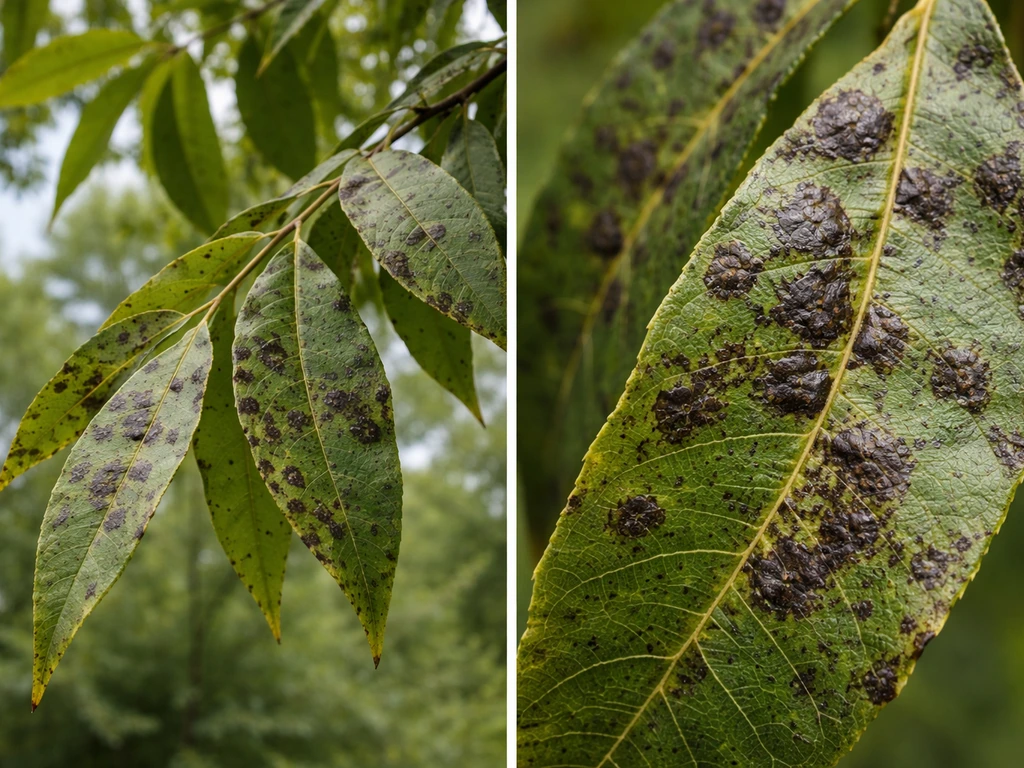
Tennessee's warm, humid summers create favorable conditions for fungal diseases, and that shapes which species and cultivars make sense to plant.
- Pecan scab (Venturia effusa): The most economically damaging pecan disease in the Southeast. It infects leaves, shoots, and nuts during wet spring weather and can cause near-total crop loss on susceptible cultivars. Cultivar selection is your primary tool here. Kanza and Lakota have strong scab resistance. University of Alabama IPM resources and UGA's pest management guidance both emphasize scab as the top management priority for pecan in the region.
- Pecan nut casebearer (Acrobasis nuxvorella): A moth larva that tunnels into developing nuts shortly after pollination. Timing of any spray applications is critical and based on degree-day monitoring rather than calendar dates. Extension offices provide alerts.
- Chestnut blight (Cryphonectria parasitica): The fungal disease that devastated American chestnut populations. Chinese chestnut and blight-resistant hybrids are your practical solution. Even on resistant trees, monitor for cankers and remove affected tissue promptly.
- Butternut canker (Ophiognomonia clavigignenti-juglandacearum): Affects butternut trees significantly. This is why butternut planting has declined. Seek disease-resistant sources if you want to grow it.
- Walnut anthracnose and thousand cankers disease: Black walnut can be affected by both. Thousand cankers disease (caused by a fungus vectored by the walnut twig beetle) is spreading and has been confirmed in Tennessee. Healthy growing conditions and avoiding moving walnut wood from infested areas help reduce risk.
- Eastern filbert blight (Anisogramma anomala): A serious disease for European hazelnut in the East, but American hazelnut (Corylus americana) has much better native resistance. This is one reason to favor American hazelnut or blight-resistant hybrid cultivars over straight European varieties in Tennessee.
Realistic harvest timeline and your next-step checklist
There is no soft way to say this: nut trees are a long game. Even the faster species on this list take 3 to 5 years before you see meaningful production, and most will not hit their stride for 7 to 10 years. That is not a reason to avoid them; it is just the reality of what you are planting. A pecan tree planted in Middle Tennessee this spring will likely give you your first real crop in 2031 or 2032. A black walnut planted today might give modest nuts by 2030. A hickory might not produce well until the mid-2030s. Plan accordingly and do not get discouraged by slow early years.
| Species | First Small Crop (approx.) | Consistent Production | Pollinator Needed? |
|---|---|---|---|
| Pecan (grafted) | 2–4 years | 5–7 years | Yes (Type I + Type II) |
| Black walnut | 4–7 years | 7–10 years | Helpful but not required |
| American hazelnut | 3–5 years | 5–7 years | Yes (2 different genotypes) |
| Chestnut (Chinese/hybrid) | 3–5 years | 6–8 years | Yes (2+ cultivars) |
| Hickory | 7–10 years | 10–15 years | Generally self-fruitful |
| Pawpaw | 3–5 years (grafted) | 5–8 years | Yes (2 different genotypes) |
| Butternut | 4–6 years | 7–10 years | Helpful but not required |
Before you plant, here is a practical checklist to run through:
- Find your USDA hardiness zone using your zip code on the USDA Plant Hardiness Zone Map. This immediately narrows your cultivar options.
- Pull a soil sample and test it before digging any holes. Target a pH of 6.0 to 7.0 and check drainage. If water stands in the spot after rain, choose a different location.
- Identify your site's sun exposure. Mark the spot at noon in summer and confirm you are getting 6 to 8 hours of direct sun.
- Decide on species first, then cultivar. Pick based on your zone, your available space, and your patience level for the timeline above.
- Order at least two trees if you are planting pecan, chestnut, hazelnut, or pawpaw. Cross-pollination is not optional for those species.
- Source grafted trees over seedlings for pecan, chestnut, and pawpaw if nut production is your primary goal. Grafted trees come true to variety and bear much sooner than seedlings.
- Contact your county UT Extension office before planting for local cultivar recommendations, soil testing, and pest management calendars. They track local pressure for pecan scab and other diseases seasonally.
- Plan your spacing at the time of planting, not after the tree is established. Crowding is one of the most common long-term mistakes.
Tennessee growers are not working in isolation when it comes to regional nut growing knowledge. A lot of the pest management, cultivar, and soil guidance developed for neighboring states transfers well. If you are in the Upper Cumberland or anywhere in East Tennessee and your climate edges toward mid-Atlantic conditions, the guide on what nut trees grow in Maryland covers many of the same zone 6 species with overlapping cold-hardiness considerations. And if you are exploring native nut species with a northeast-facing property or woodland edge, the broader perspective in what nut trees grow in the northeast adds useful context on black walnut, butternut, and hazelnut performance in cooler, shadier settings. For those at the other extreme researching whether a dry-climate species like pistachio or almond could somehow work in a sheltered Tennessee microclimate, the guide on what nut trees grow in Colorado helps illustrate why humidity and disease pressure, not just cold hardiness, ultimately determines what succeeds in the Southeast.
Tennessee is genuinely a great place to grow nut trees. You have the climate, the soil, and enough regional diversity to make almost any major nut species work somewhere in the state. The growers who struggle are almost always the ones who skipped the site assessment, planted a single tree where two were needed, or chose a cultivar without checking disease resistance. Do those three things right, and you have a strong foundation for a productive planting.
FAQ
What nut trees grow in Tennessee if I only have room for one tree?
For a single-tree setup, avoid species that need cross-pollination for reliable crops. Pawpaw is self-incompatible (you need two genetically different trees), chestnuts need multiple trees, and hazelnuts benefit from two cultivars. If you truly can plant only one, black walnut or most hickories are more forgiving, but you will still usually get better yields with a second nearby. For best odds, confirm the pollination requirement and then plan for at least a second tree within the species’ typical pollination range.
How close do nut trees need to be to pollinate each other in Tennessee?
Proximity matters most for cross-pollinated nuts. Chestnuts typically need another compatible tree within about 50 to 100 feet. Hazelnuts also benefit from planting different cultivars close together, but the workable distance depends on how far pollen travels in your specific site. For pecans, the needed spacing varies by cultivar and orchard layout, so treat it as a compatibility and proximity problem rather than a fixed number. If you cannot place trees close enough, you may need to switch species or add grafted cultivars that bloom together.
Can I grow pecans in Tennessee if I am worried about scab and other fungal issues?
Yes, but you should lead with scab-resistant cultivars and then back that up with spacing and airflow. Tennessee’s humidity raises disease pressure, so choose varieties with proven resistance like Kanza, Lakota, or Pawnee (where they fit your part of the state), and avoid planting in tight, shaded spots. Also, be prepared for ongoing management in wet springs, because resistance reduces risk but does not eliminate disease.
What nut trees grow in Tennessee that handle heavy clay the best?
If your soil is clay, drainage becomes the deciding factor. Pecan and chestnut establishment fails most often when the ground stays waterlogged, so consider raised rows or drainage improvements if you see pooling after rain. Black walnut and hickory tolerate some heavier soil better, but they still do not like saturated conditions. The fastest way to avoid disappointment is a soil sample plus a simple drainage check (dig a hole, see how quickly it drains over a few hours and the next day).
Do I need to worry about chill hours in Tennessee when choosing nut trees?
Usually no. Tennessee’s winters generally provide enough chill for the nut species commonly grown there. The bigger cold-weather risk is late spring frost after new growth starts, which can damage pecan and chestnut shoots and reduce yields even if the tree survived the winter. Plan your variety and your site choice with your local last frost timing in mind.
When should I plant nut trees in Tennessee for the best survival rate?
Bare-root trees are best planted late winter to early spring, commonly late February through March, before they fully break dormancy. Container-grown trees give you more flexibility, including early fall planting, but you still need to keep irrigation consistent during establishment. If you are ordering nursery stock, place your order early because popular cultivars can sell out before spring.
How deep should I plant seeds or set grafted trees in Tennessee?
For direct-seeded nuts, plant roughly 2 to 3 inches deep. For transplanted grafted trees, keep the graft union above the soil line so you do not bury the scion. Use native soil for backfill rather than a rich amended mix, because changing the soil structure can create a water-trapping zone around the roots.
Why does my black walnut site not grow other plants well, even away from the trunk?
Black walnut releases juglone, which can inhibit many plants in the root zone beyond the visible drip line. The range you should plan for is often 50 to 80 feet from the trunk, depending on soil and plant type. If you want a mixed nut and garden property, either manage that zone intentionally or choose other nut species without juglone concerns.
What nut trees grow in Tennessee if I want the earliest possible nuts?
Expect all nuts to be a long-term commitment, but some start producing sooner. Hazelnuts often provide nuts around 3 to 5 years after planting, while chestnuts and grafted pawpaw also can start in that 3 to 5 year window. Pecans, black walnut, and hickories typically take longer, with meaningful production often in years 5 to 7 or beyond depending on growth rate and site quality. Your fastest path to earlier nuts is usually choosing the species with the shortest maturity and providing excellent early establishment.
How long do nut trees take to produce a meaningful crop in Tennessee?
Many homeowners overestimate early yields. Even “faster” species may take 3 to 5 years for noticeable production, and a strong crop often arrives around 7 to 10 years depending on species, cultivar, and how well the tree establishes. If you want a realistic plan, factor in the risk of late frost damage in early years, because it can delay progress even when the tree is healthy.
What common mistakes prevent nut trees from thriving in Tennessee?
Three issues dominate failure: skipping soil and drainage assessment, planting only one tree of a species that needs cross-pollination, and choosing a cultivar without checking disease resistance for Tennessee’s humid conditions. Also avoid planting in too much shade, because it reduces nut set and increases disease pressure through poorer airflow. If you correct those three upfront, establishment success rates jump significantly.