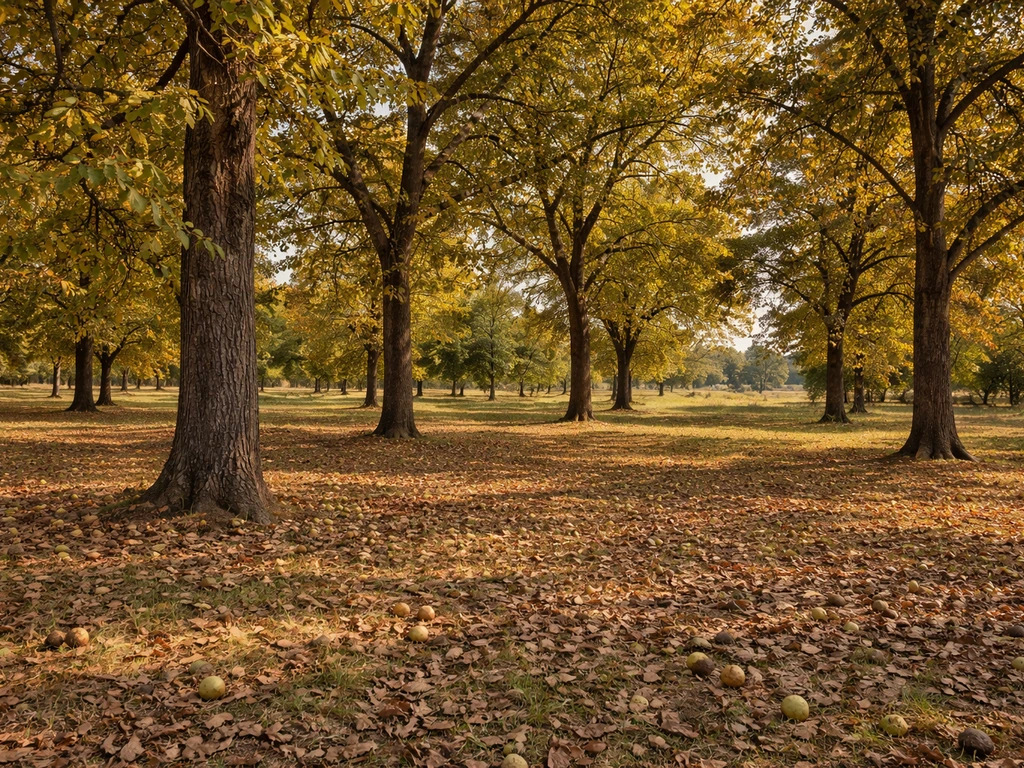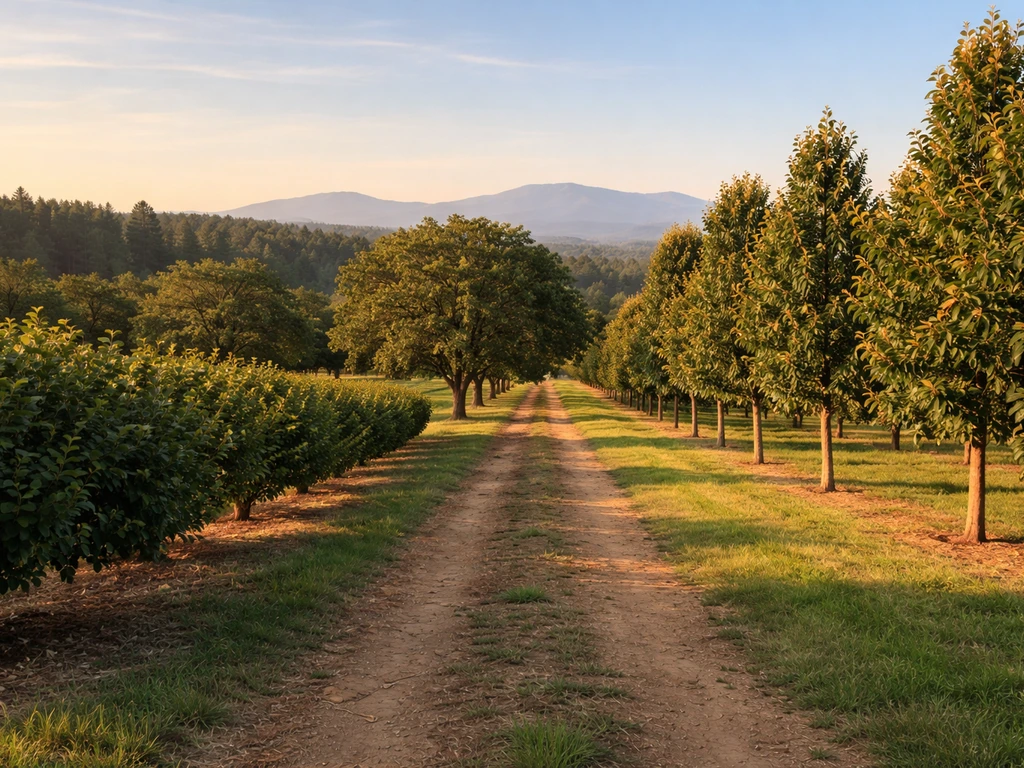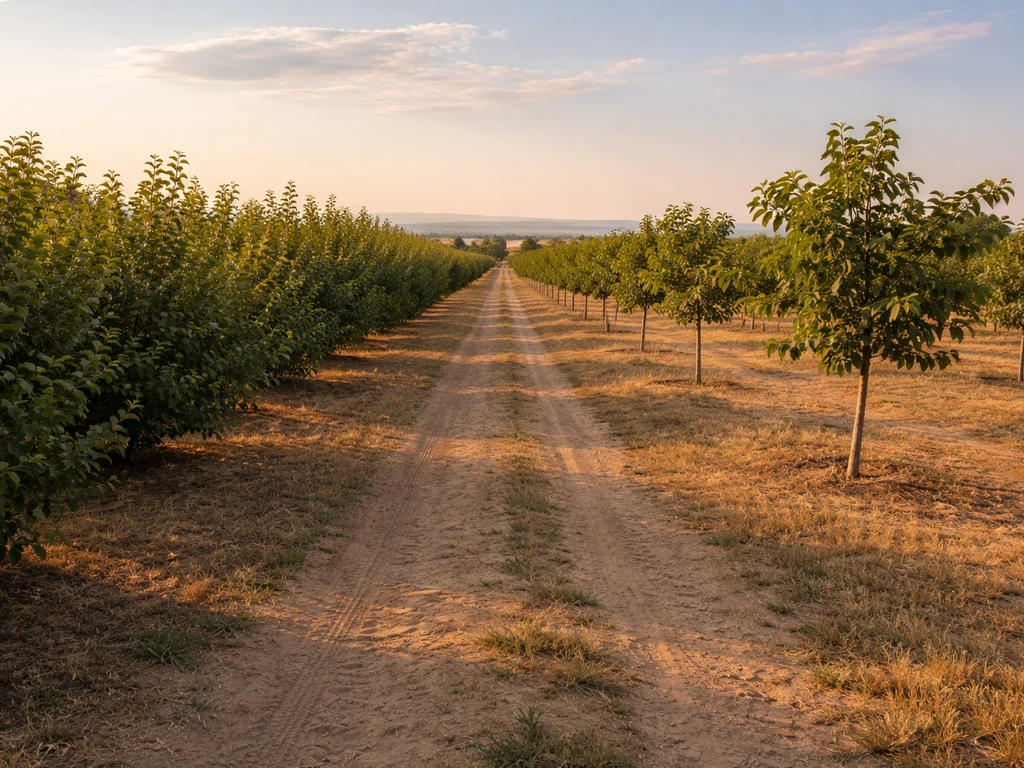
Missouri supports a genuinely impressive lineup of nut trees, both native and cultivated. Eastern black walnut grows wild across the entire state and can be managed for serious nut production. Pecan is native to southern Missouri and produces reliably in the right cultivar and site. Chinese chestnut is the best-adapted introduced chestnut species for Missouri conditions. Several hickory species are native and widely distributed, though most are harvested rather than orchard-grown. If you want a productive nut tree for a home property or small orchard in Missouri, black walnut, pecan, and Chinese chestnut are your three strongest options, each with distinct requirements that will determine whether you get a real crop or just a tree.
What Nut Trees Grow in Missouri: Top Species and Tips
Marcus Hendricks
6 May 2026
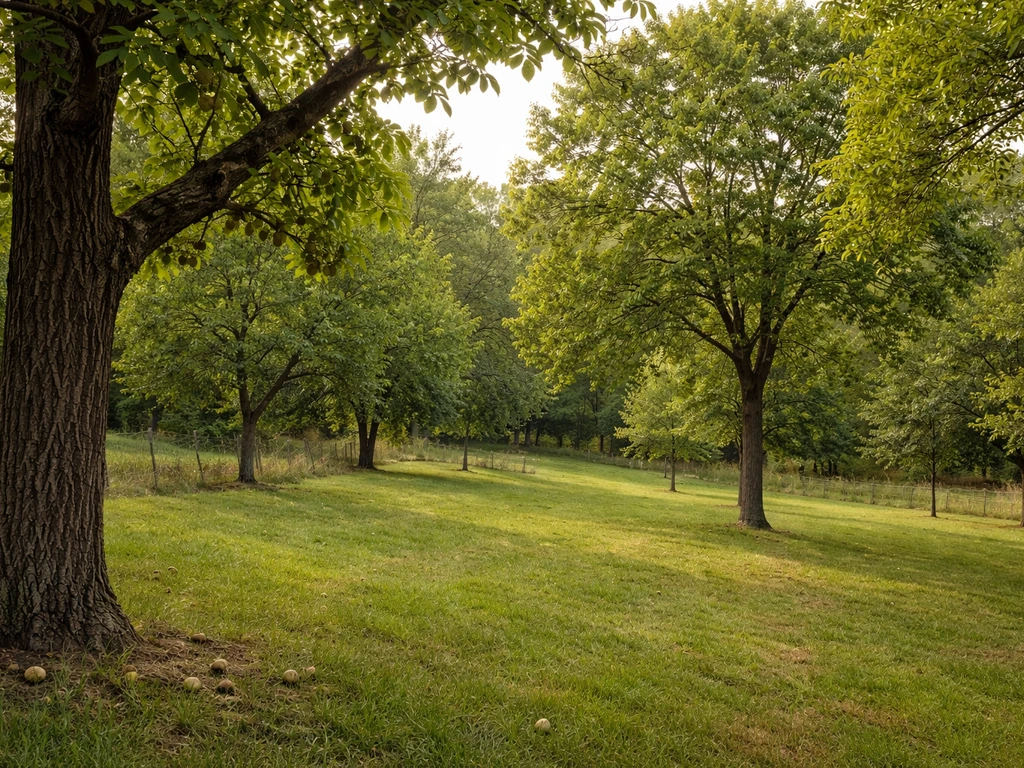
Native vs. commonly grown nut trees in Missouri
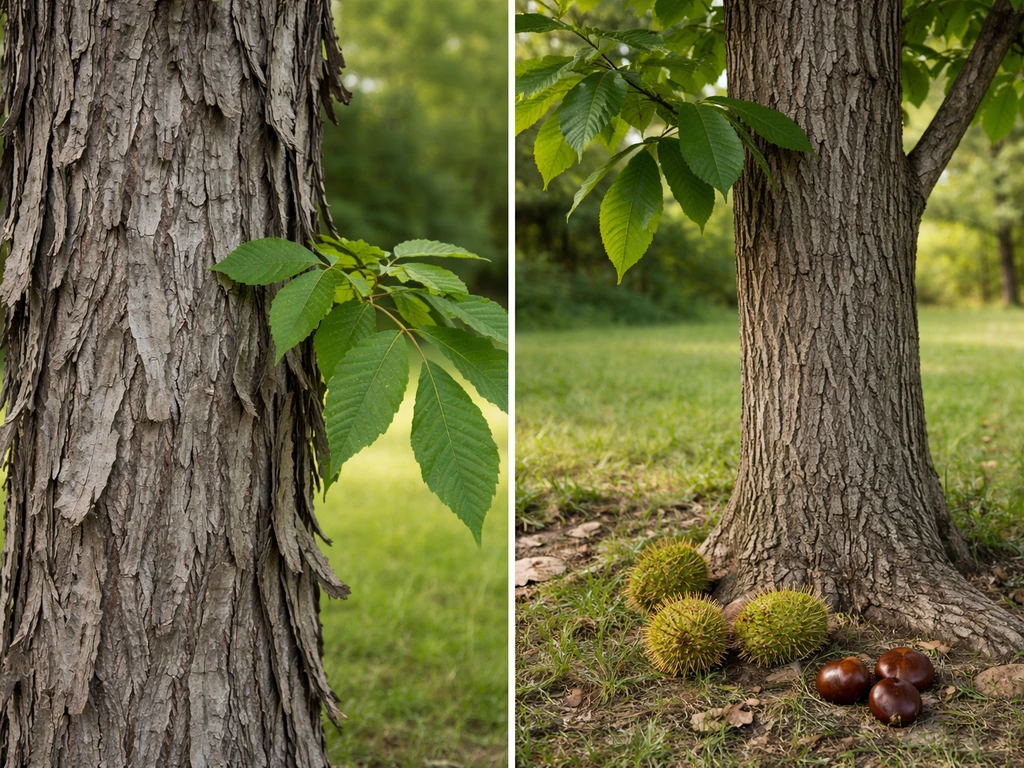
Missouri has a rich native nut flora. The Missouri Department of Conservation recognizes eight hickory species (genus Carya) in the state, organized as true hickories (shagbark, shellbark, mockernut, pignut, sand, and black hickory) and pecan hickories (bitternut, water hickory, and pecan). Black walnut is so embedded in Missouri's landscape that MDC calls it Missouri's state tree nut, and Missouri is recognized as the world's top producer of black walnuts. Pecan, though most people think of it as a southern tree, is native to the river bottoms of southern Missouri. These are the trees that already belong here. They evolved with Missouri's clay-heavy soils, humid summers, and cold winters.
Chinese chestnut is the main introduced species worth growing in Missouri. MU Extension specifically names it as the chestnut best adapted to Missouri conditions, with cold hardiness down to around -20°F and adequate resistance to chestnut blight and phytophthora root rot. American chestnut is native but commercially wiped out by blight, and European and Japanese chestnuts are less suited to Missouri's climate and disease pressure. Chinese chestnut fills that gap well.
| Tree | Native to MO? | Edible nut quality | Orchard potential | Statewide or regional |
|---|---|---|---|---|
| Eastern black walnut | Yes | Distinctively flavored, high value | High (managed orchards possible) | Statewide |
| Pecan | Yes (south MO) | Excellent, commercial grade | High in right zones | Southern/central MO |
| Shagbark/shellbark hickory | Yes | Good, rich flavor | Low (slow, hard to cultivate) | Statewide |
| Chinese chestnut | No (introduced) | Mild, sweet, very good | High (well-adapted) | Most of MO |
| Bitternut hickory | Yes | Bitter, not typically eaten | None | Statewide |
| Mockernut hickory | Yes | Small kernel, edible | Low | Statewide |
Tree traits that actually matter: cold hardiness, chilling hours, and zone fit
Missouri spans roughly USDA zones 5b in the far northwest to 7a in the St. Louis area and southeast corner, with most of the state sitting in zones 6a and 6b. The 2023 USDA Plant Hardiness Zone Map bases these zones on average annual extreme minimum winter temperatures, so zone 6 means your coldest nights typically hit -10°F to 0°F. St. Louis straddles zones 6b and 7a, which opens up options like pecan that struggle in the northern tier.
Cold hardiness is different from chilling hours, and both matter. Cold hardiness tells you whether a tree survives winter. Chilling hours tell you whether a tree breaks dormancy correctly in spring. Pecan cultivars vary considerably in their northern adaptation, and choosing a cultivar not suited to Missouri's winters is the most common reason Missouri pecan plantings underperform or fail outright.
MU Extension is direct about this: cultivar selection is one of the three most critical factors in a new pecan planting, alongside soil quality and water availability. Chinese chestnut handles cold well at around -20°F, but it is highly sensitive to late spring frosts after it breaks dormancy, which is a real threat in Missouri. Black walnut is broadly cold-hardy across all Missouri zones and rarely fails for climate reasons.
Best nut trees by Missouri region and USDA zone
Northern Missouri (zones 5b–6a)
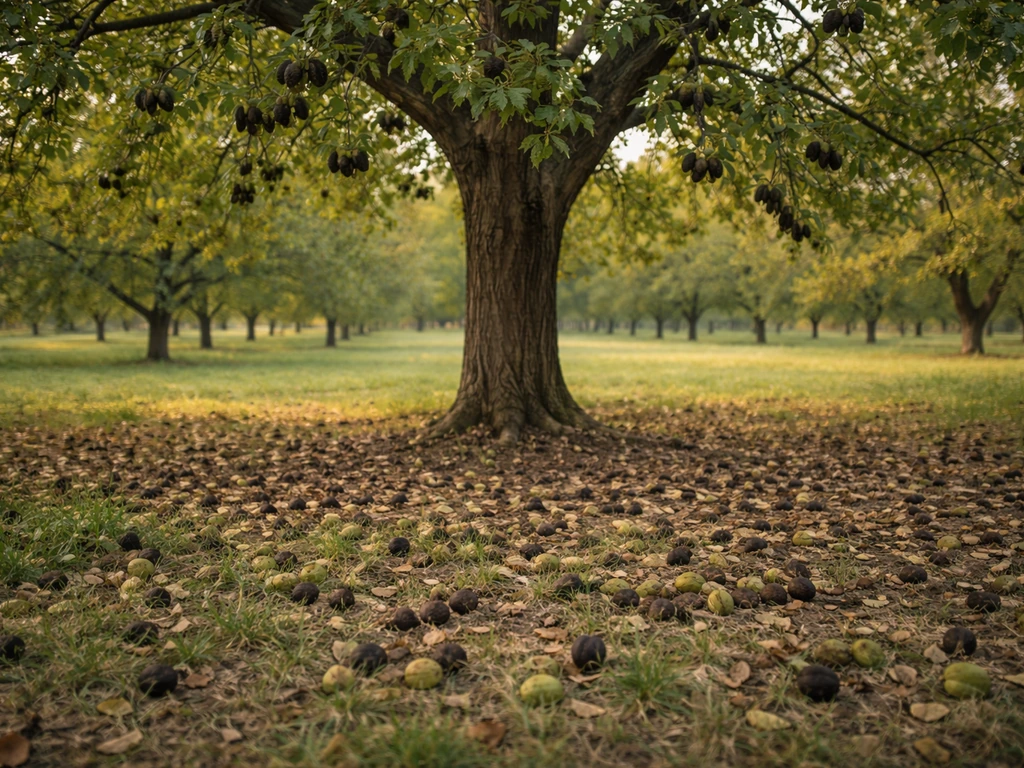
In the northern tier, black walnut is your most reliable productive nut tree. It grows vigorously across all Missouri zones and can be managed in an orchard system for nut quality and yield. Chinese chestnut is viable here, though late frost risk increases, so air drainage becomes critical. Pecan is marginal in northern Missouri. MU Extension notes that Kanza, one of the better northern-adapted pecan cultivars, is most suitable throughout Missouri south of U.S. Highway 63, which effectively points most serious pecan growing toward central and southern parts of the state. Native shagbark and shellbark hickories grow well in northern Missouri but are not practical orchard trees given their slow maturation and low yield.
Central Missouri (zones 6a–6b)
Central Missouri hits the sweet spot for all three main orchard nut trees. Black walnut thrives here. Chinese chestnut performs well with good site selection. Pecan becomes increasingly viable, especially with cultivars selected for this latitude. Both Kanza (Type II, protogynous) and appropriate Type I companions can establish and produce reliably in central Missouri when planted on the right soils.
Southern Missouri and the Bootheel (zones 6b–7a)
Southern Missouri is the best part of the state for pecan production. If you are wondering what nut trees grow in Michigan, you will want to focus on cold-hardy options and match them to your USDA zone pecan production. Pecan is native to this region's river bottoms, and the longer growing season supports nut fill. The Bootheel's zone 7a conditions allow some cultivars not suited to the north. Pecan scab pressure increases in the humid southeast, so cultivar scab resistance becomes more important here. Black walnut and Chinese chestnut both do well in this region too.
How to site, plant, and pollinate nut trees in Missouri
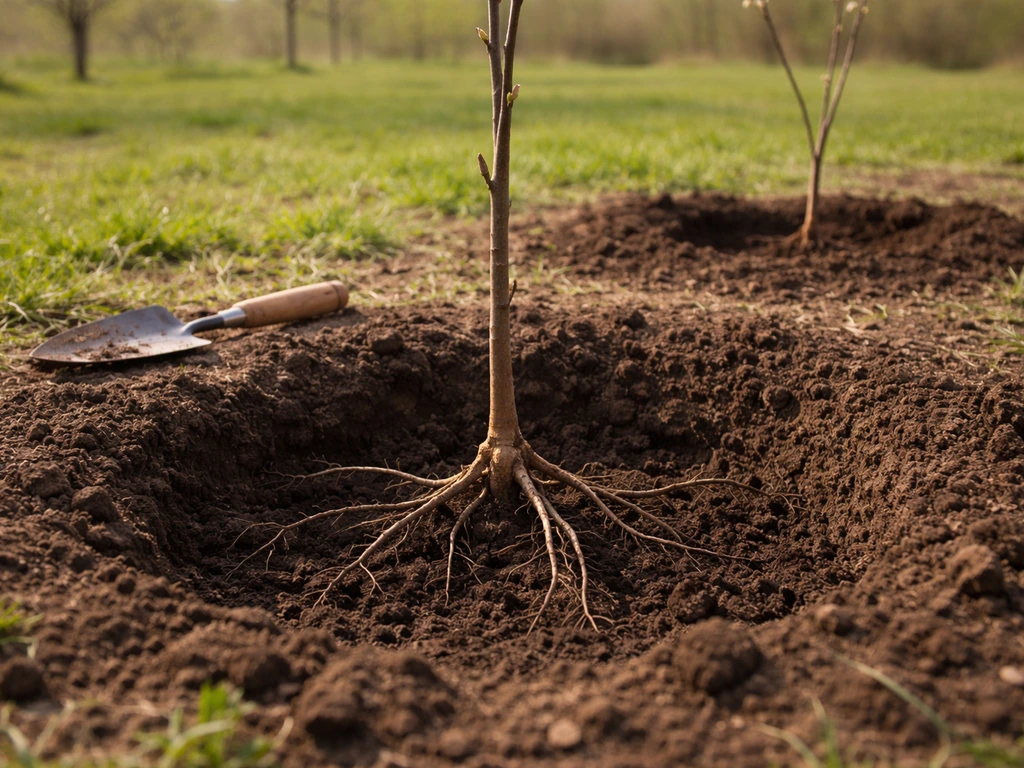
Sun and soil
All three main Missouri orchard nut trees need full sun, meaning at least six to eight hours of direct sun daily. Partial shade noticeably reduces nut set and encourages disease. Soil requirements differ meaningfully between species. Pecan does best on deep, fertile, well-drained soils with adequate moisture, and MU Extension lists soil quality and water availability as critical determinants of pecan success.
Black walnut tolerates a wider range of soils but performs best on deep, moist, well-drained loams. Chinese chestnut requires deep, well-drained soils and absolutely cannot tolerate saturated root zones, so MU Extension explicitly rules out bottomland soils for chestnut orchards. All three prefer soil pH in the 6. 0 to 6.
5 range, and a soil test before planting is not optional if you want to avoid wasting years on a correctable problem.
Spacing and canopy expectations
These are large trees. Pecan trees in a managed orchard setting are often planted at wider spacings to accommodate their eventual spread. Chinese chestnut orchards modeled by MU Extension use 40 feet between rows and 20 feet between trees. Black walnut orchard spacing depends on whether you're growing primarily for nuts or timber, but nut-focused plantings generally use similar or slightly tighter spacings. If you're planting one or two trees on a home lot rather than a production orchard, the main concern is avoiding structures, utility lines, and areas where black walnut's allelopathic root chemicals can affect vegetable gardens or sensitive landscape plants.
Planting timing
For Chinese chestnut, MU Extension recommends spring planting before budbreak. This applies broadly to the other nut trees as well. Bare-root trees establish better when planted during dormancy, before the energy demands of leaf-out. Fall planting is possible in Missouri's milder southern zones but carries more risk in the north.
Pollination: this is where most people get tripped up
Pecan is wind-pollinated but cannot reliably self-pollinate because male and female flowers on the same tree don't mature at the same time. Pecan cultivars are classified as Type I (protandrous, pollen shed before receptive stigma) or Type II (protogynous, stigma receptive before pollen shed). Kanza is described by Food Forest Nursery as a Type 2 (protogynous) pecan cultivar suited to cross-pollination planning [Type II (protogynous)](https://www. foodforestnursery.
com/shop/nut-trees/pecan-trees/type-2-protogynous/). To get a crop, you need at least one Type I and one Type II cultivar within about 250 feet of each other. Kanza, one of MU Extension's recommended Missouri cultivars, is Type II, so it needs a Type I pollinator nearby. Planting a single pecan cultivar almost always means disappointing nut set regardless of how healthy the tree looks.
Chinese chestnut has the same problem. Most varieties cannot self-pollinate, so MU Extension requires at least two different cultivars in any chestnut planting. The layout guidance places pollinator cultivars within 200 feet of any tree to be pollinated. Two cultivars planted 200 feet apart or closer covers this requirement. If you only have room for one chestnut tree, check whether your neighbor has one, because a nearby compatible tree can substitute for a second planting.
Black walnut is more forgiving on pollination. Individual trees produce both male and female flowers and can set some nuts without a second tree, though yields improve with another tree nearby. This makes black walnut the simpler single-tree choice for home growers who aren't running an orchard.
Real challenges you'll face growing nuts in Missouri
Pests that hit pecan hardest
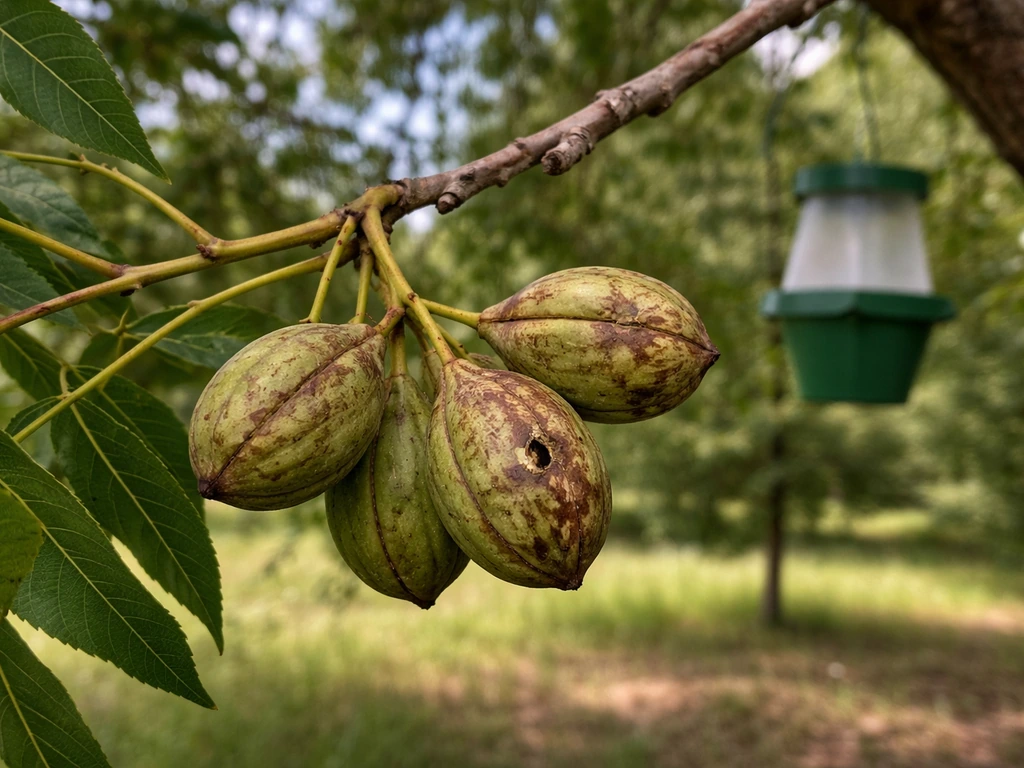
MU Extension identifies five economically damaging insect pests in Missouri pecan orchards: pecan nut casebearer, hickory shuckworm, nut curculio, pecan weevil, and pecan phylloxera. Of these, pecan nut casebearer and pecan scab (a fungal disease) are considered the most economically damaging in southwest Missouri's pecan IPM program. Pecan weevils puncture immature nuts, feed on developing kernels, and cause nuts to shrivel, turn black, and drop before maturity. MDC confirms that pecan scab can destroy shucks entirely and render entire crops worthless in severe cases. If you're planning a serious pecan planting in high-humidity parts of Missouri, scab-resistant cultivar selection is not optional.
Black walnut: watch for thousand cankers disease
Thousand cankers disease, caused by the walnut twig beetle carrying a fungal pathogen, is a serious threat to black walnut. As of MU Extension's most recent published guidance, it had not yet been detected in Missouri but was on an active watch list. The disease spreads slowly but causes multiple cankers in walnut tissue over time and can kill established trees. If you're planting black walnut, monitor for it and report any suspicious die-back through your local MU Extension office or MDC.
Wildlife pressure is consistent and significant
Missouri's fox squirrels and gray squirrels will harvest a meaningful portion of your nut crop, often before you get to it. This isn't a minor nuisance. In a young orchard with limited production, heavy squirrel pressure can take your entire harvestable crop in a bad year. MU Extension addresses squirrel habitat management in its wildlife publications, including adjusting mast tree composition and habitat to reduce nuisance pressure. For home growers, physical barriers around individual trees, timely harvest as nuts ripen, and picking up fallen nuts quickly are the most practical tools. For larger plantings, predator habitat enhancement and targeted population management are worth discussing with a wildlife professional.
Nut set failures: the overlooked culprits
Beyond pests and wildlife, the most common reason nut trees fail to produce in Missouri is inadequate pollination, usually from planting incompatible or lone cultivars of pecan or chestnut. Late spring frosts after chestnut breaks dormancy can kill flowers and eliminate that year's crop entirely. Poor site selection for chestnuts, especially waterlogged bottomland soils, causes chronic stress and root rot that reduces or eliminates nut production even in trees that survive. For pecans, the long juvenile period is also a reality check: MU Extension's pecan budget models negative net income for years 1 through 14 as yields build toward a productive average around 30 pounds per tree. These trees require a long-term commitment.
Practical next steps: how to choose, source, and plant your Missouri nut tree
Start by nailing down your USDA hardiness zone using the 2023 map. In Idaho, you’ll want to focus on cold-hardy nut trees like black walnut and on matching the right cultivar to your specific USDA zone. If you're in northern Missouri (zones 5b–6a), build your planting around black walnut as the primary producer and consider Chinese chestnut if you have a site with excellent air drainage and no frost pocket.
If you are also wondering what nuts grow in Oregon, focus on matching species to your USDA zone and choosing varieties that handle your local winter cold and frost timing. If you're in central Missouri (6a–6b), all three main species are viable, and you can be more ambitious. If you're in southern Missouri (6b–7a), pecan deserves serious consideration, especially if you have a deep-soiled site near a creek bottom but above the flood line.
Before you buy any tree, verify these things for your chosen species. For pecan: identify a Type I and Type II cultivar pair suited to your zone, confirm your soil is deep and well-drained, and plan for a water source during establishment. For Chinese chestnut: identify two different cultivars, confirm your site drains freely, note your frost pocket risk, and plan spacing at 20 feet between trees and 40 feet between rows. For black walnut: pick a named nut-production cultivar rather than seedling-grown trees if yield is your priority, and be aware of the allelopathic zone around mature trees.
For sourcing, look to Missouri-based nurseries and university extension-connected sources first. MU Extension's Center for Agroforestry publishes planting guides (AF1002 for pecan, AF1007 for chestnut, AF1011 for black walnut) that include cultivar recommendations current to Missouri conditions. These publications are free and worth downloading before you spend money on trees. State forestry programs and MDC tree sales sometimes offer native species including black walnut at lower cost, which is worth checking for large-scale plantings.
A simple three-step planting plan: pick your species and cultivars based on zone and site, get a soil test done this season and amend as needed before planting, then plant during dormancy in early spring before budbreak. Stake young trees in exposed sites, mulch to retain moisture and suppress competition, and protect trunks from deer and rodent damage in the first two to three years.
Expect a waiting period before meaningful production, three to five years for chestnut and considerably longer for pecan. Missouri's nut trees reward patience and punish hasty site or cultivar choices, but get those two decisions right and you'll have productive trees for decades. Growers in neighboring states like Illinois, Indiana, and Ohio face many of the same zone and species decisions, so the Missouri approach here translates well across the upper Midwest and Mississippi Valley region.
If you are in Ohio and wondering what nut trees grow there, the best choices still come down to your USDA zone and whether you can handle cold winters. For Illinois growers, focusing on species that match your USDA hardiness zone and your site conditions will help you narrow down the best nut trees to plant best nut trees for Illinois.
If you're wondering what nut trees grow in Ontario, the key is matching species to your local hardiness zones and timing, especially for cold-sensitive nuts like pecan. Growers in Indiana can follow similar zone and species decisions when choosing between black walnut, pecan, and Chinese chestnut. If you are asking what nut trees grow in Wisconsin, you can start from the same species and zone-fit logic, then fine-tune for Wisconsin's colder winters and shorter growing season upper Midwest.
FAQ
Can I grow pecan or Chinese chestnut in Missouri if I live in a low spot or near a creek that stays damp in spring?
Usually no for Chinese chestnut, and it can be risky for pecan. Chestnut is highly intolerant of saturated roots, so even if winter survival is fine, chronic wetness after snowmelt can reduce or wipe out nut production. For pecan, you want deep, well-drained soil and you should avoid planting in areas that hold water or create frost pockets, because late-spring cold can kill flowers.
Do I really need two pecan cultivars, or will planting one type still produce some nuts?
You will often see some nuts, especially from wind movement or partial overlap, but reliable yields almost always require both Type I and Type II cultivars. Missouri guidance emphasizes the need for a compatible pollination pair within roughly 250 feet, since flowers on the same tree do not reliably overlap in timing.
How close do chestnut pollinators need to be, and what happens if my neighbor has the right trees?
Aim for two different chestnut cultivars, with compatible pollinators placed within about 200 feet of the trees you want to pollinate. If you cannot fit two cultivars on your own property, a compatible tree in a nearby yard can sometimes satisfy the pollination requirement, as long as it is within that effective range and blossoms overlap.
Is black walnut a good choice if I want a single tree on a small property for nuts?
It can be. Black walnut is more flexible than pecan and chestnut because individual trees produce both male and female flowers, so you may get some crop from one tree. If your goal is maximizing yield, another walnut nearby still helps, but it is not usually the make-or-break step that it is for pecan or chestnut.
What is the biggest mistake Missouri growers make after choosing the right nut species?
Choosing the wrong cultivar for Missouri’s winter and spring timing, especially for pecan. Even with a cold-hardy species, cultivar mismatch is a common reason orchards underperform. For chestnut, late frosts after budbreak can also remove the crop even when the tree survives winter.
How long should I realistically expect to wait before my Missouri nut trees start producing meaningful crops?
Black walnut and Chinese chestnut typically start showing production earlier than pecan, but pecan has a long juvenile period. Chestnut can begin contributing within about three to five years, while pecan often takes considerably longer to reach an orchard-level average yield. Plan financially for low returns for several years after planting.
Do nut trees need full sun in Missouri, and what if I only have part-sun areas?
For nut production, full sun matters. A practical target is at least six to eight hours of direct sun daily. If you plant in partial shade, you may still grow the tree, but nut set often drops and disease risk can increase, which leads to disappointing yields.
What should I do about soil pH and drainage before I buy trees?
Do a soil test first, then amend to bring pH into the roughly 6.0 to 6.5 range and correct nutrient limits. Drainage is non-negotiable for Chinese chestnut, so if your soil stays wet or you have to redirect runoff, plan to choose a better site or reconsider the species. For pecan, deep, well-drained soil plus an establishment water plan are key.
Are there tree spacing guidelines for small orchards, or do I just plant as close as I can?
Do not pack trees too tightly, even in small orchards. Pecan and walnut need room as crowns expand, and chestnut orchard spacing is commonly laid out with about 20 feet between trees and 40 feet between rows. Tight spacing can reduce airflow, increase disease pressure, and make it hard to manage pests and harvest.
Should I plant bare-root trees or container trees, and is spring always best in Missouri?
Spring planting is often preferred, especially for Chinese chestnut before budbreak, and bare-root stock generally establishes better during dormancy. Fall planting can be possible in the southern parts of Missouri, but it increases risk in colder northern areas due to earlier winter onset and variable establishment conditions.
Do squirrels seriously affect nut production, and how can I reduce losses without harming the trees?
Yes, squirrels can remove a large share of the crop, sometimes before harvest. For home plantings, use physical barriers around trunks, harvest as soon as nuts ripen, and pick up fallen nuts quickly to break the repeat-feeding cycle. In larger orchards, you may need habitat-focused strategies and targeted management with professional guidance.
What should I monitor for disease and pests specifically on Missouri black walnut and pecan?
For pecan, watch closely for pecan scab and key nut pests like pecan nut casebearer and pecan weevil, since severe scab can destroy shucks and effectively eliminate the crop. For black walnut, pay attention to walnut twig beetle related threats, since serious diseases spread over time through multiple cankers and early detection matters.