Maryland can grow a solid range of nut trees, and several of them will produce reliably without heroic effort. best nut trees to grow. Black walnut, American hazelnut, shagbark hickory, and American chestnut hybrids work across most of the state. Chestnuts and hazelnuts are probably the most practical choices for a backyard grower who actually wants nuts in a reasonable timeframe. Pecans and English walnuts are possible but come with real limitations depending on where in Maryland you are. Here's exactly what works, where, and why.
What Nut Trees Grow in Maryland: Best Species by Region
Marcus Hendricks
27 Apr 2026
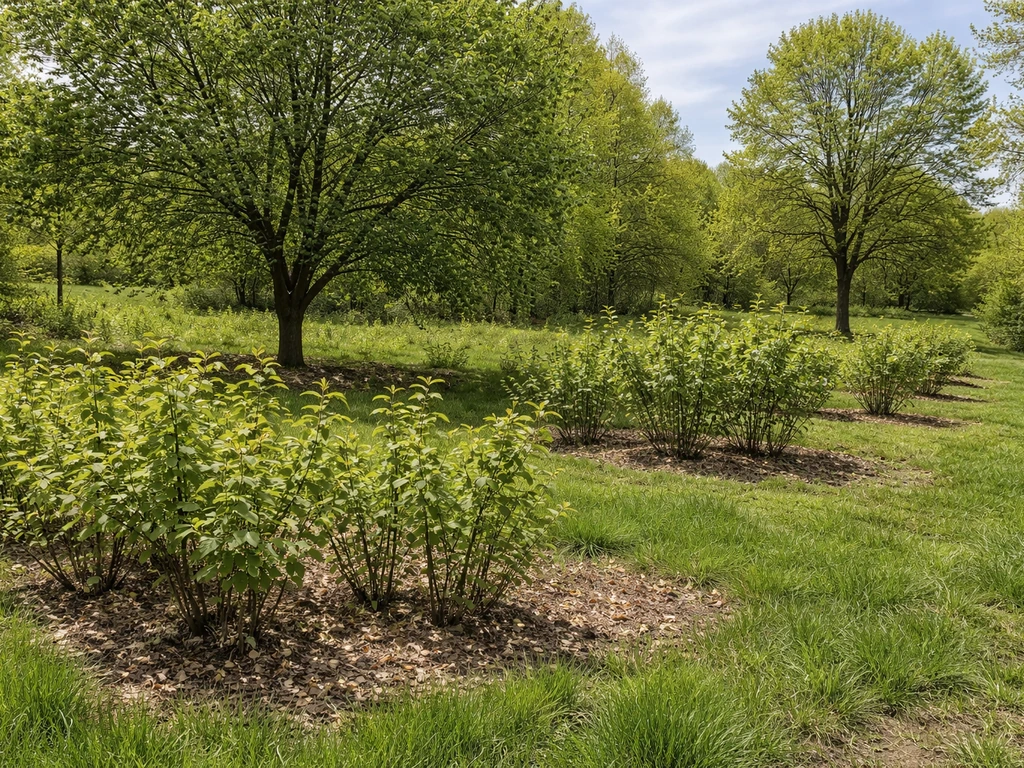
Nut trees that actually do well in Maryland
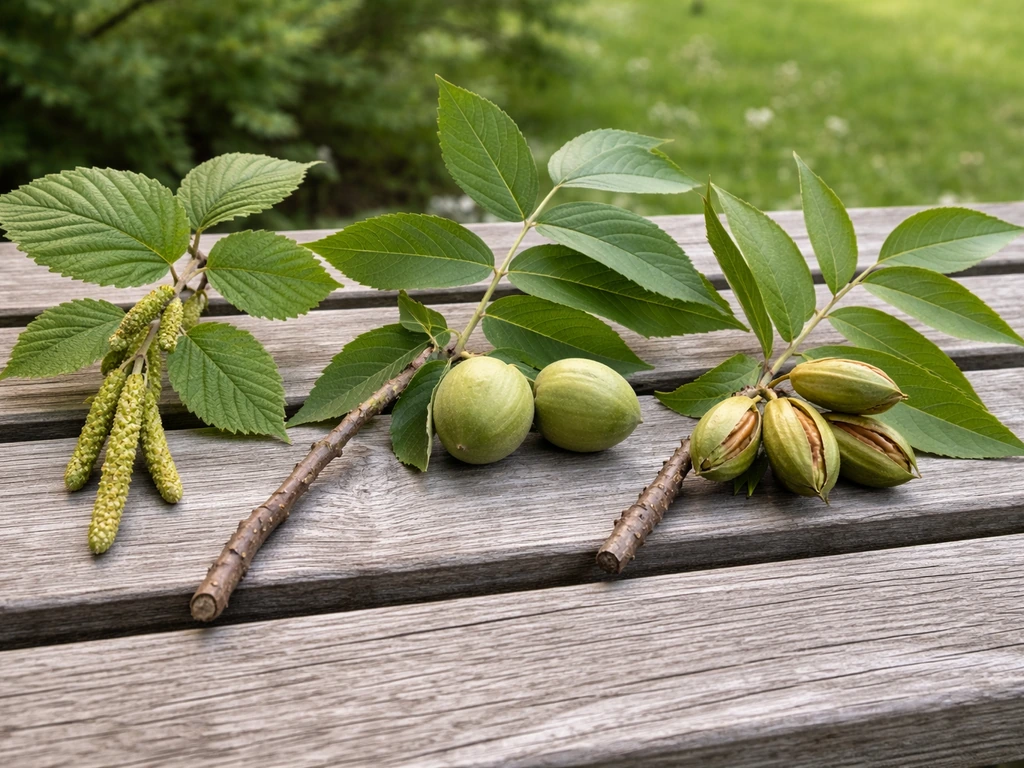
Before diving into the details, here's the quick shortlist. These are the species worth your time and money in Maryland, broken into two tiers based on how reliably they perform across the state.
Strong performers statewide
- American hazelnut (Corylus americana): native, shrubby, productive, and nearly foolproof
- Black walnut (Juglans nigra): native and vigorous, though it takes time and has allelopathic effects on nearby plants
- Shagbark hickory (Carya ovata): native, slow but reliable once established
- Chestnut hybrids (Castanea species and crosses): fastest nut production of any large tree, works across most of Maryland
- Butternut (Juglans cinerea): native, but disease is a major concern (more on that below)
Possible but region-dependent
- Pecan (Carya illinoinensis): needs a long, hot growing season; best in southern Maryland and the lower Eastern Shore
- English walnut / Carpathian walnut (Juglans regia): cold-hardy selections work in central Maryland but late-frost bud damage is a recurring problem
- Heartnut (Juglans ailantifolia var. cordiformis): a Japanese walnut type worth trying in zones 5b-7, less finicky than English walnut
- Filbert / European hazelnut (Corylus avellana): possible in milder areas but Eastern Filbert Blight is a serious disease threat in the mid-Atlantic
Maryland's climate realities: hardiness, chill, heat, and frost risk
Maryland spans USDA hardiness zones 5b in the far western mountains (Garrett County can see minus 15°F in brutal winters) through zones 6a and 6b across most of the piedmont and central regions, up to zone 7a and even 7b along the lower Eastern Shore and near the Chesapeake Bay. That's a big range for one state, and it matters a lot when you're picking nut trees.
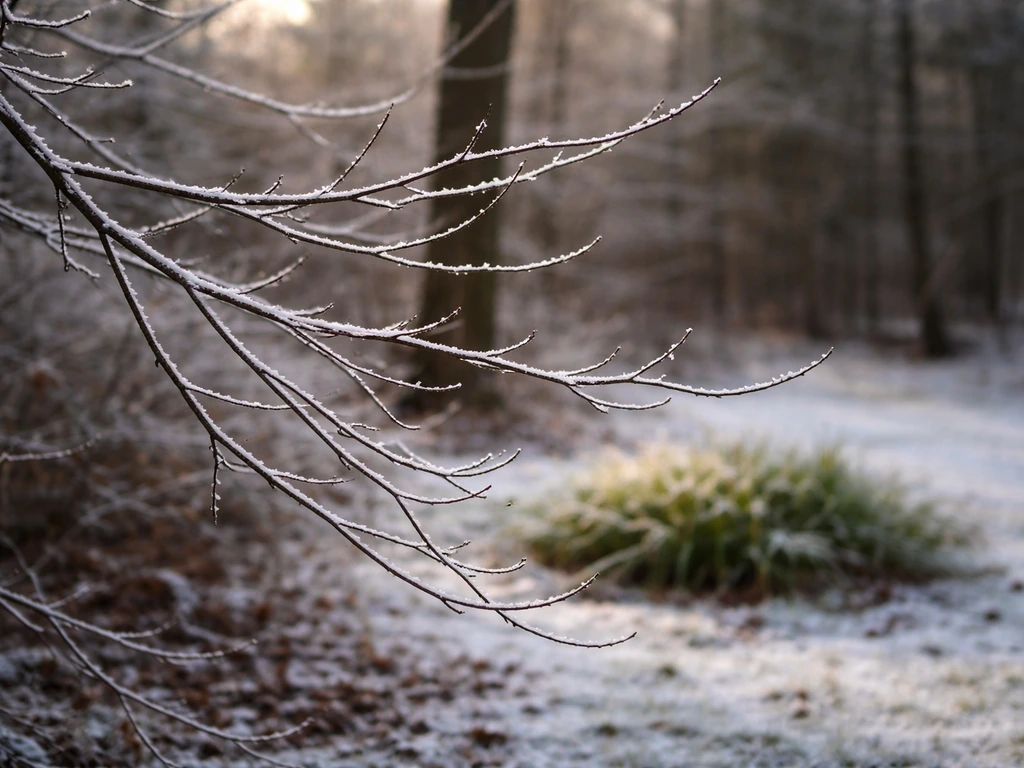
University of Maryland Extension makes an important point that's easy to overlook: for Maryland growers, cold hardiness, bloom timing, and extreme weather events often matter more than chill hours. Most nut trees grown in Maryland accumulate plenty of winter chill, so chill-hour deficits aren't usually the problem. What hurts crops more often is a late spring freeze hitting flowers or newly emerged catkins after the tree has already broken dormancy. That's especially relevant for pecans and English walnuts, which tend to flush early. The Extension's county-level frost date tool (based on NOAA Climate Normals) is worth checking for your specific county before committing to a species with a narrow bloom window.
The other climatic factor to understand is Maryland's summer heat. The lower Eastern Shore and southern Maryland get genuine heat accumulation (think Virginia-adjacent conditions), which actually helps pecan. The mountains of western Maryland get considerably cooler summers, which is one reason pecan struggles there. Most nut trees are indifferent to Maryland's humidity, but a few (like European hazelnuts) are quite sensitive to the disease pressure that humidity promotes.
Species-by-species guide: where each nut tree thrives in Maryland
American hazelnut
American hazelnut (Corylus americana) is native to Maryland and grows as a multi-stemmed shrub reaching 8 to 12 feet tall, occasionally taller. It's hardy through zones 4 to 9, which means it's essentially bulletproof anywhere in the state. It blooms very early in late winter, but because it's native and co-evolved with Maryland's climate, late frosts are less often a disaster than they are for non-native species. Nut production typically starts within 3 to 5 years. The nuts are smaller than commercial filberts, but they're real hazelnuts and wildlife will compete with you for them. This is the most reliable "set it and nearly forget it" nut producer for most Maryland homeowners.
Black walnut
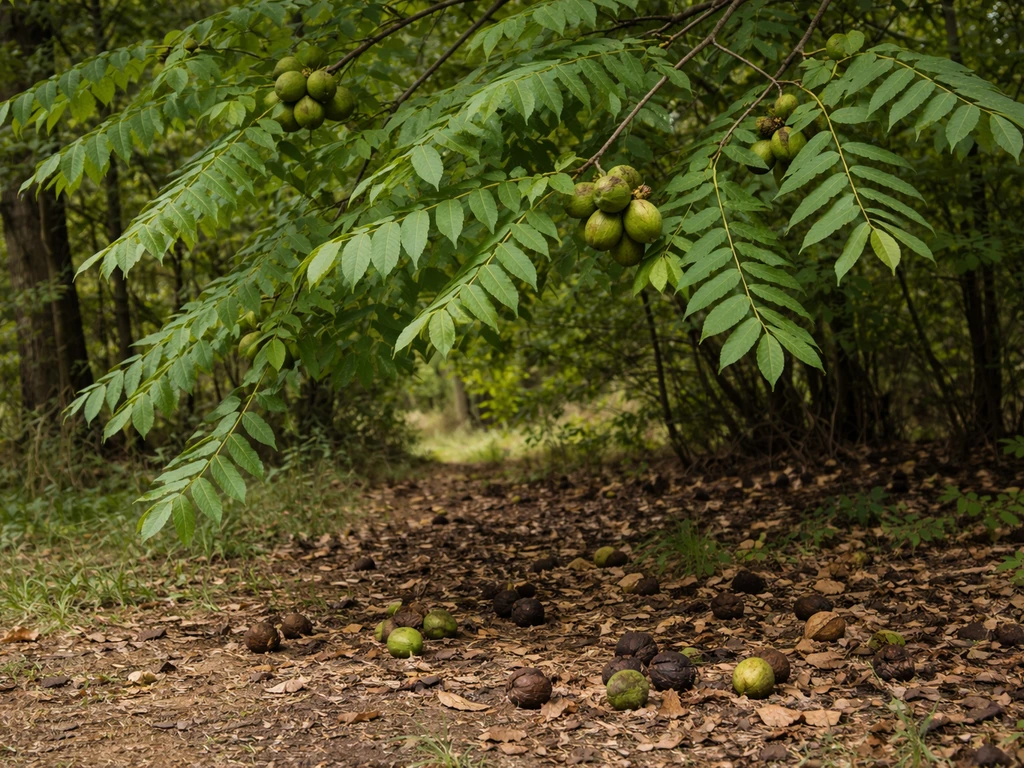
Black walnut (Juglans nigra) is native to Maryland and grows throughout the state from the coastal plain to the mountains. It's a big tree, easily 50 to 75 feet tall at maturity, with a spread to match. It's cold-hardy through zone 4, so no part of Maryland is too cold for it. Nut production often begins around 8 to 10 years from seed, sometimes a bit sooner from grafted trees.
The nuts are flavorful and nutritious but notoriously difficult to hull and crack, which is why many people plant them mainly as landscape trees. The bigger practical issue is [juglone, the allelopathic chemical black walnuts release from their roots and hulls. ](https://extension. psu.
edu/allelopathy-in-the-home-garden) It's toxic to many plants, including tomatoes, apples, and rhododendrons, so site placement matters. Give it space away from vegetable gardens and sensitive ornamentals.
Chestnut (hybrid and species)
Chestnuts are probably the most exciting option for Maryland growers who want a productive large nut tree in a reasonable timeframe. Pure American chestnut (Castanea dentata) is essentially non-existent as a nut-producing tree today due to the chestnut blight, but Chinese chestnuts (Castanea mollissima) and various hybrids, including blight-resistant American-Chinese crosses being developed by the American Chestnut Foundation, are the practical alternatives.
Chinese chestnut trees reach 40 to 60 feet and are hardy through zone 4 to 5, which covers all of Maryland comfortably. They often begin producing nuts in as few as 3 to 5 years from grafted stock. The nuts are sweet, easy to harvest, and nutritionally dense. Maryland's climate suits chestnuts very well.
The main site requirement is good drainage: chestnuts are highly intolerant of wet feet and will decline in poorly drained soils.
Shagbark hickory
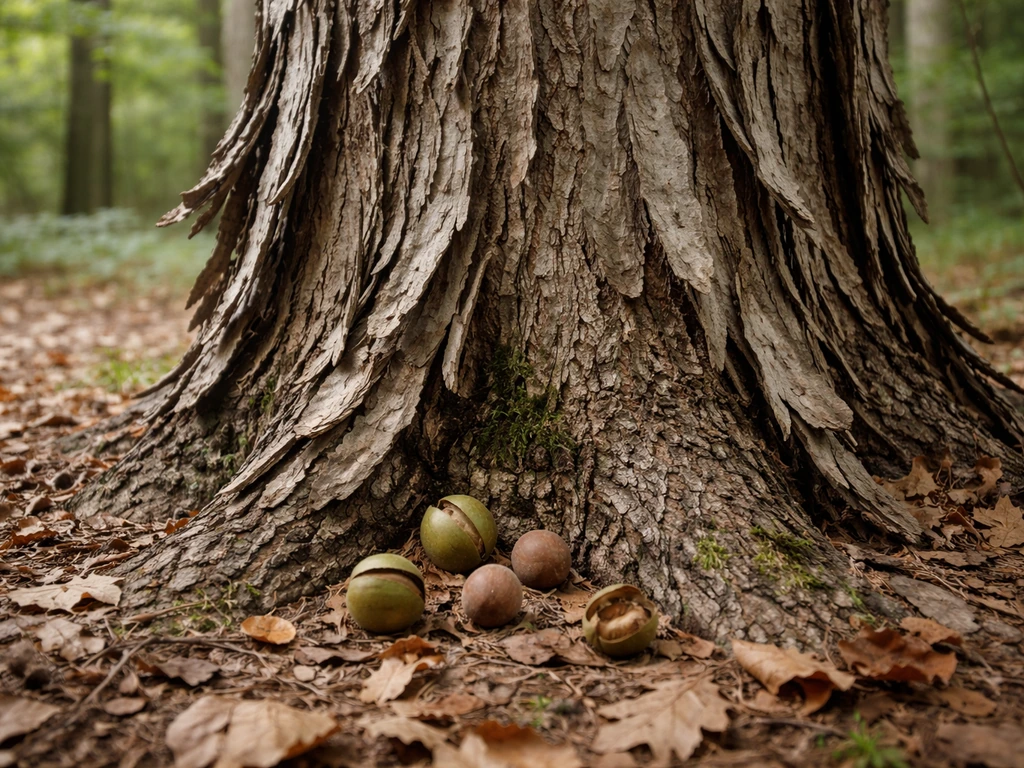
Shagbark hickory (Carya ovata) is native to Maryland and produces sweet, edible nuts that many people consider superior to any other wild nut in the region. It's fully hardy throughout the state. The catch is time: shagbark hickory is famously slow, often taking 10 to 15 years to begin significant nut production, and some seedlings take even longer. Grafted trees from improved selections can accelerate this somewhat. If you're planting a long-term homestead or property and can think in 10 to 20 year timelines, shagbark is absolutely worth including. Shellbark hickory (Carya laciniosa) is another option for wetter sites and produces larger nuts.
Pecan
Pecan (Carya illinoinensis) is a borderline species for Maryland. If you’re choosing nut trees for Colorado specifically, the best approach is to match species to local hardiness and frost timing in your area what nut trees grow in colorado. If you want a clear comparison for warmer climates, review what nut trees grow in georgia to see which species tend to handle Georgia's heat and frost timing better.
If you’re comparing regions, the next step is figuring out what nut trees grow in Tennessee so you can match species to local conditions Pecan (Carya illinoinensis). If you're specifically targeting zone 6, you can use the zone 6 nut-tree guidance in Tennessee and Maryland to pick species that are likely to ripen before frost what nut trees grow in zone 6.
For a broader view of the northeast, also look at what nut trees grow in the northeast and how their fruiting timelines compare. It's technically hardy to about zone 5b or 6a depending on the cultivar, which means most of Maryland can keep a pecan tree alive. The real question is whether you get enough heat units to ripen the nuts before frost.
In southern Maryland and the lower Eastern Shore, where summers are longest and hottest, short-season northern pecan cultivars like 'Kanza,' 'Lakota,' 'Mullaley,' and 'Shepherd' have a reasonable chance of producing. In the piedmont around Baltimore and Annapolis, production is inconsistent year to year. In western Maryland or Garrett County, forget it. If you're in the southern tier of the state and want to try pecan, stick to cultivars specifically bred for northern climates and short growing seasons.
English walnut and heartnut
English walnut (Juglans regia) can grow in Maryland, but it's a gamble in many areas because it leafs out and flowers early, making it vulnerable to late spring frosts. Carpathian selections bred for cold hardiness (zones 5 to 6) are the better choice over standard English walnut. Even with cold-hardy selections, late frost damage to flowers is a recurring problem in Maryland's piedmont, so expect some crop failures in frosty years. Heartnut (Juglans ailantifolia var. cordiformis) is a more frost-tolerant alternative worth considering; it leafs out a bit later than English walnut and has its own distinct flavor. Both grow to large trees (40 to 60 feet) and take 5 to 7 years to begin bearing.
Butternut
Butternut (Juglans cinerea) is native to Maryland and produces rich, oily nuts that are delicious. It's cold-hardy throughout the state. The problem is butternut canker, a fungal disease that has devastated wild butternut populations across the eastern US. Planting a butternut today without disease-resistant genetics is a long-term gamble. There are disease-resistant selections and butternut-heartnut hybrids (called 'buartnuts') that are more survivable. If you want to try butternut, seek out verified disease-resistant stock from a reputable nursery.
European hazelnut / filbert
European hazelnut (Corylus avellana) produces the large commercial-style nuts most people picture when they think "hazelnut." It can grow in Maryland, but Eastern Filbert Blight (EFB), a fungal disease spread by the pathogen Anisogramma anomala, is endemic to the mid-Atlantic and will kill most European hazelnut plants without aggressive management. If you want hazelnuts, the American hazelnut is the safer choice. If you specifically want large European-type nuts, look for EFB-resistant cultivars developed by Oregon State University's breeding program, such as 'Jefferson,' 'Yamhill,' or 'Theta.' These aren't guaranteed to be fully immune in Maryland's humid environment, but they're far more survivable than standard European hazelnut.
Site and soil requirements
Most nut trees share a few core site requirements, but there are some important differences between species. Here's a practical breakdown.
| Species | Sun | Drainage | Soil pH | Spacing |
|---|---|---|---|---|
| Black walnut | Full sun | Well-drained to moderate | 6.0–7.0 | 40–60 ft apart |
| American hazelnut | Full sun to part shade | Adaptable | 5.5–7.0 | 8–12 ft apart |
| Chestnut (Chinese/hybrid) | Full sun | Well-drained, critical | 5.5–6.5 | 30–40 ft apart |
| Shagbark hickory | Full sun | Well-drained preferred | 6.0–7.0 | 40–60 ft apart |
| Pecan | Full sun | Deep, well-drained | 6.0–7.0 | 40–60 ft apart |
| English walnut / Heartnut | Full sun | Well-drained | 6.0–7.5 | 30–50 ft apart |
| European hazelnut | Full sun to part shade | Well-drained | 6.0–7.0 | 10–15 ft apart |
| Butternut | Full sun | Well-drained | 6.0–7.0 | 40–60 ft apart |
A few things to highlight from that table. Chestnuts are the pickiest about drainage: even a few days of waterlogged roots can start root rot, so avoid low spots, clay pans, or anywhere water pools after heavy rain. Hazelnuts are the most forgiving of shade and marginal soil. Pecans need the deepest, most fertile soil you can give them because they develop a substantial taproot and need good nutrient availability for nut fill. For most nut trees, a soil pH in the 6.0 to 7.0 range is the target. Have your soil tested through your local Maryland Cooperative Extension office before planting if you haven't done it recently.
Black walnut's juglone issue is worth repeating here as a site consideration. Don't plant black walnut within 50 to 80 feet of vegetable gardens, apple or cherry trees, or sensitive landscape shrubs like rhododendrons and azaleas.
Planting and establishment basics
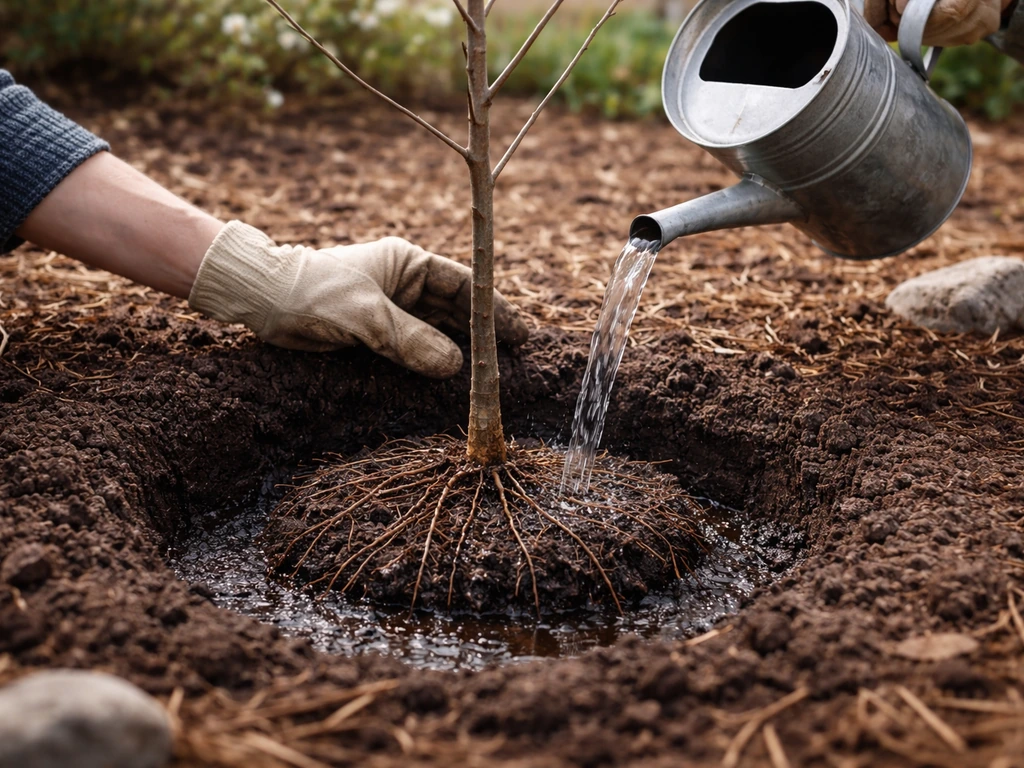
For most nut trees in Maryland, the best planting window is fall or early spring. Fall planting (October through early November before hard frost) lets roots establish before winter dormancy. Spring planting works well too, especially for container-grown stock, but you need to be diligent about watering through the first summer. Maryland summers can be hot and dry enough to stress newly planted trees significantly.
Seedlings vs. grafted trees vs. planting nuts
You have three basic options for starting nut trees: plant the nuts directly (stratified seeds), buy bare-root or container seedlings, or buy grafted trees. Each has real tradeoffs. Planting nuts directly is cheapest and works well for black walnut, hickory, and American hazelnut. The downside is variability: seedling trees can vary widely in nut quality and bearing age.
Grafted trees are more expensive but give you known genetics, predictable nut quality, and often faster bearing. For chestnuts, English walnuts, and improved hazelnut varieties, grafted stock is usually worth the extra cost. For black walnut and hickory if you're just looking for a productive native tree rather than a specific improved variety, seedlings are fine. Most nuts planted outdoors in fall will stratify naturally and germinate the following spring.
Growth expectations
Be honest with yourself about timelines. Hazelnuts are the fastest to nut production, often producing in 3 to 5 years. Chestnuts (grafted) can follow in 3 to 6 years. Black walnut from seed often takes 8 to 12 years. Hickory is the long game: plan on 10 to 20 years from planting to meaningful production. These aren't reasons to avoid slower species, but they should inform what you plant and when. If you want nuts in 5 years, focus on chestnut and hazelnut. If you're planting for the next generation or for long-term property value, add hickory and walnut too.
Pollination and bearing reliability
Nut trees handle pollination in ways that often surprise first-time growers, and getting this wrong is one of the most common reasons for trees that grow beautifully but never produce nuts.
Most nut trees are wind-pollinated, and many are monoecious, meaning they have separate male (catkin) and female flowers on the same tree. However, even within a single tree, pollen release and female flower receptivity often don't overlap perfectly, a phenomenon called dichogamy. This means that even though a single tree has both flower types, self-pollination is unreliable. The practical solution is to plant more than one tree, ideally two or more individuals of different genetic origins (not clones of the same cultivar).
Species-specific pollination notes
- Chestnut: Always plant at least two different chestnut trees or cultivars. Chinese chestnuts and hybrids require cross-pollination for reliable nut set. A single tree may produce a few nuts but yields will be much better with a second tree within 100 to 200 feet.
- American hazelnut: Self-incompatible. You need at least two genetically distinct plants for pollination. Because it's a native species, wild American hazelnuts in nearby hedgerows or forests can serve as pollinators.
- European hazelnut: Also self-incompatible. Requires cross-pollination. Specific cultivar pairings matter; check what pollinates your chosen variety before buying.
- Black walnut: Somewhat self-fertile but crop set improves significantly with multiple trees. Dichogamy means pollen timing varies, so having several trees increases the odds of overlap.
- Pecan: Strongly benefits from two trees of different types (Type I and Type II) for reliable crop set. Northern cultivars often have dichogamy issues that reduce yields from isolated single trees.
- Hickory: Generally wind-pollinated; multiple trees improve yield. Several different hickory species can cross-pollinate, and wild hickories in the region can provide pollen.
- English walnut / Heartnut: Cross-pollination improves yields. Heartnut and English walnut can cross-pollinate each other.
The bottom line on pollination: for any nut tree you're serious about harvesting from, plan for at least two trees. This isn't just a technicality; it's often the difference between an ornamental tree and a productive one.
Common problems and how to choose disease-resilient options
Maryland's humid mid-Atlantic climate creates real disease pressure for several nut species, and ignoring this when choosing what to plant is a common mistake. Here are the biggest issues to know about before you plant.
Eastern Filbert Blight
This fungal disease (Anisogramma anomala) is native to North America and is devastating to European hazelnuts in the mid-Atlantic. If you plant a standard European hazelnut cultivar in Maryland without disease resistance, expect to lose it within 5 to 10 years. The fix is to use EFB-resistant cultivars, especially those from Oregon State University's Corylus breeding program. American hazelnut is naturally resistant and is a reliable alternative.
Chestnut blight
Chestnut blight (Cryphonectria parasitica) killed virtually all mature American chestnuts in the 20th century and is still present in Maryland soils and on infected stumps. Chinese chestnuts have natural resistance and are the practical choice for nut production. Blight-resistant American chestnut hybrids are being developed but are not yet widely available commercially. Don't plant straight American chestnut expecting a productive, long-lived nut tree today.
Butternut canker
Butternut canker (Ophiognomonia clavigignenti-juglandacearum) has severely impacted wild butternut populations across Maryland. If you want to plant butternut, seek verified disease-resistant stock or consider planting a buartnut hybrid as a more resilient alternative.
Walnut anthracnose and late frost
Black walnut and English walnut can suffer from anthracnose (a fungal leaf disease) in wet Maryland summers. This is generally cosmetic and doesn't threaten the tree's survival, but heavy defoliation in bad years can weaken trees over time. More concerning for English walnut is late spring frost, which can kill flowers and newly emerging leaves. Position English walnut on north-facing slopes or locations where spring warming is delayed slightly to reduce early bud break, counterintuitive as that sounds, it works by keeping the tree dormant longer.
Pests
Squirrels and other wildlife are universal nut-tree pests in Maryland and will harvest your crop enthusiastically. This is less a disease issue and more a reality to plan for. Trunk banding and netting can help protect smaller trees. Hickory nut curculio and pecan weevil are insects that can damage nut crops in Maryland; for most home-scale plantings, chemical treatment isn't practical, but knowing about them helps you identify the problem when it shows up.
The broader takeaway on disease is to prioritize species and cultivars with built-in resistance for Maryland's conditions, particularly for chestnuts, hazelnuts, and butternuts. Maryland's climate rewards growers who choose adapted, disease-resistant varieties and punishes those who plant beautiful but vulnerable ones without a management plan. If you're comparing notes with growers in neighboring states, many of these same species and constraints apply to the broader northeast and mid-Atlantic region, though specific cultivar performance can differ noticeably across state lines.
FAQ
If I only want one or two nut trees that are most likely to actually produce in Maryland, which should I pick?
Most native species listed (American hazelnut, black walnut, shagbark hickory, and Chinese chestnut hybrids) are generally among the more reliable choices because they match Maryland’s chill and seasonal patterns. For the most dependable “do it and get nuts” path, prioritize American hazelnut (earliest, shrub form) and grafted Chinese chestnuts (earlier production than most large-tree nuts).
Can I grow these nut trees in any part of Maryland, even if my yard has different sun or elevation than my neighbors?
Yes, but you still need to match bloom timing and ripening to your microclimate. Even within the same county, a south-facing slope warms earlier and increases the odds of late-frost flower damage for early-leafing types like English walnut, while low areas increase drainage problems for chestnuts. Use your yard’s lowest, wettest spot as a risk check before planting.
What if I need nuts sooner, like within 5 years, rather than waiting a decade?
If you are trying to grow nuts on a short timeline, skip long-bearing species as the primary goal. A realistic planning rule of thumb for Maryland: aim for hazelnut or grafted chestnut if you want nuts within about 5 years, and treat walnut and hickory as long-term projects (often 10+ years for meaningful crops).
What is the best time to plant nut trees in Maryland, and are there situations where timing matters more than usual?
For Maryland, the safest default is fall or very early spring for planting, because roots establish before the growing season rhythm that follows. The main exception is when you receive bare-root stock late or planting gets delayed into late spring, then you must be more consistent with watering during the first hot spell.
How much spacing should I plan, especially if I’m planting multiple nut trees or also have a vegetable garden nearby?
Yes, but don’t base spacing only on the mature tree’s height. Black walnut needs separation from sensitive plants because of juglone effects, and chestnuts need extra attention around water pooling risk. If you’re planting for production, also keep in mind that nut trees still need room to form branches that support flowers, and poor airflow can worsen fungal issues in humid years.
When buying nursery stock, what details on the tag should I check to avoid wasting money in Maryland?
Yes. For species where disease is the main failure mode (European hazelnut and butternut), the cultivar or seed source matters as much as the species label. For chestnuts, choose Chinese chestnut or blight-resistant hybrids rather than expecting pure American chestnut to survive and produce today.
My nut tree leafs out well but I get no nuts. What are the most likely reasons?
If you see a tree that thrives but never makes nuts, the most common cause is pollination mismatch rather than fertilizer. Many nut trees have flowers that do not overlap perfectly, so you usually need at least two genetically different trees (not just two of the same cultivar clone). A second common cause is winter injury to flowers, which shows up as “blank” seasons even if the tree looks healthy in summer.
Should I prune nut trees for higher yields, and when does pruning tend to backfire?
For nut-tree crops, typical pruning goals are structural, not fruit-driven. Avoid heavy pruning right before the flowering season, and don’t remove too much of the tree canopy in years when you rely on flower-bearing wood. If you need to train or manage size, do it gradually and focus on light, airflow, and storm-safe structure.
How do I protect the nuts from squirrels and other wildlife in Maryland?
Wildlife pressure often determines whether you notice success. Plan for a protection strategy when nuts start to develop: netting for smaller plantings, trunk banding for climbing access, and regular harvesting schedules if you want nuts rather than “mostly wildlife food.”
What common insect problems should I watch for, and how do I know if it’s worth treating at home scale?
Some pest damage is identifiable early, but treatment is usually not practical at home scale. Expect to use observation and identification first, for example holes or dropped nuts can point toward curculio or weevils. If you do intervene, do it based on the specific insect you confirm, rather than assuming a generic “nut tree problem.”
Which nut trees are the most likely to fail in Maryland unless you choose the right disease-resistant type?
European hazelnut and butternut have higher failure risk without resistant genetics, while American hazelnut is usually the safer bet for disease survival. If you want to compare what’s “riskier” for Maryland, focus on which ones require resistance breeding to persist long-term.
How can I decide between pecan, English walnut, and the more reliable options, based on where I live?
English walnut can struggle from late-spring frost hits to early flowers, and pecan depends heavily on getting enough heat to ripen nuts before fall frost. So the practical “buying decision” is: choose cold-hardy cultivars where you can, but also confirm your county’s frost timing and your yard’s warmth, and be realistic about where production is inconsistent.
How do I know if my soil is good enough for the best chestnut and hazelnut results?
If your soil is heavy or stays wet after rain, it can wipe out results for drainage-sensitive species like chestnuts. Start with a soil test plus a simple water-logging check (how long the area stays wet after a storm). If water pools for more than a short window, choose more tolerant species or improve drainage before planting.
Why do nut trees sometimes have no crop one year even if they did produce before?
Yes, and it’s normal that nut timing differs from year to year. After establishing, some species still have “off” years when flowers are harmed by late frosts or when ripening doesn’t complete before cold weather. Don’t interpret one bad season as permanent failure, especially if the tree is still within early production years.