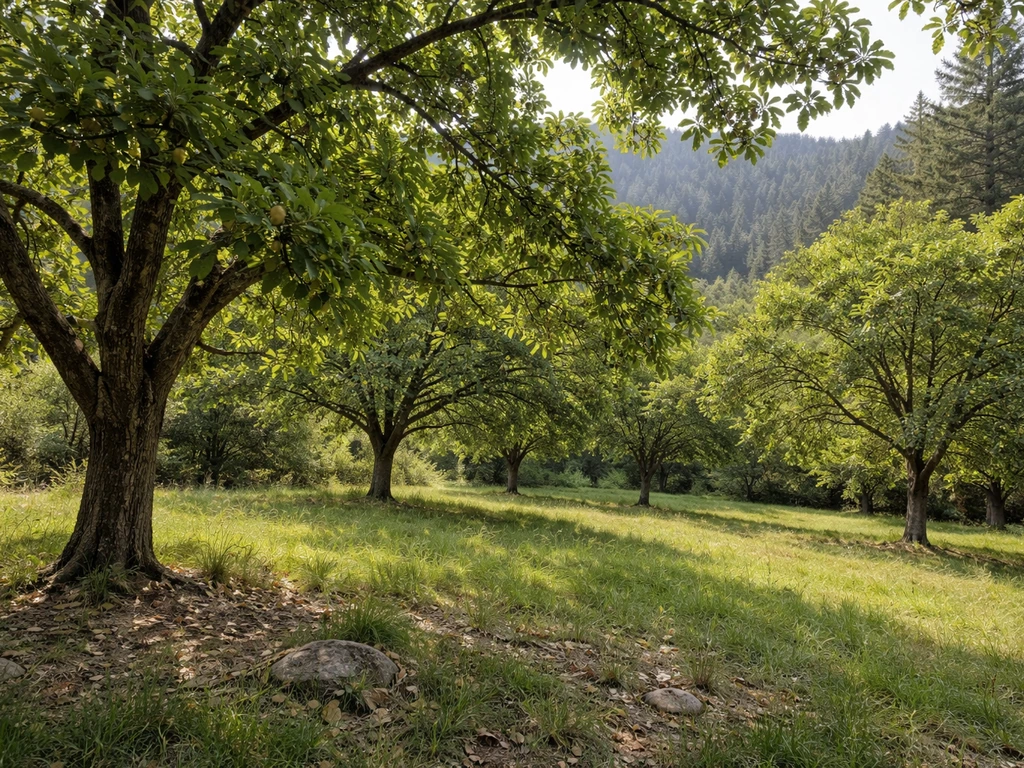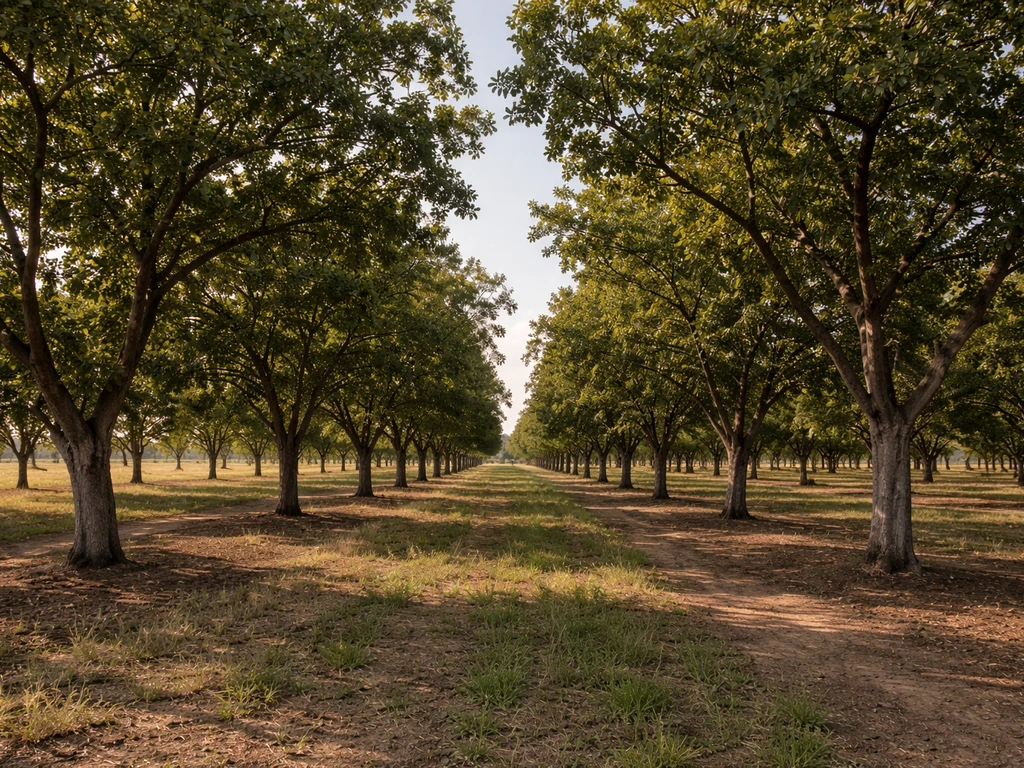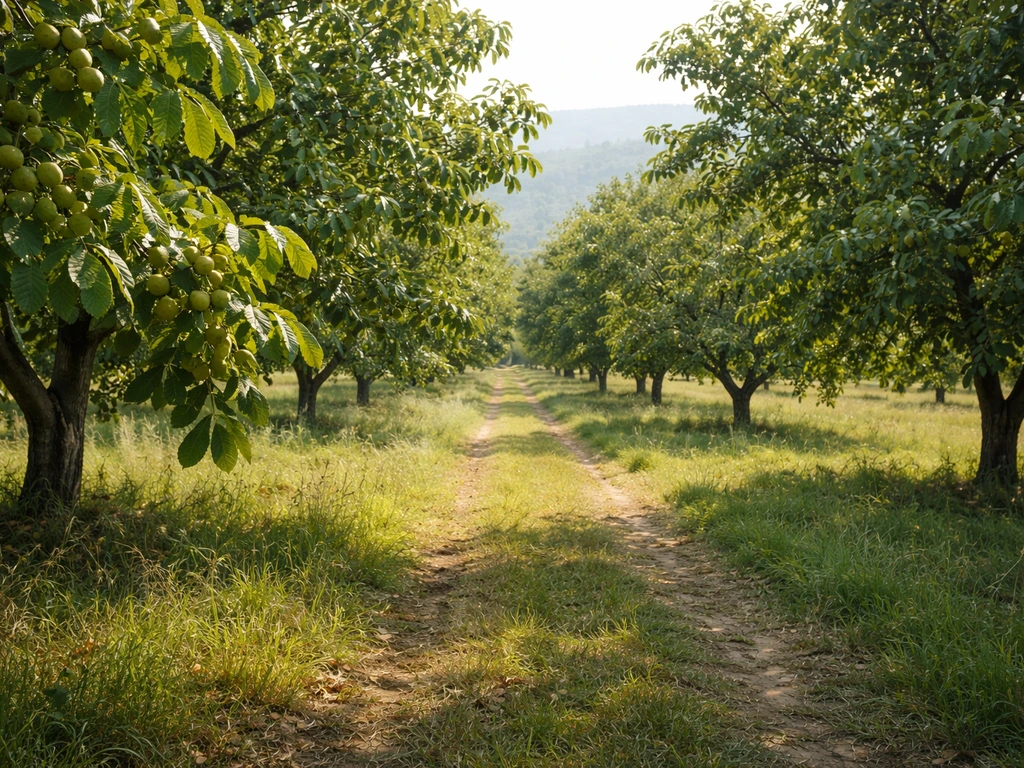
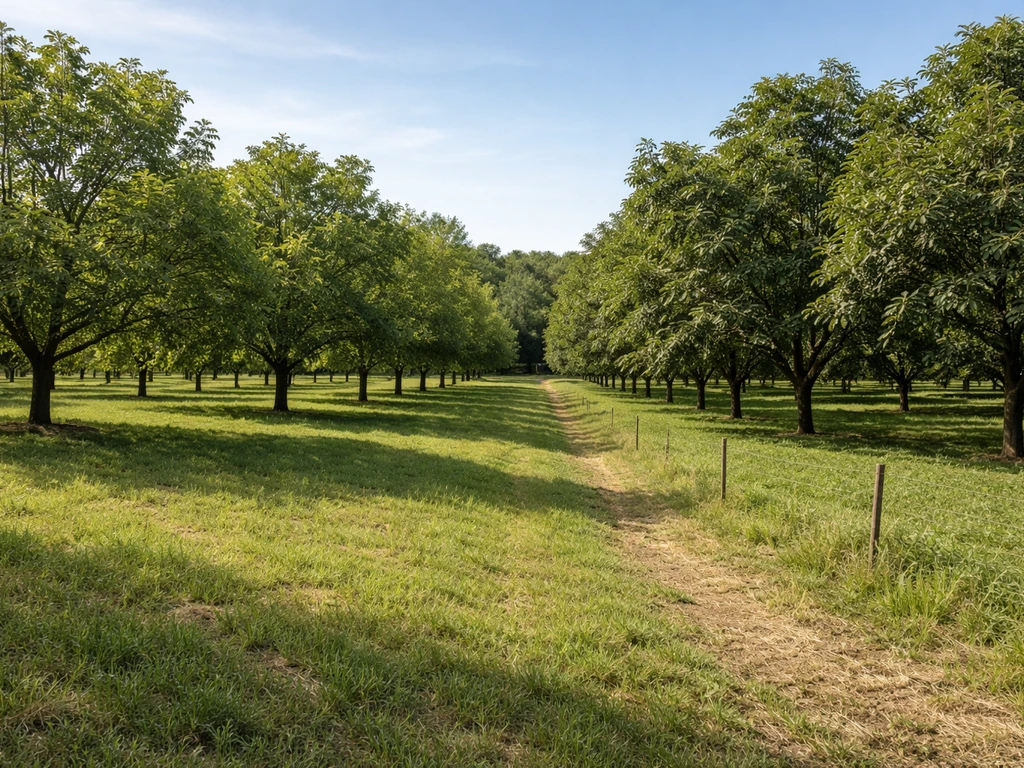
Walnut trees grow across a surprisingly wide band of the temperate world, but "where they grow" depends almost entirely on which walnut you mean. The two species most people are asking about, English walnut (Juglans regia) and black walnut (Juglans nigra), have different native ranges, different cold tolerances, and different quirks that will make or break a planting in your specific location. Here is a direct answer to where each one grows, what limits them, and how to figure out whether your yard or region is actually a fit.
Walnut Where Do They Grow: Regions and Planting Guide
Marcus Hendricks
13 Apr 2026
English walnut vs black walnut: which one are you asking about?
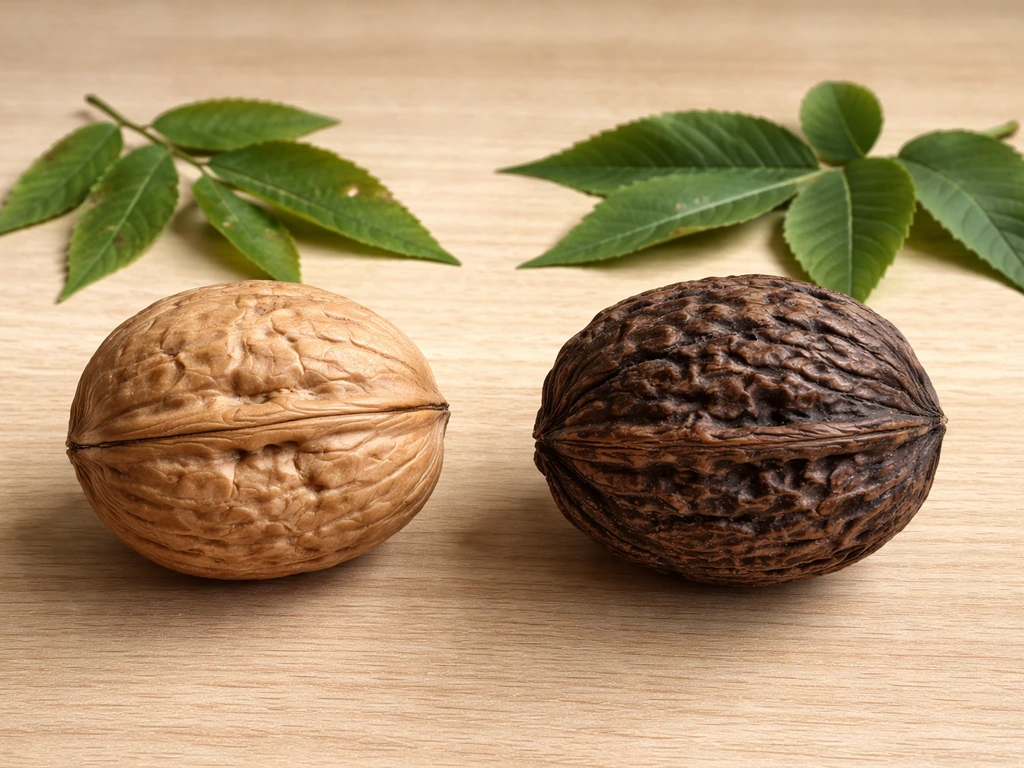
Most people saying "walnut" mean the English walnut, also called the Persian walnut, which is blank" rel="noopener noreferrer">Juglans regia. This is the thin-shelled, commercially grown nut sold in grocery stores and used in commercial orchards across California, France, and China. If you are looking up where English walnuts grow specifically, the answer centers on temperate Eurasian climates and, in North America, primarily the Pacific Coast and parts of the Midwest and East. A quick ID cue: Juglans regia has pinnately compound leaves with 5 to 9 leaflets, which is fewer and larger than you typically see on a black walnut.
Black walnut (Juglans nigra) is the native North American species. It produces edible nuts, but the shells are notoriously thick and hard to crack, and the flavor is much more intense than a grocery-store English walnut. It is also a major timber tree. If you are growing in the eastern half of the United States or in parts of Canada and you see a massive spreading tree with dark furrowed bark and a pungent smell from the husks, you are probably looking at a black walnut. Understanding how walnuts grow from a biological standpoint helps clarify why the two species behave so differently across climates, but the short version is: know which species you want before you start planning.
Where walnut trees naturally come from
English walnut's native territory
Juglans regia is native to Eurasia, specifically southeastern Europe through southwest and central Asia, and into the Himalayas and China. The exact boundaries are blurry because humans have been cultivating and moving this tree for thousands of years, so wild populations and cultivated escapes overlap heavily. What matters practically is that English walnut evolved in temperate climates with distinct seasons, cold winters (but not brutal ones), and relatively dry summers in many parts of its range. That background explains a lot about where it succeeds and where it struggles today.
Black walnut's native range in North America
Black walnut's native range runs from western Vermont and Massachusetts westward through New York into southern Ontario, across the central parts of the Upper Midwest, and south into western Oklahoma and central Texas. It notably skips much of the Mississippi River Valley and Delta. If your region falls within that footprint, black walnut is essentially a home-court player. For anyone curious about the broader picture of where walnuts grow in the US, black walnut covers the eastern and central zones while English walnut dominates the West Coast commercial production.
The climate requirements that actually limit them
Both species need a temperate climate with real winters, but their cold tolerance differs significantly. Black walnut is the hardier of the two: it can survive down to USDA Zone 3 (think Minnesota, parts of Canada), and temperatures as low as around -43°C (-45°F) have been recorded in areas where black walnut grows, though not every race of the tree tolerates those extremes. For fruiting and healthy growth, however, the sweet spot is more moderate. The optimum range for black walnut involves an average annual temperature around 13°C (55°F), a frost-free season of at least 170 days, and annual precipitation of at least 35 inches. Those numbers are important because surviving is not the same as thriving.
English walnut is less cold-hardy, generally reliable in USDA Zones 5 through 9, though some sources push that to Zone 5 as the northern edge. The bigger threat to English walnut is not winter cold but late spring frosts. UC Statewide IPM also notes that late-spring frost can blacken and kill walnut flowers, leaves, and shoots, and injured trees may fail to leaf out normally and instead develop profuse new shoots below dieback blank" rel="noopener noreferrer">late spring frosts can wipe out flower buds and young growth. Even if a dormant English walnut survives a Zone 5 winter just fine, a frost after the tree breaks dormancy can wipe out an entire season's young growth and flower buds. This is a recurring frustration for growers in the northern end of its range. To get a full picture of what climate walnuts grow in, you need to consider not just the winter low temperatures but also the spring frost calendar for your specific location.
One advantage black walnut has over English walnut in frost-prone areas is its leaf-out timing: black walnut waits until temperatures have genuinely warmed before pushing new growth, which gives it a natural buffer against late-spring frost damage compared to species that break dormancy earlier.
Soil, drainage, and site needs
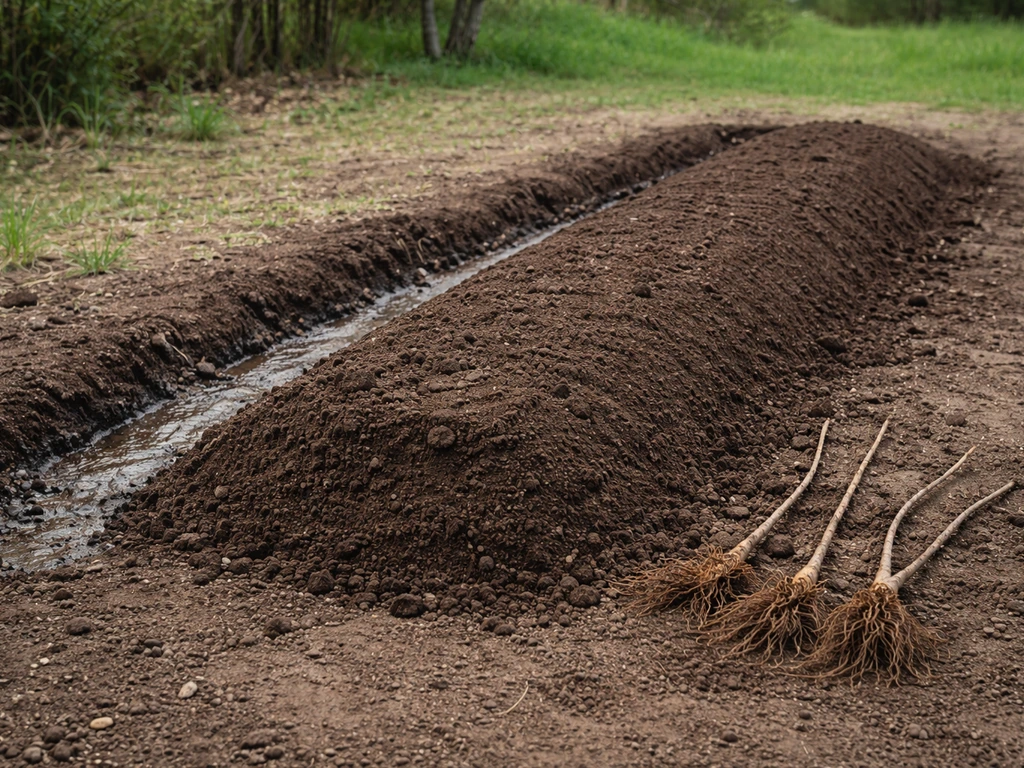
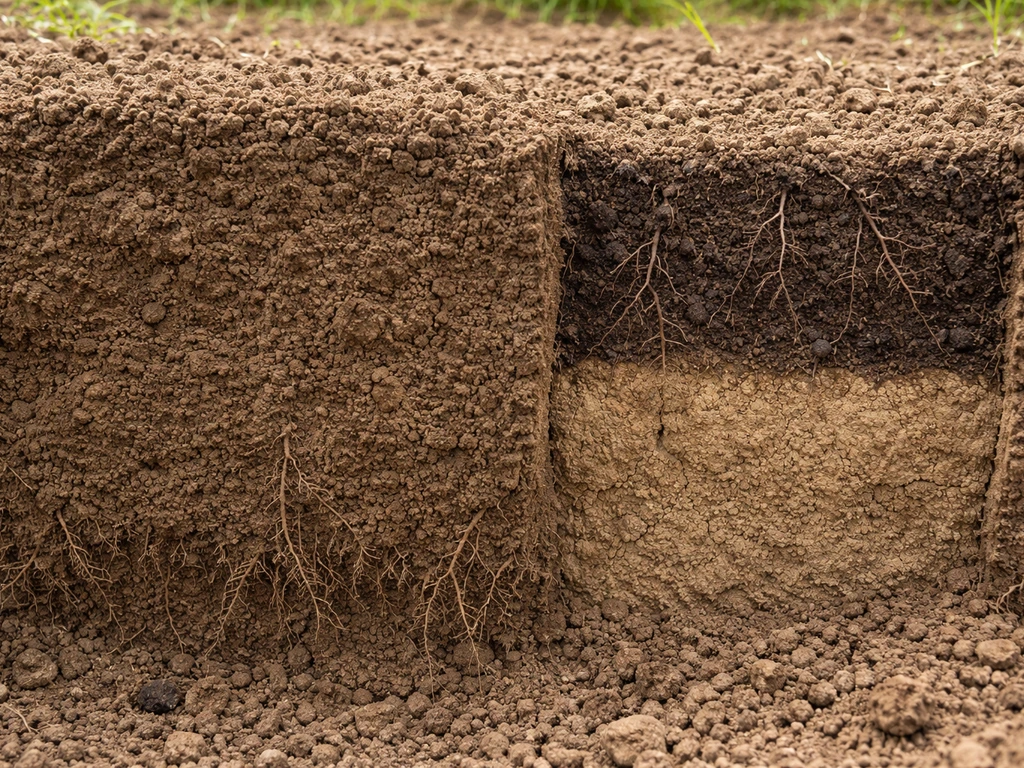
Both walnut species want deep, fertile, well-drained soil. "Well-drained" is not just a generic recommendation here. Soil layers that impede drainage and root penetration are a real problem for walnut establishment, and Phytophthora root and crown rot is a documented risk in low, wet, poorly drained sites. Before you plant, assess the full soil profile, not just the top foot. If water sits for more than a day after rain, that site will likely cause problems.
Black walnut in particular does best on sites where available water is consistent to considerable depth. This is not about irrigation in the orchard sense; it is about a soil profile that holds some moisture through dry periods and gives roots room to go deep. If your site has hardpan, compacted subsoil, or a high water table, those are red flags. For anyone planning a more commercial-scale planting, Purdue Extension's black walnut plantation guidance recommends correcting soil pH before planting: if pH is at or below 6.0, apply around 3 tons per acre of lime, with graded rates adjusting as you approach neutral pH near 7.0.
English walnut wants full sun, and both species need generous spacing to develop properly. The root systems on mature walnut trees are extensive, which connects directly to the juglone problem. Black walnut secretes juglone from its roots, leaves, bark, and nut husks. This chemical suppresses or kills many nearby plants, including some vegetables, ornamentals, and other fruit trees. If you are planting near a garden or existing landscaping, factor in a buffer zone. This is not a minor inconvenience; it is a genuine site-planning issue that catches a lot of first-time growers off guard.
How to check whether walnuts will grow in your location
Start with your USDA Plant Hardiness Zone, which is based on the average annual minimum temperature in your area. If you are in Zone 5 or warmer and want English walnut, you are within range on the cold-tolerance side. If you are in Zone 3 or 4 and want something that can survive reliably, black walnut is the better starting point. But zone alone is not the full story. Microclimates matter: a low-lying frost pocket in Zone 6 can damage English walnut spring growth just as badly as a Zone 5 location. An elevated site with good air drainage can outperform its zone on paper.
For English walnut specifically, look at your last frost date. If you regularly see frosts after mid-April, you are at real risk of late-frost damage to young walnut growth every few years, even if you are technically in the right hardiness zone. California, particularly the Central Valley, is the dominant English walnut production zone in the US for exactly this reason: mild winters, reliably warm springs, and the right soil. If you want to explore what makes that region uniquely suited to walnut production, the conditions where walnuts grow in California highlight how climate, soil, and irrigation come together in a way most other regions cannot replicate without careful site selection.
For black walnut in Canada or near the northern edge of its range, the zone check is still relevant but needs to account for fruiting requirements, not just survival. For black walnut in Canada or near the northern edge of its range, the same approach you would use for where do walnuts grow in canada applies, but you need to check production limits too. A tree can be alive in Zone 3 but not produce a reliable nut crop if the growing season is too short or the summer heat is insufficient. Anyone evaluating sites in the northern part of the continent should look at what is possible for walnuts growing in Canada to understand the realistic ceiling for production versus survival.
Why walnuts fail in the wrong region
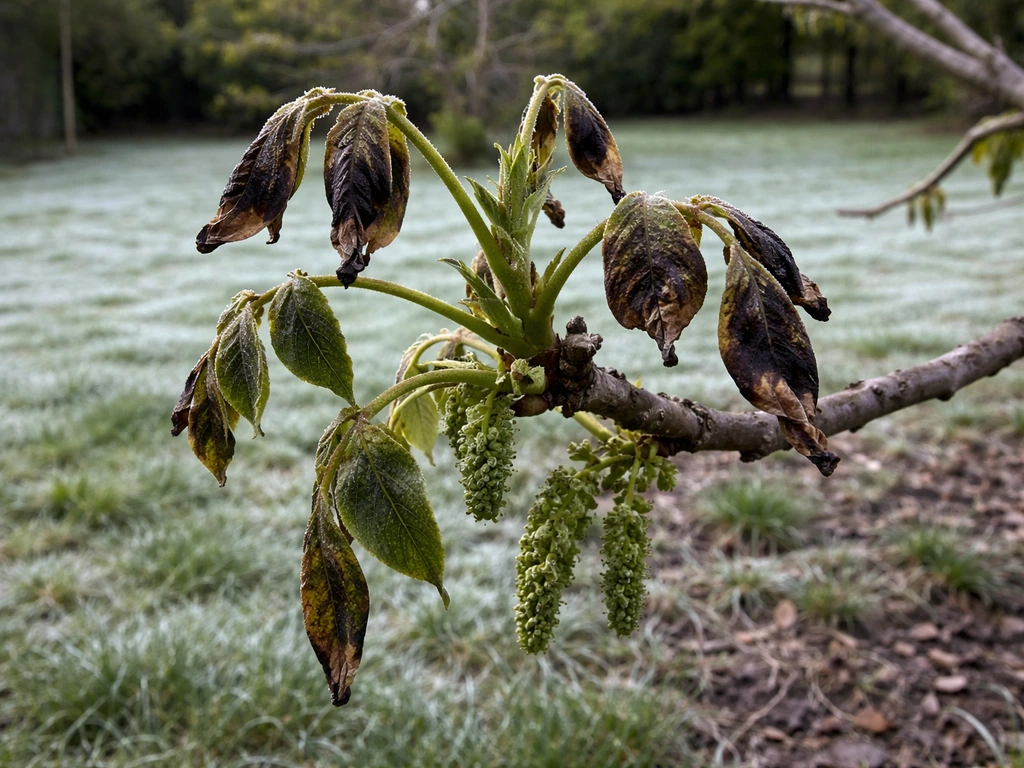
The most common failure modes fall into a few predictable categories. Late spring frost is the top killer for English walnut productivity in northern zones, and it can happen even in years when the winter cold causes no damage at all. The tree comes through dormancy fine, pushes new growth, and then a cold snap in April or May scorches everything back. Repeated years of this stresses the tree and kills your nut crop.
For black walnut, poor drainage is a persistent problem. Phytophthora root rot develops in low, wet, and poorly drained areas, and once it takes hold it is difficult to manage. Walnut anthracnose, which begins in wet spring weather, is another serious disease issue for black walnut, along with stem diseases and frost-related dieback. There is also thousand cankers disease, a devastating disease of black walnut spread by a bark beetle that carries a fungal pathogen. It has been spreading into the eastern US and is something to be aware of if you are planting black walnut in an affected region.
For English walnut, bacterial walnut blight is a major issue. It spreads in spring during rainy weather at bloom time, which is why dry-spring climates like the California Central Valley are so well-suited to English walnut while wetter eastern climates see more blight pressure. If your springs are consistently wet and cool, blight management will be an ongoing challenge regardless of whether your zone technically supports the tree.
And then there is juglone. Black walnut's allelopathic root secretions affect a wide range of neighboring plants. This is not just a gardening inconvenience; it can cause real losses in mixed plantings or near established landscapes. It also means that replanting walnut into soil where a previous walnut stood can sometimes cause establishment problems for other species, and vice versa.
English walnut vs black walnut: which one fits your region?
| Feature | English Walnut (J. regia) | Black Walnut (J. nigra) |
|---|---|---|
| Cold hardiness | USDA Zones 5–9 | USDA Zones 3–9 |
| Native region | Southeast Europe, Central Asia | Eastern and central North America |
| Spring frost risk | High (young growth very tender) | Lower (late leaf-out helps) |
| Nut quality / shell | Thin-shelled, mild, commercial quality | Thick-shelled, rich flavor, harder to crack |
| Soil drainage | Needs well-drained, deep soil | Needs well-drained, deep soil |
| Juglone allelopathy | Low concern | Significant; affects nearby plants |
| Key disease risks | Bacterial blight (wet spring climates) | Anthracnose, thousand cankers disease |
| Best fit region (US) | Pacific Coast, mild Midwest/East | Eastern and central US, southern Canada |
The recommendation is straightforward: if you are in Zones 3 or 4, plant black walnut or wait until you have a site in a warmer zone for English walnut. If you are in Zones 5 through 7 in the eastern US or Midwest, black walnut is the safer native bet, but English walnut is worth trying on a well-drained, frost-protected site if you want the commercial-type nut. If you are in Zones 7 through 9 in the West, English walnut is the clear choice, and you have access to a wide range of cultivars matched to your chill hours and spring conditions. Black walnut remains a viable option in the West if you want a timber-plus-nut tree and do not mind managing around the juglone radius.
What to do next before you plant
- Confirm your USDA Hardiness Zone using the official zone map and compare it against the species tolerance: Zone 5 minimum for English walnut, Zone 3 minimum for black walnut.
- Check your last spring frost date and compare it to typical English walnut leaf-out timing in your region. If late frosts are common past mid-April, plan for frost-protection measures or lean toward black walnut.
- Assess your soil profile to at least 3 feet deep. Look for hardpan, compacted layers, or seasonal waterlogging. Any of these requires remediation before planting or a different site entirely.
- Test your soil pH. Black walnut prefers a near-neutral pH, and if yours is at or below 6.0, plan to lime before planting.
- Map the juglone zone if you are planting black walnut. The affected root zone can extend well beyond the canopy drip line. Keep vegetable gardens, sensitive ornamentals, and fruit trees outside that radius.
- Choose cultivars suited to your region. For English walnut in colder zones, look for late-leafing cultivars that reduce late-frost exposure. For black walnut in short-season regions, select locally adapted seed sources or grafted trees if available.
- Evaluate regional disease pressure. If you are in an area with wet springs, research your local extension service's blight management guidance before committing to English walnut.
Walnut trees are not fast-gratification plants. You are looking at a serious long-term commitment, and matching the species to the site before you plant is the single highest-leverage decision you can make. Get the zone, drainage, and species selection right from the start, and a walnut tree can be productive for generations. Get those wrong, and no amount of management fixes the mismatch.
FAQ
How can I tell if “walnuts” on a farm market are English or black walnut?
Look at shell thickness and nut size first, black walnuts usually have much thicker shells and smaller nuts, then check tree traits if you can, black walnut often shows strong-smelling husks and more rugged dark bark on older trees. If you are buying a grafted orchard tree, the label should specify Juglans regia or Juglans nigra, do not rely on the common name alone.
Can I grow English walnut in Zone 5 if the winters are mild enough?
It can survive, but productivity is often limited by late spring frosts after bud break. A practical decision aid is your local last spring frost date, if frosts commonly occur after mid-April, plan for severe risk of flower bud loss and repeated crop failures, or choose a site with cold-air drainage and extra frost protection.
Is the juglone issue only about vegetables, or can it affect fruit trees too?
It can affect more than garden greens. Juglone released from roots, bark, and husks can suppress nearby ornamentals and some fruiting trees, especially when trees share root zone. If you want orchard interplanting, keep a generous separation and consider species compatibility, do not assume “some plants will tolerate it” is harmless.
What should I test besides the topsoil before planting walnuts?
Test the full drainage situation and soil profile, not just the first few inches. If water stands for more than a day after rain, or you have compacted layers or hardpan below the surface, you are likely increasing root rot risk. A deep soil evaluation helps because walnuts need room to penetrate and access moisture at depth.
How do I know whether my site is warm enough for black walnut to actually fruit?
Survival is not the same as nut production. Beyond USDA zone, check that you can reliably meet a long enough frost-free season, and ensure summer warmth is sufficient for flowering and nut development. In northern areas, trees may live but nut set can be inconsistent if the growing season is short.
Should I prioritize full sun or shelter from wind when choosing a planting location?
Both matter, but full sun supports canopy development and consistent nut fill. Windbreaks can help reduce stress and branch damage, especially for young trees, yet avoid planting in areas that trap cold air in winter or create late frost pockets. Good air movement without exposure to persistent drying winds is usually the best balance.
Can I plant walnuts where water drains well sometimes, but not in spring?
Spring wetness is exactly when rot and disease pressure often rises, especially with low-lying or seasonally saturated spots. If drainage problems appear only in spring, you still may see Phytophthora root and crown rot risk and other wet-season diseases, choose a site that stays well-drained through the wettest months, not only after summer storms.
What is the biggest practical disease-management mistake for each species?
For English walnut, underestimating bacterial blight pressure in cool, rainy bloom periods is a common mistake, especially when spring weather is persistently wet. For black walnut, the most frequent high-impact issue is ignoring drainage and site wetness, because root rots and wet-spring anthracnose pressure can spiral when soil conditions are marginal.
How far apart should I plant walnut trees if I want a healthy long-lived stand?
Spacing needs are about more than canopy shade, mature roots are extensive and you need room for airflow and access. If you plant too tightly, you can worsen disease pressure and complicate harvest and maintenance later. Use species-appropriate spacing guidance from your cultivar or extension recommendations, and plan for root expansion beyond the dripline.
Is it worth planting black walnut in the West if I like the idea of a timber-plus-nut tree?
It can work, but you must plan around juglone and ensure the site supports long-term health. Many growers in the West choose English walnut because it fits local production conditions, if you do black walnut, treat it as a dedicated single-species or low-competition system unless you have tested nearby plant compatibility.
Can I replant a different crop where I removed an old walnut tree?
Sometimes, but allelopathic effects and soil history can complicate reestablishment of sensitive plants. If you are switching species, consider waiting and using tolerant plants first, and avoid immediate replanting of crops that are known to struggle in walnut-affected soil. For orchards, soil remediation and rest planning can be more important than choosing the “right” variety.
What should I do if I’m on the edge of a species’ range, like Zone 4 to 5?
Start with conservative expectations and treat the project as a site-matching exercise, not a “zone-only” decision. Look for a warmer microclimate (e.g., slope with cold-air drainage, good sun exposure, and wind protection) and expect that bud break timing and spring frost risk will decide success for English walnut. For black walnut, ensure fruiting season length is realistically achievable, not just winter survival.