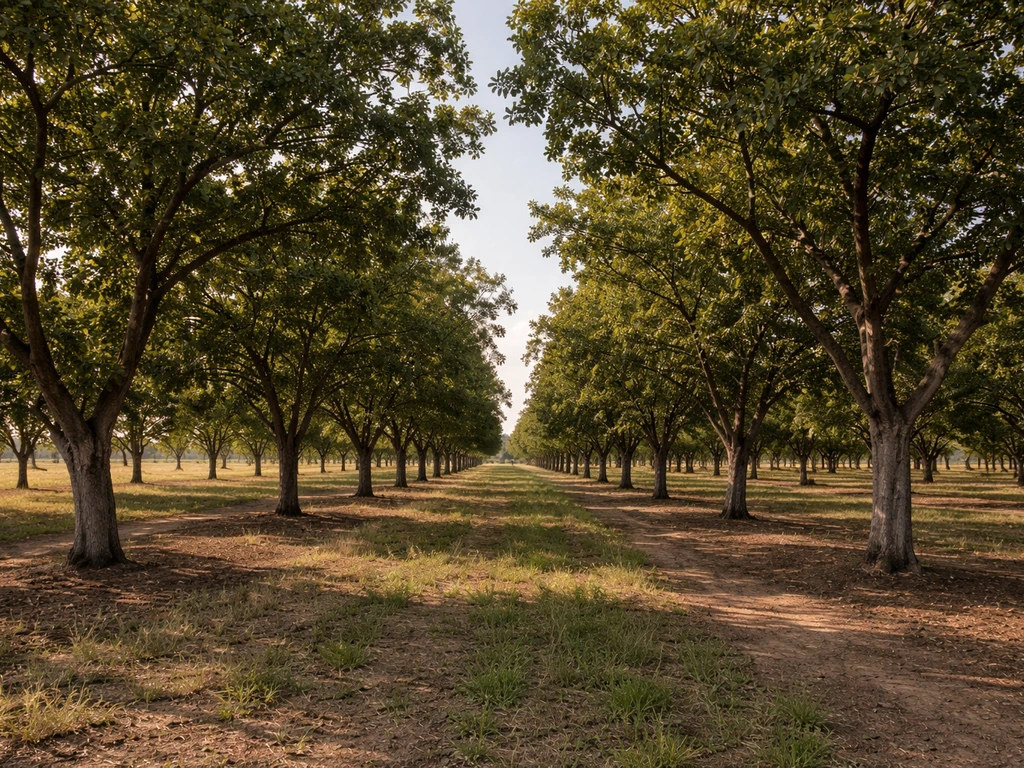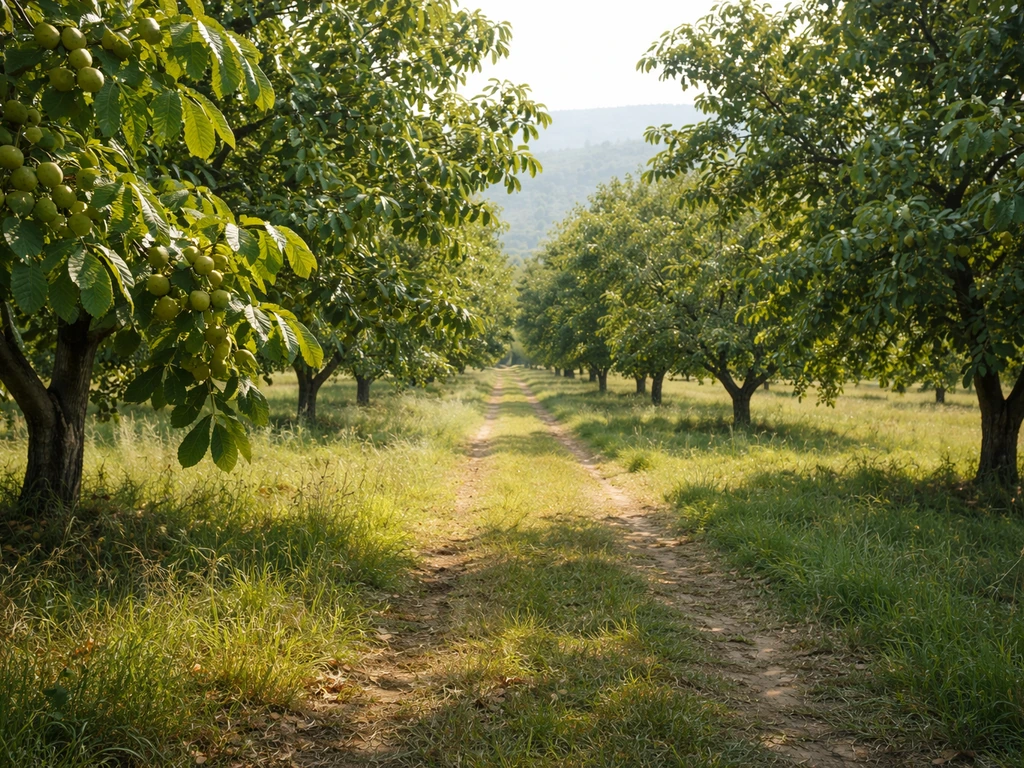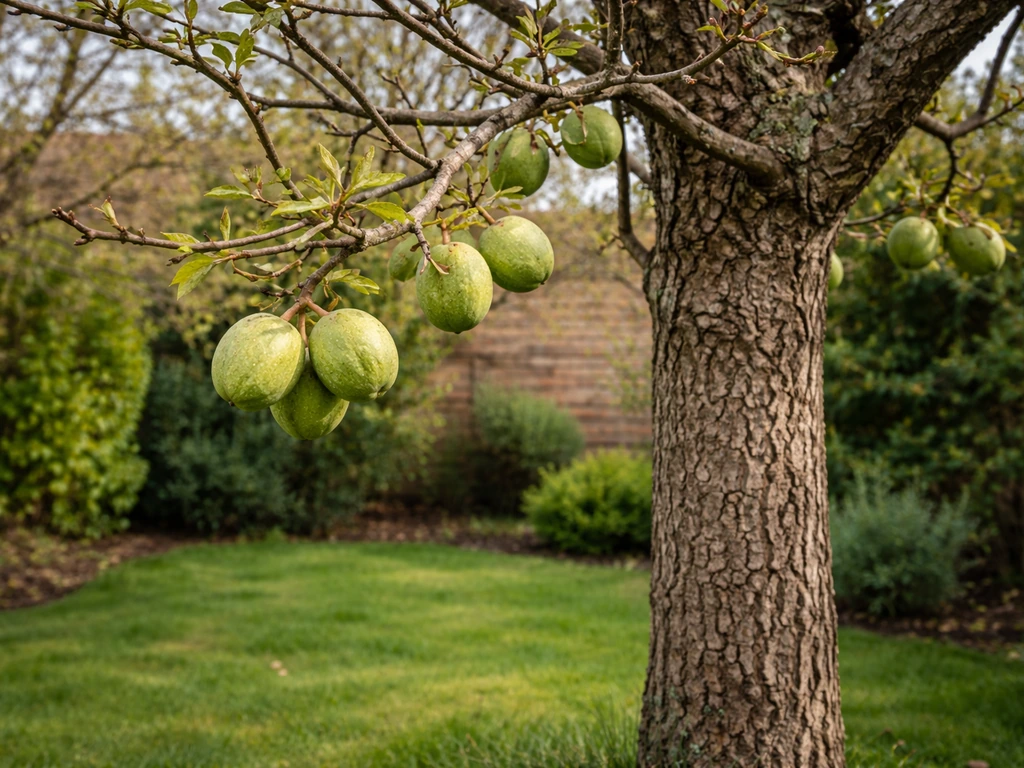
English walnuts (Juglans regia) grow naturally across a broad arc stretching from southeastern Europe through southwestern and central Asia, and they can be cultivated successfully across a wide range of temperate climates today, roughly USDA zones 4 through 9. If you want the short answer: they do best where winters are cold enough to deliver 400 to 1,500 chill hours, summers are warm and long enough to ripen nuts, and the soil is deep and well-drained. What makes this tree tricky is that it sits in a narrow sweet spot between too cold and too warm, and getting that balance wrong is where most growers run into trouble.
Where Do English Walnuts Grow Best and Can You Grow Them
Marcus Hendricks
13 Apr 2026
Where English walnuts originally come from
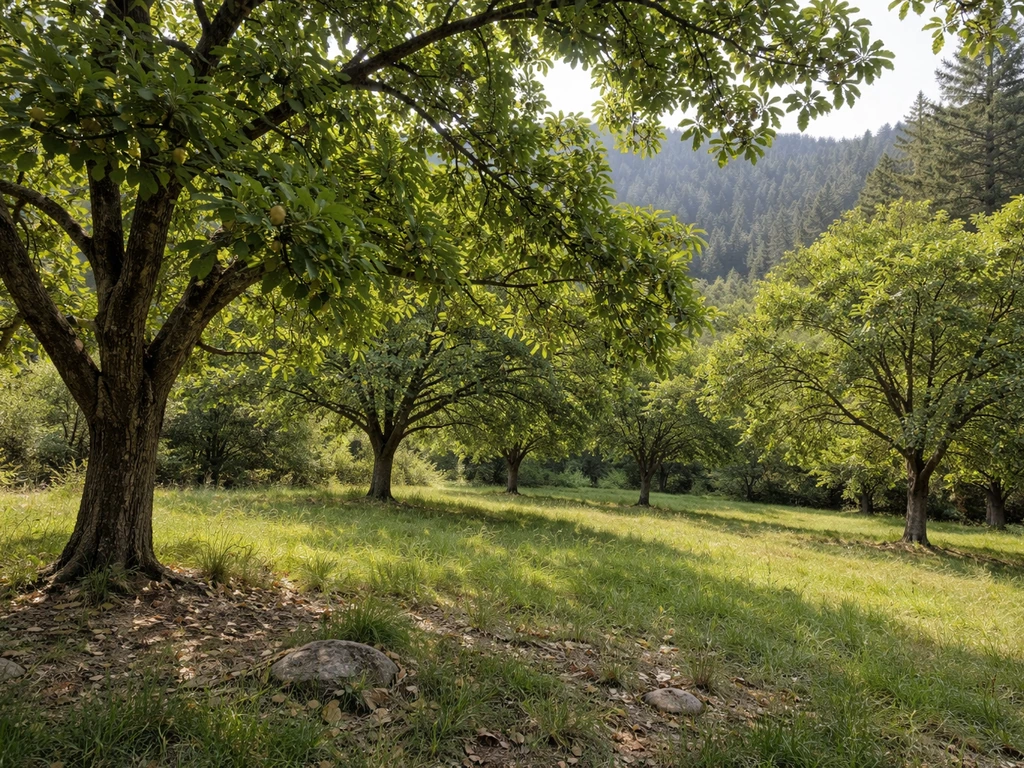
Pinning down the true native range of Juglans regia is genuinely difficult, and that is not a cop-out. The species has been cultivated by humans for thousands of years, and that long history of intentional planting has so thoroughly mixed cultivated and naturalized populations that authoritative sources describe the natural distribution range as simply "not clear." What researchers do agree on is that the species occurs natively in at least southwestern and central Asia and southeastern Europe, with the Balkans through parts of southwest Asia and toward the Himalaya and southwest China cited as its broader ancestral territory. Central Asia is frequently highlighted as a putative origin region.
In the wild, English walnut trees are most at home in mixed mountain forests, typically on moist soils with good drainage in valleys and on lower slopes. Think river valleys with rich alluvial soil, sheltered from the worst winter winds, with reliable seasonal rainfall. That natural habitat is a useful template: the tree evolved in conditions that are neither arid nor waterlogged, and that preference shows up clearly when you try to grow it in less-than-ideal sites today.
What English walnut trees actually need to thrive
Temperature and winter chill
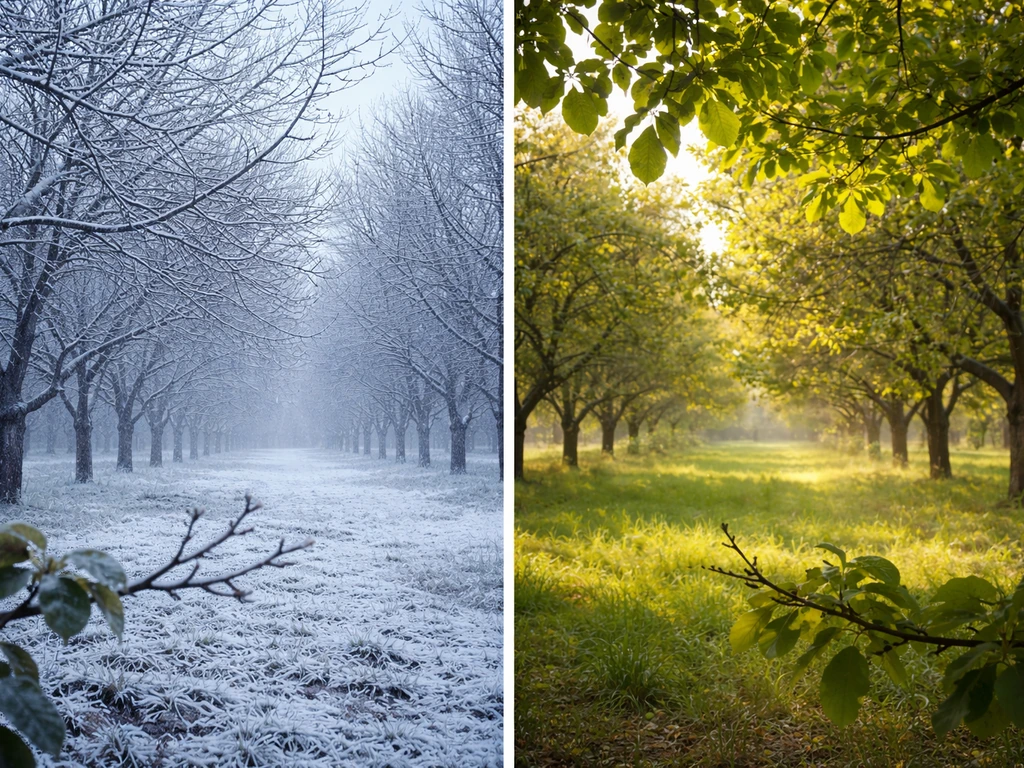
Winter cold is the single biggest variable that determines whether English walnut will produce nuts reliably in your location. The tree requires significant winter chill to break dormancy and synchronize flowering, with reported requirements ranging from 400 to 1,500 chill hours depending on the cultivar. Too few chill hours and you get delayed, erratic bud break, desynchronized male and female flowers, and poor nut set. If you want to understand what climate walnuts grow in at a deeper level, the chill-hour requirement is the detail most gardeners underestimate, especially as winters warm in many growing regions.
On the cold end, English walnuts have limited tolerance to extreme winter low temperatures. Hard freezes at the wrong time, particularly late spring frosts that hit after the tree has broken dormancy, can wipe out an entire season's catkins. This double constraint, needing enough chill without suffering killing freezes or late frosts, is what makes site and cultivar selection so critical.
Soil requirements
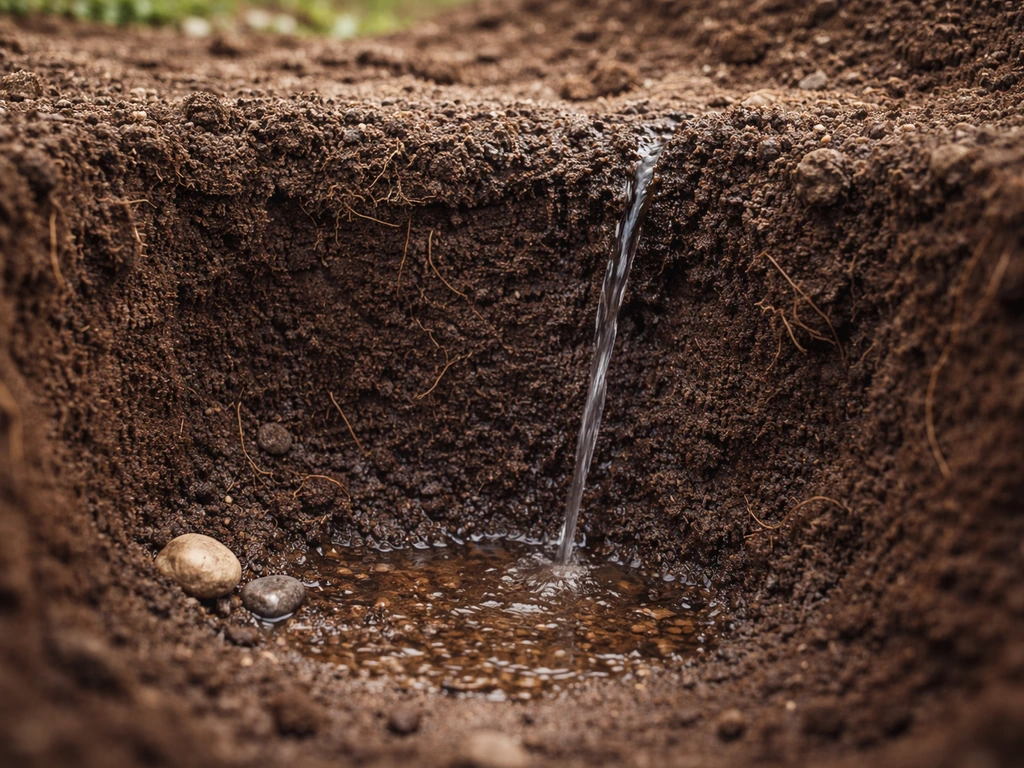
English walnut strongly prefers deep, moist, well-drained soils. Aim for a soil pH between 5.5 and 7.5, with "well-drained" being non-negotiable: standing water around walnut roots promotes root diseases, and compacted subsoil layers that restrict drainage are one of the fastest ways to kill an otherwise healthy tree. Soil temperature for best root establishment sits around 75°F, which is a practical reason why late-spring planting often outperforms early cold-soil planting in marginal climates.
Where English walnuts grow today: regions and zones
Commercially, English walnut production in the United States is almost entirely concentrated in California, specifically in the Sacramento and San Joaquin valleys, with production spread across counties including Butte, Glenn, San Joaquin, Sutter, and Tehama. The Central Valley's combination of long, warm summers, reliable winter chill, deep alluvial soils, and available irrigation makes it close to ideal. Nearly all walnuts grown in the U.S. for nut production come from California, which gives you a sense of just how specific the commercial sweet spot is. If you want a closer look at California's dominance, the article on where walnuts grow in California breaks down the regional picture in detail.
Outside California, English walnut cultivation is entirely feasible across a much wider geography, including the Pacific Northwest (Oregon and Washington), parts of the mid-Atlantic and Southeast, and portions of the Midwest. Oregon in particular has an established walnut industry built around later-blooming cultivars like 'Franquette' that escape spring frost damage more reliably than earlier-blooming varieties. For a broader national picture, the guide on where walnuts grow in the US gives a regional rundown beyond just California.
In Canada, Juglans regia is listed across a hardiness range of zones 3b through 9a on Canada's Plant Hardiness Site, and separate hardiness classifications place it from zone 3a through 8b depending on cultivar and microclimate. That range sounds broad, but in practice the colder end of it requires careful cultivar selection and site protection to get reliable nut crops. If you are north of the border, the resource on where walnuts grow in Canada is worth checking for region-specific guidance.
How to tell if your location is a real fit
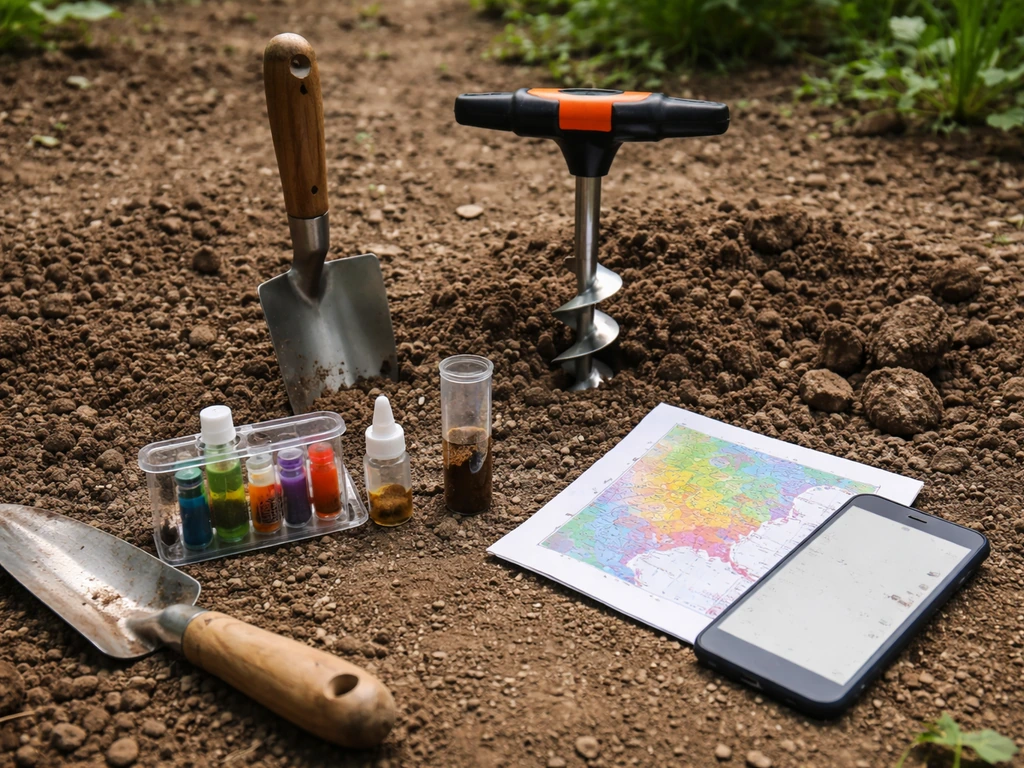
USDA hardiness zone is a starting point, not an answer. Here is a practical checklist to work through before planting:
- Check your USDA hardiness zone. English walnut is reliably productive from zones 4 through 9, with zone 5 and warmer being the most realistic target for nut crops rather than just tree survival.
- Count your chill hours. If your location averages fewer than 400 hours below 45°F each winter, you are likely too warm for reliable nut production without a specifically low-chill cultivar. Much above 1,500 hours and very cold-hardy cultivars are needed.
- Assess late-frost risk. Spring frost after bud break is often more damaging than winter cold. Check your average last-frost date against the bloom timing of the cultivar you are considering. Later-blooming varieties like 'Franquette' are worth prioritizing in frost-prone areas.
- Dig a test hole. Use a posthole digger or soil auger to go down at least 6 feet. Look for compacted layers, mottled gray or rust-colored soil (signs of poor drainage), or hardpan. Any of these are red flags that need to be addressed before planting.
- Check your soil pH. A pH between 5.5 and 7.5 covers almost all productive walnut soils. Outside that range, you are fighting the tree rather than feeding it.
- Grade for drainage. If your site has any low spots where puddles form and sit, grade the soil before planting. UC IPM guidance is direct on this: even drainage within the tree row is essential to prevent root disease pressure.
Microclimate matters as much as regional climate. A south-facing slope with good air drainage can push a marginal zone 5 site into reliable production, while a low-lying frost pocket in zone 7 can lose catkins to late frost every other year. Once you have confirmed the basics above, factor in whether your specific site collects cold air or sheds it.
English walnut vs other walnut species: clearing up the confusion
"English walnut" is a common name that causes real confusion because it is used interchangeably with "Persian walnut," and neither name tells you where the tree actually comes from. Juglans regia is neither English nor exclusively Persian in origin, but those names stuck through trade history. The more important point for growers is that J. regia is a completely different species from the walnuts native to North America.
| Species | Common Names | Native Range | Typical Growing Zones | Primary Use |
|---|---|---|---|---|
| Juglans regia | English walnut, Persian walnut, common walnut | Southeast Europe through central and southwest Asia | Zones 4–9 (productive nuts) | Commercial nut production, home orchards |
| Juglans nigra | Black walnut | Eastern and central North America | Zones 4–9 | Timber, nuts, rootstock |
| Juglans cinerea | Butternut, white walnut | Eastern U.S. and southeast Canada | Zones 3–7 | Nuts, limited timber |
| Juglans californica / hindsii | California walnut | Native California | Zones 7–10 | Rootstock for J. regia orchards |
Butternut (Juglans cinerea) is native to the eastern U.S. and southeast Canada and favors cooler climates, which is why it sometimes gets lumped into "walnut" discussions by gardeners in colder northern regions. It is a different tree with different requirements and a distinct nut flavor. Black walnut (J. nigra) is the species you are most likely to encounter growing wild across the eastern half of North America, and while it is productive and valuable, its nuts are much harder to crack and the flavor is stronger than English walnut. For a broader look at how walnut trees grow across different environments, including the ecological distinctions between species, that comparison is worth reading alongside this article.
One practical mix-up worth flagging: many English walnut orchards are actually grafted onto black walnut or California walnut rootstock. So you might see a tree described as "black walnut rootstock" that is producing English walnut nuts. That is normal orchard practice, not a labeling error. Understanding how walnuts grow from the ground up, including the role of rootstock, helps make sense of these distinctions.
What to do next based on your situation
If your climate is clearly suitable (zones 6–8, adequate chill hours)
You are in good shape. Focus your energy on site selection rather than species selection. Prioritize deep soil, confirmed drainage, and a spot that sheds cold air rather than collecting it. Choose a cultivar matched to your local spring frost timing: later-blooming options like 'Franquette' are consistently more reliable in areas with unpredictable late frosts, while earlier-blooming varieties can outperform in warmer valleys with mild spring weather. Plan for irrigation: young trees typically need multiple irrigations per season to establish, and even mature trees need consistent moisture for nut quality. Just don't overdo it, because excessive irrigation promotes the root diseases that can undermine an otherwise healthy tree.
If your climate is marginal (zones 4–5 or warm-winter zones 9+)
In colder zones, your main job is to protect the tree from late frosts and choose the hardiest cultivars available. Siting the tree on a slightly elevated, well-drained location that avoids frost pockets can make a meaningful difference. In warmer-winter climates at the other end of the spectrum, the issue is insufficient chill accumulation. Planting in the coldest microclimate on your property (a north-facing slope, higher elevation, etc.) can add a few dozen chill hours, and selecting a lower-chill cultivar is essential. Even then, results will be variable year to year depending on winter temperatures.
Planning your planting timeline
English walnut is not a fast-gratification tree. Grafted trees typically begin producing meaningful nut crops at 4 to 6 years, with full production taking longer depending on cultivar and conditions. Trees grown from seed take considerably longer to fruit and will not reliably reproduce the parent tree's nut quality or timing. Bare-root grafted trees planted in late winter or early spring, once soil temperatures are rising toward that 75°F root-establishment target, tend to establish faster than fall-planted stock in most climates. Whichever route you take, the soil prep work you do before planting, including grading for drainage, amending pH if needed, and clearing any compacted layers, will matter more to long-term success than almost any decision you make after the tree is in the ground.
FAQ
If they are native to parts of southeastern Europe and central Asia, can English walnuts still grow in my country or region?
English walnuts (Juglans regia) can be grown outside their broad ancestral arc if your local winter chill and spring-frost risk match the cultivar. Practically, look for reliable chill hours first, then confirm your site does not trap cold air or suffer late-spring frosts after dormancy breaks.
Can I grow English walnuts in a colder or warmer USDA zone if my yard seems suitable?
Planting in a frost pocket can erase otherwise good regional conditions. Even in a zone that “fits” on paper, low spots and poorly ventilated areas often lose catkins to late frost, so choose an upslope or otherwise air-draining location rather than relying on the overall USDA zone.
What’s the difference between winter chill hours and just having cold temperatures?
Chill hours are not the same as “how cold it gets.” A winter that reaches low temperatures but does not accumulate enough chill can still cause delayed, uneven bud break and poor flowering overlap, especially with higher-warming winter years. That is why cultivar chill requirements matter.
Do late spring frosts always kill English walnut trees, or only the nuts?
Yes, but timing is everything. Once the tree starts breaking dormancy, a late-spring freeze can wipe out male catkins and reduce or eliminate nut set that year. In frost-risk areas, prioritize later-blooming cultivars and consider protective measures during forecast frost events.
My soil pH is in range, but the ground stays wet after heavy rain, can I still grow English walnuts?
Soil pH and drainage act together. English walnuts need well-drained conditions, and correcting pH without addressing compaction or standing water often fails. If water ponds after rain or the ground stays wet for days, you typically need drainage work before planting.
When is the best time to plant English walnuts in marginal climates, fall or spring?
Root establishment is improved when the soil is warm enough, around the mid-70s Fahrenheit target mentioned in the article. In marginal climates, late winter or early spring planting often beats fall planting because it avoids cold, slow root growth in wet or chilly soils.
Should I start English walnuts from seed or buy a grafted tree if I want nuts sooner?
The quickest path to nut crops is usually grafted nursery trees matched to your local bloom timing. Seed-grown trees often take much longer to fruit and may not match the parent’s nut quality or timing, so if your goal is consistent production, grafted stock is the safer choice.
Why do some “English walnut” trees mention black walnut rootstock, and will that change the nuts I get?
Rootstock can complicate labels, so don’t judge the nut crop by the rootstock name alone. Many orchards use English walnut scions on black walnut or other rootstocks, so a “black walnut rootstock” tree can still produce English walnut nuts if the scion is correct.
How do I choose between early-blooming and later-blooming English walnut cultivars for my site?
In regions with inconsistent late frosts, later-blooming cultivars are the most common solution because they keep flowering away from the most damaging temperature window. In milder-spring climates, earlier cultivars can outperform by taking advantage of longer growing seasons.
How much should I irrigate English walnuts, and what’s the biggest irrigation mistake?
The practical risk is overwatering, especially when drainage is imperfect. Young trees need multiple irrigations while establishing, but excessive irrigation can increase root disease pressure, so follow a “moist, not wet” schedule and adjust based on soil and rainfall.
How can microclimates inside my property change whether English walnuts succeed?
Yes, microclimate can shift your outcome even if you are near the edge of a zone. South-facing slopes and sites that shed cold air can improve reliability, while nearby frost pockets can create year-to-year “on and off” production even when the yard looks similar.