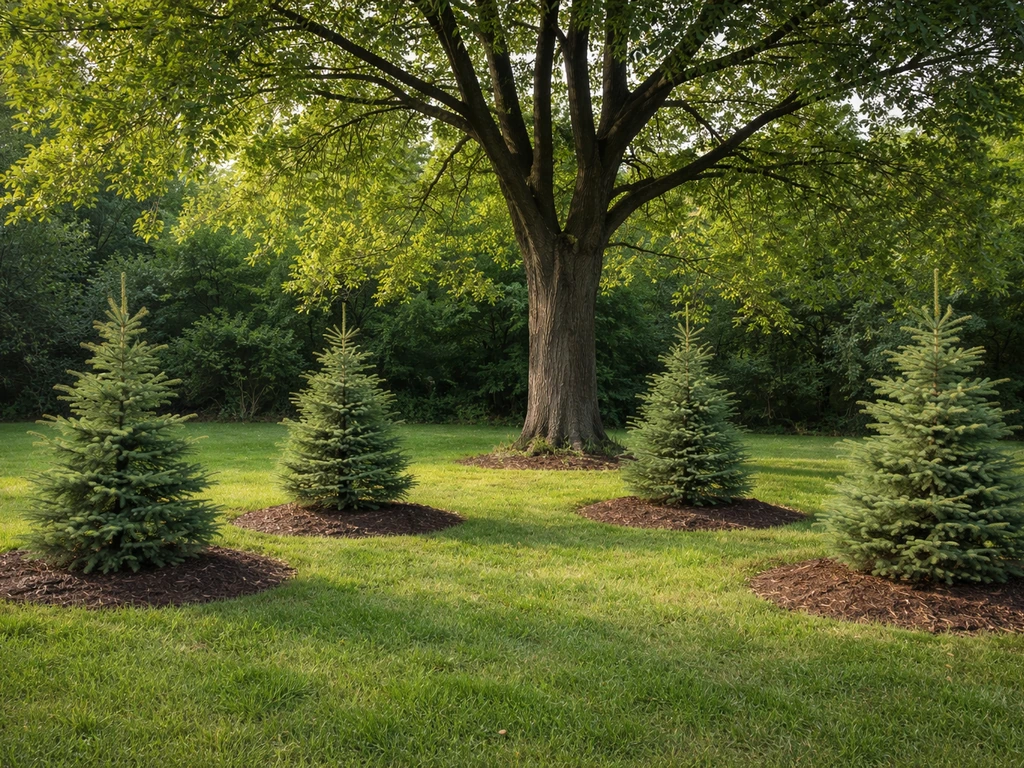
Spruce trees can survive near black walnut trees, but it is not a sure thing. Most spruce species fall into a gray zone with juglone, they are not as reliably tolerant as, say, eastern red cedar, and not as reliably killed as tomatoes or rhododendrons. Black walnut trees are native to North America, but the climate and soil where they grow well will vary by region where black walnut trees grow. Whether your spruce thrives, struggles, or slowly declines depends on distance, drainage, soil type, and which spruce species you are working with. If you plant far enough away, in well-drained soil, with minimal leaf litter accumulation, you have a reasonable shot. Plant close in heavy clay with poor drainage, and you are likely looking at yellowing, thinning, and eventual death over a few seasons.
Will Spruce Trees Grow Near Black Walnut? Practical Answers
What juglone actually is and why black walnut produces it
Juglone is a chemical compound, specifically a 1,4-naphthoquinone, that black walnut (Juglans nigra) produces as a byproduct of its normal metabolism. It exists throughout the tree, in the roots, leaves, bark, nut husks, and even the wood, but the root zone is where concentrations are highest. In the soil, juglone is transformed from less toxic precursor forms (naphthol O-glycosides stored in the plant tissues) into its more phytotoxic active form through hydrolysis and the activity of soil microbes.
The root-zone soil is the primary danger zone because roots continuously exude juglone directly into the surrounding soil. But fallen leaves, twigs, nut hulls, and bark also contribute juglone when they decompose, which matters a lot for plants growing at the outer edge of the canopy or beyond. The open-access Nature article on juglone biosynthesis explains that juglone is released from black walnut tissues into soil through processes such as litterfall and root contact released into soil through litterfall and root contact. In saturated soils, juglone from surface debris can accumulate and move, hitting plants that would otherwise be at a safe distance. Juglone's half-life in soil ranges from about 2 to 14 days depending on pH, organic matter content, and microbial activity, meaning well-aerated, biologically active soils break it down faster, while compacted or waterlogged soils allow it to persist and build up.
One thing that surprises most gardeners: removing the walnut tree does not fix the problem quickly. Juglone can persist in decomposing roots and wood for five years or more after the tree is gone. If you are trying to replant a site where a black walnut stood, that history matters and patience is required.
Will spruce actually tolerate juglone, what to realistically expect
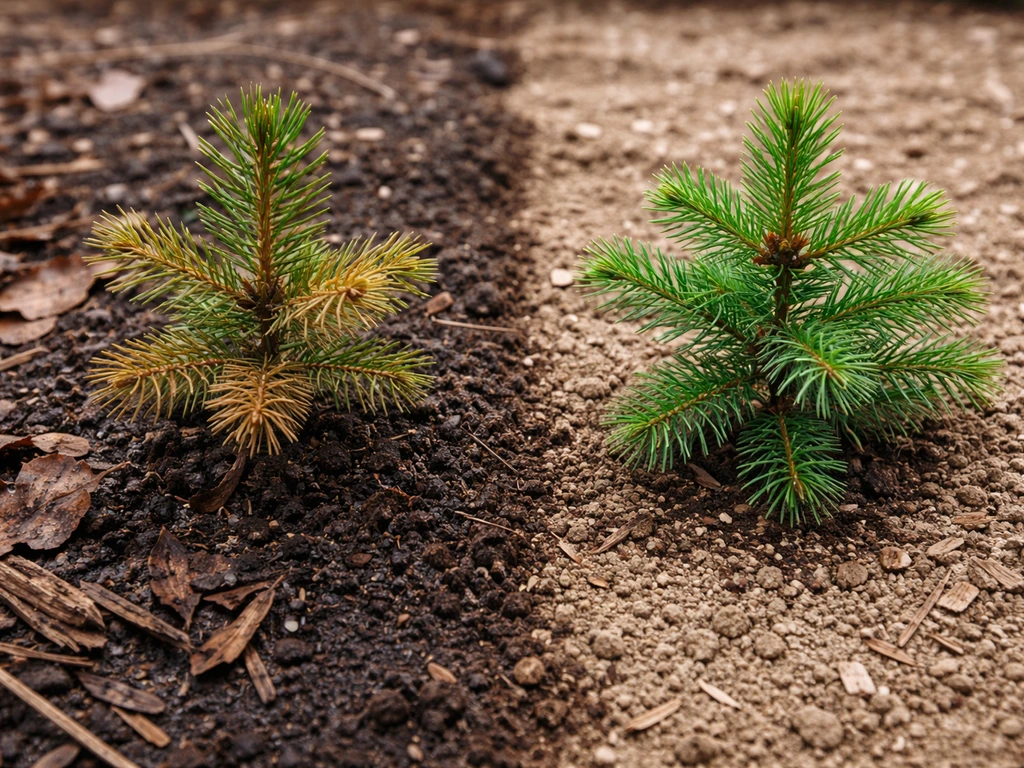
Spruce trees occupy an awkward middle ground in the juglone sensitivity spectrum. University extension research and practical grower experience generally classify most spruce species as moderately sensitive, not highly tolerant. That is meaningfully different from being on the highly sensitive list (think tomatoes, apples, blueberries, white pines, and rhododendrons), but it also means you cannot assume spruce will simply shrug off walnut proximity the way a hackberry or black raspberry would.
In practice, spruce trees planted too close to a black walnut often show a recognizable pattern of decline: needles yellow from the inside out, growth slows and new shoot extension shortens, the lower branches start thinning first, and the tree takes on a sparse, stressed look rather than dying outright all at once. This creeping decline is sometimes misread as a disease or a watering problem, which delays the real fix. If you see a spruce going downhill gradually over two or three seasons and there is a walnut within 60 feet, juglone is the first thing to rule in.
Full-blown death from juglone does happen with spruce, especially in poor drainage conditions or when the tree is young and its root system is still developing. Established, large spruce trees with extensive root systems may show partial decline rather than total loss, at least initially. Younger transplants are much more vulnerable during the establishment phase when they are already under stress.
The factors that actually swing the outcome
Distance is the single biggest variable. A mature black walnut's root system typically extends well beyond its canopy drip line, often 50 to 60 feet from the trunk or more in good soil. The highest juglone concentrations track with the dense root zone, which usually extends to about the drip line. Planting spruce 60 to 80 feet from the trunk dramatically reduces exposure compared to planting 20 to 30 feet away. There is no magic number that guarantees safety, but inside the drip line is genuinely risky territory for spruce.
Soil drainage is probably the second most important factor. Juglone accumulates in wet, poorly drained soils and breaks down much faster in well-aerated soils with good microbial activity. A PubMed-indexed study reports that enriched Pseudomonas putida strains can degrade 1,4-naphthoquinones, consistent with how active soil microbes can reduce juglone longevity breaks down much faster in well-aerated soils with good microbial activity. A spruce planted in sandy loam with good drainage near a walnut has a much better chance than the same spruce planted in heavy clay with seasonal waterlogging. Improving drainage around the planting site is one of the most practical protective steps you can take.
Leaf litter management matters more than most people realize. Walnut leaves, nut husks, and twigs that fall and decompose near a spruce release juglone into the soil at the surface. If your spruce sits in the fall zone of walnut leaves, raking and removing that debris consistently each season makes a real difference, especially on sites where drainage is less than ideal.
Root competition is a separate stressor layered on top of juglone toxicity. Walnut roots are aggressive, and a spruce sharing the same soil zone is also competing for water and nutrients. In a dry summer, that competition can tip a marginally stressed spruce into a more serious decline. Making sure the spruce has consistent moisture independent of rainfall, through deep, infrequent irrigation, helps buffer against this compounding stress.
Spacing, barriers, and practical planting strategy
The most reliable planting guidance is to keep spruce trees at least 60 feet from the trunk of a mature black walnut, and farther is better on clay or poorly draining soils. For younger or smaller walnuts, the buffer can be shorter, but remember that as the walnut grows over the next 10 to 20 years, its root zone expands, so plan for the tree's future size, not its current footprint.
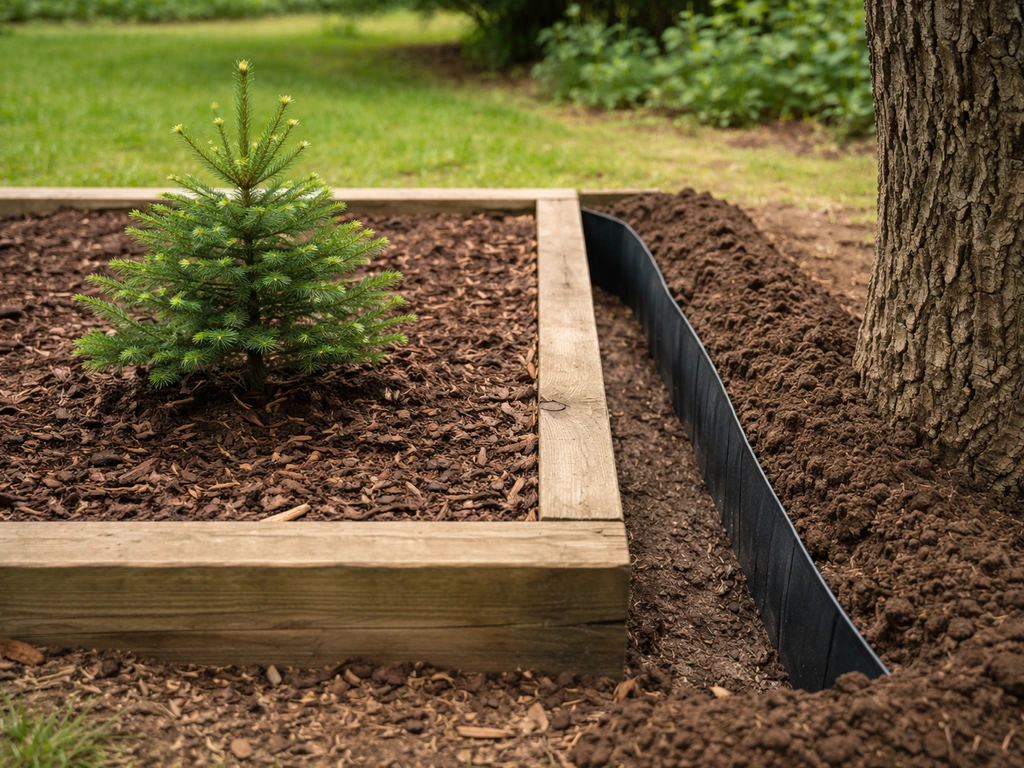
Physical root barriers get asked about often, and the honest answer is that they offer limited practical benefit in most landscape situations. Juglone moves through soil water and microbial action, not just by direct root contact. A barrier might slow lateral root encroachment but will not stop dissolved juglone from moving with soil moisture. Raised beds are more useful, elevating the spruce's root zone above the contaminated native soil and filling with fresh, well-draining growing medium puts physical and chemical separation between the two. For formal or ornamental settings where you absolutely need spruce closer than ideal, a raised bed of at least 18 to 24 inches with a liner under it is the most reasonable hedge.
Timing the planting matters too. Plant spruce in early spring or early fall when heat stress is minimal and establishment can happen before the next stressful season. A spruce going into the ground under summer heat stress in juglone-affected soil is set up to fail. Give it the best possible establishment conditions to build root mass and resilience before juglone takes a real toll.
Mulching the spruce's root zone with a 3- to 4-inch layer of wood chip or shredded bark mulch (kept away from the trunk) supports soil biology, helps maintain moisture, and improves the microbial environment that breaks juglone down faster. Do not use walnut wood chips or walnut leaf compost as mulch, that adds juglone directly to the root zone.
Which spruce species give you the best shot
Norway spruce (Picea abies) is the most commonly planted large spruce in North American landscapes, and it is the species most frequently discussed in the context of walnut proximity. It sits in the moderately sensitive category, not the highly sensitive one. Anecdotal grower experience suggests Norway spruce handles juglone better than white pine (Pinus strobus), which is considered quite sensitive and frequently declines near walnut. If you are choosing between a white pine and a Norway spruce for a site near walnut, the spruce is the safer bet.
Colorado blue spruce (Picea pungens) appears to have similar tolerance levels to Norway spruce, moderate sensitivity, not extreme. It has the added advantage of being more drought-tolerant than Norway spruce once established, which helps buffer against the root competition stress mentioned earlier.
White spruce (Picea glauca) and its cultivars, including the popular dwarf Alberta spruce, are generally considered similarly sensitive to Norway spruce. Dwarf cultivars planted close in containers or foundation beds very near walnut trees often struggle more because their restricted root volume gives them less buffer against juglone in the soil they do have access to.
| Spruce Species | Juglone Sensitivity | Notes for Walnut Proximity |
|---|---|---|
| Norway spruce (Picea abies) | Moderate | Better option than white pine; plant at 60+ ft with good drainage |
| Colorado blue spruce (Picea pungens) | Moderate | Drought tolerance helps offset root competition stress |
| White spruce (Picea glauca) | Moderate | Similar to Norway spruce; dwarf cultivars more vulnerable in confined root zones |
| Dwarf Alberta spruce (Picea glauca 'Conica') | Moderate to high risk | Restricted root zone amplifies juglone exposure; avoid close proximity |
| White pine (Pinus strobus) | High — avoid near walnut | Frequently cited as sensitive; not a spruce but often confused with one |
The clearest practical recommendation: if you are planting a full-sized spruce in a landscape that includes black walnut, Norway spruce or Colorado blue spruce at 60 feet or more with excellent drainage gives you the best realistic odds. Compact or dwarf spruce cultivars in beds close to walnut are a gamble that usually does not pay off.
If spruce is struggling, alternatives and what to do next
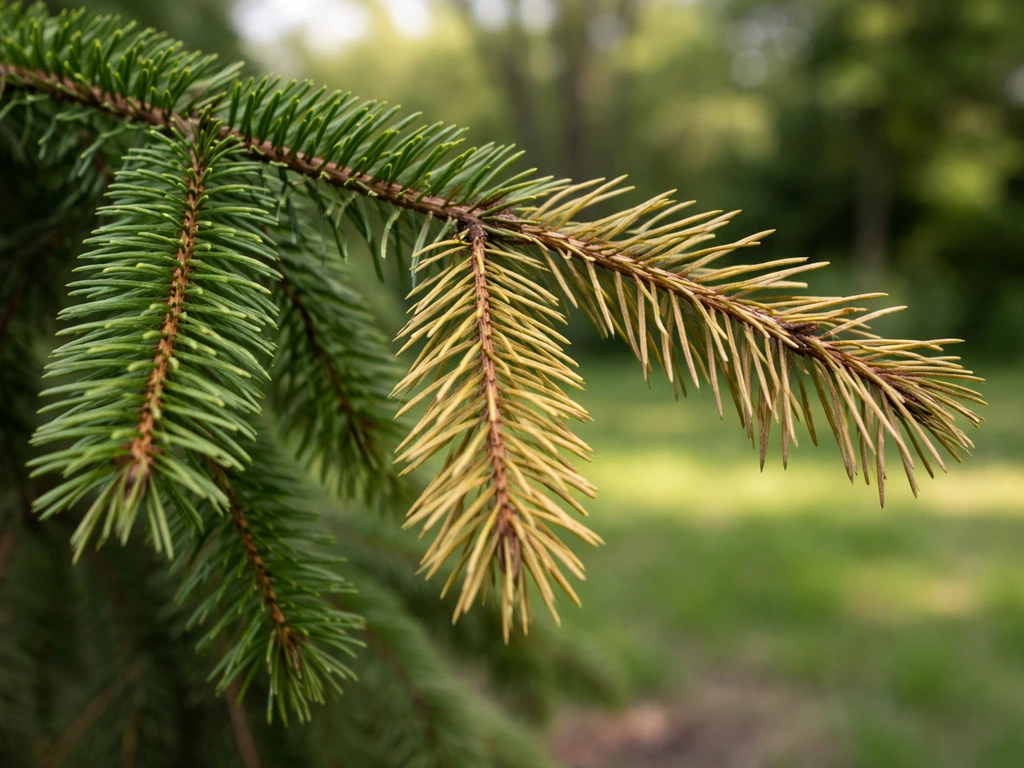
If a spruce near your walnut is already showing yellowing, slow growth, or progressive thinning, start by ruling out other causes: needle cast disease, spider mites, cytospora canker, drought stress, and root damage from construction or compaction can all produce similar symptoms. If those are eliminated and walnut proximity is the likely cause, your realistic options are relocation, replacement with a tolerant species, or improving conditions to slow the decline.
Relocating the spruce is the cleanest fix if the tree is still young enough to transplant successfully (generally under 6 to 8 feet tall). Move it to a site with no walnut influence and give it a full growing season to recover. A tree that has been in juglone-affected soil for years may take a season or two to bounce back even in a clean site.
If relocation is not practical and you want to keep a conifer in that space, consider replacing struggling spruce with eastern red cedar (Juniperus virginiana), which is widely reported as tolerant of juglone and works well as a screening tree or windbreak. Arborvitae (Thuja occidentalis) is sometimes listed as moderately tolerant and is worth trying on the outer edge of the walnut's influence zone. Avoid white pine, rhododendrons, and most fruit trees in that area entirely.
For improving conditions around a struggling spruce, focus on drainage first. Adding organic matter to break up clay, cutting a drainage swale to redirect water away from the root zone, or even installing a French drain can reduce juglone accumulation significantly. Consistent leaf litter removal each fall is a low-cost but meaningful ongoing intervention. Boosting the soil's biological activity with compost applications (non-walnut sourced) supports faster juglone breakdown in the root zone.
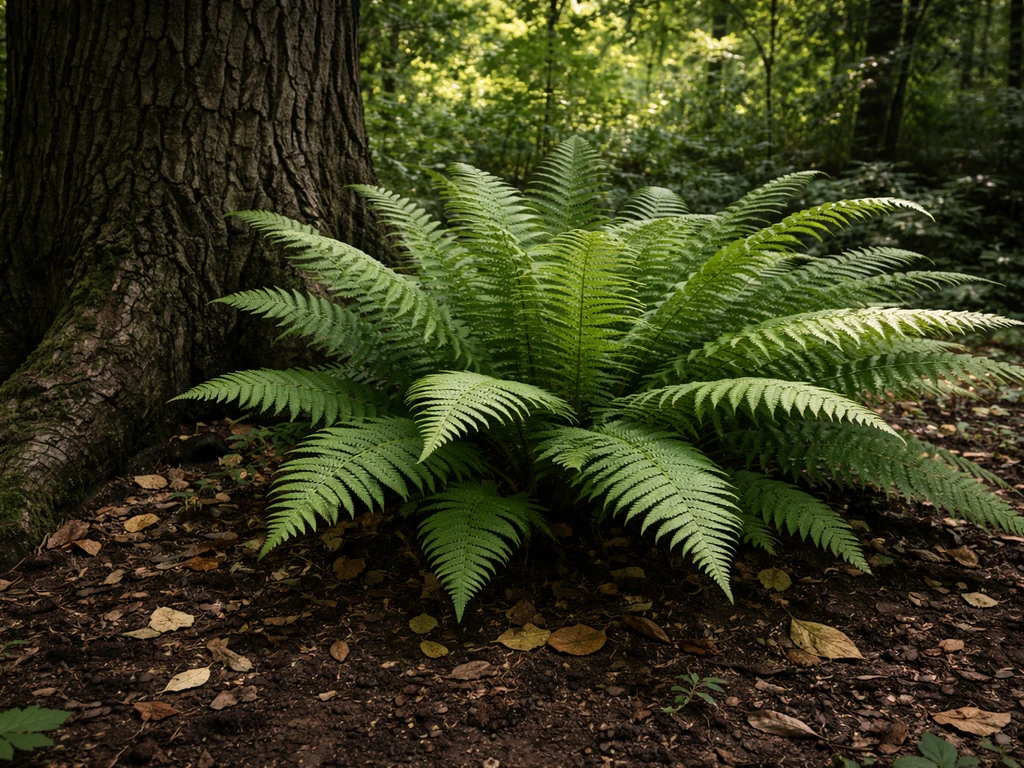
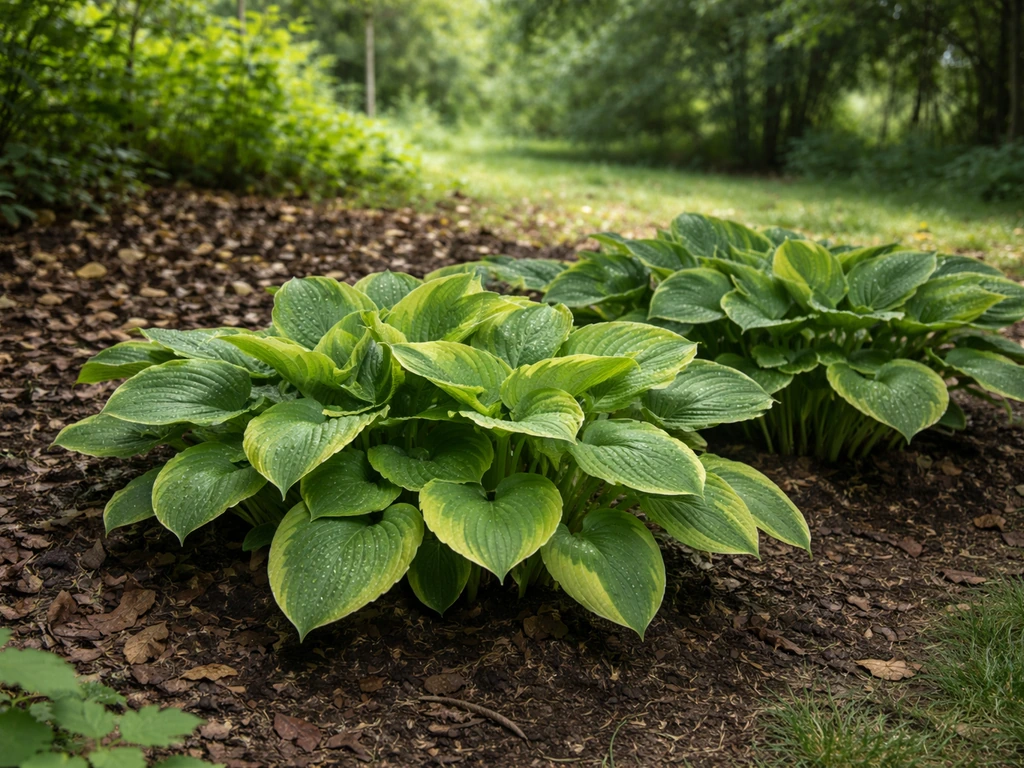
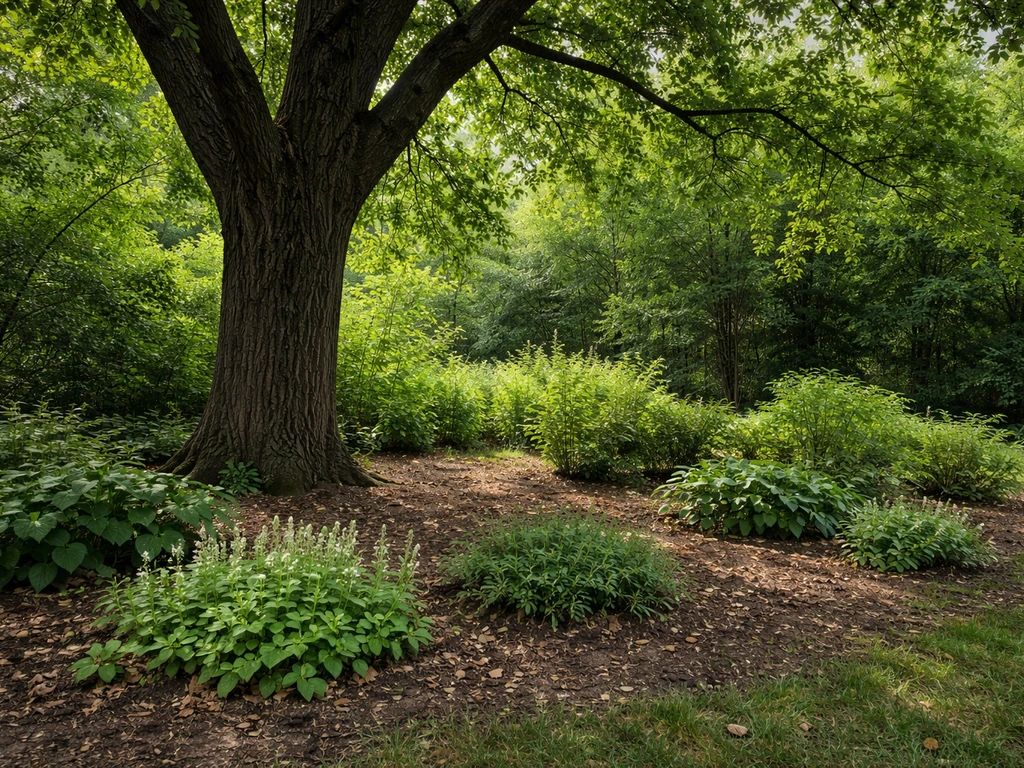
The broader landscape picture around black walnut is worth thinking through systematically. Other plants in a walnut-influenced yard, including hostas, ferns, and various shrubs, have their own juglone sensitivity profiles, and understanding which plants coexist well with walnut versus which ones consistently struggle helps you design a more resilient planting plan from the start. If you are wondering whether hostas will hostas grow under black walnut trees, their juglone sensitivity varies, so start with a well-draining site and keep leaf litter removed. To see what can grow near black walnut trees beyond spruce, it helps to review juglone sensitivity across common garden plants in a walnut-influenced yard. If you are planning a yard near a black walnut, it helps to know what plants grow under black walnut trees so you can choose species that tolerate juglone. The walnut itself is a remarkable tree with significant ecological and commercial value, and working with its chemistry rather than fighting it tends to produce better long-term results than trying to force incompatible plants into its orbit.
Your practical checklist before planting spruce near walnut
- Measure the distance from the walnut trunk to your intended planting spot. If it is under 60 feet, reconsider or plan for raised bed conditions.
- Assess your soil drainage honestly. Dig a hole 12 inches deep, fill it with water, and see how fast it drains. If it takes more than an hour to drain, improve drainage before planting.
- Choose Norway spruce or Colorado blue spruce over white pine or dwarf compact cultivars for the best odds near walnut.
- Remove walnut leaf litter, nut husks, and twigs from the spruce planting area every fall without fail.
- Mulch the spruce root zone with non-walnut wood chips or shredded bark, 3 to 4 inches deep, pulled back from the trunk.
- Water the spruce deeply and independently during dry spells to offset root competition from walnut.
- Monitor for gradual yellowing, shortened new growth, or progressive needle loss in the first three years — these are early warning signs of juglone stress.
- If decline appears, act early: relocate while the tree is still young enough to transplant rather than waiting to see if it stabilizes.
FAQ
Will mulching the spruce help if it’s growing near a black walnut?
Yes, but only if you use the right mulch. Wood chips or shredded bark (3 to 4 inches) support soil biology and moisture consistency, which can help juglone break down faster. Avoid walnut leaf compost, walnut hulls, or walnut wood chips, since those add juglone directly to the root zone.
If I prune lower branches or remove some of the spruce needles, will it stop juglone decline?
Pruning won’t remove juglone from the soil, so it usually won’t fix the root cause. Light sanitation pruning can improve airflow and appearance, but if yellowing and thinning are progressing over 2 to 3 seasons near a walnut, focus on drainage, distance, and leaf litter removal rather than only top growth changes.
Does moving leaf litter away help even if the spruce is outside the walnut canopy?
It can still help. Juglone can come from decomposing debris like walnut leaves and nut husks, and saturated conditions can move or concentrate it. Raking and removing litter consistently each fall is most useful in the wider “fall zone” and in areas that stay damp or stay compacted.
Can I just remove the black walnut roots to protect the spruce?
In most landscapes, complete root removal is unrealistic. Walnut roots extend well beyond the canopy, and remaining roots and wood can continue releasing juglone for years. If you must “clear” the site, treat it as a slow process and assume juglone risk persists until the organic root mass fully breaks down.
What’s the best way to improve drainage for spruce near a black walnut?
Target the spruce root zone and the direction water flows. Options include adding well-draining soil amendment only in the planting area, cutting a shallow drainage swale, or installing a French drain. The key is reducing waterlogging, not just changing surface moisture, so confirm the area doesn’t hold standing water after storms.
Is there a difference in risk if the spruce is on a slope versus flat ground near the walnut?
Yes. On sloped sites, water runoff can carry juglone-enriched water away from the spruce, reducing exposure compared with flat or low spots where water accumulates. In low areas, juglone can persist longer due to saturation, so those spots often need larger distance buffers or raised-bed strategies.
Will growing the spruce in a container eliminate juglone problems?
A container reduces exposure because your soil volume is separate, but the risk depends on what the pot sits on. If containers rest on or near the walnut’s exposed root zone or the surrounding soil stays wet and contaminated, the roots and potting mix can still be affected over time. A better approach is to place containers well outside the drip-line and use a fresh potting mix, topped with a mulch layer and kept well drained.
My spruce is getting yellow needles from the inside out, but the soil seems dry. Could it still be juglone?
It can be, because juglone stress often appears as slow, progressive decline rather than a sudden collapse. However, dryness can also cause similar symptoms. Check for other causes like root disturbance, compacted ground, needle cast, spider mites, or construction damage, and compare the pattern over time (progressive inner yellowing and thinning near walnut proximity is a red flag).
Does watering schedule matter near a black walnut?
Yes. Consistent moisture through deep, infrequent irrigation helps reduce the compounding effect of root competition. But avoid overwatering or creating waterlogged conditions, since juglone can accumulate more in saturated, low-oxygen soils.
If I plant a spruce 60 to 80 feet away, is it guaranteed to succeed?
No. Distance greatly reduces risk, but soil conditions and the walnut’s future expansion still matter. If the site has poor drainage, heavy clay, or persistent leaf litter accumulation near the spruce, the effective exposure can be higher, so you still need good establishment practices and ongoing fall cleanup.
What should I do if I already planted a dwarf spruce close to a black walnut?
Treat it as a higher-risk situation because small or container-like root volumes have less buffering. Your best options are either relocating the plant farther from the walnut influence or upgrading the planting setup with an elevated, well-draining bed (with appropriate liners if needed). Also keep the area free of walnut debris each fall.