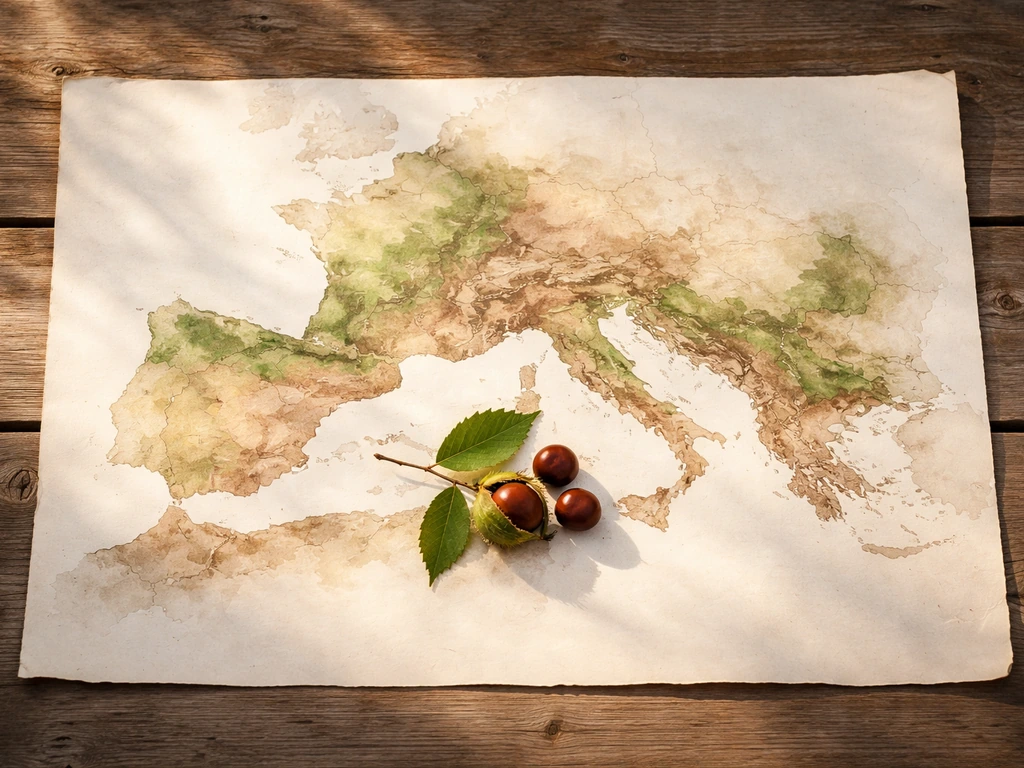
Edible chestnuts, specifically sweet chestnut (Castanea sativa), grow naturally across a broad arc of southern and central Europe: the northern Iberian Peninsula, southern France, central and northern Italy, and the southern Balkans are all core native territory. From there, centuries of cultivation have pushed the tree much further north and west, into England, Germany, the Netherlands, and beyond. So if you're asking whether chestnuts grow somewhere in Europe, the honest answer is: probably yes, at least as planted trees, though the wild native populations are concentrated in the warmer, wetter parts of the south. If you're wondering where chestnuts grow beyond Europe, sweet chestnut’s native range extends into western Asia as well.
Where Do Chestnuts Grow in Europe: Regions by Species
Marcus Hendricks
30 May 2026
Which chestnuts are we actually talking about?
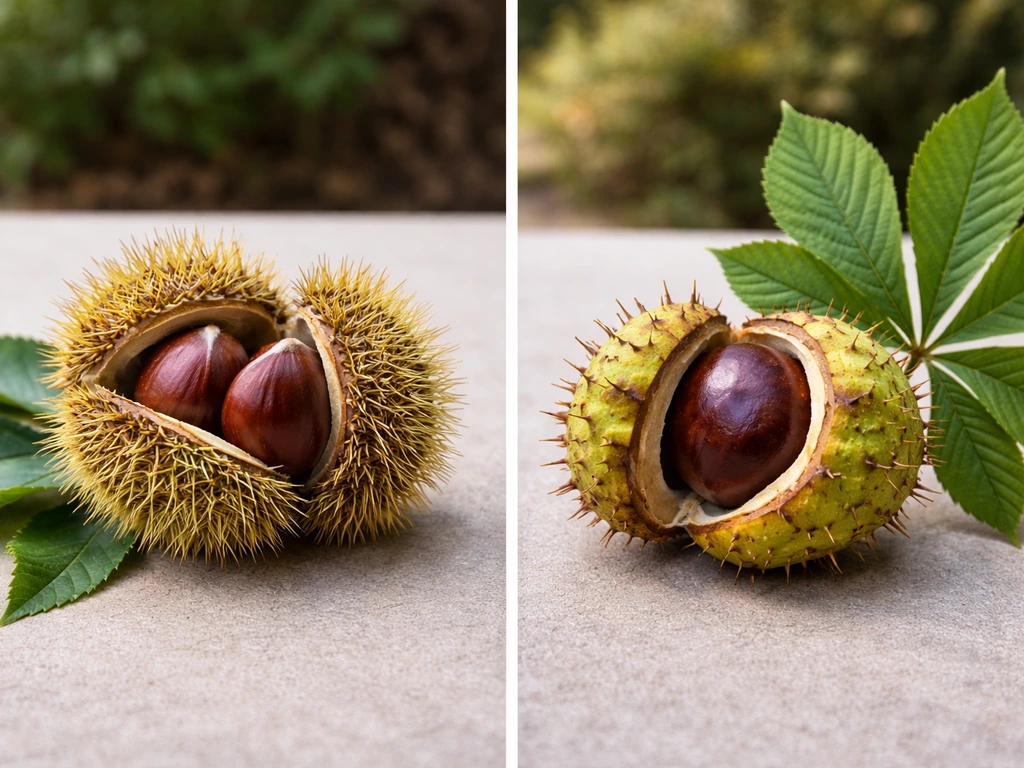
This distinction matters a lot, because Europe has two very different trees that people casually call "chestnut," and only one of them produces edible nuts. Sweet chestnut (Castanea sativa) is the tree you want if you're foraging or growing for food.
EUNIS (EEA) habitat factsheets provide habitat-level context for Annex I habitats such as Castanea sativa woods, supporting how to interpret where the species forms forest habitat types rather than only ornamental plantings [Sweet chestnut (Castanea sativa) is the tree you want if you're foraging or growing for food. ](https://eunis. eea. europa.
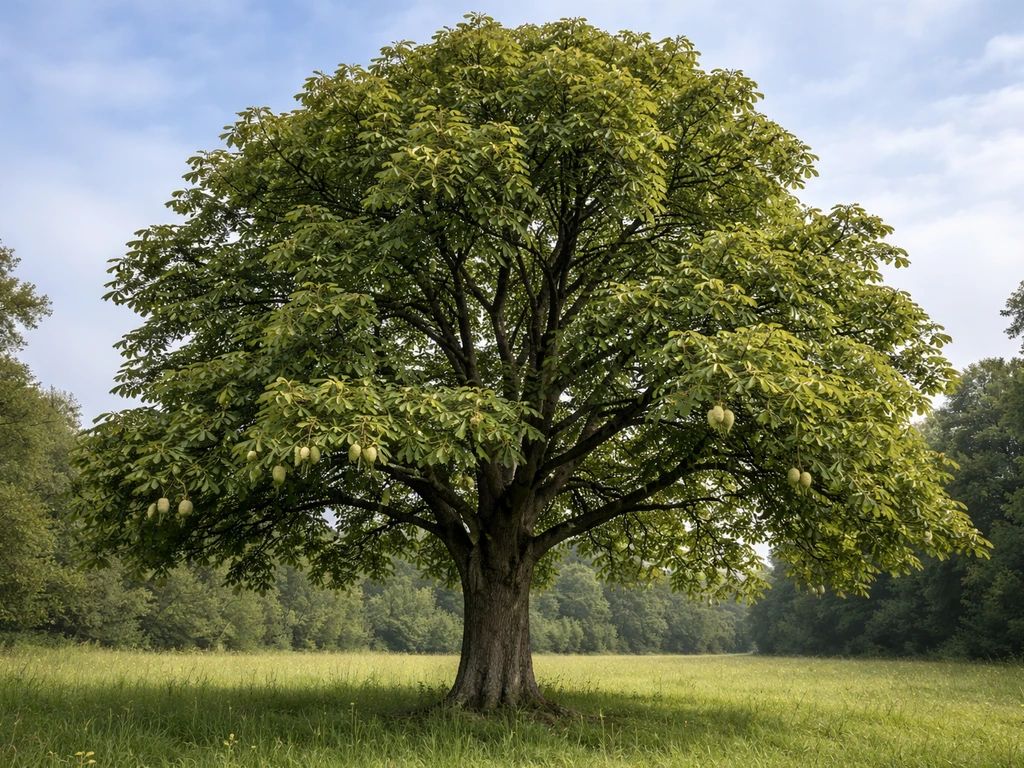
eu/habitats/10210). Its nuts are the ones you roast, flour, or eat straight from the burr. Horse chestnut (Aesculus hippocastanum) is completely unrelated botanically, produces the familiar conkers beloved by schoolchildren, and is toxic to eat. Horse chestnuts are native to parts of southeastern Europe, and they tend to do best in temperate climates with good rainfall.
All parts of horse chestnut are poisonous, including the seeds.
Telling them apart is straightforward once you know what to look for. Sweet chestnut leaves are long, narrow, and toothed, around 14 to 22 centimetres long and 5 to 9 centimetres wide, with prominent parallel veins (roughly 11 to 14 pairs) running from midrib to a spined tooth at each vein tip. Horse chestnut leaves are totally different: large, palm-shaped, made up of five oval leaflets radiating from a central point, attached in opposite pairs on the branch.
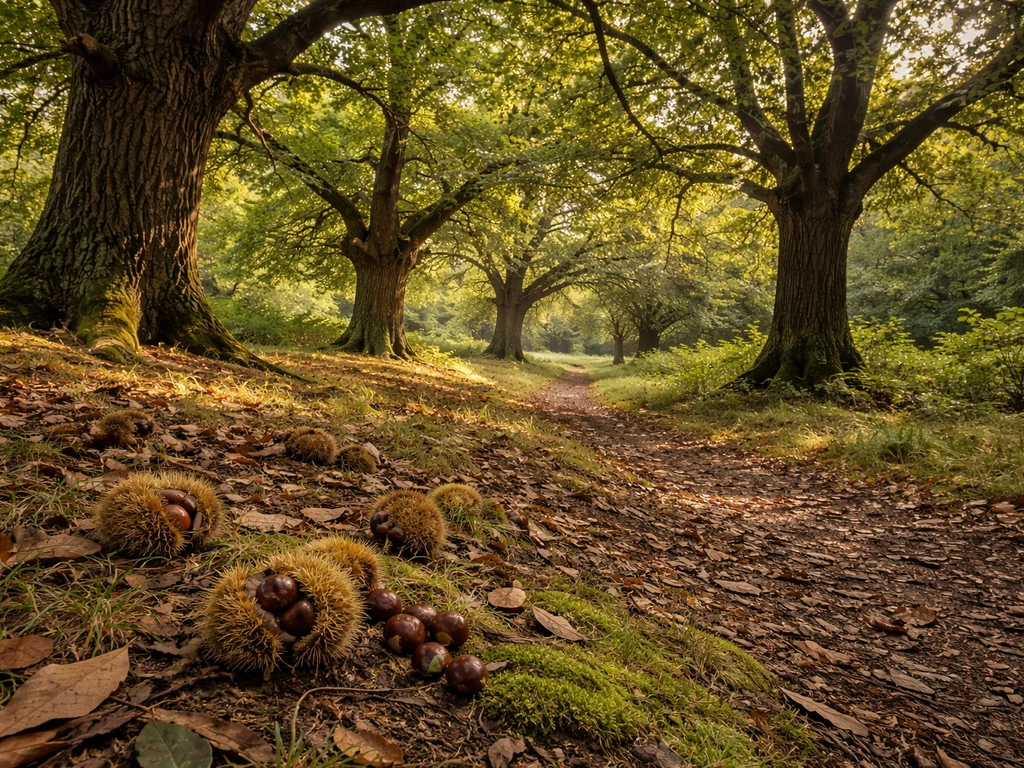
The burrs are also easy to tell apart: sweet chestnut burrs are covered in long, dense, bristly spines and typically contain two or three nuts; horse chestnut husks have short, widely spaced bumpy spikes and usually contain just one large rounded nut with a distinctive pale scar. Getting this identification right before foraging is genuinely important.
Where sweet chestnut actually comes from in Europe
Castanea sativa is native to central-southern Europe and western Asia. The European Commission's Joint Research Centre (JRC) Atlas of Forest Tree Species pinpoints the native core as the northern Iberian Peninsula, southern France, central and northern Italy, the southern Balkan Peninsula, and across into western Turkey and the Caucasus. Kew's Plants of the World Online places particular weight on the Balkan Peninsula through to Anatolia and Transcaucasia as the species' heartland.
But here's where it gets complicated: sweet chestnut has been cultivated and moved around Europe for so long that separating truly native populations from naturalized ones is genuinely difficult. The first solid archaeological evidence of cultivation dates to around 2100 to 2050 BC in Turkey, Greece, and Bulgaria. The Romans brought it northward into France, Britain, and the Rhine valley, and medieval communities across Europe maintained chestnut orchards as a food staple.
Today, trees across large areas of northwestern Iberia, Brittany, southern England, and parts of Germany may be descended from Roman or medieval plantings rather than natural spread. EUFORGEN's distribution map for Castanea sativa tries to separate probable natural from planted-and-naturalized populations, and it's a useful reference for understanding the difference.
Climate and habitat: what sweet chestnut actually needs
Understanding the climate requirements explains why chestnuts grow where they grow, and this is the practical part if you're trying to figure out your own area. Sweet chestnut is a thermophilous species, meaning it genuinely likes warmth, but it's more cold-hardy than many people expect. The RHS rates it H6, meaning it can handle temperatures down to around minus 20 degrees Celsius, which means it's hardy across essentially all of the UK and most of northern Europe in terms of winter cold alone.
Cold hardiness, though, isn't the limiting factor in most of northern Europe. What limits chestnut more is summer warmth and reliable rainfall. Modelling work published in MDPI Forests identifies coldest-month temperature, warmest-quarter temperature, annual precipitation, and summer precipitation as the key climate variables shaping where Castanea sativa thrives.
The European Commission Joint Research Centre provides suitability maps for Castanea sativa (ForestFocus) based on species presence and absence in the ForestFocus European dataset [Modelling work published in MDPI Forests identifies coldest-month temperature, warmest-quarter temperature, annual precipitation, and summer precipitation as the key climate variables shaping where Castanea sativa thrives. ](https://data. jrc. ec.
europa. eu/dataset/d1711a9a-7137-430e-a23c-9b1d724d93f9). In simple terms, it wants warm dry summers with enough moisture to keep the roots from drying out, and it does poorly where summers stay cool and cloudy.
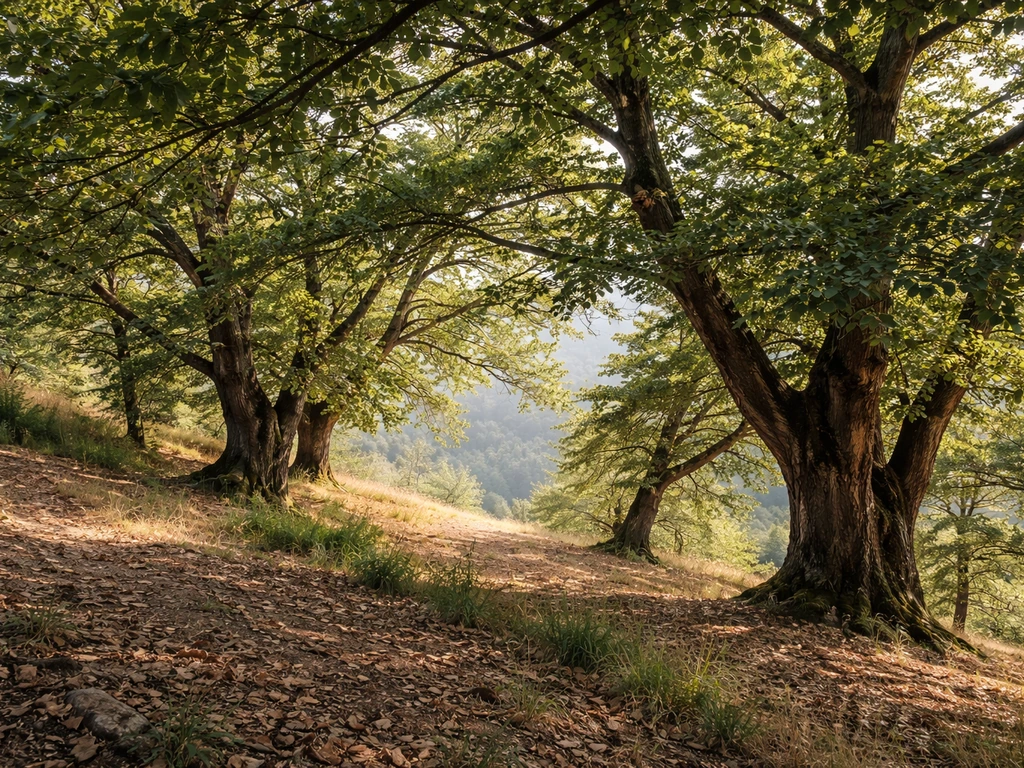
On soil, sweet chestnut is particular about one thing above almost everything else: it hates waterlogged or chalky soils. FAO EcoCrop data puts its preferred soil pH range at roughly 5 to 7, making it an acid-to-neutral soil tree. Well-drained, sandy loams or granitic soils suit it well. This is why you'll find it naturally associated with siliceous (non-limestone) geology across Europe, often on slopes where drainage is good. Heavy clay or shallow chalk soils are not suitable.
Altitude is also worth considering. Sweet chestnut occupies a broad altitudinal belt in mountainous regions, often from around 200 metres up to 1,000 metres in southern Europe, where lower elevations can get too hot and dry in summer while higher elevations get too cold. In northern Europe it's mostly a lowland tree.
Major European regions where chestnuts grow
Here's a practical country-by-country picture of where you're most likely to find sweet chestnuts, either wild or well-naturalized.
| Region / Country | Status | Key Areas | Notes |
|---|---|---|---|
| Italy | Native / core range | Apennines, Piedmont, Tuscan hills, Calabria, Sicily | One of Europe's densest chestnut zones; centuries of orchard cultivation |
| Spain & Portugal | Native / naturalized | Galicia, Asturias, Pyrenean foothills, Catalonia, Serra da Estrela (PT) | Northwestern Iberia especially strong; EUNIS lists Gallo-Iberian chestnut forests here |
| France | Native / naturalized | Ardèche, Dordogne, Corsica, Pyrenean slopes, Brittany | Ardèche is the famous chestnut heartland; Brittany trees largely descended from historical plantings |
| Balkans (Greece, Bulgaria, North Macedonia, Bosnia) | Native / core range | Mount Olympus foothills, Rhodope Mts, central uplands | Part of the original native range; some of oldest documented cultivation evidence |
| Turkey (European part & Anatolia) | Native | Thrace, Black Sea coast, northern Anatolia | Core Castanea sativa territory per Kew POWO and JRC |
| United Kingdom (esp. SE England) | Naturalized / introduced | Kent, Sussex, Hampshire, Surrey, parts of Wales | Introduced by Romans; Kent Wildlife Trust notes it now spreads naturally by seed in SE England |
| Germany / Switzerland / Austria | Naturalized / planted | Rhine Valley, Ticino (CH), Lower Austria wine districts | Pockets of naturalization in warm, sheltered valleys; generally planted |
| Scandinavia & Baltic states | Marginal / cultivated only | Southern Sweden, Denmark (sheltered spots) | Technically hardy but summer warmth rarely sufficient for good nut crops |
The practical takeaway from this list: if you're in Italy, the Iberian Peninsula, or the Balkans, finding wild chestnut is realistic and you're working in native range. If you're in France or southern England, you're in firmly naturalized territory where the trees behave like natives but were historically planted. Further north and east, it becomes increasingly a cultivated or specimen tree with marginal nut production.
How to confirm chestnuts are present in your local area
Before you head out foraging or start planning a planting, it's worth doing a few minutes of research to verify the species is actually present near you. Here's a practical workflow.
- Check GBIF (gbif.org) or iNaturalist for Castanea sativa observations near your location. Both platforms show georeferenced records and let you filter to verified identifications. This gives you a realistic density map of where the species has been confirmed nearby.
- Look up the EUFORGEN distribution map for Castanea sativa, which provides a Europe-wide view distinguishing native from planted populations. This helps you set expectations about whether local trees are likely wild woodland specimens or planted parkland trees.
- In autumn (October to early November), look for fallen burrs on woodland floors. Sweet chestnut burrs are unmistakable: dense, bristly, with long spines covering the whole surface. If you're finding smooth conkers or thin three-angled beech husks, that's a different species.
- Use leaf shape to confirm on the tree. Long, narrow, serrated leaves with prominent parallel veins running to each tooth tip are sweet chestnut. Broad palmate leaves made of five leaflets are horse chestnut. Get this right before picking anything to eat.
- Ask local wildlife trusts, forestry offices, or woodland groups. In the UK, the Woodland Trust's Ancient Tree Inventory is searchable and includes many notable sweet chestnut records. In continental Europe, national forest inventories and regional natura 2000 habitat maps often flag Castanea woodland habitats.
Foraging for chestnuts: what to actually expect
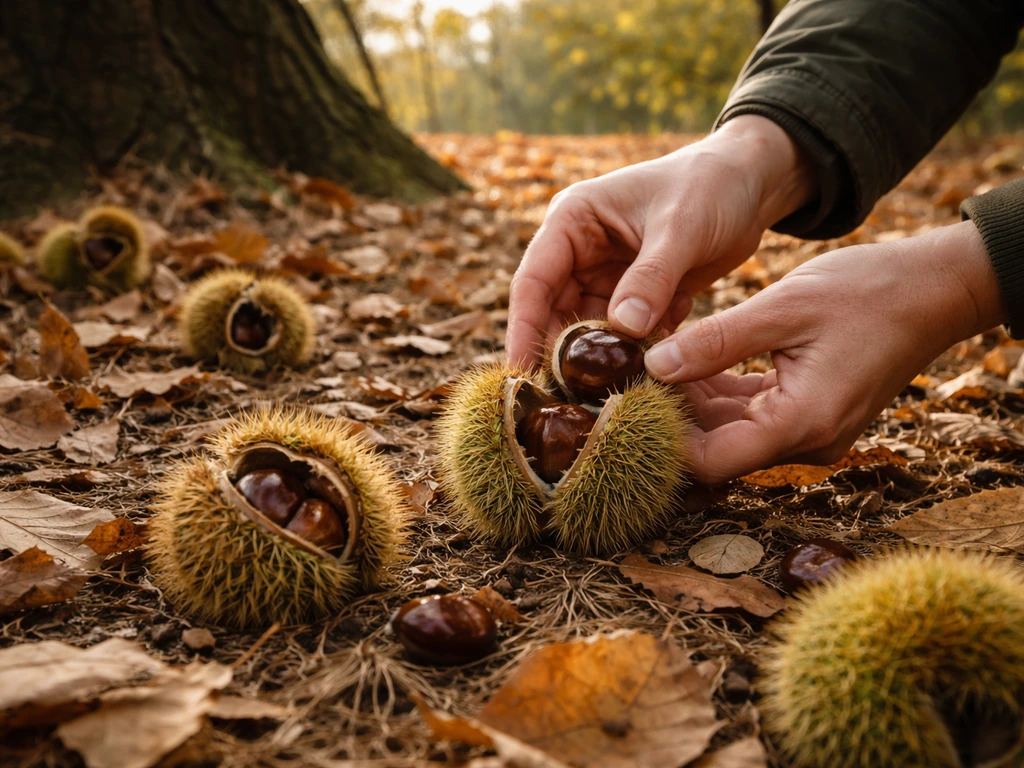
If your goal is foraging, the season is tight: sweet chestnuts ripen from late September through to early November depending on your latitude and the year's weather. Spiky husks fall to the woodland floor and split open, or you can find nuts that have already dropped free. Pick them up from the ground rather than knocking them off the tree, as fallen nuts are already ripe.
The identification caution is worth repeating: never eat a nut you haven't positively identified as Castanea sativa. The confusion with horse chestnut is the main risk. If the burr has long, dense, bristly spines and contains more than one nut, it's almost certainly sweet chestnut. If it has short stubby spikes and contains one large glossy nut with a pale scar, it's horse chestnut and it's toxic. Don't rely on the nut alone: always confirm the burr and, ideally, the leaf shape.
In practice, productive foraging spots in northern Europe tend to be mature woodlands or parkland with well-established trees, particularly in southeast England, the Loire Valley, the Ardèche, and similar areas. Yields vary considerably year to year with summer weather: a warm, sunny summer produces a far better nut crop than a cool cloudy one.
Growing sweet chestnut: realistic expectations by region
If you're a gardener or grower considering planting sweet chestnut, the climate picture above translates directly into what you can expect. Here's the honest breakdown.
Southern Europe (Italy, Spain, Greece, Balkans)
This is where the tree thrives with minimal intervention. In the right soil (acid, well-drained) and at appropriate altitude, Castanea sativa is a reliable long-term crop tree. Chestnut blight (Cryphonectria parasitica) is a serious concern across much of this region: it's a bark-canker disease that has spread steadily through European chestnut populations and can devastate stands. Look for discoloured, sunken bark patches and sparse canopies as warning signs. Planting blight-resistant varieties or grafted cultivars is worth considering.
France and the warmer parts of central Europe
Trees grow well in most of France, particularly the southwest, Massif Central, and Corsica. In the Rhine valley, Alsace, and sheltered spots in Switzerland and Austria, cultivation is viable but nut crops are less reliable than further south. Management for nut production typically requires wider spacing than woodland planting to allow canopy light penetration.
The UK and northwestern Europe
Sweet chestnut grows and in some areas thrives as a woodland tree in Britain, particularly in the southeast. It tolerates the winters fine (H6 hardiness), but cool, cloudy summers limit nut development in most years north of roughly the Thames valley. Forestry England has noted that a warming climate may push viable nut-cropping territory further north over coming decades. For now, it's most reliably grown as a productive crop in Kent, Sussex, and similar counties, and more as an ornamental or coppice tree further north and west. Traditional coppice management is still practiced in parts of Kent and Sussex. Forest Research attributes the species' UK presence to Roman introduction.
Scandinavia, the Baltic states, and northern continental Europe
Trees can survive in sheltered, warm microclimates as far north as southern Sweden and Denmark, but nut crops are unreliable and often fail in cool summers. If you're in these regions and want to grow sweet chestnut, treat it as an experimental or ornamental planting rather than a productive food tree. The cold hardiness is technically there; summer heat accumulation is the real bottleneck.
A note on disease and health checks before you plant or forage
Chestnut blight (Cryphonectria parasitica) is present across much of Europe and is classified as highly destructive by EFSA. Before planting, check whether blight is reported in your country or region via EPPO's datasheet and country-level forestry records. The RHS also flags oriental chestnut gall wasp as a separate pest producing distinctive leaf galls. If you're buying trees, sourcing from reputable nurseries that can certify disease-free stock is worth the extra effort. Infected woodland trees show sunken, discoloured bark cankers and dying crowns: don't forage from clearly diseased trees and avoid moving nuts or plant material between regions.
Soil checklist before you plant
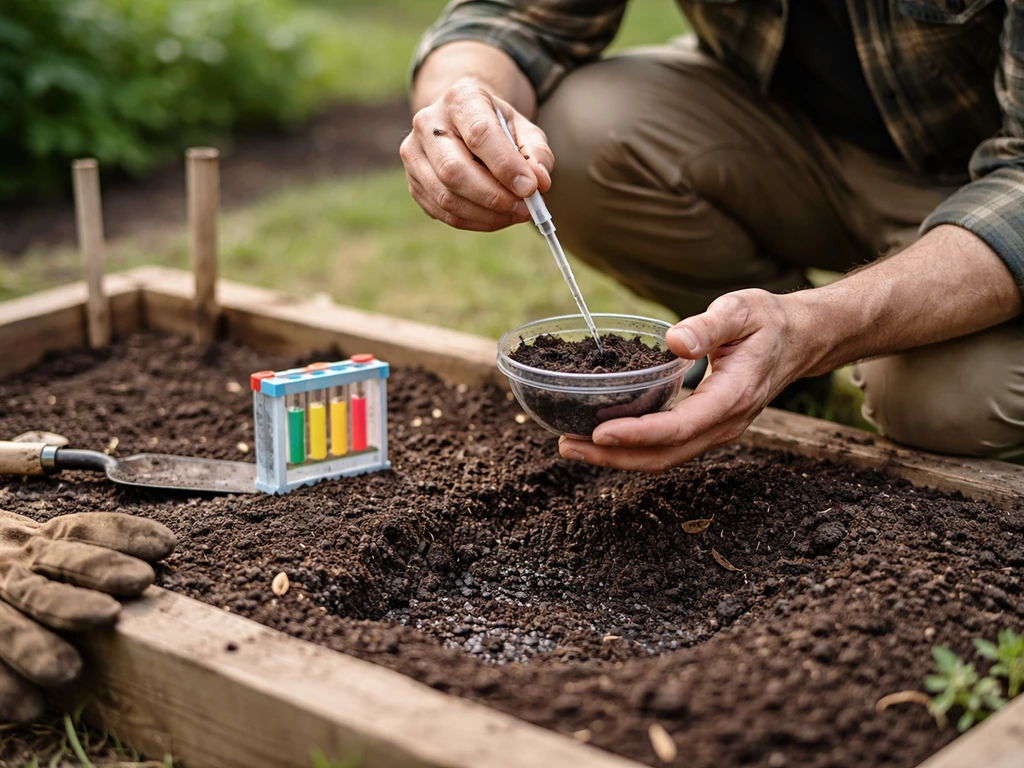
- pH 5 to 7: acid to neutral is ideal; avoid chalk or limestone soils
- Good drainage: sweet chestnut will not tolerate waterlogged roots
- Sandy loam, loamy, or granitic soils preferred over heavy clay
- Deep soils support the large root system better than shallow profiles
- Avoid frost pockets: late spring frosts damage new growth and flowers, reducing nut set
Put simply: if your site has acid, freely draining soil, summer warmth, and is somewhere south of central Germany or in a warm sheltered spot further north, sweet chestnut is a realistic candidate. If you want the short answer to a chestnut tree, where do they grow, focus on warm enough summers plus well-drained, acid-to-neutral soil chestnut tree where do they grow.
If you are wondering where water chestnut grows instead, it has very different habitat needs and is typically linked to calm, wet freshwater rather than woodland conditions where does water chestnut grow. If you're on chalk, clay, or in a reliably cool and wet climate, you'll be fighting the tree's basic requirements from day one. The species rewards the right conditions generously, but it doesn't compromise well on soil chemistry or drainage.
FAQ
Are wild sweet chestnuts common in every European country where chestnuts are sold or grown?
Not necessarily. In many places north of the core native zone, trees can be long-established plantings that behave “wild,” but still originate from cultivation. If you want truly wild populations, focus on the Mediterranean and warm, sheltered southern regions, and treat northern sightings as likely naturalized unless local forestry or distribution sources confirm native status.
How can I tell sweet chestnuts from horse chestnuts quickly in the field?
Use multiple traits, not just the nut. Sweet chestnut burrs have long, dense bristles and typically contain two or three nuts, and the nuts are smaller and more “sweet chestnut-like.” Horse chestnut burrs have short, widely spaced prickles and usually hold one large nut with a pale scar, and eating any part of it can be poisonous. If leaf ID is possible, confirm that the leaf shape matches the species before eating anything.
Is it safe to forage chestnuts if they fall in a park or along a roadside?
Be cautious. Even if the burr and leaves match sweet chestnut, roadside and urban sites can introduce risks like soil contamination (heavy metals) and pesticide exposure. If possible, forage from mature woodland or orchards away from busy roads and avoid collecting near dump sites, industrial edges, or areas with visible spray drift.
What if my chestnut burrs are spiky, but the nuts inside look unusual, like very few or very large?
Treat that as an ID red flag. Sweet chestnut usually contains two or three nuts, while horse chestnut usually contains one. Unusual sizes can also reflect stressed trees, poor pollination, or incomplete development. If you cannot confidently match burr structure plus leaf shape, do not eat the nuts.
Can chestnuts ripen later in northern Europe, and does the timing affect edibility?
Yes. The harvest window can shift by latitude, year, and local weather, but sweet chestnuts typically ripen from late September into early November. Earlier-picked nuts may be bitter or less mature, and those left too long can dry out, mold, or drop viability. Aim for fallen nuts or burrs that have already split, and discard any that smell sour or show signs of mold.
Do chestnuts always produce nuts well in England and northern Europe?
Not reliably. Cold winters are usually not the main problem, but cool, cloudy summers can reduce nut set and kernel quality. Expect patchy or low yields in many northern locations, and in marginal areas treat plantings as ornamental or experimental unless you have consistent summer warmth and well-drained, acid-to-neutral soil.
Is it okay to knock nuts off the tree if I am in a hurry?
For food foraging, it is generally better to collect from the ground. Nuts that are already fallen have usually completed ripening and are less likely to be underdeveloped. Knocking can bruise nuts, bring down immature ones, and increase contamination if the nuts land on dusty or dirty surfaces.
What soil should I avoid if I’m planting sweet chestnut?
Avoid waterlogged ground and chalky or shallow-limestone soils. Sweet chestnut prefers acid to neutral soil, roughly pH 5 to 7, and it does best in well-drained sandy loams or granitic soils. In heavy clay, drainage improvements alone may not be enough, because root health and oxygen availability strongly affect long-term survival and nut production.
How do I reduce the risk of chestnut blight when planting or buying trees?
Start with reputable nurseries that can certify disease-free stock, and check local reporting (country or regional forestry records) before planting. Planting from infected or unknown sources increases the chance of introducing the pathogen. Also avoid moving nuts, litter, or plant material between regions, because that can spread spores and infected debris.
What microclimate factors matter most if I live just outside the best growing belt?
Summer warmth and drainage are the deciding factors. A sheltered south-facing slope or protected valley can accumulate more heat than open ground, improving nut development. Even in regions where trees survive, nut crops may fail if summers stay cool or if the site stays wet after rain, so choose slopes that shed water.