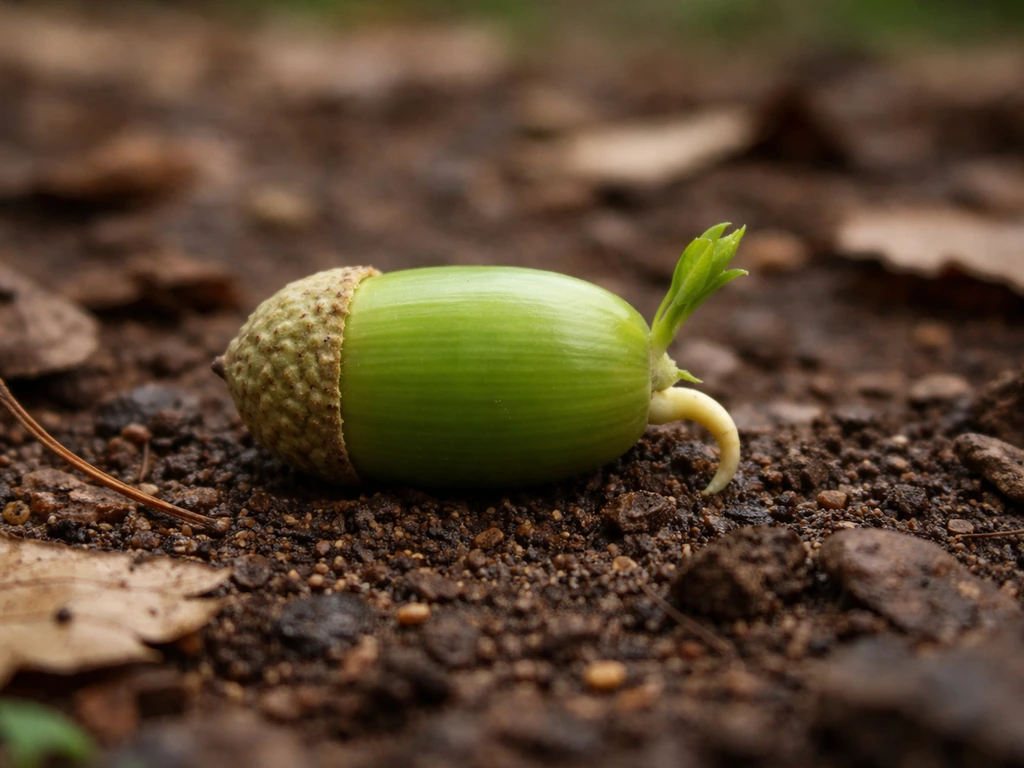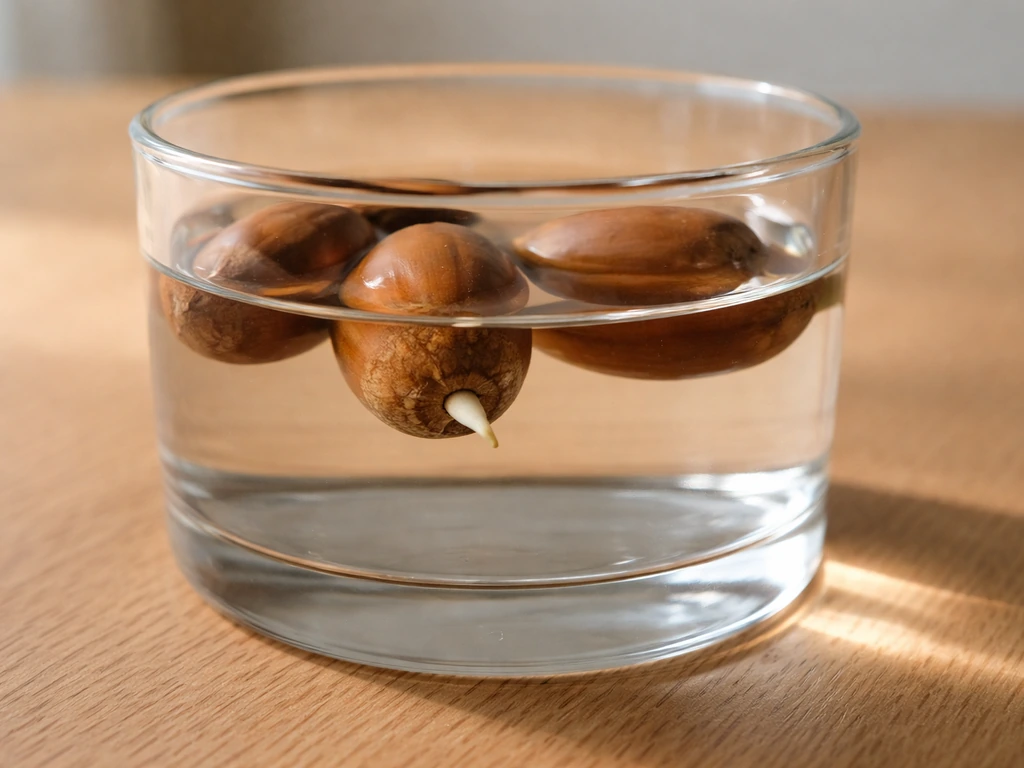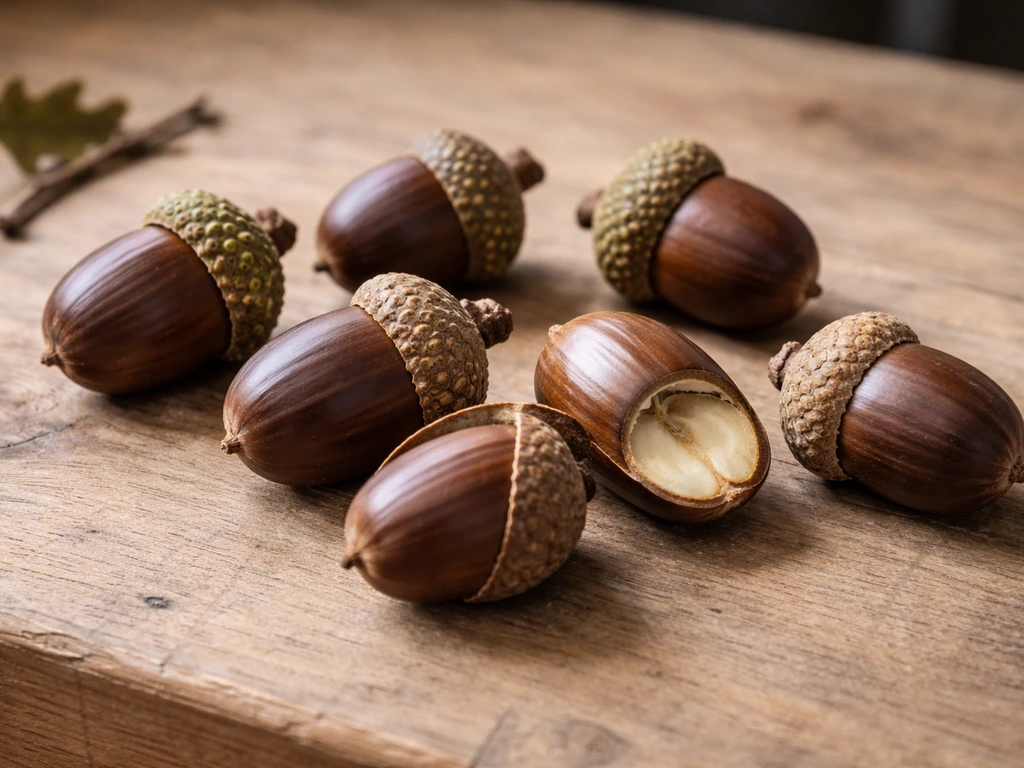
Yes, you can grow an acorn indoors, at least through germination and the early seedling stage. You can sprout an acorn on your kitchen counter, pot the seedling, and keep it alive inside for several months. You might also wonder can you grow acorns in water, but for most people the reliable route is still stratify first and then pot once the radicle appears.
Can I Grow an Acorn Indoors? Step-by-Step Guide
Marcus Hendricks
23 May 2026
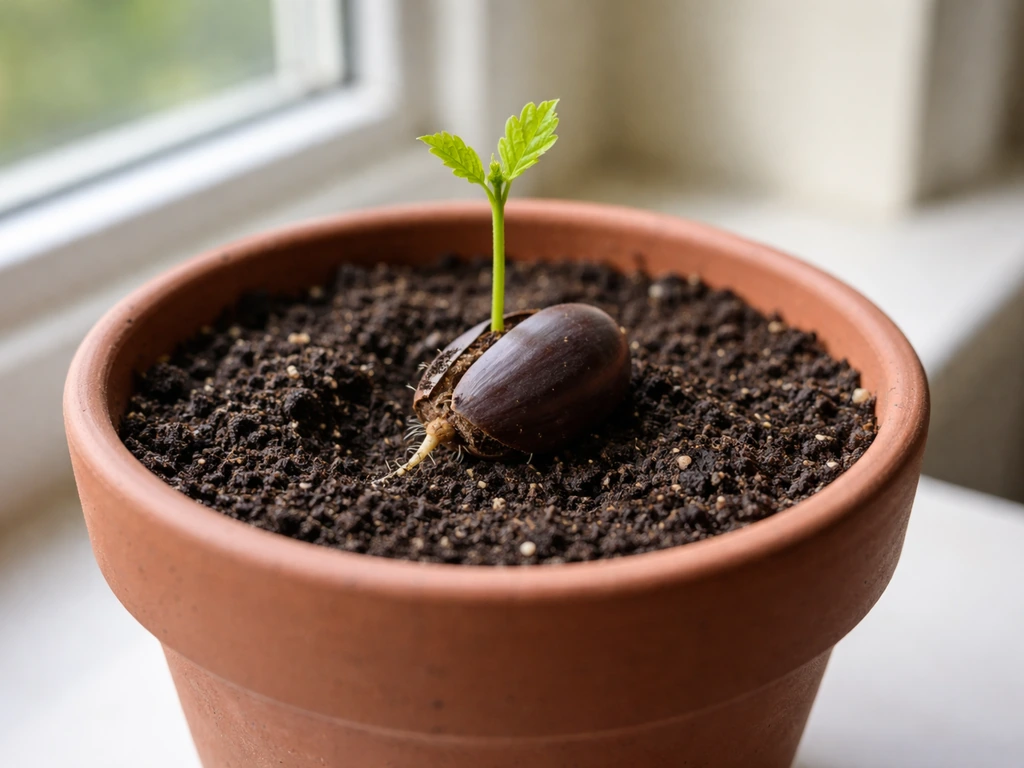
Once you have a live green seedling started this way, you can work on keeping it healthy so it can eventually become a strong young oak can you grow a green acorn. What you can't do is grow a mature oak tree in your living room. The goal of growing indoors is to give the acorn a controlled, protected start, then move the seedling outside when it's ready. If you understand that distinction going in, the process is genuinely straightforward.
What you can realistically achieve growing an acorn indoors
Growing indoors gives you control over temperature, moisture, and timing that you simply don't have when you drop an acorn into garden soil in October and hope for the best. Indoors, you can monitor germination closely, protect the seedling from frost, squirrels, deer, and disease pressure, and time the whole thing so your seedling hits the ground outside at exactly the right moment in spring.
The realistic ceiling for indoor growth is a seedling somewhere between a few inches and a foot tall, with a good tap root developing in the pot. Oaks are not houseplants. They want full sun, deep soil, seasonal temperature swings, and eventually a root run that no container can provide. If you keep a young oak confined indoors past the point where it's ready to go out, you'll start fighting leggy growth, root circling, and general decline. Think of your indoor setup as a launchpad, not a permanent home.
Choosing the right acorns: species, viability, and timing
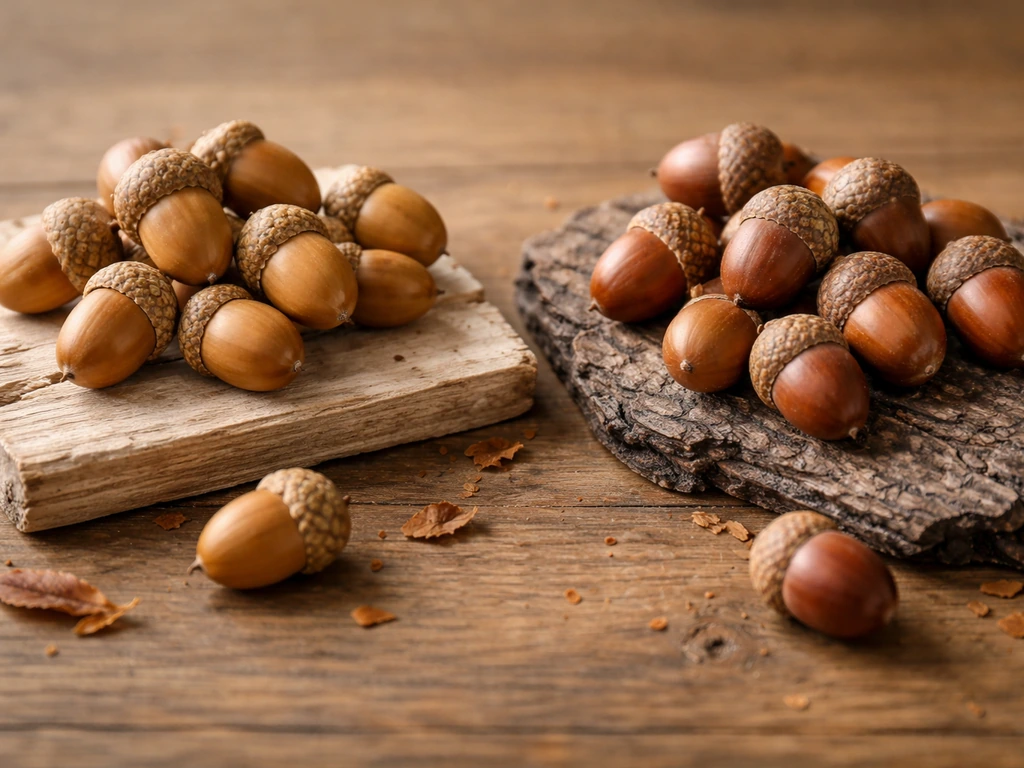
Not all acorns are equal, and species matters more than most beginners expect. Oaks split into two broad groups, white oaks and red oaks, and they behave differently both at harvest time and during germination. White oak acorns (including bur oak and swamp white oak) have almost no dormancy and will germinate very quickly after falling, sometimes within weeks. Red oak acorns (including northern red, pin, and black oak) carry deeper dormancy and need a longer cold treatment before they'll sprout. Choosing the right species for your region and understanding which group it belongs to shapes everything that follows.
Collect acorns in autumn as soon as they drop naturally, not before. Green acorns pulled off the tree early are almost always non-viable. You want brown, fully mature acorns with the cap detaching cleanly. Once you have a batch, do a float test as a rough screen: fill a bucket with water and drop the acorns in.
After you do the float test, you can decide whether the floaters are still worth trying or if you should focus on the sinkers. Sinkers are generally denser and more likely to be viable; most floaters have hollow interiors or insect damage. That said, research has shown that up to about 25% of floaters can still germinate, so the float test isn't a death sentence, just a useful filter when you have plenty of acorns to work with.
Timing matters too. If you're collecting white oak acorns in fall and they've already started to germinate before you get them stratified, that's actually fine for white oaks since they don't need much cold treatment. For red oaks, you have more of a window because they won't sprout until after a proper cold period. Either way, get your acorns into stratification within a few days of collection.
Cold stratification: the step most people skip
Cold stratification is the biological requirement that trips up most first-time growers. An acorn needs a period of cool, moist conditions to break dormancy, mimicking winter in the ground. Mississippi State University Extension specifically describes red oak acorn stratification as cool, moist storage for 4 to 8 weeks to help break dormancy and allow sprouting An acorn needs a period of cool, moist conditions to break dormancy, mimicking winter in the ground.. Skip this step with a red oak acorn and it simply won't germinate, no matter how good everything else is. White oaks need less of it, but they still benefit from cool, moist storage to keep the seed alive and ready.
The temperature target for stratification is roughly 33 to 41 degrees Fahrenheit (about 1 to 5 degrees Celsius). Your refrigerator's crisper drawer, set to its coolest setting without freezing, works perfectly. The duration depends on species:
| Oak Species | Stratification Duration | Temperature Range |
|---|---|---|
| Northern Red Oak | 30 to 45 days | 32 to 41°F (0 to 5°C) |
| Pin Oak | 30 to 45 days | 33 to 40°F (1 to 4°C) |
| Bur Oak | 30 to 60 days | 33 to 40°F (1 to 4°C) |
| Black Oak | 30 to 60 days | 20 to 30°F (-7 to -1°C) |
| White Oak | 60 to 90 days | 34 to 41°F (1 to 5°C) |
| Northern Pin Oak | 30 to 60 days | 33 to 40°F (1 to 4°C) |
The method itself is simple. Wrap your acorns in a moistened paper towel, not soaking wet, just damp enough that the towel feels moist to the touch. Slip the wrapped acorns into a zip-lock bag, label it with the species and date, and put it in the refrigerator. Check it every week or two.
You're looking for two things: the paper towel staying moist (add a tiny bit of water if it dries out) and the first sign of the radicle, the white root tip cracking through the shell. Once you see that radicle emerging, the acorn needs to come out of the fridge and get planted promptly. Don't let it keep sitting in the cold bag once it's actively sprouting.
One practical note: mold is the main enemy during stratification. If you see fuzzy mold on the acorn shell, remove those acorns immediately and rinse the others. This is exactly why the paper towel should be moist, not wet. Standing moisture in the bag creates the conditions mold needs to take hold.
Potting, light, temperature, and watering for indoor seedlings
Container and soil
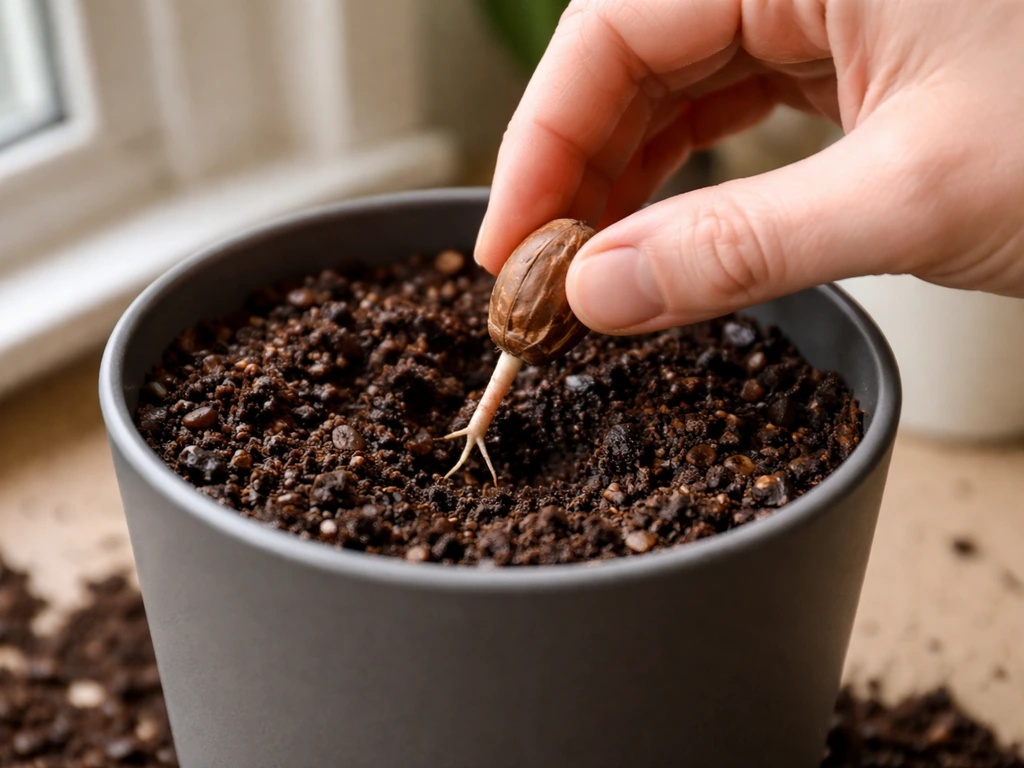
The moment you see a radicle, pot the acorn. Oak tap roots grow fast and aggressively, so use a deeper container than you think you need. A tall, narrow pot at least 10 to 12 inches deep is better than a wide, shallow one. A one-gallon nursery container or a repurposed cardboard tube (like a cut paper towel tube sealed at the bottom) both work well because they encourage downward root growth rather than circling.
Use a well-draining potting mix. A standard quality potting mix with added perlite (about 20 to 25% perlite by volume) gives you the drainage that prevents root rot. Avoid heavy garden soil or dense mixes that stay wet. Plant the acorn about one inch deep with the radicle pointing down, or if it's already a half-inch or so long, just lay it at a slight angle and cover it. The seedling will sort out orientation on its own.
Light
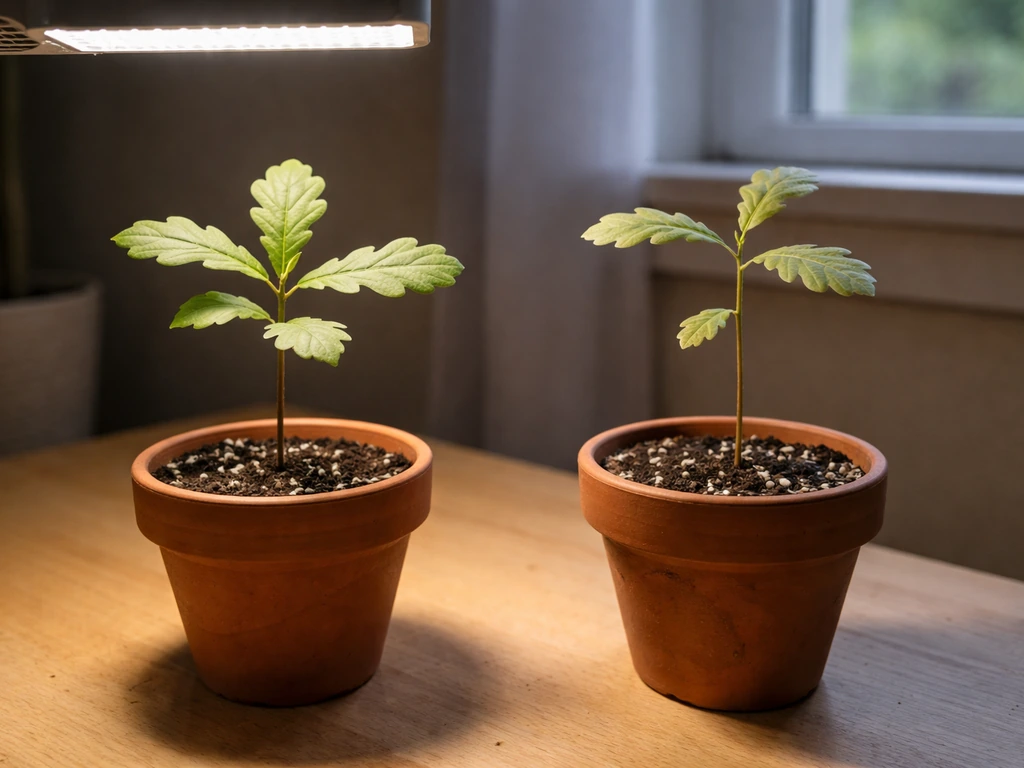
Light is where most indoor oak attempts fail quietly. Oaks are sun-demanding trees, and a seedling on a windowsill rarely gets enough light to grow stocky and strong. A south-facing window is the best natural option, but even that may not be sufficient in winter months or in northern climates. If you have a quality LED grow light or T8 fluorescent shop lights, use them. Keep the light source no more than about 12 inches above the seedlings and run it for around 14 to 16 hours per day. The extra light investment pays off in a seedling that's noticeably stronger than one raised on window light alone.
Temperature and watering
Room temperature is fine for seedlings once they're out of stratification. Germination and early root growth favor soil temperatures around 50 to 60 degrees Fahrenheit (10 to 16 degrees Celsius), which is roughly the cool end of a comfortable indoor environment. Avoid placing pots near heating vents or radiators where the soil dries out rapidly.
Water when the top inch of soil feels dry, not before. Oak seedlings need consistent moisture but are very sensitive to waterlogged roots. Every watering should drain freely through the pot's drainage holes. If your container holds water and the soil stays wet for more than a day or two after watering, that's a problem you need to fix immediately, either by improving drainage or repotting into a better mix.
You're growing a tree, not a houseplant: what the growth timeline actually looks like
Once potted, germination (the seedling pushing up through the soil) typically takes about 4 to 6 weeks from the point when the radicle first appeared. The first thing you'll see is the hypocotyl, a short, arching stem pushing up through the soil, followed by the first true leaves. Those early leaves on a young oak often look almost nothing like the deeply lobed leaves you're picturing. Don't worry, they normalize as the plant matures.
For the first few weeks indoors, your seedling may seem to do very little above ground while the tap root pushes aggressively downward. That's correct behavior. The oak is prioritizing root infrastructure before top growth, which is part of why it needs a deep container from the start. By two to three months in, a healthy seedling in good light might be 4 to 8 inches tall with a few sets of leaves. That's the typical window where you want to start thinking about moving it outside.
If your seedling is stretching, pale, and flopping over rather than growing upright and compact, it's telling you it needs more light. A stocky, dark-green seedling is a healthy one. A tall, spindly one is not thriving, it's surviving.
Moving your seedling outdoors: hardening off and transplanting
The transition from indoors to outdoors is one of the most critical moments in this whole process, and rushing it kills seedlings that would otherwise have made it. A plant that has grown under controlled indoor conditions has never dealt with direct sun, wind, or outdoor temperature swings. Putting it straight into full outdoor exposure will stress it badly.
The process is called hardening off, and it takes about 4 to 6 weeks. Start around early April in most temperate climates (adjust for your region's last frost date). On the first day, put the seedling outside in a partially shaded, sheltered spot for just an hour or two, then bring it back in. Over the following weeks, gradually increase the daily outdoor time and progressively move it toward more sun exposure. By the end of the hardening period, it should be spending full days outside in the spot where it will eventually be planted.
When you're ready to transplant, choose a day that's overcast and mild rather than bright and hot. Dig a hole deep enough to accommodate the tap root without bending it. Any kinking or curling of the tap root at planting will create structural problems for the tree for years. If the tap root has grown longer than your hole is deep, and with a tall container this is sometimes unavoidable, go deeper rather than compromise the root. Water the seedling in well and keep it consistently moist for the first two to three weeks in the ground while it establishes.
Location matters enormously for the long term. Oaks need full sun and deep, well-drained soil with room to grow. Plant with the tree's eventual mature size in mind, not where it fits comfortably as a two-inch seedling.
Common indoor problems and how to fix them
No germination after stratification
If weeks pass after potting and nothing comes up, the most common causes are non-viable acorns, insufficient stratification time, or planting too deep. Check that your stratification period matched the species requirements in the table above. Red oaks that didn't get their full 30 to 45 days often simply won't germinate. If viability is the question, carefully dig up the acorn and look at it. A viable acorn will be firm and cream-colored inside. If it's black, mushy, or completely dried out, it was never going to sprout.
Mold on the acorn or soil surface
Surface mold on the soil is usually cosmetic and caused by overwatering or poor air circulation. Let the soil dry out a bit more between waterings and improve airflow around the pot. Mold directly on the acorn shell during stratification is more concerning. Remove affected acorns immediately, rinse the others, and return them to a clean, damp (not wet) paper towel. Once potted, the shell will be underground and mold pressure drops substantially.
Damping-off
Damping-off is a fungal disease that causes seedlings to collapse at the soil line, often looking like the stem has been pinched or gone mushy. It's caused by soilborne pathogens and spreads rapidly in wet, poorly drained conditions. The fix is mostly prevention: use pasteurized potting mix (not garden soil), ensure excellent drainage, avoid overwatering, and don't reuse old trays or pots that previously had disease problems without sterilizing them first. Once damping-off hits a seedling, that seedling is gone. Remove it immediately to prevent spreading to others.
Leggy, weak seedlings
This one almost always comes down to light. If your seedling is tall, pale, and bending toward the window, it needs significantly more light intensity than it's getting. Move it to a better window, add supplemental grow lighting, and make sure the light source is close enough (within 12 inches for fluorescent or LED panels). A leggy seedling indoors will never catch up to a compact, well-lit one once it's in the ground. More light, applied sooner, is the fix.
Root problems and outgrowing the pot
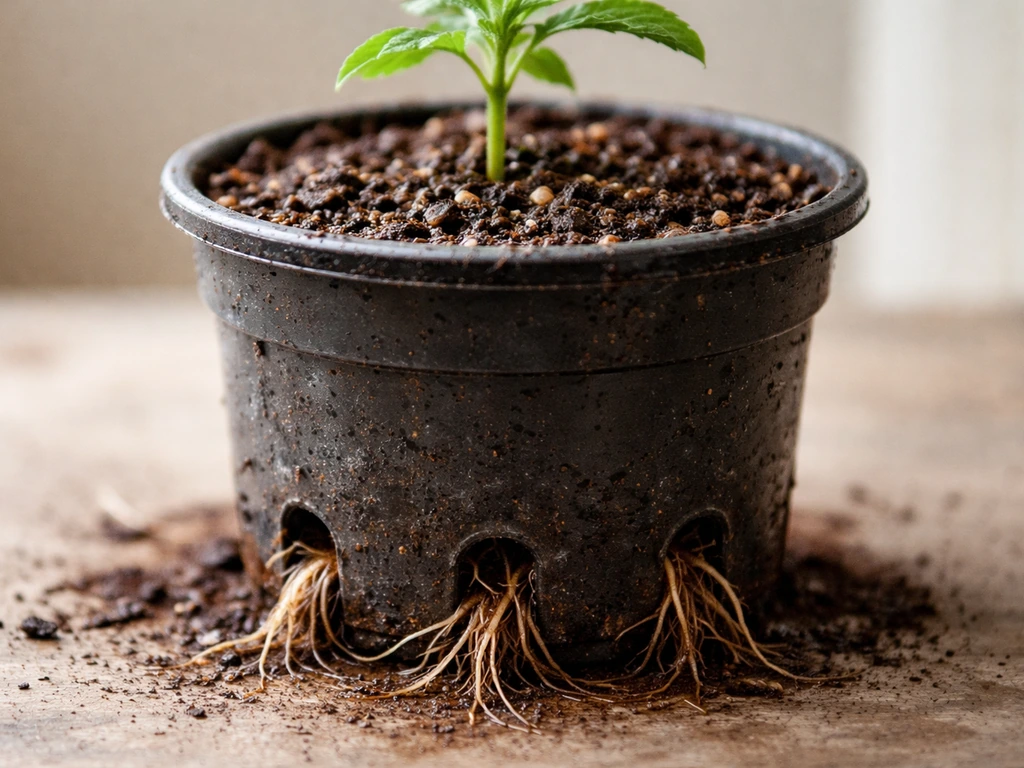
If you see roots circling the bottom of the pot or coming out of drainage holes, the seedling is telling you it's time to move. Don't let a young oak become root-bound in a container. Either transplant it to a larger, deeper pot temporarily or move it outdoors ahead of schedule (with appropriate hardening off). A kinked or circling tap root will affect the tree's structural integrity and water uptake for its entire life. Deal with it early.
FAQ
Can i grow an acorn indoors in just water instead of potting?
Yes, but only as a short-term step for most people. If the acorn has not yet broken dormancy, water alone usually fails because you still need cool, moist conditions to trigger germination. A better approach is to stratify first, then pot promptly when the radicle appears, so the root can establish in soil rather than sitting in water.
My indoor oak seedling looks pale and tall, what should i check first?
If the acorn is under a grow light and appears pale and stretched, treat it as a light problem first, then adjust watering and airflow. Rotate the pot every few days for even growth, and verify your light height and hours per day, since “near a window” light levels are often too low even when the plant looks bright.
How do i know when i should move my seedling to a bigger pot or outdoors?
For indoor-raised oaks, the goal is not to keep the seedling indoors until it is “ready for the yard,” it is to avoid over-confinement. Once the tap root is pushing the pot limits (roots circling or exiting the drainage holes), either transplant into a larger, deeper container or move outdoors during the appropriate hardening-off window.
What can i do if weeks pass after potting and nothing comes up?
Yes, you can accidentally plant too deep even if you are doing everything else right. If nothing emerges after a reasonable wait, check whether the acorn was buried well beyond about one inch, especially if it already had a short radicle. Dig carefully and replant in the correct depth with the radicle oriented downward or at a slight angle.
How do i prevent mold or rot during stratification?
Rot in storage or stratification often shows up as mushiness, a hollow interior, or strong spoilage. Remove any affected acorns immediately, keep the remaining paper towel consistently damp but not wet, and improve bag airflow indirectly by not overstuffing and by checking weekly or every two weeks rather than leaving them unattended for long stretches.
Should i give light right after the radicle appears, or wait until leaves show?
Light exposure starts before you ever see green leaves. If the radicle has emerged and you plant promptly, place the pot under strong light immediately after potting, not a week later. Early light helps the hypocotyl and emerging true leaves develop sturdier growth instead of leaning.
Is bottom heat or a warm spot good for indoor acorn germination?
It depends on what part of the indoor process you are referring to. Bottom heat is mainly helpful for supporting warm soil during early root activity, but avoid overheating. Keep soil roughly in the 50 to 60°F range, and never let it dry out near heaters, since drying stalls root growth and increases failure rates.
My acorn is taking a long time to sprout, is that normal?
Don’t assume “no leaves yet” means it failed. Early on, oaks often focus on downward tap root growth, with weeks passing before noticeable top growth. If after the expected window there is still no hypocotyl emergence, then revisit viability, stratification timing, and planting depth.
Can i reuse old pots or soil for my indoor acorn seedlings?
Avoid reusing soil or old trays that previously had fungal problems. Use fresh or pasteurized potting mix, clean and sterilize reused containers, and do not reuse a pot that collapsed seedlings unless it was properly sterilized. Once damping-off starts, it spreads quickly and infected seedlings should be removed right away.
What’s the best watering rhythm for indoor oak seedlings?
If you have uneven moisture, a seedling can stall or collapse even when the amount you water seems reasonable. Water only when the top inch of soil is dry, water thoroughly until it drains, and then empty any runoff from saucers. If the soil stays wet for more than a day or two, improve drainage or repot rather than watering less.