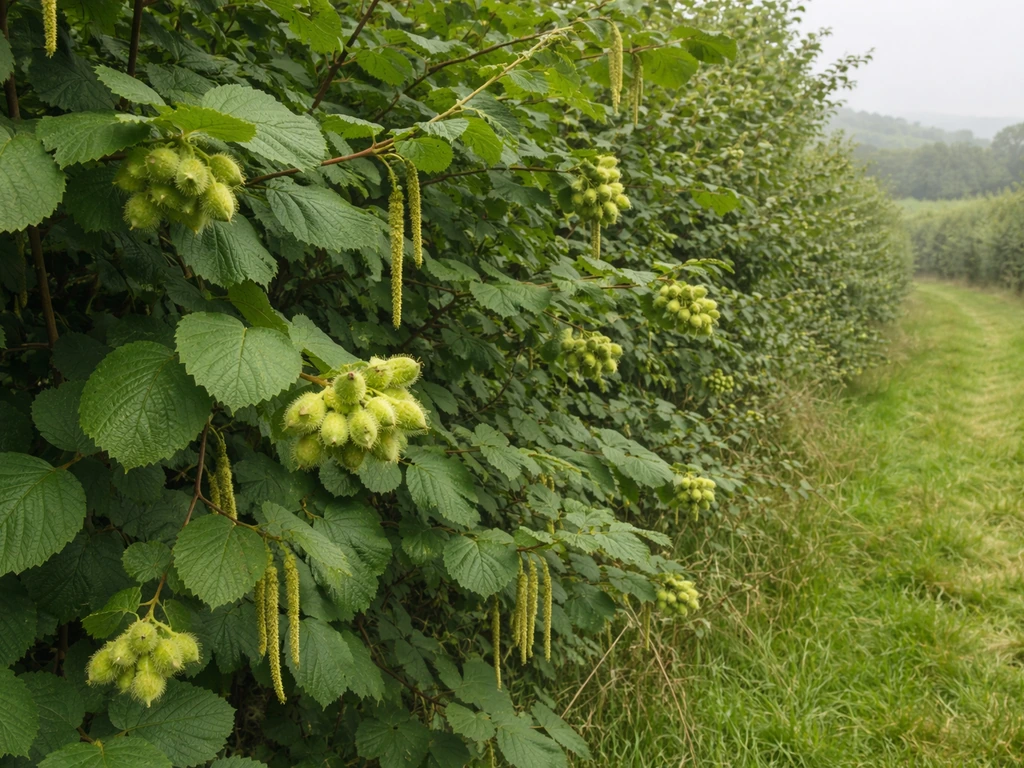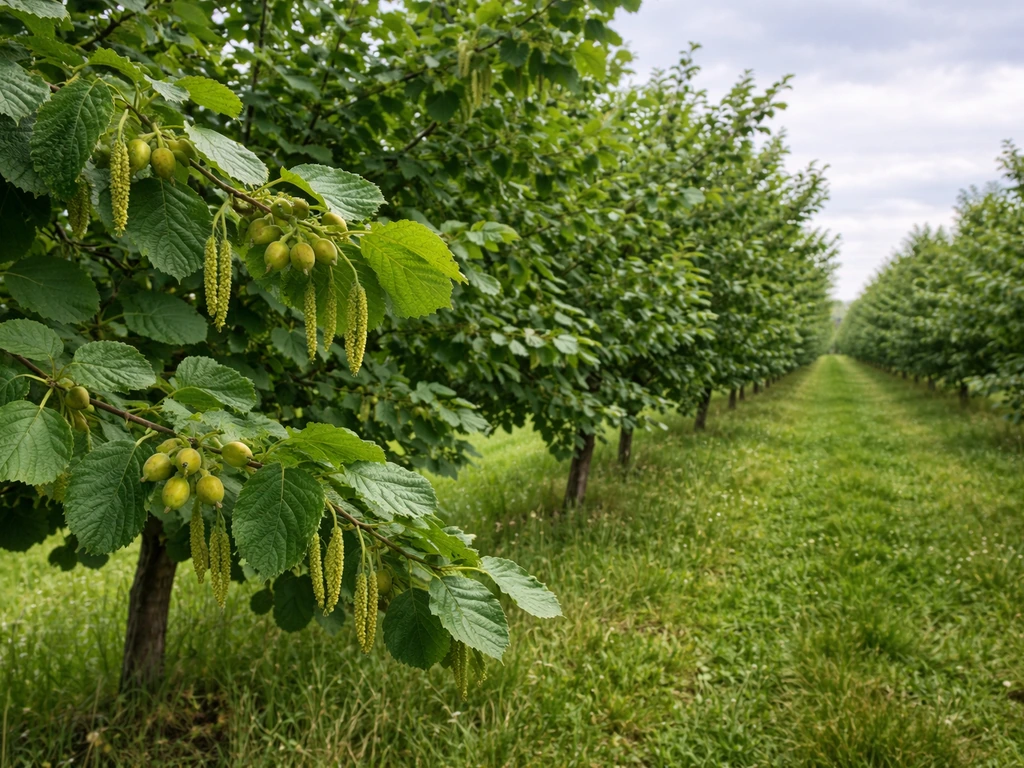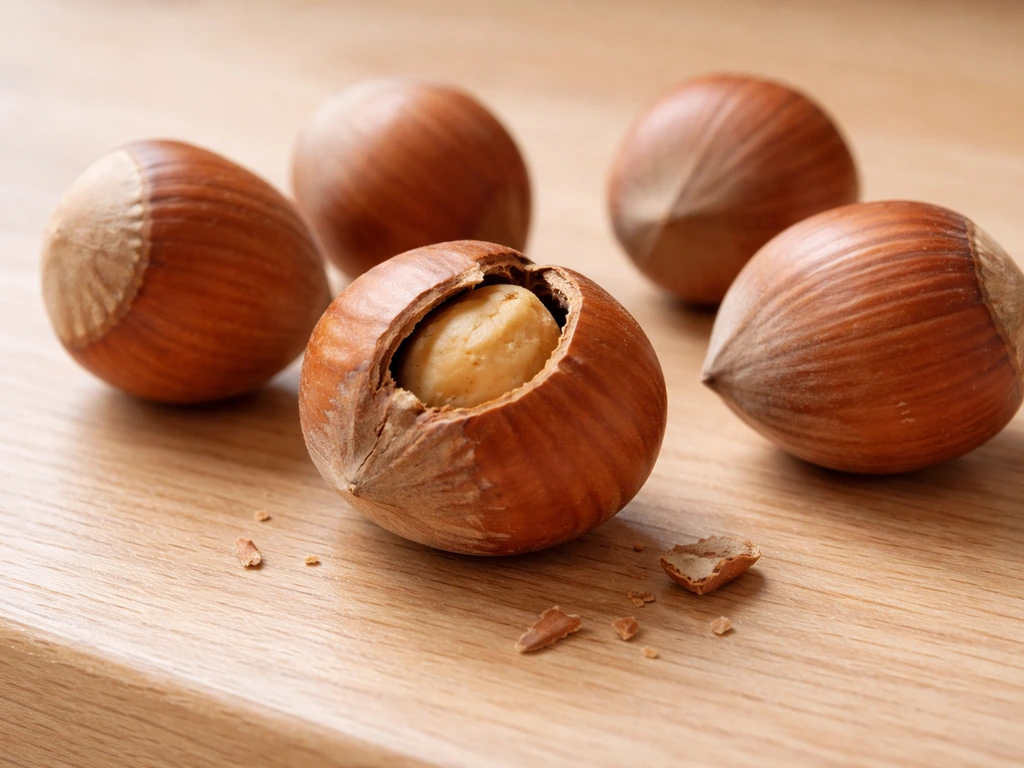
Yes, hazelnuts grow in Ireland and they can produce a genuine, edible harvest. Corylus avellana, the common hazel, is actually native here, so you're not fighting the climate to grow it. The real question isn't survival but reliable nut production, and the answer to that is also yes, provided you pick the right site, plant at least two compatible varieties, and give the tree a few years to settle in. If you're wondering about Ontario specifically, the cold winters and the length of the growing season will also determine which hazel varieties are worth trying hazelnuts in Ontario. Expect 3 to 5 kg of nuts per mature tree in a well-managed garden setting.
Do Hazelnuts Grow in Ireland? Planting and Care Guide
Marcus Hendricks
28 May 2026
Ireland's climate and hazelnuts: a natural fit
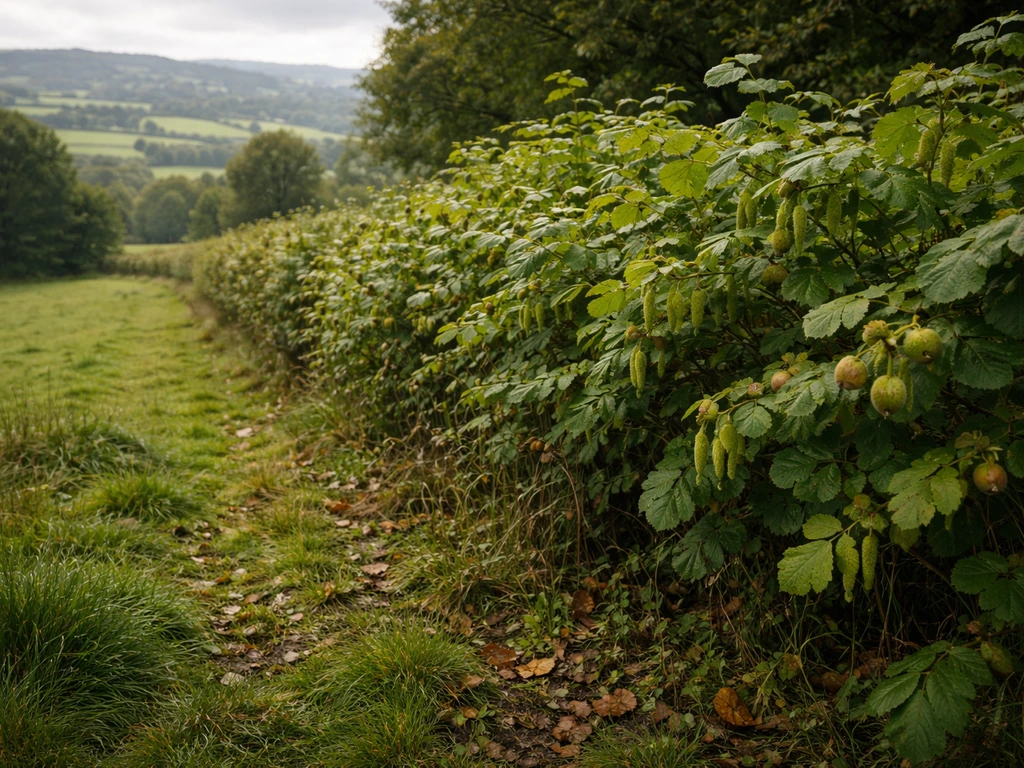
Ireland's cool, moist, maritime climate suits hazel very well. Temperatures rarely drop below -10°C, which is the threshold below which cobnut pollination starts to be disrupted. That means Irish winters are almost never cold enough to cause the crop failures that growers in colder continental climates regularly face. The same mild winters that frustrate apple growers (not enough chill hours for some varieties) are actually an asset for hazel. Rain is rarely a limiting factor either. The main challenges in Ireland are wind exposure and wet, poorly drained ground, both of which are very manageable with a bit of site planning. If you're also wondering what other nuts grow in Ireland more broadly, hazel is consistently the strongest candidate for reliable outdoor production.
Hazelnut species in Ireland: native wild hazel vs. cultivated cobnuts
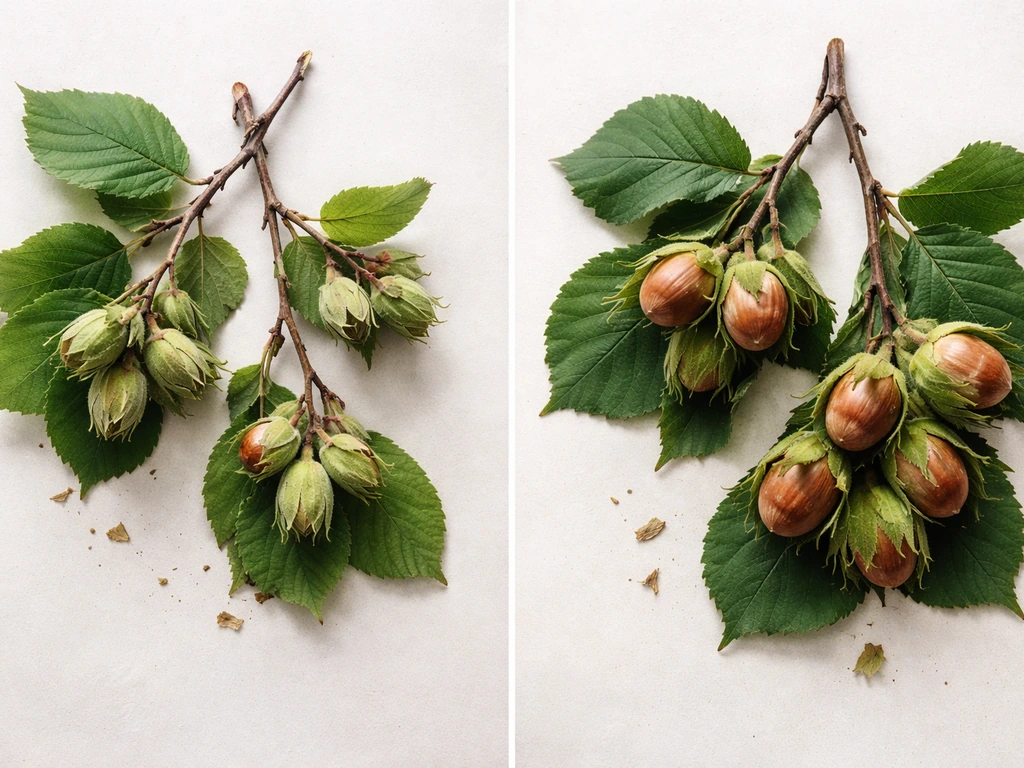
The species you're working with in Ireland is almost always Corylus avellana. It's native, it's documented across the country by the National Biodiversity Data Centre, and it's been part of the Irish landscape since the post-glacial period. A product listing for hazel (Corylus avellana) from an Irish tree-nursery also frames it as an outdoor-hardy option suitable for Ireland. You'll find it growing wild in hedgerows, scrub, and woodland edges throughout the island. Wild native hazel produces small nuts freely but in modest quantities and with variable quality from one plant to the next.
For a real harvest, you want named cultivars of Corylus avellana selected specifically for nut production. These are sold as cobnuts or filberts and are the same species as the native plant, just selected for larger nuts, better yields, and reliable cropping. 'Cobnut Nottingham' (also known as Pearson's Prolific) is specifically noted as doing well in Ireland. 'Cosford Cob' is another strong option and also functions as a good pollinator. 'Hall's Giant' (Merveille de Bollwiller) is a productive variety worth considering if you want a larger nut. Sticking with Corylus avellana types is the sensible move for Ireland. Other Corylus species like C. maxima (filbert) are sometimes grown here too, but C. avellana cultivars are the most reliably proven in Irish conditions.
Where hazelnuts grow best across Ireland
Hazel grows across all of Ireland, but nut production is better in some areas than others. The south and southeast of the country, including counties like Wexford, Waterford, Kilkenny, and Cork, offer the most sun hours and the mildest winters, which translates directly to better nut fill and a more reliable crop. The west coast, particularly exposed Atlantic-facing sites in Clare, Galway, and Mayo, has enough rainfall and mild temperatures for hazel to thrive as a shrub, but persistent wind off the ocean is hard on the catkins during the February to March pollination window. If you're on the west coast, a sheltered microclimate makes a significant difference.
Microclimates matter more than county averages. A south-facing slope with a wall or hedge windbreak behind it can perform far better than an open midlands field. Avoid frost pockets, which are low-lying areas where cold air settles on still winter nights, because late frosts after the catkins have opened can wipe out pollination for that year. Good air movement within the planting area (not the same as exposed wind) helps reduce fungal issues. A gently sloping or elevated site with shelter on the windward side is close to ideal almost anywhere in Ireland.
Planting basics: site, soil, spacing, and timing
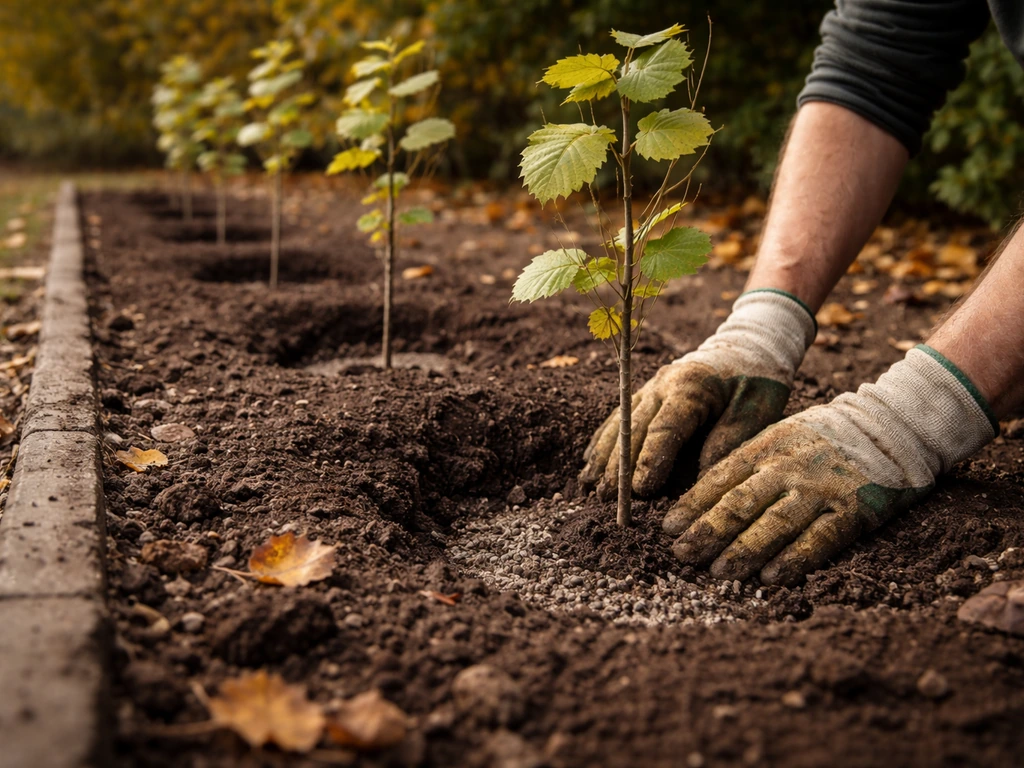
Hazel is not fussy about soil type but it absolutely needs good drainage. Waterlogged ground causes root problems and the tree will sit there looking unhappy rather than establishing properly. A well-drained, moderately fertile loam or clay-loam soil at a pH of around 6 to 7 is ideal. Do a basic drainage check before planting: dig a hole about 30 cm deep, fill it with water, and see how fast it clears. If it's still sitting there hours later, either improve drainage before planting or choose a different spot. Hazel tolerates partial shade but you'll get better nut production in full sun or at least six hours of direct sun per day.
Autumn planting, from October through to early March while the tree is dormant, gives bare-root trees the best chance to establish before summer. Container-grown trees can technically go in at any time, but autumn or early spring is still preferable to avoid summer establishment stress. Dig a hole wide enough to spread the roots comfortably, plant at the same depth as the tree was in the nursery (you can see the soil mark on the stem), firm the soil in well, and stake if the site is exposed. Water thoroughly at planting even if the ground seems moist.
For spacing, if you're planting individual nut-bearing bushes, allow 4 to 5 metres between trees. This gives each plant room to develop a full, open canopy that allows light to the nut-bearing wood. If you're incorporating hazel into a hedgerow, the staggered double-row approach with around 30 to 40 cm between individual plants works well for shelter and biodiversity, though nut yields per plant will be lower in a dense hedge than in an open orchard-style planting.
Getting pollination right: the single most important factor for a harvest
This is where many people go wrong with hazelnuts. Hazel is wind-pollinated, and while each plant carries both male and female flowers, the male catkins (the long yellow dangly ones you see in February) and the tiny red-tipped female flowers are not ready at exactly the same time on the same plant. This means a single isolated plant often sets little or no fruit. You need at least two plants, ideally three, from different varieties that flower at overlapping times to get reliable cross-pollination.
The pollen from the dangling male catkins drifts on the wind to the tiny crimson female flowers on nearby plants. Only fertilised female flowers develop into nuts. If pollination fails, whether from incompatible timing, a cold snap killing the catkins, or simply the absence of another plant nearby, you get no nuts regardless of how healthy the tree looks. This is not a minor consideration: it's the most common reason a hazel bush that's been growing for years produces nothing.
For variety combinations in Ireland, 'Cosford Cob' is widely recommended as a pollinator partner and is a decent cropper itself. Pair it with 'Cobnut Nottingham' (Pearson's Prolific) for a combination that's been shown to work in Irish conditions. A third variety like 'Hall's Giant' adds insurance and extends the pollination window slightly. Plant them within about 6 to 8 metres of each other for effective pollen transfer, though closer is generally better.
Year-round care: watering, pruning, and staying ahead of pests
Watering and establishment
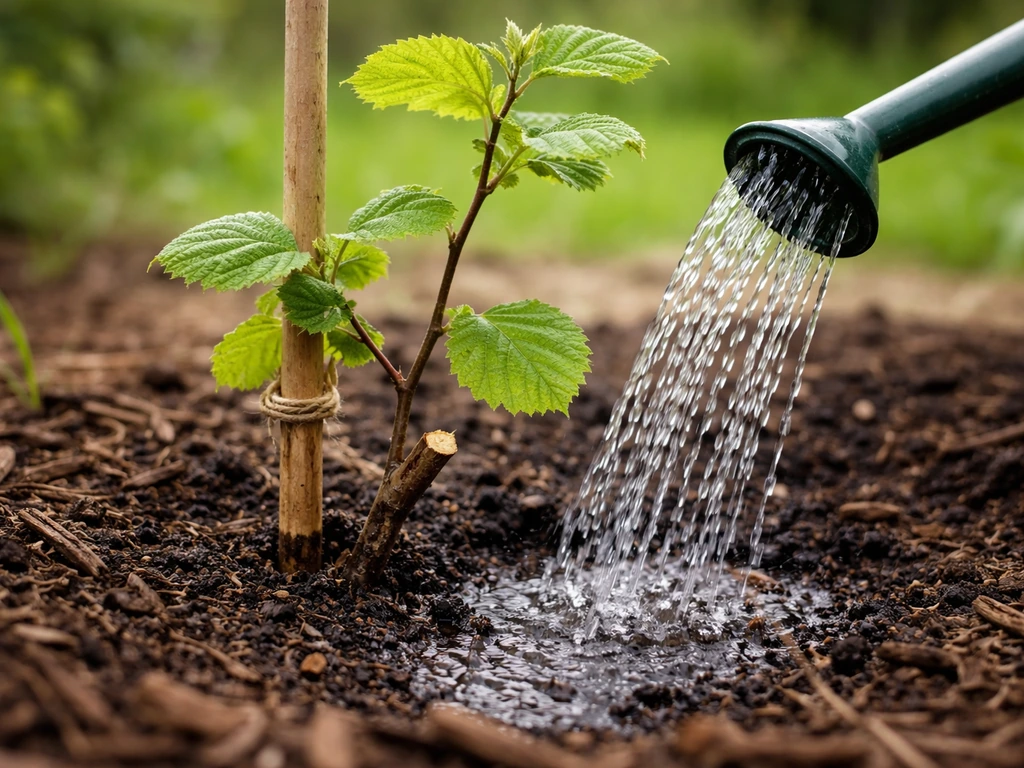
Newly planted hazel trees need regular watering through their first two summers, even in Ireland where rainfall is generally adequate. A dry spell in May or June during the first year can set back a young plant significantly. Water deeply once or twice a week during dry periods rather than little and often. Once the tree is established after two to three years, Ireland's rainfall usually takes care of the rest and supplemental watering is rarely needed except during unusually dry spells.
Pruning for nut production
Left unpruned, hazel becomes a dense, crowded, multi-stemmed shrub that puts most of its energy into leafy growth rather than nuts. For nut production you want an open, goblet-shaped structure with good light getting into the centre of the bush. In the first few years, focus on removing crossing branches, weak stems, and any growth that's heading inward. Once the framework is established, prune in late winter (February to March) to remove the oldest and weakest stems and keep the bush open. Don't cut back hard every year: hazel bears nuts on one and two-year-old wood, so some of the previous year's growth should always be retained.
Hazel also responds well to coppicing, which is the traditional management method. This involves cutting all the stems back to near ground level (about 10 to 15 cm) every 7 to 10 years. It produces vigorous regrowth and, after a few years, a fresh flush of productive nut-bearing wood. If you're growing hazel mainly for wildlife or hedging and nuts are a secondary benefit, coppicing on a rotation is a time-tested and low-effort approach.
Pests and diseases to know about
The main pest to watch for in Ireland is the hazelnut weevil (Curculio nucum). The adult beetles lay eggs inside developing nuts in early summer, and the larvae eat the kernel from inside. You often won't notice until harvest, when you crack a nut open and find it hollow or grub-infested. Collecting and destroying any fallen nuts in early summer reduces the weevil population over time. Hazelnut aphids (Corylobium avellanae) can also colonise new growth and cause leaf curling, though natural predators like ladybirds usually keep them in check in a garden with some ecological balance. Avoid blanket insecticide use: it tends to remove the beneficial insects that naturally manage aphid populations.
Eastern filbert blight (EFB) is a serious fungal disease of Corylus avellana in North America, but it's not an established problem in Ireland or the UK. It's worth knowing about if you're importing planting material, but it shouldn't be a concern with locally-sourced Irish or British nursery stock. More common in Ireland is general powdery mildew in warm dry spells and some die-back on older stems, both of which are managed effectively by keeping the bush open and well-pruned. Minor leaf-mining insects (including Stigmella microtheriella, which is widespread across the British Isles on hazel) cause cosmetic damage but don't affect nut production.
Harvesting: when to pick and how to tell they're ready
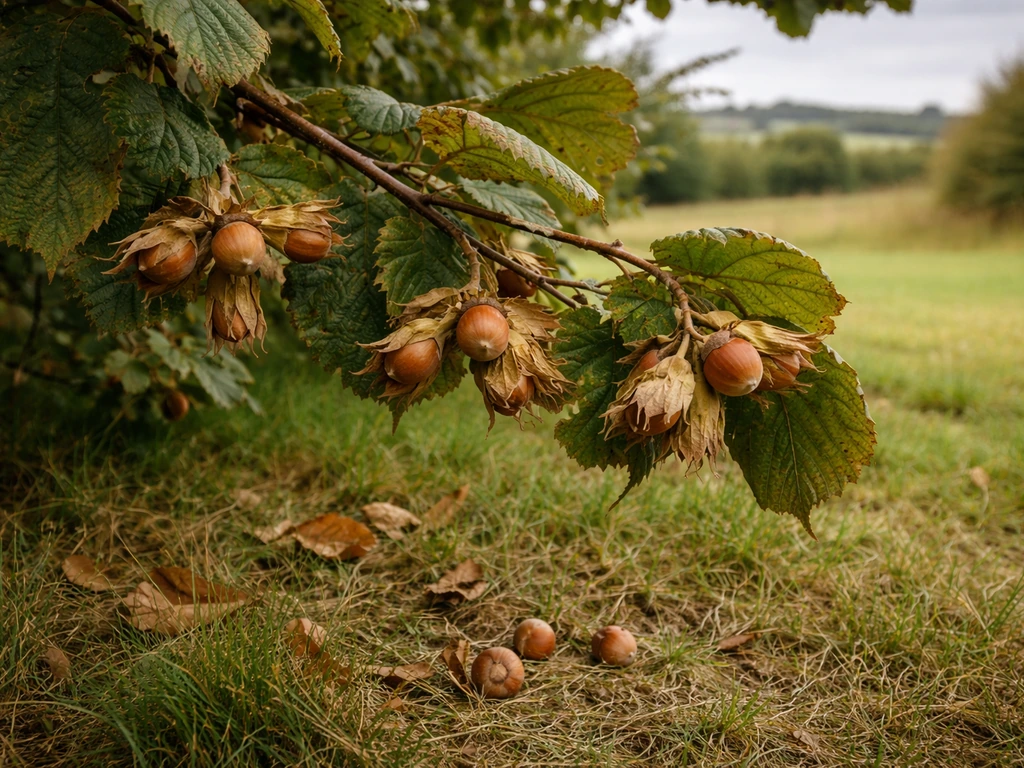
Hazelnuts ripen in September in Ireland, which aligns with the general UK and northern European schedule. The clearest sign that nuts are ready is that they start dropping from the tree on their own. Don't wait for all of them to fall before you pick, because squirrels, mice, and other wildlife will get there first. A practical approach is to do your main harvest when the first nuts start to fall naturally, then collect everything from the ground and branches over the following week or two.
At harvest, the husk (the leafy green casing around the nut) should be starting to turn brown and the nut inside should feel hard when you press it. If the kernel still feels soft or the husk is tightly green all over, give it another week. Pull the husk off, and if the shell is fully formed and hard, the nut is ready. Remove all the husks promptly after harvest as they encourage mould if left on.
For storage, dry the shelled nuts in a warm, well-ventilated spot for a few days before putting them away. Undried nuts stored in a sealed container will go mouldy quickly. Once dried, store them in a cool, dry, rodent-proof place: mice absolutely will find them if given a chance. Well-dried hazelnuts in a sealed tin or jar will keep for several months. In terms of yield, a well-established mature hazel bush in a good Irish garden site should give you somewhere between 3 and 5 kg of nuts per tree in a good year, with some sources suggesting up to 10 kg or more from very productive individual trees in exceptional conditions.
Realistic expectations and next steps
Don't expect nuts in year one or two. Hazel typically starts producing a meaningful crop three to four years after planting, and the yields improve as the plant matures and the root system develops. That's not unusual for a nut tree: it's a long-term investment. The upside is that once a hazel is established in a suitable Irish site, it requires relatively little attention compared to many fruit trees, and it will produce nuts reliably for decades. If you mean the broader question of what nuts grow in Canada, hazelnuts can be possible in the right regions, but local hardiness and cultivar selection matter a lot produce nuts reliably for decades.
Your practical next steps are: choose a sheltered, well-drained, sunny site; source two or three named cobnut cultivars from an Irish or UK nursery (Cosford Cob and Cobnut Nottingham are a proven starting pair for Ireland); plant in autumn or early spring while dormant; water well through the first two summers; and start light shaping pruning from year two. If you're curious about how hazelnut growing compares to the UK context more broadly, the growing conditions and variety choices are very similar given the shared maritime climate. If you're wondering about Michigan specifically, the key is matching this kind of cool-winter, well-drained site and choosing varieties suited to your local conditions shared maritime climate.
FAQ
How many hazel bushes do I need to get nuts in Ireland?
At minimum you need two compatible varieties, because catkins and female flowers rarely match perfectly on a single plant. If you want a more reliable crop, plant three cultivars with overlapping flowering (for example, Cosford Cob plus Cobnut Nottingham, then add Hall’s Giant) and keep them within roughly 6 to 8 metres.
Can I plant hazelnuts in a hedge and still expect good yields?
You can, but dense hedges reduce light inside the stems, so nut yield per plant is usually lower than in an open orchard-style layout. If you go the hedgerow route, use wider spacing between double rows and plan on more pruning to keep an open, goblet shape.
What should I do if my hazel grows well but produces little or nothing?
First suspect pollination. Common causes are only one variety planted, varieties that flower at slightly different times, or catkins being damaged by late frost or wind exposure during pollination. Also check that the bush is not being over-crowded by letting the centre open with pruning.
Is wind exposure the main issue, or can wet soil also ruin hazel production?
Both matter, but drainage is non-negotiable. Waterlogged ground stresses roots and delays establishment, while wind mainly affects the timing and success of catkin performance during late winter and early spring. If the site holds water for hours after a hole is flooded, choose another spot or improve drainage before planting.
Will planting on a frost pocket ruin my hazel even if Ireland winters are mild?
Yes, late frosts can still be the problem. Frost pockets collect cold air, and if the females are receptive after a thaw, a cold snap can interrupt pollination. Prefer a gently sloping site, avoid low-lying dips, and use a hedge or wall to reduce exposure.
How long does it take before hazel produces a meaningful harvest in Ireland?
Expect little or no crop in the first one to two years, then a meaningful start around year three to four. Yields improve as the bush thickens and produces more nut-bearing wood, so patience is part of the process.
What watering schedule should I follow during the first two summers?
Water deeply once or twice per week during dry spells, rather than frequent light watering. Focus on May and June if rainfall drops, because drought during that period can set young plants back even in an otherwise rainy climate.
Does pruning timing matter, and should I hard prune every year?
Timing matters, prune in late winter (around February to March) when you are clearing and opening the structure. Avoid hard annual cutting back, because hazel sets nuts on one- and two-year-old wood, so the goal is to remove overcrowding and weak stems, not reset the bush every season.
How do I know when hazelnuts are ready to pick?
Use the drop behavior and feel as your main indicators. When husks begin turning brown and the nut shell feels hard, it is ready. Do not wait for all nuts to fall, wildlife will harvest first, so do a main pick when the first nuts drop and then collect remaining ones over the next week or two.
How should I store nuts so they do not go mouldy?
Dry them first, even if you will eat them soon. Shelled nuts should be dried in a warm, well-ventilated place for a few days before storage, and once dried store in a cool, dry, rodent-proof container, because mice can find exposed supplies quickly.
Are hazelnut pests and diseases a serious issue in Ireland?
Weevil damage can show up at harvest, and it is hard to detect before you crack nuts open. Reduce risk by collecting and destroying fallen nuts in early summer. For disease, keep the bush open to limit mildew and remove older weak stems, but avoid blanket insecticide use because it can harm beneficial insects that control aphids.