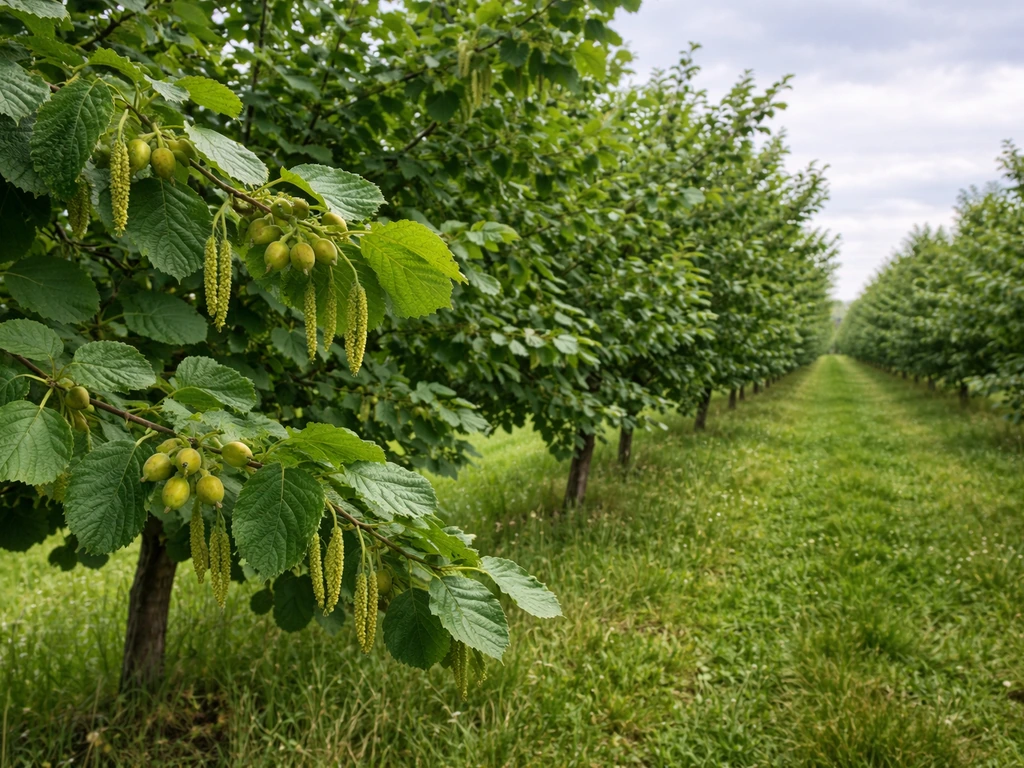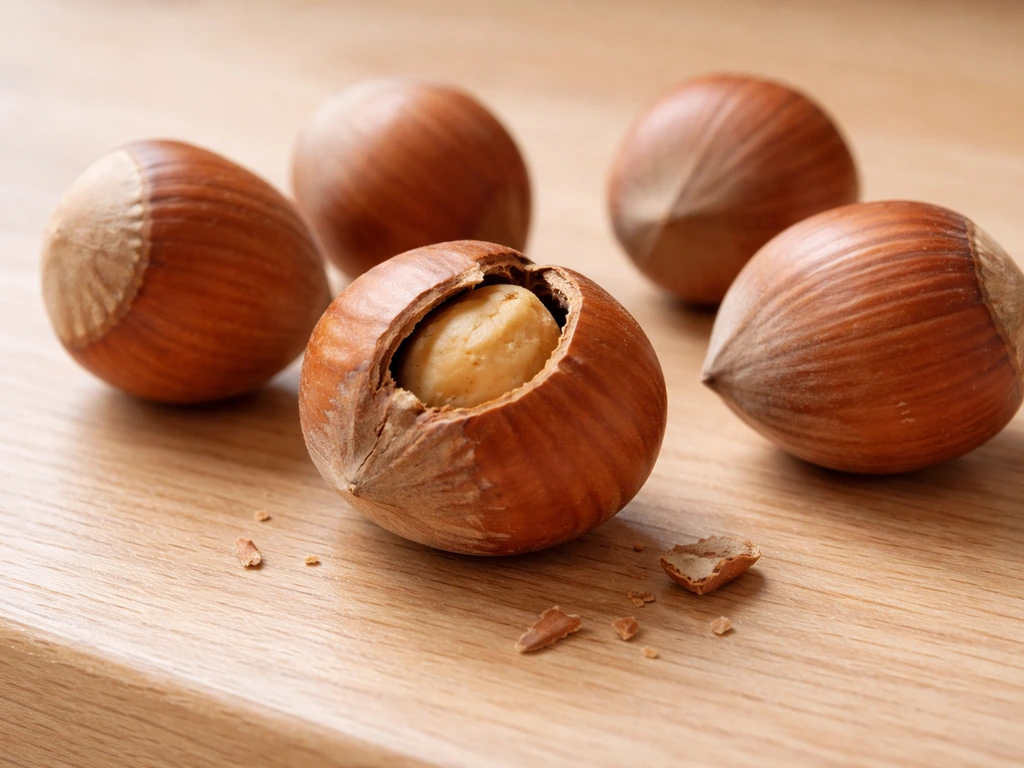
Three nuts can realistically be grown outdoors in Ireland: hazelnuts, sweet chestnuts, and walnuts. If you are wondering what nuts grow in Canada, the winners are different because you need varieties suited to your winter cold and summer heat hazelnuts, sweet chestnuts, and walnuts. Of those three, hazelnuts are the only truly native option and by far the most reliable across the whole island. Sweet chestnut has been here long enough to be considered an honorary native and does well in many areas. Walnuts can be grown, but they are not reliable nut producers in most of Ireland and need a warm, sheltered, well-drained site to have any real chance of fruiting. If you want to plant a nut tree and actually harvest something in your lifetime, that's your shortlist.
What Nuts Grow in Ireland: Planting Guide by Variety
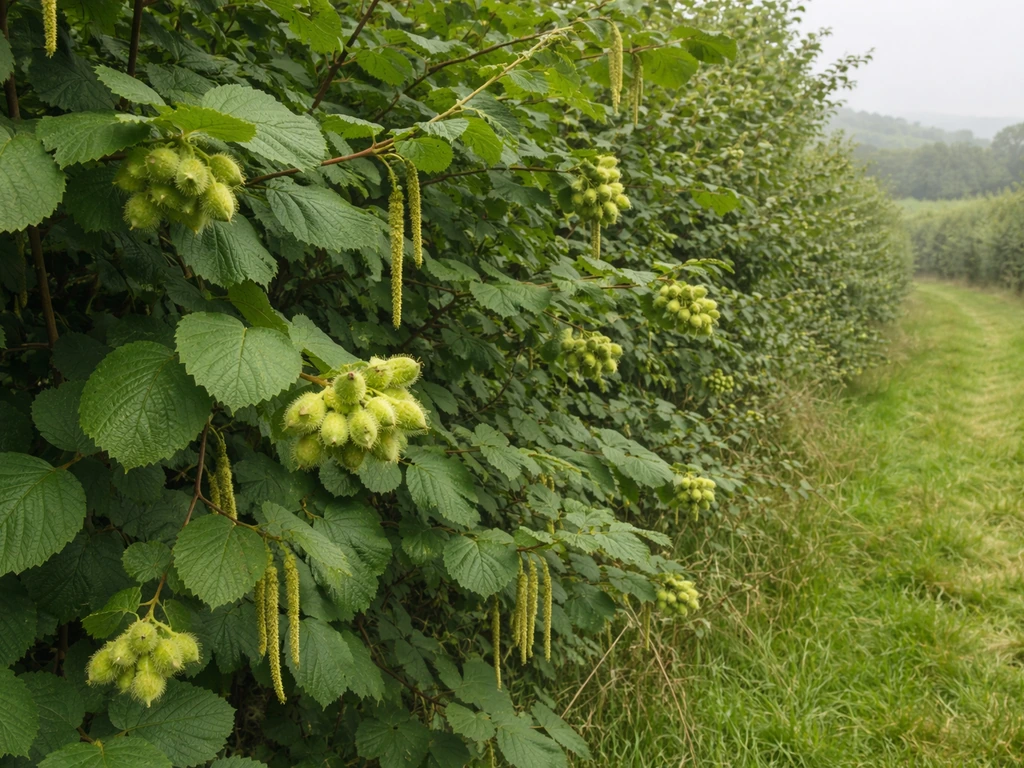
Native nut-bearing trees and shrubs in Ireland
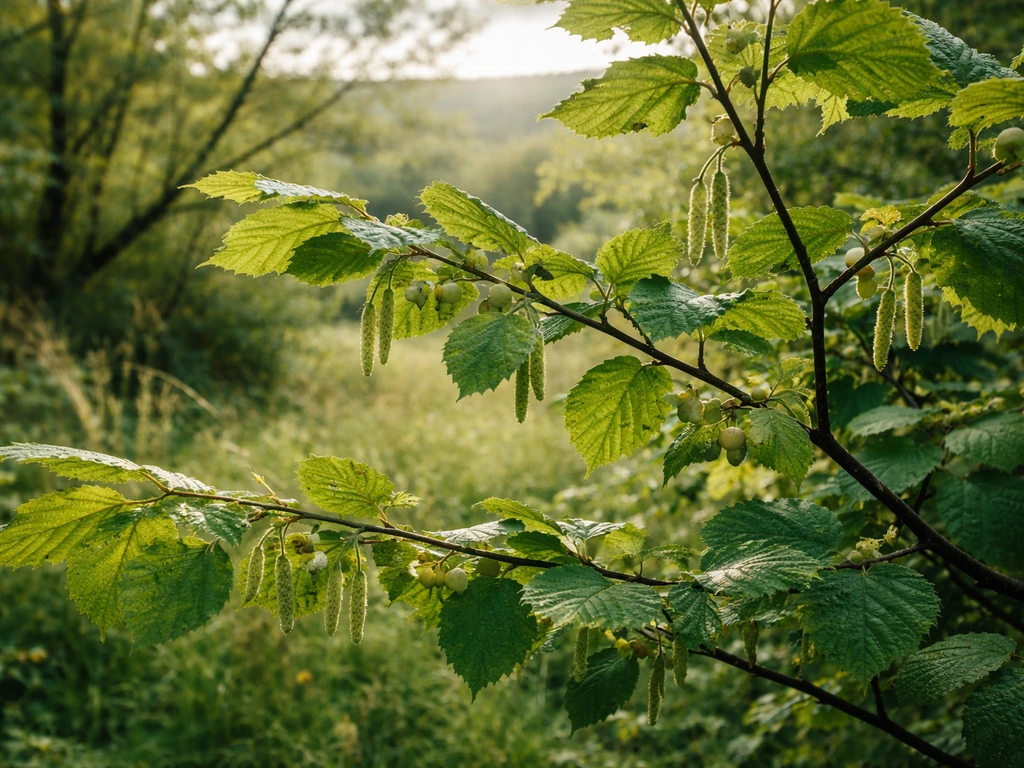
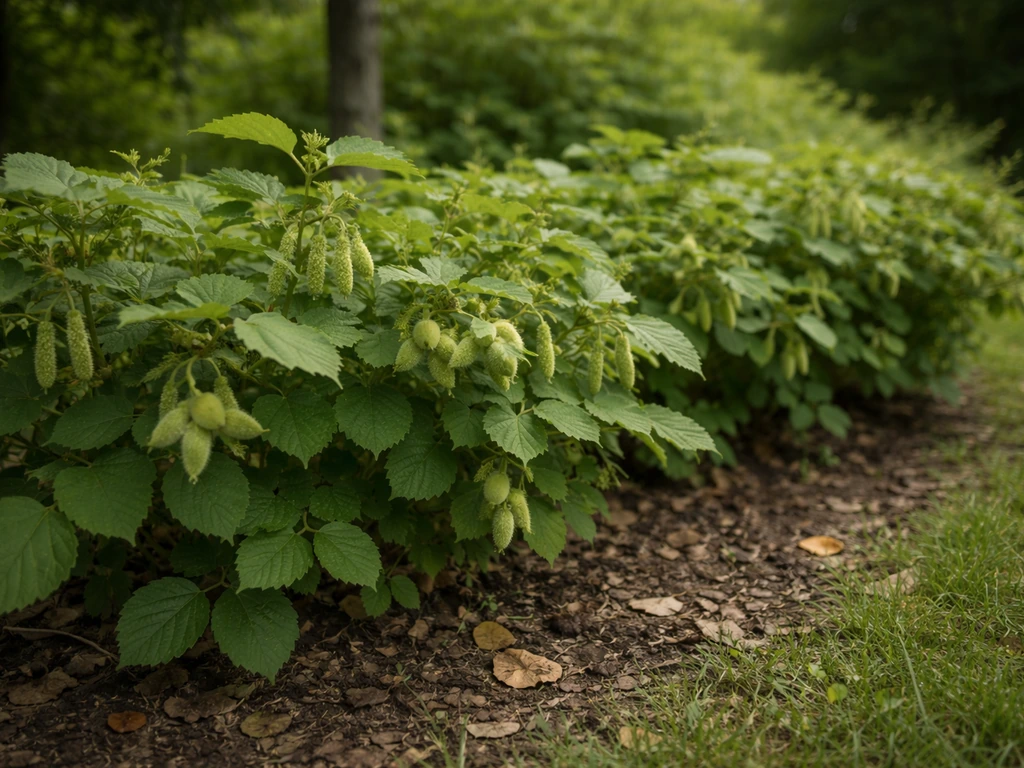
Hazel (Corylus avellana) is Ireland's only genuinely native nut-producing plant. It has been part of the Irish landscape since before recorded history and is listed as a native species by the Tree Council of Ireland. It grows as a multi-stemmed shrub or small tree, typically reaching 4 to 6 metres if left unmanaged, and it produces hazelnuts in autumn, usually from late August through October depending on the season and cultivar. It thrives in hedgerows, woodland edges, and gardens across every county. It tolerates Irish rainfall, wind, and cool summers better than any other nut species you could plant.
That's essentially it for truly native nut trees in Ireland. Oak produces acorns, which are technically a nut botanically, but they are not edible for humans without extensive processing, so they're not part of any practical food-growing conversation. For culinary nuts from a native species, hazel is your answer.
Best non-native nuts that can grow outdoors in Ireland
Sweet chestnut (Castanea sativa) is classified as an 'honorary native' in Ireland, it was introduced long ago, probably by the Romans, and has naturalised across much of the country. It grows into a large, impressive tree and produces edible chestnuts in a spiky husk from September onwards. Sweet chestnut can crop reliably in warmer, more sheltered parts of Ireland, particularly in the south and east, but it needs a decent summer to ripen its nuts fully. In cooler or wetter areas, the nuts may develop but not fatten up properly.
English walnut (Juglans regia) is the other option, and it comes with a significant caveat: it is not a reliable nut producer in Ireland. The tree will grow perfectly well, you'll see mature walnut trees dotted around Irish estates and gardens, but actually getting a good crop of nuts is another matter. Walnuts need warmth, sunshine, and low humidity during the growing season to crop consistently, and most of Ireland simply doesn't deliver that reliably enough. If you have a sheltered, south-facing site in a low-rainfall area, it's worth trying a proven cultivar, but go in with realistic expectations.
Almonds, pistachios, and pecans are non-starters for outdoor growing in Ireland. They need a Mediterranean or continental climate with hot, dry summers and simply won't produce nuts in the Irish climate, even in the warmest corners of Munster.
Climate and site requirements: what each nut actually needs
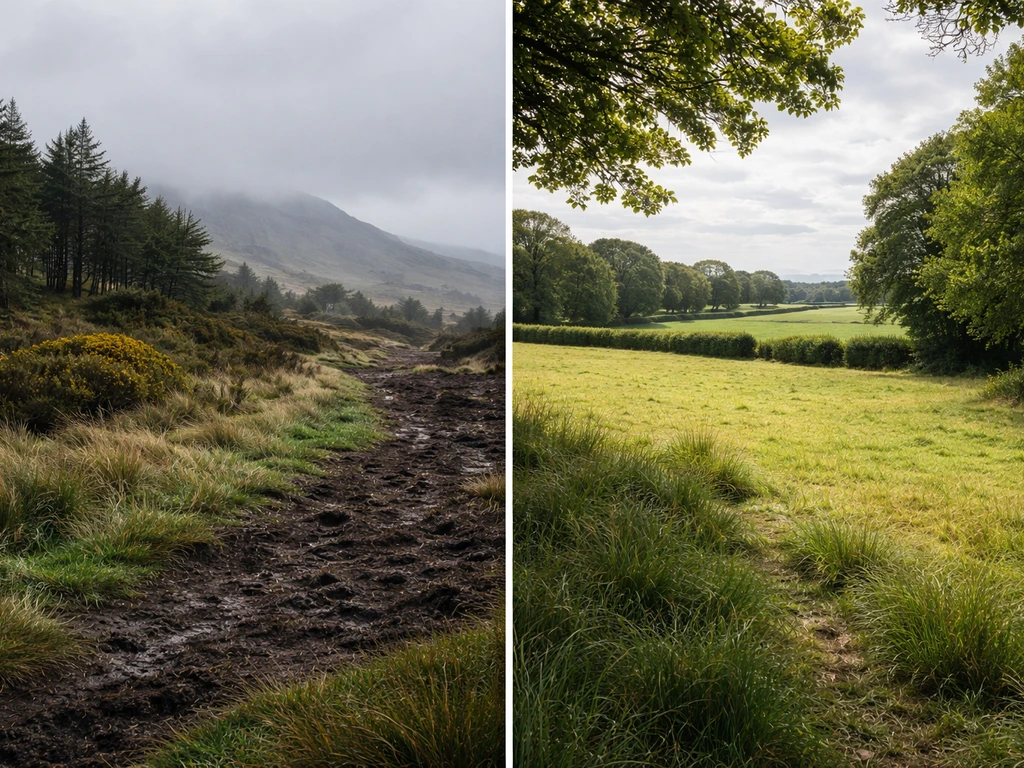
Understanding why some nuts work in Ireland and others don't comes down to a handful of factors: winter cold tolerance, summer warmth, rainfall, drainage, soil pH, and wind exposure. Ireland's climate is mild and wet, winters are rarely severe, but summers are cool and often damp. That combination suits hazelnuts brilliantly and creates real challenges for walnuts and, to a lesser extent, chestnuts.
| Species | Winter hardiness | Soil needs | Drainage | Wind tolerance | Rainfall tolerance | Realistic in Ireland? |
|---|---|---|---|---|---|---|
| Hazel (Corylus avellana) | Very hardy, no issues in Irish winters | pH 5.8–7.0, most soils | Good but tolerates some moisture | Good | High | Yes, across all of Ireland |
| Sweet chestnut (Castanea sativa) | Hardy to around -15°C, generally fine in Ireland | pH 5.5–6.5, avoid lime | Needs good drainage; waterlogging fatal | Moderate; prefers shelter | Moderate to high | Yes, especially south/east |
| Walnut (Juglans regia) | Hardy below -20°C but needs summer warmth | pH 5.5–7.5, deep fertile soil (90cm+) | Needs excellent drainage; waterlogging fatal | Dislikes wind exposure | Low; prefers drier sites | Marginal; unreliable cropper in most areas |
Drainage is the single most important factor for chestnuts and walnuts. Both species strongly dislike waterlogged ground and will likely fail completely within a few years if roots are sitting in wet soil. Ireland has a lot of heavy, wet ground, so if your garden holds water after rain, hazel is your only realistic option unless you are prepared to significantly improve drainage or plant on a raised bed or slope. Hazelnuts are far more forgiving, though they too prefer reasonably free-draining soil.
Walnuts have an additional requirement that often catches Irish growers out: they need deep, fertile soil, ideally at least 90 centimetres of well-drained, reasonably fertile ground. Shallow soils over rock, pan, or heavy clay simply won't work. If you're on good loam with a slight slope for drainage and you're in a relatively low-rainfall area, the conditions start to stack up in your favour. If not, you're fighting the site.
Soil pH matters too. Most nut trees do best in the slightly acidic to near-neutral range of around pH 5.8 to 7.0. Sweet chestnuts actually prefer slightly more acid conditions (pH 5.5 to 6.5) and will struggle on limestone or chalky soils. If you're on very acid bog or peaty ground below pH 5.5, you'll need to lime the area before planting chestnuts or walnuts. Hazel is a little more tolerant of that range.
How nut trees actually produce nuts: flowers, pollination, and timing
All three of Ireland's realistic nut trees are wind-pollinated, and they all carry both male and female flowers on the same tree, but that doesn't mean you only need one tree. The timing and mechanics of pollination matter a lot, and getting this wrong is probably the most common reason backyard nut trees never fruit.
Hazelnuts and cobnuts
Hazel produces long, dangling male catkins in late winter (January to March) that shed pollen into the wind./hazel-cobnut/details) The female flowers are tiny, star-shaped, and bright red, easy to miss unless you're looking closely. Successful fertilisation depends on the timing of pollen shed overlapping with female flower receptivity. The nuts then begin developing but stay very small until early summer, when rapid growth kicks in and they reach close to their final size within about five to six weeks. By late August to October, the nuts are ready to harvest.
For good crops, you need at least two different cultivars planted nearby. Self-pollination is ineffective in hazel, the tree has evolved to avoid it, so a single plant will rarely produce a meaningful crop even if it flowers well. Plant two or more named varieties within about 6 to 8 metres of each other and you'll see the difference. The catkins from one variety will pollinate the female flowers of another, and both trees will crop better as a result.
Sweet chestnut
Sweet chestnut flowers in midsummer (June to July), much later than hazel. The male catkins are long and distinctive with a strong smell. Sweet chestnut is self-incompatible, meaning you need at least two trees for cross-pollination and nut set. A lone tree may produce some nuts, but the crop will be sparse. The nuts ripen inside their spiky cases (burs) from September to November and are ready when the cases split naturally on the tree or fall to the ground.
Walnuts
Walnuts are considered partially self-fertile, but cropping generally improves with cross-pollination from another tree. The male catkins and female flowers emerge alongside the new leaves in spring, both are wind-pollinated. One of the risks in Ireland is that a late frost in April or May can damage the flowers and young foliage, wiping out a year's crop. This is a recurring problem in inland areas and higher elevations where late frosts are more common. The green-husked nuts ripen from September to October, and the outer husk splits open when the nut is ready.
Which nuts are realistic by Irish region and microclimate
Ireland is a small island but it has real climatic variation. The west coast, Connacht, coastal Clare, Kerry, gets the most rainfall and the strongest winds. The east and southeast (Wexford, Waterford, south Tipperary, parts of Kilkenny and Dublin) are drier, warmer, and more sheltered. The midlands can be relatively dry but also prone to late frosts. The north and northwest are the most challenging for nut growing of any kind beyond hazel.
- Hazel: Suitable everywhere in Ireland. Even on exposed western coasts, hazel grows natively in hedgerows and produces nuts. It's the one nut you can plant anywhere with confidence.
- Sweet chestnut: Best in the south and east — Munster and Leinster especially. In Wexford, Waterford, south Tipperary, and parts of Cork and Kilkenny, conditions are warm enough and dry enough to ripen nuts reliably. In the west and north, nuts may not fully develop in poorer summers.
- Walnut: Realistic only in warmer, sheltered, lower-rainfall areas of the south and east. The Irish Nut Growers' own mapping of climatic suitability identifies zones based on sunshine hours, growing-season temperature, rainfall, and wind speed — and the suitable zones are essentially concentrated in parts of Munster and south Leinster. Anywhere exposed, high, or waterlogged is a no.
- Microclimate matters as much as county: a sheltered south-facing slope in Galway may outperform an exposed east-facing site in Wexford. Think about your actual site — frost pockets, prevailing wind direction, drainage, and hours of sun — not just your county.
If you're on the west coast or in the north and you want something beyond hazel, sweet chestnut is the better gamble. It's hardier than its reputation suggests and has been growing in Ireland for centuries. Walnut is simply too dependent on summer warmth and sunshine to be worthwhile as a food crop in most of those regions.
Planting, care, and harvesting: the practical basics
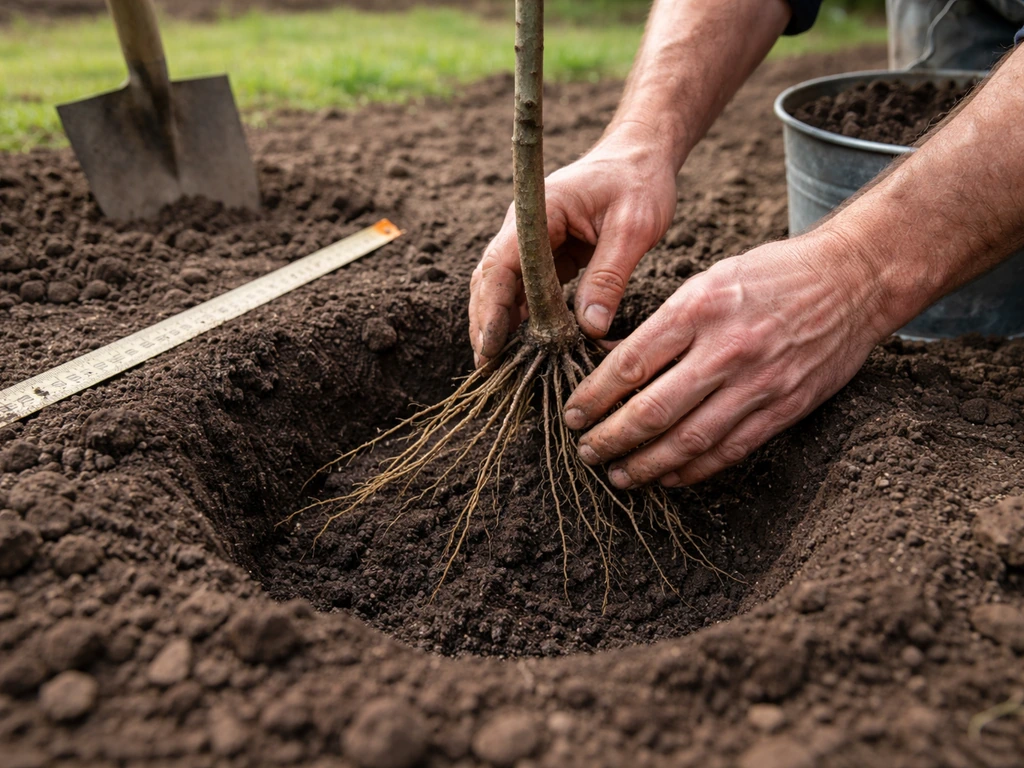
When to plant
The two best planting windows for bare-root nut trees in Ireland are mid-November to early December, when the trees are dormant but the ground is still relatively warm and manageable, and the second half of March through early April, when the ground is starting to warm after winter. Avoid planting when the ground is waterlogged or compacted from heavy rain, this causes soil structure damage around the roots that can hold trees back for years. Container-grown trees can be planted year-round if watered properly, but bare-root stock is cheaper and usually establishes just as well if planted in those two windows.
Spacing and site preparation
Hazel grown as a productive shrub can be kept to around 3 to 4 metres with regular coppicing (cutting the stems back hard every few years), which also keeps it productive. If you're planting for nut production rather than hedging, space plants at least 3 metres apart. Sweet chestnut becomes a large tree, give it a minimum of 10 to 12 metres from other trees and buildings. Walnuts need similar spacing (at least 10 metres) and prefer a deep, fertile, well-drained site that has been broken up to at least 90 centimetres depth with any compacted layers removed. For walnuts especially, improving drainage before planting is worth doing properly rather than hoping for the best.
Which cultivars to choose
Named cultivars propagated vegetatively (by grafting or layering rather than from seed) will start cropping much faster than seedlings. For hazel and cobnut, named varieties can begin bearing nuts in as little as three to four years, while seed-grown plants may take many more years and won't necessarily produce nuts true to the parent. Always buy named cultivars from a reputable nursery and plant at least two different varieties for cross-pollination. For walnuts in Irish conditions, 'Broadview' is one of the most frequently recommended cultivars for UK and Irish gardens due to its reliability and earlier cropping, 'Franquette' is another option, though it needs better summer warmth. For sweet chestnut, talk to an Irish or UK nursery about which cultivars ripen earliest, since getting the nuts to full maturity before autumn in Ireland's shorter season is a real consideration.
Feeding and mulching
Nut trees are not especially hungry compared to fruit trees, but they respond well to balanced feeding and a decent mulch. For walnuts, a practical routine is to apply a balanced general fertiliser (around 100g per square metre) in late February, followed by a nitrogen boost (around 35g per square metre of sulphate of ammonia) in late March. Apply a mulch of bark, compost, or well-rotted manure at least 5 centimetres thick around the base of the tree between November and February, keeping it away from direct contact with the trunk. Hazelnuts and chestnuts need less intensive feeding but will benefit from an annual mulch and a light spring fertiliser application in the first few years after planting.
Harvesting
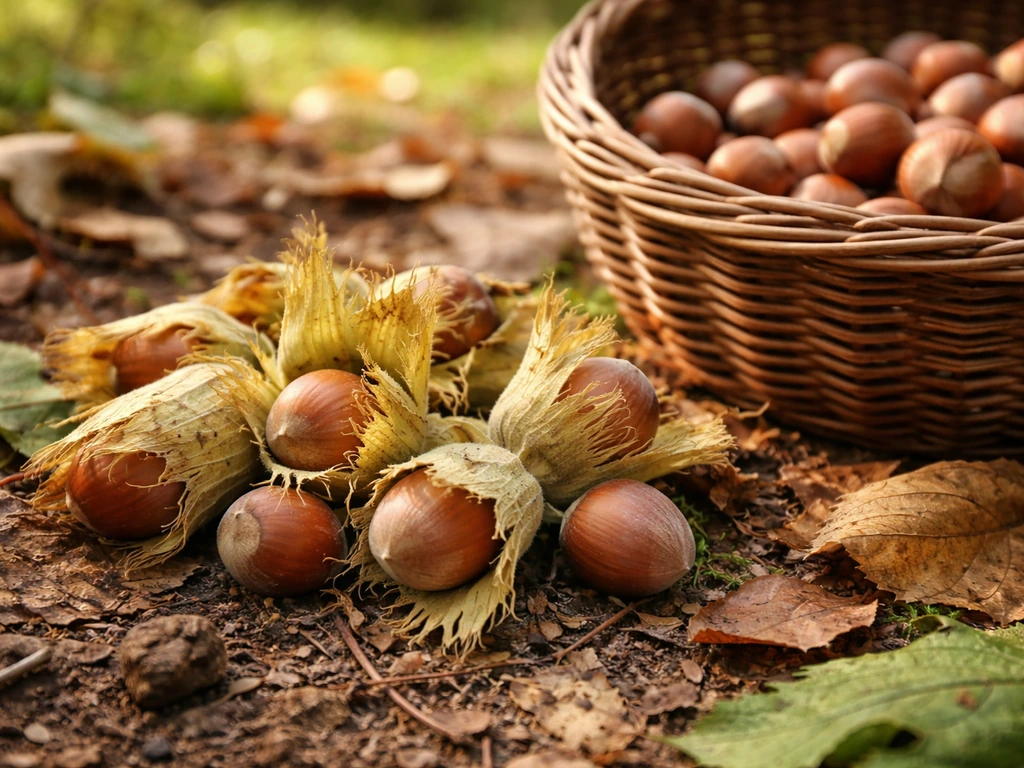
Hazelnuts are ready from late August to October, watch for the husk starting to yellow and loosen. If you're wondering do hazelnuts grow in the UK, the answer is yes, because their cool-climate nature suits similar conditions do hazelnuts grow in uk. Pick or gather them from the ground promptly because squirrels and mice will beat you to them otherwise. One thing worth knowing: the first nuts shed by a hazel tree are often non-viable, so don't judge the quality of a young tree by the very first drop. Sweet chestnuts fall naturally when ripe, usually September to November, and are best gathered as soon as possible after falling to avoid moisture and mould damage. Walnuts are ready when the green outer husk starts to split, typically in September to October in Ireland. Remove the husk, wash the shells, and dry them in a warm airy place before storing. If you are wondering about harvest odds from store-bought nuts, see will store bought hazelnuts grow for what that usually means for germination and time to first crop.
In terms of how long before you get a meaningful harvest: established named hazel cultivars can start cropping in three to four years from planting. Sweet chestnut takes longer to produce a serious crop, expect seven to ten years before you're harvesting meaningfully. Walnuts on named cultivars can start producing some nuts within five to seven years, though the crops will be modest for the first decade and dependent heavily on that year's weather. None of these are quick crops, which is worth knowing before you plant, but hazel is genuinely fast enough that most gardeners see results within a few seasons.
If you're specifically interested in hazel growing in Ireland, the conditions here are among the best in northern Europe for the species. That said, if you are asking about Ontario specifically, the key is whether your site can provide enough summer warmth and well-drained soil for hazelnuts do hazelnuts grow in ontario. The same basic guidance around cultivar selection and cross-pollination applies whether you're growing hazelnuts in Ireland or in comparable cool-climate regions like parts of the UK, though Ireland's higher rainfall and milder winters make it if anything a more naturally suited environment for hazel than many inland European sites. If you’re wondering do hazelnuts grow in Michigan, the key is whether your site can match their need for winter hardiness and a reliably warm, dry enough summer for good nut set growing hazelnuts in Ireland.
FAQ
Can I grow almonds, pistachios, or pecans outside in Ireland if I choose a sunny microclimate?
In most cases, no. Even with a warm spot, these species need reliably hot, dry summers and low humidity during nut development, which Irish weather rarely delivers. If you want to experiment, treat it as a long-term trial in a very sheltered site, expect mostly foliage with little or no nut set, and plan for losses in wet autumns.
Do I need two trees for hazelnuts, or will one produce nuts anyway?
For meaningful yields, plan on at least two different named hazel cultivars within about 6 to 8 metres. Hazel does not reliably self-pollinate, so a single plant can flower yet produce only a light crop. Keep in mind that cultivar choice matters because pollen shed and female flower timing must overlap.
How close do the trees need to be for chestnuts and walnuts to pollinate each other?
Sweet chestnut is self-incompatible, so two different trees are needed for cross-pollination. For distance, follow the wider spacing you already plan for tree size, but keep the orchard layout within the reach of wind pollen (practically, nearby plantings do better than isolated single trees). For walnuts, cross-pollination helps even if the tree is partially self-fertile, so having another cultivar in the vicinity usually improves the odds of nutting.
What’s the fastest way to get nuts in Ireland, seedlings or named cultivars?
Named cultivars are faster and more dependable for producing nuts. Seed-grown plants often take much longer to crop and may not match the parent’s nut quality. If your goal is a harvest in your lifetime, buy named varieties and allow for at least two cultivars for cross-pollination where required.
My garden floods after rain. Can I still grow chestnuts or walnuts by planting in a raised mound?
Raised beds or planting on a slope can help, but drainage must be genuinely effective. Chestnuts and walnuts dislike waterlogged roots, and repeated winter standing water can still cause root failure even if the top looks dry. If you cannot stop water pooling, hazel is the practical option unless you are willing to improve drainage thoroughly (for example, adding proper drainage and ensuring the subsoil is not compacted).
How do I know if my soil pH is suitable for chestnuts or walnuts before planting?
Test the soil first, ideally at planting depth. Sweet chestnut prefers slightly more acidic soil, around pH 5.5 to 6.5, while walnuts generally do best in slightly acidic to near-neutral conditions. If your soil is chalky or limestone-based, expect trouble unless you can adjust conditions, because raised beds with amended soil do not always change the underlying chemistry around roots.
What causes hazelnuts to drop early or stay small, even if the tree flowers?
Usually it is a pollination timing issue or weather risk around fertilization, not a feeding problem. If you have only one hazel cultivar, catkins may not shed at the right time for your female flowers. Also, very wet conditions during key periods can reduce success, so using two cultivars and placing them close enough for wind pollen improves outcomes.
Do late frosts in inland areas affect all nut trees equally?
Walnuts are the most vulnerable because late frosts can damage male and female development in spring, wiping out that year’s crop. Hazelnuts and chestnuts are less consistently impacted in the same way, but frosts can still reduce yields overall. If you live in a frost pocket, prioritize hazel, or choose the most frost-tolerant, early-flowering cultivars your nursery recommends.
Can I plant bare-root nut trees later than the recommended windows if my schedule slips?
Bare-root planting works best in mid-November to early December or in late March to early April. Planting into very wet ground or during active growth increases stress, especially for roots in Ireland’s heavy soils. If you miss the window, container plants can be planted year-round, but only if you can keep them watered and the site is not waterlogged.
What spacing should I use if I want nuts but also want to keep trees manageable?
For hazel grown for nuts, aim for several metres between plants (at least 3 metres if you want production rather than a hedge), and keep it coppiced to maintain a productive shrub size. Chestnuts and walnuts need much wider room because they become large trees, usually at least 10 metres from buildings and other trees. Crowding can also reduce airflow and increase the chance of damage from wind and damp.
How should I harvest and store walnuts, and what goes wrong if I rush it?
Harvest when the green husk starts to split, then remove the husk promptly, wash, and dry the nuts in a warm airy place. Waiting too long increases the risk of mould and poor kernel quality, and storing damp nuts can cause rancidity or shrinkage. Use shells that dry evenly, and keep storage cool and dry after curing.
Will buying nuts from a store and planting them work for growing trees in Ireland?
It can produce a tree, but it is unreliable for both nut quality and timing. Store-bought nuts may have been processed, and even if viable, seed-grown trees vary genetically, so you might not get the same nut performance. For a realistic harvest timeline, buy named cultivars from a reputable nursery and plan for cross-pollination where needed.