Yes, hazelnut can grow in India, but only in specific Himalayan hill regions where winters are cold enough to satisfy the tree's chilling requirement. On the plains, in coastal areas, or anywhere below roughly 1500–1800 m elevation, hazelnuts simply will not fruit reliably. The cool-season zones of Himachal Pradesh, Jammu and Kashmir, Uttarakhand, and parts of Arunachal Pradesh are where serious attempts make sense. Everywhere else, you're working against the tree's fundamental biology.
Does Hazelnut Grow in India? Climate, Types, and Tips
Marcus Hendricks
24 May 2026
Which parts of India actually work for hazelnuts
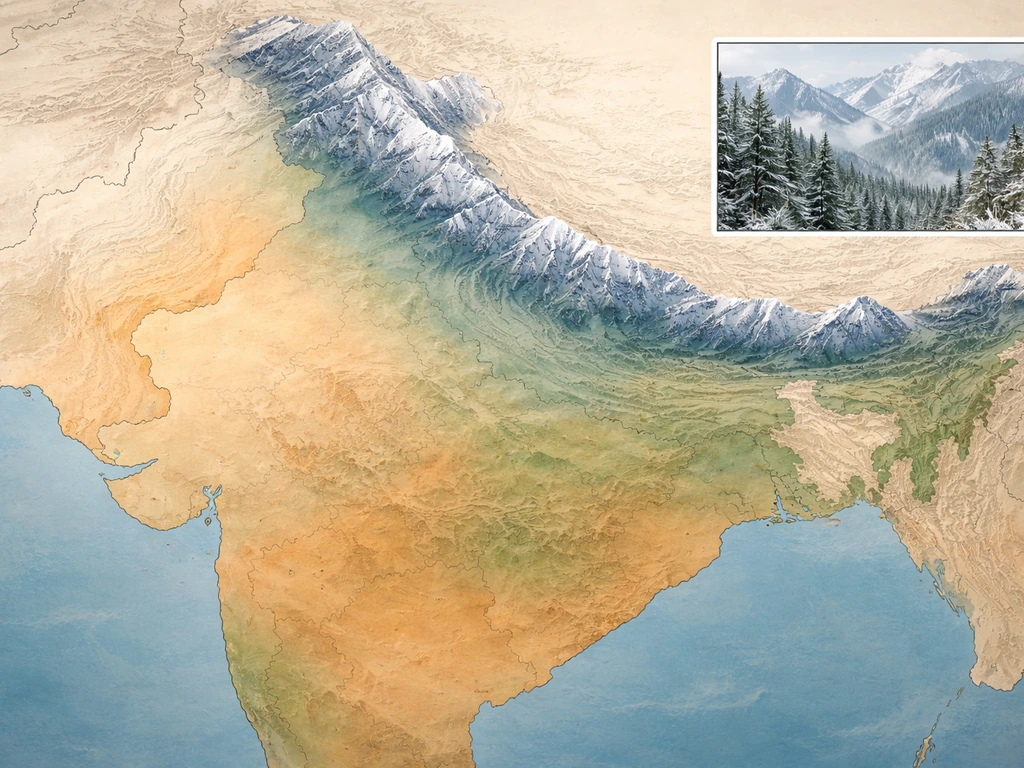
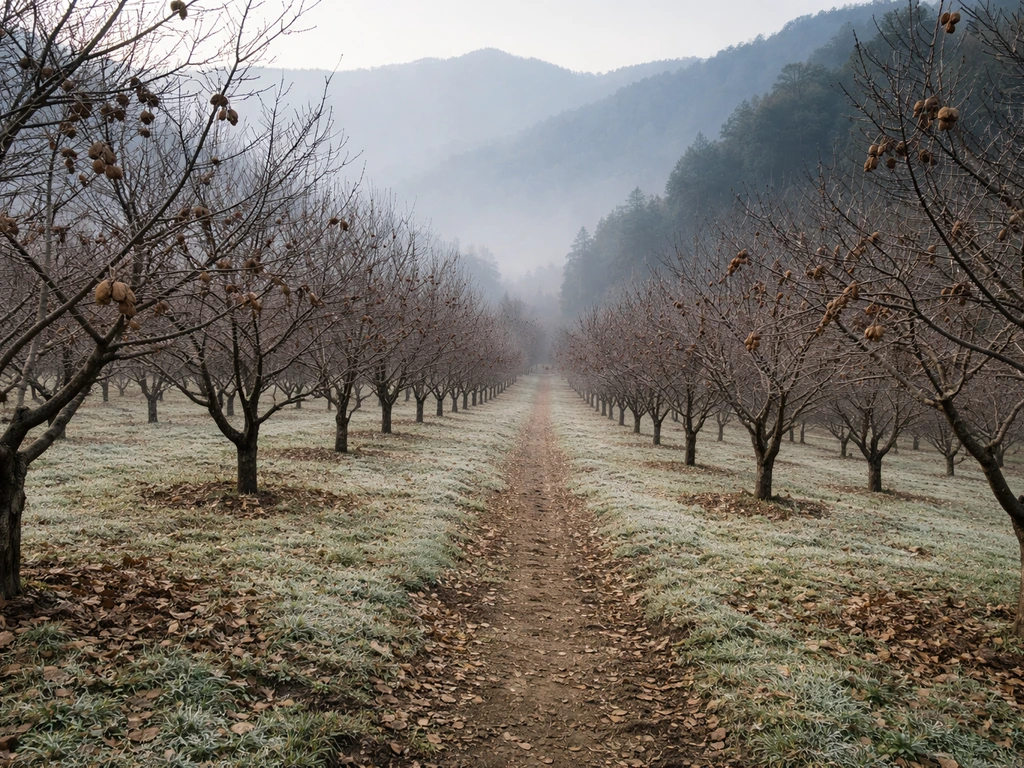
India's climate is overwhelmingly too warm for conventional hazelnut cultivation. The North Indian plains, the Deccan plateau, and all coastal zones are ruled out. What changes the picture is elevation. The Himalayan and sub-Himalayan belt creates pockets of genuine temperate climate where the tree can experience the cold winters it needs.
Himachal Pradesh is the most documented region. Research published in Acta Horticulturae explicitly evaluates hazelnut seedling trees native to India in this state, and Corylus jacquemontii, the Indian Himalayan hazel, is naturally distributed in Western Himalayan forests from Kashmir to Kumaon at roughly 1800–3300 m elevation. ICAR's Central Institute of Temperate Horticulture (ICAR-CITH), based in Srinagar with stations at Mukteshwar in Uttarakhand and Dirang in Arunachal Pradesh, has worked on hazelnut germplasm, which tells you exactly where the Indian government considers these trials viable.
The working rule of thumb: if your location sits above 1500 m in the Himalayan region and has genuinely cold winters where temperatures regularly drop below 7°C for extended periods between November and February, you have a shot. Below that elevation, particularly across the Indo-Gangetic plains, the answer is no, regardless of which variety you choose.
Sorting out which 'hazelnut' we're actually talking about
Before planting anything, it's worth being clear on species, because 'hazelnut' in India can mean different things to different people. The European or common hazelnut (Corylus avellana) is the species behind global commercial production and the nuts you find in Nutella and confectionery. It's what most people picture. Then there's Corylus jacquemontii, the Indian hazelnut, which is native to the Himalayas and grows wild in those high-altitude forests.
The nuts are edible and locally consumed, but it has not been developed into a commercial crop in the same way. There are also hybrid hazels (crosses between Corylus avellana and American Corylus species) that have been bred specifically for lower chill requirements, and these could be worth exploring for the lower end of India's hill elevations.
A common point of confusion in India is mixing up hazelnut with other similar-looking or similarly named nuts. Hazelnut is not the same as chestnut (Castanea), not the same as the Indian beech or pongam (Millettia pinnata), and not related to the 'hazel' names sometimes applied to Indian forest trees. Botanically, you want Corylus. ICAR-CITH's annual reports mention cultivar names like 'Morville' and 'Fertelia', both of which are Corylus avellana selections, as part of Indian temperate horticulture trials.
What the tree actually needs: chill hours, soil, spacing, and pollination
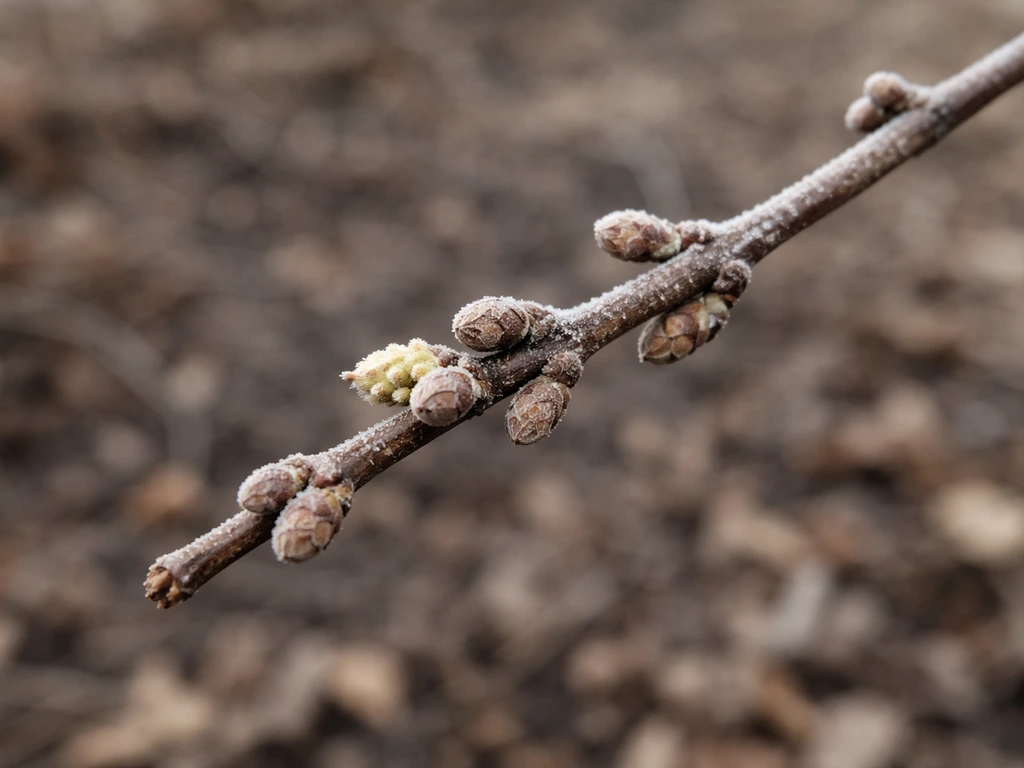
Chill hours: the non-negotiable
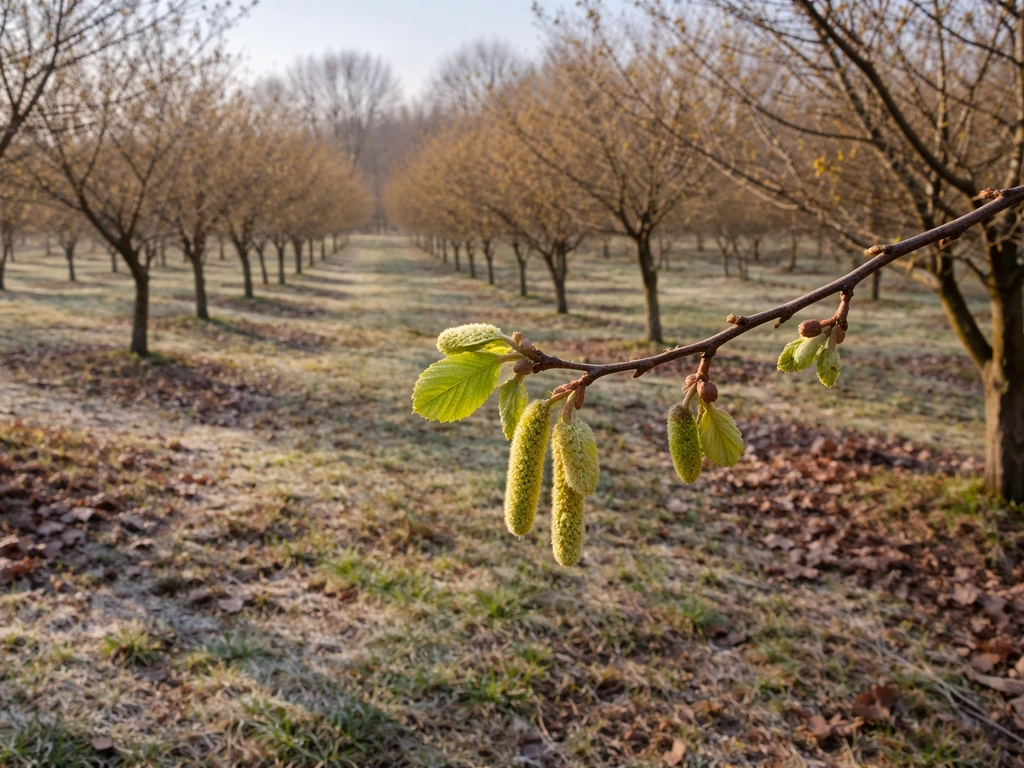
Chill hours are the number of hours a tree spends at or below roughly 7°C during dormancy. Corylus avellana cultivars have female flower bud chilling requirements in the range of approximately 290–1550 hours, and leaf bud requirements can reach up to 1690 hours depending on the genotype. Catkins (the male pollen-producing caterpillar-like structures) have lower requirements, sometimes under 100 hours.
The mismatch this creates is important: in a marginally cold location, the catkins may open and release pollen well before the female flowers are ready to receive it, wrecking fruit set for that season. Turkish cultivar research reinforces that different varieties have meaningfully different chilling needs, so variety selection for a specific Indian hill microclimate is not a guess, it's a calculation. If your site accumulates 600–900 chill hours through winter, look for cultivars in that documented range.
If it's less than that, standard Corylus avellana varieties are likely to underperform.
Soil requirements

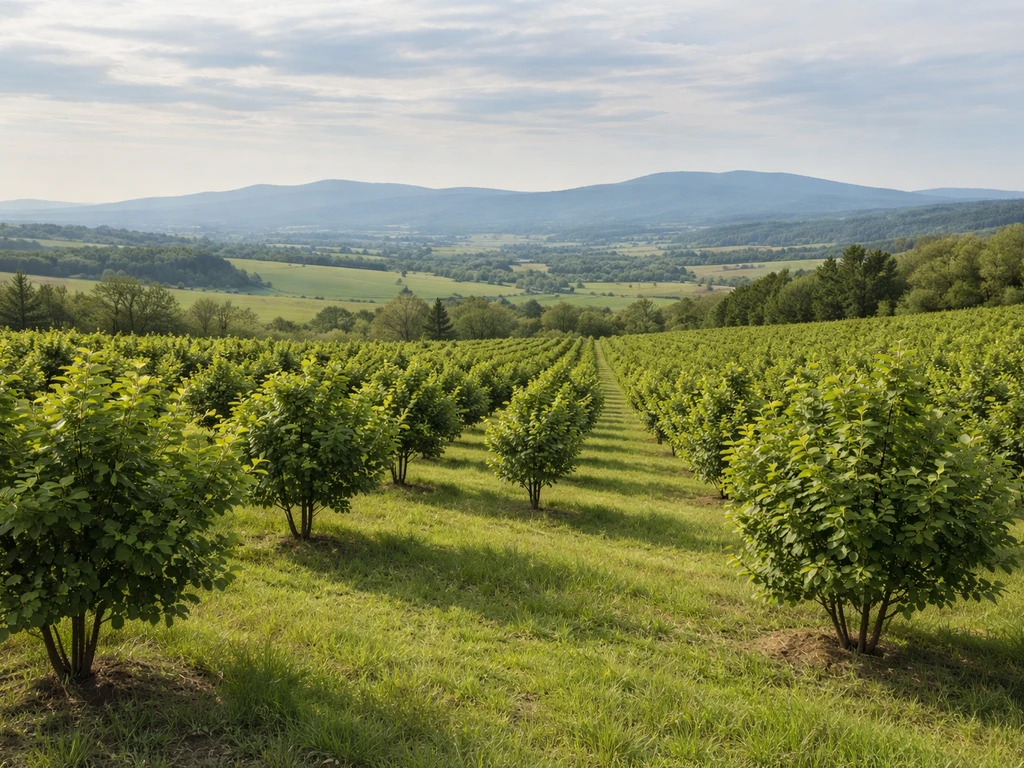
FAO Ecocrop data for Corylus avellana puts the preferred soil pH at around 6.0–6.5, with a workable range of approximately 5.5–7.5. The drainage descriptor is 'well (dry spells)', meaning the tree wants soil that drains freely but can also retain some moisture through dry periods. Heavy clay soils that waterlog in monsoon and mountain soils that are pure gravel are both problematic. In the Himalayan context, many hillside soils are loamy and reasonably well-drained, which is a genuine advantage. Avoid planting in valley floors where cold air pools and water accumulates. The ideal is a gently sloping, well-drained hillside with good organic matter.
Spacing and orchard layout
For a small planting or trial, standard commercial spacing runs around 4–5 m between trees in the row and 4–6 m between rows. High-density plantings can go as tight as 2. 5 m x 4 m per tree but require more intensive management and thinning as the canopy fills in. Research on hazelnut orchard design notes examples such as an adult orchard using single-stem spacing of 2.
5 × 4 m when evaluating yield and quality single-stem spacing of 2. 5 × 4 m in an orchard study. For a home or experimental plot in the Indian hills, starting at 4 m x 4 m is practical and gives you room to work around each tree.
Full sun is important; hazelnuts will grow in partial shade but nut production drops significantly.
Pollination: you need more than one tree
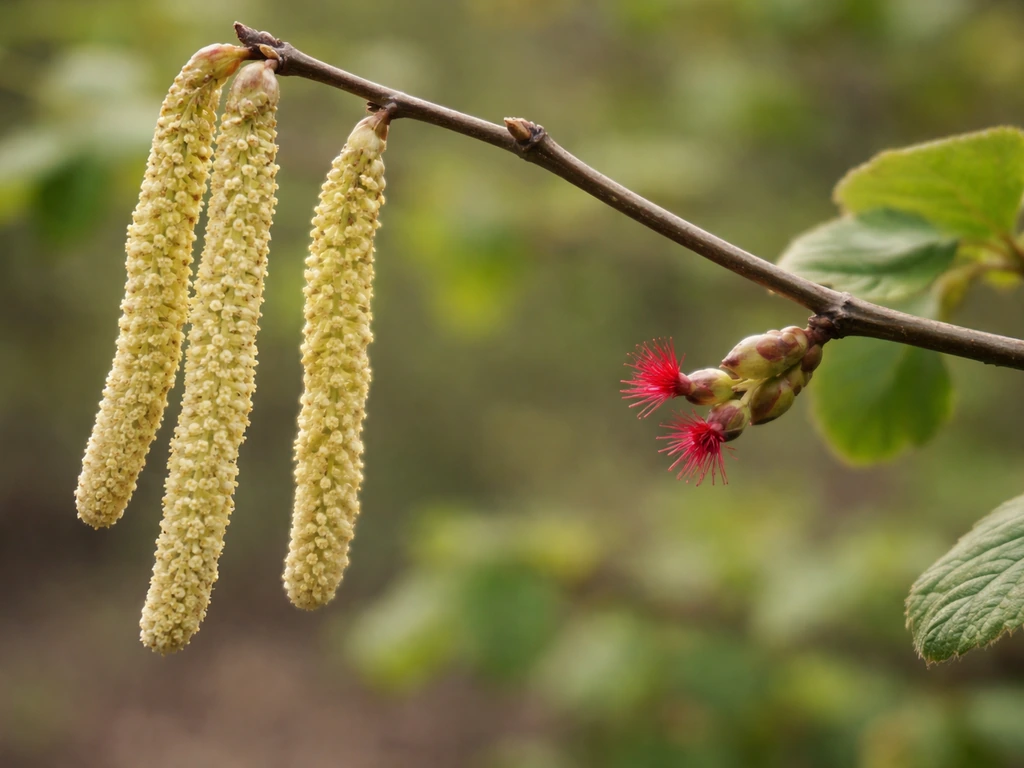
Hazelnuts are wind-pollinated and monoecious, meaning each tree carries both male catkins and female flowers, but they are largely self-incompatible. Cross-pollination from a different compatible variety is needed for reliable nut set. The female flowers are tiny red structures that emerge from buds in December–February in many temperate growing regions, while the catkins open separately. Peak pistillate (female) receptivity can last up to roughly three months if pollination doesn't occur, but in practice you want pollen shedding and female receptivity to overlap, which requires compatible varieties with synchronized bloom timing. Plant at least two, ideally three, compatible varieties together. If you're working through ICAR-CITH or a state horticulture department, ask specifically about pollination pairings for any varieties they provide.
How long before you get nuts, and how much should you expect
This is where honest expectations matter. Hazelnut trees generally begin producing their first meaningful nut crop around year 4–5 after planting, with full production typically not reached until year 7–10. Young trees in marginal chill sites will be slower. Early yields are modest, often just a kilogram or two per tree.
Mature trees in good conditions can reach 3–6 kg per tree annually, and commercial orchards are managed for per-hectare yields, not individual tree performance. In Indian hill conditions where these trees have not been grown commercially at scale, you are essentially working in an experimental framework. Expect the first few years to be about tree establishment, not harvest.
Indian Himalayan Corylus jacquemontii in its native habitat produces nuts used locally, but the yields are not commercially competitive with cultivated Corylus avellana orchards in Turkey or Oregon. For a broader view of where commercial hazelnuts are grown across Europe, see where do hazelnuts grow in europe Turkey. Water stress during the nut-fill period (typically late spring to early summer) is a key yield limiter; drip irrigation during this window significantly reduces premature fruit drop.
How to actually get started today
- Confirm your chill hours: Contact your state horticulture department or the nearest Krishi Vigyan Kendra and ask for local meteorological records showing hours below 7°C between November and February. If no records exist, a basic digital min/max thermometer running through one full winter gives you usable data.
- Contact ICAR-CITH: The Central Institute of Temperate Horticulture in Srinagar is the most authoritative Indian source for temperate nut crop guidance. Their regional stations at Mukteshwar (Uttarakhand) and Dirang (Arunachal Pradesh) are worth contacting directly if those regions are relevant to you. They have hazelnut germplasm and cultivar work ongoing.
- Choose your site carefully: Pick a gently sloping hillside above 1500 m (ideally 1800 m or higher) with southern or south-eastern exposure for maximum winter sun, good natural drainage, and protection from strong winds on the north side. Avoid frost pockets at valley bottoms.
- Prepare the soil: Test pH and aim for 6.0–6.5. Add compost or organic matter to improve water retention in rocky soils. Avoid lime applications if pH is already above 7.0.
- Source plants, not seeds: Seedling hazelnuts show wide genetic variation and may not perform predictably. If ICAR-CITH or state horticulture nurseries can provide grafted or rooted cuttings of named cultivars like 'Morville' or 'Fertelia', take that route. Buy at least two compatible varieties.
- Plant in late winter or very early spring (February–March in most Himalayan locations) when the tree is still dormant.
- Set up drip irrigation before nut-fill season (April–June) to prevent water stress-driven fruit drop.
- Mark your calendar for monitoring: Watch for EFB canker symptoms (elongated sunken lesions on branches) from the first growing season and address any aphid or mite pressure early.
The main problems you'll face and how to handle them
Insufficient chill hours and heat stress
This is the single most common reason hazelnut fails outside the Himalayan belt. Trees that don't accumulate enough chill hours develop erratically: late or sparse leafing out, poor catkin and female flower synchrony, little to no nut set. The fix is not to push harder, it's to move uphill or change location. If you're at 1200 m and struggling, 400 m of additional elevation can make a substantial difference. Selecting lower-chill adapted hybrids or genotypes is the other lever, and it's worth researching specifically what ICAR-CITH has evaluated against Indian hill conditions.
Late frost damage
In many Himalayan locations, the hazard is not too little cold, it's a late freeze after the tree has broken dormancy. Female flowers, which are delicate, can be killed by a frost event after emergence in late winter or early spring, eliminating that year's crop entirely. Row covers or frost cloth over young trees during late frost events can protect them. Choosing a site with cold-air drainage so frost doesn't settle is more effective long-term than reactive protection.
Eastern filbert blight (EFB)
Eastern filbert blight, caused by the fungus Anisogramma anomala, is described by OSU Extension as the most serious, widespread, and limiting disease of hazelnut. It forms sunken cankers that kill branches progressively. While EFB is primarily a documented problem in the Pacific Northwest of the US, it is a globally relevant pathogen for Corylus avellana and should be on your radar in any new planting. In Pacific Northwest management handbooks, [Eastern filbert blight (EFB) caused by Anisogramma anomala](https://pnwhandbooks.
org/plantdisease/host-disease/hazelnut-corylus-avellana-cankers) is described as the most significant canker disease of hazelnut, making it a key risk management target for new plantings. If you are wondering where nuts like hazelnuts grow in the US, start by checking states in the cooler Pacific Northwest where the crop and its risks are most documented. Choosing EFB-resistant or EFB-tolerant varieties where available is the most effective management strategy.
Pruning infected material immediately, well below the visible canker margin, and burning the prunings prevents spread.
Aphids, mites, and other insects
Hazelnut aphids and spider mites are the most commonly encountered insect and mite pests. In Indian hill conditions, local aphid and mite species may differ from those documented in Oregon or Turkey, but the management principles are the same: monitor early, encourage beneficial insect populations, and apply appropriate controls only when thresholds are exceeded. OSU Extension's integrated pest management approach for hazelnuts recommends integrating disease management sprays with miticide applications where needed, which reduces overall spray passes. Avoid overuse of broad-spectrum insecticides that kill natural predators.
Monsoon waterlogging
The Indian monsoon delivers intense rainfall between June and September, which can saturate soils and cause root rot in poorly drained sites. This is another reason sloping sites with genuine drainage are non-negotiable. If you're planting on a relatively flat area, consider raised bed preparation or mounding individual planting spots to keep root crowns above waterlogging level.
If your region is too warm or too low: what to try instead
If you're below 1000 m, in a warm plains or coastal location, or anywhere that winters don't reliably produce several hundred hours below 7°C, hazelnut cultivation for nuts is not a realistic goal. Because can hazelnuts grow in the tropics depends mainly on chill hours, most tropical locations fail to meet Corylus chilling needs.
In Australia, hazelnuts generally do best in cool, temperate regions with enough winter chill, such as parts of Tasmania and the cooler southeast coastal and highland areas several hundred hours below 7°C. For reference on the United States, hazelnuts are typically grown in the cooler temperate regions, especially in parts of the Pacific Northwest and similar climates where do hazelnuts grow in the United States. That's worth saying plainly rather than encouraging an expensive, multi-year failure.
There are practical alternatives. Macadamia (Macadamia integrifolia) performs in warmer, humid subtropical Indian zones including parts of Karnataka, Kerala, and Andhra Pradesh. Cashew (Anacardium occidentale) is of course already well established in coastal India and produces commercial yields in exactly the kind of climate where hazelnut cannot. For those in the Himalayan foothills who are close but slightly too warm for hazelnut, walnut (Juglans regia) is a better fit at lower elevations and is already commercially grown in Himachal Pradesh and Uttarakhand. Chestnut (Castanea sativa) is another temperate nut crop that performs in similar Indian hill conditions and is more tolerant of marginal chill sites than hazelnut.
If you're in a hill region with genuine cold winters but want to hedge your bets, growing a mixed block of walnut and hazelnut makes sense. Walnut will almost certainly produce while hazelnut is still establishing and proving itself in your specific microclimate. The two crops do not compete for the same pest/disease pressures and complement each other in terms of harvest timing.
For anyone seriously interested in Corylus in warm or marginal zones, the research direction to watch is low-chill hazelnut hybrids. Breeding programs in the US and Turkey are developing material with reduced chilling requirements, and some of that germplasm may eventually reach Indian research institutions. Keeping contact with ICAR-CITH puts you in a position to access that material as it becomes available. For now, though, if you're below the Himalayan belt, the better decision is to match your nut tree to your climate rather than trying to force hazelnut into conditions it wasn't built for.
| Nut tree | Min. elevation (India) | Chill requirement | Viable Indian regions | Commercial status in India |
|---|---|---|---|---|
| Hazelnut (Corylus avellana) | ~1500–1800 m | High (290–1550+ chill hours) | J&K, Himachal Pradesh, Uttarakhand, Arunachal Pradesh (hills) | Experimental/trial stage |
| Indian hazel (Corylus jacquemontii) | 1800–3300 m | High (native to Himalayas) | Western Himalayas (Kashmir to Kumaon) | Local/subsistence use only |
| Walnut (Juglans regia) | ~1000–2500 m | Moderate | Himachal Pradesh, J&K, Uttarakhand | Established commercial crop |
| Chestnut (Castanea sativa) | ~1200–2200 m | Moderate | Himalayan foothills | Limited but growing |
| Cashew (Anacardium occidentale) | 0–500 m | None (tropical) | Kerala, Karnataka, Goa, Andhra Pradesh | Major commercial crop |
| Macadamia (Macadamia integrifolia) | 0–1000 m | None (subtropical) | Karnataka, Kerala, Tamil Nadu hills | Small but established |
FAQ
Can I grow hazelnut in India if my area is a bit warm, like 1200–1500 m?
Yes, but only if you can meet chilling needs through cool, dry winter nights, not just daytime cold. Warm days above about 15 to 18°C followed by short cold snaps often still won’t produce enough hours at or below roughly 7°C, so seedlings can leaf out late and fail to set nuts. Use a local temperature logger in your exact spot for at least one winter before investing in trees.
How do I confirm I’m buying the right hazelnut (Corylus) and not a similarly named nut?
Avoid planting “hazelnut trees” sold as chestnut, beech, or various “hazel” forest trees. The key is the genus, Corylus, and ideally the species or cultivar (for example Corylus avellana cultivars, or Corylus jacquemontii if that is what you are actually buying). If the tag only says “nut tree” or gives no Corylus name, treat it as a red flag.
If hazelnut is wind-pollinated, do I still need multiple varieties in India?
Because hazelnuts are wind-pollinated and self-incompatible in practice, spacing and grouping matter. Keep the cross-pollination varieties in the same block, ideally within a few rows of each other, and plan for at least two compatible cultivars, preferably three. If you plant only one cultivar, you may get some growth but nut set can be very unreliable.
What’s the best way to check drainage and monsoon risk for hazelnut on a slope?
Test soil drainage before you plant. In hill regions, dig a pit and check how fast water drains after saturating it, because monsoon saturation can trigger root problems even when the hillside looks “well-drained.” If water lingers for a long time at the root crown depth, plan raised beds or mounding to lift the crown above the wettest zone.
Do row covers really protect hazelnuts from late winter frost in the Himalayas?
Frost protection is most useful for young trees and only when used proactively. Row covers can help against late frost, but they must be installed before temperatures drop and removed during the day when conditions allow, to avoid trapping heat and stressing buds. Also, cold-air drainage matters, so choosing a site where cold air does not settle often beats relying on covers every year.
If my hazelnuts don’t fruit, how can I tell whether it’s chilling mismatch versus another problem?
In marginal chill sites, the bigger issue is often mismatch between male pollen timing and female receptivity, not just “winter cold.” You can interpret symptoms seasonally: delayed, sparse leafing, catkins that open much earlier than the tiny female structures, and poor nut set point to chilling mismatch. In that case, switching cultivars or moving to a slightly higher pocket is usually more effective than adding fertilizer or water.
What yield timeline should I realistically expect for a new hazelnut planting in Indian hill conditions?
For first crops, don’t expect heavy yields in years 1 to 3, even in good sites, and avoid over-pruning that slows canopy establishment. Focus on training and keeping the canopy healthy, then evaluate nut set in years 4 to 5. If there is no meaningful fruiting by mid-year range, assume chilling or pollination timing is limiting rather than nutrient deficiency.
If I’m using mounds or raised beds, do I still need drip irrigation during nut fill?
Yes, raised beds can work well in areas with monsoon waterlogging, especially if you use a coarse, well-draining planting mix and ensure the root crown stays above the wettest level. The “dry spells tolerance” mentioned for hazelnut does not mean “drought stress at nut fill,” so you still need irrigation during late spring to early summer to prevent premature fruit drop.
How do I manage eastern filbert blight risk when starting hazelnuts in India?
Eastern filbert blight is a long game, and prevention is easier than rescue. Buy only healthy, disease-free planting material, disinfect tools between pruning cuts, and remove infected branches quickly, cutting well below visible canker margins. If you see repeated canker-like dieback, treat it as a serious signal and coordinate with local extension or pathologists for confirmation.
Does wind matter for hazelnut establishment and fruiting in Indian hill areas?
Beyond winter chilling, wind exposure can affect performance by increasing bud desiccation and reducing pollination efficiency in some microclimates. If your slope is very windy, choose a site with some natural windbreak (or plan one) and avoid placing young trees in the most exposed ridgeline “spray zone.”
Can fertilization errors cause hazelnut failure that looks similar to poor chilling?
Yes, nutrient imbalances can look like “cold damage.” In particular, over-fertilizing with nitrogen late in the season can encourage tender growth that is more vulnerable to winter injury. In practice, aim for balanced nutrition and avoid heavy late-season nitrogen, then correct deficiencies based on soil and leaf testing rather than guessing.