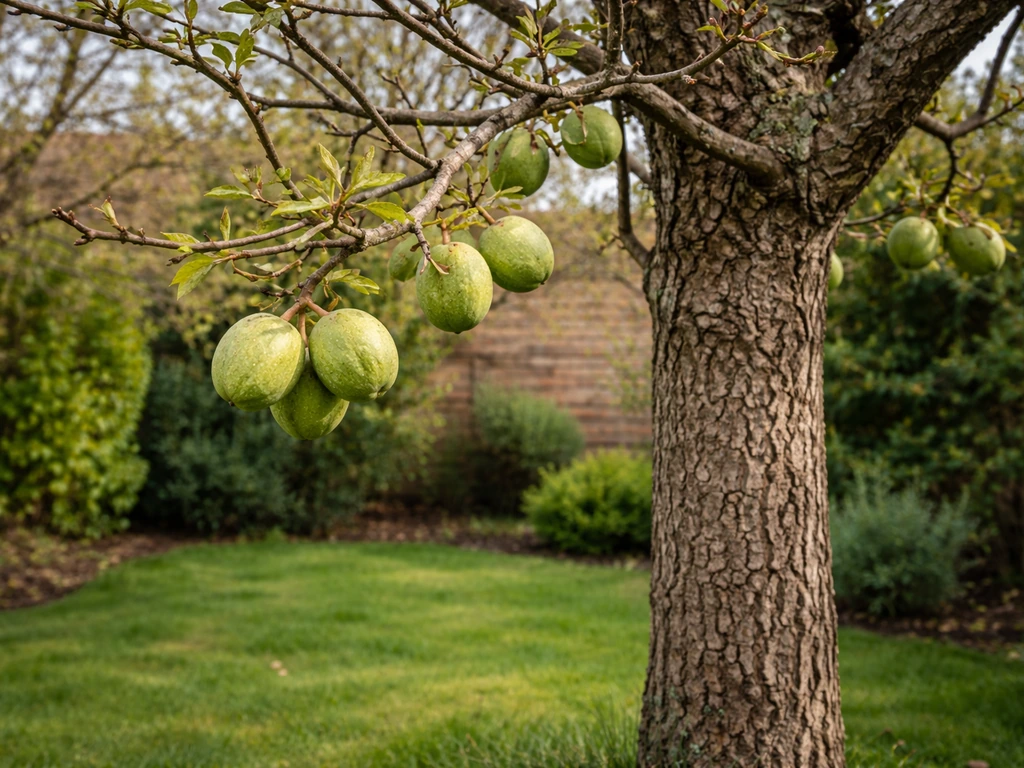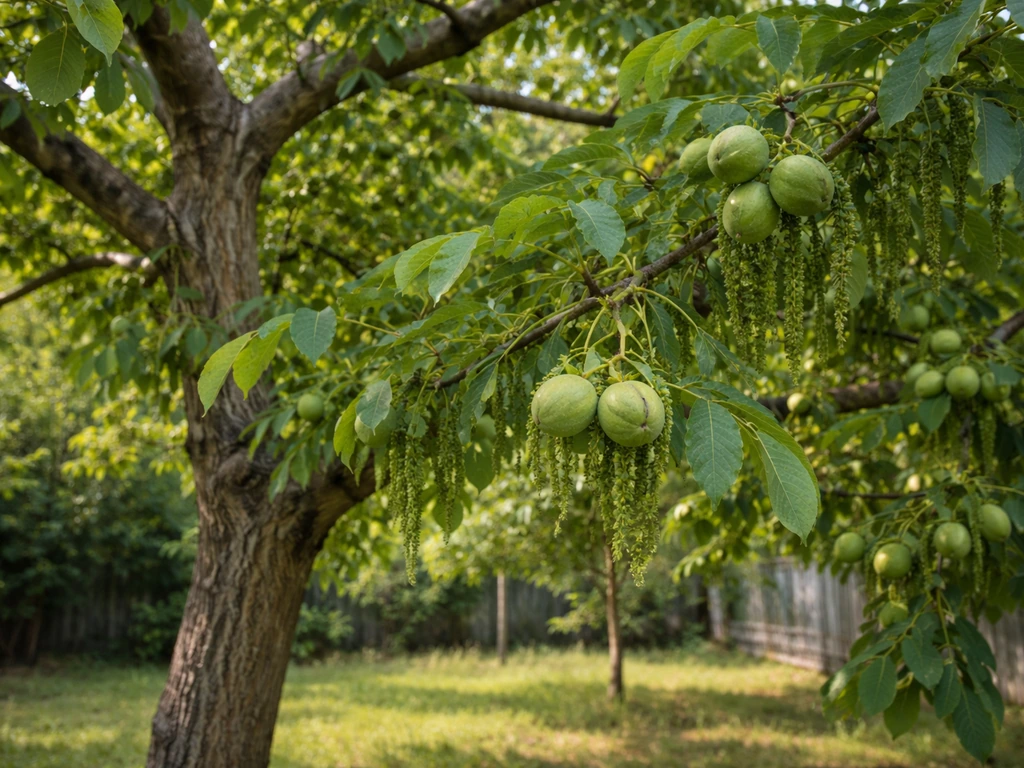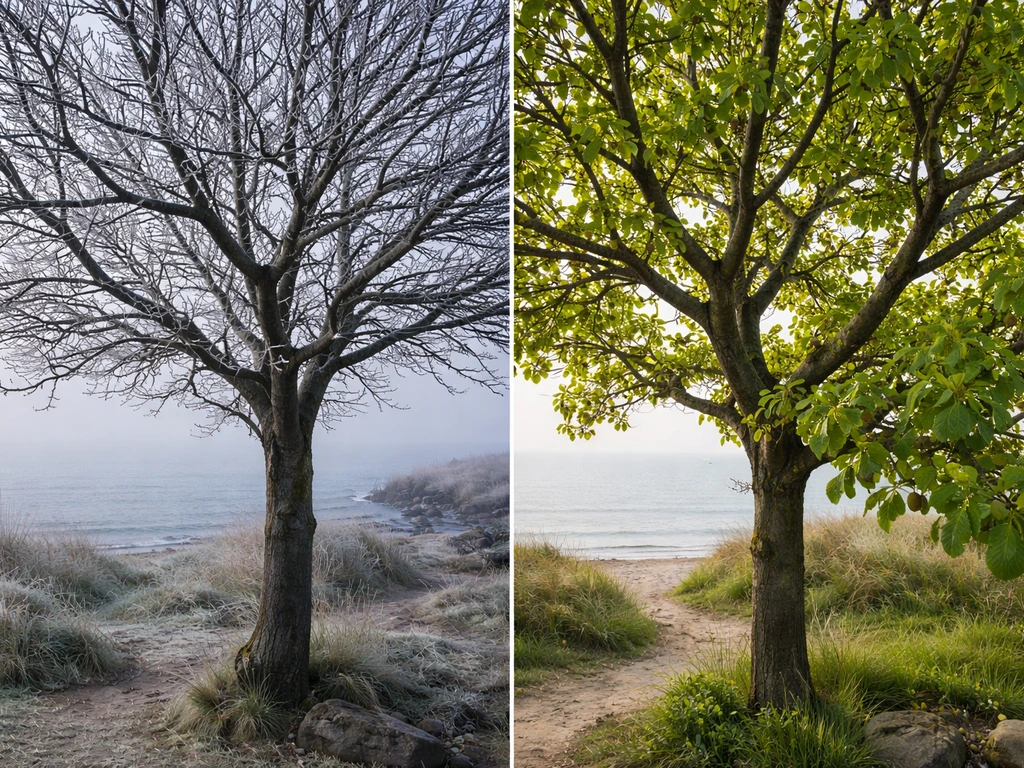
Hazelnut trees grow naturally across Europe and western Asia, and in cultivation they thrive best in temperate climates with cold winters and moderate summers, roughly USDA Zones 4 through 8. That is the short answer. But the fuller picture matters if you are trying to figure out whether your specific yard, region, or country can actually support them, because hazelnuts are pickier than they look. They need real winter chill, good drainage, and a compatible neighbor tree to produce anything worth harvesting.
Where Does Hazelnut Grow Best: Range, Conditions, and Tips
Marcus Hendricks
2 Apr 2026
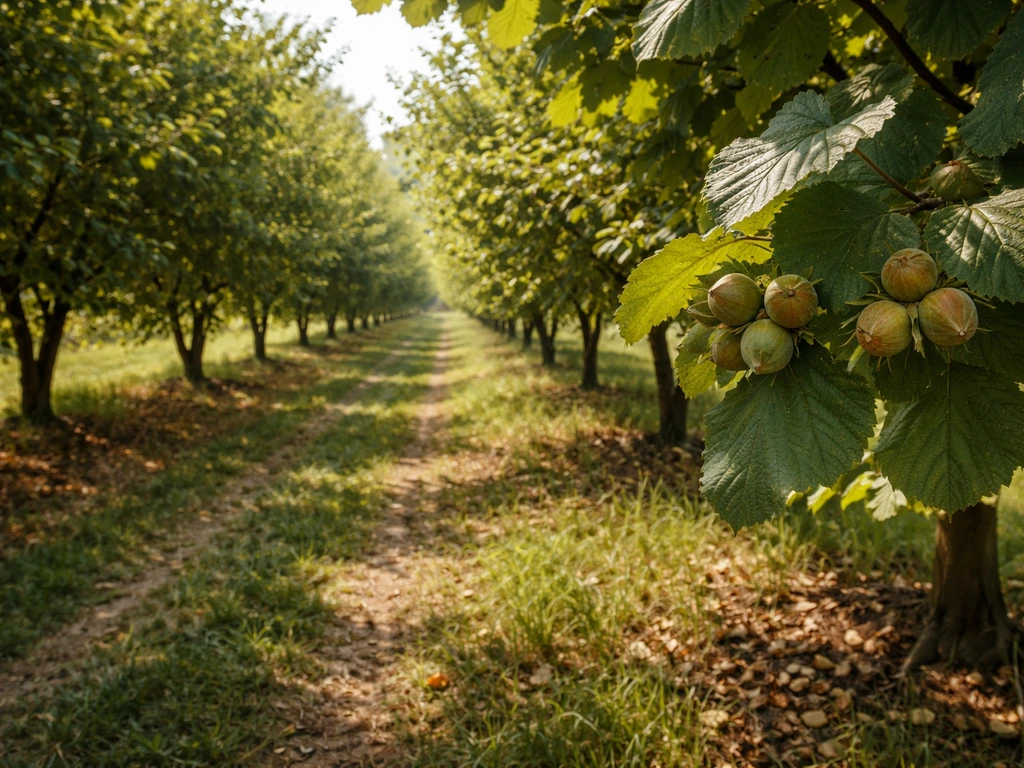
Natural range and origin of hazelnuts
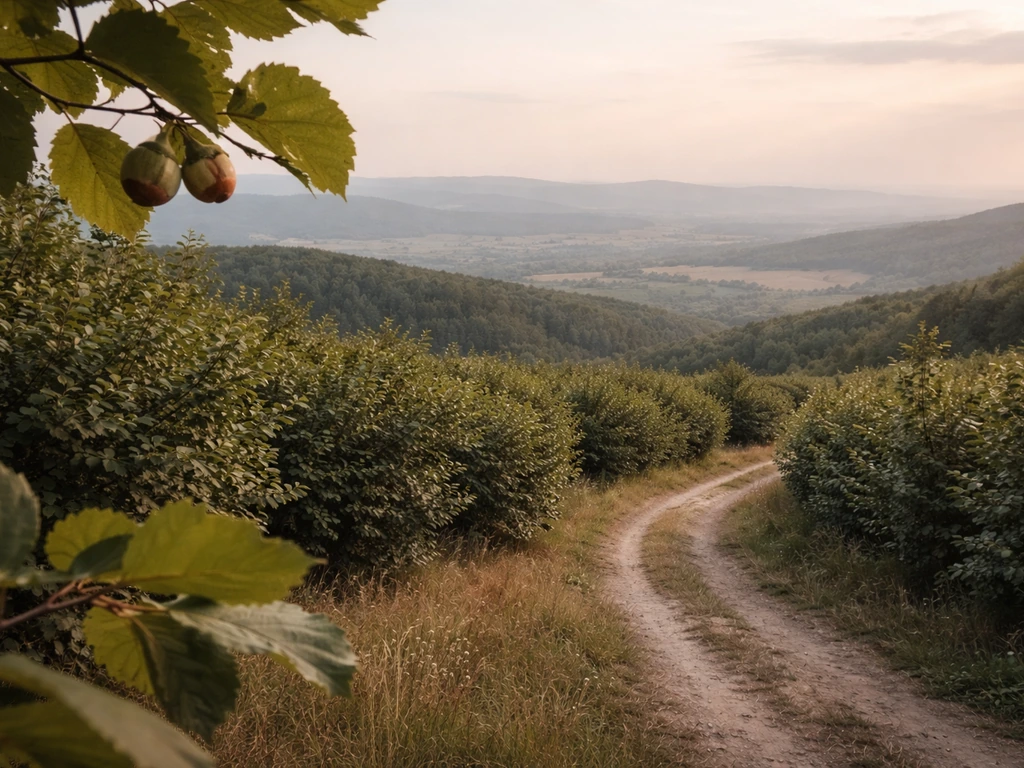
The species behind most of the world's hazelnut production is Corylus avellana, commonly called European hazelnut or common hazel. Its native range stretches from the Atlantic coast of Europe and North Africa all the way northeast through Scandinavia (reaching the coastal regions of Norway) and east into the Caucasus and western Asia, including Greece and Turkey. That is a wide band of territory, but it shares a common thread: temperate woodland and hedgerow conditions with distinct seasons.
Turkey sits at the eastern edge of that natural range and has become by far the world's largest hazelnut producer, accounting for the bulk of global supply. Italy is the second major commercial producer, and both countries benefit from temperate Mediterranean-type climates that suit Corylus avellana perfectly. Commercially speaking, hazelnut production is concentrated in these climates rather than the tropics or subtropics, which tells you something important about what the tree actually needs.
Beyond Europe, hazelnut cultivation has spread to any temperate region with the right conditions. If you are wondering where hazelnuts grow in Europe beyond the traditional strongholds of Turkey and Italy, the answer is broadly across the continent, from hedgerows in the British Isles to managed orchards in Spain, France, and southeastern Europe.
Hazelnut trees vs hazel trees: what hazelnuts actually grow on
This trips people up more than it should. Hazelnuts and hazel trees are the same plant. The nut you eat is the seed of the hazel shrub or small tree, specifically from the genus Corylus. When you see "hazelnut tree" and "hazel tree" used interchangeably, both are referring to Corylus avellana or one of its relatives. The distinction between calling it a tree versus a shrub is partly about how it is grown: left alone, European hazel typically grows as a multi-stemmed shrub reaching around 3 to 8 meters tall, but it can be trained into a single-trunk tree form.
The nuts develop from the female flowers on the plant. Hazel has separate male and female flowers on the same plant, but they are quite different from each other. The male flowers are the familiar dangling catkins you see in late winter, which release clouds of pollen into the wind. The female flowers are tiny, almost hidden, with bright red stigmas poking out from a small bud. After wind pollination, the fertilized female flower develops into the nut, wrapped in a leafy green husk. Each nut is essentially the hazel tree's seed, hardened into the shell you crack open.
Where hazelnut trees grow best
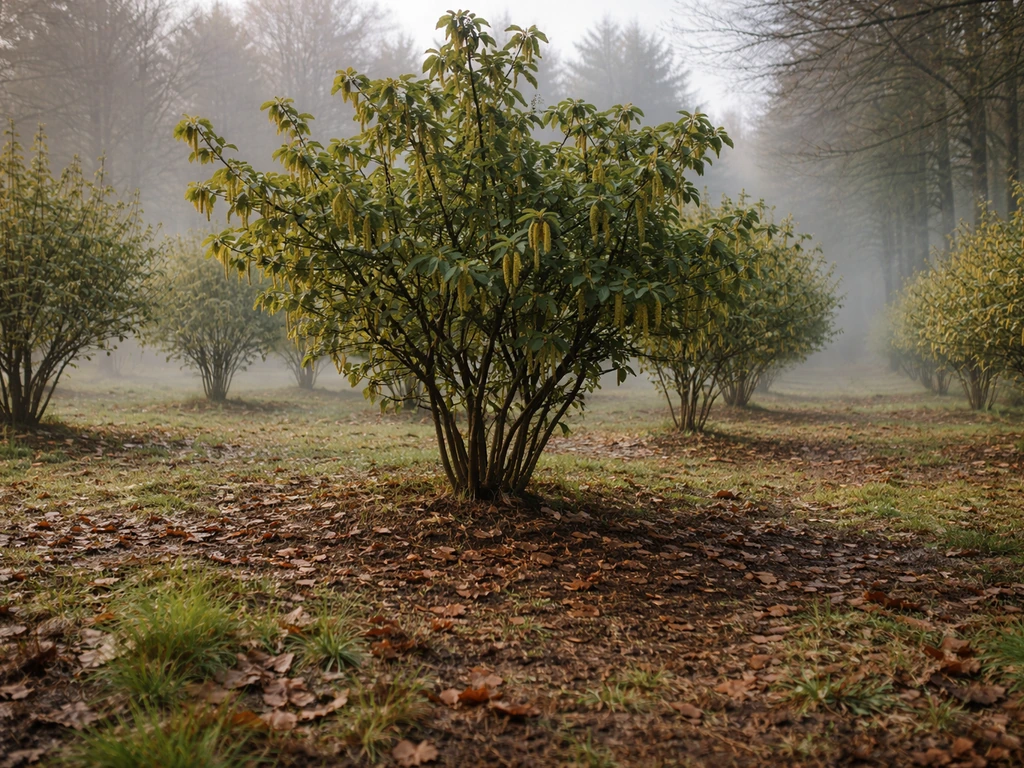
If you want to know where hazelnut trees will genuinely thrive rather than just survive, the answer comes down to climate zone, winter chill, and a few regional specifics. European hazelnut grows well in USDA Zones 4 through 8. Outside that range, you will run into problems on both ends: too cold in Zone 3 and below, and not enough winter chill in Zone 9 and warmer.
That winter chill requirement is not a minor detail. Hazelnuts need blank" rel="noopener noreferrer">roughly 800 hours below 45°F (7°C) to break dormancy properly and set a good crop. Without that chill accumulation, flowering and nut development become erratic. This is why hazelnuts cannot grow in the tropics in any practical sense: the chill hours simply do not exist at low latitudes and elevations.
In the United States, the prime commercial hazelnut zone is Oregon's Willamette Valley, which consistently produces the vast majority of the U.S. crop. USDA data from 2025 confirmed this region continues to dominate domestic production with record-level harvests. Business Oregon notes that blank" rel="noopener noreferrer">Oregon produces 99% of the hazelnuts grown in the United States. The Pacific Northwest climate there, mild and wet winters with warm dry summers, is almost tailor-made for Corylus avellana. For a deeper look at the full picture of where hazelnuts grow in the United States, including regions beyond the Northwest, there is quite a bit of geographic nuance worth understanding.
The Midwest is a different story. Hazelnuts can be grown in states like Wisconsin, but Eastern filbert blight disease and cold hardiness considerations complicate orchard success there compared to the Pacific Northwest. Australia rounds out the global picture: commercial production is centered in Victoria (central and eastern areas) and northern Tasmania. Tasmania's cool climate allows slow nut maturation with harvest typically in March and April, and the island contributes roughly 30% of Australia's national hazelnut production. For the full breakdown of where hazelnuts grow in Australia, the regional variation is surprisingly significant.
India is a question that comes up often, and the answer is complicated by elevation and regional climate. If you are curious about whether hazelnuts grow in India, the cooler, higher-elevation regions of the north have more potential than the lowland tropics, though commercial scale production is not established there.
Seasonal timing: when hazelnuts grow and the harvest window
The hazelnut seasonal calendar is longer than most people expect, and it actually starts the year before you harvest. Flower cluster formation begins on the current season's growth, but the full reproductive cycle, from flower initiation to nut-in-hand, spans more than a year. That long lead time is worth keeping in mind when you are establishing new trees, because the first real crop takes several years to show up.
In the Pacific Northwest, male catkins develop and are visible through fall and early winter. Peak pollination occurs in January through February, when the catkins shed pollen and wind carries it to the tiny red female flowers on the same or neighboring trees. After pollination, the fertilized flowers develop slowly through spring and summer, with the nut and husk maturing through late summer. By mid-September to October (depending on variety), the green husks dry out and begin to spread open, and the nuts drop to the ground for harvest. In the eastern U.S., the timeline shifts somewhat: in New Jersey, for instance, pollen shed generally occurs in February through March.
Understanding what climate hazelnuts grow in makes the seasonal calendar make more sense. The cold winter period is not just about triggering dormancy; it overlaps with the pollination window, which is why mild-winter climates disrupt the whole cycle.
How hazelnuts grow: the plant's growth cycle
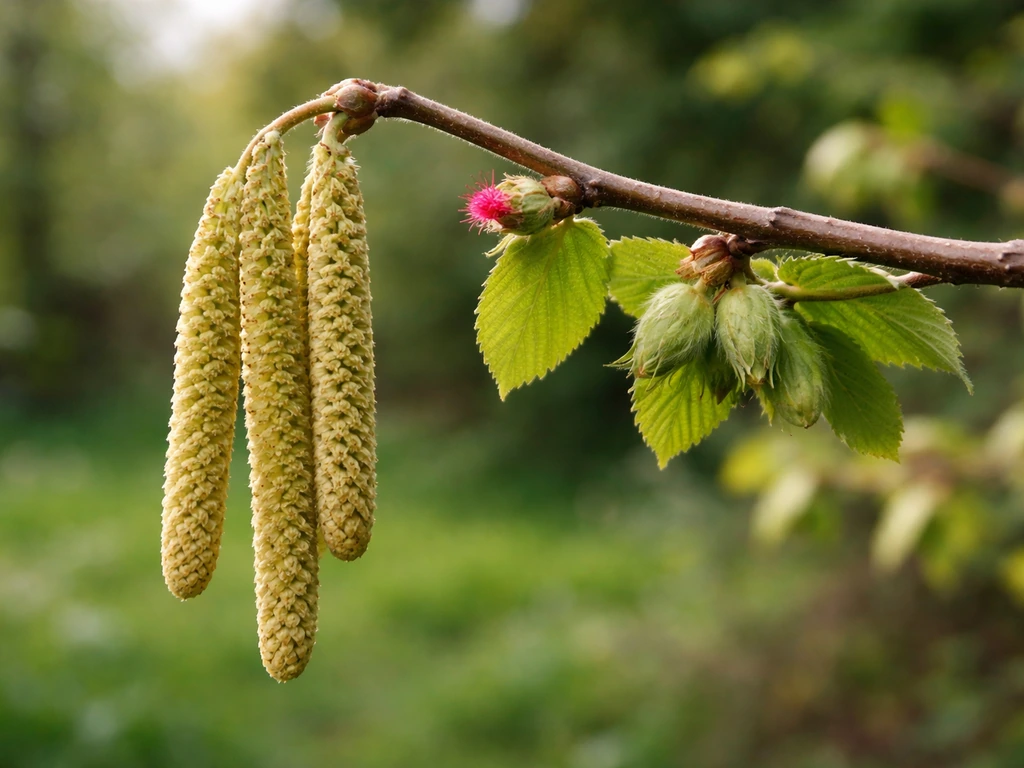
Hazel is a deciduous plant, meaning it drops its leaves in autumn and goes dormant through winter. During dormancy, the male catkins are already present on the branches, pre-formed and waiting for the right temperature conditions to elongate and release pollen. This is why you can see the catkins on a leafless hazel in January, they were set up in the previous growing season.
Once pollination occurs, the female flower is fertilized but development of the actual nut is slow. The embryo essentially pauses for months before resuming growth in spring. Leaves flush out, the shrub puts on new growth, and the developing nuts quietly swell through summer inside their leafy husks. As autumn approaches, the husks dry and loosen. At that point the nut is mature and can fall on its own or be harvested by shaking the branches.
The plant itself tends to sucker aggressively from the base, sending up new shoots that can turn a single planting into a dense multi-stemmed clump if you do not manage them. In an orchard setting, regular sucker removal keeps the plant productive and easier to harvest. In a hedgerow or wildlife planting, the suckering habit is actually an asset.
Hazelnut is far from the only nut worth considering for a temperate garden or orchard, and if you want context on the broader landscape, looking at where different nuts grow across the U.S. can help you figure out which species fits your specific region best before committing to hazelnuts.
How to grow hazelnuts: from planting to first establishment
Growing hazelnuts is not especially difficult once you understand their requirements, but there are a handful of decisions early on that will determine whether you end up with productive plants or a frustrating experiment. Here is what I would tell someone starting from scratch.
Step 1: Pick the right variety for your zone
In the Pacific Northwest, European hazelnut cultivars like Barcelona, Ennis, and Theta perform well, and high-density orchard systems developed by OSU have made commercial production highly efficient. In the Midwest and eastern U.S., Eastern filbert blight disease is a serious threat to European varieties, so look for blight-resistant cultivars, many of which are hybrids with the native American hazelnut (Corylus americana). These hybrids sacrifice some nut size and quality but survive where straight European varieties often fail.
Step 2: Plan for two trees minimum
Hazelnut is self-incompatible. This means a single tree will not set a worthwhile crop because the pollen from its own catkins cannot fertilize its own female flowers, due to genetic S-allele incompatibility. You need at least two trees of different varieties with compatible S-alleles. In New Jersey and similar eastern states, this is a non-negotiable part of orchard planning. For commercial orchards in the Pacific Northwest, OSU recommends placing pollinizer trees every third tree in every third row to ensure adequate pollen distribution. For a home planting, two to three compatible varieties growing within reasonable wind-pollination distance (ideally within 18 meters or so) is the practical minimum.
Step 3: Plant correctly
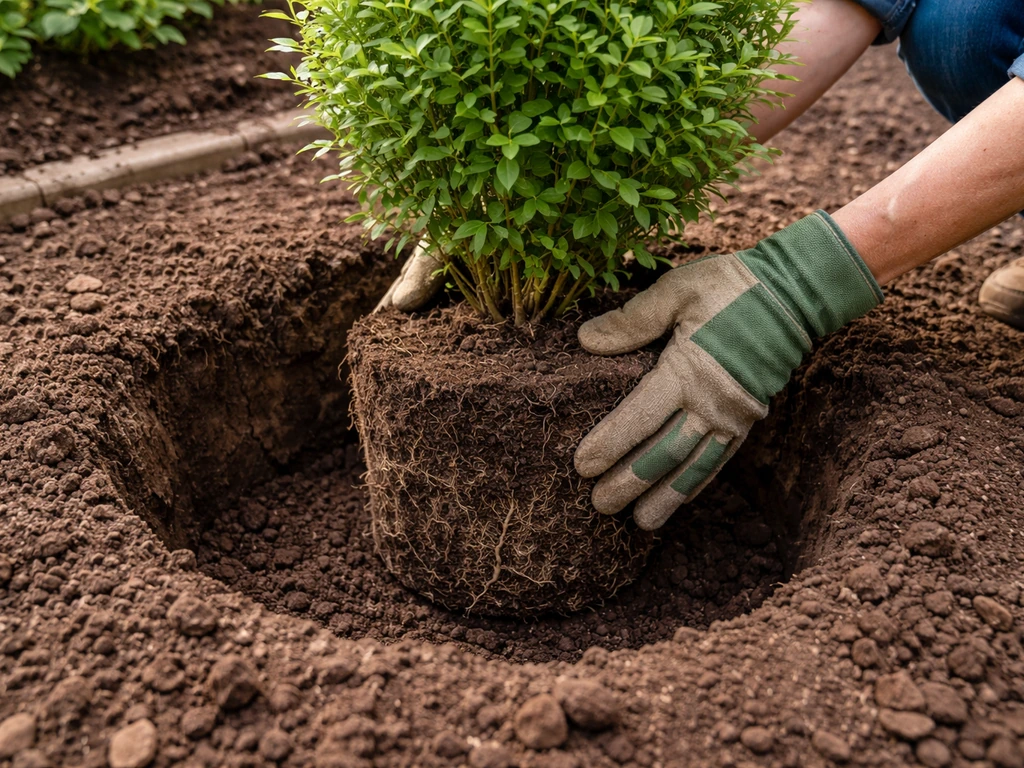
Dig the planting hole about twice as wide as the root system but only deep enough to position the root collar at or just at soil level. Planting too deep is one of the most common establishment mistakes. Back-fill with the native soil (no need to heavily amend unless drainage is a real problem), water in well, and mulch the surface without piling mulch against the trunk. For home orchards, keep the ground under the plants weed-free, especially in the first few years. Competing weeds and grass rob young plants of moisture and nutrients at a critical time and also complicate harvest since ripe nuts fall to the ground.
Step 4: Manage suckers and train early
Decide early whether you want a multi-stemmed shrub or a more tree-like form. Either works, but consistency helps. Remove suckers from the base regularly to keep the plant's energy directed into the main framework rather than spreading into an unmanageable thicket. In commercial orchards, plants are often maintained on a single trunk or a small number of main stems to make harvest and spraying easier.
Step 5: Be patient with first crops
Most hazelnut plants take three to five years to begin producing meaningful crops. The reproductive cycle is long, and young plants are still establishing roots and framework. Do not panic if you see catkins in year two but get almost no nuts. Once the root system is established and the plants hit their productive stride, yields climb steadily.
Site, soil, and care requirements for strong nut production
Hazelnuts prefer well-drained, moist loamy soil, but they are more adaptable than many nut trees. The critical factor is drainage: waterlogged roots will cause problems regardless of soil type. They grow well in full sun or partial shade, though full sun generally means better nut production. In shadier spots, the plants are healthy enough but may produce less.
The biggest disease concern, especially in the eastern half of North America, is Eastern filbert blight (caused by the fungus Anisogramma anomala). This fungus infects buds and young shoots, spreading via airborne spores under wet conditions, and it can devastate European hazelnut plantings. In wet climates, the risk is higher. Management includes removing and destroying any infected cankers before budbreak to reduce spore loads. In severely affected plants, full removal is sometimes the only practical option. If you are in a high-rainfall area of the Midwest or East, selecting blight-resistant varieties from the start is not just advisable, it is essential.
Fertilization needs are modest. A soil test before planting gives you a baseline, and annual applications of a balanced fertilizer or compost are usually sufficient for home plantings. Hazel is not a heavy feeder. Irrigation during dry summers helps maintain consistent nut development, though established plants in naturally moist climates often manage without supplemental water.
| Factor | Requirement / Recommendation |
|---|---|
| USDA Hardiness Zones | Zones 4 to 8 (European hazelnut) |
| Winter chill hours | Approximately 800 hours below 45°F (7°C) |
| Soil type | Well-drained loamy soil; adaptable if drainage is good |
| Sun exposure | Full sun preferred; partial shade tolerated |
| Pollinators needed | At least 2 compatible varieties required (self-incompatible) |
| Sucker management | Regular removal needed for orchard/tree form |
| Key disease risk | Eastern filbert blight (Anisogramma anomala), especially in eastern North America under wet conditions |
| Harvest timing (Pacific Northwest) | Mid-September to October (variety-dependent) |
| Time to first meaningful crop | 3 to 5 years after planting |
If you take one thing away from all of this, let it be the pollination requirement. More failed hazelnut plantings come down to a single lonely tree that had no compatible partner nearby than any other single cause. Get the variety matching right, put two or more compatible plants in the ground, choose a site in the correct hardiness zone with decent drainage, and hazelnuts will reward you reliably. They are tough, long-lived plants with a fascinating biology, and once established they ask for relatively little.
FAQ
Can I grow hazelnuts in my backyard if I have only one hazelnut tree?
Yes, but only if you also meet the crop needs for winter chill and pollination. In practice, that means choosing a variety suited to your local chill hours and planting at least two compatible varieties so the pollen period lines up with the female flowers. If you plant two trees of the same variety, you can still get little to no harvest because hazelnuts are self-incompatible.
Is a hazelnut tree different from a hazel shrub, or are they the same plant?
No. “Tree” and “hazel” are the same plant conceptually, but the easiest way to plan is by form and genetics. For production, the key is whether the cultivar is European hazelnut or a hybrid (often used where disease or cold is an issue) and whether you have compatible pollinizers, not whether the plant is trained as a single trunk.
How can I tell if my hazelnut plants are actually pollinating and setting nuts?
They usually start pollinating as soon as male catkins shed pollen, but female flowers are small and easy to miss. A useful check is timing in your climate, then observing whether catkins are visibly producing pollen during the period when your females have red stigmas showing. If your winters are too mild or the timing is off, you may see catkins without meaningful nut set.
What should I check if my hazelnut catkins appear but I get few or no nuts?
If your trees have good winter chill but still produce poorly, the most common non-climate culprit is mismatched varieties. Make sure your second tree is a compatible pollinizer variety with overlapping bloom periods. Also confirm you did not plant only one variety and expect it to self-pollinate, because self-fertility is not the default in hazelnuts.
Can I grow hazelnuts in a container, and will they still produce nuts?
Yes, hazelnuts grown in containers are possible for a while, but the main limitation is reaching a large enough, well-rooted plant and providing consistent water during dry spells. They also still need winter chill, plus space for airflow. For production, most people plan to transplant into the ground once the plant outgrows the container rather than expecting long-term nut harvest in a pot.
What causes hazelnut plants to die or stall after planting, even when the climate seems right?
Planting too deep is a real problem, but an equally common issue is poor drainage at the root zone. Even in a good zone, hazelnuts can struggle if water stays stagnant after rain or irrigation. A practical test is to dig the hole and observe how quickly water drains from the filled pit, if it takes a long time, amend for drainage or choose another site.
Why do hazelnuts sometimes flower but perform poorly in mild-winter years?
Within the stated chill and zone limits, mild winters can disrupt both dormancy timing and the overlap of male pollen shed and female receptivity. That can lead to erratic flowering and poor nut set even if the tree survives. If you live in a warm edge area, pick cultivars known for better performance under your local winter patterns and avoid late freezes that can damage developing tissues.
How do I choose a hazelnut variety if I’m in an area with Eastern filbert blight?
Yes, and it is a major consideration in some regions. European hazelnut is vulnerable to Eastern filbert blight in the eastern and Midwestern U.S., so if you are buying plants for those areas, prioritize blight-resistant cultivars or hybrids with native American hazelnut in their background. Planting location matters too, as wet weather increases spore spread, so favor airflow and avoid persistently damp sites.
How much fertilizer do hazelnuts need, and what’s the most common fertilizing mistake?
A soil test helps, but the next step is matching fertilizer to growth stage. Hazelnuts are not heavy feeders, overdoing nitrogen can push soft growth that is more disease-prone and can reduce nut quality. For home plantings, a light, balanced annual approach based on test results is usually safer than repeated high-nitrogen feeding.
When is the best time to harvest hazelnuts, and what goes wrong if I harvest late?
Because hazelnuts drop nuts once husks loosen, leaving harvest to “when you can get to it” can cause losses to ground-feeders and weather. Use a simple plan: shake or strip when husks start to open, then dry and store promptly to prevent mold. If you wait too long, you may also mix in nuts that were damaged earlier by pests or moisture.
Should I remove suckers from my hazelnut plants, and does it change with how I’m growing them?
Yes, but timing matters. Regular sucker removal keeps the plant focused on fewer fruiting stems in orchard-style management, while complete neglect can turn it into a dense thicket that is harder to harvest and may reduce airflow. For hedgerows, suckers can be beneficial for density, but for nut production you typically want controlled framework and consistent pruning.