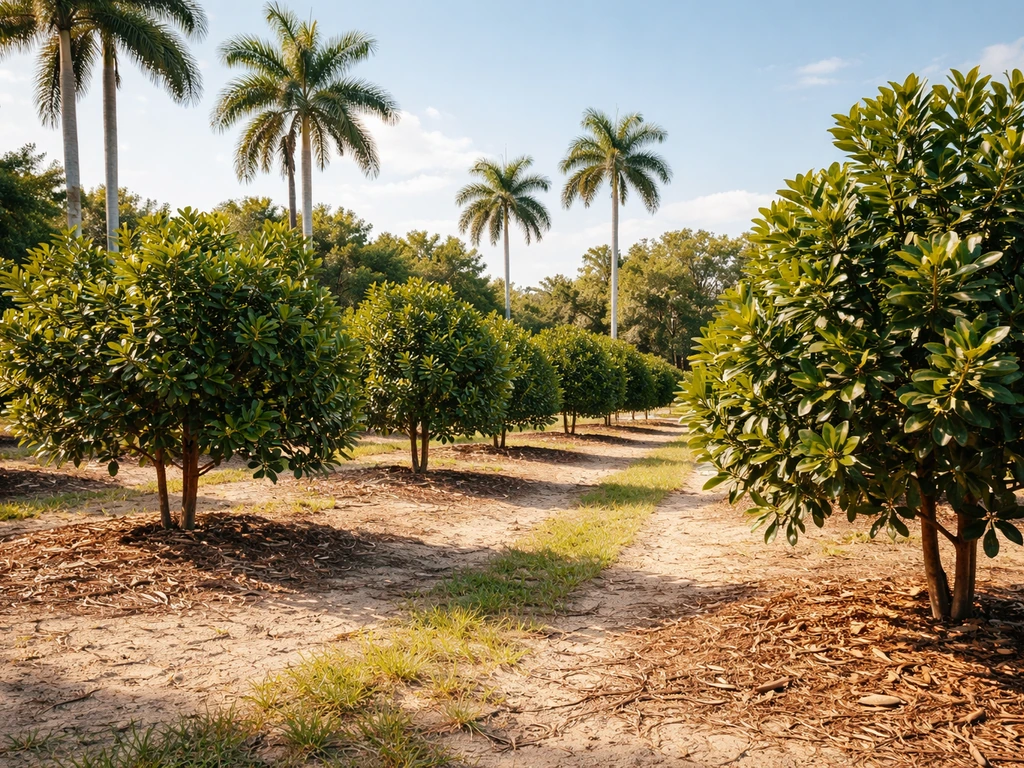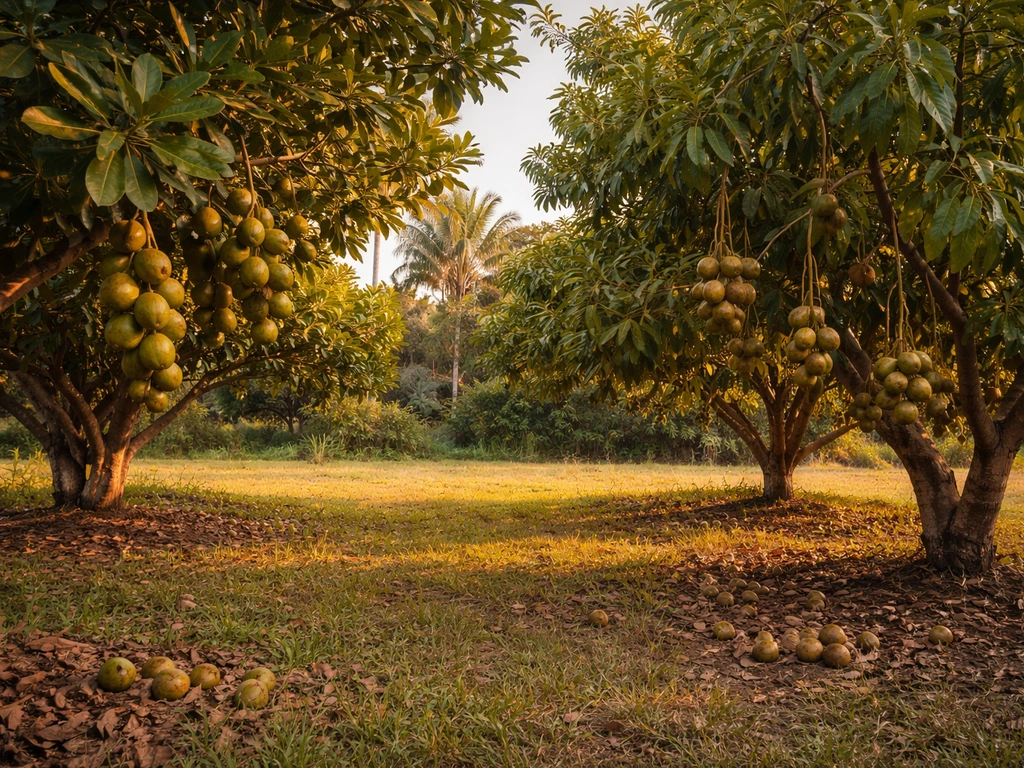
Yes, you can grow macadamia nuts, but whether you'll actually harvest any depends almost entirely on where you live. Macadamias are subtropical trees that need warm, essentially frost-free conditions year-round. In the right spot in Southern California, Hawaii, or a warm coastal microclimate, a home grower can absolutely get nuts. Because Florida can also be hot and humid, you may be able to grow macadamias there if you pick a frost-free site with the right microclimate can you grow macadamia nuts in florida. In most of the continental US, the climate just won't cooperate. The rest of this guide will help you figure out which category you're in and exactly what to do about it.
Can I Grow Macadamia Nuts in California? Growing Guide
Marcus Hendricks
7 May 2026
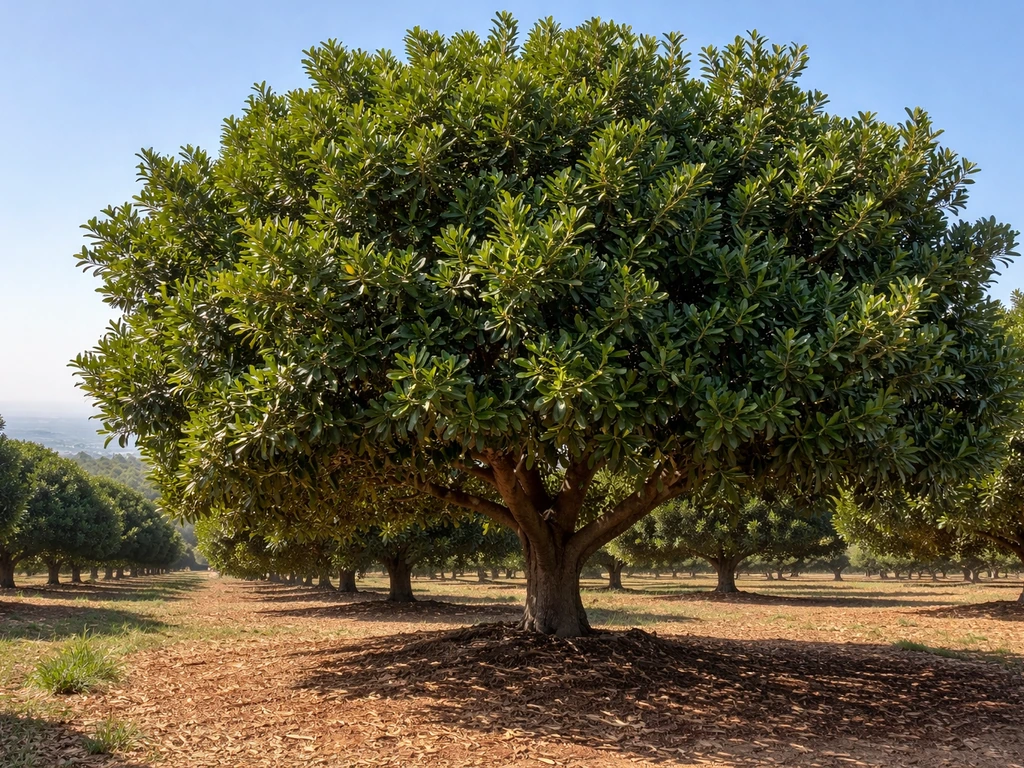
Where macadamia trees actually thrive
Macadamia trees are native to subtropical rainforest in Australia, and they carry those preferences with them wherever you plant them. Temperature is the single most important factor controlling their growth, flowering, and nut development. The two species you'll encounter are Macadamia integrifolia (smooth-shell) and Macadamia tetraphylla (rough-shell). M. integrifolia prefers the warmest subtropical conditions with minimal temperature variation. M. tetraphylla tolerates slightly cooler temperatures and is the one that gave rise to most frost-tolerant cultivars, though 'frost-tolerant' is a relative term here.
In USDA hardiness zone terms, macadamias are generally considered suitable for zones 9b through 11, with the sweet spot being zones 10 and 11. They want average annual minimum winter temperatures above about 25°F (-4°C), and ideally they never see frost at all. Research on low-temperature tolerance shows that most genotypes suffer frost damage at temperatures around 0°C or below, and one studied line ('788'/Pahala) showed damage even above 0°C. In short, even a light frost can do real harm, especially to young trees.
Beyond frost, macadamias need warm, humid growing seasons with consistent moisture. They don't want desert heat with no humidity, and they don't want prolonged cold winters. Hawaii is the classic success story for US growers. In Hawaii, macadamias are the most famous nuts grown, and the islands also support a few other subtropical nut crops depending on conditions what nuts grow in hawaii. Warm coastal regions in other countries (South Africa, Australia's Queensland and New South Wales, Kenya, and parts of New Zealand) also work well. The key combination is mild winters, warm humid summers, and protection from cold wind. If your climate checks those boxes, you have a real shot.
Can you grow macadamia nuts in California?
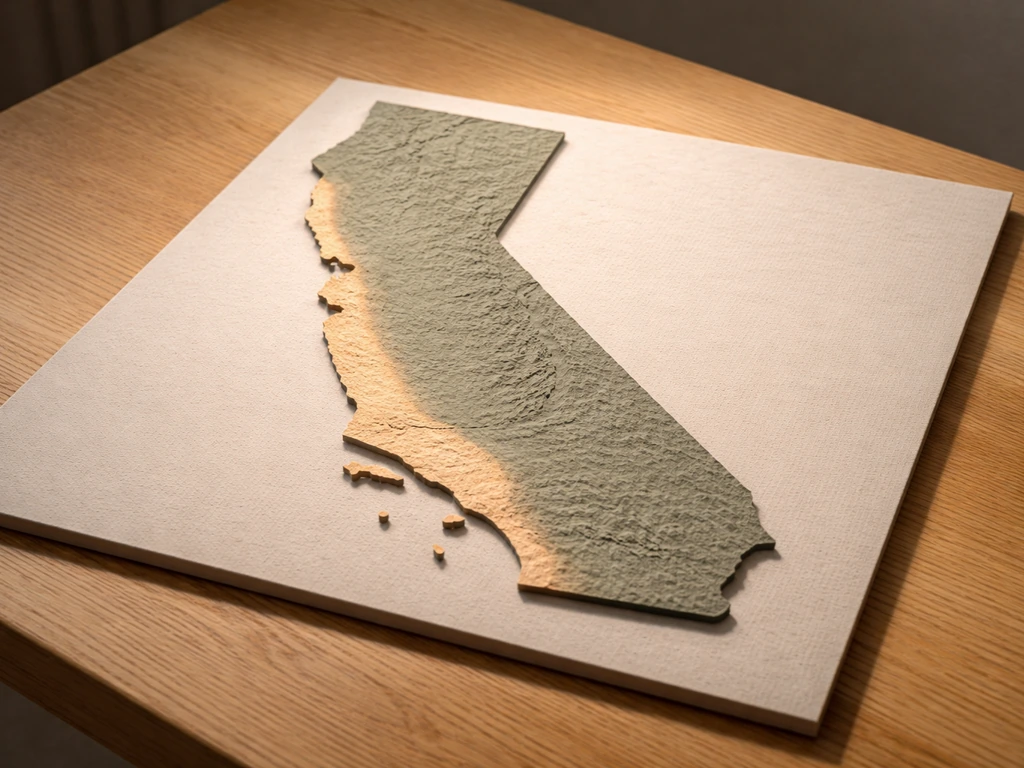
California is more complicated than a simple yes or no. The state has a small but real commercial macadamia industry, concentrated in southern coastal areas, and home growers in the right spots do succeed. Macadamias are grown commercially in several warm, frost-free regions, not just in California which countries grow macadamia nuts. But California's climate varies so dramatically from one region to the next that your zip code matters enormously.
Southern California coast: the best bet
Coastal areas from roughly Santa Barbara south through San Diego are where macadamias have the best realistic chance in California. The marine influence keeps winter minimums mild, frosts are rare, and the humidity is closer to what macadamias prefer. UC ANR includes macadamia among the nut trees suitable for Southern California's coastal and near-coastal home gardens, and the commercial industry that does exist in California is overwhelmingly concentrated here. If you're in this belt with a protected south-facing or west-facing site, you're working with the odds in your favor.
Southern California interior valleys: proceed carefully
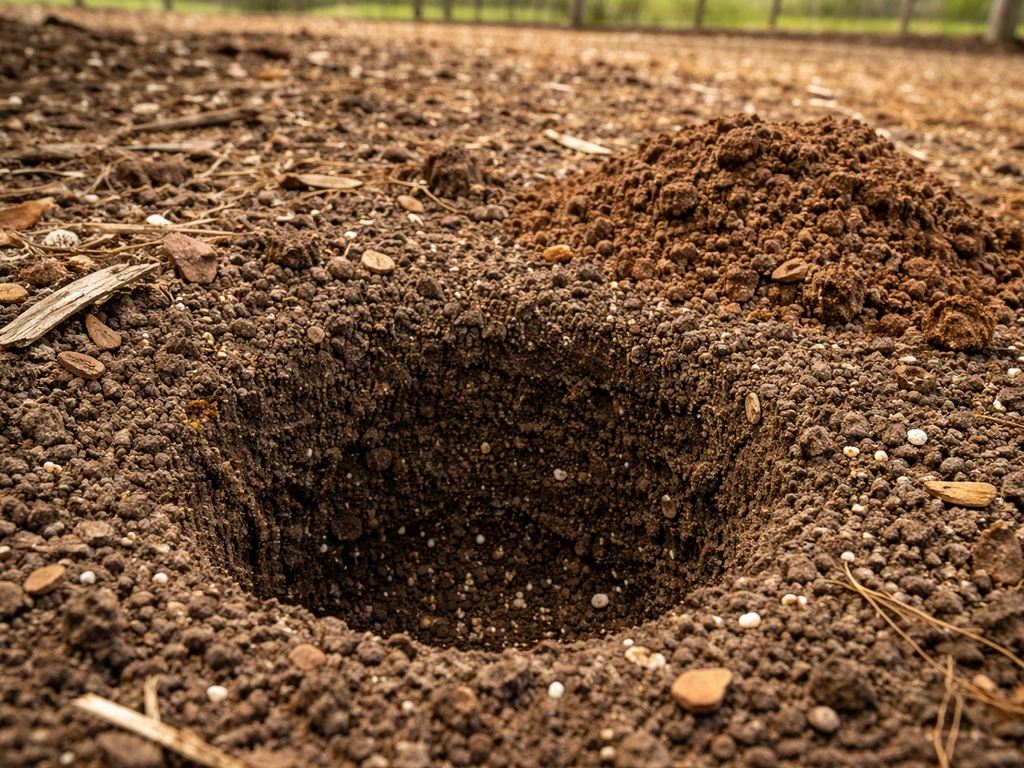
Move even 10 to 20 miles inland and the picture changes. Interior valleys like the San Fernando Valley, Riverside, or the Temecula area can drop below freezing on winter nights, sometimes hard enough to damage or kill macadamia trees. Some microclimates in these areas, especially on slopes that drain cold air away from the tree, can work. But you need to check your specific frost history carefully. The USDA's CalAgroClimate tools can show you county-level historical frost data, and that homework is worth doing before you invest in a tree.
Central Coast and Northern California: mostly too cold
The Central Coast around Monterey and Santa Cruz is close but generally too cool and foggy for macadamias to thrive. Northern California, the Central Valley, and the Sierra foothills see winters that are simply too cold. The Central Valley's summer heat is intense but the winter lows frequently drop below what macadamias can handle, and the humidity profile is wrong. If you're in San Francisco, Sacramento, or anywhere north of that latitude, you're looking at a container or greenhouse project rather than a landscape tree that will actually fruit.
Choosing your species and cultivar, and sorting out pollination
The species choice matters. For California and other marginally cool climates, M. tetraphylla and its hybrids with M. integrifolia offer better frost tolerance than pure M. integrifolia. When you're shopping for trees, look for cultivars that have been selected for performance in non-Hawaiian conditions. Many of the well-known Hawaiian commercial cultivars like Kau (344), Kakea (508), Keaau (660), Mauka (741), Pahala (788), and Makai (800) were developed for Hawaii's specific conditions. Some perform well in California too, but get advice from a local nursery or your UC Cooperative Extension office about which cultivars have track records in your area.
Pollination is where a lot of home growers go wrong. Macadamia is partially self-incompatible, meaning most cultivars set a much better crop when cross-pollinated by a compatible variety. Research shows that 80 to 100 percent of kernels in commercial orchards come from cross-pollination rather than self-pollination. When trees self-pollinate, pollen tube growth is inhibited in the style and far fewer seeds develop.
blank" rel="noopener noreferrer">CTAHR specifically recommends interplanting two cultivars, citing the combination of Kau (344) and Keaau (660) as an example of compatible pairing. The practical takeaway: plant at least two different cultivars within about 30 to 50 feet of each other, and let bees do the rest. Macadamia flowers are attractive to honeybees, so if you have decent bee activity in your area, pollination usually takes care of itself once you have two compatible varieties.
Site selection, soil, and planting requirements
Sun, wind, and frost protection
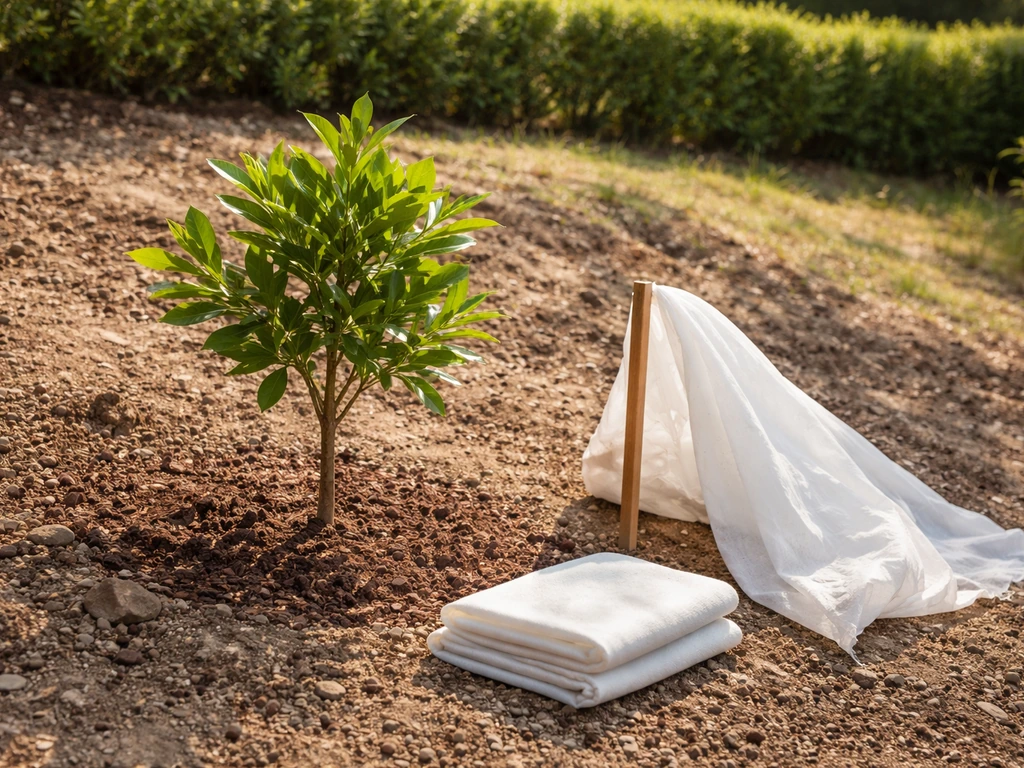
Choose the warmest, most sheltered spot on your property. Full sun is non-negotiable: macadamias want at least 6 to 8 hours of direct sun daily. A south or southwest-facing slope is ideal because it catches maximum winter sun and cold air drains away downhill rather than pooling around the tree. Windbreaks on the north and east sides are genuinely helpful, both for frost protection and because young macadamia trees can be damaged by strong winds. If you're in an area with any frost risk, planting near a south-facing masonry wall can give you a few degrees of protection from radiant heat on cold nights.
Soil and drainage
Macadamias want well-drained, slightly acidic soil. A pH between about 5. 5 and 6. 5 is the target range, which keeps nutrients like nitrogen, phosphorus, potassium, and critically zinc, available to the roots.
Heavy clay soils that stay wet are a serious problem: macadamias are quite susceptible to Phytophthora root and crown rot when the soil around the base stays saturated for extended periods. UC Statewide IPM notes that Phytophthora root and crown rot is a soilborne disease that’s associated with wet, well-watered conditions and that stresses the importance of well-drained soil and proper drainage to help manage it.
If your native soil is heavy clay, either amend it substantially before planting, build a raised bed, or choose a different site. Good drainage isn't optional.
Spacing and planting
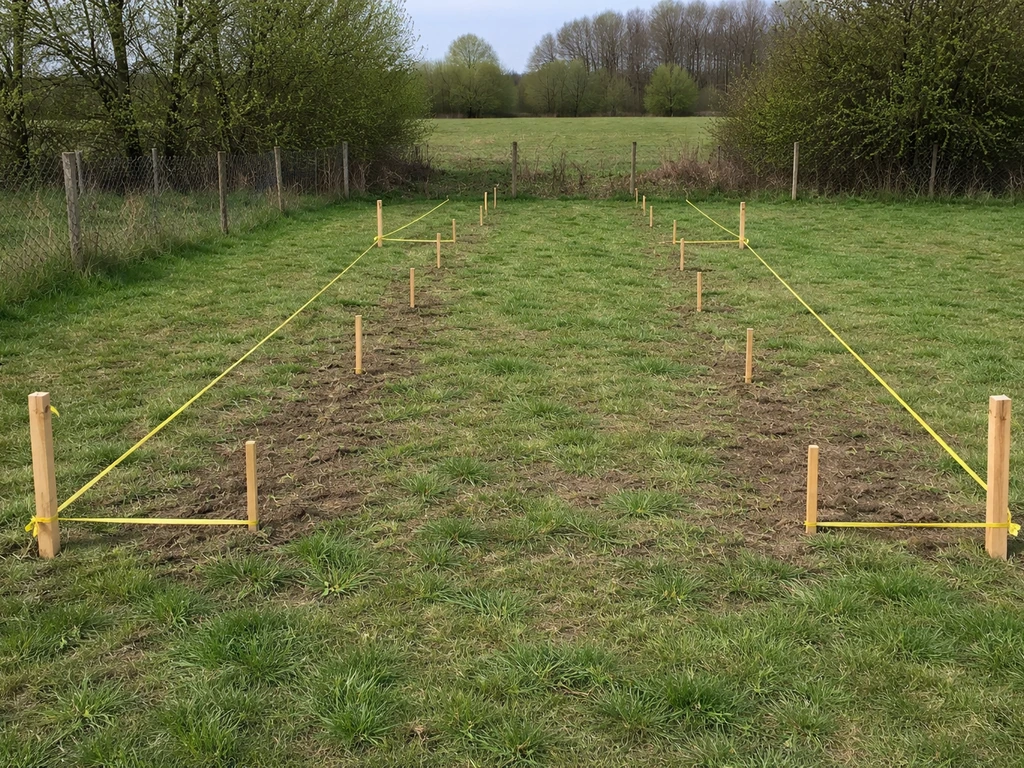
Commercial orchards typically space trees about 8 meters between rows and 4 meters between trees within a row, which gives you a sense of the eventual canopy spread. For a home garden, plan on giving each tree at least 15 feet of clearance in all directions, and more if you have the room. Plant at the same depth as the nursery container, never deeper. Burying the root crown invites the same Phytophthora crown rot problems that wet soil causes. Water the tree in well after planting and add mulch immediately.
How to care for your macadamia tree
Watering
Young trees need consistent moisture for the first two to three years while the root system establishes. Water deeply once or twice a week during dry warm periods, less frequently in cool weather. Once established, macadamias are reasonably drought-tolerant compared to some other subtropical trees, but they'll produce better nuts with consistent irrigation during the growing season. The goal is moist but never waterlogged soil. If you're in Southern California with dry summers, a drip system set to deliver water at the root zone is the most reliable approach.
Fertilizing
Feed young trees with a balanced fertilizer two to three times per year during the growing season. Macadamias need nitrogen, phosphorus, and potassium as their primary nutrients, plus micronutrients, particularly zinc. Zinc deficiency is one of the most common problems in macadamia trees and shows up as interveinal chlorosis (yellowing between the veins) and distorted or rosetted young growth. If you see those symptoms, a foliar zinc spray often resolves it quickly. Have your soil tested every few years to monitor pH and nutrient levels, and adjust accordingly. If pH drifts above 6.5, sulfur applications can bring it back down.
Mulch and weed control
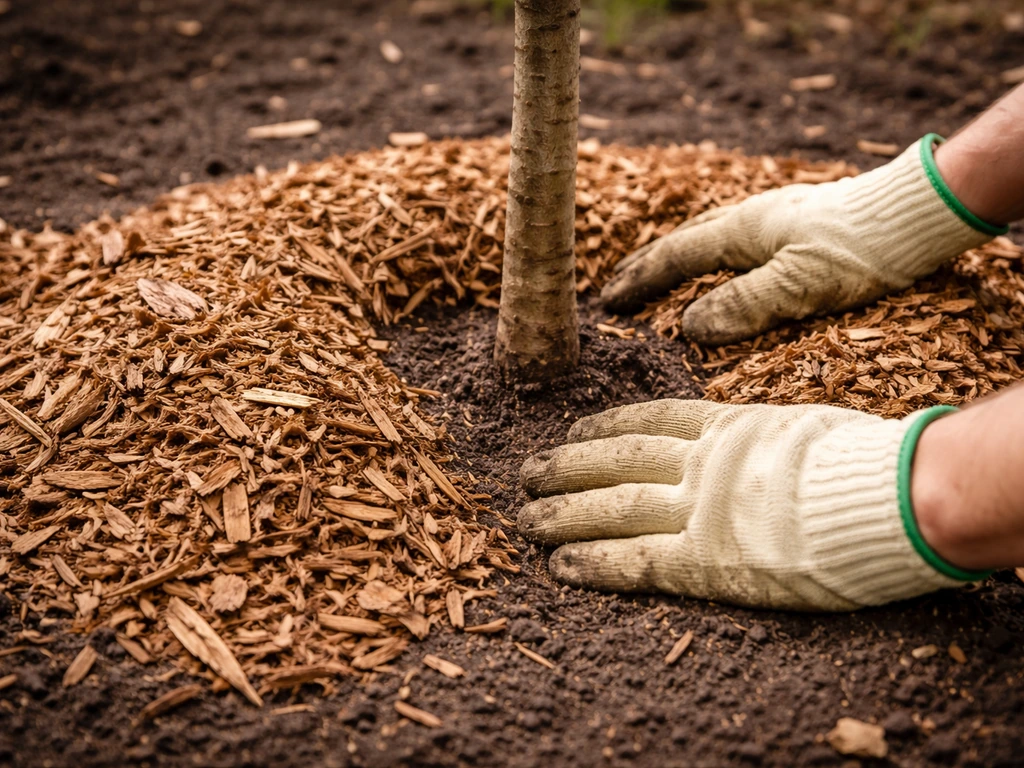
Keep a 3 to 4 inch layer of organic mulch (wood chips, straw, or composted material) over the root zone, but pull it back a few inches from the trunk itself. Mulch conserves moisture, moderates soil temperature, and suppresses weeds, all of which matter for macadamia health. Don't let competing weeds or grass grow up around young trees, as they compete directly for water and nutrients in the critical establishment years.
Pruning
Macadamias don't need aggressive pruning, but some structural shaping when trees are young helps develop a strong framework. Remove crossing branches, any dead or damaged wood, and keep the canopy open enough for air circulation. Heavy pruning on mature trees can reduce yield, so in a home orchard setting, the goal is maintenance rather than dramatic reshaping. After trees start bearing, minimal pruning to remove dead wood and improve light penetration is usually sufficient.
Pests and diseases to watch for
In California, macadamias face fewer pest pressures than they do in Hawaii, where a longer list of insects and mites affect commercial orchards. The main things to monitor at home include: scale insects on stems and foliage, macadamia twig girdler (less common outside traditional growing areas), and root/crown rot from Phytophthora if drainage is poor. Integrated pest management principles apply here: monitor regularly, address problems early, and avoid conditions (like overwatering or mulch piled against the trunk) that create disease-friendly environments. For Phytophthora specifically, the cultural fix is almost always improving drainage, not reaching for a fungicide.
How long until you get nuts, and how will you know it's working?
This is where honest expectations really matter. Macadamia trees start bearing a small crop around year 5 after planting. Full production doesn't happen until 12 to 15 years in. That's not a typo. These are long-lived trees, and they take their time. A five-year-old tree producing its first handful of nuts is doing exactly what it's supposed to do.
The indicators that your tree is on track are pretty straightforward. By years 2 to 3, you should see vigorous leafy growth with multiple vegetative flushes each year. By years 3 to 4, look for the emergence of flowering racemes (long, narrow clusters of small white or cream flowers) in late winter or early spring. If you have two compatible cultivars and good bee activity, some fruit should set after that first flowering. Temperature controls every stage of this cycle: flower timing, fruit set, and the months-long process of nut development and maturation are all driven by weather conditions. A cooler than normal spring can delay or reduce flowering. A warm, stable growing season means better fruit retention.
If you're in a marginal climate like an inland Southern California valley and you never see flowers by year 5, the honest answer is probably that your site isn't warm enough. Coastal growers in true zone 10 conditions tend to see flowering earlier and more reliably. The tree itself will tell you whether the climate suits it.
Harvesting, curing, and storing your macadamia nuts
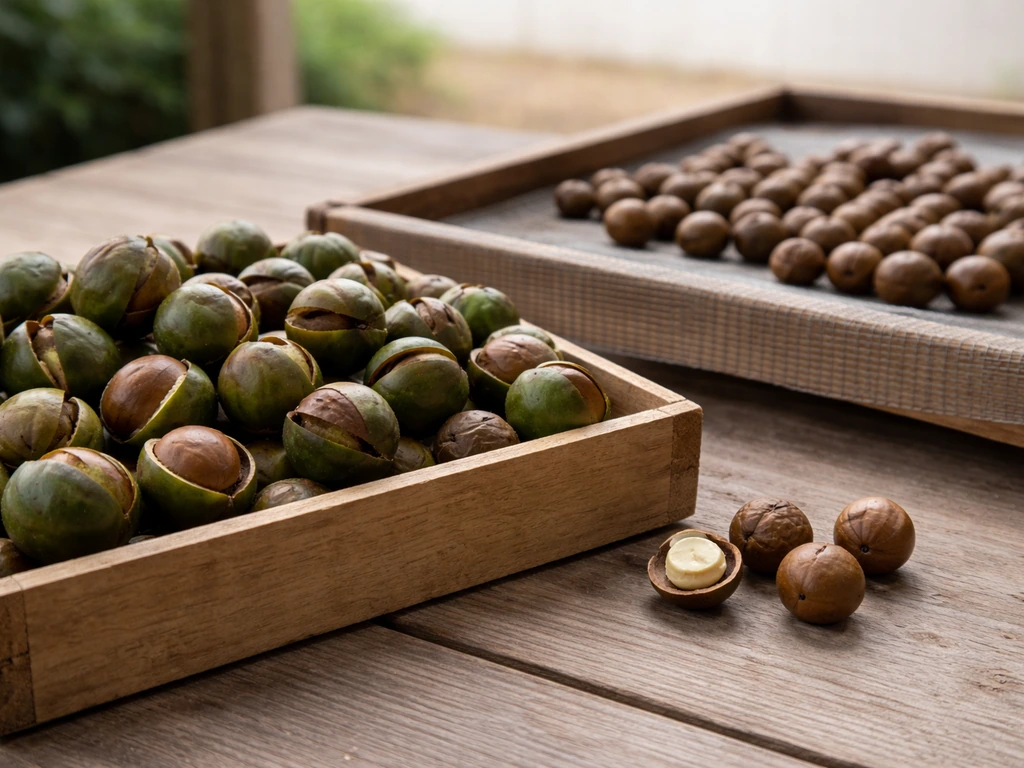
Macadamia nuts don't get picked from the tree the way you'd pick an apple. The standard approach, used in commercial orchards and by home growers alike, is to let the nuts fall naturally and then collect them from the ground every two to four weeks during the harvest season. This works because the nuts continue to develop inside the husk, and the husk splitting open and dropping the nut is a reliable signal of maturity.
You can also check maturity by looking at the husk: ripe nuts have a green husk that begins to turn green-brown and split, with the hard brown shell visible inside. If the shell is still white or cream-colored when you crack the husk, the nut isn't ready. When properly mature, the kernel inside should be firm and white.
Fresh-harvested macadamia nuts have a moisture content of around 25 to 27 percent, which is far too wet for storage or eating in their raw state. You need to dry them down significantly. For home growers, the simplest approach is to remove the outer husk (it peels off or can be split with a knife) and then spread the nuts in their hard shells in a single layer in a warm, dry, well-ventilated spot for two to three weeks.
Turning them occasionally speeds the process. The goal is to reduce kernel moisture to well below 10 percent, and ideally below 1. 5 percent for long-term storage without rancidity or mold. A low-temperature food dehydrator set around 100 to 110°F can speed the drying process if you prefer.
Once dried, in-shell macadamias store well in a cool, dry location for several months. Shelled kernels are best stored in an airtight container in the refrigerator or freezer, since the high oil content (these nuts are very rich in monounsaturated fats) means they can go rancid if left at room temperature for too long. If your nuts taste bitter or off, they've likely oxidized. Well-dried, properly stored macadamias taste buttery, mild, and slightly sweet. That's the payoff you're working toward.
A quick reality check before you plant
| Factor | What you need | Common pitfall |
|---|---|---|
| Climate zone | USDA zone 10–11, or zone 9b with a very protected site | Planting in zone 9a or colder and expecting frost-free winters |
| Frost | Essentially none, or only very occasional light frost for tolerant cultivars | Underestimating how much damage even one hard frost can cause |
| Pollination | Two compatible cultivars within 30–50 feet | Planting a single tree and wondering why it never sets nuts |
| Soil drainage | Well-drained, slightly acidic (pH 5.5–6.5) | Heavy clay that stays wet after rain, leading to root rot |
| Timeline patience | 5 years to first small crop, 12–15 years to full production | Expecting nuts in year 2 or 3 and giving up too early |
| Harvest method | Ground collection every 2–4 weeks during season, then dry 2–3 weeks | Picking from the tree too early or skipping the drying step |
If you're in coastal Southern California, Hawaii, or another genuinely warm subtropical climate and you can commit to the long game, macadamia trees are a rewarding home orchard project. Plant two compatible cultivars in a well-drained, sun-soaked, sheltered spot, keep them fed and watered through establishment, and you'll eventually get some of the most sought-after nuts in the world from your own backyard. Just go in knowing it's a 5-plus-year project, not a quick win. If you are wondering, “can you grow macadamia tree from nut,” the short answer is that you can try, but you still need the right warm, frost-free conditions for it to thrive.
FAQ
Can I grow macadamia nuts from a store-bought macadamia nut in California?
You can try germinating, but two issues are common: many nuts sold for eating are roasted or otherwise not viable for sprouting, and seedlings take longer to mature and may not match the nut quality of named cultivars. For most home growers, buying a grafted tree gives you more reliable performance and earlier flowering compared with seed-grown plants.
If my area gets a light frost sometimes, is there a way to protect young macadamias enough to still grow them?
Protection can buy time, but it is not guaranteed, because damage can occur even at temperatures near freezing and especially when frosts are prolonged. Use a properly sized frost cover on cold nights, avoid leaving fabric directly against foliage in windy conditions, and prioritize cold-air drainage by planting on a slope where air flows away from the crown. If your site regularly dips below about freezing, plan on containers, a greenhouse, or choosing a different tree.
How many macadamia trees do I need for nuts, and how close should they be?
At minimum, plan for two compatible cultivars, since most are not reliably self-pollinating. Place them roughly within 30 to 50 feet of each other so pollen can reach flowers during the same bloom window, and keep weeds under control so bees can access the orchard and compete less for water.
What cultivar should I buy for California if I am not sure which ones are successful near me?
Ask your local nursery or UC Cooperative Extension for cultivars with proven results in your specific microclimate, because Hawaii selections do not always perform the same way inland or in cooler coastal spots. When choosing, look for cold-tolerant performance claims plus local references from nearby growers, not just general zone advice.
Do macadamias need full sun, and will partial shade still produce a crop?
They need direct sun, ideally at least 6 to 8 hours daily, because flowering and nut development depend on sustained warmth and light. In semi-shade you may get leafy growth but reduced or inconsistent flowering, especially if winters are cool or foggy.
Is it better to plant in-ground or in a container in marginal California climates?
If you get frequent winter lows, containers or a sheltered greenhouse can extend your odds by allowing temperature control and relocation during cold snaps. However, containers require careful watering management and root health monitoring, and mature yields from large containers can still take many years. For truly marginal sites, in-ground planting usually fails faster.
How do I know my soil is suitable, and what should I do if the pH is off?
Have your soil tested before planting. The target is about pH 5.5 to 6.5, and if pH drifts above 6.5, sulfur amendments can help lower it over time. Also confirm drainage in a practical way, if water sits after a heavy watering, macadamias are at high risk for crown and root rot.
What is the most common reason home macadamias die even when temperatures seem okay?
Wet feet. Overwatering, planting too deep, or piling mulch against the trunk can create saturated conditions at the crown, which favors Phytophthora root and crown rot. Good drainage, planting at the same depth as the nursery container, and keeping mulch pulled back from the trunk are the key preventions.
When should I start fertilizing, and how can I tell if my tree has a zinc problem?
Start feeding after establishment with a balanced fertilizer applied a few times during the growing season. Zinc deficiency often shows as yellowing between leaf veins on new growth and may come with distorted or rosetted young leaves. A foliar zinc spray can help quickly, but you still should confirm with soil or tissue testing so you fix the underlying cause.
How long can I expect it to take before I get macadamia nuts, and what if my tree flowers but drops the fruit?
Expect first small crops around year 5, with full production often taking 12 to 15 years. If flowers appear but fruit drops, it is often weather-related (cooler spring, uneven irrigation, or inconsistent moisture), or pollination timing mismatch between cultivars. Keep irrigation consistent during flowering and early fruit set, and ensure your two cultivars bloom in the same season.
What is the correct way to harvest and dry macadamias so they do not taste rancid?
Let nuts fall naturally and collect them from the ground every couple of weeks during the harvest window. Dry the nuts in shell in a warm, well-ventilated area until kernel moisture is well below 10 percent, ideally near the low single digits for longer storage. If you under-dry, nuts can mold or taste bitter and off much sooner.