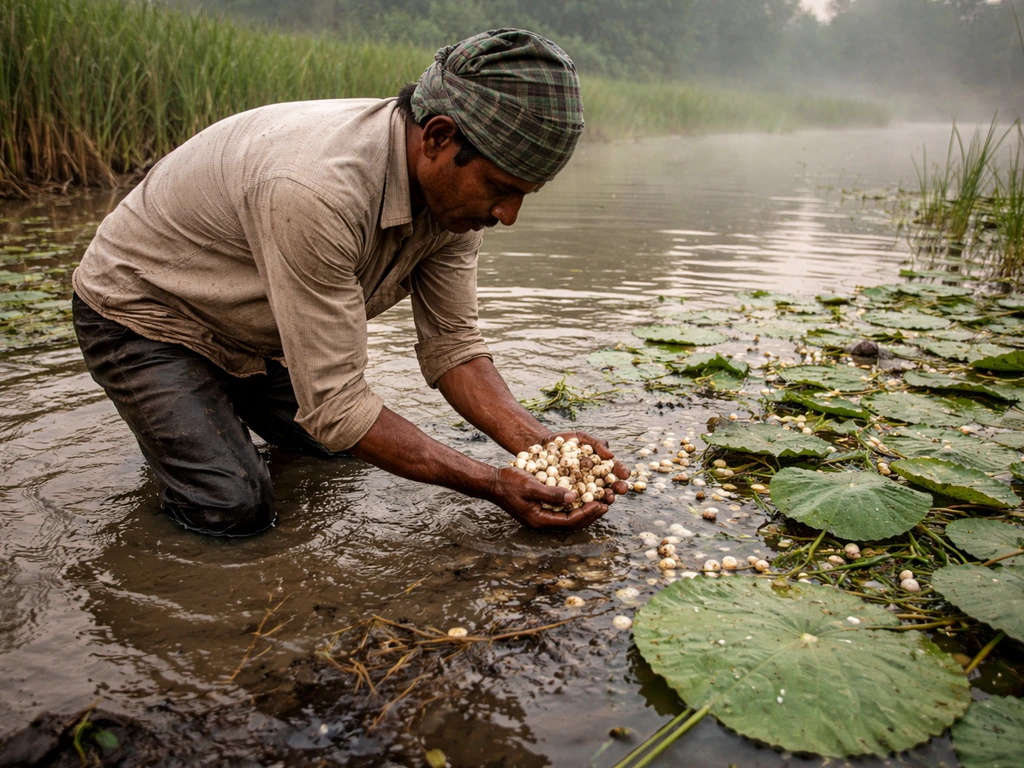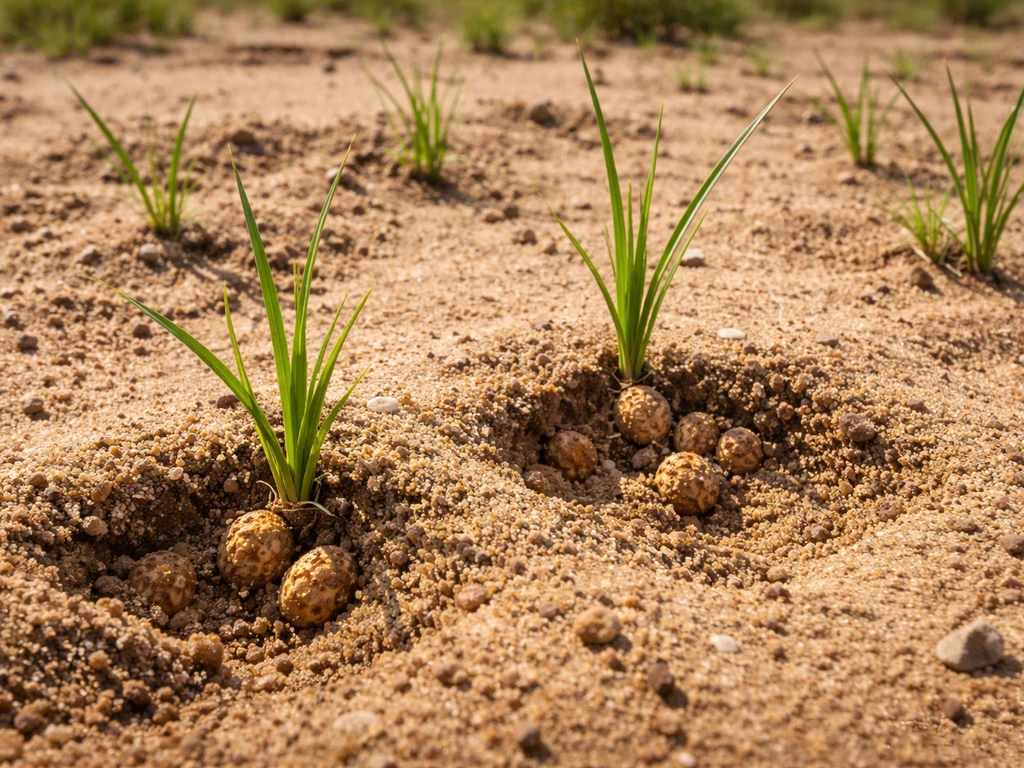
Cob nuts grow naturally across Europe and western Asia, from the Atlantic coast all the way to the Caucasus, and they thrive in exactly the kinds of places you'd expect a woodland-edge shrub to love: hedgerows, thickets, the fringes of mixed deciduous forests, and shaded valley slopes. If you are wondering what nuts grow in CT specifically, cob nuts (hazelnut-type cultivars) are worth checking against your local winter and drainage conditions. In cultivation today, the heartland is the county of Kent in southeast England, where the famous Kentish Cob has been grown in dedicated plantations called 'plats' for centuries. Beyond Kent, cob nuts grow well across much of temperate Europe, parts of the US Pacific Northwest, and anywhere else that offers cool winters, decent moisture, and well-drained loamy soil. Where does nutmeg grow? Nutmeg is grown commercially in tropical regions, especially around Indonesia and the Caribbean. Tiger nuts, however, are a completely different crop and have their own growing regions and conditions. In contrast, nutmeg is a tropical crop, so it does not typically grow outdoors in Connecticut Nutmeg is grown commercially in tropical regions.
Where Do Cob Nuts Grow? Climate, Habitat, and Regions
What cob nuts actually are (the botanical bit matters here)
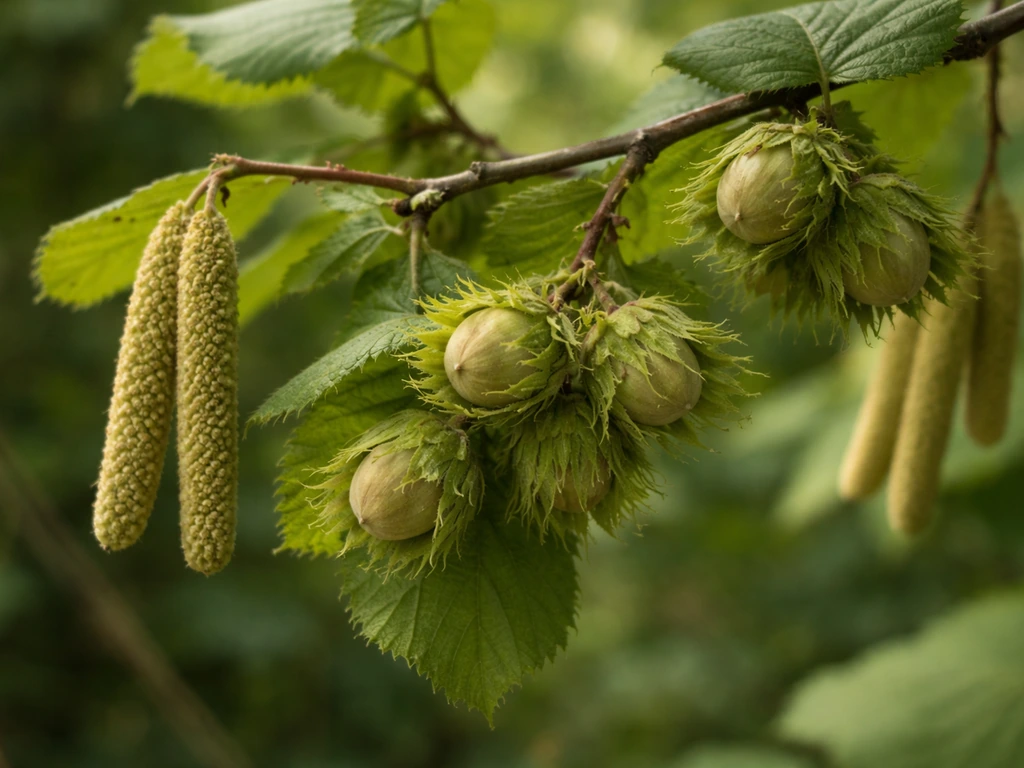
Cob nuts are cultivated hazelnuts, specifically named cultivars derived from Corylus avellana (common hazel) and, in some cases, Corylus maxima (filbert). The name 'cobnut' is a cultivar term rather than a separate species, which trips a lot of people up. The RHS is careful to distinguish 'variety' from 'cultivar' here: a cobnut like the Kentish Cob is a deliberately selected cultivar with particular traits, not a wild botanical variety. Filberts are closely related and come from the same two parent species, but you can tell them apart by the husk: on a cobnut the husk is shorter than the nut, while on a filbert the husk extends beyond and wraps around it.
Both cob nuts and filberts are wind-pollinated, and their male catkins and female flowers don't always overlap neatly in time, which is why planting multiple cultivars nearby is strongly recommended. Self-pollination happens but it's unreliable. Understanding this biology matters when you're choosing a site, because it means you want enough space and the right airflow for good pollen movement, not just a single shrub tucked into a corner.
Where cob nuts originally come from
The native range of Corylus avellana runs from the Atlantic coast of Europe and parts of North Africa through to the coastal regions of Norway in the north and the Caucasus in the east. USDA records confirm scattered wild populations along much of this arc. EUFORGEN describes it as a classic understory species in mixed deciduous woodland, which tells you a lot about its natural niche: it's built for dappled light, moderate competition, and the kind of moderate, consistent moisture you get in temperate woodland soils.
In the wild, Corylus avellana turns up on wooded slopes, hedgerow banks, woodland clearings, thicket margins, and along stream edges. These are all places where light is adequate but the soil stays reasonably moist without becoming waterlogged. That habitat fingerprint is directly useful when you're trying to find or create a good spot for cob nuts in your garden or on your land.
Climate and soil: what cob nuts actually need
Temperature and cold hardiness
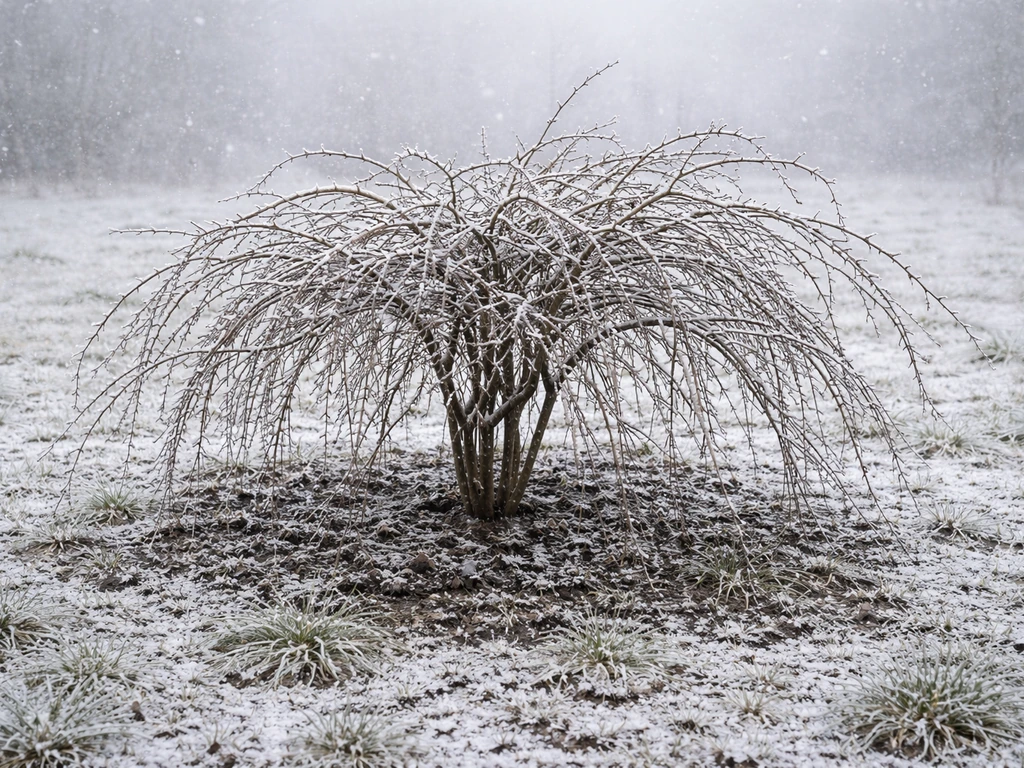
Corylus avellana is rated hardy to USDA Zone 4 by Oregon State University, which means it can handle winter lows down to around -34°C (-30°F). That's serious cold tolerance, and it means cob nuts are far more winter-hardy than people often assume. The bigger problem isn't cold winters but late spring frosts. Cob nuts flower early in the year, and if a frost pocket kills the flowers, your crop is gone for that season. A USU Extension PDF notes that late frosts can limit nut production in European hazelnuts because early blooming makes the crop vulnerable Cob nuts flower early in the year. The RHS is explicit about this: choose a sheltered position and avoid frost pockets. A gentle slope where cold air drains away is far better than a valley bottom where it sits and pools.
Soil preferences
Cob nuts prefer well-drained, moist, loamy soil with a pH of around 6.0 to 7.5, which covers neutral to mildly alkaline conditions. Utah State University Extension highlights drainage as the critical factor: poor drainage leads to root rot, and the plants simply won't establish properly in waterlogged ground. Oregon State Extension goes further and points out that if your subsoil water table is close to the surface, there may not be enough suitable rooting depth above it to support a healthy plant. Before you plant, it's worth pushing a soil probe or spade down to check what's happening below the topsoil.
Very fertile soils can actually work against you here. The RHS notes that rich soil tends to push cob nuts into excessive vegetative growth, which is harder to manage and can reduce cropping. Moderately fertile, well-structured soil is the sweet spot. Full sun gives the best yields, but partial shade is tolerable given the plant's woodland-edge origins.
Where cob nuts are grown today
Kent, England: the cobnut heartland
If you want to see serious cobnut cultivation, Kent is the place. Cob nuts here are grown in traditional plantations called 'plats,' and the primary cultivar is the Kentish Cob. According to Kent Downs, no more than around 250 acres of old plats survive today, which gives a sense of just how niche and heritage-focused this production is. Roughway Farm in Plaxtol is one of the most prominent current operations, growing over 50 varieties across roughly 300 acres and maintaining a national nut collection on site. The main consumer cultivars grown commercially in Kent are Kent, Ennis, Gunslebert, and Cosford. Harvest runs from late September into early October, and the nuts turn up in local shops and some quality supermarkets at that time.
The Brogdale Farm National Fruit Collection near Faversham in Kent holds around 3,500 named cobnut cultivars, which is an extraordinary resource for anyone interested in the breadth of what's been cultivated. It's owned by Defra and worth knowing about if you ever want to investigate specific named varieties.
Rest of the UK and Europe
Outside Kent, cob nuts and hazelnuts grow throughout the British Isles in hedgerows and woodland edges, though large-scale cultivation is concentrated in the southeast. Across continental Europe, hazelnuts (the parent species of cobnuts) are cultivated widely, particularly in Turkey, Italy, and Spain, though these operations typically grow different named cultivars and market the nuts as hazelnuts rather than cobnuts. The 'cobnut' label is essentially a British and Irish cultural term.
North America and beyond
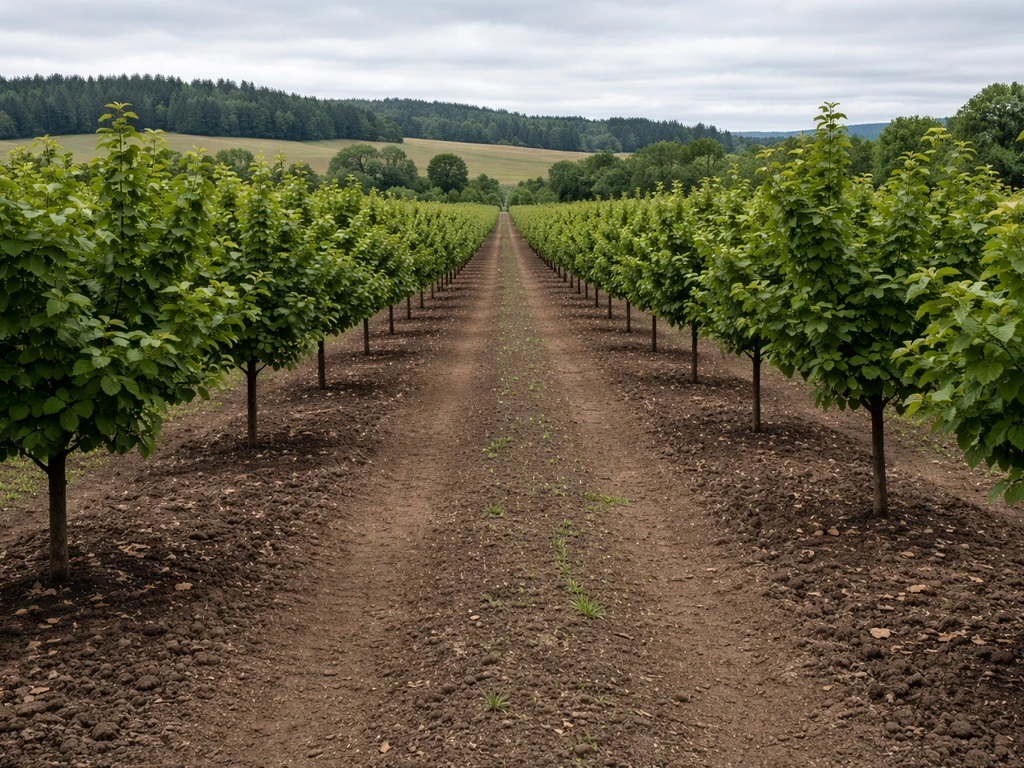
In North America, Corylus avellana is grown commercially in Oregon's Willamette Valley, where the climate (mild, wet winters and warm dry summers) suits it well. OSU Extension notes that European hazelnut (Corylus avellana) can be introduced and grown successfully in the temperate Pacific Northwest, including conditions like Oregon’s Willamette Valley European hazelnut (Corylus avellana) is grown commercially in Oregon's Willamette Valley. The University of Wisconsin Extension notes that production selections of European hazelnut with large nuts and thin shells are used in the US, though the nuts are marketed as hazelnuts rather than cob nuts. Outside the Pacific Northwest, cob nut cultivation drops off significantly, though the hardiness zone tolerance means plants can grow across much of the northern US and Canada wherever drainage and frost-pocket conditions allow.
Will cob nuts work in your area? How to check
The Zone 4 hardiness rating means winter cold alone rules out very few temperate locations. The real questions are about site specifics rather than broad regional climate. Run through these before committing to planting:
- Frost pockets: does cold air pool in your intended spot on still spring nights? If yes, look upslope.
- Drainage: does water sit on or just below the surface after heavy rain? If your subsoil is within 30-40cm of the surface and stays wet, find a raised or better-drained spot.
- pH: test your soil. A reading between 6.0 and 7.5 is ideal. Most moderately fertile garden soils fall in this range.
- Sun: aim for a spot that gets at least half a day of direct sun. Dappled light works, deep shade does not.
- Shelter: some wind is fine (needed for pollination), but a very exposed or coastal site with salt wind will stress the plants.
- Space for multiple plants: given the pollination biology, plan for at least two different cultivars within reasonable proximity.
If you're in a temperate zone with cold but not extreme winters, reasonable rainfall (or irrigation capacity), and a site that drains freely, the odds are strongly in your favour. Cob nuts are not delicate plants. The Kentish Cob is described by the Kentish Cobnuts Association as a reliable cropper and relatively hardy, which is honest grower language for a plant that performs consistently without excessive fuss.
Practical next steps: finding and growing cob nuts
Finding cob nuts in the wild or locally
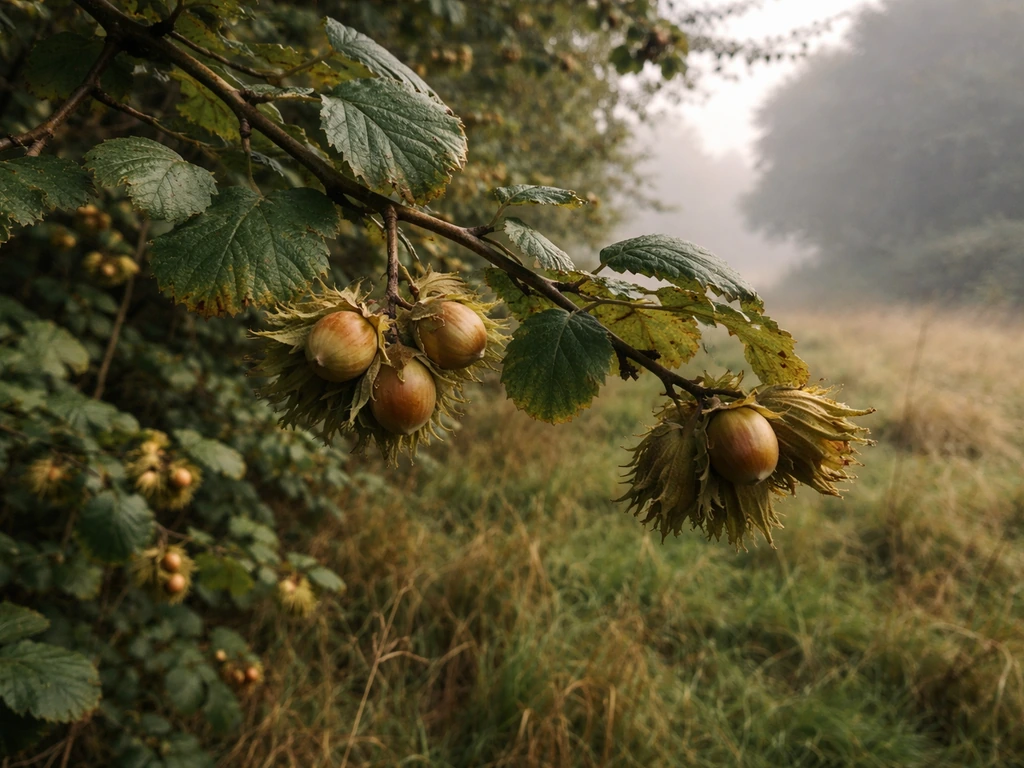
If you want to understand what cob nuts look like in their natural habitat before you plant, look along hedgerow banks, woodland edges, and stream-side thickets in late summer and early autumn. If you are wondering where fox nut grows, it is typically associated with warmer, wetter conditions than cob nuts in their natural habitat. You're looking for Corylus avellana growing as a multi-stemmed shrub or small tree, with distinctive round leaves and the papery husks around developing nuts visible from August onward. In the UK, these are extremely common in rural hedgerows, especially across southern England.
Sourcing plants and cultivars
For cultivated cob nuts specifically, search for named cultivars rather than plain 'hazel.' The Kentish Cob (also sold as 'Corylus avellana Kentish Cob'), Gunslebert, Cosford, and Ennis are the cultivars most commonly available from specialist fruit tree nurseries. Avoid buying anonymous 'hazel' plants if you want genuine cobnut performance, as the nut size and yield characteristics differ significantly from unselected seedlings.
One genuinely useful propagation tip from the RHS: cob nuts naturally throw up rooted suckers from around their base. If you know someone with an established cobnut plant, these suckers can be removed and potted up or planted directly, giving you a free, true-to-type new plant. It's one of the easier ways to source cob nuts if you have the right connections locally.
Planting basics to get started
- Choose your site carefully using the checklist above, prioritising drainage and frost-pocket avoidance over everything else.
- Plant at least two different cultivars, spaced 3-5 metres apart, to ensure cross-pollination and reasonable yields.
- Aim for late autumn to early spring planting with bare-root plants, or plant container-grown specimens any time the ground isn't frozen.
- Prepare a planting hole in well-drained, moderately fertile soil; avoid heavy fertilising at planting as excessively rich soil pushes vegetative growth over fruit production.
- Water in well and mulch to retain moisture without letting the mulch touch the stem base.
- Expect a few years before significant cropping: cob nuts are not quick-fruiting plants, and patience is required.
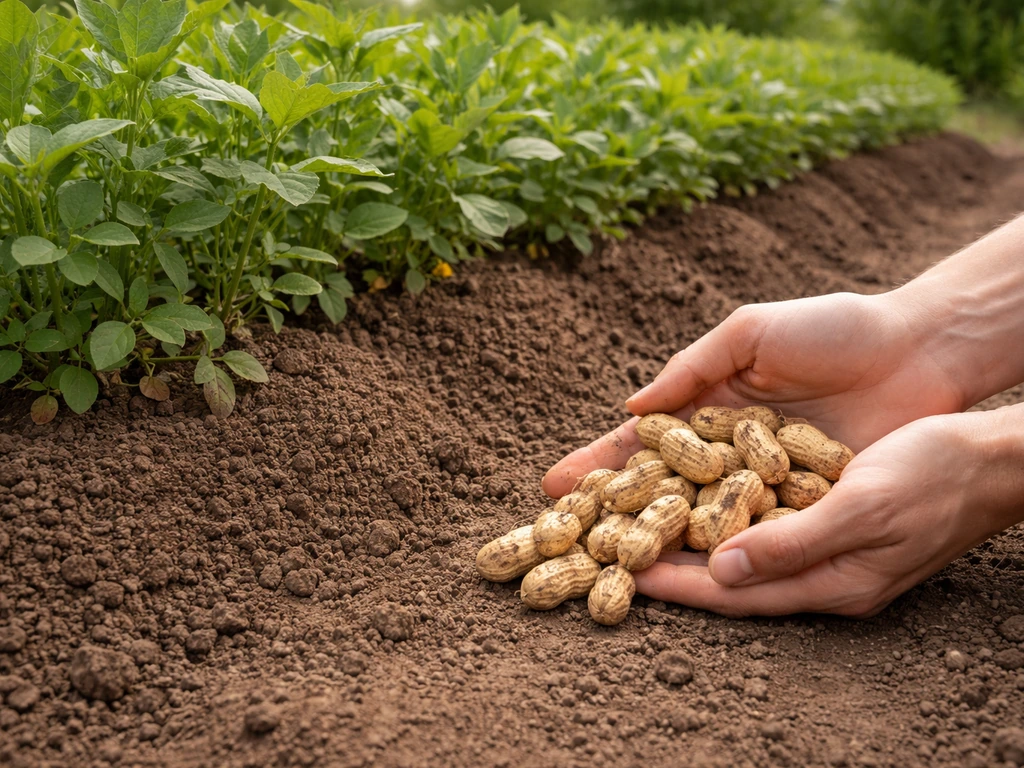
If you're curious about how cob nut growing compares to other nut species with unusual habitat requirements, it's worth knowing that cob nuts sit at the more accessible end of the spectrum. For comparison, do monkey nuts grow underground? They are groundnuts, and their pods develop underground after flowering. Unlike some nut trees with very specific climate demands, the underlying hazel genetics give cob nuts genuine adaptability. They're a reasonable starting point for anyone new to growing nut trees in a temperate garden.
FAQ
If cob nuts grow in my region, how can I tell it is actually a cobnut, not just any hazel?
In many regions, the word cobnut gets used loosely, so the most reliable way to confirm where they grow near you is to look for Corylus avellana cultivars sold by name (for example, Kentish Cob, Ennis, Gunslebert). If the plant is sold only as “hazel” without a cultivar, you may still get edible nuts, but the nut size, yield, and husk traits associated with cobnuts are not guaranteed.
Can cob nuts grow in colder climates if the plants are Zone 4 hardy?
Yes, cobnuts can be grown outside their traditional production areas, but you need to treat frost pockets as a site-ending factor, not just a “nice to have” consideration. Even if winter temperatures are fine, early flowering means late spring frosts can wipe out the crop, so choose a position with cold-air drainage (often a gentle slope) rather than a valley bottom or low spot that stays cool after sunset.
What should I do if my soil looks okay on the surface but stays wet after rain?
If your site tends to stay wet, cobnuts may fail even when the topsoil looks fine. A practical check is to dig a soil test hole and watch where water stands after rain (or feel the soil 6 to 12 inches down for persistent dampness). If the subsoil is close to the water table, you may not have enough rooting depth above it to support healthy establishment.
Why did my cob nut plant leaf out well but produce few nuts?
Cobnuts are wind-pollinated, so spacing and nearby cultivars matter more than people expect. Planting only one shrub often leads to low or inconsistent nut set because male catkins and female flowers may not overlap perfectly in time. A better approach is to plant two or more named cultivars within pollination distance so you can hedge against timing mismatch.
Are there fertilizing or pruning mistakes that affect cobnut yields, especially after a frost year?
Cobs nuts flower early, so feeding and pruning decisions can indirectly worsen frost risk. Avoid heavy late-season nitrogen that encourages tender growth, and don’t prune too aggressively right before flowering, since you can remove flower-bearing wood. Focus on moderate soil fertility and a structure that supports airflow through the shrub.
How long does it usually take for a new cobnut plant (or sucker) to start producing nuts?
Many people buy a container plant and assume it will be productive quickly, but cobnuts typically take time to build a strong root system and sucker-producing base. If you propagate from suckers, the plant is more likely to be true-to-type, yet it still needs a couple of seasons to establish before you judge yield. Patience matters, especially in the first two growing years.
What is the best way to propagate cob nuts using suckers, and when should I do it?
Propagation by suckers is usually easiest, but timing matters. Since suckers are already rooted, you generally get the best survival when you separate them when the plant is dormant or just after active growth begins, then keep the transplants evenly moist while roots re-establish. If you remove suckers too late in the season, heat or dry spells can stress the new plants.
How do I choose between two garden spots if one is sunnier but drier, and the other is shadier but more consistently moist?
Look for the right “habitat match” cues in the landscape: dappled woodland-edge light, soils that stay moist but not waterlogged, and hedgerow or streamside thickets. If you only have full sun and dry, sandy soil, you may need irrigation and soil improvement to mimic that moderate, consistent moisture pattern rather than expecting the plants to self-correct.
When should I harvest cob nuts in my garden, and how can I tell they are ready?
In commercial Kent-style culture, harvest typically happens from late September into early October, but backyard timing can shift with season and cultivar. A practical rule is to harvest when the husks are fully developed and the nuts are ready to come away cleanly, then test a few for full kernel fill. Don’t wait for every nut to match perfectly, since timing within a shrub can vary.