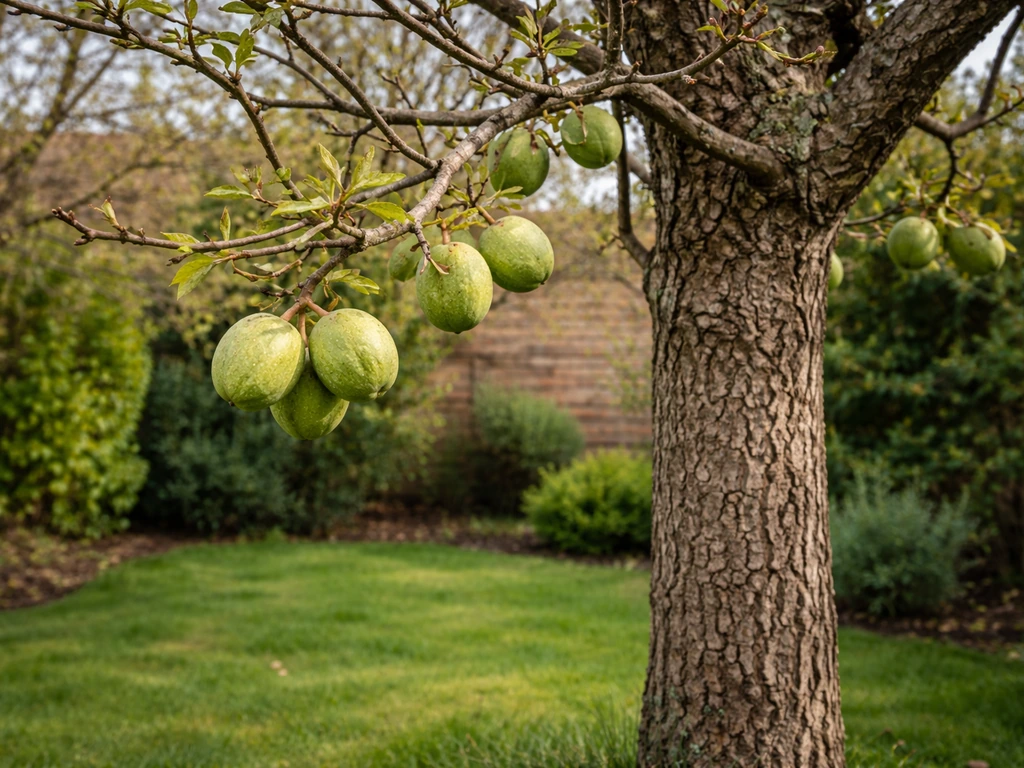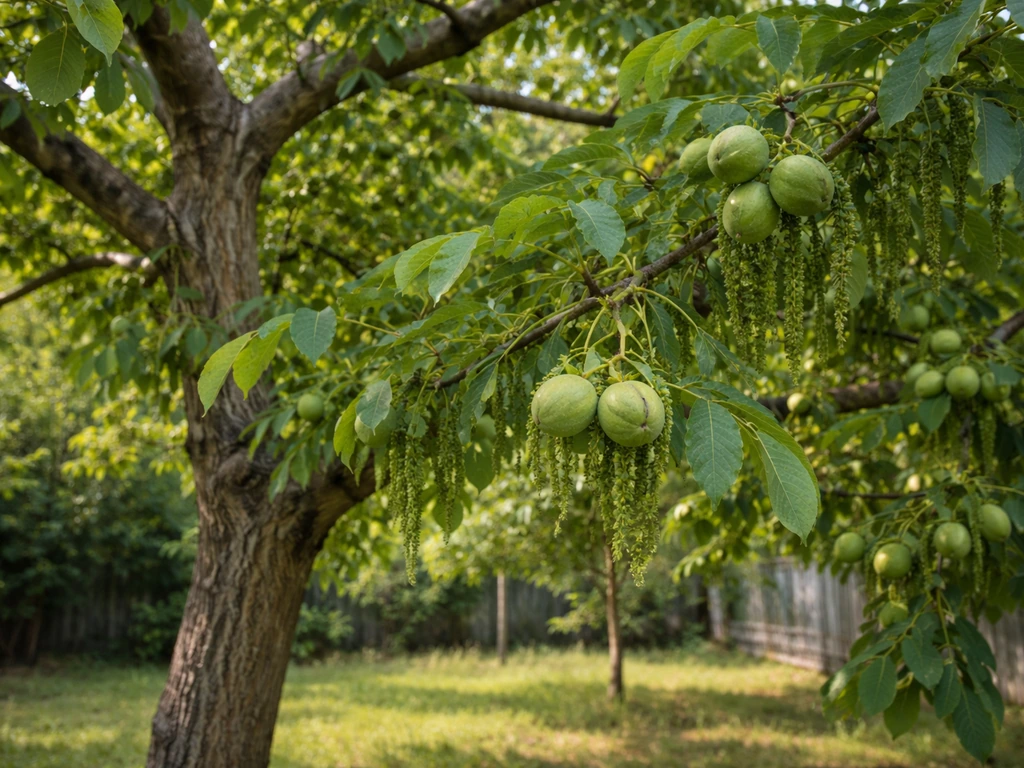
Nutmeg grows naturally in humid, tropical lowland regions, and the short answer is: if you live outside USDA zones 10–11, you almost certainly cannot grow it outdoors. The nutmeg tree, Myristica fragrans, is native to the Maluku Islands (the Spice Islands) of Indonesia, and almost everything about its requirements reflects that origin: year-round warmth, heavy rainfall, rich loamy soil, and zero tolerance for frost. Kew’s Plants of the World Online lists the native range of Myristica fragrans as Maluku (Banda Islands) native to the Maluku Islands (the Spice Islands) of Indonesia. That said, understanding exactly where and why it grows gives you a clear framework for deciding whether it can work in your specific spot.
Where Does Nutmeg Grow? Regions, Climate, and How to Check
Marcus Hendricks
5 Apr 2026
What nutmeg actually is (and why the tree matters)
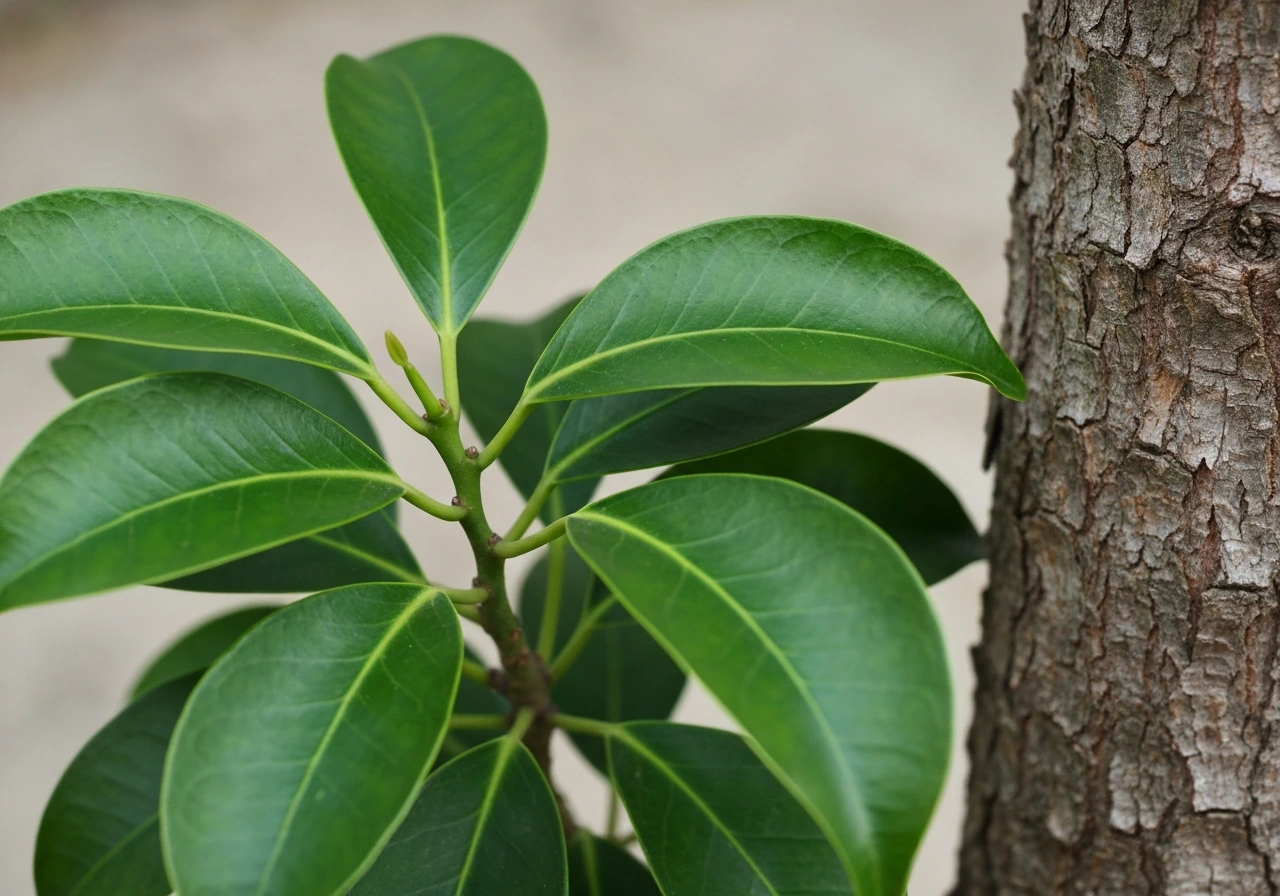
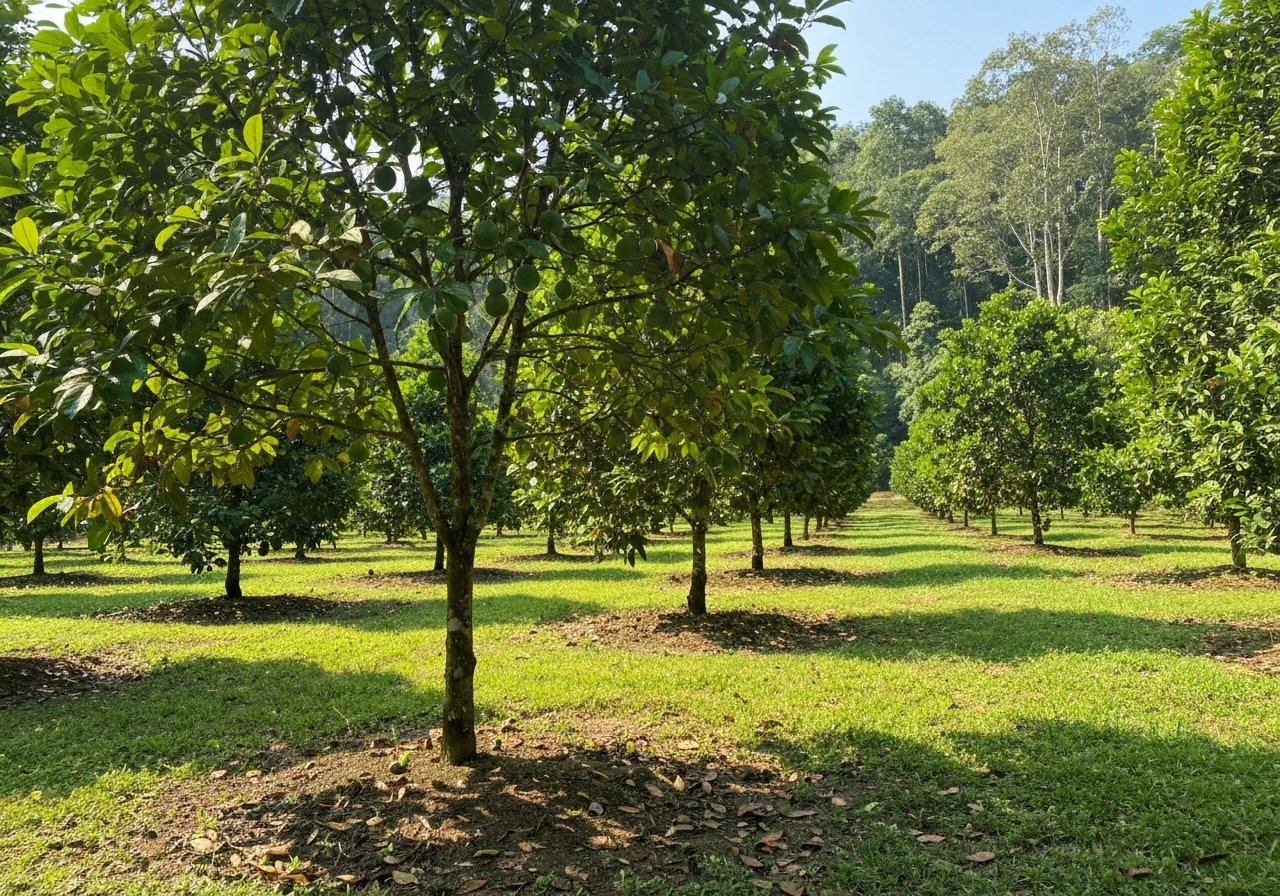
Most people think of nutmeg as a spice that comes from a nut, and that's mostly right, but the botany is worth knowing. Myristica fragrans is an evergreen tree in the family Myristicaceae. It produces a single-seeded drupe, a fleshy fruit that, when fully ripe, splits open along a groove to reveal two things: a brilliant red, net-like aril wrapped around the seed (that aril is mace, a separate spice), and the dark, hard seed itself (that's the nutmeg). So one fruit gives you two spices.
The tree is also dioecious, meaning individual trees are either male or female. You need both to get fruit. When the fruit ripens and splits while still on the tree, the seed surrounded by its red aril typically falls to the ground within about two days. Growers collect them from the ground, or knock ripe fruits down with hooked poles, or harvest by hand. Then the mace is separated, and both spices go through a drying process before they reach your spice rack. This isn't a tree where you casually pick something when you feel like it. The harvest timing and mechanics are specific, which is part of why growing nutmeg successfully takes real commitment.
Where nutmeg grows naturally and commercially
Indonesia is the world's leading producer of nutmeg by a wide margin, and that's been true for centuries. The Maluku Islands are the tree's original home, and Indonesia remains the dominant global supplier today. The second major producing country is Grenada in the Caribbean, which is the largest cultivator in the West Indies and ranks only behind Indonesia in global output. Beyond those two, the countries that contribute meaningfully to international trade, particularly to the European market, include Vietnam and Sri Lanka. Those four, Indonesia, Vietnam, Grenada, and Sri Lanka, account for the bulk of what's exported globally.
The common thread across all of these locations is obvious once you look at a map: they're all tropical, near the equator, with high humidity, heavy annual rainfall, and no frost. Grenada sits at about 12°N latitude. Indonesia's Maluku Islands are almost exactly on the equator. Vietnam's nutmeg regions and Sri Lanka's growing areas are similarly equatorial or near-equatorial. This isn't coincidence. It's the climate envelope the tree evolved in, and it doesn't stray far from it in commercial production.
The climate and soil conditions that nutmeg actually needs
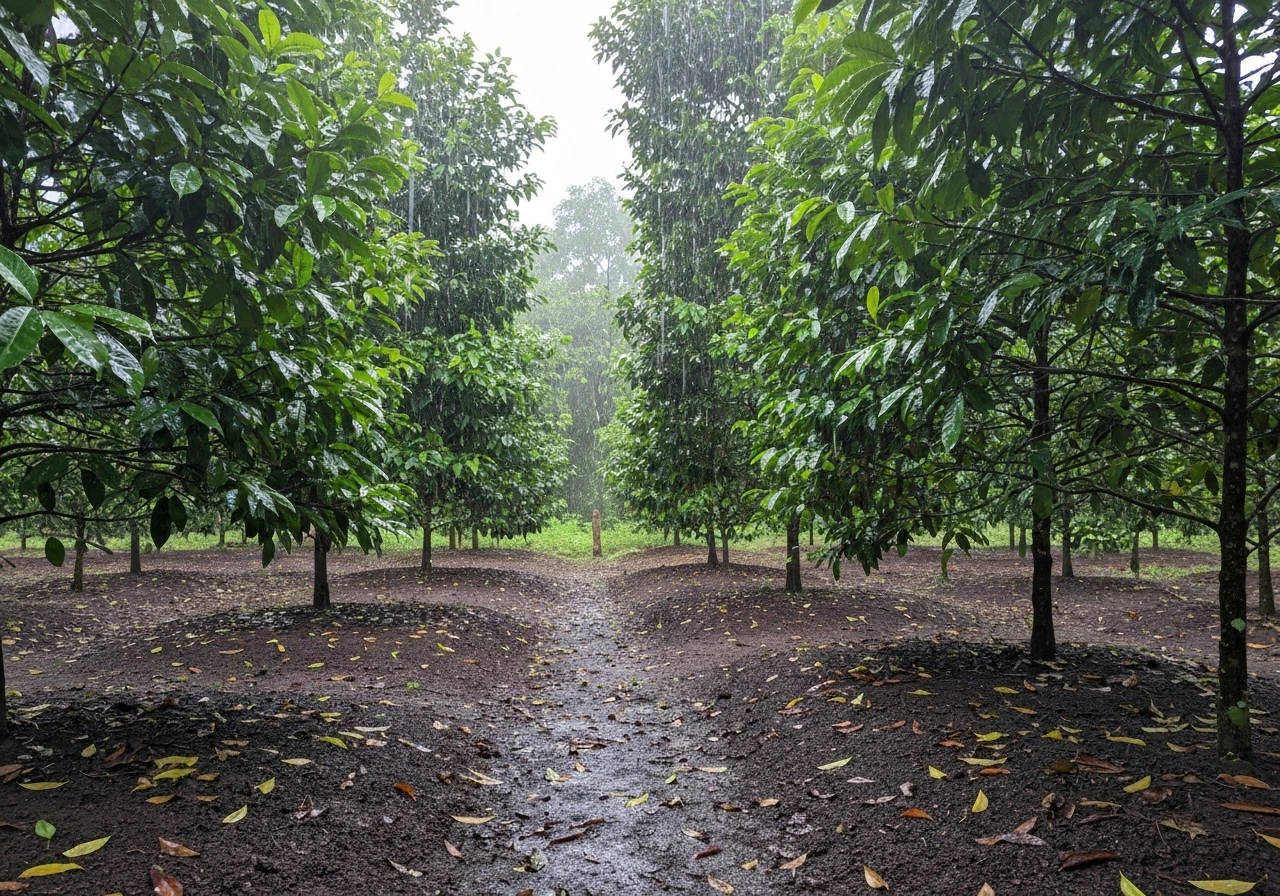
Let's get specific, because this is where a lot of growers go wrong by assuming "tropical" is vague enough to work around. It isn't. Here's what Myristica fragrans genuinely requires:
- Annual rainfall of roughly 1,500–3,500 mm (about 59–138 inches), with the sweet spot for most production systems sitting between 2,000–3,000 mm per year. That's a lot of water, consistently distributed.
- Well-drained, deep loam soil. Nutmeg roots don't tolerate waterlogging even though the tree wants high humidity. Drainage and moisture availability have to work together.
- Soil pH in the range of 5.5–6.5, slightly acidic. Some references extend this to 7.5 on the high end, but optimal production sits in that lower acidic range.
- Elevation typically between 0–800 meters (about 0–2,600 feet). This is a lowland to mid-elevation crop. High-altitude sites with cooler temperatures are generally unsuitable.
- Temperatures that stay warm year-round. Cold below 30°F (about -1°C) will kill the tree. Even nighttime lows below 55°F (13°C) are problematic enough that potted plants should be brought indoors to protect them.
- Partial shade when young. Nutmeg seedlings and young trees benefit from shade during establishment and are often grown under a canopy in agroforestry systems.
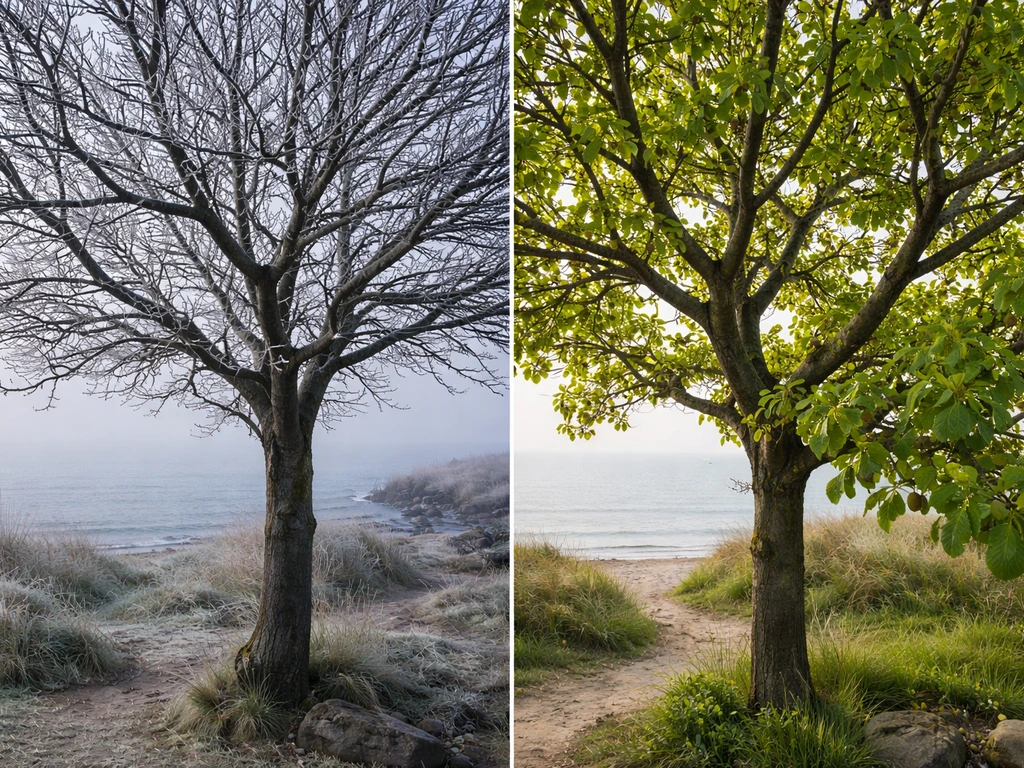
The cold sensitivity is the real limiter for most readers in temperate climates. This isn't a tree that tolerates a light frost and bounces back. A hard freeze will destroy it. USDA zone 10 is really the practical minimum for outdoor cultivation, and zone 11 or 12 is where the tree genuinely thrives without any cold stress. For context, zone 10 in the continental US covers the southernmost tips of Florida, parts of coastal Southern California, and not much else.
How the nutmeg tree grows and how long before you see results
I'll be direct: nutmeg is not a fast-payoff crop. After you plant a nutmeg tree, commercial bearing typically begins around 6–7 years later. That's the earliest realistic timeline for first harvest, and that assumes everything goes right: the right climate, proper soil prep, adequate water, and a male tree nearby for pollination. Some orchards report even longer establishment periods before meaningful yields.
The harvest season for nutmeg in major producing regions generally peaks around June and July, though trees in ideal tropical conditions can produce fruit across multiple flushes during the year. Once the fruit ripens and the yellow pod splits open, you have about a two-day window before the seed and aril drop to the ground. Then mace is separated from the seed, and both go through careful drying. The process rewards patience and attention. If you're thinking about growing nutmeg, the 6-to-7-year wait is something to plan around, not minimize.
Reading a nutmeg growing map and what the zones actually tell you
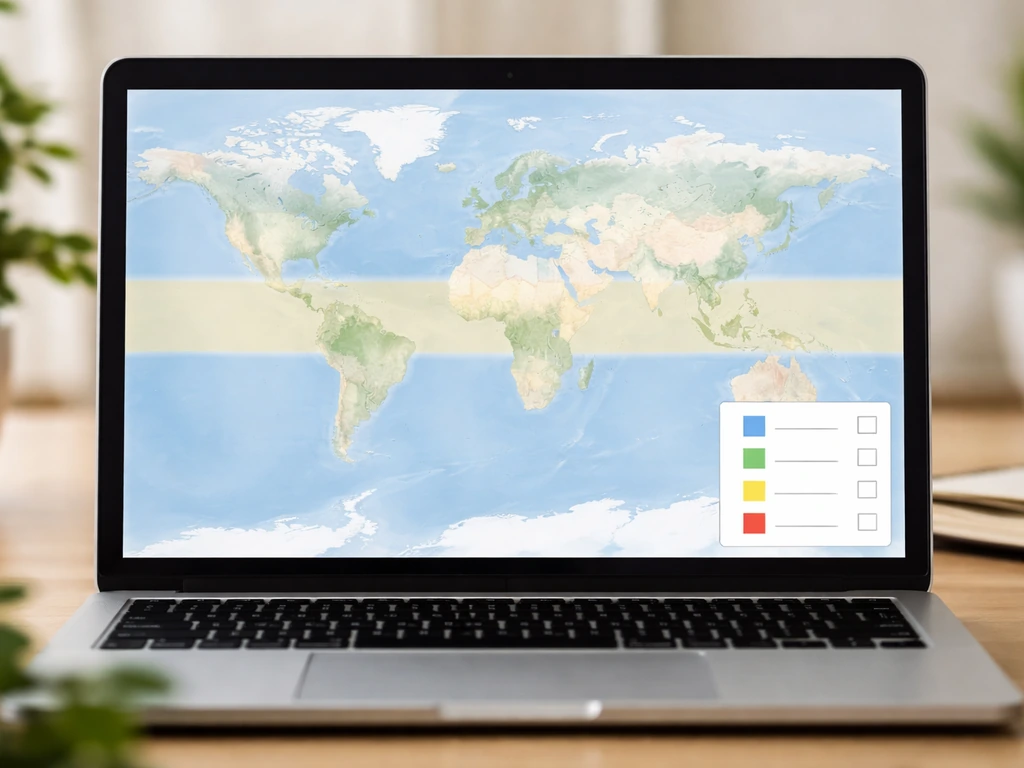
When you look at a world map of nutmeg cultivation, you're essentially looking at a band that hugs the equator, mostly within 15–20 degrees of latitude north and south. The USDA Plant Hardiness Zone system offers a useful translation tool for this in North American terms: it divides regions by average annual minimum winter temperatures. Nutmeg sits firmly in zones 10–11 at the minimum, and zone 11–12 for reliable outdoor performance.
It's worth knowing that USDA Hardiness Zones only measure cold tolerance, not heat or humidity. The American Horticultural Society's Heat Zone system is a separate framework based on the number of days per year temperatures exceed 30°C (86°F), and it captures a different dimension of what tropical plants need. A location can be in zone 10 for cold hardiness but still not be humid or hot enough during the growing season for nutmeg to perform well. Both cold hardiness and heat/humidity need to line up.
Here's a practical checklist for reading any nutmeg growing zone map or deciding whether a location is viable:
- Confirm USDA Hardiness Zone is 10 or higher. If you're in zone 9 or below, outdoor nutmeg is not realistic without serious frost protection.
- Check average annual rainfall. If your area gets less than about 60 inches (1,500 mm) per year, you'll need consistent supplemental irrigation to compensate.
- Assess frost frequency. Even occasional dips below 30°F (-1°C) pose a serious risk. If your area has any frost days, outdoor nutmeg trees need significant protection or aren't viable.
- Look at elevation. If you're above 800 meters, temperature and pressure conditions generally work against nutmeg even in warm regions.
- Check soil drainage. Nutmeg wants moisture but absolutely cannot sit in waterlogged soil. Heavy clay without amendment is a problem.
- Consider shade availability. Young trees do better with partial shade, especially in their first few years. Plan your planting site accordingly.
How to figure out if nutmeg can grow where you live
Start with your USDA Hardiness Zone. The USDA zone map is based on average yearly minimum temperatures, and it's the quickest way to do a first-pass check. If you're in zone 9 or lower, the realistic path to growing nutmeg outdoors is essentially closed unless you have a heated greenhouse with subtropical conditions year-round. If you're in zone 10, outdoor growing is theoretically possible but you'll still need to manage cold snaps carefully, keep a pot-movable plant strategy as a backup, and ensure your rainfall or irrigation can hit that 1,500 mm annual threshold. A FAO EcoCrop data sheet for Myristica fragrans also lists an annual rainfall range of 1500, 3500 mm that 1,500 mm annual threshold.
For gardeners in cooler climates who are curious whether this could work locally, I'd encourage you to look into what can realistically grow in your region before committing. For example, readers in the northeastern US sometimes ask about tropical or exotic species. If you've wondered does nutmeg grow in Connecticut, the short answer is no outdoors, but it's a fair question that gets into some interesting climate detail. Connecticut winters rule it out completely.
If you're in a marginal zone (10a, for instance) and still want to try, here's my practical advice: start with a container-grown plant. Containers let you control soil conditions and move the tree indoors or into a greenhouse when temperatures drop. Keep the plant in a spot with bright indirect light and high humidity indoors, and move it outside during the warmer months. You're not going to get commercial-scale yields this way, but you can grow a healthy tree. Just don't expect fruit for at least 6–7 years, and understand that fruiting in a container is harder to achieve than in ground planting in a true tropical climate.
Nutmeg vs. other specialty crops: a quick zone comparison
If you're drawn to unusual or specialty food-producing trees, it helps to see how nutmeg stacks up against some other options in terms of climate needs. Not everything that seems exotic is as restricted as nutmeg.
| Crop | USDA Zone Minimum | Annual Rainfall Need | Frost Tolerance | Years to First Harvest |
|---|---|---|---|---|
| Nutmeg (Myristica fragrans) | Zone 10–11 | 1,500–3,500 mm | None (below 30°F kills tree) | 6–7 years |
| Fox nut / Makhana (Euryale ferox) | Zone 7–10 | Aquatic/wetland | Moderate | 1–2 years |
| Tiger nut (Cyperus esculentus) | Zone 7–10 | 400–700 mm | Light frost only | 3–5 months |
| Cobnut / Hazelnut (Corylus avellana) | Zone 4–9 | 600–1,200 mm | High | 4–5 years |
| Monkey nut / Peanut (Arachis hypogaea) | Zone 7–11 | 500–1,000 mm | None | 4–5 months |
The contrast is stark. Crops like tiger nuts can be grown across a wide band of temperate climates with relatively modest rainfall needs, and they reach harvest in months rather than years. Cob nuts grow comfortably into zone 4, making them accessible to growers across much of North America and Europe. Nutmeg sits at the extreme end of tropical restriction.
If you're in a cooler region and want an unusual edible plant, understanding where fox nut grows might open up options you hadn't considered, since it thrives in wetland conditions across a broader climate range. Similarly, how monkey nuts grow underground points to a crop with far less climate restriction than nutmeg. For readers in the northeastern US specifically, it's worth exploring what nuts grow in CT to find species that actually match the local hardiness zone rather than fighting tropical requirements.
The bottom line on where nutmeg grows
Nutmeg grows naturally in Indonesia's Maluku Islands and thrives commercially in Indonesia, Grenada, Vietnam, and Sri Lanka. Every one of those locations is tropical, humid, frost-free, and sits close to the equator. The tree needs USDA zones 10–11 at minimum, annual rainfall of at least 1,500 mm, well-drained loamy soil with a pH of 5.5–6.5, and absolutely no frost. It also won't produce fruit for 6–7 years after planting. If your location checks all those boxes, it's worth pursuing. If it doesn't, a container strategy with indoor overwintering is your best realistic option, with modest expectations on yield. Either way, knowing the biology and geography upfront saves you from a long, expensive disappointment.
FAQ
If I’m in USDA zone 10, can I grow nutmeg outdoors reliably?
You can grow nutmeg outdoors only where winters never meaningfully freeze. If you are in USDA zone 10, assume you will still need active protection during cold snaps (for example, cloches or frost blankets) and plan a backup move for a container-grown tree during unusual freezes.
What if my area is in the right hardiness zone, but summers are not very humid?
Heat zone matters because nutmeg’s problem is not just cold tolerance, it is also humidity and sustained warmth. A site can technically be in zone 10 but still fail if summers are too dry or too cool, even if the plant survives winter.
Why does my nutmeg tree never fruit even if it grows well?
Yes, fruiting can happen later than expected, especially in containers, in suboptimal humidity, or if pollination does not occur. Since nutmeg trees are dioecious, you may need to confirm you have a male tree nearby or a second tree of the right sex to get reliable fruit.
How should I handle nutmeg during winter if I keep it in a container?
Overwintering indoors is usually the make-or-break step for people outside the tropics. Keep the plant in bright, indirect light, maintain higher humidity, avoid cold drafts near windows, and gradually acclimate it back outdoors in spring to reduce shock.
Do I need special soil, or is any tropical-looking soil enough for nutmeg?
Check your soil drainage first. Nutmeg prefers rich loamy soil, but it also needs drainage that prevents waterlogging, which can rot roots. If your yard soil stays soggy after rain, amend with compost and consider raised beds or a container to control drainage.
How much water does nutmeg really need, and what’s the most common watering mistake?
It is easy to overwater when chasing “tropical rain.” Nutmeg wants consistently moist conditions, but not stagnant water. Use irrigation that mimics gentle, frequent rainfall, and verify the pot or bed drains well so the roots are not sitting in water.
How long should I realistically wait for my first harvest, and what can delay it?
If you want the best chance at fruit, prioritize healthy establishment and correct pollination before worrying about yield. Also, remember there is usually a long juvenile period, commonly 6 to 7 years, so you may not know the tree’s productive potential until later.
Does nutmeg always ripen in summer where I live?
The tree’s “roughly June to July” peak refers to major producing regions in the tropics, not temperate homes. In ideal conditions it can produce in multiple flushes, but in marginal climates your first real harvest may not follow that pattern because flowering and fruit set can be disrupted.
If my tree survived a light frost, is it safe to assume nutmeg will do fine outdoors?
Yes, where it can get damaging is with hard freezes and persistent cold. Even if a tree survives a brief dip, repeated cold stress can reduce growth and delay or prevent flowering, so treat cold snaps seriously rather than assuming “it lived once” means it will be fine.
Does the source of my nutmeg plant affect whether it will grow in a colder climate?
Nursery stock and seed sources matter because plants can vary by origin, and some may have different tolerance to cold or humidity swings. For the best odds, choose plants intended for subtropical indoor-outdoor growing, if available, and ask the seller about the plant’s provenance and performance history.