The short answer: no, nutmeg does not grow outdoors in Connecticut in any practical sense. Tiger nuts are a different kind of crop than nutmeg, and their growing conditions are typically warm and sunny rather than tropical evergreen gardening where do tiger nuts grow. If you're curious about similar nut-like crops that might actually fit temperate locations, see where do cob nuts grow as a related option. Monkey nuts are another common name people use for some underground-growing types of edible nuts, so it's natural to ask whether they grow below the soil do monkey nuts grow underground. The nutmeg tree (Myristica fragrans) is a tropical evergreen that thrives at temperatures of 25–30°C year-round and is rated for USDA zones 11–12 outdoors. blank" rel="noopener noreferrer">Connecticut sits in zones 5b–7a, where winter lows routinely crash well below the 30°F threshold that already damages nutmeg, and in many parts of the state lows can reach well below 0°F. Outdoor survival without a heated structure is essentially impossible. That said, you can grow nutmeg indoors in Connecticut as a container plant, and with the right setup and a lot of patience, fruiting is technically on the table. But there's a big gap between keeping the tree alive and actually harvesting nutmeg, and you need to understand that gap before you start.
Does Nutmeg Grow in Connecticut? Indoor and Outdoor Guide
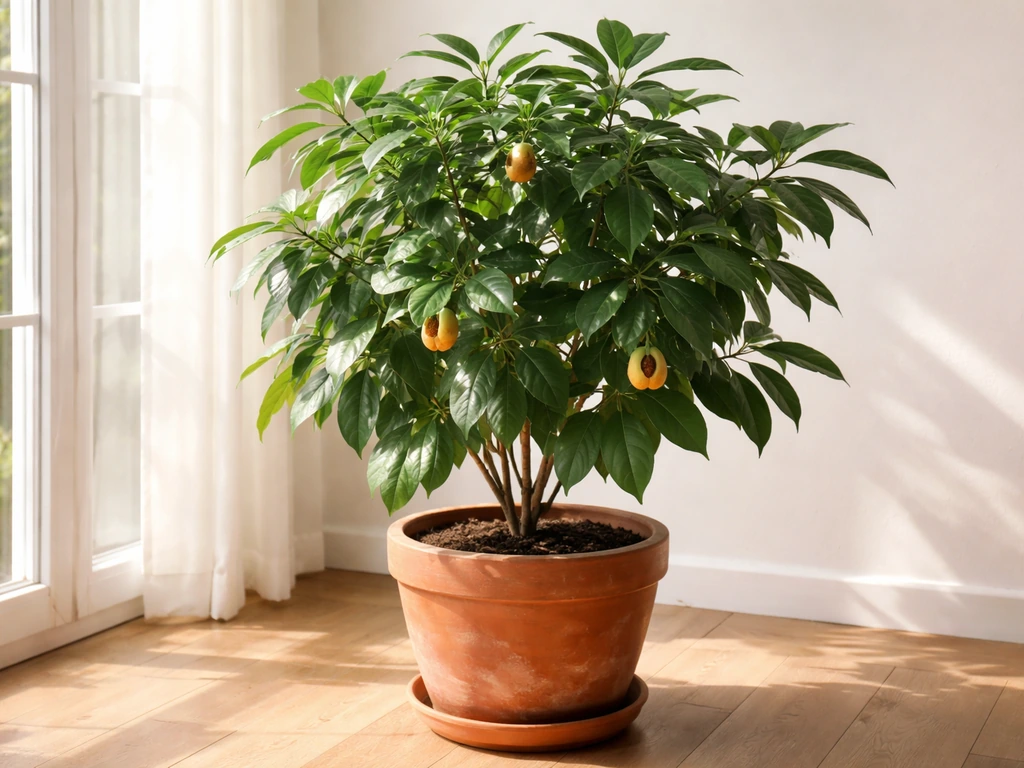
Nutmeg's status in Connecticut: not native, not naturalized, not outdoor-viable
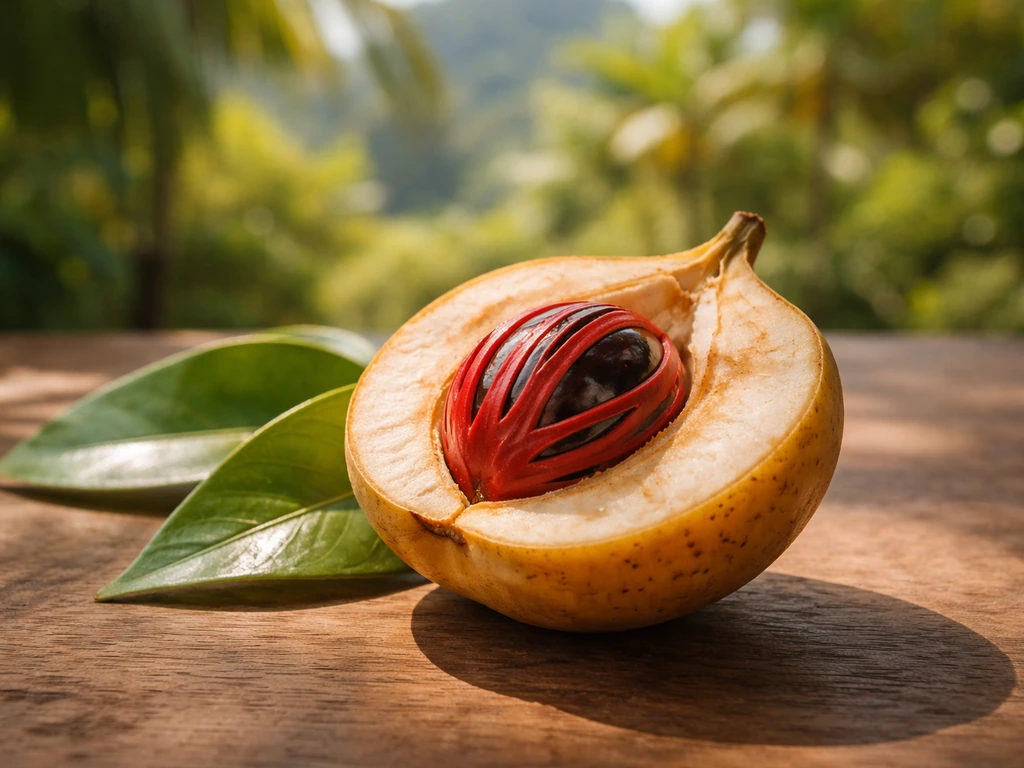
Myristica fragrans is native to the Banda Islands of eastern Indonesia and has been cultivated across humid tropical regions including parts of Indonesia, Sri Lanka, India, Grenada, and other equatorial zones. Nutmeg is originally from the Banda Islands in eastern Indonesia, and it grows best in warm, humid tropical climates. It has zero history of cultivation outdoors in Connecticut. The Connecticut Agricultural Experiment Station has referenced nutmeg in the context of spice and seed processing, not as a crop grown in the state. There are no established populations, no documented outdoor fruiting cases in cold climates in the horticultural literature, and no naturalized presence anywhere near New England. This isn't a plant that's just marginally tricky to grow here. It's fundamentally the wrong climate.
What the nutmeg plant actually is (and why it doesn't fit temperate gardens)
Nutmeg is not a temperate nut tree in the botanical sense, which surprises a lot of people who find this site looking for which nuts grow in Connecticut. Myristica fragrans is an evergreen tropical tree in the family Myristicaceae, and it produces a fleshy fruit that splits open when ripe to reveal a seed wrapped in a lacy red aril. The dried seed is what we call nutmeg; the dried aril is mace. Both are from the same fruit. The tree itself is slow-growing and can eventually reach 20 meters in the wild, though cultivated specimens are usually kept much smaller.
One of the key biological facts that complicates growing nutmeg anywhere outside the tropics is that it is dioecious. That means male and female flowers are on separate trees. You cannot get fruit from a single plant. You need at least one male and one female tree, and there's no reliable way to tell them apart before they flower, which doesn't happen until the trees are around 7–8 years old. Pollination in native habitats is handled by a loose group of insects including beetles, flies, thrips, and bees. Indoors, none of those pollinators are present, so you'd need to hand-pollinate.
Why Connecticut winters are a hard stop for outdoor nutmeg
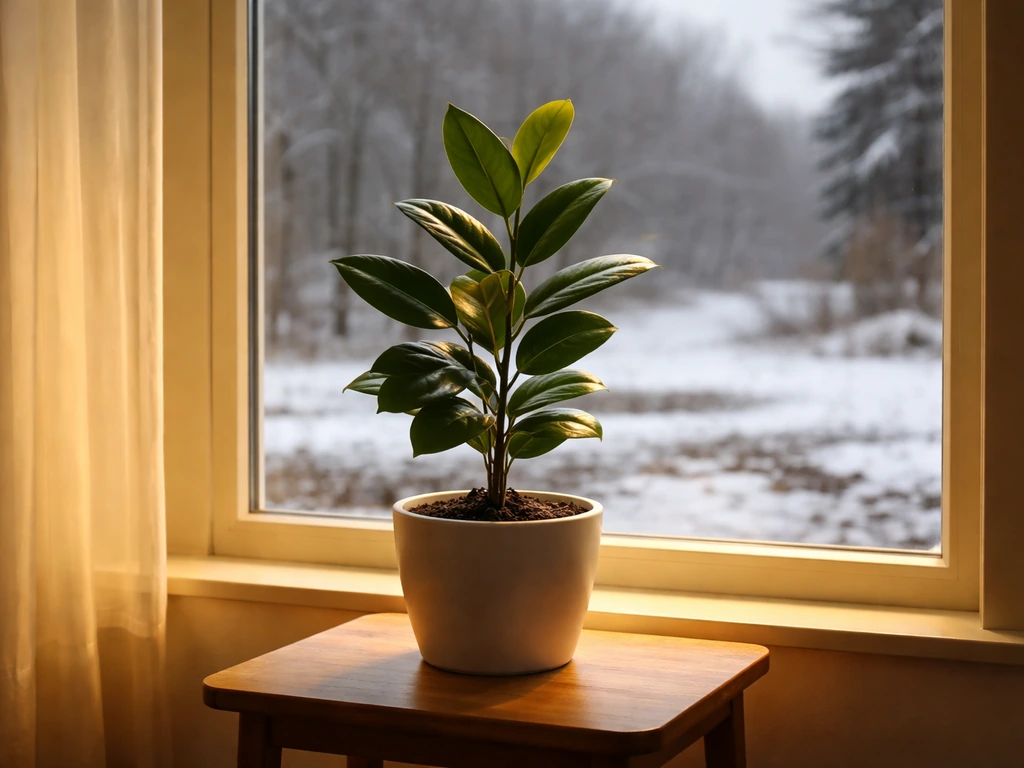
Nutmeg needs warmth that Connecticut simply doesn't provide. The optimum growing temperature is 25–30°C (77–86°F), sustained year-round. Even in southern Connecticut's zone 7a, winter lows regularly drop to 0–5°F. PlantMaps also notes that Connecticut spans multiple USDA hardiness zones, with Bridgeport listed around zone 7a on its hardiness-zone data page. Nutmeg can't handle anything below about 30°F, let alone sustained sub-freezing temperatures. Root systems are particularly vulnerable: roots of tropical trees like this will die at temperatures below 10°F even when stems might appear to weather brief cold snaps. In Connecticut, that kind of root-killing cold is a near-certainty every winter.
Microclimates in Connecticut can soften things slightly. A south-facing wall in a sheltered garden in coastal Connecticut might see milder overnight lows than an exposed inland site. But the gap between 'slightly warmer microclimate' and 'tropical' is so enormous that no microclimate in the state bridges it. You'd need an actively heated structure, not just a windbreak or a warm wall. Think greenhouse with a heating system, not a sheltered corner of the yard.
Growing nutmeg indoors in Connecticut
This is where it actually becomes viable, with realistic caveats. Growing nutmeg as a container plant indoors in Connecticut is something you can do. You won't mistake it for easy, but the plant will survive and grow in the right conditions. Here's what that setup looks like.
Container and soil setup
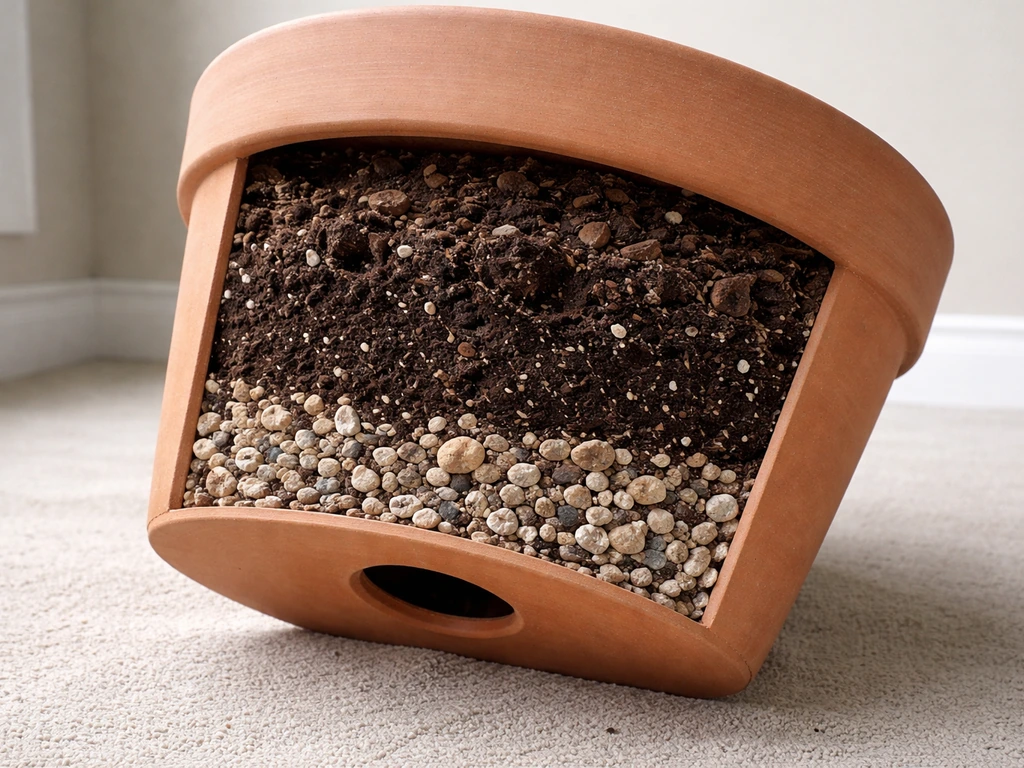
Use a large container with excellent drainage. Nutmeg roots do not tolerate waterlogging, and in a container environment with lower airflow than the tropics, overwatering is the most common way to kill the plant. A well-draining mix with good aeration works well: something like a loam-based potting mix cut with perlite or coarse sand. Repot as the tree grows, but don't rush it into a very large container too early since that increases the risk of the soil staying wet too long between waterings.
Light and temperature indoors
Nutmeg needs bright, indirect to full light. In Connecticut, natural light through windows is not going to cut it year-round, especially in winter when days are short and the sun angle is low. Plan on supplemental grow lighting if you're serious about the plant staying healthy and eventually flowering. Temperature indoors should stay consistently above 60°F at minimum, and ideally in the 70–85°F range. Don't place the container near drafty windows or exterior walls in winter, and keep it well away from heating vents that create dry, hot blasts.
Pollination and fruiting indoors
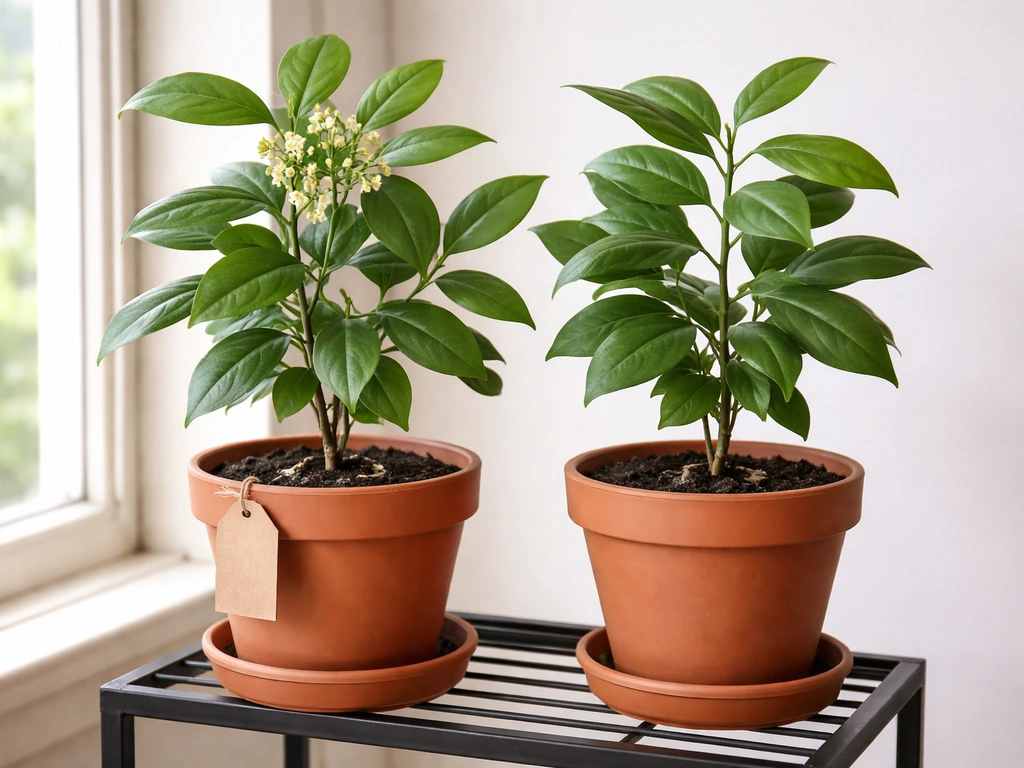
This is the genuinely hard part. Because nutmeg is dioecious, you need both a male and a female tree, and you won't know which is which until they flower at around 7–8 years of age. Grow several plants to improve your odds of having at least one of each sex. When flowers do appear, you'll need to hand-pollinate: transfer pollen from male flowers to female flowers with a small paintbrush. Even then, from successful flower set to mature fruit takes roughly 206–237 days, and flower bud development to anthesis (the point where the flower is open and receptive) can itself take anywhere from about 39 to 146 days. That's a long, sensitive window where conditions have to stay consistently warm and stable.
Any outdoor options in Connecticut? Limited, but here's the honest picture
There's one scenario where you could call nutmeg 'outdoors' in Connecticut: moving container plants outside during the warmest months. From roughly late June through August, when nighttime temperatures consistently stay above 60°F, you can bring a nutmeg container outside to a sheltered, warm spot. It may benefit from increased humidity and natural light. But this is a seasonal arrangement only. The plant must come back inside well before any frost risk, which in Connecticut means early September at the latest in northern parts of the state and mid to late September in coastal areas.
Permanent outdoor planting, even with heavy mulching, row covers, or burlap wrapping, is not a viable strategy. Those protective measures help temperate plants survive zone-boundary conditions. They can't compensate for Connecticut winters against a plant that's damaged at 30°F and dies well before temperatures reach the extremes Connecticut regularly sees. If you have an attached, heated greenhouse, that's a different story, but at that point you're growing the tree indoors with greenhouse infrastructure, not in a garden bed.
Growing the plant vs. actually harvesting nutmeg: what to expect
These are two very different goals, and it's worth being straight about the difference before you invest years in this project.
| Goal | What it takes | Realistic timeline | Difficulty in CT |
|---|---|---|---|
| Keep nutmeg alive as a houseplant | Warm temps, bright light, good drainage, avoid frost | Can start immediately | Moderate — doable with attention |
| Get the tree to flower | 7–8 years of healthy growth, sustained warm conditions, supplemental light | 7–8+ years from seed | Hard — long commitment, no shortcuts |
| Achieve fruit set | Both male and female trees flowering simultaneously, hand pollination | 8–10+ years | Very hard — need multiple trees, right sex ratio |
| Harvest mature nutmeg | Fruit maturation after set: ~206–237 additional days of stable warm conditions | 9–12+ years total | Extremely difficult — long stable environment required |
That timeline is not a deterrent if you're genuinely interested in growing a nutmeg tree as a long-term botanical project. It's a gorgeous evergreen houseplant, and there's real satisfaction in growing something this unusual in Connecticut. But if your goal is to harvest your own nutmeg to use in cooking, you should know upfront that the path is measured in years and requires some luck with plant sex ratios. Many people who start growing nutmeg indoors never reach the fruiting stage, not because they did anything wrong, but because the logistical hurdles of dioecy and pollination in an indoor setting are genuinely difficult to clear.
Practical next steps for Connecticut growers
- Start from a healthy nursery-grown cutting or seedling rather than seed if you want to reduce the time to flowering, since vegetatively propagated plants may flower sooner than seedlings and you may be able to get plants of known sex from a specialty tropical nursery.
- Set up your indoor growing space before the plant arrives: a warm interior room with supplemental grow lighting, a well-draining tropical mix, and a location away from drafts and cold windows.
- Grow at least two to four plants to improve your odds of getting both a male and a female tree. Label them carefully from the start so you can track which plants flower first and what sex they are.
- Plan for summer outdoor periods only. Move containers outside after nighttime lows are reliably above 60°F and bring them back inside by early September in most of Connecticut.
- When flowers appear, act quickly with hand pollination. Use a small, clean paintbrush to transfer pollen from male flowers to female flowers. Repeat daily while flowers are open.
- Maintain stable warm conditions (70–85°F) and consistent watering through the entire fruit development period, which can run 7–8 months after successful pollination.
If growing nutmeg indoors sounds like too much of a commitment, it's worth exploring what nut and nut-like species are actually well-suited to Connecticut conditions outdoors. Tiger nuts (often called chufa) are a different kind of tuber crop, and they grow best in warm climates with sunny conditions. If you’re specifically asking what nuts can grow outdoors in Connecticut, it helps to look at nut-like species that tolerate the state’s real winter conditions. If you're curious about other “nut-like” plants, you may also want to check where fox nut grows and what conditions it needs where does fox nut grow. The gap between a tropical dioecious tree that needs zones 11–12 and the kinds of nut trees that genuinely thrive in Connecticut's climate is enormous, and there are some genuinely rewarding options for the state that don't require a decade of careful indoor cultivation before you see any results.
FAQ
If nutmeg does not grow outdoors in Connecticut, why do people claim they’ve seen nutmeg trees there?
They cannot survive typical Connecticut winters in-ground or outdoors year-round. If you see “nutmeg trees in Connecticut,” it usually refers to a container kept indoors (and sometimes briefly outdoors in summer), not a tree growing outdoors in the way local nut trees do.
Can I keep a nutmeg tree alive indoors in Connecticut and still get actual nutmeg?
Yes, you can technically keep a nutmeg tree alive indoors, but fruiting is the bottleneck. Because the trees are dioecious, you must have both male and female plants and successfully hand-pollinate, which can easily take years before you even know whether you have the right sex pair.
How many nutmeg plants should I buy to improve my odds of fruiting in Connecticut?
You should start with multiple plants because sex can’t be reliably determined until flowering around 7 to 8 years. A common practical approach is to grow at least 3 to 5 trees to improve the odds of having one male and one female before you invest too many years into a single-plant setup.
Is natural pollination possible if I put my nutmeg outside in summer?
Not reliably. Nutmeg generally requires hand-pollination indoors because the insects that assist pollination in native tropical areas are not present in a home environment, and window placement or “letting it air out” does not substitute for the missing pollinators during the controlled flowering period.
When I get flowers indoors, what’s the best way to time hand-pollination?
Watch for pollen production on male flowers and receptivity on female flowers, and be consistent across the opening window. If you miss the receptive period, the bloom may not set fruit, so the practical tip is to keep notes on bloom dates and be ready to pollinate the same day flowers open.
If I only take the plant outside during the warm months, will that be enough to mature fruit indoors?
It can, but you still need warm conditions for the entire fruit development phase. Even if the tree blooms in summer, Connecticut’s indoor heating and stable warmth must carry through the sensitive maturation months, otherwise the fruit can drop or fail to fully develop.
What’s the most common mistake that kills nutmeg grown in a Connecticut home?
Yes, and overwatering is the fastest way to lose container nutmeg. Use a well-draining mix with aeration, ensure the pot has drainage, and only water after the top layer starts to dry slightly, since cool indoor seasons reduce evaporation and increase the risk of root damage.
Do I really need grow lights for indoor nutmeg in Connecticut, or is a bright window enough?
If you plan to fruit, you should treat light as a requirement, not an optional boost. In Connecticut winters, many homes do not provide enough consistent intensity for healthy growth and flowering, so supplemental grow lighting helps you keep the plant in a stable, “tropical-like” production cycle.
What temperatures are safe for taking a nutmeg container outdoors in Connecticut summer?
Yes, but only as a seasonal, temporary outdoor move. You can usually transition the container outside only during stretches when nights stay well above about 60°F, and you must bring it back inside before any frost threat, with coastal areas able to tolerate slightly later timing than inland parts.
Could I keep a nutmeg tree alive outdoors using mulch, row covers, or burlap?
No, wind protection and heavy wrapping do not replace the core problem, which is lethal cold for tropical roots and the need for sustained warmth. Even thick mulch or burlap can’t reliably prevent the root-zone from reaching damaging lows during Connecticut winters.
What should I realistically expect in terms of timeline and success rate for harvesting nutmeg?
If you are trying to harvest spice, be prepared for a long and uncertain process. Even with the right male-female setup and successful pollination, fruit development spans many weeks, and many attempts never reach harvest, so budgeting time and plant numbers is part of the decision.