Tiger nuts grow naturally across a wide band of warm temperate, subtropical, and tropical regions, and with the right conditions you can grow them just about anywhere that gives you 90 to 110 frost-free days and decent soil drainage. The short answer to where they thrive: West Africa, the Mediterranean basin (especially Spain's Valencia region), parts of the Middle East, and warm corners of the Americas. But because tiger nuts are aggressively adaptable, they also pop up in disturbed, irrigated land far outside that core range. Here's what you actually need to know to decide whether your location works and how to grow them successfully.
Where Do Tiger Nuts Grow: Climate, Soil, and How to Grow Them
Marcus Hendricks
21 Apr 2026
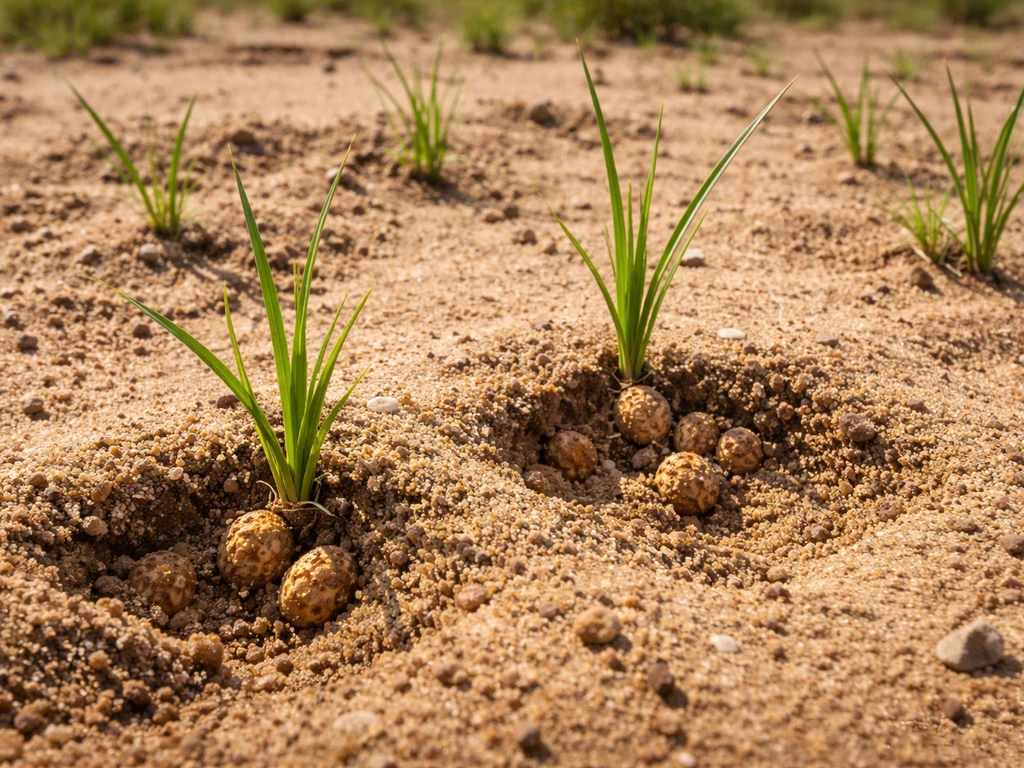
Tiger nuts are not actually nuts
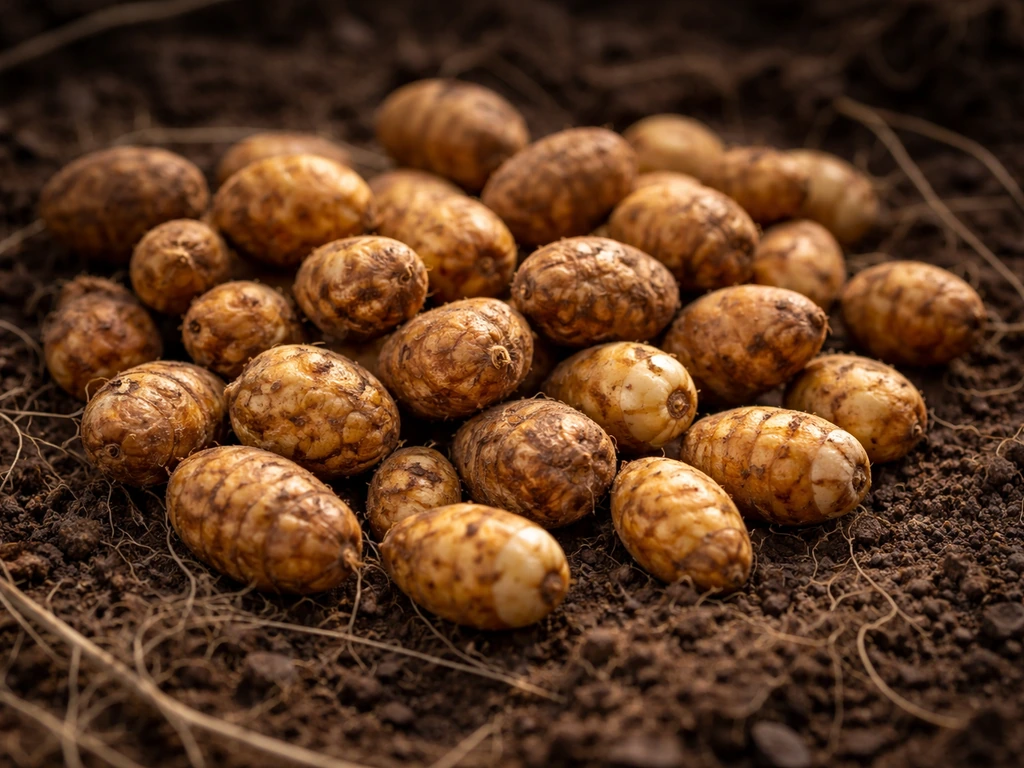
Before getting into geography, let's clear up the naming confusion. Tiger nuts are the small, edible underground tubers of Cyperus esculentus, a sedge in the family Cyperaceae. The plant is sometimes called chufa, earth almond, or yellow nutsedge depending on where you are. It is a monocot, not a tree, and what you eat is technically a starchy tuber formed on the root system, not a botanical nut or seed. The plant does produce tiny dry fruits called achenes, but those are not what anyone harvests or eats. This distinction matters practically: you plant tubers to grow more tubers, not seeds. The plant propagates almost entirely through vegetative tuber formation, producing clonal offshoots from the parent plant. That's different from true tree nuts (like the cob nut or fox nut) where you're working with seed germination or woody perennial establishment. Cob nuts are a different kind of tree nut, and their growing range is not the same as tiger nuts.
Because tiger nuts are a sedge and not a tree, their footprint and growing timeline look nothing like what most people expect from a 'nut' crop. You're dealing with a grass-like annual or short-lived perennial that maxes out at about 18 to 30 inches tall, produces a dense mat of underground tubers, and dies back at frost. That growth habit is actually what makes them accessible to home growers in a wider range of climates than true nut trees.
Where tiger nuts grow in the wild
Cyperus esculentus has one of the widest natural and naturalized ranges of any food plant on the planet. Its native range is broadly considered to be Africa and the Mediterranean region, with West Africa and the Nile valley region having some of the oldest records of human use going back thousands of years. If you're wondering where nutmeg grows, it's a completely different story because nutmeg is native to tropical climates like those in Indonesia and elsewhere in the Banda Sea region Valencia region. However, in Connecticut, nutmeg is not a typical outdoor crop because it requires tropical growing conditions If you're wondering where nutmeg grows. For people asking what nuts grow in Connecticut, tiger nuts are one “unconventional nut” that can work if you match their warmth, frost-free window, and drainage needs what nuts grow in ct. The cultivated variety, Cyperus esculentus var. sativus, has been intentionally grown across tropical and subtropical areas worldwide for centuries, with Spain's Valencia region becoming the modern epicenter of commercial chufa farming.
Beyond its cultivated heartland, the wild or naturalized form has spread into temperate to tropical zones across Europe, Africa, Asia, Oceania, and large portions of the Americas. In the United States it's found from California to Florida and up into the mid-Atlantic states, usually in wet, disturbed areas: heavily irrigated fields, river banks, roadsides, and drainage ditches. California's Department of Food and Agriculture specifically flags it in wet fields and along waterways, which tells you something useful about what the plant is actually looking for in a habitat. It isn't picky about human disturbance. It just needs warmth, moisture, and loose soil.
What conditions tiger nuts actually need
Understanding the specific requirements helps you judge whether your site works before you commit to planting. Tiger nuts are more forgiving than many crops, but they do have real limits.
Temperature and frost window

Tubers need soil temperatures warm enough to sprout reliably, which in practice means consistent daytime soil temps above about 60°F (15°C). Sprouting in March and April can take up to 8 weeks under cool conditions, whereas warm-season plantings sprout much faster. The plant can survive brief soil temperatures as low as around negative 5°C (23°F), meaning established tubers left in the ground can overwinter in mild climates, but the top growth dies back hard at first frost. For a productive crop you need roughly 90 to 110 frost-free days from planting to harvest. Auburn University Extension notes chufa or tiger nut is a warm-season sedge with a maturation timeframe of about 90 to 100 days for individual plants. That rules out very short-season climates without container or greenhouse tricks, but it opens the door for most of USDA zones 7 through 12 and the warmer parts of zone 6 with careful timing.
Soil type and drainage
Sandy, loose, well-drained soil is the ideal. The plant grows best at a soil pH between 5.0 and 7.5, which covers most garden soils without amendment. Heavy clay slows tuber development and makes harvest miserable since the tubers clump in compacted ground. That said, Cyperus esculentus is notably tolerant of adverse conditions, including periods of both drought and temporary flooding, which is part of why it naturalizes so aggressively. For a food crop though, you want to aim for the good end of that tolerance range: sandy loam or sandy soil with consistent but not waterlogged moisture.
Sunlight and moisture
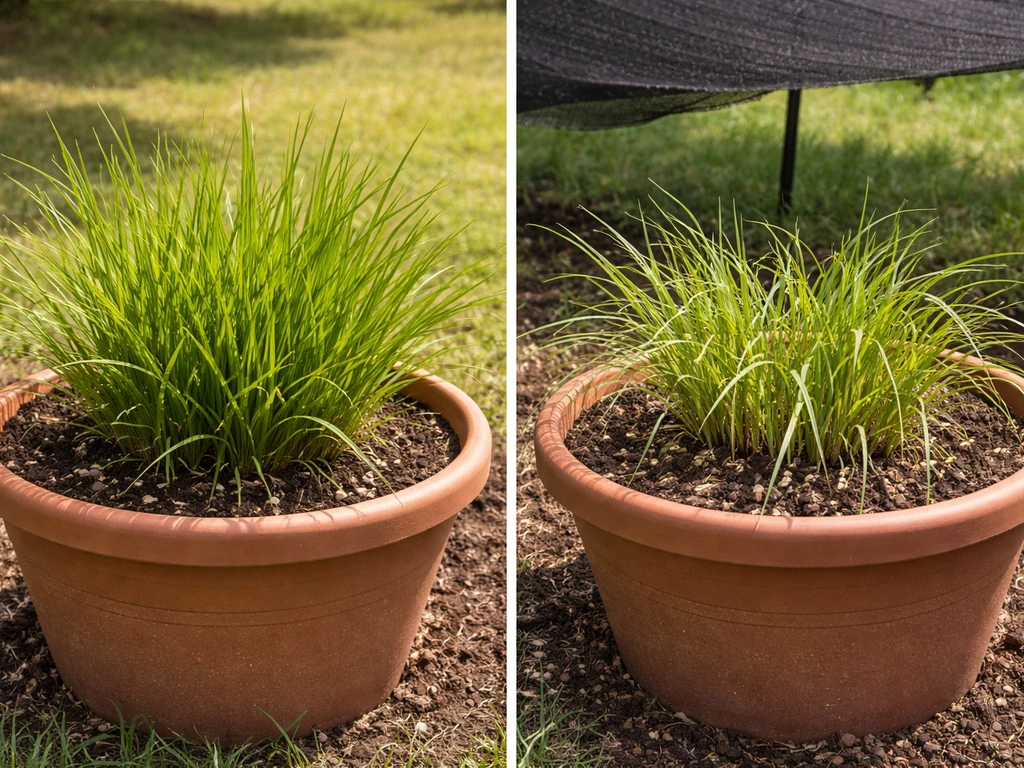
Full sun is non-negotiable for good tuber production. This is a plant adapted to open fields and riverbanks, not woodland edges. On moisture: the plant wants a consistently moist seedbed during establishment, then even irrigation through the season. It does not want to sit in standing water for extended periods, even though it can tolerate brief flooding. Think of the irrigation profile of an open agricultural field, not a bog garden.
Photoperiod note
Flower initiation in Cyperus esculentus occurs under photoperiods of roughly 12 to 14 hours of daylight. This is not something most home growers need to engineer, since the natural seasonal shift handles it. But it explains why timing your planting to early summer (rather than late summer) gives the plant the longest possible vegetative and tuber-bulking window before daylength triggers flowering and the plant starts shifting energy away from tuber production.
How tiger nuts grow from tuber to harvest
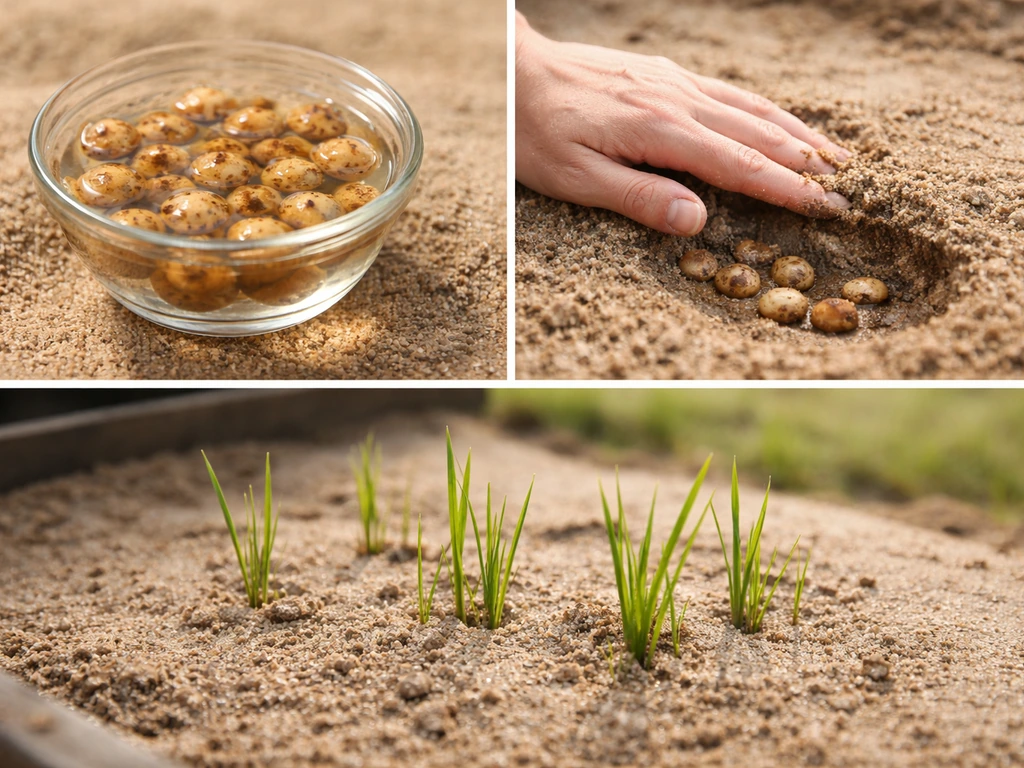
You start with dried tubers, not seeds. Soak them in water for 24 to 48 hours before planting to rehydrate them and reduce sprouting lag. Plant tubers at a depth of 2 to 4 inches (5 to 10 cm) in prepared, loose soil. UF/IFAS guidelines for chufa in the southeastern US recommend covering tubers to about 2 inches depth, with row spacing around 36 inches to allow room for the spreading root mat. At larger scales, seeding rates run 30 to 50 pounds per acre depending on planting method.
Once soil temperatures are warm enough, you'll see grass-like shoots emerge within 2 to 4 weeks under good conditions. Cool planting windows (early spring in marginal climates) can push that out to 6 to 8 weeks. Researchers tracking seedling establishment measured growth stages at 38, 50, and 100 days after planting, which gives you a realistic mental timeline: after about five to six weeks you should have established plants, by 100 days you're approaching harvest readiness. The plant grows a dense cluster of grass-like leaves above ground while simultaneously developing a network of stolons and tubers below. The tubers don't get large all at once. The bulk of tuber development and starch loading happens in the final weeks before the plant senses cooler temperatures and shorter days and begins to senesce. That late-season rush is exactly why the 90 to 110-day window matters so much.
Growing tiger nuts in your region: a practical walkthrough
- Check your frost-free window first. Count the days between your average last spring frost and first fall frost. If it's consistently 100 days or more, you're in good shape. If it's 85 to 100 days, you can still make it work but timing becomes critical. Under 85 days, plan on containers you can start indoors or in a greenhouse.
- Test your soil before planting. Dig down 6 to 8 inches and do a simple drainage check: pour a bucket of water into a hole and watch how fast it drains. If it's still pooled after 30 minutes, you need to amend with coarse sand or build raised beds. Tiger nuts in clay or waterlogged soil will survive but won't produce a meaningful crop.
- Prepare the planting bed. Till or loosen soil to at least 8 to 10 inches deep. Mix in coarse sand if your native soil is heavy. You don't need to fertilize heavily, but a light application of balanced fertilizer worked in before planting helps in sandy soils that drain nutrients fast.
- Soak your tubers 24 to 48 hours before planting. This rehydrates them and cuts sprouting time noticeably. Don't skip this step if you're working with dried tubers from a food supplier.
- Plant after soil temperatures have stabilized above 60°F (15°C). In USDA zone 7, that typically means late April to early May. In zones 9 and above, you have more flexibility. Plant tubers 2 to 4 inches deep, roughly 4 to 6 inches apart in rows spaced about 36 inches apart.
- Water consistently during establishment. Keep the seedbed moist but not soggy for the first 4 weeks. Once plants are established and leafy, they're more drought-tolerant, but consistent moisture through summer produces the best tuber yields.
- If your season is marginal, start tubers in containers indoors 3 to 4 weeks before your last frost date. Use a well-draining potting mix with added perlite. Transplant after danger of frost passes. Container-grown tiger nuts can also stay in pots through harvest if your outdoor soil is unsuitable.
- Monitor for the 90 to 110-day mark. As the leaves begin to yellow and dry out in late summer or early fall, your crop is approaching harvest readiness. Don't wait for full frost kill if you want the best quality tubers.
Climate and soil comparison: is your region a match?
| Region / Zone | Frost-Free Days | Typical Soil Challenge | Tiger Nut Viability | Notes |
|---|---|---|---|---|
| USDA Zone 6 (marginal) | 120–150 days | Heavy clay common | Possible with timing | Plant late May, focus on drainage, choose fast-maturing stock |
| USDA Zone 7 (Mid-Atlantic, SE) | 150–180 days | Variable; often loamy | Good | Late April planting; standard field or garden approach works |
| USDA Zone 8–9 (Southeast, Southwest) | 200–250 days | Sandy in SE; alkaline in SW | Excellent | Ideal conditions; pH management needed in alkaline desert soils |
| USDA Zone 10–12 (Tropical/subtropical US) | Year-round | Often sandy or laterite | Excellent | Can grow as perennial; manage volunteer spread |
| Mediterranean Europe (Spain, Italy) | 200+ days | Sandy loam; ideal | Best commercial conditions | Valencia is the global standard for chufa production |
| West Africa | Year-round | Sandy, well-drained | Excellent | Historical and current major growing region |
| Northern zones (5 and below) | Under 100 days | Often clay or loam | Difficult without protection | Container growing with indoor start required |
When growth fails: common problems and fixes
Tubers not sprouting
This is the most common complaint, and it's almost always one of three things: the soil is too cold, the tubers were planted too deep, or the tubers themselves were damaged or too dry. If you planted before soil temps hit 60°F, you may just need patience, but in cool springs that wait can stretch to 6 to 8 weeks, and poorly stored tubers can rot in the ground in that time. The fix is to wait until soil is genuinely warm, soak tubers well before planting, and plant at the shallower end of the depth range (2 inches rather than 4) in cool or clay-heavy soils.
Weak, spindly plants with few tubers
Usually a light problem or a drainage problem. Tiger nuts in part shade produce lush tops and disappointing tubers. In California, UC IPM notes yellow nutsedge is especially problematic in blank" rel="noopener noreferrer">summer-irrigated crops and reproduces via tubers (nutlets) growing from horizontal underground stems. Move containers to a sunnier spot, or if the issue is in-ground, assess whether competing plants or structures are blocking afternoon sun. In heavy, waterlogged soil the plant puts energy into survival rather than tuber production. Add drainage, raise your beds, or switch to containers with a well-draining mix.
Plants dying back before 90 days
An early frost is the obvious culprit in short-season climates. If you're in a marginal zone, watch forecasts closely in late summer and be ready to cover plants with row cover if a surprise cold snap threatens before your harvest window closes. If plants are dying back mid-season without cold, check for root-knot nematodes (common in sandy soils in warm regions) or fungal issues from consistently waterlogged conditions.
Tiger nuts spreading beyond your intended plot
This is a real issue. Cyperus esculentus is classified as invasive in many regions, and even small tubers left in the soil will regrow. If you're growing in-ground in a warm climate, plant in raised beds with a physical barrier on the sides, or use containers. Don't compost plant material unless you're confident your compost gets hot enough to kill tubers. Harvest thoroughly and check the soil carefully for missed tubers before the next season.
Harvesting and storing tiger nuts
When to harvest
The clearest harvest signal is when the leaves yellow and dry out, typically 90 to 110 days after planting. Don't wait until frost kills the plant if you can help it, since tubers can start to break down in waterlogged autumn soil. Dig carefully with a garden fork or trowel, working outward from the plant's base. The tubers will be scattered in a roughly 12 to 18-inch radius around the original planting point. Sift through the loosened soil carefully since small tubers are easy to miss.
Washing and curing
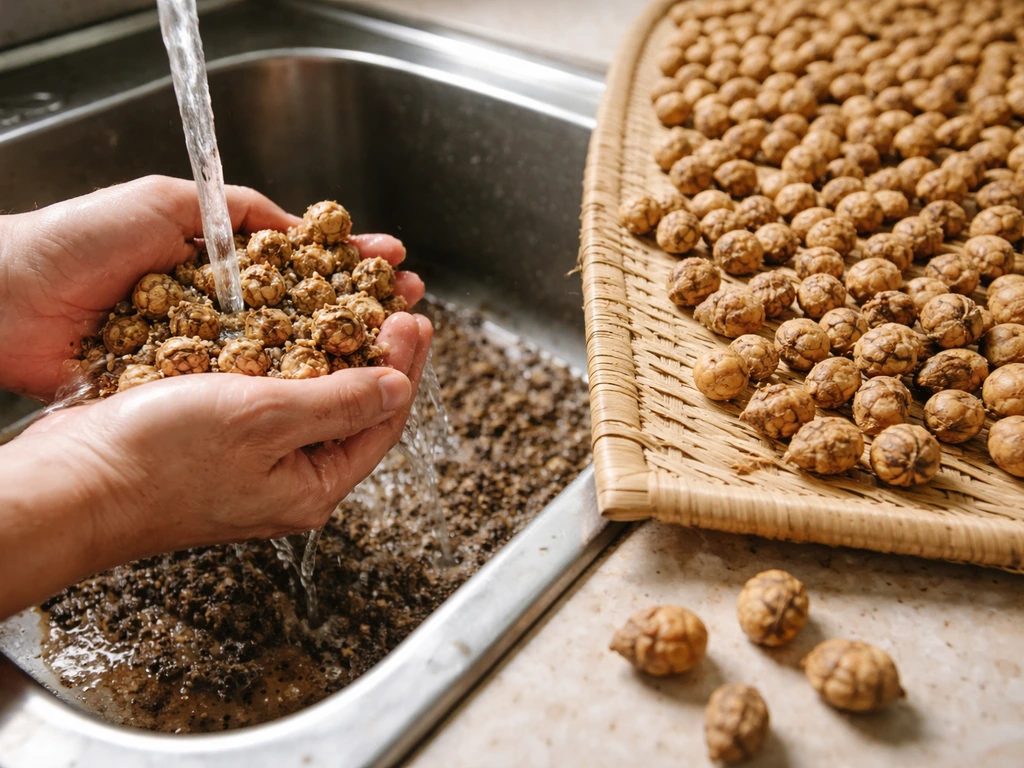
Wash the freshly harvested tubers immediately to remove sand and small stones. This step isn't optional: sand embedded in fresh tubers is hard to remove once they dry and shrink. After washing, spread tubers in a single layer in a warm, well-ventilated space to dry. Turn them daily for even drying. Commercial producers in Valencia monitor temperature and humidity carefully during this stage because drying conditions directly affect the final quality and storability of the tubers. Research on drying kinetics confirms that air temperature and airflow consistency are the main variables. For home growers, a warm room with good airflow and daily turning for 1 to 2 weeks gets you most of the way there.
Storage after drying
Properly dried tiger nuts store remarkably well. The keys are low moisture content, low humidity, and consistent cool temperatures. Store in breathable cloth bags, mesh bags, or loosely covered containers (not sealed airtight while still warm), in a cool, dry location. Moisture is the enemy: storage life for dried tubers drops sharply if relative humidity in the storage environment is high. In good conditions, dried tiger nuts keep for a year or more without significant quality loss. If you intend to replant some tubers, keep a portion of your harvest dry but not desiccated, and store them separately from any tubers destined for eating.
If you're comparing tiger nuts to other unusual crops in this family of 'unconventional nuts,' it's worth noting that the growing demands here are quite different from woody perennial nuts. Unlike cob nuts or monkey nuts, which involve either a tree or a large annual ground crop with a long establishment period, tiger nuts can go from planted tuber to harvest in a single short season, in containers, on a patio, in marginal soil. That accessibility is the real appeal for home growers, as long as you're realistic about the frost window and the drainage requirements.
FAQ
If I live outside the usual tiger nut regions, can I still grow them?
They grow in the ground only when the tubers can establish in warm soil, roughly daytime soil temperatures above 60°F (15°C) for reliable sprouting. If your summers are cool, you can still grow them in raised beds or large containers, but plan for a full 90 to 110 frost-free days for best tuber size.
Why do my tiger nuts take forever to sprout or rot after planting?
Planting depth affects emergence and later tuber formation. In cool or clay-heavy soil, use the shallower end (around 2 inches) rather than the deeper end, because cold soil holds tubers back longer and increases the chance of rotting during a slow sprouting period.
Do I need to worry about daylight hours when planting tiger nuts?
Tiger nuts do not require you to manage daylength, but timing does matter. For most growers, putting tubers into the ground in early to mid-summer maximizes the time before shortening days trigger flowering and shift energy away from tuber bulking.
Can tiger nuts grow in wet soil or near standing water?
Yes, they can handle periods of temporary flooding, but you should not treat them like a bog plant. Aim for consistently moist irrigation during establishment, then keep moisture even without letting the soil stay saturated, especially after the crop is established.
What happens if my tiger nuts get partial shade?
No, shade usually reduces tuber yield even if the plants look healthy above ground. They need full sun for strong tuber production, so prioritize at least 6 to 8 hours of direct sun and protect from afternoon shade from fences, trees, or tall plants.
How should I dry and store tiger nuts after harvesting?
For storing tubers, you want low moisture and airflow. Dry them in a warm, well-ventilated single layer, turn daily for 1 to 2 weeks, then store in breathable bags in a cool dry place. High humidity storage is what most quickly shortens shelf life.
How do I prevent tiger nuts from coming back the next year?
You should not rely on leftover tubers to stay where you put them. Even small missed tubers can regrow, so harvesting thoroughly and checking the surrounding soil for missed tubers is critical if you want to avoid future volunteer regrowth.
Can I save tiger nuts to plant again next season, and should I store them differently?
If you want to replant, keep a separate portion specifically for seed tubers. Store eating tubers in dry, cool breathable conditions, but replant tubers should be kept dry enough to avoid rot while not being fully desiccated, and they should not be mixed with tubers intended for storage only.
Do I need to amend my soil to grow tiger nuts successfully in clay?
For nutrient-sparing success, focus on soil structure first, sandy loam or sandy soil with drainage. Heavy clay tends to clump tubers and makes harvest harder, so raised beds with amended loose media or containers with a free-draining mix usually outperform in clay gardens.
Can tiger nuts be grown in containers on a patio?
Yes, but the container must be deep enough to support tuber spread and the full 90 to 110-day window. Use well-draining mix, full sun, and keep irrigation consistent, since containers dry out faster and tubers do not enlarge well in fluctuating moisture.