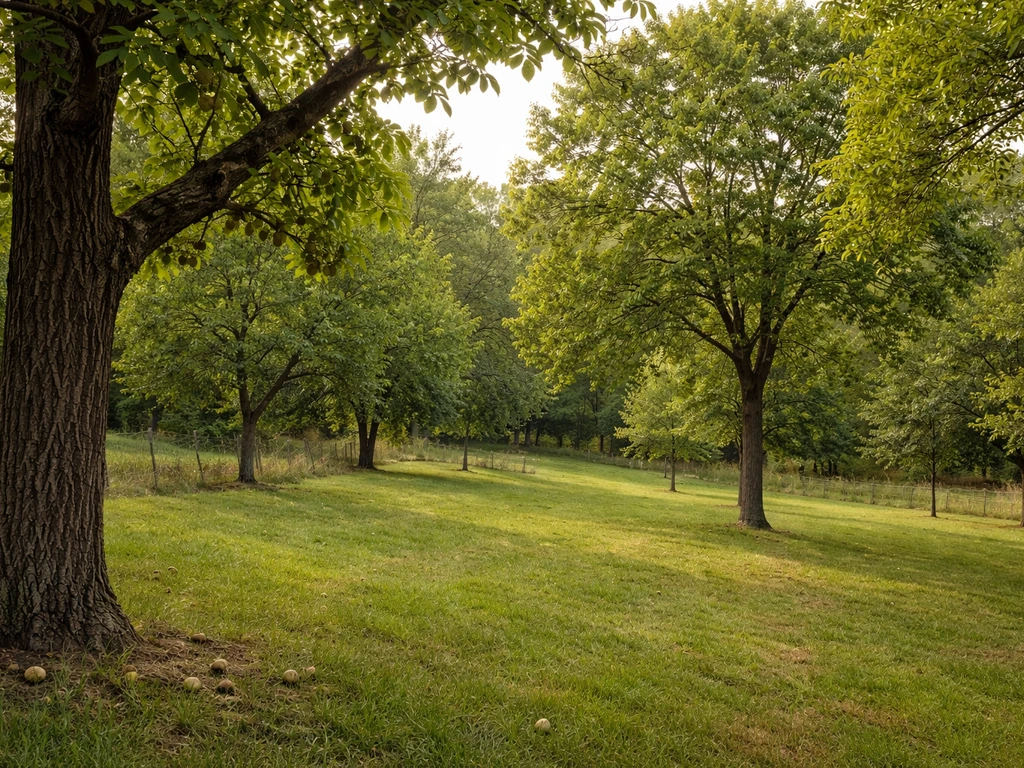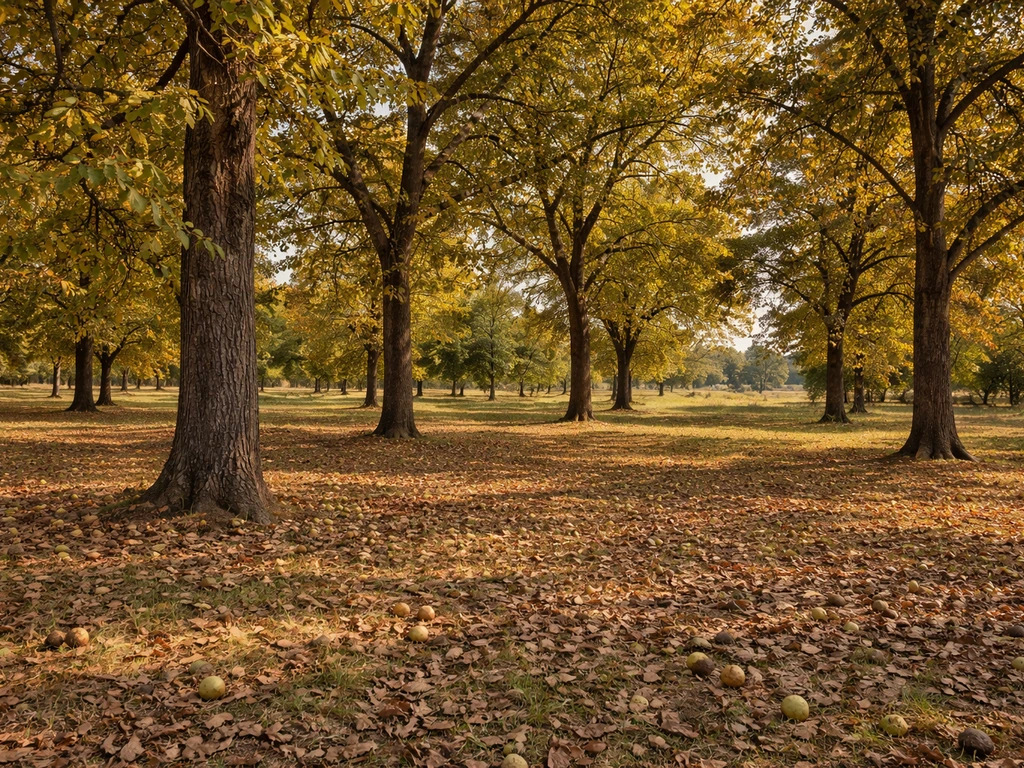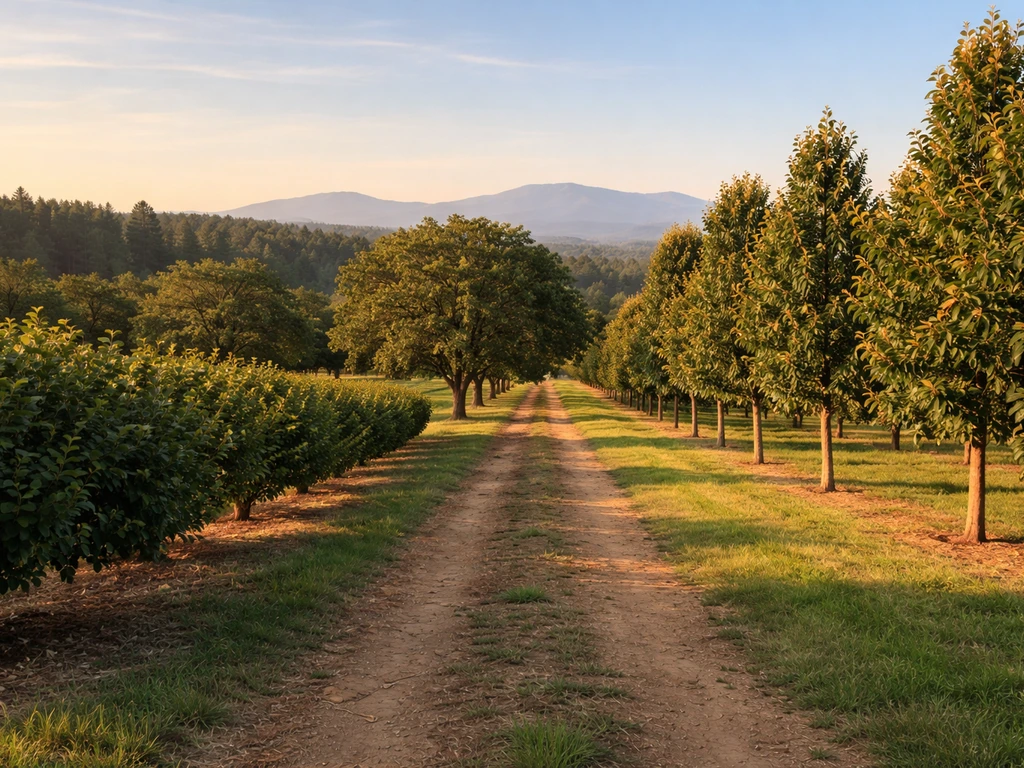
Indiana is genuinely good nut-tree country. Black walnut and hickory are native here and will grow with almost no help. American hazelnut and Chinese chestnut are solid bets across most of the state. Pecan is realistic in the southern third if you pick cold-hardy cultivars. That's your short list: black walnut, hickory (shagbark especially), hazelnut, chestnut, and pecan as a zone-dependent option. The rest of this guide helps you match the right tree to where you live in Indiana and set honest expectations for what you'll harvest and when.
What Nut Trees Grow in Indiana Best Choices by Region
Marcus Hendricks
14 May 2026
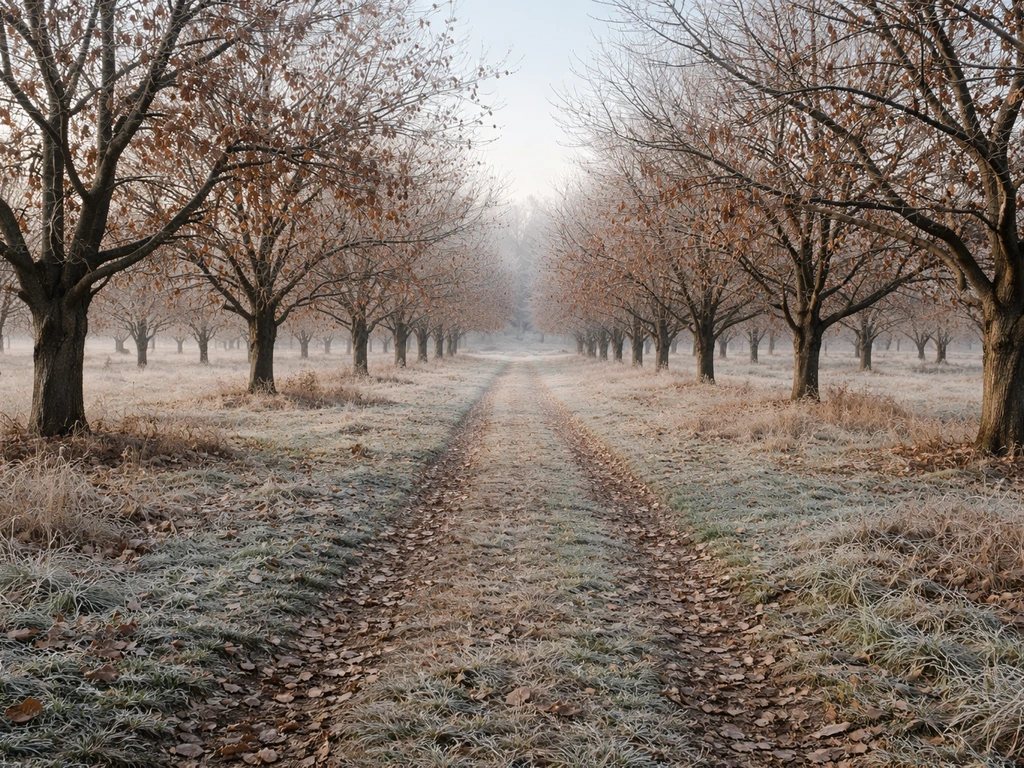
Indiana's climate and what it means for nut trees
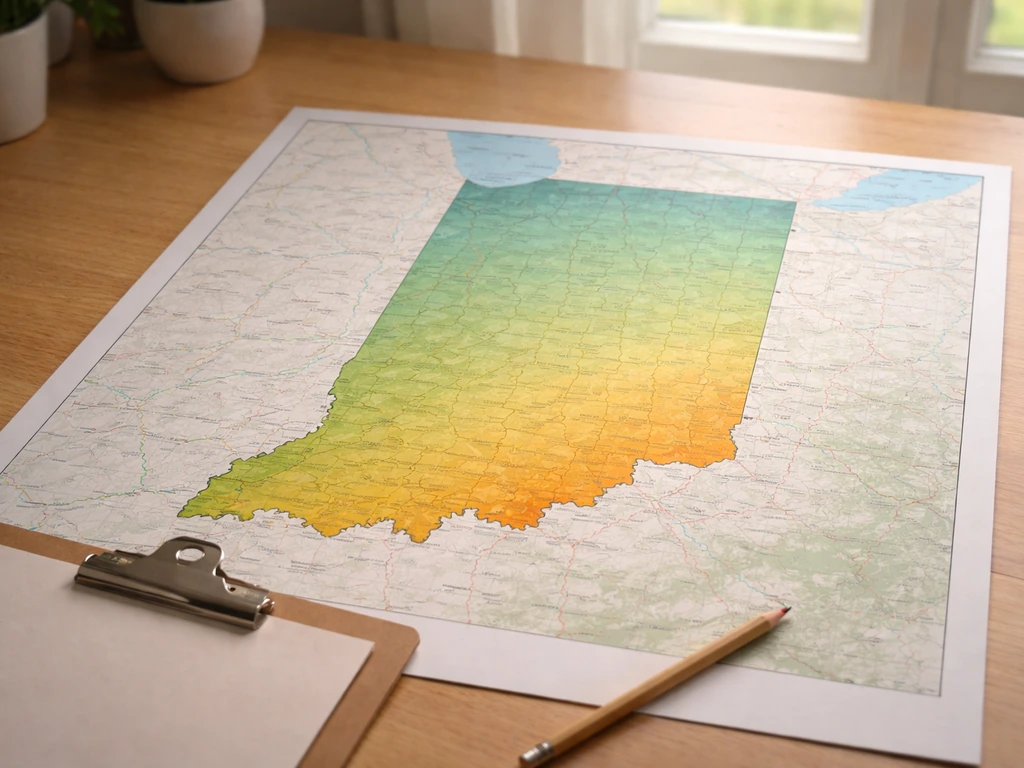
blank" rel="noopener noreferrer">Indiana spans USDA Hardiness Zones 5b in the northernmost counties down to Zone 7a along the Ohio River. That's a meaningful range. Zone 5b means average annual extreme lows of around -15 to -10°F, while Zone 7a sees lows only down to about 0 to 5°F. USDA provides the official Plant Hardiness Zone Map download resources used to define these zone boundaries and half-zones blank" rel="noopener noreferrer">Map Downloads. The Indianapolis area sits mostly in Zone 6a/6b, with extremes around -10 to -5°F. Northeastern Indiana, including areas like Whitley County, is solidly Zone 6a. What this means practically: most native nut species handle these temperatures without issue, but southern species like pecan start to become a gamble north of the I-70 corridor.
Spring frost is the other major wildcard. Nut trees that bloom early can get their flowers killed by a late freeze in April or even early May in northern Indiana, wiping out your entire nut crop for that year even when the tree itself is perfectly healthy. This is less about the tree surviving winter and more about whether it can set nuts in a given year. Hazelnut blooms very early and is especially vulnerable to this. Chill hours are not a limiting factor for most nut trees in Indiana since the winters are cold enough to fully satisfy dormancy requirements, but it's worth knowing that pecans need roughly 1,000 to 1,500 chill hours, and Indiana delivers that comfortably.
The main nut trees worth planting in Indiana
Black walnut
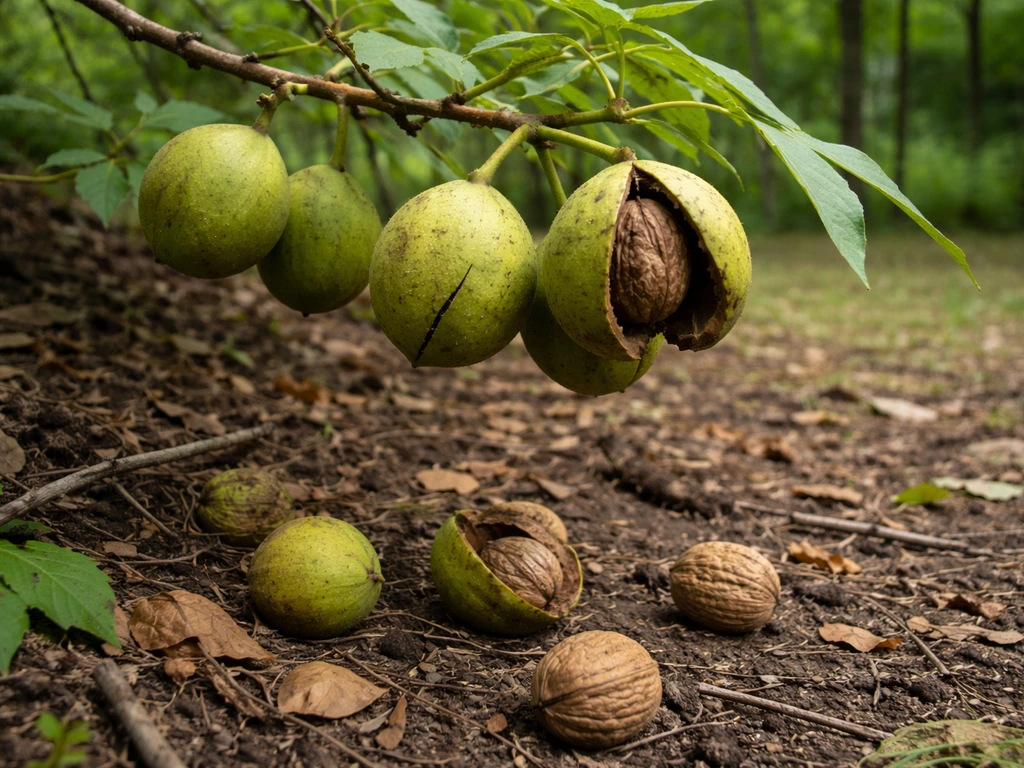
Black walnut (Juglans nigra) is native to Indiana and practically grows itself here. You'll find it in fence rows, forest edges, and back corners of old farms all over the state. It's hardy to at least Zone 4, so cold is never a concern. A mature tree can produce hundreds of pounds of nuts in a good year, though it typically takes 10 to 15 years from a seedling to reach meaningful production.
If you're planting for harvest, look for grafted named varieties like 'Emma K,' 'Sparrow,' or 'Kwik Krop,' which bear earlier and have thinner shells than seedling trees. One big practical note: the roots and leaf litter produce juglone, a compound that's toxic to many garden plants including tomatoes, peppers, and apples, so site it away from vegetable gardens and fruit trees.
Hickory
Shagbark hickory (Carya ovata) is the best choice for most Indiana growers. It's native here, extremely cold-hardy, and produces sweet, edible nuts that are genuinely worth eating, unlike some of the more bitter wild hickory species. Shellbark hickory (Carya laciniosa) is another Indiana native with larger nuts, typically found in bottomland and moist soils in the central and southern parts of the state.
The downside with hickory is patience: you're looking at 10 to 20 years from seed to reliable production, and hickory trees transplant poorly because of their deep taproot. If you plant hickory, direct-sow nuts in the fall or plant very young container trees, and plan to stay put for a while. Hicans, which are pecan-hickory hybrids, offer a middle ground with slightly better precocity than pure hickory.
Pecan
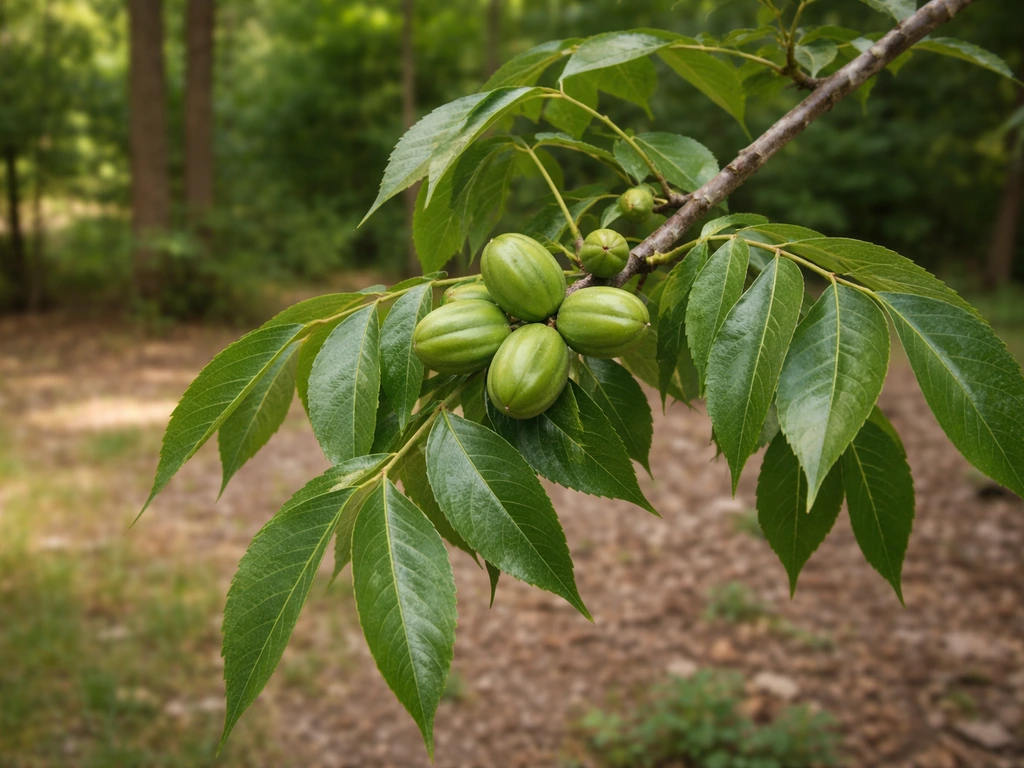
Pecan (Carya illinoinensis) is at the northern edge of its range in Indiana, but it's not a foolish choice in the right location. Southern Indiana, particularly Zone 6b and Zone 7a areas, can grow pecan successfully if you select northern-adapted cultivars. Varieties like 'Kanza,' 'Colby,' 'Major,' and 'Peruque' are bred for shorter growing seasons and better cold tolerance. The challenge isn't just winter cold: pecan needs 160 to 200 frost-free days to fully mature its nuts, and in central or northern Indiana that growing season is too short for most varieties. Stick to the southern third of the state and choose cultivars with a shorter maturation window. Expect 10 to 15 years before significant production from a young tree.
Chestnut
Chinese chestnut (Castanea mollissima) is one of the more underrated nut trees for Indiana. It's hardy to Zone 4, adapts well to the soils across the state, and produces large, sweet, edible nuts. Unlike the American chestnut, which was essentially wiped out by blight, Chinese chestnut is blight-resistant and available from numerous nurseries. It tends to bear in 3 to 8 years from a grafted tree, which is fast compared to hickory or black walnut.
You need at least two trees for cross-pollination. Named cultivars worth considering include 'Qing,' 'Gideon,' 'Layeroka,' and 'Peach. ' The main drawback is that chestnuts have a short shelf life after harvest and must be eaten, refrigerated, or dried quickly. They're also not as cold-tolerant as black walnut or hickory when it comes to late spring frosts affecting the blossoms, though they bloom later than hazelnut, which helps.
Hazelnut
American hazelnut (Corylus americana) and hybrid hazelnuts are a great option for Indiana growers who want nuts relatively quickly from a manageable-sized shrub or small tree. Native American hazelnut is found throughout the state and handles Zone 5 cold with no problems. The issue historically was Eastern Filbert Blight (EFB), a fungal disease that devastates European hazelnuts.
But blight-resistant hybrid varieties developed by the Arbor Day Farm program and others, such as the 'Arbor Day' hybrid series and varieties from the University of Nebraska breeding program, now make hazelnut a much more reliable option. Plants can begin producing in as few as 3 to 5 years. You'll need two or more genetically different plants for good nut set, and early blooming means late frosts can knock out a year's crop in northern Indiana.
How to choose by where you are in Indiana
Indiana's north-to-south climate gradient is real enough that it should influence which trees you prioritize. Here's a practical breakdown: If you want the Illinois version of this list, the climate and growing season will change what performs best, so check what nut trees grow in Illinois.
| Region | Zones | Best Bets | Use Caution With |
|---|---|---|---|
| Northern Indiana (e.g., South Bend, Fort Wayne, Gary) | 5b–6a | Black walnut, shagbark hickory, American hazelnut, Chinese chestnut | Pecan (growing season too short), early-blooming hazelnut in frost pockets |
| Central Indiana (e.g., Indianapolis, Muncie, Terre Haute) | 6a–6b | Black walnut, shagbark hickory, Chinese chestnut, hazelnut, shellbark hickory | Pecan (possible but risky without northern cultivars) |
| Southern Indiana (e.g., Evansville, Vincennes, Madison) | 6b–7a | All of the above plus pecan with northern cultivars, shellbark hickory in bottomlands | Pecan varieties with long maturation windows |
If you're in the southern tier near the Ohio River and want to try pecan, this is genuinely worth doing with the right cultivar selection. If you're in northern Indiana, don't bother with pecan and instead lean hard into black walnut, chestnut, and hazelnut, which will reward you much more reliably. If you want to compare that to Idaho, start by checking which nut species match Idaho's colder winters and shorter growing season what nut trees grow in Idaho. Growers in neighboring Illinois and Ohio face very similar decisions, and the zone logic carries across those borders in much the same way.
Ohio’s conditions are very similar to Indiana’s in the zone logic, so you can use the same basic approach to picking nut species that match your location neighboring Illinois and Ohio. Missouri grows many of the same hardy nut trees discussed for colder regions, but the best choices depend heavily on your specific USDA hardiness zone.
If you're wondering what nut trees grow in Illinois, use the same zone and cultivar logic since the climate decisions are very similar to nearby Indiana. If you’re asking what nut trees grow in Idaho, the best picks depend heavily on your winter lows and how long your growing season runs. What nut trees grow in Wisconsin depends on similar hardiness and frost-free season factors. If you're asking what nut trees grow in Wisconsin, the same hardiness and frost-free season logic applies, but you'll want to account for typically colder winters.
To understand what nuts grow in Oregon, you can use the same approach: match species and cultivars to your specific USDA Hardiness Zone and local frost timing.
Site and soil: what nut trees actually need
Most nut trees want full sun, which means at least 6 to 8 hours of direct sunlight daily. Don't compromise on this. A nut tree shaded by buildings or other trees will grow but produce poorly. The soil requirements vary a bit by species, but there are some common themes:
- Black walnut: prefers deep, well-drained loam but is adaptable. Tolerates clay better than most nut trees. Soil pH of 6.0 to 7.0 is ideal.
- Hickory: needs deep, well-drained soil because of its taproot. Doesn't tolerate compacted or waterlogged ground. pH 6.0 to 7.0.
- Pecan: likes deep, fertile, well-drained bottomland soil. Sandy or rocky soils don't suit it well. pH 6.0 to 7.0.
- Chinese chestnut: needs well-drained, slightly acidic soil. Does NOT tolerate wet feet or high pH. Aim for pH 5.5 to 6.5. Avoid limestone-heavy soils without amendment.
- Hazelnut: the most adaptable of the group. Tolerates moderate clay, slightly poor drainage, and a wider pH range (5.5 to 7.0). Still prefers decent drainage.
The single most common mistake I see is planting nut trees in low spots where water sits for days after rain. Root rot and fungal crown diseases follow. If your site has drainage issues, either choose a different spot or install drainage before you plant. You won't fix it after the tree is established. For most nut trees in Indiana, if the site drains well and gets full sun, you're more than halfway there.
Pollination, spacing, and when you'll actually get nuts
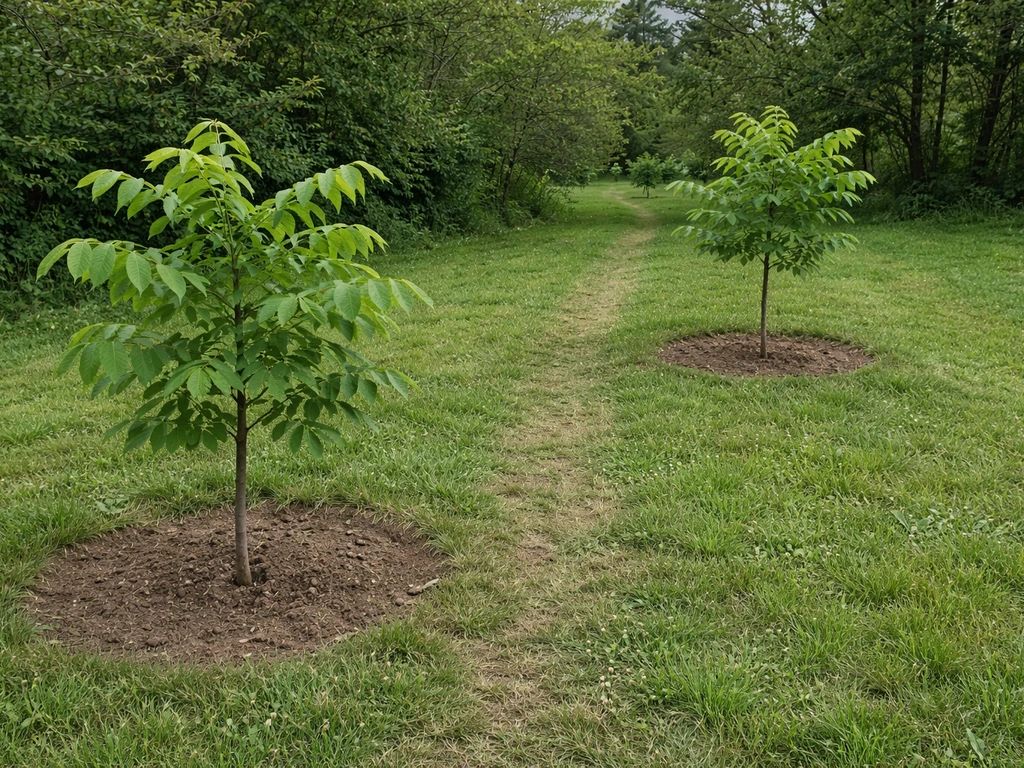
Most nut trees are wind-pollinated, but that doesn't mean you can plant just one and expect a crop. Here's the situation for each species:
- Black walnut: partially self-fertile but produces far better with a second tree nearby. Pollen and pistillate flowers on the same tree often don't overlap perfectly in timing (called dichogamy), so having two trees dramatically improves nut set.
- Hickory: requires cross-pollination. Plant at least two trees, ideally of different named varieties or from different seedling sources.
- Pecan: also dichogamous. Varieties are classified as Type I or Type II based on whether they shed pollen before or after their flowers are receptive. You need one of each type for reliable pollination.
- Chinese chestnut: requires cross-pollination. Plant at least two different cultivars within 100 feet of each other.
- Hazelnut: requires cross-pollination with a genetically different plant. American hazelnut pollinates hybrid hazelnuts and vice versa.
For spacing, black walnut and hickory are large trees that need 40 to 60 feet between them at maturity if you want full canopy development. Pecan similarly needs 40 to 60 feet. Chinese chestnut is more moderate at 20 to 35 feet. Hazelnut shrubs can be spaced 8 to 15 feet apart. If you're planting an orchard row setup with plans to eventually thin trees, you can start denser and remove alternate trees as they mature, but make sure you plan for this from the start.
Time to first nuts is where most people get surprised. Here's a realistic timeline:
| Tree | Years to First Meaningful Harvest (grafted/named variety) | Years from Seedling |
|---|---|---|
| Hazelnut (hybrid) | 3–5 years | 4–6 years |
| Chinese chestnut (grafted) | 3–8 years | 6–10 years |
| Black walnut (grafted) | 6–10 years | 10–15 years |
| Pecan (grafted) | 8–12 years | 12–20 years |
| Shagbark hickory | 10–15 years (grafted rare) | 15–25 years |
Grafted trees are worth the extra upfront cost for black walnut, chestnut, and hazelnut specifically. You're buying years off the waiting period and getting a tree with known nut quality. For hickory, most of what's commercially available is still seedling-grown because grafting success rates are lower, but it's worth seeking out grafted shagbark if you can find it.
Common problems and how to handle them
Pests and diseases
Walnut husk fly and walnut husk maggot affect black walnut in Indiana, causing the husks to turn black and the kernels to stain. It's more a quality issue than a tree health issue, but if it bothers you, you can bag individual nuts or use kaolin clay as a spray deterrent. Pecan weevil is the biggest pest threat if you're growing pecan in southern Indiana. It's present in the state and can destroy a significant portion of the crop. Monitoring with sticky traps and timed insecticide applications at husk split are the standard management tools.
For chestnut, chestnut weevil (Curculio spp.) is the main insect pest in Indiana and can infest a high percentage of nuts in some years. The larvae hatch inside the nut and you won't see them until you cut the nut open. Hot water treatment (120°F for 45 minutes) can disinfest harvested nuts without cooking them. Eastern Filbert Blight (EFB) remains a serious concern for hazelnut, which is why choosing blight-resistant varieties matters so much in this region.
Winter injury and late frosts
Established native or zone-appropriate trees rarely suffer winter bark or cambium damage in Indiana. The more common cold-related problem is late spring frosts killing flowers and small developing nuts. Hazelnut is most vulnerable here because it blooms in February or March, when freezes are still common. There's not much you can do about this on a large tree, but for young hazelnuts in a garden setting, covering the plants during a late frost event can save a crop. Pecan trees in northern Indiana may occasionally suffer dieback on branch tips during an unusually harsh winter. Pruning out dead wood in spring and using cold-hardy cultivars are your best defenses.
Poor or inconsistent yields
Alternate bearing is real with many nut trees, especially hickory and black walnut. A bumper crop one year often means a light crop the next because the tree depletes its energy reserves. You can partially offset this by keeping the tree well-nourished and avoiding stress, but some alternation is built into the biology. If a tree consistently fails to produce despite being old enough and having a pollinator nearby, check: is it getting full sun? Is the soil drainage adequate? Is there a pH problem locking out nutrients? Soil testing through Purdue Extension is cheap and gives you a clear answer on pH and nutrient deficiencies, which are common contributors to low yields in Indiana's variable soils.
Your practical next steps
If you're ready to act, here's how to move forward without overthinking it: If you’re specifically asking what nut trees grow in Michigan, you’ll want to use a similar climate-first approach with Michigan’s hardiness zones move forward without overthinking it.
- Identify your USDA zone using the official USDA map for your specific county in Indiana. This tells you whether pecan is even worth considering.
- Pick two or three candidate species based on your zone and site. For most of Indiana, hazelnut plus chestnut is a fast-producing, lower-maintenance combination to start with.
- Get a soil test before you plant. Chestnut in particular will struggle in high-pH soils common in parts of northern Indiana. Knowing your pH upfront saves a lot of frustration.
- Decide between grafted and seedling trees. For hazelnut and chestnut, buy grafted named varieties. For hickory, accept that you'll likely plant seedlings and plan for the long haul.
- Plan for two trees minimum of each species that requires cross-pollination, which is all of them to varying degrees.
- Pick your site based on drainage and sun first, everything else second. A mediocre soil with full sun and good drainage beats rich soil in a wet, shady spot every time.
- Plant in spring after your last frost date, or in fall at least six weeks before first frost. Bare-root trees establish best; water thoroughly at planting and mulch the root zone to conserve moisture in the first growing season.
Indiana is one of the better states in the Midwest for growing a range of nut trees. The climate is cold enough to satisfy dormancy requirements, warm enough to ripen most species, and the native nut tree flora proves that this land naturally supports these plants. Patience is the main requirement. If you plant the right species for your region of the state, prepare the site properly, and give the trees time, you'll have a productive nut planting that can last for generations.
FAQ
If I have the right USDA zone, why might my nut crop still fail in Indiana?
Start with two things you can verify locally: your USDA hardiness zone and your typical last spring frost date. For most Indiana nut trees, frost timing matters more than chill hours, especially for hazelnut, and even for chestnut because late freezes can kill flowers even if the tree survives winter.
What’s the biggest mistake people make when trying to grow pecan in Indiana?
For pecan, don’t just buy any “cold-hardy” tree. Choose cultivars that were specifically bred for shorter seasons, and confirm you can reach enough frost-free days. If you’re north of the I-70 corridor, pecan is often limited by season length, not winter survival.
Can I plant hickory nuts directly instead of buying seedlings, and how should I do it?
Yes, but timing is critical. For best results, sow hickory nuts in fall when soil temps are cooling (not frozen), and protect them from rodents with hardware cloth or similar barriers. Late sowing reduces germination, and planting too deep can delay emergence for a full season.
How do I know if my yard has “low spot” drainage problems for nut trees?
The low spot issue is not only about standing water during storms. Even if water drains eventually, slow-draining soils can keep the root zone wet long enough to trigger crown or root problems. If you can’t correct drainage, choose a raised bed location or a naturally sloped site.
Do nut trees in Indiana really need more than one plant if they’re wind-pollinated?
Measure pollination distance with reality, not labels. Many nut trees are wind-pollinated and still need nearby genetically different plants, so a single tree rarely performs well. For hazelnut and Chinese chestnut, plan on at least two different varieties, spaced reasonably within your site so wind can move pollen between plants.
Can I plant a vegetable garden near black walnut, or is it always off-limits?
Juglone from black walnut affects many common garden crops, and it can also reduce vigor of some orchard plants if roots extend into the same area. A practical approach is to keep edible beds well away from walnut canopy drip lines and avoid planting tomatoes, peppers, and apples near it.
What should I do differently after harvesting Chinese chestnuts to avoid losing the crop?
Chestnuts can be fruitful quickly, but don’t plan on long storage. Harvest promptly at maturity, then eat soon, refrigerate in breathable packaging, or dry as soon as you can. Delayed handling often leads to moldy nuts that look fine at first.
How can I reduce “off years” for black walnut or hickory in Indiana?
If your goal is edible nuts, treat alternation as a planning issue, not a failure. Keep the trees unstressed, water during dry spells, and avoid late-season nitrogen that can increase vegetative growth at the expense of nuts. If production is consistently low for multiple years, investigate sun, drainage, and soil pH with a soil test.
Is there anything I can do to protect hazelnut blossoms from late frost events?
Yes, for young trees. A lightweight row cover or similar frost protection can protect blossoms in a garden setting during a late freeze, but it must be vented appropriately and removed when conditions warm. It generally won’t be practical for large established trees.
Can I plant nut trees closer together at first and thin later?
Use spacing that accounts for mature canopy, not how small the trees look today. Black walnut and hickory need large separation for full development, and crowding can reduce light penetration, lower yields, and make pest and disease management harder. If you want a denser planting, plan a thinning step from the start.