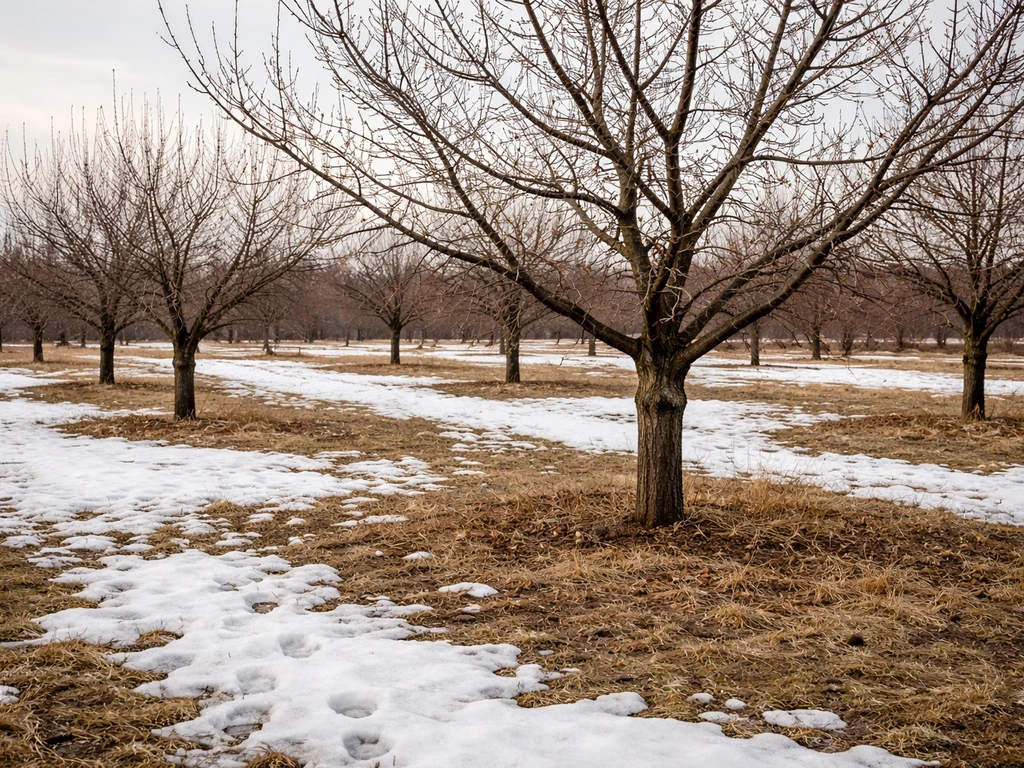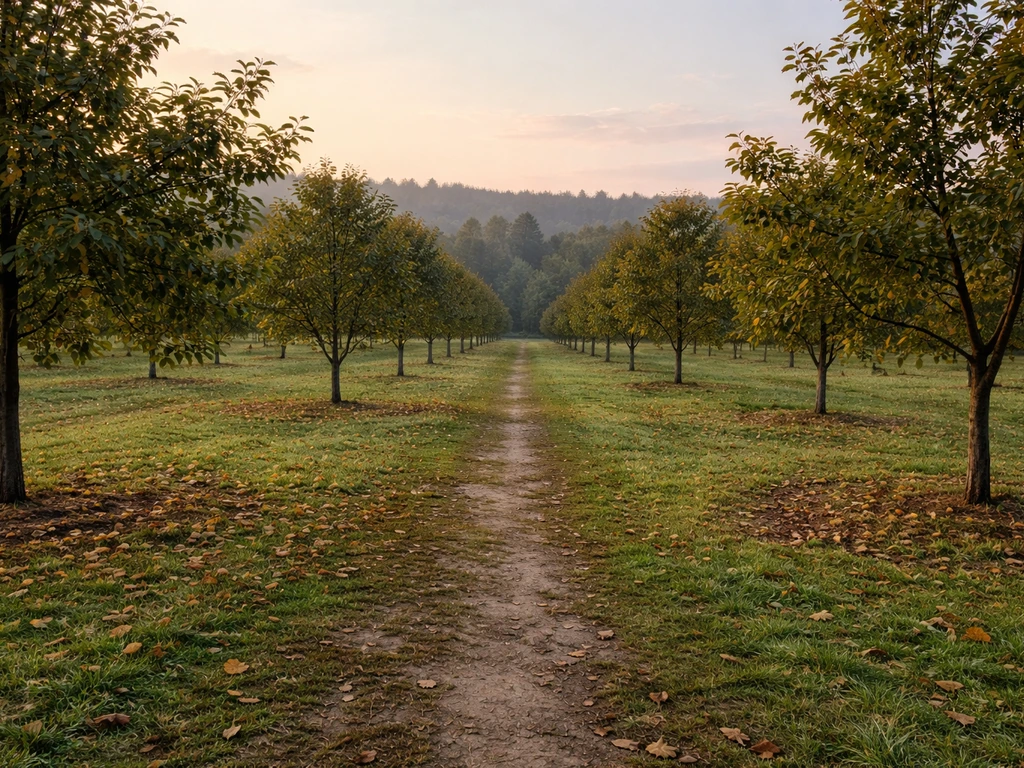
Western Washington is genuinely good nut-growing country for the right species. Hazelnuts (filberts) are the clear top choice and will produce reliably almost anywhere in the lowlands. Chestnuts are a strong second bet. English walnuts can work in warmer, more sheltered spots, particularly east of Puget Sound or in the South Sound region. Black walnuts are hardy but slow and rarely worth planting for the nut crop alone. Almonds and pecans are largely not realistic here. That short list covers most of what you need to know, but the details about cultivar selection, disease resistance, and site matching will determine whether you actually get nuts or just a tree.
What Nut Trees Grow in Western Washington Best Picks
Marcus Hendricks
24 May 2026
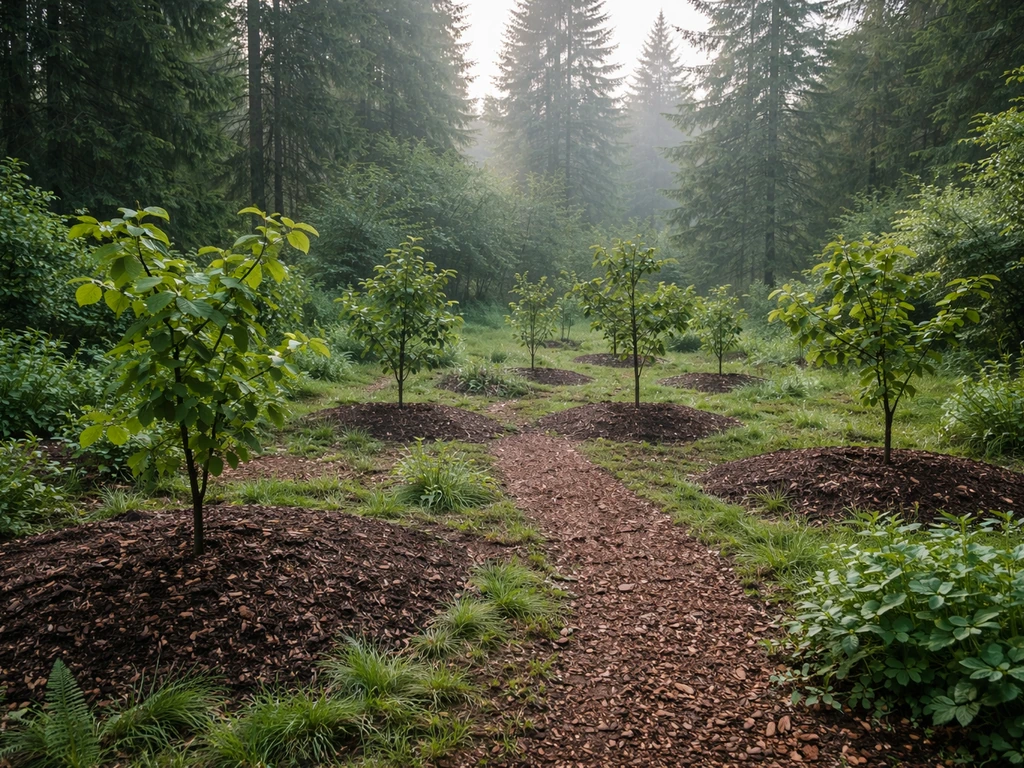
Quick shortlist of nut trees that do well in Western Washington
| Species | Realistic for Western WA? | Time to First Harvest | Key Constraint |
|---|---|---|---|
| Hazelnut / Filbert | Yes, excellent | 3–5 years | Must use EFB-resistant cultivars; needs a pollinizer |
| Chestnut (Chinese/hybrid) | Yes, good | 4–7 years | Needs well-drained soil; two trees for pollination |
| English / Persian Walnut | Marginal to good (site-dependent) | 7–10 years | Late frost risk; needs warm microclimate |
| Black Walnut | Hardy but low-value for nuts | 10+ years | Very long juvenile period; allelopathic to other plants |
| Almond | Generally not reliable | — | Insufficient summer heat; bloom frost risk |
| Pecan | Not realistic | — | Needs long, hot summers; wrong climate entirely |
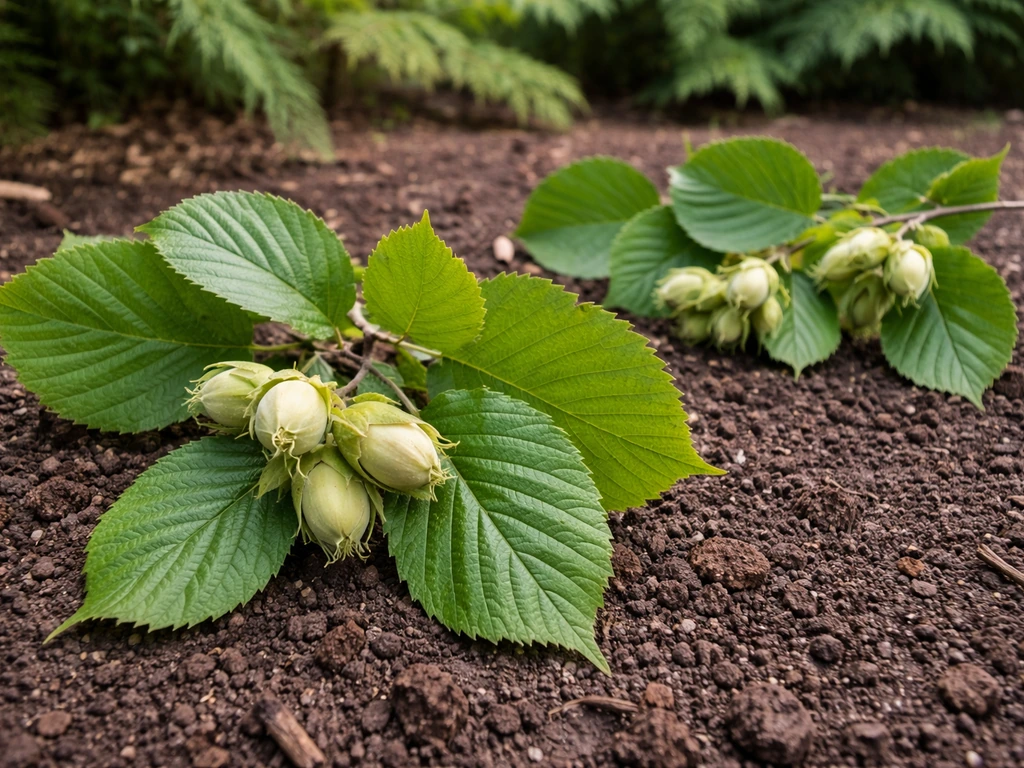
If you only want to plant one thing today, plant hazelnuts. They are native to the Pacific Northwest in their wild form, the climate suits them perfectly, and the modern disease-resistant cultivars from Oregon State University's breeding program have solved the biggest historical problem growers faced. Everything else on the viable list requires more site selection work.
Best-bet species by nut type
Hazelnuts and filberts: the obvious winner
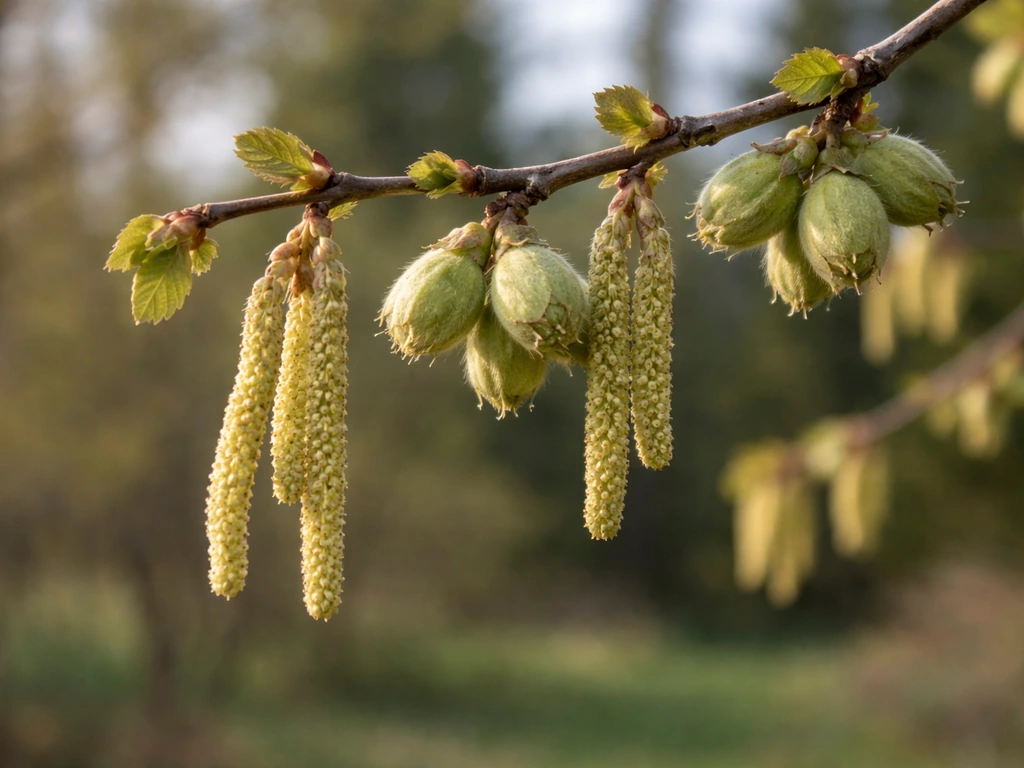
The Pacific Northwest is the heart of commercial hazelnut production in the United States, and OSU Extension is explicit that western Washington and western Oregon are generally well suited to hazelnut production when you pair the right cultivar with a proper pollination strategy. The native beaked hazelnut (Corylus cornuta) grows wild in the region, which tells you the climate is a natural fit. For edible production you want the European hazelnut (Corylus avellana) or its hybrids.
The non-negotiable issue with hazelnuts in western Washington is eastern filbert blight (EFB), a fungal disease caused by Anisogramma anomala that devastates susceptible cultivars. WSU Hortsense describes eastern filbert blight as affecting both cultivated and wild filberts, and it provides diagnostic context and Washington-focused home control considerations. Old standbys like 'Barcelona' and 'Ennis' are highly susceptible and will eventually be destroyed by it in this region. You need to plant EFB-resistant cultivars from OSU's breeding program. The resistance in most of these varieties is tied to what's called the Gasaway gene, a dominant resistance gene that has held up well in the field, though OSU researchers note that new EFB strains can still challenge it and they continue developing cultivars with additional resistance sources. Named resistant varieties currently recommended for the PNW include 'Jefferson', 'Wepster', 'Yamhill', 'Tonda Pacifica', and 'Santiam', among others. 'Jefferson' is widely planted and combines high EFB resistance with good nut quality. 'Santiam', released more recently by OSU, adds further resistance improvements. One practical note: if you have ornamental hazels like 'Contorta' (Harry Lauder's walking stick) anywhere on your property, they are susceptible to EFB and can serve as a disease reservoir, so keep that in mind.
Hazelnuts are wind-pollinated and not self-fertile. You need at least two compatible cultivars. For home gardeners, planting two or three different named EFB-resistant varieties is the simplest approach and guarantees cross-pollination. In an orchard context, OSU recommends a structured pollinizer placement pattern, roughly every third tree in a row, with standard spacing around 20 feet between trees in each direction. For a backyard situation with limited space, WSU notes that trees can be planted as close as 5 feet apart if you are managing them more as a multi-stemmed shrub rather than a full orchard tree.
Chestnuts: underused and well-suited
Chinese chestnuts (Castanea mollissima) and Chinese-American or Chinese-European hybrids do quite well in western Washington and are probably the most underplanted nut tree in the region. They tolerate the cool, moist conditions, are blight-resistant (unlike the American chestnut, which was devastated by chestnut blight), and produce a genuinely useful, sweet nut crop. They prefer well-drained, slightly acidic soil, which the region's typical glacial soils often provide. Like hazelnuts, chestnuts are not reliably self-fertile, so plan on planting at least two trees for good nut set. Space them 30 to 40 feet apart at maturity. Expect your first meaningful crop around year 4 to 7 depending on the cultivar and your site conditions.
English walnuts: possible but picky about site
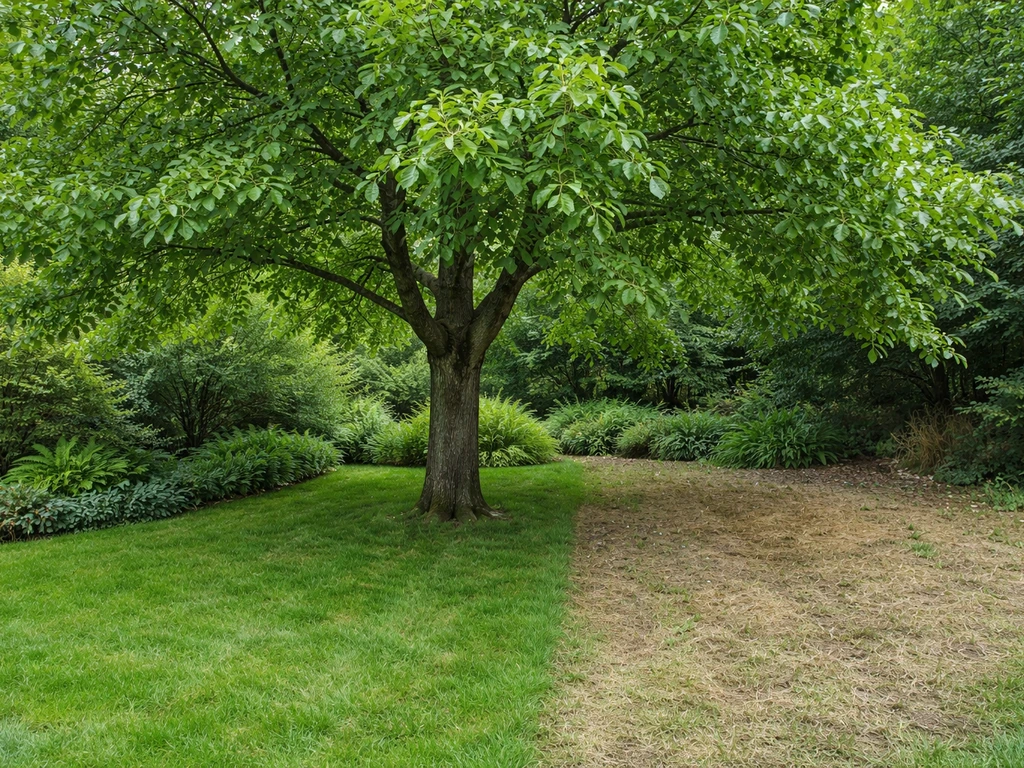
English walnut (Juglans regia) is the species that produces the familiar grocery-store walnut, and it can produce in western Washington, but you need to be honest about your site. The climate is marginal in much of the region: cool summers limit nut fill, spring frosts can kill flowers, and OSU Extension notes that in western growing areas walnuts are slow to fully harden off in fall, leaving them exposed to early freeze damage. The best spots are south-facing slopes with good air drainage, the south Puget Sound lowlands, and protected valley floors well away from cold air pooling. English walnut is hardy to roughly USDA Zones 4 to 8, which covers most of western Washington's lowlands (primarily Zones 7b to 8b), so cold hardiness alone is not usually the limiting factor. The issue is summer heat accumulation for nut development. Cultivars like 'Broadview', 'Franquette', and 'Hartley' have been used in the Pacific Northwest, with 'Franquette' being late-blooming, which helps it dodge spring frost damage. Plan on 7 to 10 years before meaningful nut production begins, and up to 15 years for full production according to USU Extension. OSU Extension confirms that self-pollination is possible if the timing of male pollen shed matches receptive female flowers, but adding a second cultivar improves reliability.
Black walnut: hardy but slow and territorial
Black walnut (Juglans nigra) is cold-hardy across a wide range including Zones 4 to 9, so it will survive western Washington winters without any trouble. The problems are its very long juvenile period (often 10 or more years to first meaningful crop), the thick-shelled, hard-to-crack nuts that are more labor-intensive than English walnuts, and the fact that it produces juglone, an allelopathic compound that suppresses or kills many nearby plants including some fruit trees and vegetables. It's not a bad tree, but most home gardeners are better served by English walnut or hazelnut if nut production is the goal.
Almonds and pecans: not your trees here
Almonds need dry, warm summers and bloom very early in spring, which is a serious frost-risk problem in western Washington's wet climate. The marine influence that keeps temperatures mild also keeps summers too cool for reliable nut development. Pecans need a long, hot growing season of 150 to 200 days with high heat accumulation, which western Washington simply does not provide. Neither is worth attempting in the western lowlands. If you are in a particularly warm, sheltered inland spot and are curious about almonds, check with your local WSU Extension office, but do not expect reliable crops.
Where they thrive: matching climate, elevation, and microclimates
Western Washington is not one climate. The marine-influenced lowlands along Puget Sound (roughly Zones 7b to 8b) are different from the rain shadow of the Olympic Peninsula, the foothills of the Cascades, and the warmer inland valleys south of Olympia. For hazelnuts, nearly all of the lowland zone works well. For English walnuts, the warmer, drier parts of the region give better results: think the Chehalis Valley, the south Sound area, or protected sites in the Snohomish and Skagit lowlands. At higher elevations (above about 1,000 feet in the foothills), you are moving into shorter growing seasons and harder winters, and walnut reliability drops off further. Chestnuts are more flexible across this range than walnuts.
Microclimates matter enormously for walnuts in particular. A south-facing slope above a frost-prone valley floor can give you an extra two to four weeks of effective growing season. Cold air drains downhill on still nights, so low spots and valley bottoms collect it, raising the spring frost risk and shortening the season at the top end. A gentle rise above that cold air pool, with a structure or treeline blocking north and east winds, is the sweet spot for walnuts. Hazelnuts and chestnuts are more forgiving but still benefit from good air drainage.
The Olympic rain shadow (the Sequim-Dungeness area in Clallam County) is an interesting outlier: it receives dramatically less rainfall than the rest of western Washington and gets more summer sunshine, making it one of the better spots in the region for heat-loving nut trees. If you are in that area, your options open up somewhat compared to, say, the west slope of the Cascades or the coast.
Growing basics for nut trees in this region
Site, sun, and drainage
All of the viable nut trees for western Washington need full sun, which in this region means you should not compromise. Six hours is the minimum; eight or more is better, especially for walnuts and chestnuts that need to develop and ripen nuts before fall rains intensify. Drainage is equally important. Hazelnuts tolerate reasonably moist soil but do not want waterlogged roots. Chestnuts and walnuts are both more sensitive to poor drainage and will struggle in heavy clay that stays wet through summer. If your site has a perched water table or pools visibly after rain, either build raised beds/mounds, install drainage tile before planting, or choose a different spot.
Soil
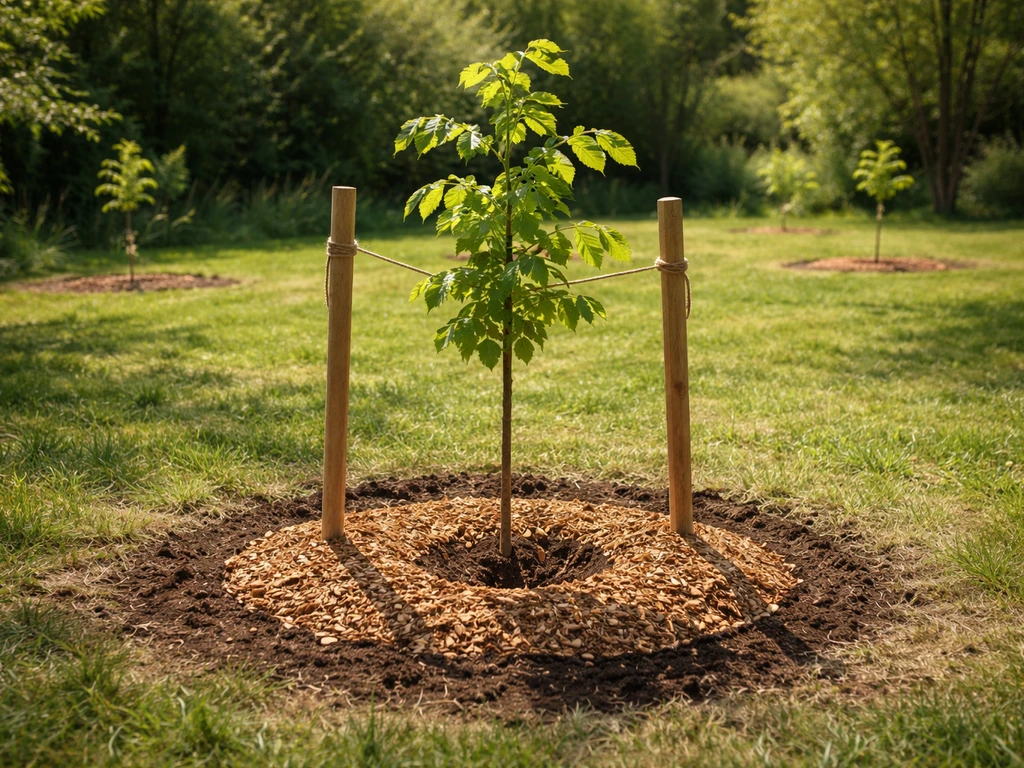
Western Washington's soils are often acidic (pH 5.5 to 6.5), which suits hazelnuts and chestnuts well. Walnuts prefer a slightly higher pH, closer to 6.0 to 7.0, so a lime application before planting may be warranted on very acidic sites. All of these trees benefit from good organic matter in the soil. Amending planting holes with compost and maintaining a mulched area around the drip line after planting will help establish roots, conserve moisture during summer dry periods, and moderate soil temperature.
Spacing and pollination
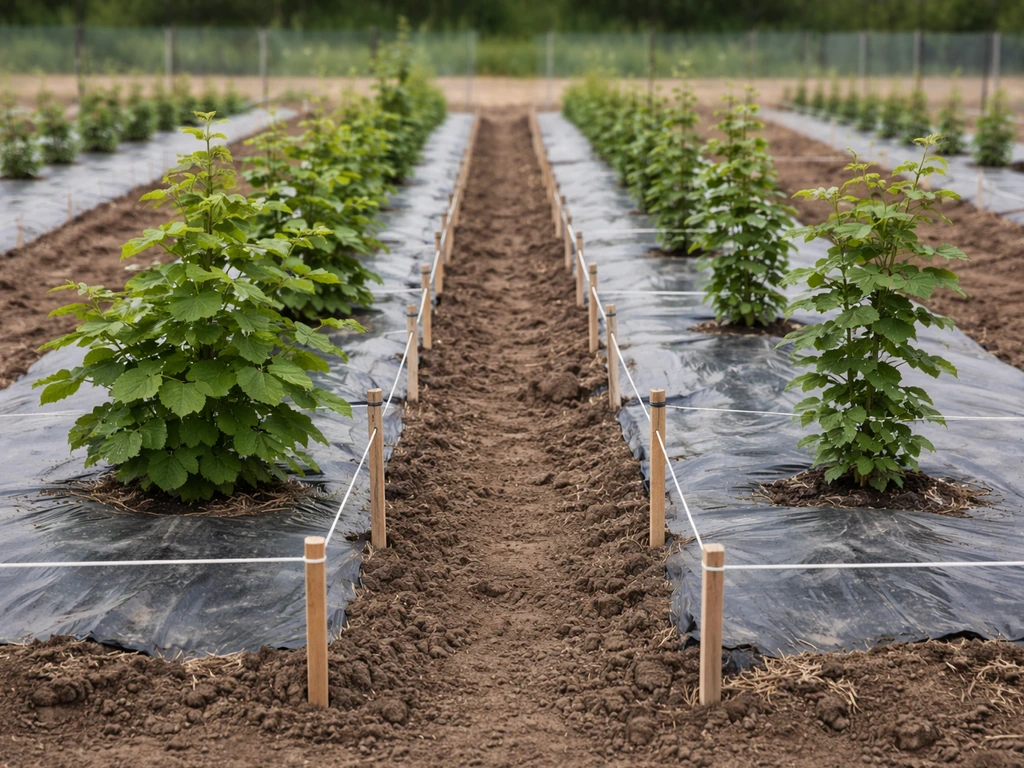
- Hazelnuts: 15 to 20 feet apart for orchard-style planting; 5 to 8 feet for a managed shrub hedge. Plant at least two compatible EFB-resistant cultivars for cross-pollination.
- Chestnuts: 30 to 40 feet apart at maturity. Plant two or more cultivars for reliable pollination.
- English walnuts: 25 to 40 feet apart. A single tree may self-pollinate if pollen timing aligns, but two cultivars with overlapping bloom timing improves set.
- Black walnuts: 40 to 60 feet apart. Keep them well away from vegetable gardens, fruit trees, and ornamental plantings that are juglone-sensitive.
Wind pollination is how all of these trees work, so you do not need bees or insects to move pollen. What you do need is that pollen from one cultivar is being shed at the same time that another cultivar's female flowers are receptive. For hazelnuts specifically, OSU Extension is clear that they are not self-fertile and that compatible pollinizer varieties are required. For your home planting, just pick two or three named resistant varieties and you will be covered.
Hardiness, chill hours, and what to expect from the climate
Most of western Washington's lowlands fall in USDA Zones 7b to 8b, with some coastal and urban areas touching Zone 9a. All three of the viable nut species (hazelnut, chestnut, walnut) are cold-hardy well into this range. Cold hardiness in the sense of surviving winter is not usually your limiting problem here.
Chill hours, the number of hours spent between roughly 32 and 45 degrees Fahrenheit during dormancy, are actually abundant in western Washington. Most locations accumulate 800 to 1,200 chill hours per season, which is more than sufficient for all of the above species. This is one area where western Washington has an advantage over warmer climates. Where it gets complicated is on the heat side: walnuts and chestnuts need accumulated heat units (growing degree days) through summer to fill and ripen nuts, and western Washington's cool, marine-influenced summers sometimes fall short, especially in north Sound and coastal locations. This is why microclimate selection matters so much for walnuts.
Late spring frosts are a real risk, particularly in inland valleys and frost pockets, and they can damage walnut catkins and early foliage. Late-blooming walnut cultivars like 'Franquette' are specifically valued because they push out growth later and miss the worst frost windows. Hazelnuts bloom remarkably early, often in January and February, but the wind-pollinated catkins and tiny female flowers are fairly frost-tolerant at that stage and the trees have evolved to handle PNW winters.
What you should expect and plan around: western Washington's fall is wet and often arrives early. Nuts on walnut trees need time to fully develop before hull split and fall, and an early, wet fall can complicate harvest and increase disease pressure. Chestnuts and hazelnuts are generally harvested earlier and are less affected by this. For walnuts, choosing an early-ripening cultivar appropriate to the latitude is not just a nice-to-have, it is practically necessary.
Planting today: choosing cultivars, timing, and local resources
If you are ready to plant now or this coming fall, here is the practical sequence. First, confirm your specific hardiness zone using the USDA Plant Hardiness Zone Map interactive tool at the USDA ARS website, which lets you look up by ZIP code. Western Washington lowlands are broadly Zone 7b to 8b but knowing your specific zone number matters when comparing cultivar cold-hardiness specs.
For hazelnuts, prioritize OSU-released EFB-resistant cultivars. As of 2026, well-regarded options include 'Jefferson', 'Yamhill', 'Wepster', 'Tonda Pacifica', and 'Santiam'. Buy from nurseries that clearly state the cultivar name and confirm EFB resistance. Do not plant unnamed seedlings or untested varieties if EFB is present in your area, and it almost certainly is in western Washington. Contact your local WSU Extension office (county-level offices exist throughout the state) to ask which cultivars they are currently recommending and whether there are any new resistance-breaking EFB strains reported locally.
For chestnuts, look for Chinese chestnut (Castanea mollissima) or hybrid varieties labeled as blight-resistant. 'Colossal', 'Dunstan' hybrids, and Chinese selections are commonly available in PNW nurseries. For English walnuts, ask specifically about late-blooming cultivars if your site has frost risk. 'Franquette' and 'Broadview' are starting points, but check with local nurseries who know what has actually performed in your county.
Timing for planting: bare-root trees go in during dormancy, typically late fall through early spring (November through March in western Washington). Container-grown trees can be planted almost any time but benefit from fall planting so roots establish before summer dry periods. Spring planting of container trees works fine if you plan to irrigate through the first summer, which you should do regardless.
The WSU Extension Pacific Northwest Gardener's Handbook is a solid regional reference that includes nut-tree cultivar tables specific to the PNW. OSU Extension's hazelnut publications (look for EM9073, EM9223, and EM9074) are the most detailed technical resources available for hazelnuts in this region and are free to download. Your county WSU Extension Master Gardener program can also point you toward local variety trials or demonstration orchards where you can see mature trees producing in conditions similar to your own.
Harvest timeline and what you will realistically get
Be realistic about timelines. None of these trees are fast producers, and setting accurate expectations upfront will save you frustration. Here is a practical breakdown by species:
| Species | First Small Harvest | Meaningful Crop | Full Production | Harvest Window |
|---|---|---|---|---|
| Hazelnut | Year 3–4 | Year 4–6 | Year 6–8 | Late Aug–Sept; nuts drop when ripe |
| Chestnut | Year 4–5 | Year 6–8 | Year 8–12 | Sept–Oct; harvest from ground as burrs open |
| English Walnut | Year 5–7 | Year 7–10 | Year 12–15 | Sept–Oct; collect at hull split |
| Black Walnut | Year 8–10 | Year 10–15 | Year 15+ | Oct; hulls must be removed promptly |
USU Extension pegs walnuts at roughly 7 to 8 years to begin producing and around 15 years to reach full production, which matches the experience most PNW growers report. These are not trees you plant for next year's harvest. They are a long-term investment, and that is worth understanding before you commit the space.
For storage: hazelnuts dry and store well. After harvest, spread them in a single layer to air-dry for two to three weeks, then store in-shell in a cool, dry place (a refrigerator works well) for up to a year. Chestnuts have high moisture content and do not store as long in-shell; refrigerate them and use within a few weeks or freeze them. English walnuts should be dried after harvest until the kernel snaps cleanly rather than bending, then stored in-shell in a cool, dark space for several months, or shelled and frozen for longer storage. Getting the drying step right is the most common point where home growers lose product to mold, so do not rush it.
If you are comparing what is realistic in western Washington versus other zones, the situation here is actually fairly favorable compared to colder regions. Gardeners dealing with zone 4 or 5 conditions further east or north face harder winters that knock out both hazelnut and walnut options more frequently. In USDA zone 4, it is important to focus on cold-hardy nut trees such as hazelnuts, walnuts, and cold-tolerant chestnuts that match your specific microclimate. If you're specifically asking what nut trees grow in Zone 5, the answer depends heavily on microclimates and the exact cultivar, so local extension guidance is especially important nut trees in Zone 5. Western Washington's mild, wet climate is a genuine advantage for the species that fit it, and hazelnuts in particular are about as easy to grow here as anywhere in North America. If you are specifically wondering what nut trees grow in Maine, the best choices will differ because of Maine’s colder winter zones and shorter, cooler growing season. If you are comparing regions, it helps to look at the best nut trees to grow in the UK so you can match species to your local climate and frost patterns best nut trees to grow in UK.
FAQ
What’s the easiest nut tree to get reliable nuts from in western Washington?
If you want edible nuts with the least fuss, start with EFB-resistant hazelnuts. For the most consistent results, plant two or three named resistant cultivars so they cross-pollinate, and choose locations with full sun plus good air drainage (avoid frost pockets).
Can I plant just one hazelnut tree and still get a crop?
Yes, but only if you use the right cultivar and a matching pollination plan. Hazelnuts are wind-pollinated but not self-fertile, so one tree will usually produce little or nothing, even in a good site. A backyard approach is two or three named resistant cultivars planted near each other.
Why do English walnuts sometimes grow well but never produce usable nuts in western Washington?
English walnuts can be productive, but they often fail because the site does not accumulate enough summer heat and they are exposed to spring frost or early fall wet weather. If you are in a lowland area with cool, cloudy summers, prioritize the south Puget Sound lowlands or similarly warm, sheltered sites, and choose late-blooming cultivars like 'Franquette' if frost risk is an issue.
Is American chestnut a good option for nut production in western Washington?
Chinese chestnuts and most Chinese-American or Chinese-European hybrids are generally better suited than American chestnuts in the region because they have blight resistance. If you are offered an American chestnut, treat it as mainly an ornamental or curiosity tree, not a reliable nut crop for western Washington.
How do I know if my yard has the drainage needed for chestnuts and walnuts?
For chestnuts and walnuts, good drainage is often the difference between steady progress and repeated problems. If water pools after rain or the planting area stays wet through summer, improve drainage with raised mounds, drainage tile, or a different site before planting.
Can ornamental hazels on my property affect my edible hazelnut crop?
EFB can move through a property via susceptible ornamental hazels, not just your planted orchard trees. If you have ornamental Corylus like 'Contorta' anywhere nearby, assume it can increase disease pressure, so either remove susceptible plants or increase distance and focus on resistant cultivars.
What site characteristics reduce frost damage for walnut trees?
Walnut orchard planning should treat frost as a cropping issue, not just a winter survival issue. Planting on a gentle rise where cold air drains away, and avoiding valley bottoms or low spots, reduces spring frost injury to catkins and early foliage.
Can I plant hazelnuts closer than 20 feet in western Washington, and still get nuts?
Yes. In a small backyard, you can plant hazelnuts closer together and train them more like a multi-stem shrub, but do not expect the same growth habits or yields as a standard orchard spacing. If you try close planting, still include at least two compatible cultivars.
Do I need to worry that EFB-resistant hazelnuts will stop working over time?
Newer EFB-resistant cultivars can still be challenged if EFB strains evolve, so the safest approach is to buy current recommended cultivars and verify your nursery’s labeling. Also ask your county WSU Extension office if any resistance-breaking EFB issues have been reported in your area.
Why does the same walnut cultivar succeed in one yard but not another nearby?
Don’t choose a variety based only on winter hardiness. For walnuts and chestnuts, you also need enough heat units to fill and ripen nuts before the wet fall arrives, which is why microclimates matter. Two neighbors with the same USDA zone can still have very different outcomes.
How does an early wet fall in western Washington affect walnut and chestnut harvest?
Walnuts are also more sensitive to timing of maturity. If your site tends to get an early, wet fall, prioritize early-ripening cultivars appropriate to your latitude (and avoid relying on late types that need more dry time).
When is the best time to plant these nut trees, depending on bare-root versus container?
Most of the region’s nurseries sell container or bare-root trees, and timing differs. Bare-root is easiest during dormancy (roughly late fall through early spring), while container trees can go in more flexibly but still benefit from fall planting. Spring container planting works if you commit to irrigation for the first summer.
What are the most common reasons for getting no nuts even when the tree seems healthy?
If you see poor early growth or no nuts after a few years, first check cross-pollination needs and site heat, not just watering. Hazelnuts require compatible cultivars, walnuts may need a warmer sheltered microclimate, and chestnuts may also need a second tree for reliable nut set.