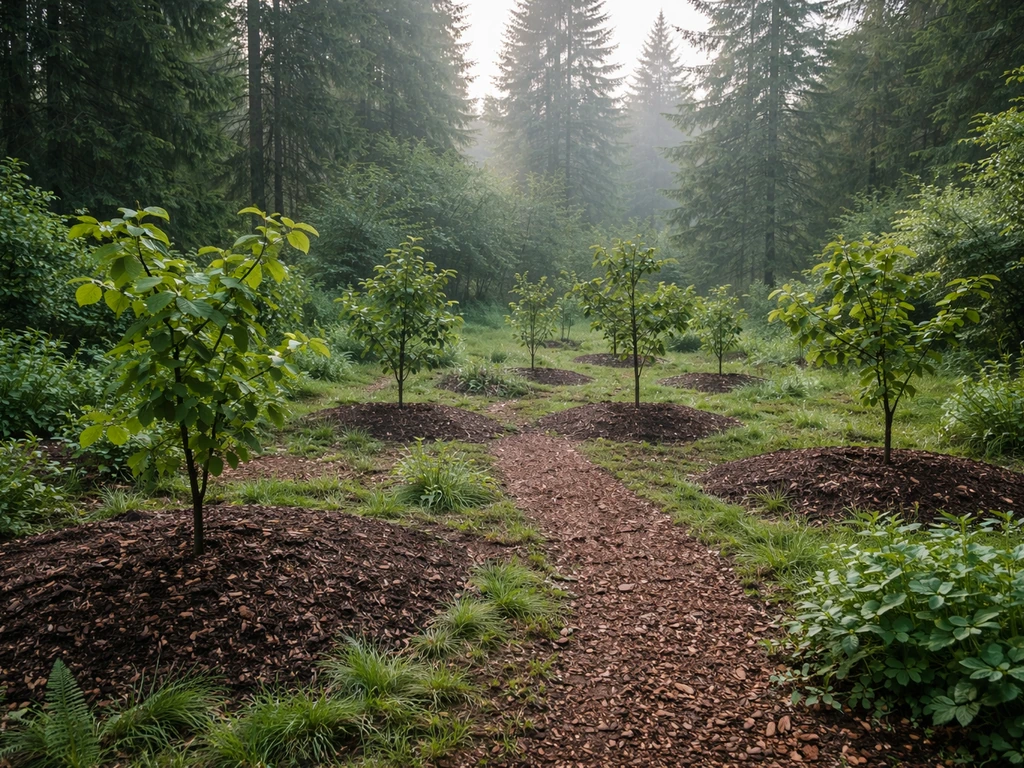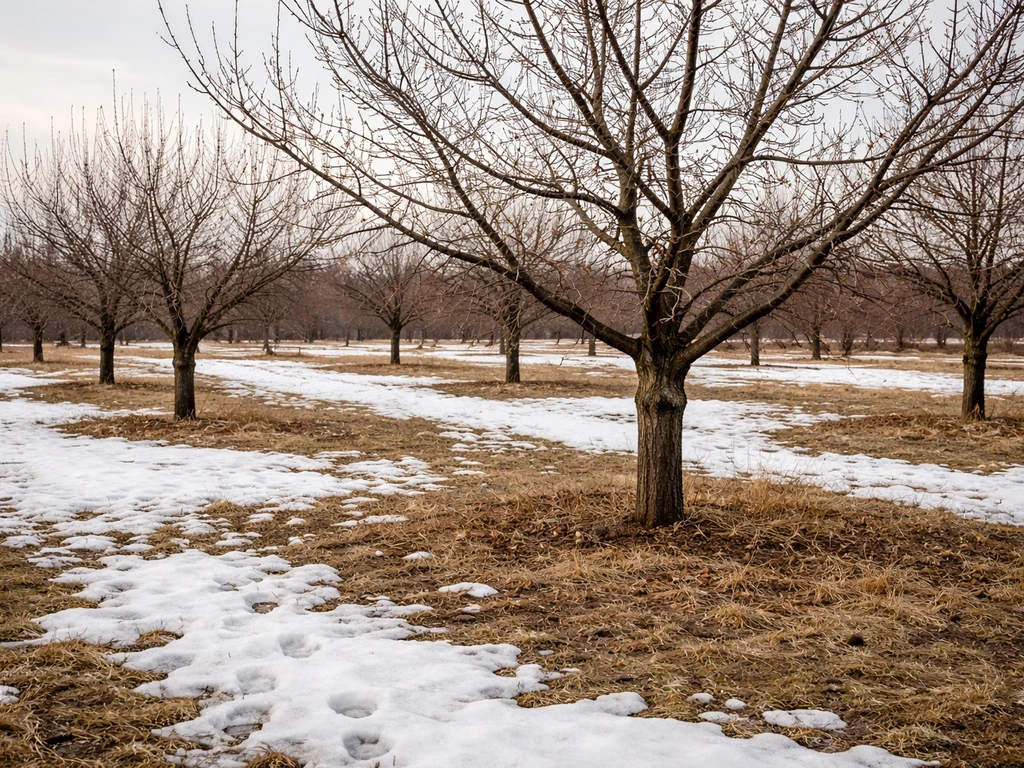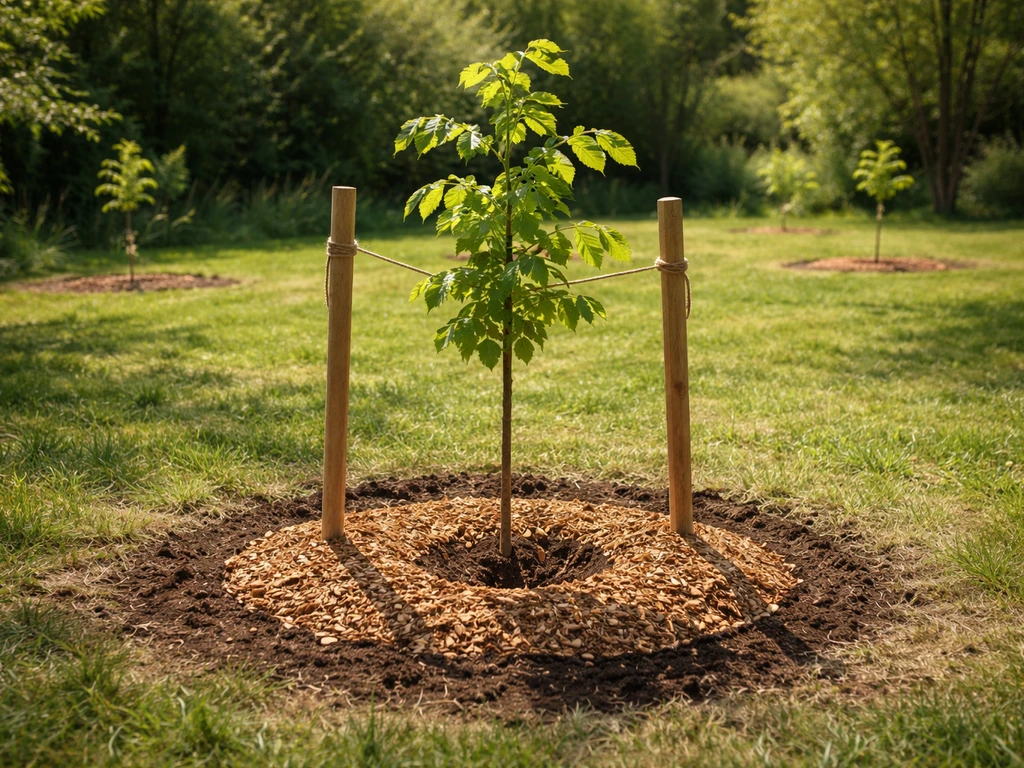
Zone 5 can grow several productive nut trees: hazelnuts, American chestnuts and their hybrids, black walnuts, butternuts, and heartnut (Japanese walnut). Pecans, hickories, and heartier English walnut cultivars can work in Zone 5b with the right site. Each of these species can survive Zone 5 winters, but survival and actual nut production are two different things, and understanding that gap is the most important thing you can do before you plant.
What Nut Trees Grow in Zone 5: Options and Care Tips
Marcus Hendricks
24 May 2026
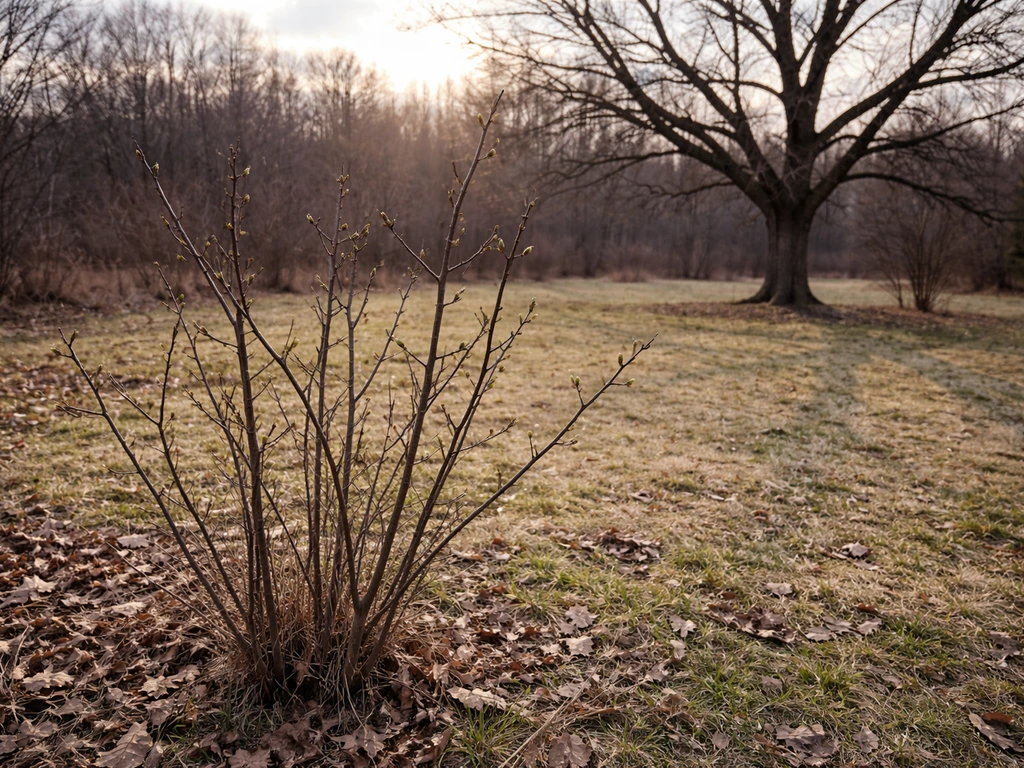
What Zone 5 actually means for your nut trees
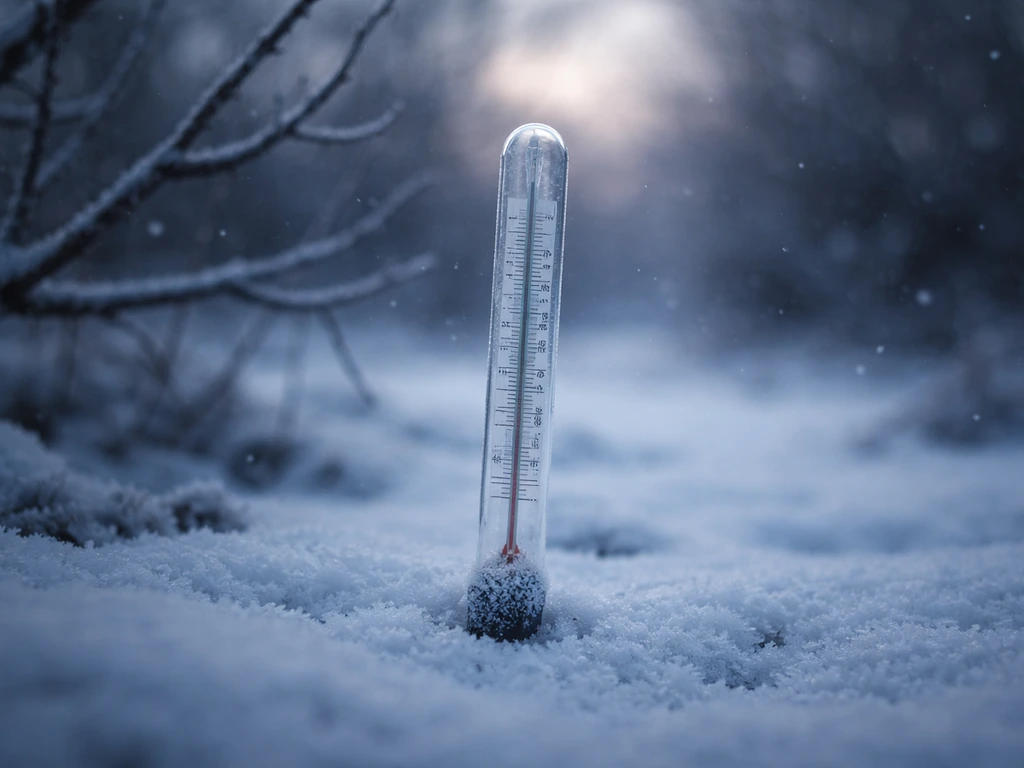
USDA Zone 5 covers average annual extreme minimum temperatures of roughly -20°F to -10°F. Zone 5a is the colder half, running from about -20°F to -15°F, while Zone 5b sits at -15°F to -10°F. That 10-degree spread matters a lot for borderline species like English walnut or shellbark hickory. The zone map is built on 30-year climate normals, so it reflects typical winters, not worst-case ones. Your site can have seen temperatures 5 to 10 degrees colder than your nominal zone during an extreme winter event, which is exactly the kind of cold that kills a tree that was technically rated as hardy.
Beyond winter lows, late spring frosts are the other major obstacle. Most nut trees bloom in spring, and that flush of flowers is vulnerable to frost damage at 32°F and serious damage below 28°F. Near-ground temperatures can run a few degrees colder than what your thermometer reads at standard height, so a forecast of 33°F can still damage flowers in a low spot.
Zone 5 in the upper Midwest and Northeast commonly sees hard freezes in late April, and some sites push that risk into early May. If your nut trees flower during that window and your site is a frost pocket (low-lying, north-facing, or surrounded by structures that trap cold air), you will lose crops more often than you keep them.
A south or southeast-facing slope, a position near a large body of water, or a spot near a building that radiates heat overnight can meaningfully shift your frost risk and turn a marginal site into a productive one.
If you are in a true edge-case zone (northeastern Minnesota, high-elevation New England, or the northern Plains), treat yourself as Zone 5a regardless of what the map says for your county centroid. Pull historical freeze-date data from your nearest NOAA weather station and look at the 10th-percentile last spring freeze date, not just the average. That is the number that tells you how often you will lose flowering.
The nut trees that can actually grow and produce in Zone 5
Hazelnut (Corylus species and hybrids)
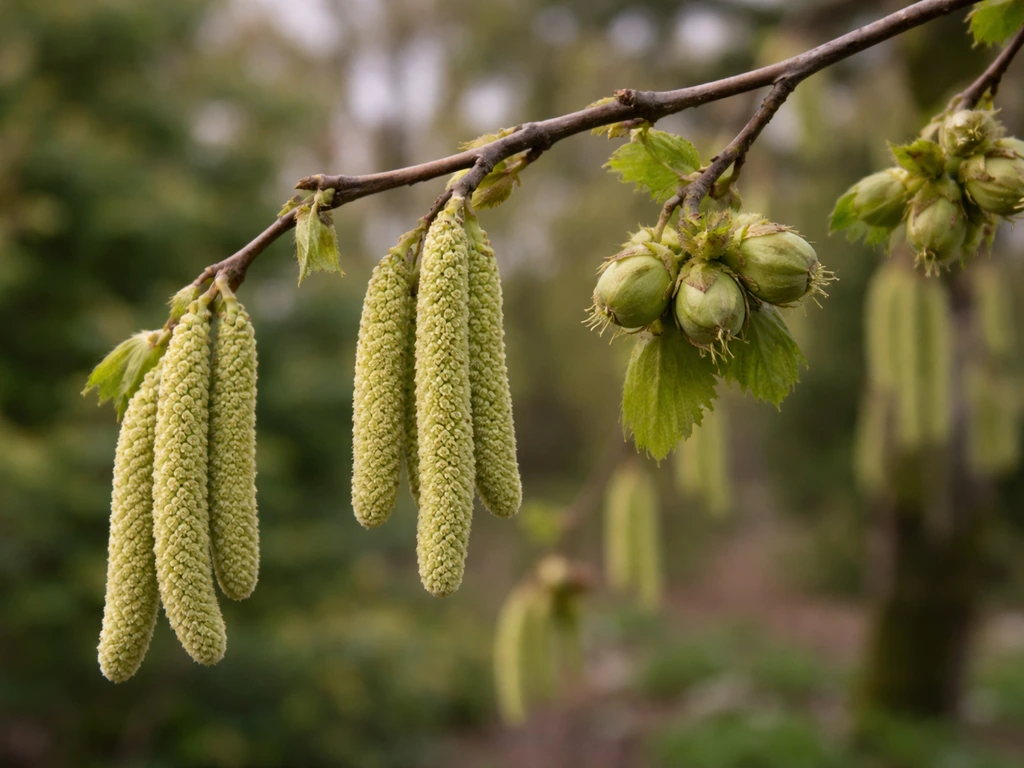
Hazelnuts are the most reliably productive nut tree for Zone 5. American hazelnut (Corylus americana) is native to most of Zone 5's range and is essentially bulletproof to cold. European hazelnuts (Corylus avellana) and the hybrid selections bred at the University of Wisconsin-Madison and other programs combine European nut size with American cold hardiness. These hybrids are the trees most Zone 5 growers should plant first.
They start bearing nuts in 3 to 5 years, tolerate a wide range of soil types, and are manageable in size (8 to 15 feet as multi-stemmed shrubs or small trees). The biggest disease threat is eastern filbert blight (EFB), a fungal disease caused by Anisogramma anomala that is devastating in the eastern half of North America.
Oregon State University’s hazelnut publication for the 'Jefferson' cultivar highlights very high resistance to eastern filbert blight caused by Anisogramma anomala 'Jefferson' highlights very high resistance to eastern filbert blight (EFB). Plant only EFB-resistant cultivars in Zone 5 of the Midwest, Northeast, and Great Lakes: 'Jefferson', 'Lewis', 'Clark', 'Gem', and 'Sacajawea' all carry meaningful resistance, with 'Jefferson' carrying a dominant resistance gene derived from the 'Gasaway' parent.
Chestnut (Castanea species and hybrids)
Chinese chestnut (Castanea mollissima) is hardy to about Zone 4b-5a, which puts it comfortably in Zone 5. Pure Chinese chestnut and its cultivars are your baseline here. American chestnut hybrids (crosses with Chinese chestnut that are being developed by the American Chestnut Foundation and university programs) are also viable and often recommended for Zone 5. Pure American chestnut (Castanea dentata) is technically hardy but almost universally devastated by chestnut blight, so plant hybrids or Chinese chestnut instead.
Chestnuts are self-incompatible, meaning you need at least two genetically distinct trees for pollination. Plant a minimum of two different cultivars or seedlings. Trees start producing in 3 to 7 years. Chestnuts are strict about soil: they need [well-drained soil with a pH of 5](https://www.
canr. msu. edu/chestnuts/horticultural_care/nutrient-management). 5 to 6.
5. They will not tolerate wet feet or alkaline soil. If your Zone 5 site has heavy clay or sits above limestone bedrock, fix drainage and amend pH before you plant or chestnuts will disappoint you regardless of cold hardiness.
Black walnut (Juglans nigra)
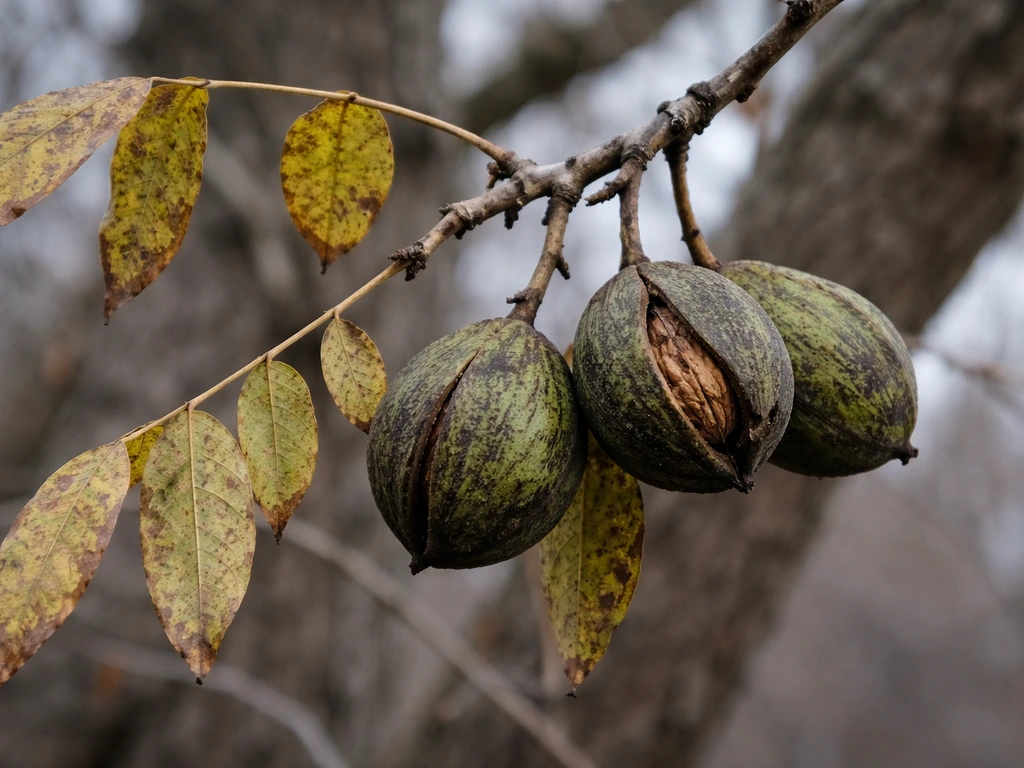
Black walnut is native to much of Zone 5 and is one of the most cold-hardy large nut trees available. It is hardy to Zone 4 in most selections. The nuts are edible but have an intense, distinctive flavor that takes some getting used to.
The real practical issue with black walnut for many home growers is juglone, a chemical the roots and leaf litter release that is toxic to a wide range of other plants (including many vegetable crops, apples, and rhododendrons). If you are growing it near an edible garden or orchard, give it at least 50 to 80 feet of clearance.
Trees take 8 to 12 years to start serious nut production from seedling, though grafted cultivars like 'Emma K', 'Sparrow', and 'Sparkling' can start in 5 to 7 years.
Butternut (Juglans cinerea)
Butternut is the hardiest of the walnuts, rated to Zone 3 in many sources. The nuts are rich and mild compared to black walnut. The problem is butternut canker (Sirococcus clavigignenti-juglandacearum), a disease that has decimated wild butternut populations across the eastern U.S. If you plant butternut, source trees from programs screening for canker resistance, or look into butternut-heartnut hybrids (sometimes called 'buartnuts') which offer greater disease resistance alongside cold hardiness.
Heartnut / Japanese walnut (Juglans ailantifolia var. cordiformis)
Heartnut is hardy to Zone 5 and produces distinctively heart-shaped nuts with a milder, buttery flavor than black walnut. It is less impacted by juglone than black walnut and is often easier to crack. Trees bear in 5 to 8 years. Heartnut is not as commonly available in nurseries as the other species here, but it is worth tracking down if you want a large, productive nut tree with less flavor intensity than black walnut.
English / Persian walnut (Juglans regia)
Standard English walnut cultivars from the West Coast are not reliably hardy in Zone 5. However, the 'Carpathian' strain (sometimes sold as Carpathian English walnut) was developed from trees collected in the Carpathian Mountains of Poland and tested for hardiness in Canada. Carpathian selections can survive Zone 5b winters in a protected site, but their flowers emerge early in spring and are very frost-sensitive. A late April freeze that drops to 28°F can wipe out an entire season's crop even if the tree survives fine. Treat English walnut as a bonus crop in Zone 5b with frost protection rather than a reliable annual producer.
Pecan (Carya illinoinensis)
Northern pecan cultivars bred for short growing seasons ('Kanza', 'Hark', 'Peruque', 'Mullahy') can survive Zone 5b winters, but the growing season length is the real constraint. Pecans need 150 to 180 frost-free days to ripen nuts, and many Zone 5 sites do not reliably provide that. You may get the tree to survive but never see a fully developed nut. If you are in southern Zone 5b with a reliably long growing season, try a short-season cultivar. Otherwise, do not make this your primary nut tree.
Hickory (Carya species)
Shagbark hickory (Carya ovata) is native to Zone 4-8 and is fully hardy in Zone 5. The nuts are excellent, arguably the best of any cold-hardy nut tree. The trade-off is time: hickories often take 10 to 15 years or more to begin producing from seedlings, and they have deep taproots that make transplanting difficult after the first year or two. Plant balled-and-burlapped or container-grown specimens young, plant them in their permanent spot, and do not move them. Shellbark hickory (Carya laciniosa) and bitternut (Carya cordiformis) are also Zone 5 hardy but have similar patience requirements.
What each nut tree actually needs: a side-by-side look
| Nut Tree | Cold Hardiness | Sun | Soil pH | Spacing (ft) | Pollination | Years to First Nuts |
|---|---|---|---|---|---|---|
| Hazelnut (hybrid) | Zone 4 | Full sun | 6.0–7.0 | 15–20 | 2+ genetically different plants | 3–5 |
| Chinese/Hybrid Chestnut | Zone 4b–5a | Full sun | 5.5–6.5 | 25–40 | 2+ different cultivars required | 3–7 |
| Black Walnut | Zone 4 | Full sun | 6.0–7.0 | 40–60 | Self-fertile, wind-pollinated | 8–12 (5–7 grafted) |
| Butternut | Zone 3 | Full sun | 6.0–7.5 | 30–50 | Self-fertile, wind-pollinated | 5–8 |
| Heartnut | Zone 5 | Full sun | 6.0–7.0 | 30–40 | Plant 2 for best set | 5–8 |
| Carpathian English Walnut | Zone 5b (marginal) | Full sun, sheltered | 6.0–7.5 | 25–35 | Plant pollinizer if possible | 5–7 |
| Northern Pecan | Zone 5b (marginal) | Full sun | 6.0–7.0 | 40–60 | 2 cultivars for overlap | 8–12 |
| Shagbark Hickory | Zone 4 | Full sun | 6.0–7.0 | 40–60 | Wind-pollinated | 10–15+ |
Survival versus actually getting nuts: the honest answer
This is the question most Zone 5 growers actually want answered, and the answer is more nuanced than most planting guides admit. A tree can be fully hardy in Zone 5 and still fail to produce nuts reliably. There are three main bottlenecks.
The first is late spring frosts killing flowers. Hazelnuts actually bloom in late winter (often February or March in Zone 5), so their female flowers escape most late-spring events, though a severe late freeze can still damage them. Chestnuts and walnuts bloom later, typically May, which puts them right in the window for damaging frosts in many Zone 5 locations. A single 28°F event on May 5th can eliminate an entire chestnut crop even if the tree is completely winter-hardy.
The second is pollination. Chestnuts are self-incompatible, meaning a single tree will rarely set nuts. Even with multiple trees present, research on hybrid chestnut orchards has documented strong pollen limitation when cultivar diversity is too low. Walnuts have a different challenge: male and female flowers on the same tree often do not mature at the same time (called dichogamy), and cultivars vary in the timing of each. If your walnut sheds pollen before its own female flowers are receptive, you need a second cultivar that bridges the overlap. For hazelnut, the same principle applies: the catkins (male) and tiny red female flowers need compatible pollen from a different clone to set nuts well.
The third bottleneck is disease. EFB will kill the canopy of a susceptible hazelnut in 5 to 10 years in the eastern half of Zone 5. Butternut canker can do the same to unresistant butternut. Growing the wrong cultivar in the wrong region does not just reduce yield, it kills the tree on a predictable timeline.
Picking the right cultivar, not just the right species
Species-level hardiness is just the starting point. Cultivar selection is where most Zone 5 growers either succeed or set themselves up for frustration. Here is how to narrow it down.
For hazelnuts, start with EFB resistance if you are anywhere east of the Rockies. 'Jefferson' is your strongest option for dominant EFB resistance, while 'Lewis', 'Clark', 'Gem', and 'Sacajawea' offer solid quantitative resistance. For pollination, check incompatibility groups before buying: not every hazelnut pollinates every other one. 'Yamhill', for example, has specific pollen incompatibility alleles, and simply planting two hazelnuts from the same nursery bin does not guarantee they will pollinate each other well. If you cannot get cultivar-specific incompatibility data, plant three or more different named cultivars to cover your bases.
For chestnuts in Zone 5, prioritize cultivars from northern breeding programs (MSU's program, the Chestnut Growers of America network, or local university extension trials). Look for 'Qing', 'Peach', 'Dunstan Chestnut' hybrids, or locally adapted Chinese chestnut seedlings from northern-sourced seed. Avoid cultivars developed for Zone 7 or the Mid-Atlantic climate as their cold hardiness and season length assumptions will not match.
For walnuts, cold-hardiness within the species is less about named cultivar and more about seed source and rootstock in black walnut. For English walnut, stick strictly to Carpathian strains, and look for trees grown and trialed in Zone 5 nurseries (not just labeled as Carpathian, which is sometimes used loosely). For pecan, only named northern cultivars like 'Kanza' or 'Hark' should be planted in Zone 5, and only in the warmest 5b sites.
Matching trees to your actual situation
If you have a small yard (under a quarter acre) and want nuts within a few years: hazelnuts are your answer. If you want the simplest, fastest-starting option in Zone 5, start by choosing hazelnuts over slower, frost-sensitive species what is the easiest nut tree to grow. They are the right size, start producing fast, can be managed as multi-stem shrubs, and work in most Zone 5 soils. Plant two or three EFB-resistant cultivars 15 to 20 feet apart and you have a realistic shot at nuts by year four.
If you have space for one or two large trees and can wait 7 to 10 years: Chinese chestnut or hybrid chestnut is worth the wait. The nuts are commercially valuable, delicious, and the trees are beautiful. Plant at least two different cultivars within 50 feet of each other for pollination.
If you have a large property and are thinking long-term: black walnut and shagbark hickory are both excellent, both native to much of Zone 5, and both improve in productivity over decades. Use them as part of a broader planting rather than expecting quick returns.
If you are in Zone 5b and want to push the limits: try a Carpathian English walnut on a sheltered, south-facing slope, or plant a 'Kanza' pecan if your growing season genuinely runs 160+ frost-free days. Just do not make these your only nut trees.
Planting and getting through the first year
Site preparation matters more than most growers give it credit for. Before planting, test your soil pH and drainage. For chestnuts, if your pH is above 6.5, work in sulfur amendments in fall before spring planting. If your drainage is marginal, build up a broad, low berm (6 to 12 inches) at the planting site rather than digging a deep hole that becomes a bathtub.
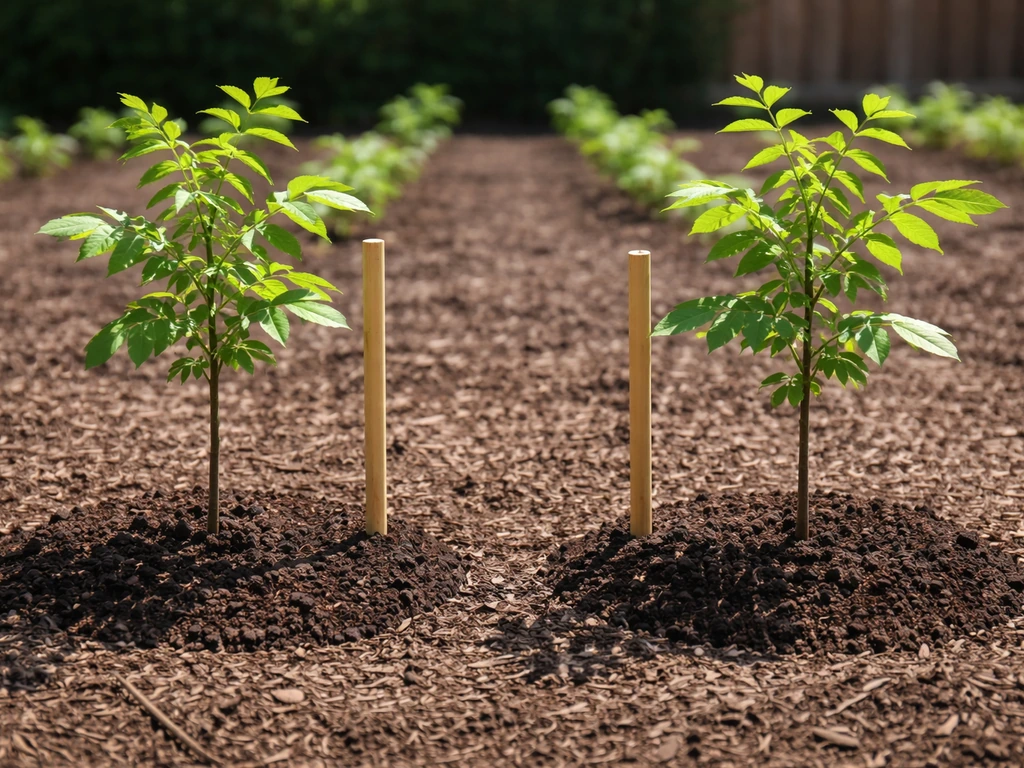
Plant bare-root trees in early spring as soon as the soil can be worked, usually late March to mid-April in most Zone 5 locations. Container-grown trees can go in through early June, but avoid planting in hot, dry weather. Water in at planting unless the soil is already saturated. For the rest of the first season, water deeply once a week during dry periods (1 to 1.5 inches of water per session) rather than light watering daily. Deep, infrequent watering encourages the deep root development that makes these trees winter-hardy.
Mulch with 3 to 4 inches of wood chips or straw, keeping mulch 3 to 4 inches away from the trunk to prevent rot and rodent damage. Do not fertilize heavily the first year; let the roots establish. A light application of balanced fertilizer in early June is fine if the tree shows poor early-season growth, but excess nitrogen in a first-year tree pushes soft growth that winterkills.
For tree form, hazelnuts can be left to grow as multi-stemmed shrubs or trained to a single leader. Walnuts and chestnuts benefit from early training to a central leader, removing competing upright stems in the first two to three years. For hazelnut, the main training goal is airflow: open, well-spaced branching reduces disease pressure significantly.
Winter protection and the most common problems in Zone 5
Young trees, especially those in their first and second winter, are more vulnerable than established ones. Protect the trunk from sunscald and rodent damage by wrapping the lower trunk with a white plastic tree guard or hardware cloth cylinder in late October. Remove it by mid-April. Sunscald (a freeze-thaw injury on the south or southwest side of the trunk) is common in Zone 5 on young smooth-barked trees and can girdle them even when the cold never hits a damaging temperature.
For hazelnuts, frost protection during the brief female flowering period in late winter is difficult to engineer at home-garden scale, but planting them in a frost-protected spot (as Utah State University Extension recommends for consistent production) does the work for you. If you are in western Washington, also look for cultivars and microclimates suited to the Pacific Northwest’s milder winters and wet conditions frost protection. That means avoiding low spots where cold air pools and choosing sites with some air drainage downslope.
The most common winter-related problem Zone 5 growers see in walnuts and chestnuts is dieback on the tips of young branches (called winter tip kill). This is usually not fatal. In spring, prune back to live wood below the damage. Repeated tip kill year after year suggests the tree is not fully adapted to your site, which means either you have the wrong cultivar or your site is consistently colder than its nominal zone suggests. Check a nearby NOAA weather station's historical extreme minimums for the last 20 years, not just the 30-year average, before concluding the cultivar is at fault.
Established trees rarely need active winter protection beyond what good site selection provides. The bigger ongoing risk for mature Zone 5 nut trees is the late spring frost wiping out flowers. You cannot easily cover a 30-foot chestnut with frost cloth, but you can choose a microclimate that delays bloom by a few days (a north-facing slope that stays cooler longer) to reduce the overlap between open flowers and frost risk.
That sounds counterintuitive, but a tree that blooms May 10 instead of May 1 in your location might consistently miss the worst frost window. Growers in Maine and the upper Midwest often use exactly this strategy, and it is worth thinking about at the cultivar-selection stage before you plant. Growers in Maine should focus on species and cultivars that can handle Zone 5 cold while still producing nuts after late frosts what nut trees grow in maine.
If you are comparing notes with growers in colder zones, the species options above overlap quite a bit with Zone 4 nut trees, though the cultivar choices and species like chestnut become more reliably productive as you move into Zone 5. If you want to go even colder, check what nut trees grow in Zone 4 and how cultivar choices shift at that lower threshold. Conversely, if you are near the warmer edge of Zone 5, some of the same trees that succeed in more temperate regions of the country may work for you with site-appropriate selections.
FAQ
How do I tell if my yard is a frost pocket even if I’m in Zone 5b?
Look for spots that stay wet longest in spring, have poor air movement, or sit in low areas surrounded by trees, fences, or buildings. If you can, place a cheap min-max thermometer in the area for a full spring, since low-lying sites routinely run colder at flower height than weather stations at standard height.
Can I grow nut trees in containers in Zone 5 to avoid winter risk?
You can start trees in containers, but nut trees typically need in-ground root winter protection to avoid repeated freeze-thaw stress. If you containerize, prioritize shorter-term nursery holding (not long-term), use a very large pot, and plan for overwintering that insulates the root ball rather than only the trunk.
Is it worth planting one “best hardy” nut tree, or do I really need multiple?
For several species you do. Chestnuts require genetically distinct trees for reliable pollination, and walnuts often need a second cultivar with overlapping bloom timing. Even hazelnuts can underperform if the pollinizer clone is wrong for compatibility, so planting multiple named cultivars usually beats “one tree and hope.”
What’s the most common reason Zone 5 nut trees survive but produce no nuts?
Late-spring frost killing flowers is the top cause, followed by mismatched pollination timing or cultivar incompatibility. Disease can also eliminate canopy over time, but in year-to-year failures, bloom timing and flowering survival usually explain most “it lives, it never nuts” stories.
How can I reduce frost damage without trying to cover large trees?
Shift flowering away from the coldest window by choosing a cooler site that delays bud break slightly (for example, a north-facing slope) and improving air drainage so cold air moves through rather than pooling. The key is modifying microclimate, not trying to “blanket” the whole tree during frost events.
Do nut trees need special soil amendments beyond pH and drainage?
Often, yes for chestnuts, but also for young trees in compacted yards. In addition to pH and drainage, avoid planting into native clay that stays waterlogged after rain. If you do amend, focus on the planting zone so roots immediately encounter workable aeration, not just a superficial top-dress.
For chestnuts, should I amend sulfur before planting in fall or just after planting?
Fall is usually better if you need to move pH downward, because soil chemistry changes more predictably before active growth. If your pH is above the target range, plan a soil test-confirmed sulfur schedule, then re-test, since “guessing” can waste time and still leave the roots in alkaline conditions.
How do I manage juglone if I want a black walnut near my garden?
If you want vegetables, apples, or other sensitive ornamentals nearby, the safest approach is to increase separation more than the common 50 to 80 feet rule and to test in your specific context. Juglone effects can also persist via leaf litter, so keep walnut litter contained or composted away from the growing area until you know your plants tolerate it.
What is the best way to choose hazelnuts if my biggest concern is eastern filbert blight?
Buy only cultivars known to carry meaningful EFB resistance and do not rely on generic “hardy” labels. Also consider planting in a way that improves airflow around stems, since dense growth increases disease pressure. If you can’t get incompatibility-specific pollinizers, plant three or more named cultivars rather than two clones from the same source.
Can I transplant hickories or should I buy a small tree and plant it once?
Plan to plant once. Hickories commonly develop deep taproots early, and moving them after the first year or two often sets them back severely. If you must buy larger, prioritize container-grown or balled-and-burlapped specimens and confirm the supplier’s experience with transplanting hickory.
What should I do the first year if growth is weak or leaves look thin?
First, verify watering depth and soil drainage, since under-watering and waterlogged conditions both look like “the tree is failing.” Avoid heavy nitrogen the first year, if you fertilize at all, use a light balanced application in early summer only when growth truly lags, and stop if you see soft, overly lush growth.
Why does my walnut or chestnut get dieback on branch tips every winter?
Winter tip kill on young branch tips is common and often not fatal, but repeated yearly dieback usually means the cultivar or the site is mismatched. Check local historical extreme minimums for the area’s true cold severity, then adjust with a hardier seed source or improved exposure if the pattern persists multiple seasons.
How many years should I realistically wait for nuts in Zone 5, and which species is fastest?
Hazelnuts are typically the fastest to production, often beginning within a few years, especially with compatible pollinizers. Chestnuts and walnuts generally take longer, and hickories are the slowest for most homeowners. If your yard is small and you want earlier results, hazelnuts are usually the most time-efficient option.