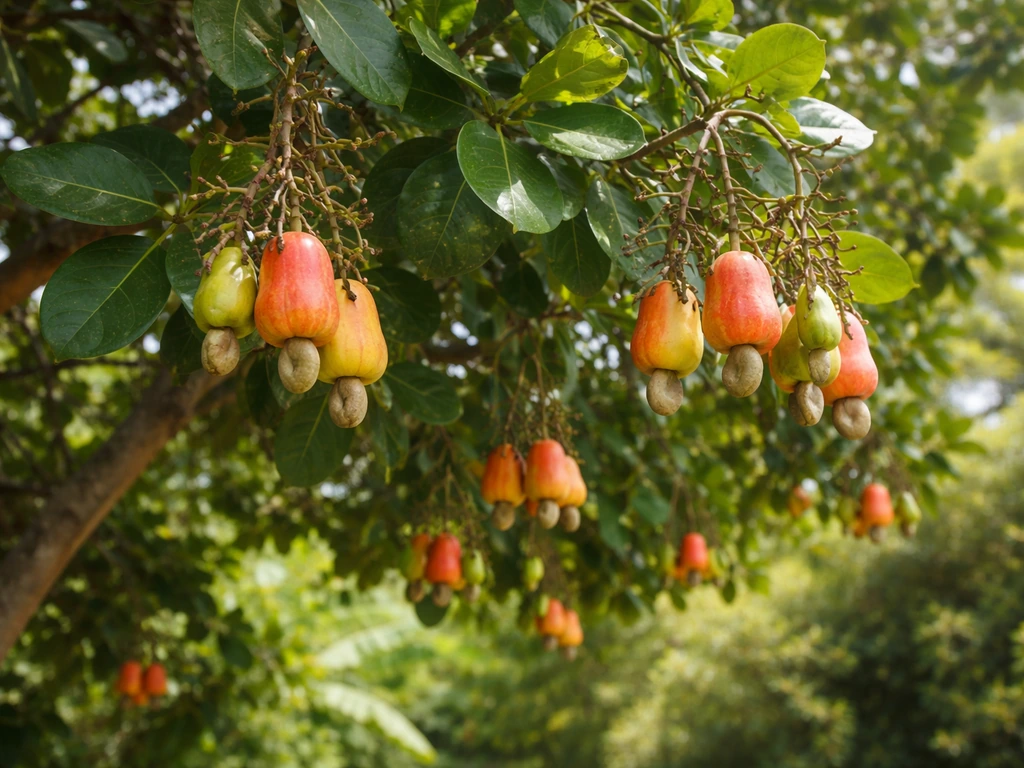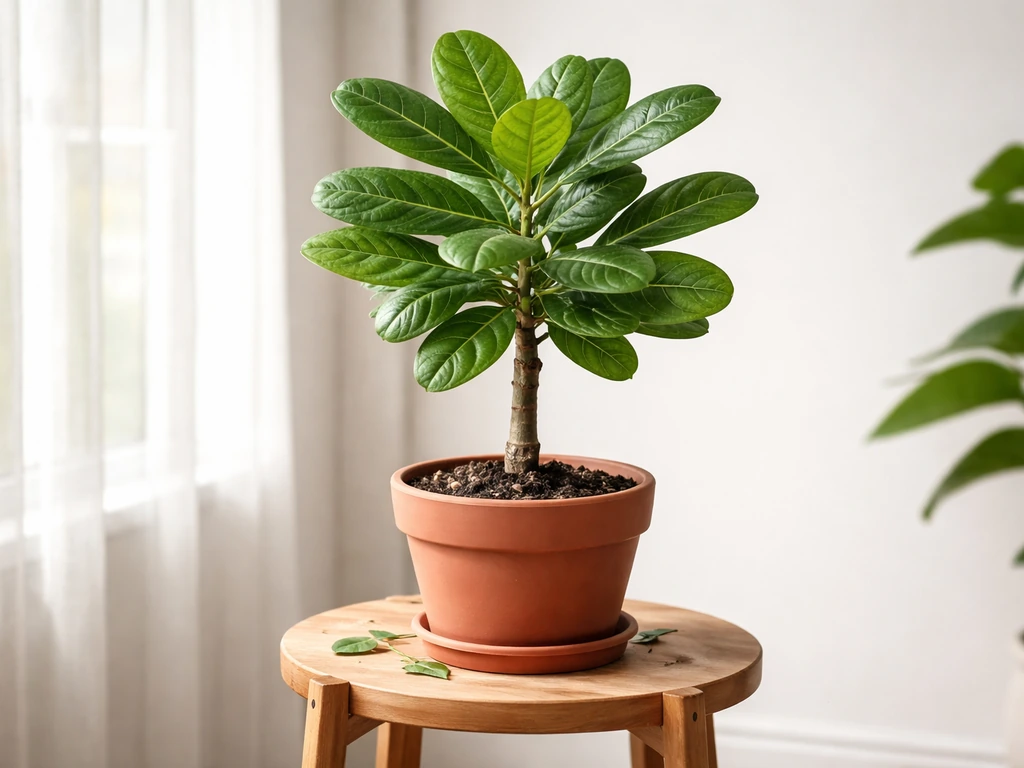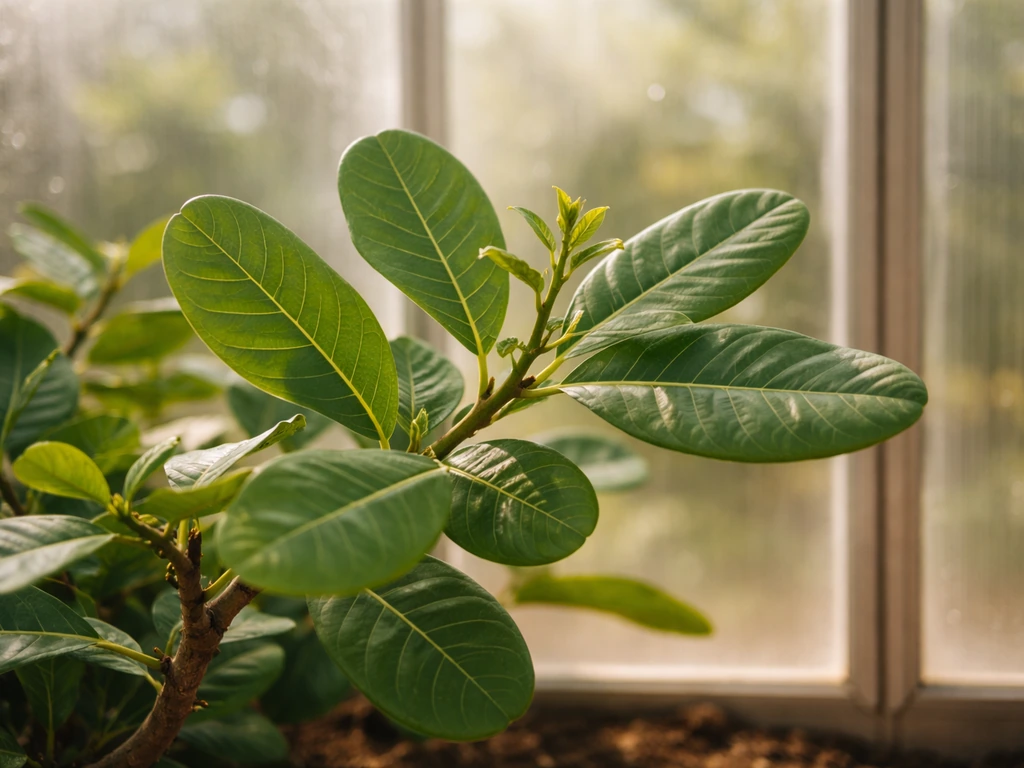
You can grow a cashew tree in Ohio, but you almost certainly cannot grow one outdoors, and even getting it to produce nuts indoors or in a greenhouse requires serious commitment. If you are asking can you grow cashews indoors, start by treating cashew as a container plant you move between warm outdoor conditions and a bright indoor or greenhouse setup. Ohio winters regularly drop well below the temperatures that kill cashew trees outright, so outdoor cultivation is off the table. What is realistic is growing a cashew as a container plant that spends summers outside and winters under glass or indoors, with nut production possible but not guaranteed, and only after several years of good management.
Can You Grow Cashews in Ohio? Outdoor and Indoor Options
Marcus Hendricks
22 May 2026
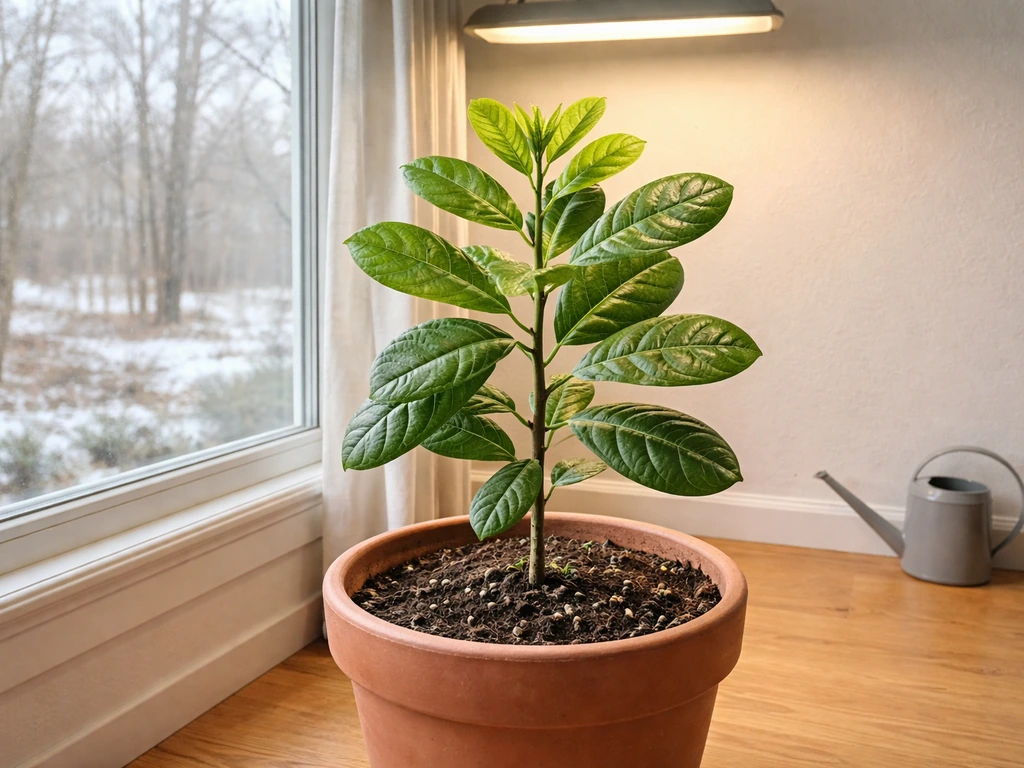
What cashews actually need vs. what Ohio delivers
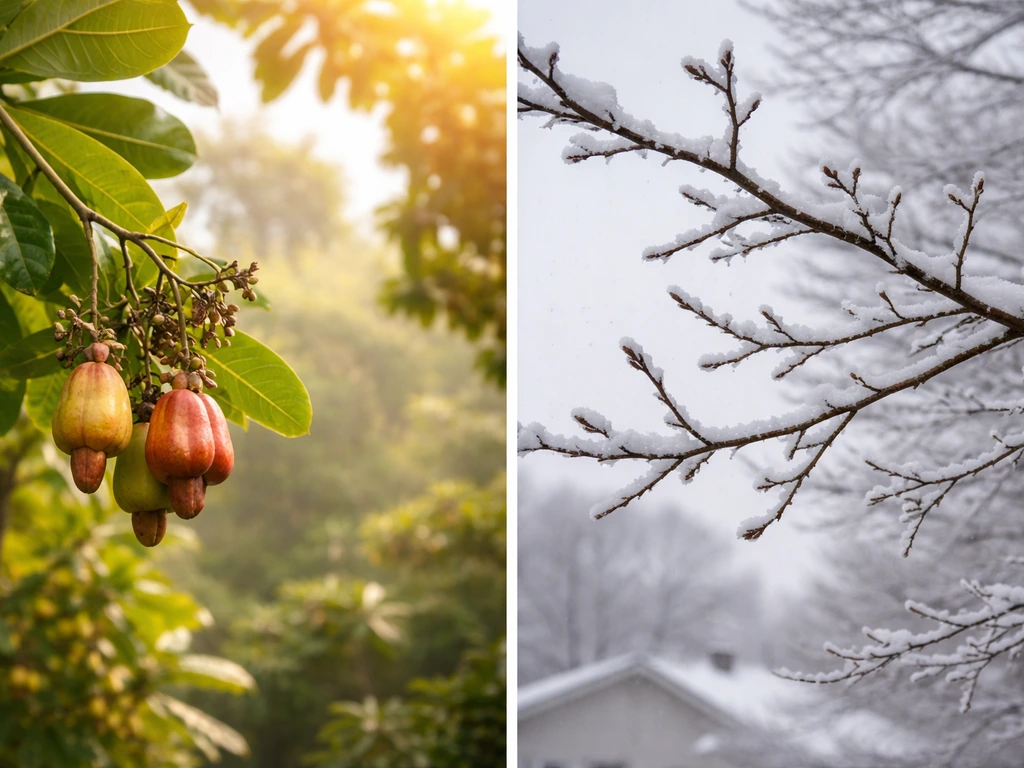
Cashew (Anacardium occidentale) is a tropical tree native to northeastern Brazil. Its climate requirements are specific and non-negotiable: a mean annual temperature of 24–28°C (roughly 75–82°F), a working temperature range of 17–38°C (63–100°F), and a complete intolerance for frost. World Agroforestry's cashew profile is blunt about it: frost is deleterious to the tree. Even a brief freeze can kill back branches, and repeated cold exposure damages the root system and the vascular tissue that drives flowering.
Ohio sits in USDA Hardiness Zones 5b–7a depending on location. Columbus, using 1991–2020 NOAA climate normals, averages roughly 116 days per year with lows at or below 32°F. The average January low in Columbus is around 20°F (-7°C). That is roughly 30°F colder than the minimum cashew can handle even briefly. The state also has a relatively short frost-free window: last spring frosts run from late April in southern Ohio to mid-May in the north, and first fall frosts arrive as early as early October in the north and mid-to-late October in the south. That gives most Ohio gardeners five to six months of frost-free conditions outdoors at best.
Cashew also needs annual rainfall of 700–2,000 mm, prefers soil pH in the range of 4.5–8.7 (it is forgiving on soil chemistry), and thrives in full sun with low to moderate humidity during flowering. Ohio's summer humidity is higher than ideal, which can encourage fungal problems on cashew foliage and panicles, but it is manageable with airflow and basic disease prevention.
Cold hardiness, frost risk, and realistic expectations
There is no cold-hardy cashew variety. Unlike pecans or even almonds, cashew has never been bred or selected for cold tolerance because its entire commercial range sits in the humid tropics. The tree does not go dormant in the way that a peach or apple tree does, where chilling hours help it survive winter. Cold simply damages it: at temperatures below 10°C (50°F), growth stalls and the tree begins to suffer stress. Sustained temps below 5°C (41°F) cause visible damage to leaves and shoots. A hard freeze to 28–30°F for even a few hours can kill the canopy and, if the roots are also exposed, kill the whole plant.
For Ohio growers, this means the window for outdoor exposure is genuine but narrow. Because winters in Texas are different from Ohio’s, you can sometimes grow cashews in Texas with the right protection or a protected growing setup can you grow cashews in texas. Using OSU CFAES frost date data, you can put a container cashew outside after your last frost date (typically late April to mid-May depending on your county) and you must bring it in before first frost (early to mid-October in most of the state). That is roughly 150 days of outdoor season in southern Ohio, less in the northern part of the state. During those months, the tree can grow well. The problem is everything else: Ohio winters are simply incompatible with outdoor cashew survival.
Be honest with yourself about expectations. Growing a cashew in Ohio means you are managing a tropical houseplant that occasionally spends summer on your patio. Success means the tree stays alive, puts on healthy growth, and eventually flowers. Can you grow cashews in Canada? The same frost-free, warm-temperature requirements make it a tough challenge unless you have a controlled heated greenhouse or specialized indoor setup. Nut production is a bonus, not a given, and it requires nailing several variables at once.
Best growing options in Ohio: outdoors, greenhouse, or container indoors
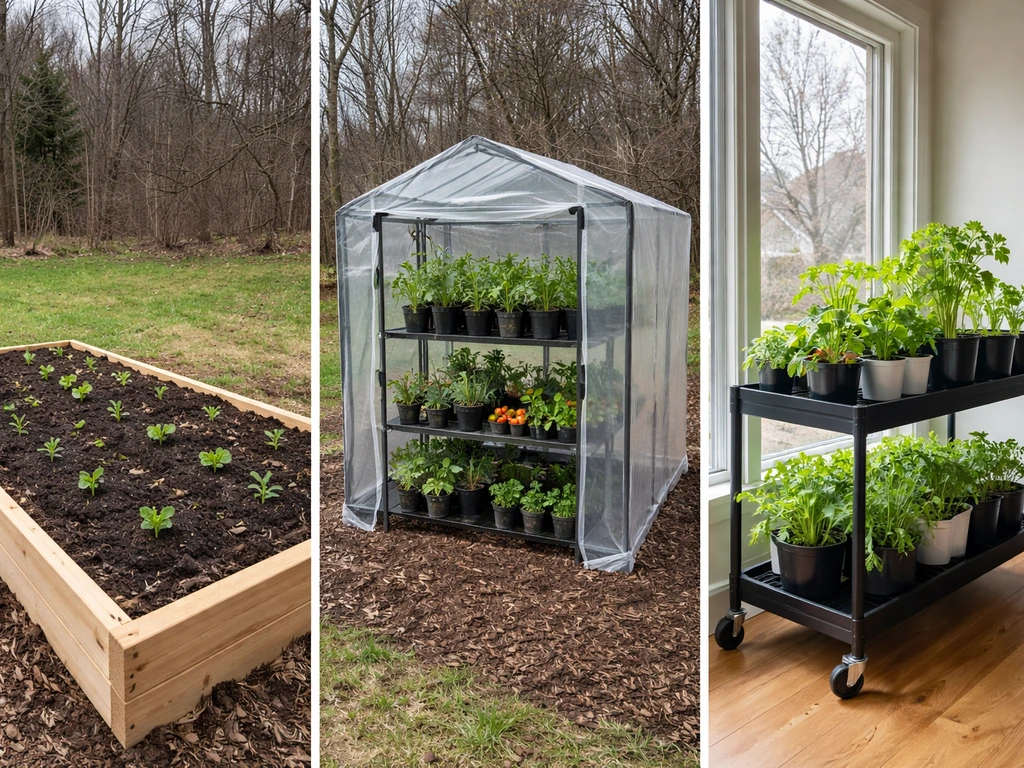
There are three real paths for an Ohio grower, and they are not equal.
| Approach | Survival odds | Fruiting odds | Cost/effort |
|---|---|---|---|
| Outdoor in-ground planting | Essentially zero (first winter kills it) | None | Low cost, high loss |
| Heated greenhouse year-round | High if temps maintained above 50°F | Realistic after 2–3 years | High setup cost, moderate ongoing effort |
| Container, outdoors in summer / indoors in winter | Good with proper winter management | Possible but difficult without enough light indoors | Moderate cost, significant seasonal effort |
Outdoor in-ground planting is not a viable option in Ohio. If you want the best chance of harvesting cashews in Ohio, plan for a heated greenhouse or a well-managed container setup with strong winter light where can you grow cashews. Do not plant a cashew in the ground expecting to protect it with mulch or row cover. The cold is too severe and too prolonged. Even in the warmest corner of southern Ohio near the Kentucky border, winter temperatures are far outside the cashew's survival range.
A heated greenhouse is the most legitimate path to actually harvesting cashew nuts in Ohio. If you can maintain minimum nighttime temperatures above 50°F (ideally above 60°F) through the winter, and provide full-sun exposure or supplemental grow lighting, a cashew can thrive year-round. The tree will still follow a somewhat seasonal flowering pattern, typically blooming after a period of new shoot growth. A greenhouse also lets you manage humidity during flowering, which matters for pollination and fruit set.
Container growing with seasonal outdoor placement is the most accessible option for most Ohio gardeners. It works well for keeping the tree alive and healthy, and fruiting is possible if you can provide enough light indoors during winter. The biggest challenge is the overwintering light deficit: Ohio winters are dark, and cashews need strong, direct light to initiate flowering and hold fruit. A south-facing sunroom, a basement under full-spectrum LED grow lights, or a small heated greenhouse attachment to the house all make this more viable.
Planting material and how to start a cashew
You have two options for starting a cashew: seeds or nursery-grown transplants. Seeds are more available but come with caveats. A cashew seed is the raw nut itself, still in its shell (not a roasted commercial cashew, which is heat-processed and dead). You need a raw, unprocessed cashew in the shell, sometimes called a "seed-grade" cashew. These are available from tropical seed suppliers online. Germination rates are decent when the seed is fresh, but viability drops quickly with age and improper storage. Soak the seed for 12–24 hours before planting in a warm, moist medium.
UF/IFAS recommends starting cashews in peat pots to minimize root disturbance during transplanting, since cashews have a sensitive taproot. Keep germination temperatures above 75°F. Germination typically takes 2–4 weeks in warm conditions. Once sprouted, the seedling grows quickly in good light and warmth.
If you can source a nursery-grown cashew transplant from a tropical plant specialist, that is worth the extra cost. You skip the germination gamble and start with a plant that is already a few months ahead. Either way, the important cultivar distinction to know is between standard (Gigante/Tardio) types, which are large trees and slow to fruit, and precocious dwarf (Anao/Precoce) types, which are compact and can begin flowering in their second or third year from planting. For container growing in Ohio, you want a precocious dwarf type. They stay smaller, flower earlier, and are far more manageable in a container.
Container setup: soil, light, water, and feeding
Pot and soil
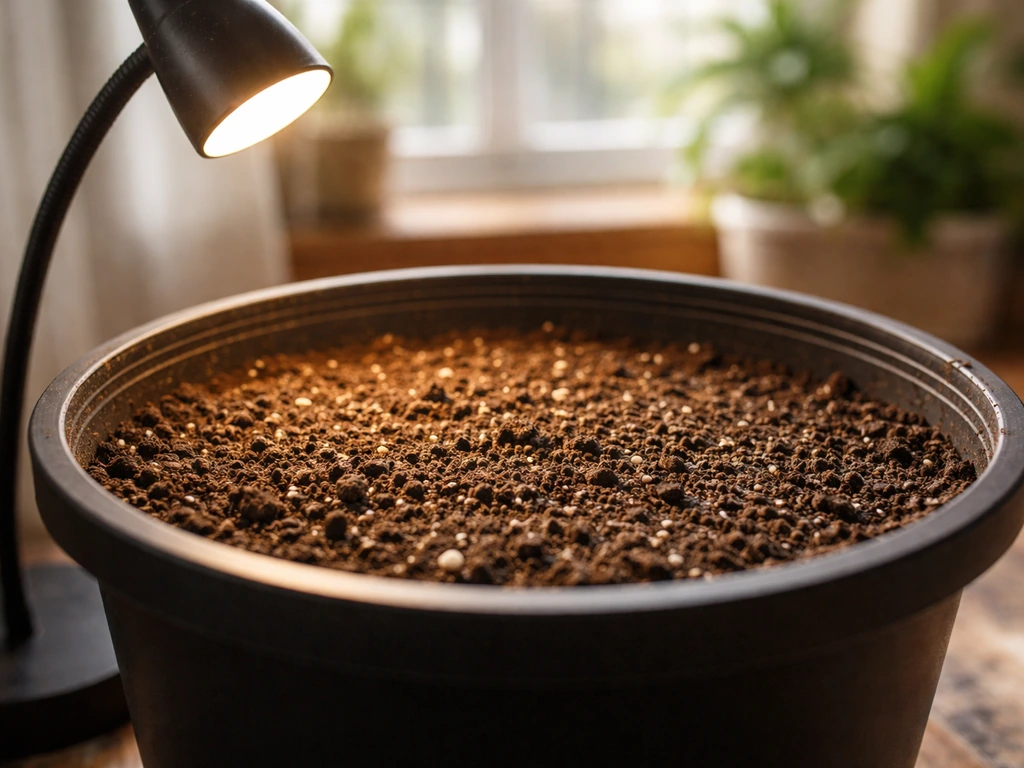
Start a young cashew in a 5-gallon container and move it up to a 15–25 gallon pot as it matures. Cashews tolerate a wide pH range (4.5–8.7) but grow best in a well-draining, slightly acidic to neutral mix. Use a blend of quality potting mix with added perlite (about 25–30% by volume) to ensure drainage. Cashews are drought-tolerant once established but rot quickly in waterlogged soil. Make sure every container has generous drainage holes.
Light
This is the most critical factor indoors. Cashews need full sun outdoors and at least 6–8 hours of direct or very strong indirect light indoors. A south-facing window in Ohio is rarely enough through December, January, and February. Supplement with a full-spectrum LED grow light positioned close to the canopy (18–24 inches) for 14–16 hours per day during the winter months. Inadequate light is the single biggest reason cashews fail to flower in container culture in northern climates.
Water
During the active growing season (spring through early fall), water thoroughly when the top inch of soil dries out. During winter indoors, reduce watering significantly. The tree is not truly dormant, but growth slows at cooler temperatures and overwatering in low-light conditions is a fast way to cause root rot. Let the soil dry more between waterings but do not let it completely desiccate.
Feeding
Container plants lose nutrients rapidly through watering, so consistent feeding matters. During the growing season, use a balanced fertilizer (something in the range of 10-10-10 or similar) every 4–6 weeks. As the tree approaches flowering age, shift toward a fertilizer with higher phosphorus and potassium relative to nitrogen. High nitrogen at the wrong time pushes vegetative growth at the expense of flowers. University of Minnesota Extension notes that fruiting container plants specifically benefit from lower-nitrogen, higher P/K formulas during the run-up to bloom. Through winter, reduce feeding to once every 8–10 weeks or skip it entirely if growth has nearly stopped.
Pollination and fruiting: when cashews actually form nuts
Understanding cashew flowering biology is essential for setting realistic expectations. Cashew flowers develop on the current season's new shoot growth. This means the tree must first put out a flush of new leaves and shoots, and flowering follows that growth phase by about 3–4 months. After flowers open (anthesis), it takes about 5 weeks for the full flowering period to complete. From successful pollination to nut maturity takes approximately 50–60 days, with the cashew apple developing alongside.
The good news for indoor growers is that cashew is self-fertile. Research from controlled studies in northeastern Brazil found that wind plays little role in cashew pollination and that the tree can set fruit through selfing because inflorescences carry both male and hermaphrodite flowers. This means you do not need multiple trees or a pollinator companion plant indoors. That said, gently hand-pollinating flowers with a small soft brush when they are open will improve fruit set. In a greenhouse, attracting or introducing small insects (even a few domestic fruit flies near the blooms) helps.
In south Florida, cashews typically flower in spring, triggered by the shift into the warm season and new shoot activity after seasonal dry conditions. In a container in Ohio, you can try to mimic this by giving the tree a slightly drier, cooler (but not cold) period in late winter around 55–60°F, then increasing heat, light, and water in late February or March to trigger a flush of growth. If that flush happens under strong light, flowering may follow by late spring or early summer. From flowering to a ripe nut is another 50–60 days, so a May bloom could yield nuts by late July or August, while the tree is still outdoors for the summer.
Realistically, a precocious dwarf cashew started from seed in Ohio might flower for the first time in its second or third growing season, assuming it has been well-maintained and given strong light. Do not expect nuts from a first-year plant.
Care and overwintering troubleshooting in Ohio
The transition from outdoor to indoor growing in late September or early October is the most critical moment of the year. Do not wait until a frost warning. Move the container inside when nighttime temps start dropping below 55°F consistently. Inspect the tree carefully before bringing it in, as outdoor summer pests like scale, spider mites, and mealybugs will be grateful for the warm indoor environment.
Cold damage
If you catch a cold snap and the tree got hit by temperatures in the low 40s or a brief near-frost, you will often see leaf drop, blackening of new shoot tips, and sometimes die-back of the outermost branches. Do not panic and prune aggressively immediately. Wait 2–3 weeks to see which wood is truly dead (it will be dry, shriveled, and brown all the way through). Prune only dead wood, back to live green tissue. Keep the tree warm, reduce watering, and wait for it to push new growth. Trees that have suffered cold stress but have an intact root system usually recover if warmed promptly.
Insufficient light indoors
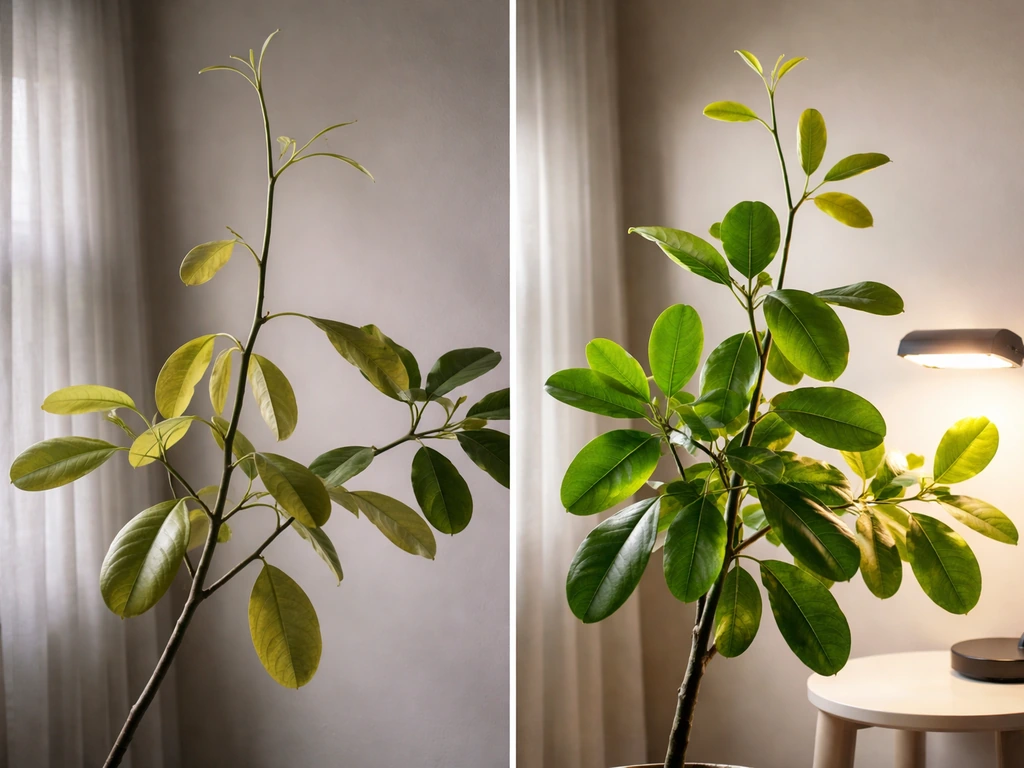
Symptoms include very long, spindly new growth, pale or yellowing leaves, and no flowering despite the tree being the right age. The fix is straightforward but requires investment: add a high-output full-spectrum LED grow light. Running it for 14–16 hours daily through the winter months makes a measurable difference. Position it close enough to actually deliver useful light intensity, not just ambient glow across the room.
Poor flowering or fruit drop
If the tree flowers but drops developing fruitlets before they mature, the most common causes are low humidity around the flowers (ironic given Ohio's normally humid climate, but indoor heating makes winter air very dry), temperature fluctuations near a drafty window, or a nutrient imbalance. Boost humidity around the tree with a nearby humidifier or a pebble tray with water. Ensure nighttime temperatures do not dip below 60°F in the space where the tree winters. If panicles are forming but fruit is not setting, try hand-pollinating every open flower once a day in the morning.
Fungal issues
Poor air circulation indoors combined with wet soil is a recipe for fungal problems on cashew foliage and panicles. UF/IFAS notes that fungicide or sulfur spray timing aimed at panicle development can improve fruit set. Indoors, prioritize airflow: a small fan running near the tree significantly reduces fungal disease pressure. If you see powdery or sooty residue on leaves, treat with a dilute neem oil or copper fungicide spray and improve air movement.
Pruning for container management
Cashews can become large trees in the ground, but in containers they are manageable with annual pruning. Since flowers develop on new shoot growth, you should prune after harvest or after the winter indoor period, before the spring growth flush. UF/IFAS EDIS (HS377) notes that cashew flowering is always preceded by new leaf and shoot growth, so pruning or training timing can significantly affect bloom and fruit set prune after harvest or after the winter indoor period, before the spring growth flush. Removing long, woody stems and encouraging branching keeps the canopy dense and productive. UF/IFAS guidance suggests pruning to manage height after harvest and promoting lateral branching in early years for a better-shaped, more fruitful container tree.
One final note on context: if you have read about growing cashews in Florida or Texas, you will find those climates are significantly more forgiving because of warmer winters and longer warm seasons. Michigan presents an even more challenging scenario than Ohio for similar reasons. If your goal is truly to harvest cashew nuts rather than grow an interesting tropical specimen, a heated greenhouse in Ohio is your best realistic shot. If you are wondering can you grow cashew nuts in the UK, the key is having frost-proof conditions like a heated greenhouse or a tightly controlled indoor setup. Container growing without supplemental heat and light will keep the tree alive but may never deliver the flowering conditions needed for a real harvest.
FAQ
What is the earliest date I can put a cashew container outside in Ohio without risking cold damage?
Wait until nighttime lows are reliably above about 55°F (13°C). Using a calendar date alone can fail you in Ohio, so check your forecast for a full week, then acclimate by starting in partial sun for 2 to 3 days before moving to full sun.
Can I keep a cashew alive in Ohio with a garage or basement if I do not have a heated greenhouse?
A garage or basement can work for overwintering survival only if it is still warm enough, ideally not dropping below the mid 50s°F, and if you can supply strong light. Without close, high-output grow lights for several hours daily, the tree often stalls and never reaches flowering age.
How close should the grow light be to the cashew indoors, and what photoperiod should I use in winter?
Position the light close enough to deliver intensity to the canopy, typically around 18 to 24 inches from the leaves, and plan for 14 to 16 hours per day during winter. If you see long, stretchy growth, the light is usually too weak or too far away.
Do I need two cashew trees in order to get nuts in Ohio?
No for indoor container culture. Cashew is self-fertile, but hand-pollination can improve set if flowers are abundant. If you have a greenhouse, gentle assistance like daily checking and brush pollination during bloom can be more reliable than waiting for natural wind.
Will pruning help cashews flower sooner in Ohio containers?
It can, but timing matters. Prune after the winter indoor period or after harvest, then avoid heavy pruning right before you expect a growth flush. Since flowers form on new shoots, aim for branching and a denser canopy so the tree produces new growth efficiently.
My cashew flowers but the fruitlets drop. What is the most common Ohio indoor cause?
Winter indoor conditions, especially low humidity and temperature swings near windows or doors, are common triggers. Stabilize nighttime temperature and add humidity locally (humidifier or pebble tray), then consider hand-pollinating each open flower once per day.
Should I fertilize year-round or stop during winter in Ohio?
During winter, reduce feeding substantially or stop if growth nearly halts under indoor light. In Ohio, overfeeding during low-light months often leads to weak growth and can worsen root health issues. Resume with a balanced fertilizer once you see active spring growth.
How often should I water a container cashew in Ohio during the growing season?
Water thoroughly when the top inch of soil dries out, rather than on a fixed schedule. In summer, containers can dry faster and require more frequent checks, while in winter indoor conditions can require much less water to avoid rot.
What soil mix works best for cashews in Ohio containers to prevent rot?
Use a fast-draining mix with plenty of perlite, roughly 25 to 30% by volume, and ensure the pot has generous drainage holes. Avoid heavy, moisture-retaining mixes, because cashews can tolerate drought better than waterlogged conditions.
Are there really no cold-hardy cashew varieties I can plant outdoors in Ohio?
Correct. Cashews are not bred for cold tolerance, so even a “best” variety will not survive Ohio winters outdoors long term. The practical strategy is overwintering under protection, either a heated greenhouse or an indoor setup with enough warmth and light to keep the tree functioning.
If a cold snap hits my cashew before I bring it in, can it recover?
Often yes if the roots remain intact and you warm it promptly, but you may see leaf drop and die-back of outer shoots. Do not prune aggressively immediately, wait 2 to 3 weeks to identify truly dead wood, then prune only back to live green tissue.
How big should the container be for a cashew in Ohio, and when should I repot?
Start around 5 gallons and move up gradually as the tree matures, often into the 15 to 25 gallon range. Repot when the plant has filled the pot with active roots, and avoid late-season repotting before winter light levels drop.