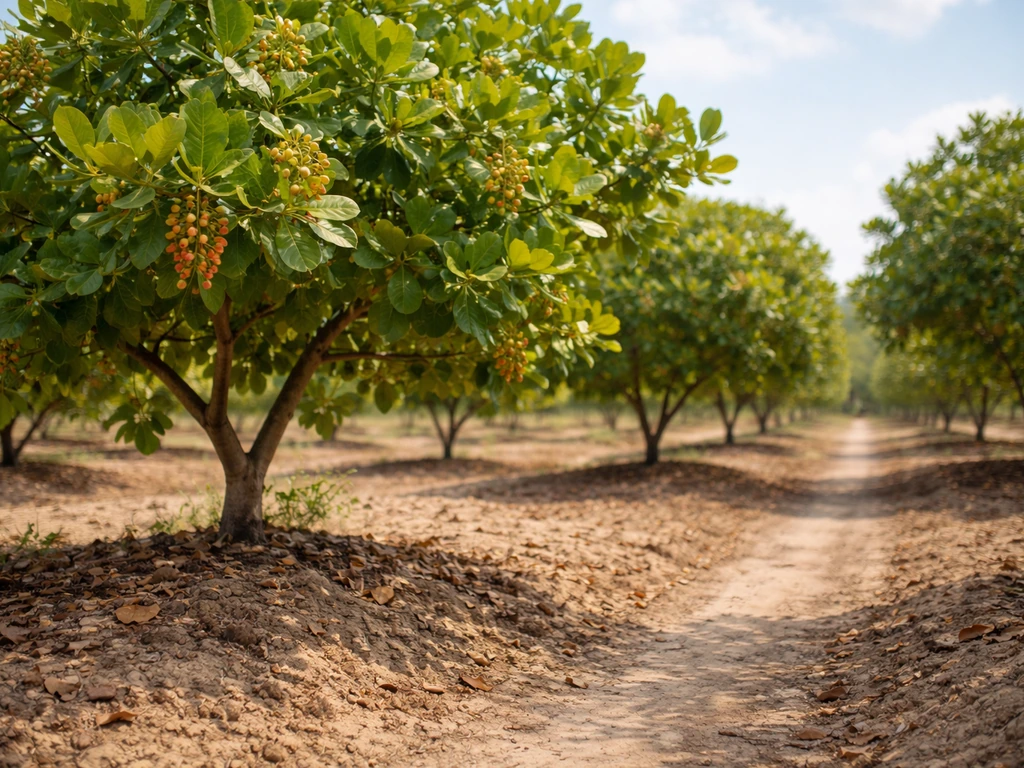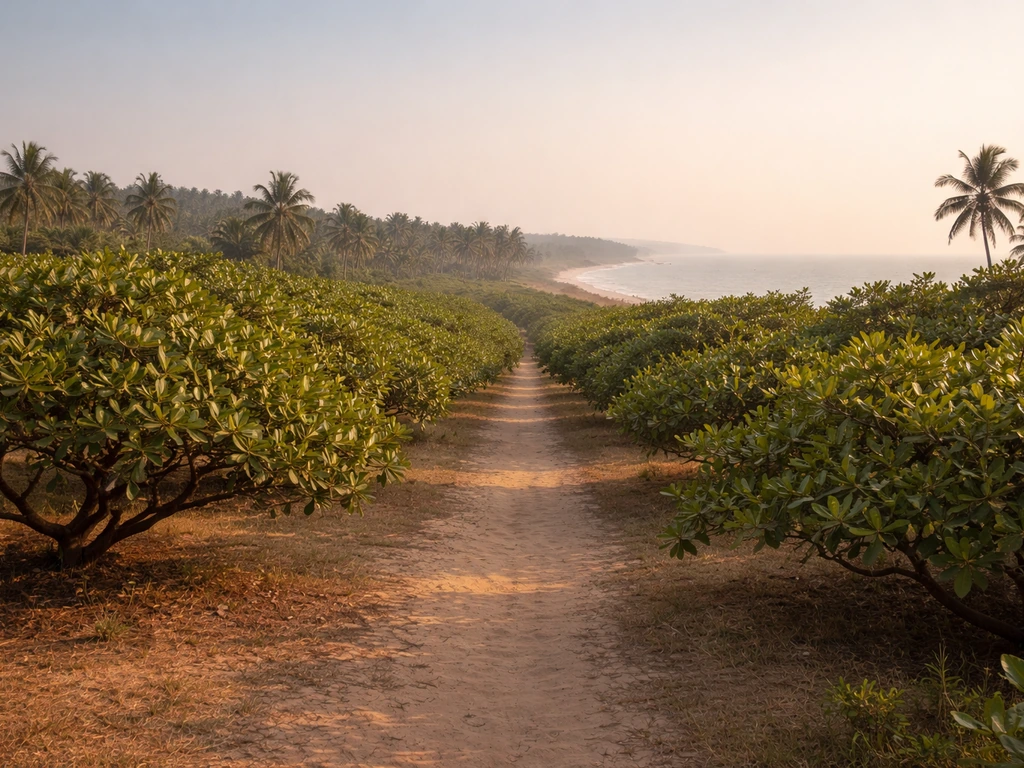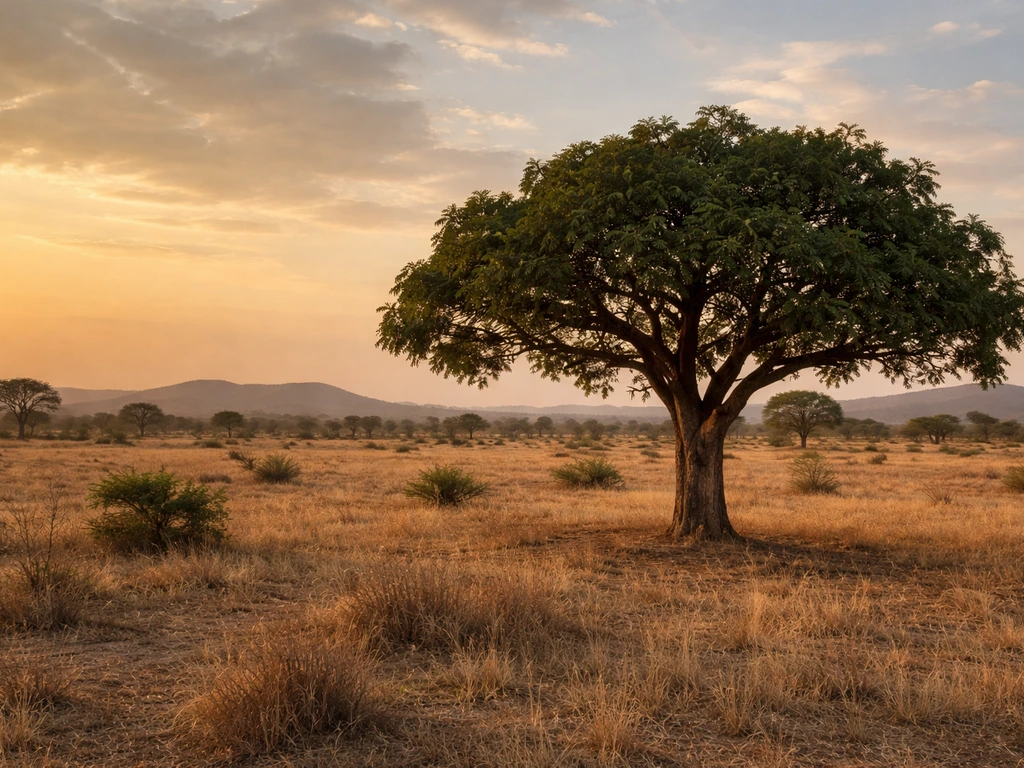
Cashews grow in Australia's tropical north, primarily in Queensland north of 17°S latitude and in parts of the Northern Territory. That puts the realistic growing zone roughly from Cairns and the Atherton Tablelands northward through Cape York, and across to Darwin and the Top End. Subtropical coastal areas like Townsville can work in good microclimates, but anything south of that, including most of New South Wales, Victoria, and South Australia, is too cool, too frosty, or too wet in the wrong seasons for cashews to thrive commercially or even reliably in a home garden.
Where Do Cashews Grow in Australia and How to Grow Them
Marcus Hendricks
19 May 2026
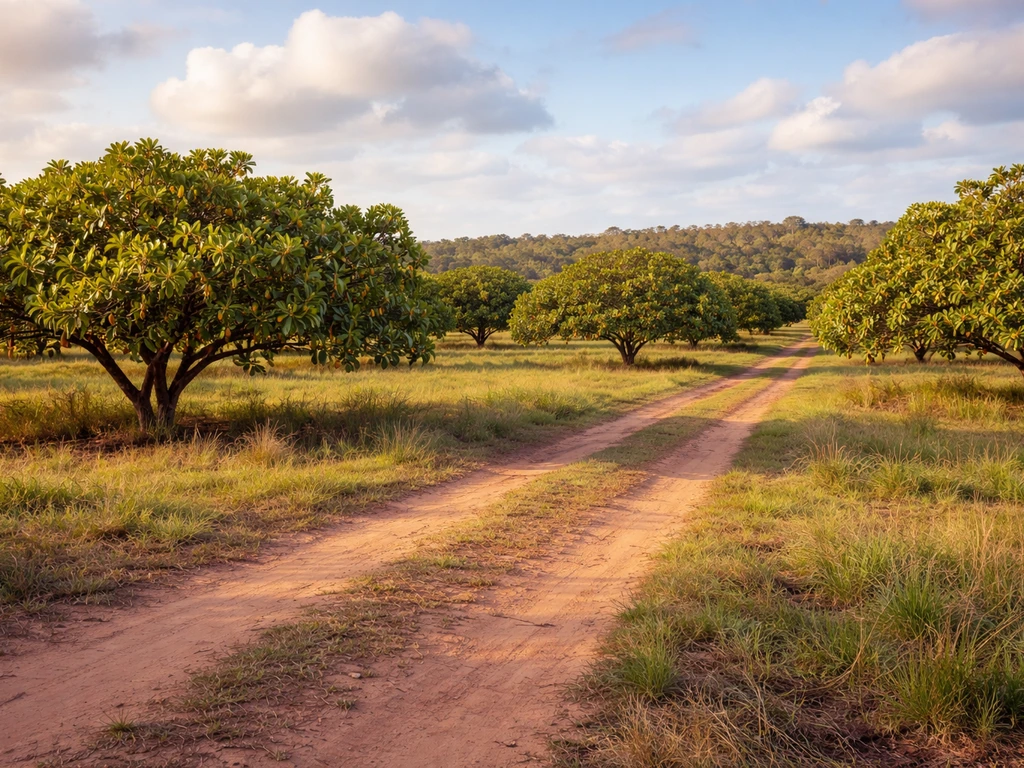
Where cashews can realistically grow in Australia
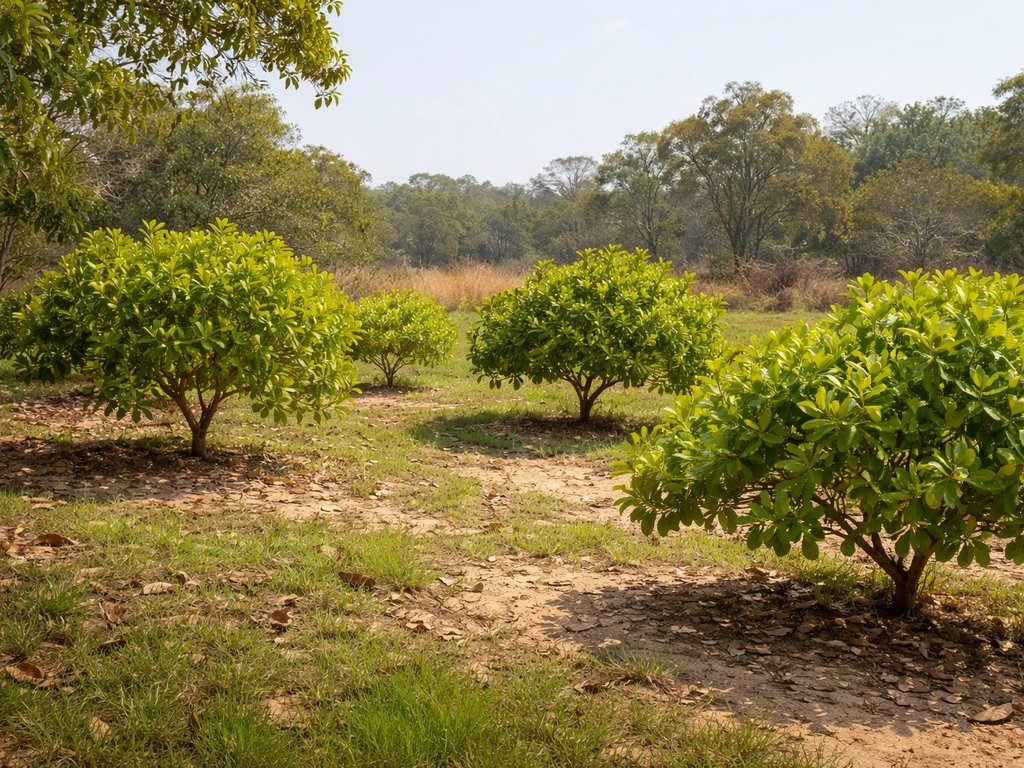
The core requirement is a [frost-free tropical climate where the mean monthly minimum temperature never drops below 10°C](https://www. era. dpi. qld.
gov. au/id/eprint/1652/2/1befcas. pdf). Soap nuts, like cashews, come from tropical regions, so the best answer to where do soap nuts grow is typically in frost-free areas with warm, stable conditions frost-free tropical climate.
That rules out a huge swathe of the country. The Queensland Department of Primary Industries has been the main body doing practical cashew research in Australia, and their guidance is unambiguous: north of 17°S is the sweet spot. Commercial orchards have been trialled in both Queensland and the Northern Territory, with CSIRO hybrid assessments carried out at NT and Queensland sites in the late 1990s, confirming both regions can produce viable crops.
Beyond just avoiding frost, cashews need a seasonally wet and dry climate. This is critical and often overlooked. The dry season needs to coincide with nut fall, because prolonged rain during harvest causes the nuts to germinate while still on the tree, ruining kernel quality. Northern Australia's monsoon pattern, wet summers, dry winters, lines up almost perfectly with this requirement. That's another reason Sydney or Brisbane growers face an uphill battle: the rainfall patterns simply don't suit the cashew's fruiting calendar.
Microclimates matter a lot. A sheltered north-facing slope near Cairns with sandy loam soil and reliable dry winters is a genuinely good cashew site. A flat, poorly drained paddock just 20 km away might be marginal. If you're in a borderline location, focus hard on drainage, wind shelter, and whether you can guarantee a dry harvest window before committing any serious resources.
What cashew trees actually need to perform
Temperature and climate
The ideal mean annual temperature range is roughly 21–28°C. Cashews will not tolerate frost at all, even a light frost can damage young trees severely. Monthly minimum temperatures should stay above 10°C year-round. In practical terms, this means anywhere that gets a cold snap below about 5°C is risky, and anywhere that regularly sees frost is a no-go. High humidity is fine during the wet season, but the tree really needs that clear, dry break during flowering and fruiting.
Soil type and drainage
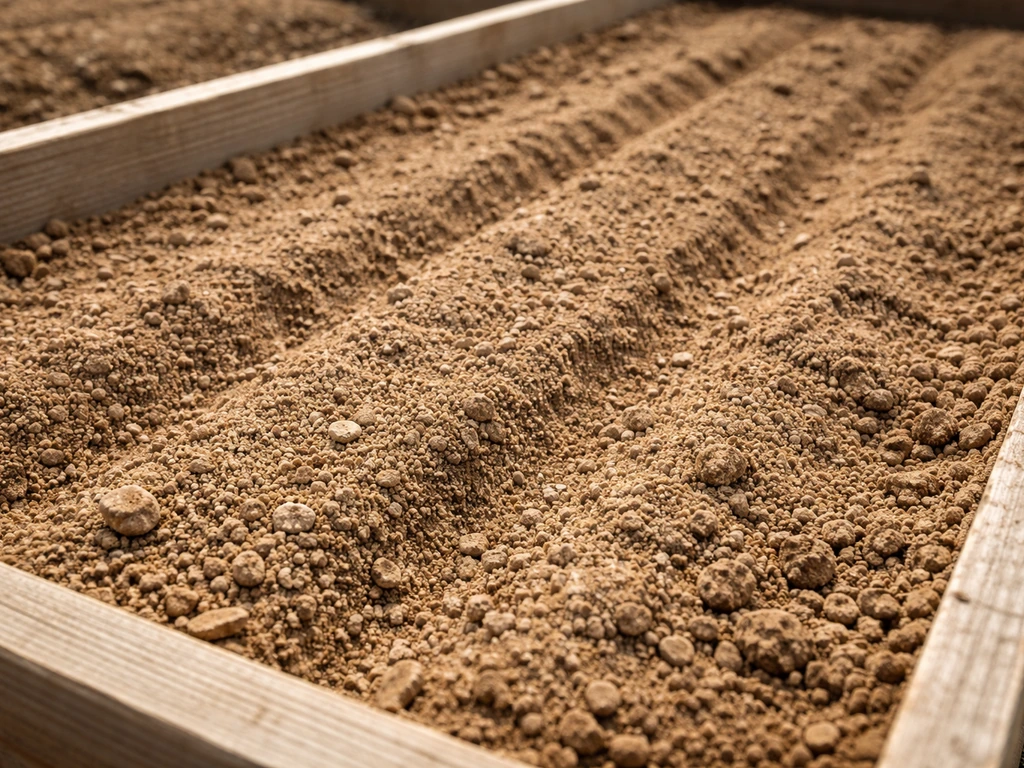
Cashews are actually quite forgiving on soil fertility but very unforgiving on drainage. For best results, cashew nuts grow best in free-draining sandy loams or similar light-textured soil with excellent drainage cashew nuts grow in which soil. The ideal soil is a free-draining, light-textured, deep profile, think sands, sandy loams, or loamy sands with no compacted hardpan restricting root growth for at least 2 metres down.
Avoid any site where the water table comes within 1 metre of the surface. Waterlogging, even temporarily, can kill a tree or stop it ever fruiting properly. Soil pH should sit between 5. 5 and 7.
5. Above 8. 0 causes problems with nutrient uptake, and the global tolerance range for the species extends from about 4. 5 to 8.
7, but you really want to stay in that 5. 5–7. 5 band for productive trees. Always run a soil test before planting.
Sun exposure and wind
Cashews want full sun, all day. Shading from other trees or buildings reduces flowering and yield noticeably. Wind is a bigger problem than most people anticipate, cashew branches are somewhat brittle and entire trees can be uprooted in severe winds. If your site gets regular strong winds (coastal exposures, open savanna, cyclone-prone areas), windbreaks are not optional. The Queensland DPI recommends using native tree species for windbreaks specifically because they support natural predators of cashew insect pests, so you get double duty out of them.
Starting a cashew plant in Australia
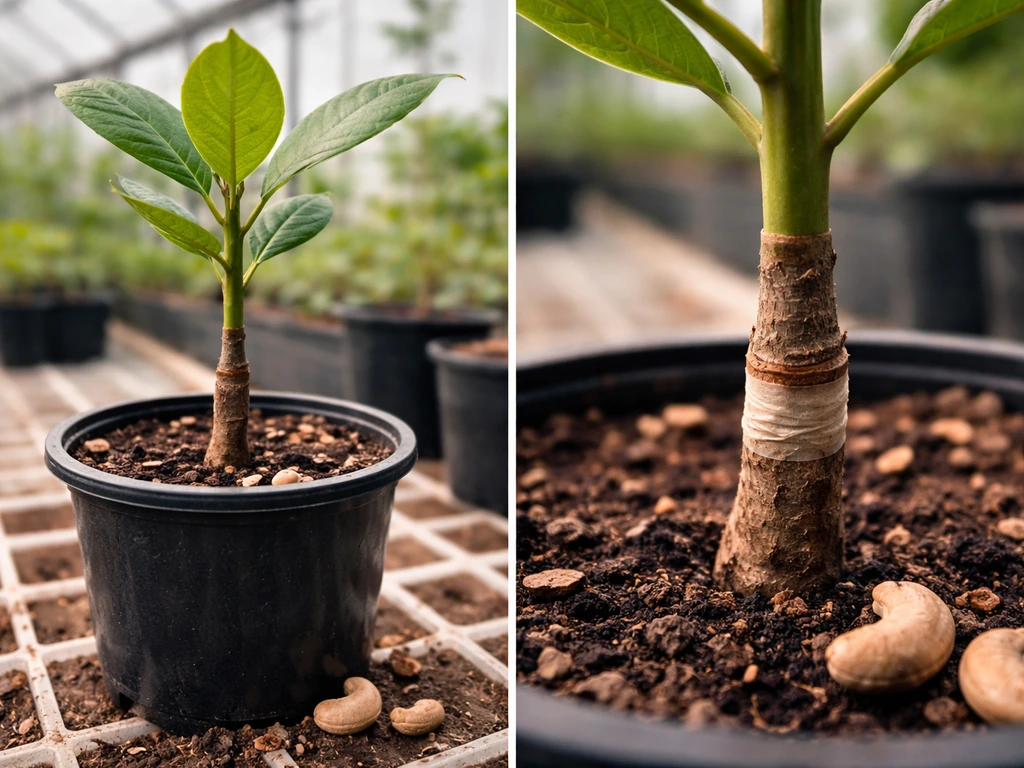
You have two main options: growing from seed or planting grafted material. Seed is easier to source but comes with a real trade-off. Cashew seeds are the nuts themselves, the same nut you eat, but unroasted and unprocessed. The seed (cashew nut in its shell) should be fresh and viable; old or heat-treated nuts won't germinate. Soak the seed in water for 24 hours before planting, then sow directly or into a deep container, about 2–3 cm deep. Germination typically takes 1–3 weeks in warm conditions.
Grafted plants are the preferred option if you're serious about yields. Grafted trees from known high-performing selections flower and fruit earlier, produce more consistently, and give you predictable nut size and quality. The Queensland DPI explicitly recommends grafting over seedling trees for commercial or semi-commercial production. If you can source grafted material from a reputable nursery in north Queensland or the NT, start there. It's a harder find than buying a mango seedling, but it's worth the effort.
Planting time should be at the start of the wet season, typically October to December in northern Australia. This gives the young tree several months of reliable rainfall and warmth to establish its root system before facing a dry season. Avoid planting mid-dry-season unless you have a robust irrigation setup ready to go from day one.
Planting and getting your tree established
Spacing depends on your goals. For a commercial orchard, typical spacing is around 8–10 metres between trees to allow canopy development and machinery access. For a home garden, one or two trees need at least 8 metres of clearance from other large trees and structures. Cashew trees can spread quite wide at maturity, so don't underestimate the space they need.
Dig a hole wider than the root ball and plant at the same depth the seedling or grafted plant was growing. Backfill with the original soil rather than heavily amended mixes, cashews don't need rich planting mixes and overly rich soils can push excessive vegetative growth at the expense of flowering. Apply a thick layer of organic mulch around the base (keep it away from the stem) to retain moisture and regulate soil temperature.
Young trees need irrigation every 7–14 days if rainfall isn't providing consistent moisture. The root system is still shallow in the first year, so don't assume a single heavy rain is enough to carry the tree through a two-week dry spell. Shelter young trees from strong winds with temporary windbreaks or shade cloth on the windward side until they develop a decent trunk diameter and root anchor.
Ongoing care once your tree is growing
Irrigation
Mature cashew trees in Australia's dry season need around 250–500 litres per week. For a commercial planting, budget approximately 3.5 megalitres per hectare per year. Drip irrigation is the common choice, but watch your water quality: irrigation water should ideally have an electrical conductivity below 0.8 dS/m and total dissolved ions below 600 mg/L. Iron levels above 0.1 ppm in the water can block drip emitters and cause problems, so test your water source before installing a drip system. Growing without irrigation is technically possible in areas with sufficient annual rainfall, but expect significantly lower yields and poorer kernel quality.
Fertilizing
Cashews tolerate low-fertility soils but won't produce optimally in them. Low fertility means you'll need to compensate with fertiliser inputs to get decent yields. A soil test before planting and again every few years is the sensible approach. Apply balanced NPK fertiliser in split doses during the growing season rather than one large annual application. Avoid heavy nitrogen applications just before flowering, you want the tree channelling energy into flower and fruit development, not leafy growth.
Pruning and tree structure
Cashews don't require heavy pruning, but light formative pruning in the first few years helps develop a strong open canopy structure and good light penetration. Remove any crossing branches, dead wood, or growth that's heading back into the centre of the canopy. In an orchard setting, keeping trees at a manageable height makes harvesting far easier, cashew apples (the swollen peduncle attached to the nut) and nuts drop when ripe, but you still need access to the canopy for pest monitoring and any hand harvesting.
Pests and diseases to watch for
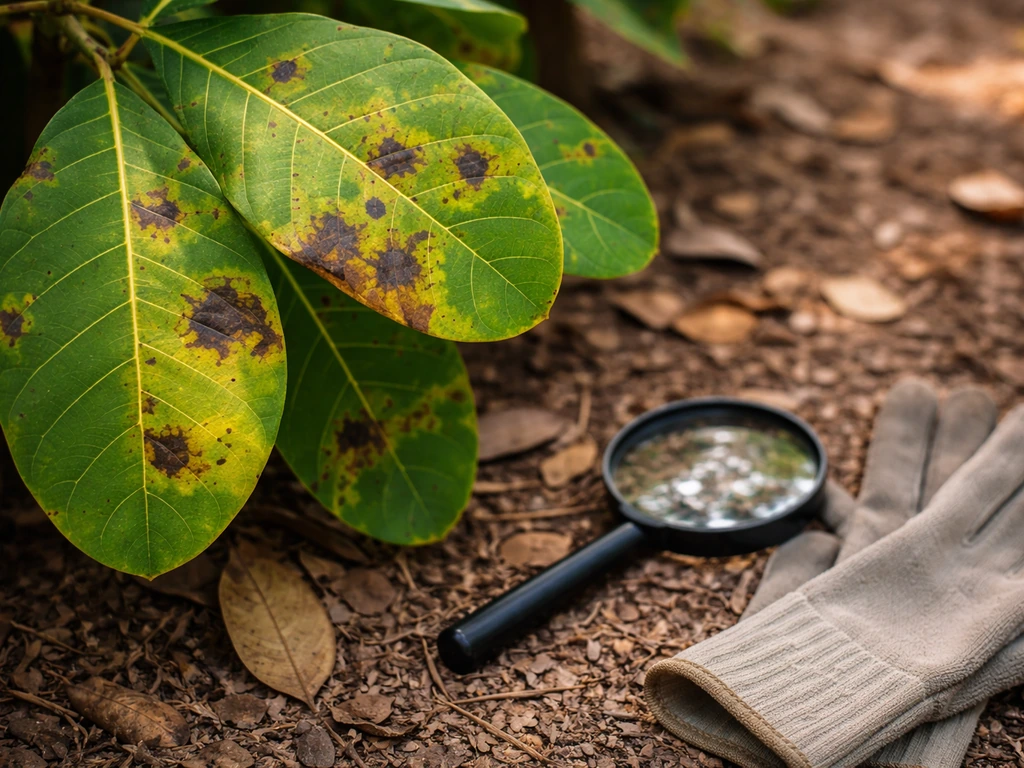
The good news is that Australia's relatively dry harvest climate keeps disease pressure low. [Anthracnose is the only major fungal disease flagged as a significant problem, and even then mainly in wetter areas. ](https://www. era.
dpi. qld. gov. au/id/eprint/1652/3/2quecas.
pdf) If you're in a drier zone with a proper dry-season harvest window, anthracnose is manageable. The insect pest list is longer: termites, sap-sucking insects, leaf-chewing beetles, and leaf-eating caterpillars are all documented. Helopeltis (a capsid bug) is a serious and sometimes unpredictable pest of cashews in Queensland, it attacks developing fruit and should be sprayed as soon as damage is first noticed on fruit. During fruiting, pigs, bats, and rats can cause real damage.
Rats in particular are notorious for gnawing through poly irrigation pipe and drip emitters, so protect your infrastructure. Using native tree species in your windbreaks, as the Queensland DPI recommends, helps build up populations of beneficial insects that keep some of the pest pressure in check naturally.
What to expect from cashews in Australia
Set realistic expectations before you plant. Cashew trees typically begin bearing fruit at 2.5–3 years from planting, and that's under good conditions with a grafted tree. Seedling trees may take longer. The good news is that once a cashew tree is established and happy, it can remain economically productive for 30–40 years with proper care, that's a serious long-term asset on the right property.
Poor nut set is a common frustration. It can result from inadequate pollination, water stress during flowering, or simply a tree that's still too young. If your mature tree flowers but sets very few nuts, review your irrigation schedule during the flowering period and check whether pollinators are present. Heavy rain at flowering is also a culprit, another reason the wet/dry season timing matters so much in Australian cashew growing.
For Australian growers outside the tropical north who are reading this and feeling discouraged: that's the honest picture. If you are asking specifically about the U. S. , cashew trees do best in frost-free tropical and subtropical areas, especially parts of Florida and Hawaii.
Cashews are not a subtropical experiment you can fudge with frost cloth and a warm wall in coastal New South Wales. Cashew trees are the actual source of cashew nuts, so the key question is whether they can grow on trees in your specific area. They are a genuinely tropical crop, and pushing them below 17°S is a high-risk proposition.
If you're also curious about where other tropical nut trees like shea are grown, that depends on their preferred warm, humid conditions and seasonal rainfall where do shea nuts grow. Cashew fruit grows on cashew trees in the tropical north of Australia, where the climate matches the species’ frost-free and distinct wet and dry seasons.
If you're in the right zone, northern Queensland, the NT Top End, or a genuinely frost-free microclimate in far north Queensland, the combination of a grafted planting, free-draining sandy soil, drip irrigation, and good windbreaks gives you a realistic shot at a productive tree within three years and a long-lived productive orchard beyond that.
Quick reference: cashew growing requirements for Australian conditions
| Requirement | Ideal Range / Guidance |
|---|---|
| Mean annual temperature | 21–28°C |
| Monthly minimum temperature | No lower than 10°C |
| Frost tolerance | None — even light frost is damaging |
| Rainfall pattern | Seasonally wet/dry; dry season at nut fall |
| Soil type | Sandy loam, loamy sand, or sand; deep (2m+); free-draining |
| Soil pH | 5.5–7.5 (avoid above 8.0) |
| Water table depth | At least 1 m below surface |
| Irrigation (mature tree) | 250–500 L/week during dry season (~3.5 ML/ha/year) |
| Irrigation water quality | EC < 0.8 dS/m; TDI < 600 mg/L; iron < 0.1 ppm |
| Wind exposure | Sheltered; windbreaks recommended |
| Propagation method | Grafted trees preferred; seed viable but less consistent |
| Planting time (Australia) | Start of wet season (Oct–Dec) |
| First fruit | 2.5–3 years from planting (grafted) |
| Productive lifespan | 30–40 years with good care |
If you're comparing cashew growing in Australia to other tropical regions like India, where cashew cultivation is a massive industry across coastal states, the fundamentals are the same: well-drained soils, frost-free climate, and that critical dry harvest window. Australia's tropical north genuinely ticks those boxes and has the research backing from both Queensland DPI and CSIRO trials to show it's more than theoretical. The limiting factor in Australia isn't climate suitability in the right zones, it's access to quality grafted planting material and the scale needed to make commercial production viable. For the home grower in north Queensland or the NT, a couple of well-sited cashew trees is an entirely reasonable project.
FAQ
Can cashews grow in Australia if winters are mild, but we get occasional cold nights?
In Australia, cashews need a cold-free environment, not just “warm summers.” If your location ever gets a night below about 5°C, treat it as high risk for establishing trees (young growth is especially vulnerable). You can have hot days and still fail if short cold snaps happen during the cooler months when minimum temperatures matter.
Do cashews grow in northern Queensland cities like Townsville or only in the most tropical areas?
Yes, Townsville and other subtropical coastal areas can sometimes work, but success depends on getting a reliably dry period that matches nut fall and harvest timing. If your drier season is short or rain falls through harvest, kernels can germinate on the tree and quality drops.
How can I tell if my yard’s soil will drain well enough for cashews?
Planting location that “looks dry” can still be unsuitable if drainage is poor. Avoid sites where the water table sits high, and don’t assume sandy soil guarantees drainage if there is compacted layers or a shallow hardpan. A quick check is to observe how long puddles or dampness remain after heavy rain.
What’s the biggest non-climate reason young cashew trees fail even in the right region?
Frost is the headline problem, but wind can silently sabotage you too. If you have frequent strong winds or cyclone-prone weather, plan windbreaks before planting, and for the first year use temporary protection so the root system anchors properly.
How long do cashew trees take to start producing in Australia?
For grafted trees, you are more likely to see production by around 2.5 to 3 years. Seed-grown trees often take longer and are less predictable in nut size and consistency, so set expectations accordingly if you start from seeds.
My cashew flowers but barely produces nuts, what should I check first?
Poor nut set often comes from timing and stress during flowering, not just “not enough pollinators.” Recheck irrigation during flowering (both too little and sudden water stress), and note whether cool wet weather overlaps flowering, since prolonged rain at that stage can reduce nut development.
Why won’t cashew seeds germinate even though I planted them in warm weather?
Cashew seeds must be fresh and viable. If the nut you planted was roasted, heat-treated, or old (even if it still “looks fine”), germination is often unreliable. If you want a higher success rate, source seed that is known fresh or switch to grafted plants.
What’s the correct way to mulch a young cashew tree?
Mulch helps, but it must not touch the stem. Keep mulch away from the trunk, use a thick organic layer over the root zone, and keep it consistent so moisture and soil temperature stay stable through the wet-to-dry transition.
When should I avoid nitrogen fertilizer for cashews?
Don’t treat fertilizer like a “more is better” situation. Too much nitrogen right before flowering can encourage leaf growth and reduce flowering and fruiting, so stick to split applications and avoid heavy N feeds late in the lead-up to flowering.
Do I really need to test irrigation water before installing drip for cashews?
Yes, you can still have major trouble if your irrigation water is poorly suited for drip. Test for salts and dissolved ions, because high conductivity and iron can clog emitters. If you see uneven wetting or clogged drip lines, water quality testing is a first step.
Can I grow cashews without drip irrigation, and what changes for watering?
You can hand-water or supplement with hoses, but the main risk is inconsistent moisture during establishment and flowering. If you cannot guarantee regular watering in dry spells, yields and fruit set are likely to suffer compared with a reliable drip schedule.
How much space should I leave between cashew trees in a home garden?
Space is about canopy spread and access, not just the distance to the next tree. Even in a home garden, plan generous clearance so airflow and light are adequate, and so you can harvest and monitor pests without damaging branches.