Soap nut trees grow natively across a broad belt of tropical and subtropical Asia, with individual species also found in the Americas and parts of the Pacific. The specific answer depends on which species you mean: Sapindus mukorossi (the most widely sold commercial soap nut) is native to the Himalayan foothills and across southern China, while Sapindus trifoliatus is native to the Indian subcontinent extending into Myanmar, and Sapindus saponaria covers tropical and subtropical America plus the central Pacific. If you are gardening, the more practical question is whether your local climate can support one of these species, and that comes down to hardiness zones, rainfall, and drainage.
Where Do Soap Nuts Grow? Regions and Growing Conditions
Marcus Hendricks
14 Apr 2026
What soap nuts actually are
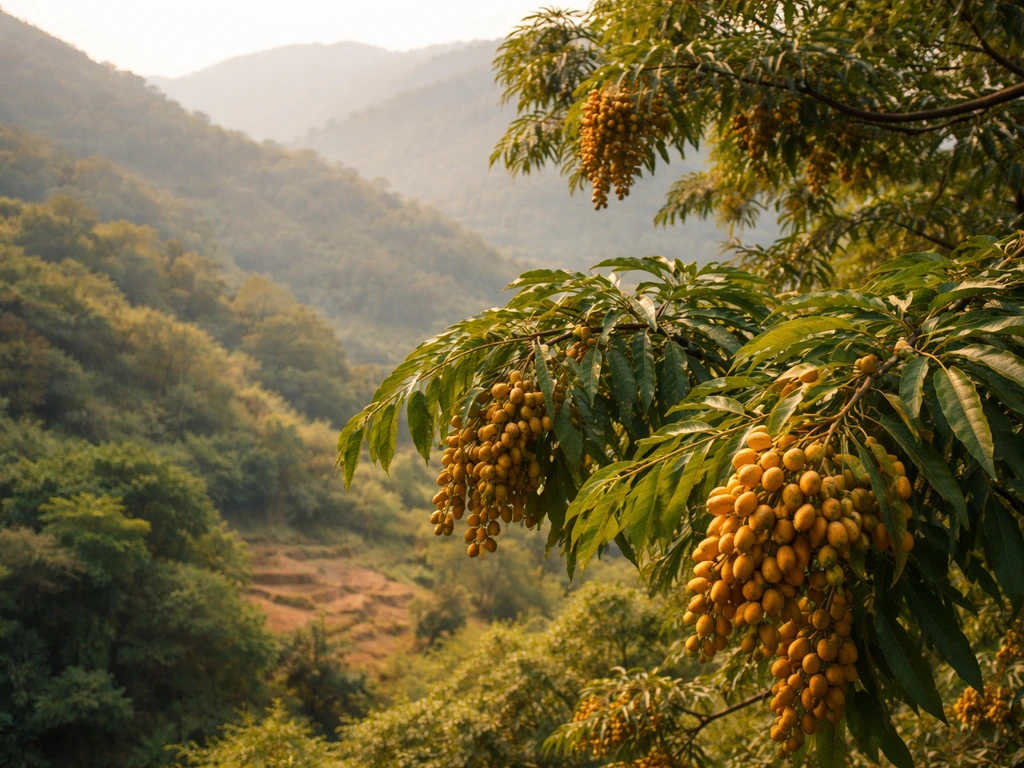
The term "soap nut" is a slight misnomer. What you are buying or harvesting is actually the dried fruit pericarp (the fleshy outer shell) of trees in the genus Sapindus, commonly called soapberry trees. The seed inside is not where the cleaning power lives. The pericarp is packed with triterpenoid saponins, the natural surfactants that foam up in water and act as a detergent.
In Sapindus mukorossi, that pericarp saponin content runs roughly 10 to 11. 5 percent, which is high enough to make it commercially viable as a washing product. Sapindus trifoliatus, the South Indian species, is the source of standardized soap nut saponin extracts used in cosmetics and supplements. So when someone says "soap nut," they almost always mean the whole dried fruit shell, not a true nut in the botanical sense.
The Sapindus genus has about a dozen recognized species spread across the tropics and subtropics. They are medium to large deciduous or semi-evergreen trees, and most take several years to reach fruiting age. Growing them for actual soap nut production is a long game, not a quick experiment. Understanding this upfront saves a lot of frustration.
Where soap nut trees naturally grow worldwide
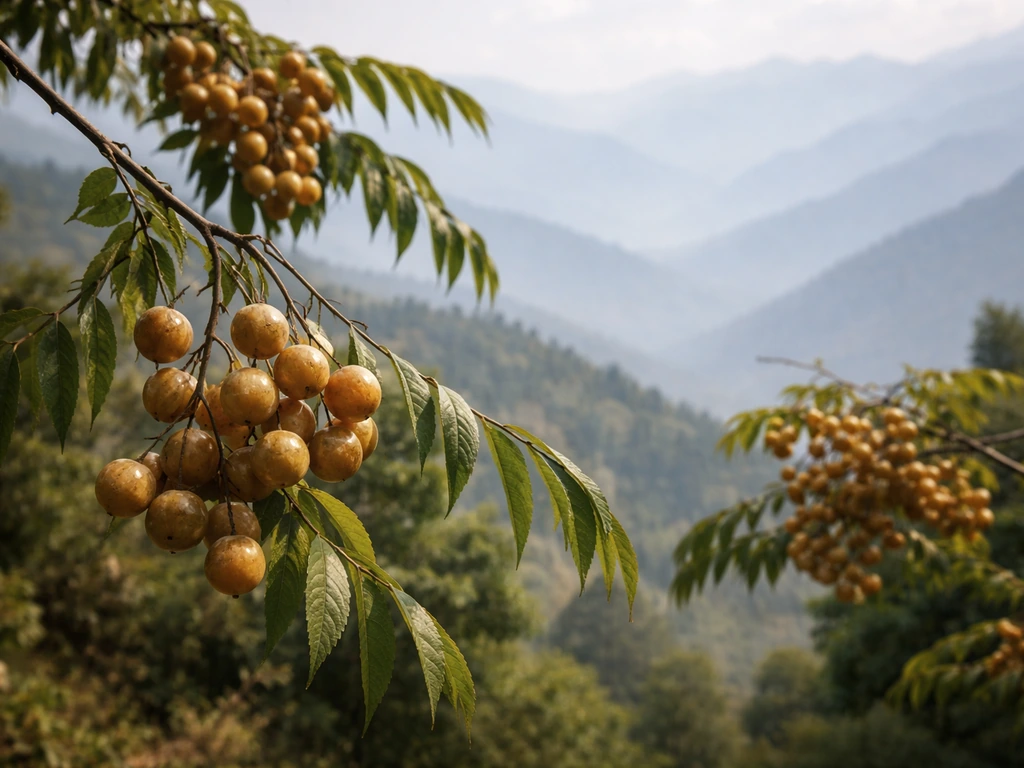
Sapindus mukorossi is the star of the commercial soap nut trade, and its native range runs from the lower foothills and mid-hills of the Himalayas across Nepal, northern India, and into southern China. In China, it is widely distributed across the subtropical and tropical southern provinces, and research sampling populations across that natural distribution shows how well-adapted it is to warm, humid conditions. It grows naturally at elevations up to around 4,000 feet in the Himalayan foothills, which is worth noting because it means this species tolerates some cool seasons, just not hard freezes.
Sapindus trifoliatus sticks closer to the Indian subcontinent, with its native range running from India into Myanmar. Wikipedia also summarizes Sapindus trifoliatus as native to Pakistan, India, Bangladesh, the Andaman Islands, Myanmar, and Sri Lanka, and introduced to some other regions blank" rel="noopener noreferrer">Sapindus trifoliatus sticks closer to the Indian subcontinent, with its native range running from India into Myanmar.. This is the species most associated with South Indian traditional use and with standardized commercial extracts. If you are curious about where other tropical nut-producing trees naturally grow, the overlap with Indian and Southeast Asian growing zones is not a coincidence: the warm, wet, seasonally dry climate of that region suits a wide range of economically important trees.
Sapindus saponaria is the New World representative, native to tropical and subtropical America and the central Pacific. In the United States, it shows up in South Florida as "Florida soapberry" and is occasionally called the wingleaf soapberry. Another North American species, Sapindus drummondii (Western soapberry), grows wild across the south-central US from Kansas down through Texas and into Mexico. These two North American species are important for gardeners in the US because they tolerate conditions that would kill Sapindus mukorossi outright.
Climate and site requirements
Temperature and hardiness
This is where things get nuanced and where you need to be careful with what you read online. Sapindus mukorossi hardiness is listed differently depending on the source: one arboretum database puts it at USDA Zone 8b (15 to 20°F minimum), while another horticultural reference lists it as Zone 9b (around 25°F minimum). That is a meaningful gap.
In practice, I would treat Zone 9 as the safer lower limit for Sapindus mukorossi unless you have a very protected microclimate with good thermal mass and reliable wind shelter. Sapindus saponaria (Florida soapberry) is more frost-tender, doing best in Zones 10A to 11. Sapindus drummondii (Western soapberry) is the cold-hardiest of the group at Zones 6A to 9B, making it the realistic choice for much of the southern and central US.
Rainfall and humidity
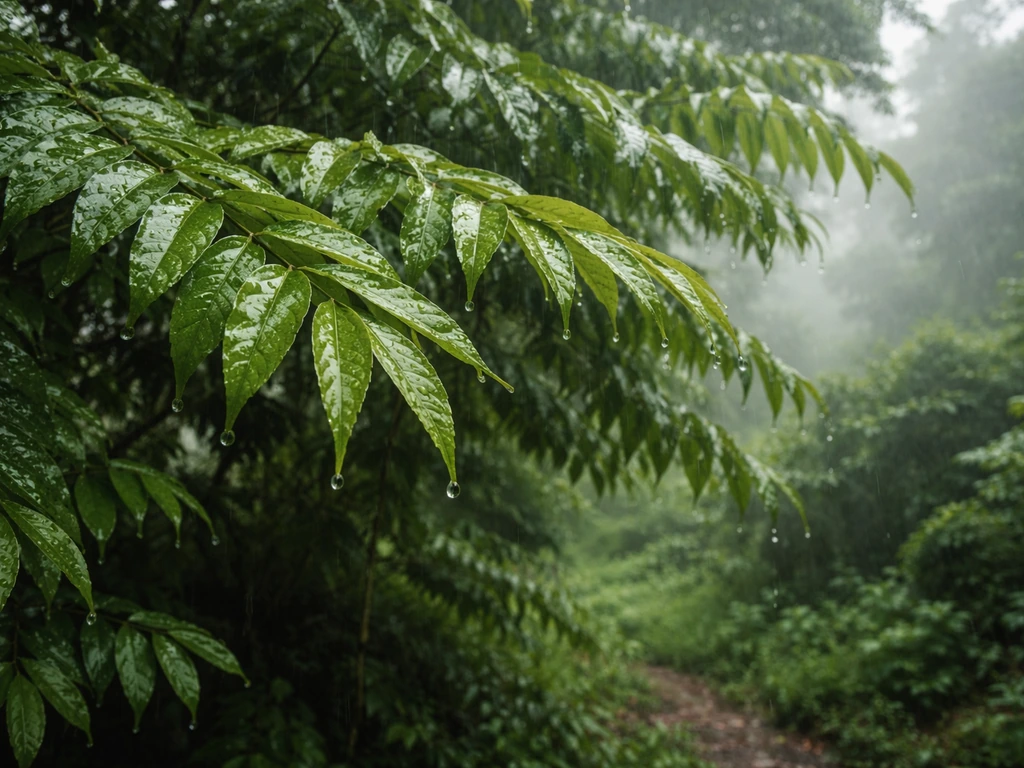
Sapindus mukorossi grows in climates with mean annual precipitation around 1,750 mm (roughly 69 inches), and research cultivation sites describe a subtropical oceanic monsoon climate with rainfall concentrated between May and September and annual totals near 1,950 mm. That is a lot of summer rain. The key pattern is a warm, wet growing season followed by a drier cooler period. If you are in a climate with year-round even rainfall or a dry summer, the tree can still be grown, but you will likely need to supplement irrigation during dry spells, especially when the tree is establishing.
Soil and sun
Sapindus mukorossi wants well-drained, loamy soil with a pH between 6.0 and 8.0. That is a fairly forgiving range, but the drainage requirement is not negotiable. These trees are adapted to hillside and foothill environments where water moves through the soil profile rather than sitting. Waterlogged roots are a reliable way to kill the tree slowly. Full sun is the standard recommendation, and in practice, trees in more shade tend to fruit less. This mirrors what you see in soil requirements for other tropical nut trees, where drainage and pH range tend to be the deciding factors more than the specific soil texture.
Where you can realistically grow soap nut trees
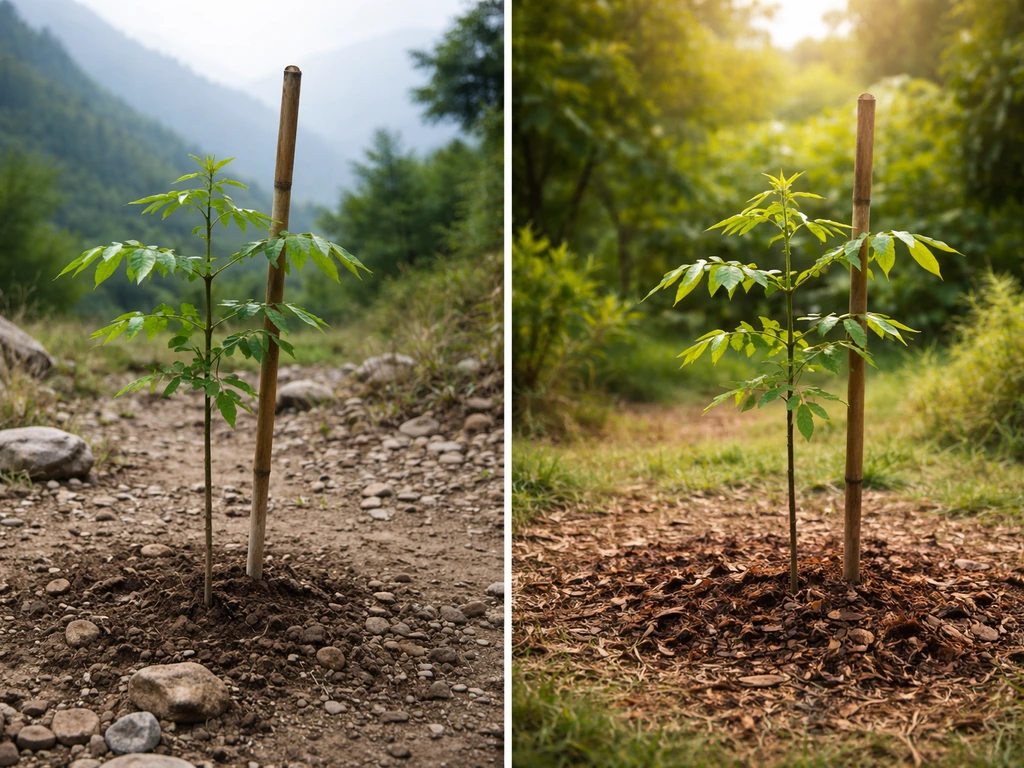
Here is a practical breakdown by species and region. This is not an exhaustive list, but it covers where these trees are actually being grown or have demonstrated success:
| Species | Native Range | USDA Hardiness Zone | Best For |
|---|---|---|---|
| Sapindus mukorossi | Himalayan foothills, South/Central China, India | 8b–10 (Zone 9 safer) | Subtropical US, Mediterranean climates, Southeast Asia |
| Sapindus trifoliatus | Indian subcontinent to Myanmar | 9–11 | South India, tropical Southeast Asia |
| Sapindus saponaria | Tropical/subtropical Americas, Central Pacific | 10A–11 | South Florida, Hawaii, Caribbean |
| Sapindus drummondii | South-central US, Mexico | 6A–9B | Texas, Oklahoma, Southwest US, northern Mexico |
For US growers specifically, Sapindus mukorossi can be trialed in coastal California, the Gulf Coast states, and parts of the Southwest that stay above 20°F most winters. Florida growers in the southern half of the state are better positioned with Sapindus saponaria, which is already naturalized there. Growers in the interior South and Southwest have the best native option in Sapindus drummondii, even though it is not the species most associated with commercial soap nut products. Growing tropical nut trees in Australia follows a similar logic: species selection has to match the climate band, and the tropical north is far more permissive than temperate southern regions.
India remains the global center of gravity for soap nut production. The combination of monsoon rainfall, warm temperatures, and large-scale cultivation infrastructure makes regions like Uttarakhand, Himachal Pradesh, and parts of South India the primary commercial source. The regional distribution of cashew trees across India follows a similar logic, where specific state-level climates determine what is economically viable to grow at scale.
How to check if your region can support soap nut trees
The first step is finding your USDA Plant Hardiness Zone (or your country's equivalent), which is based on the average annual minimum temperature in your area. That single number tells you whether the tree will survive your worst winter, which is the first gate to pass. But hardiness zones only tell you about cold tolerance; they say nothing about summer heat, rainfall, humidity, or soil. You need to check all of those against the species requirements described above.
- Look up your USDA Hardiness Zone using your zip code (US) or your country's equivalent mapping tool. Compare it against the zone ranges in the table above.
- Check your average annual rainfall and seasonal distribution. If you are below 30 inches annually with dry summers, plan for regular irrigation.
- Get a basic soil test for pH and drainage. The 6.0 to 8.0 pH range is broad, but compacted or waterlogged soils are a dealbreaker regardless of pH.
- Find out your average annual minimum temperature, not just your zone label. Zone 8b means 15 to 20°F minimums. If your location dips below that regularly, Sapindus mukorossi is a risky choice.
- Contact your local cooperative extension service or equivalent agricultural advisory body. They will know if anyone in your region has successfully grown the species, which is better than any zone map.
- Search local botanical garden and arboretum plant lists. If a species is on their living collection list, it has survived in your climate.
One thing worth emphasizing: microclimates matter a lot with marginally-hardy trees. A south-facing wall, a slope that drains cold air away from the planting site, or proximity to a body of water can push a microclimate one zone warmer than the surrounding area. I have seen Sapindus mukorossi survive in spots that zone maps would suggest are too cold, purely because of site selection.
Conversely, a low frost pocket in an otherwise warm garden can kill a tree that should theoretically be fine. This is the same principle that applies when figuring out where tropical nut trees can actually grow in the US, where the gap between what the map says and what the site allows can be surprisingly large.
If soap nut trees won't grow where you live
Let's be honest: if you are in Zone 7 or colder, growing Sapindus mukorossi outdoors for fruit production is not a realistic goal. You have a few options depending on what you actually want.
If you just want soap nuts to use for laundry or cleaning, buying dried soap nut fruits is easy and inexpensive. They are typically Sapindus mukorossi sourced from India or Nepal, sometimes Sapindus trifoliatus from South India. When buying, it helps to verify the species on the packaging, because saponin content and fruit traits vary between species. This is the same kind of species-level verification that matters when sourcing any tropical nut product, similar to understanding how the fruit and growing environment interact for other nut-producing tropical trees.
If you want to grow a Sapindus tree as an ornamental or for any fruit production at all, Sapindus drummondii is worth serious consideration for growers in Zones 6 to 9 in the US. It is cold-hardy, drought-tolerant once established, and does produce saponin-containing fruits, though it is not the commercial soap nut standard. It is also a native plant in its range, which has real ecological advantages. Think of it the way you would approach finding the right climate for other specialized tropical nut trees: sometimes the answer is a related species that fits your zone, not the exact variety you first had in mind.
If you are in a marginal zone (Zone 8 or a warm Zone 7b microclimate), you can try Sapindus mukorossi in a sheltered spot with well-drained soil and see how it performs through a few winters before counting on it for fruit. Give it the best microclimate you have, mulch heavily to protect the root zone, and do not expect fruit for at least five to seven years even under good conditions. Trees grown from seed take longer; grafted trees (if you can find them) close the gap somewhat.
For growers interested in the broader picture of how tropical and subtropical nut-producing trees behave in different environments, the biology of how closely related tropical nut trees develop on the tree offers useful context, since many of the same climate constraints apply across this category of plants. Warm winters, adequate seasonal rainfall, and good drainage are the common thread, regardless of which species you are working with.
FAQ
How can I tell the difference between the right soap nuts (fruit shells) and other mislabeled products?
In most cases, soap nuts are dried fruit pericarps from Sapindus species, so the harvest season and storage matter. Look for fruits or dried shells that feel dry and firm, avoid any that show moldy spotting or a sour odor, and store them airtight in a cool, dark place to prevent saponins from degrading.
What should I do if my climate is marginally cold for the soap nut tree?
If your site is “almost” cold enough, don’t rely on zone maps alone. Use wind protection and site selection to reduce frost exposure, and consider elevating the planting spot if your ground holds cold air or stays wet in winter.
How long does it usually take for a Sapindus tree to produce soap nuts at home?
Spacing and fruiting expectations are often underestimated. Trees typically take several years to start producing, and dense shade reduces fruit set, so plan for full-sun placement and give the tree enough space for airflow and light penetration.
Can I grow soap nut trees in heavy clay soil if I add compost?
Don’t treat the soil like it can be amended your way out of drainage. The pH range is relatively flexible, but waterlogged roots are a deal-breaker, so prioritize raised beds, coarse amendments, and fast-draining substrate before planting.
What are the most common causes of failure even when the zone temperature looks correct?
Soap nut trees can handle a range of pH, but they are still sensitive to “winter wet,” especially when temperatures drop. If you get frequent cold rain or standing water during the cooler, drier period, drainage upgrades and slope-oriented planting become more important than fertilizer.
Do I need more than one tree for fruiting?
Yes, if you want fruit, you generally need to manage pollination and canopy conditions. If you are growing for ornamental purposes only, you can focus on survival and shape; if you want fruit, aim for healthy full-sun growth and avoid overcrowding that limits flowering.
Will different Sapindus species clean differently, and how should I adjust my laundry use?
When buying dried “soap nuts” for cleaning, species differences can change foaming and perceived cleaning strength. Verify species on the label if possible, and if you’re sensitive to residue or skin irritation, test a small batch on one load first.
If I grow my own, do I need to process the fruit a specific way to use the soap?
Sapindus fruits contain saponins in the pericarp, so the seed is not the useful part. When harvesting at home, dry the outer shell thoroughly, because partially dried fruits can spoil in storage and reduce usable material.
Is growing Sapindus mukorossi in a container a better option than planting in the ground?
Microclimates can shift survival, but they can’t fix poor drainage or chronic frost exposure. If your lowest temps dip below the safer practical limit, use the tree as an ornamental trial or use containers with protection rather than expecting reliable fruit production outdoors.
How much watering do soap nut trees need in dry climates?
For established trees, drought tolerance depends on the species and the season. Plan extra irrigation during establishment and during dry spells, especially if your summers are not consistently wet like the monsoon-type pattern these trees prefer.