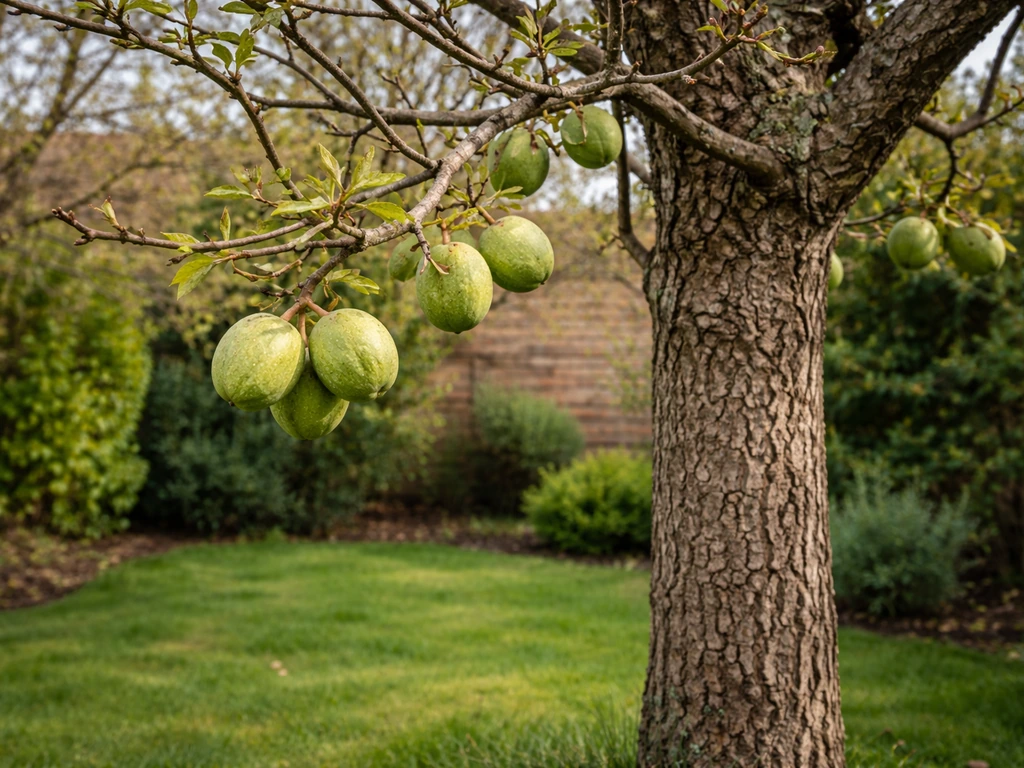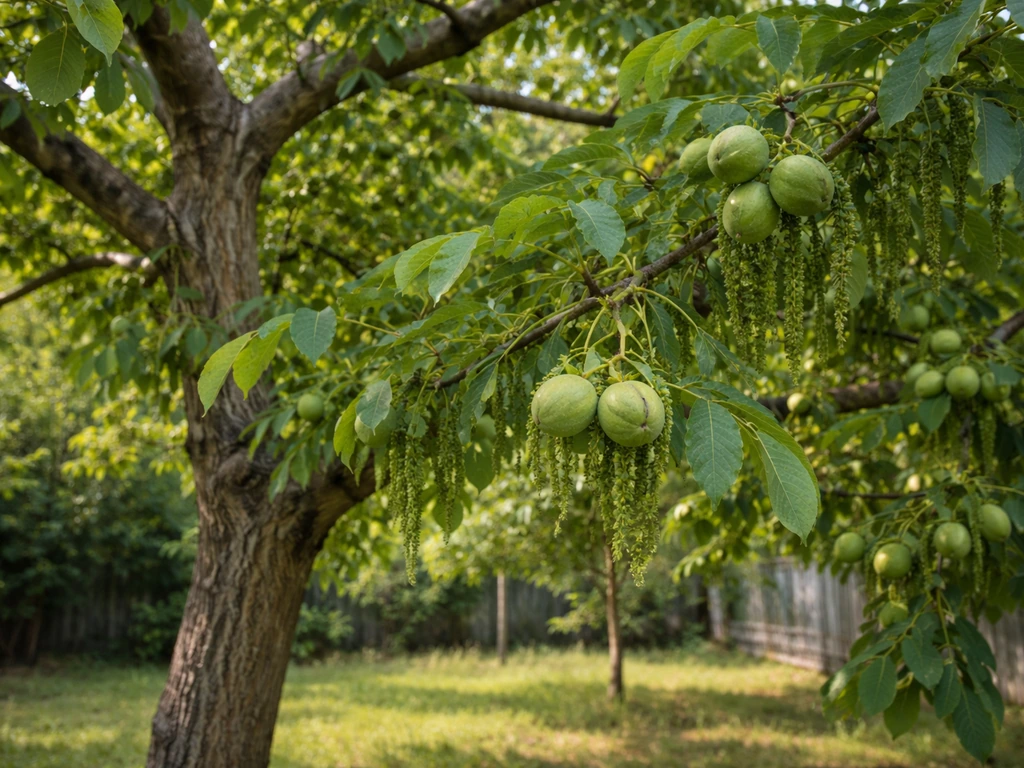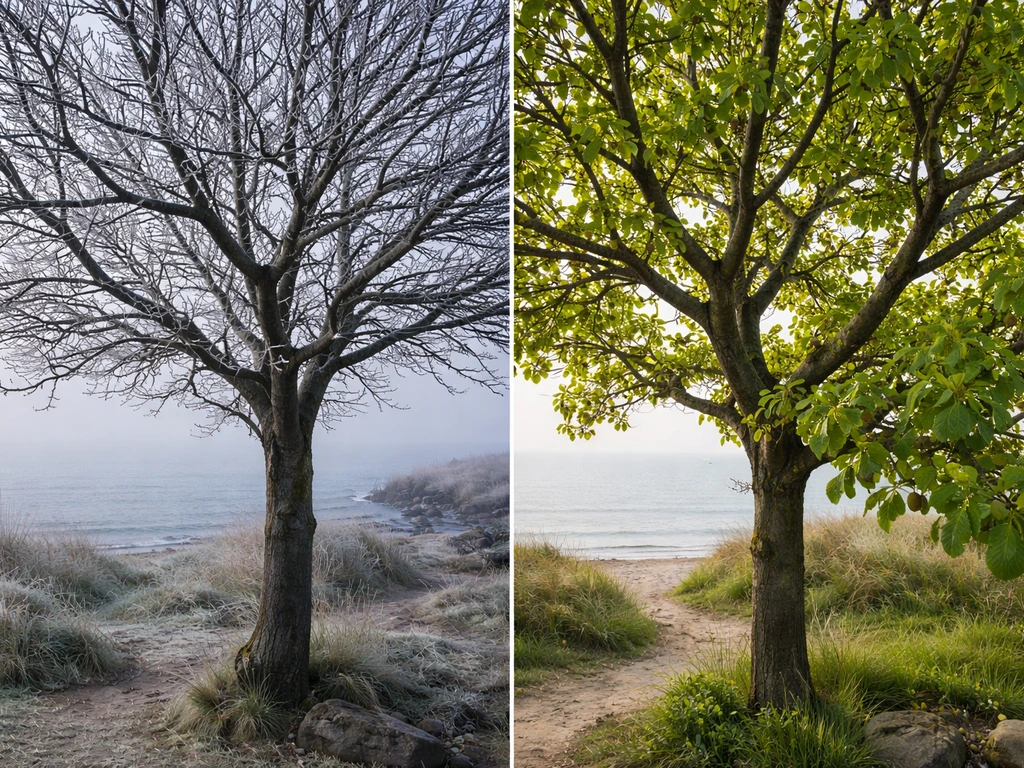
An acorn is a seed, and like any seed, its job is to become a tree. Specifically, every acorn grows into an oak tree, no other kind. The process runs from pollination on a mature oak, through acorn development, drop, germination, and eventually a seedling that could outlive you by centuries. If you want to understand how that actually works, or you're trying to start an oak from an acorn yourself, here's the full picture.
How Do Acorns Grow Into Oak Trees: Full Life Cycle Guide
Marcus Hendricks
2 Apr 2026
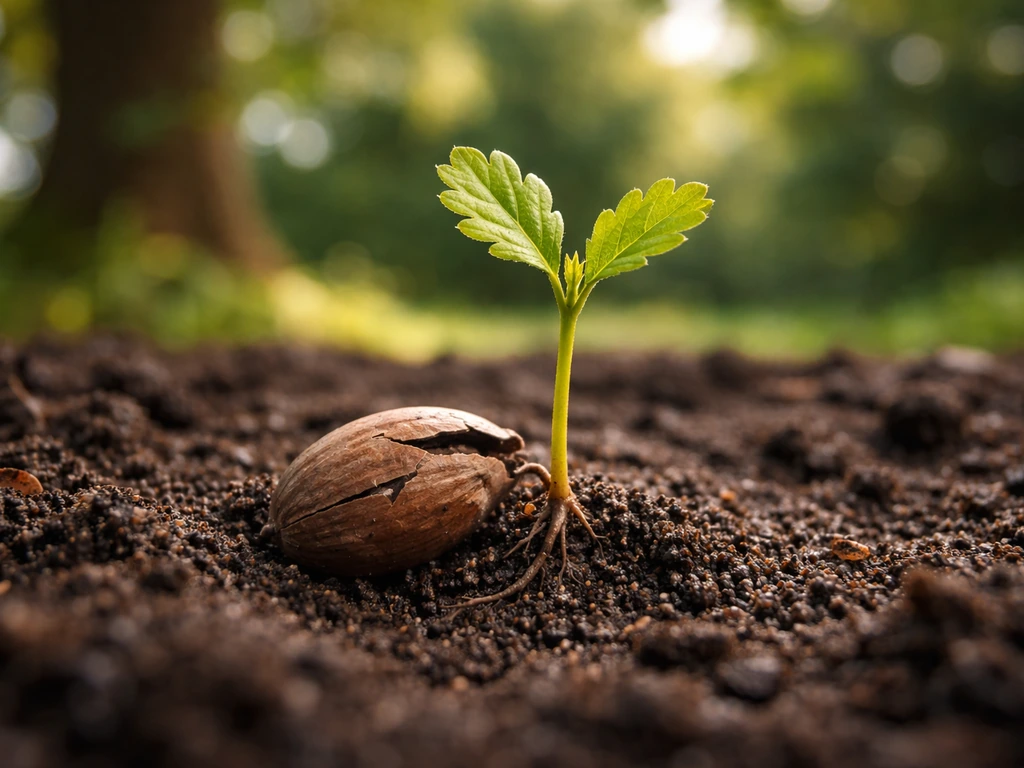
Acorns on oak trees: what an acorn is and where it comes from
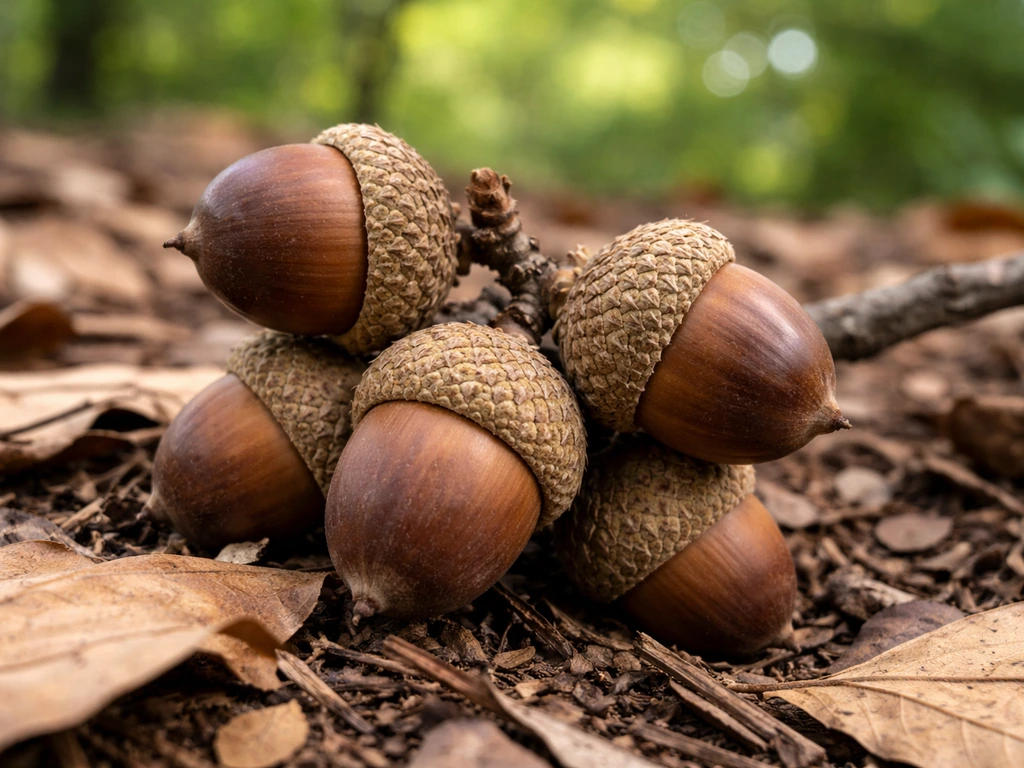
An acorn is the fruit of an oak tree (genus Quercus), consisting of a single seed enclosed in a hard shell, partly cupped in a scaly cap called a cupule. Oak trees are the only trees that produce acorns, if you're wondering what trees grow acorns, the short answer is: only oaks do, and there are hundreds of species worldwide.
Acorn production starts with flowering. Oak trees produce separate male and female flowers on the same tree. Wind carries pollen from male catkins to tiny female flowers, and fertilization eventually leads to acorn development. The timeline differs significantly between the two main oak groups. White oaks (like Quercus alba) complete pollination and acorn maturation within a single growing season, acorn drop follows flowering by roughly 25 days and wraps up within about a month. Red oaks work on a longer schedule: in northern red oak, the pollen tube takes around 13 months to accomplish fertilization, so the acorn you see maturing in fall was actually pollinated the previous spring.
Acorn crops are also unpredictable. Good mast years, when trees produce abundant acorns, don't happen every year. Production varies with flowering abundance, weather during pollination, and other factors, so you can't count on a heavy crop from the same tree every season. And age matters too: northern red oak doesn't begin bearing fruit until around age 25, and typically doesn't produce seeds abundantly until about age 50. Don't expect heavy crops from young street trees.
What an acorn grows into (oak tree life cycle overview)
An acorn grows into an oak tree, that's the only outcome when germination succeeds. The full life cycle looks like this: a mature oak produces flowers, gets pollinated, develops acorns, drops them in fall, and those acorns either get eaten or find their way into soil where they can germinate into seedlings. Given favorable conditions, those seedlings eventually become saplings, then mature trees that produce their own acorns decades later.
What's worth understanding is that the acorn itself is the starting point of a new tree, not just a byproduct of one. The nutrients packed inside the seed coat fuel the initial root and shoot growth before the seedling can photosynthesize on its own. Once you understand that, how many acorns grow into trees becomes a sobering question: in nature, the vast majority are eaten or rot before germinating. A much smaller fraction reach the seedling stage, and fewer still survive long enough to become mature trees. That's why oaks produce so many acorns, it's a numbers game.
One thing that surprises people: white oak seedlings can persist under a forest canopy for more than 90 years without dying, just waiting for a gap in the canopy to give them enough light to grow. Establishing as a seedling is just the beginning of a very long process.
How an acorn grows: germination to seedling basics
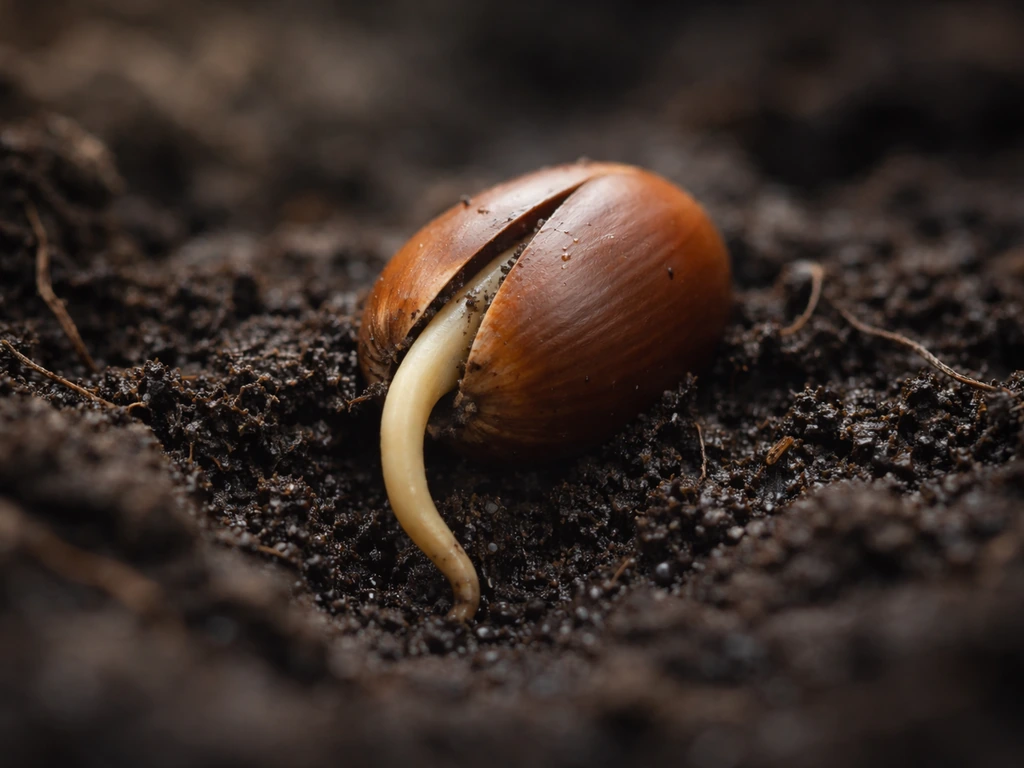
Germination is the moment the seed activates and starts putting out a root. But before that can happen, the acorn has to stay viable, and that's where a lot of people run into trouble. Viability depends heavily on moisture. White oak acorns need to maintain a moisture content of at least 30 to 50 percent; let them dry out below that threshold and they're dead. This is why acorns that dry on your driveway for two weeks are usually not worth planting.
The other big variable is dormancy. White-oak-group acorns (white oak, bur oak, swamp white oak) blank" rel="noopener noreferrer">do not require a cold stratification period, they germinate soon after dispersal, often in fall. This is why you sometimes see white oak acorns sprouting on the ground in October. Red-oak-group acorns (red oak, pin oak, black oak, water oak) do require cold stratification to break dormancy. In nature, overwintering in the forest floor provides this cold period, which is why they sprout in spring rather than fall. Some species need surprisingly long stratification: in water oak, for example, 18 weeks of cold stratification was not sufficient for dormancy break in research trials, so the "just stick it in the fridge for a month" approach won't always work. UNH Extension notes that, for red oak acorns, a temperature window of about 32, 41°F for roughly 30, 90 days is associated with breaking acorn dormancy for germination timing blank" rel="noopener noreferrer">cold stratification to break dormancy.
For practical germination timing, when do acorns grow on trees and when they drop tells you a lot about when you should be collecting and planting. Most oaks drop acorns in fall (September through November depending on species and region), and that's your window to collect fresh, viable seed.
The two oak groups and what dormancy means for you
| Characteristic | White Oak Group | Red Oak Group |
|---|---|---|
| Examples | White oak, bur oak, swamp white oak | Red oak, pin oak, black oak, water oak |
| Acorn maturation | One growing season | Two growing seasons |
| Dormancy | None (germinates soon after drop) | Cold stratification required |
| Natural germination timing | Fall | Spring |
| Recommended planting approach | Plant immediately in fall or store cold/moist | Stratify at 35–41°F (2–5°C) for 30–45+ days, then plant in spring |
Iowa State Extension provides useful specific durations: bur oak needs about 30 to 60 days of stratification, while red and pin oak need 30 to 45 days. If you're planting in fall, you can sow red-oak-group acorns directly and let the winter do the stratification for you. If you're working in spring, you'll need to have stratified them yourself. Cold stratification means storing acorns in a sealed bag with moist (not wet) medium like peat or sand at around 35 to 41°F (2 to 5°C), the vegetable drawer of your refrigerator works fine.
Where acorns and oak trees grow: climate, soil, and habitat
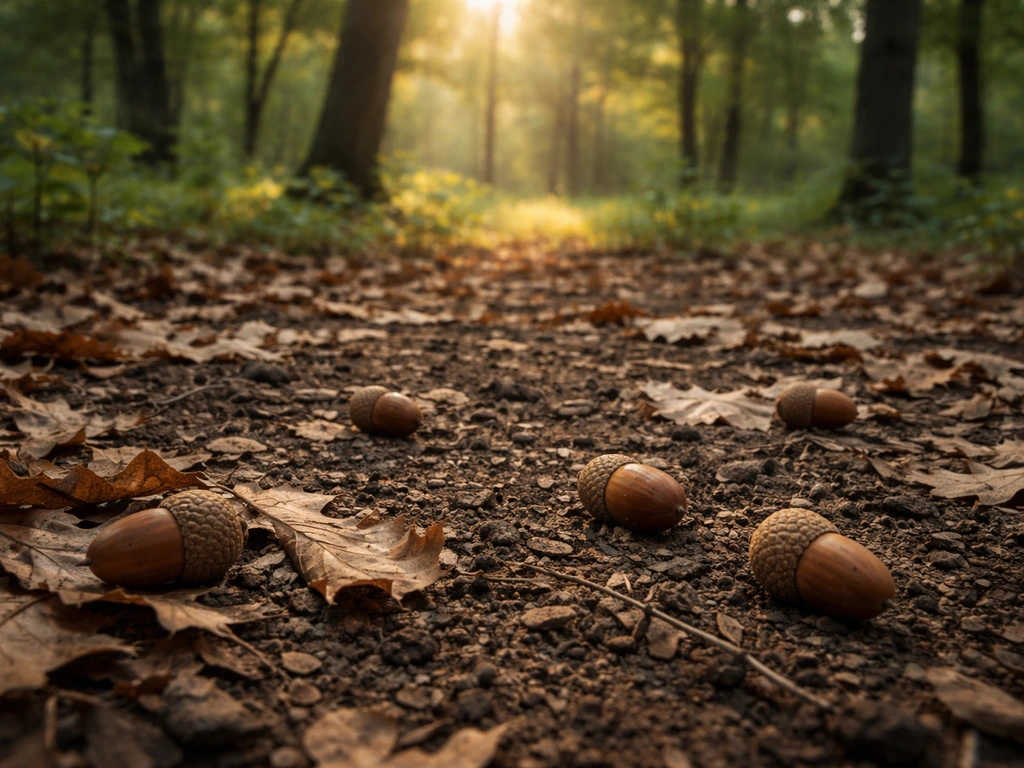
Oak trees grow across a remarkably wide range of climates. In North America, oaks span from Canada into Mexico, from the Atlantic coast to the Pacific. They're dominant in temperate deciduous forests, savannas, and mixed woodlands. When do acorns grow and where depends heavily on the species and the local climate, a live oak in coastal Texas operates on a different schedule than a red oak in Minnesota.
Soil preferences vary by species but most oaks do best in deep, moist, well-drained, acidic soils. White oak, one of the most studied species, prefers a soil pH in the range of about 3.7 to 6.8 and thrives in full sun. Most oaks are not suited to waterlogged, compacted, or highly alkaline soils. If your soil is heavy clay or sits wet for extended periods, you'll need to address drainage before expecting successful establishment.
For seedling establishment in nature, white oak recruits adequately when large seed trees are within about 61 meters (200 feet), litter cover is light to moderate rather than deep and smothering, and light at the seedling level is at least 35 percent of full sunlight. These aren't just abstract forest ecology numbers, they tell you something useful about the conditions you're trying to replicate when you plant.
Outside North America, oaks also grow across Europe, Asia, and parts of North Africa. If you're in the Southern Hemisphere and curious whether oaks can grow there at all, the answer depends on species and climate zone. Do acorns grow in Australia is a question worth exploring specifically, since climate matching is more complex there and native conditions differ significantly from the temperate zones where most oaks naturally thrive.
How to help acorns grow today: practical steps for planting and starting
Here's the practical part. If you have fresh acorns and want to grow an oak tree, follow these steps. The most important thing is starting with viable acorns, dry, cracked, or visibly moldy ones won't germinate. Float-test them in water: acorns that sink are more likely to be viable; floaters are usually hollow or infested, though this test isn't perfect.
- Collect acorns in fall, as soon as they drop naturally from the tree. Don't wait for them to sit on the ground for weeks.
- Remove the cap (the cupule) and check for damage, mold, or weevil holes. Discard any that look compromised.
- For white-oak-group species: plant immediately in the ground or in deep containers (at least 12 inches to allow taproot development). Sow about 1 to 2 inches deep.
- For red-oak-group species: either plant directly in fall (and let winter provide cold stratification naturally) or store in a sealed bag with moist peat or sand in the refrigerator at 35 to 41°F for 30 to 45 days, then plant in spring.
- If storing before planting, keep acorns cold and moist. USDA Forest Service guidance recommends storing at about 32 to 36°F (0 to 2°C) in sealed containers with adequate moisture maintained.
- Plant in well-drained, slightly acidic soil in a location that gets full sun — at least 6 hours of direct sunlight daily.
- Water to keep soil moist after planting. Once the seedling is established, water when the top few inches of soil are dry, enough to moisten the full root zone.
- Protect seedlings from deer, rodents, and heavy competing vegetation — these are the main killers of young oak seedlings in the first two years.
Don't expect fast results. Oak seedlings invest heavily in root development in their first years, so above-ground growth is slow initially. A one-year-old oak seedling might only be 6 to 12 inches tall, but could have a taproot twice as long. That's normal, and it's why transplanting older seedlings is difficult, the taproot doesn't tolerate disturbance well. Start acorns where you want the tree to grow, or use deep pots and transplant in the first year before the taproot hits the container bottom.
Choosing the right oak: species and regional suitability
Species selection matters more than most beginners realize. Growing the wrong oak for your climate and soil is one of the most common reasons oak plantings fail. When do oak trees grow acorns varies noticeably by species, which is also a clue that different oaks have different biological calendars and requirements.
For most of the eastern and central United States, white oak (Quercus alba) and northern red oak (Quercus rubra) are well-studied, widely adaptable choices. White oak is a classic for deep, well-drained acidic soils in the East. Northern red oak is faster-growing, tolerates a wider range of soil conditions, and is a good choice for Zones 3 through 8. Bur oak (Quercus macrocarpa) is the right call if you're in the Midwest or Great Plains, it handles drought, clay soils, and temperature extremes better than most oaks. In the South and Southeast, live oak (Quercus virginiana) and water oak are more climate-appropriate, though water oak's complex stratification requirements make it trickier to start from seed.
If you're gardening in Australia or another part of the Southern Hemisphere, the calculus is different. Many North American and European oak species can grow in parts of southern Australia, New Zealand, and South Africa, but matching the species to your specific climate zone is essential. There's detailed guidance available on how to grow oak trees from acorns in Australia that addresses the regional nuances that a generic growing guide won't cover.
| Species | USDA Zones | Soil Preference | Dormancy Requirement | Notes |
|---|---|---|---|---|
| White oak (Q. alba) | 3–9 | Deep, well-drained, acidic (pH 3.7–6.8) | None — germinates in fall | Classic eastern US species; slow but long-lived |
| Northern red oak (Q. rubra) | 3–8 | Moist, well-drained; tolerates some clay | 30–45 days cold stratification | Faster-growing; good general-purpose choice |
| Bur oak (Q. macrocarpa) | 3–8 | Clay to sandy; drought tolerant | 30–60 days cold stratification | Best for Midwest and Plains; very tough |
| Pin oak (Q. palustris) | 4–8 | Moist, acidic; tolerates wet periods | 30–45 days cold stratification | Common urban tree; dislikes alkaline soil |
| Water oak (Q. nigra) | 6–9 | Moist to wet, bottomland soils | Variable; may exceed 18 weeks | Complex dormancy; Southern bottomlands |
The bottom line on species choice: pick an oak native to your region if possible, or one with a proven track record in your climate zone. Native species are locally adapted, and you'll find it much easier to collect fresh local seed, which is both fresher and better matched to your conditions than seed collected from distant sources. Whatever species you choose, the process from acorn to oak is the same, it just requires patience, the right conditions, and starting with viable seed.
FAQ
If acorns float in the water, can they still grow into oak trees?
Try the viability check again close to planting time, because acorns can lose moisture after you test them. If most sink but a few float, you can still plant the sinkers first and discard the obvious damaged ones, moldy caps, and those that crumble when pressed.
Are cracked acorns or acorns with damaged caps always dead?
No. A cracked or slightly imperfect cap can be fine if the seed inside is intact and not moldy, but acorns that are visibly moldy, soft, or hollow tend to fail. A good next step is to cut one open (if you have extras) to confirm the kernel is firm and not blackened.
Can I skip stratification if I want to plant red oak acorns in spring?
If your acorns need cold stratification (red-oak-group), you can mimic winter, but timing must match what that group requires. In spring planting, let stratification fully finish before sowing, otherwise you may delay germination by weeks or have low sprout rates.
How should I store acorns if I am not planting them right away?
It depends on the oak group and storage conditions, but generally you should not “dry them out and hope.” White-oak-group acorns have a moisture needs window, when they drop below about 30 to 50 percent they die. For storage, keep them sealed with slightly moist media and monitor periodically.
What is the best container size to avoid transplant shock?
For best odds, plant in the same container or location where the root can grow undisturbed. If you must transplant, do it very early and keep the root ball intact, because oak seedlings develop a long taproot quickly and disturbance reduces survival.
How deep should I plant acorns so they germinate reliably?
Cover depth is a common mistake. Plant too shallow and the seed dries or gets eaten, too deep and it struggles to emerge. As a practical starting point, use a depth where the acorn is consistently covered with moist soil (often a few centimeters to several centimeters depending on your soil texture).
What should I do if my planted acorns sprout before winter is over?
Some acorns will sprout outdoors in fall (common in white-oak-group) and others in spring (common in red-oak-group). If you see white roots but the seedling is tiny and conditions are dry or cold, protect it by keeping the soil lightly moist and shield it from heavy sun until it can establish.
Do oak seedlings need full sun immediately after germination?
Shade tolerance is very different once the seedling exists. White oak seedlings can persist for decades under low light, but they still need eventual canopy gaps to accelerate growth. If you are trying to speed up growth, plan for more light over time, not just initial germination.
Why do my acorns disappear after planting?
Yes, and it can be dramatic. Animals often prefer fresh acorns, and many seedlings fail due to repeated predation or smothering litter. Use hardware cloth or protective sleeves at the seedling stage, and consider where acorns fall, pits and trenches can attract caching wildlife.
How can I tell if my soil is too wet for acorn germination and seedling survival?
Soil drainage is a frequent limiter, especially in heavy clay or areas that stay wet. Before planting, check after rain whether water stands for long periods. If it does, you will likely need raised beds, amended structure for drainage, or a different planting site.
If I collect acorns from another region, will they still grow in my climate?
The key is choosing an oak that matches your local climate, then using the correct germination calendar for that species. Even within the same region, microclimates matter, so collect locally when possible and avoid mixing seed from climates that are very different.