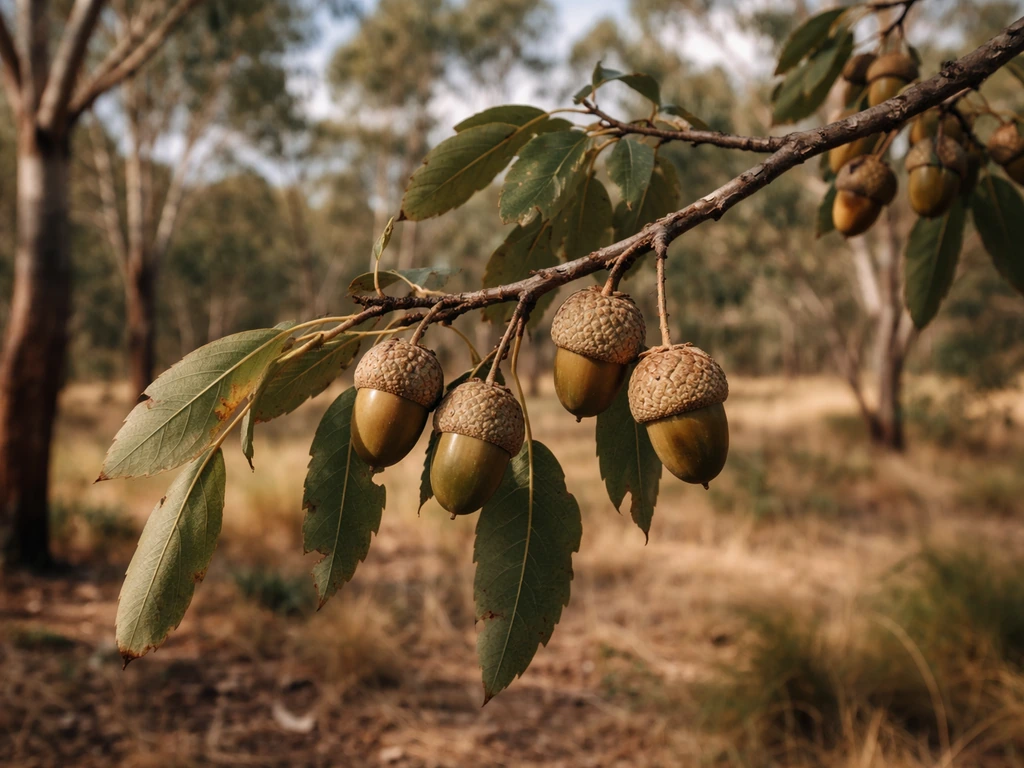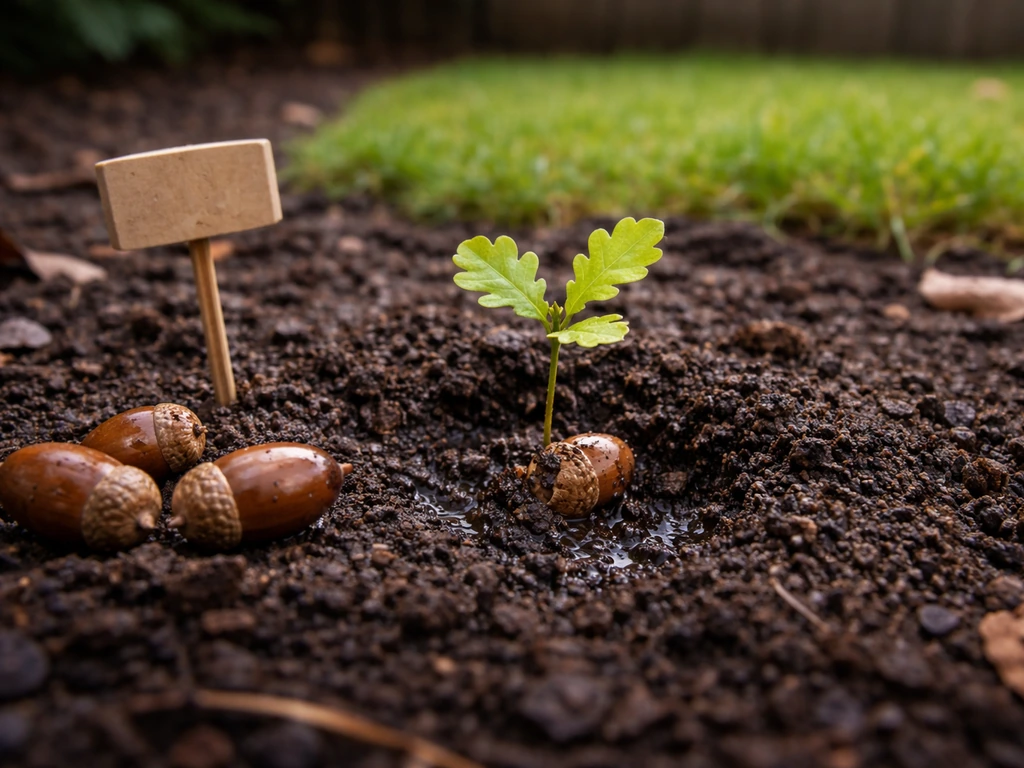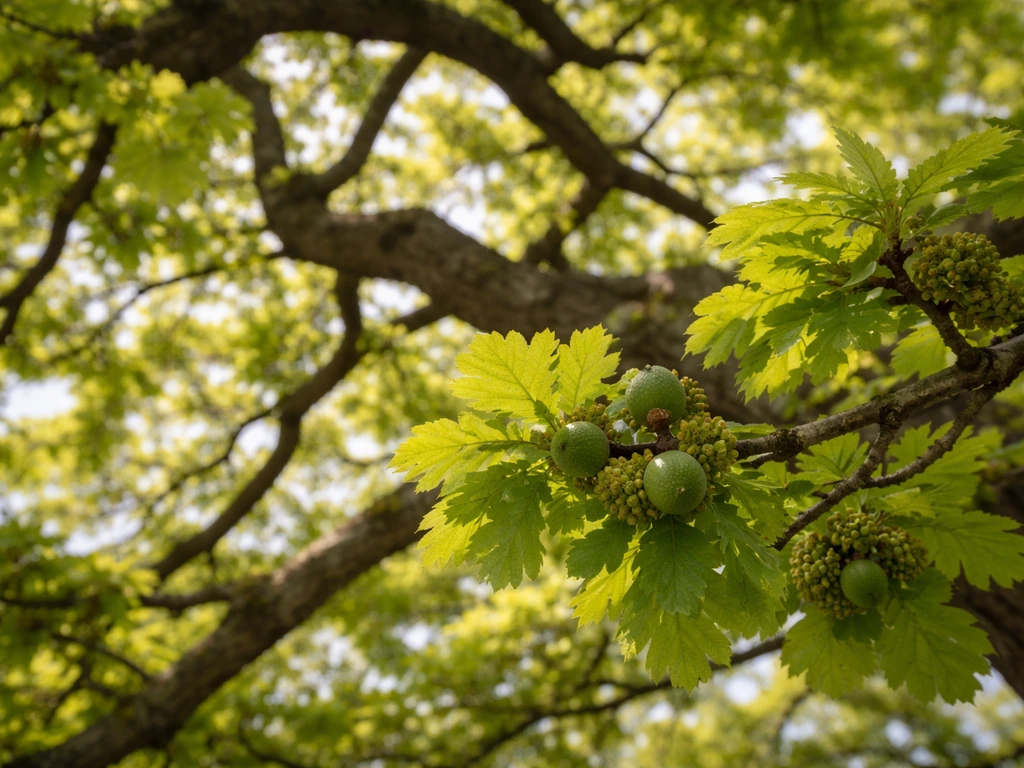
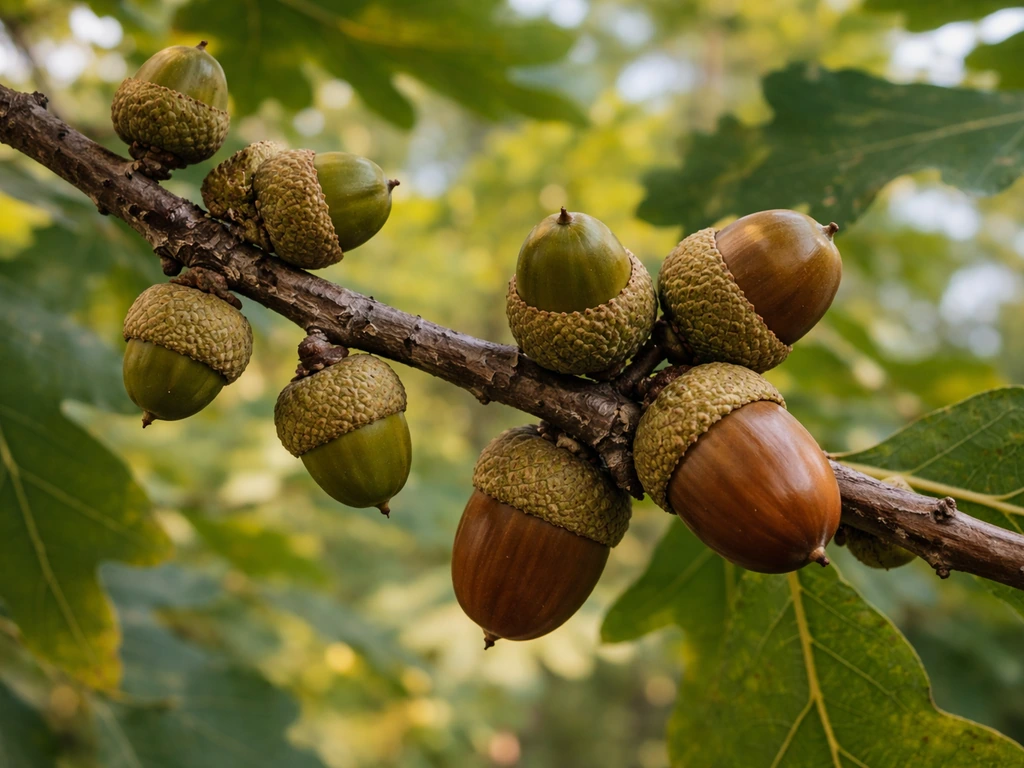
Acorns start forming in spring when oak trees flower, but they don't become visible or mature until late summer through fall, typically August to November depending on the species and your region. Not every acorn that falls from an oak will turn into a mature tree, because germination and survival depend on conditions like moisture, soil, and predation oak trees flower. If you want the quickest answer to when oak trees grow acorns, it usually starts in spring and you can expect maturity from late summer into fall when do oak trees grow acorns. Acorns typically start forming in spring, so if you're wondering when do acorns grow, watch for oak flowering first and then look for visible nubs in early summer Acorns start forming in spring. White oak group trees ripen their acorns in a single season, so you'll see mature acorns by September or October of the same year the tree flowered. Red oak group trees take two full years from pollination to mature acorn, meaning the acorns you see dropping this fall were actually set in motion by flowers from last spring.
When Do Acorns Grow on Trees and How Often
From flowers to falling acorns: how the timeline actually works
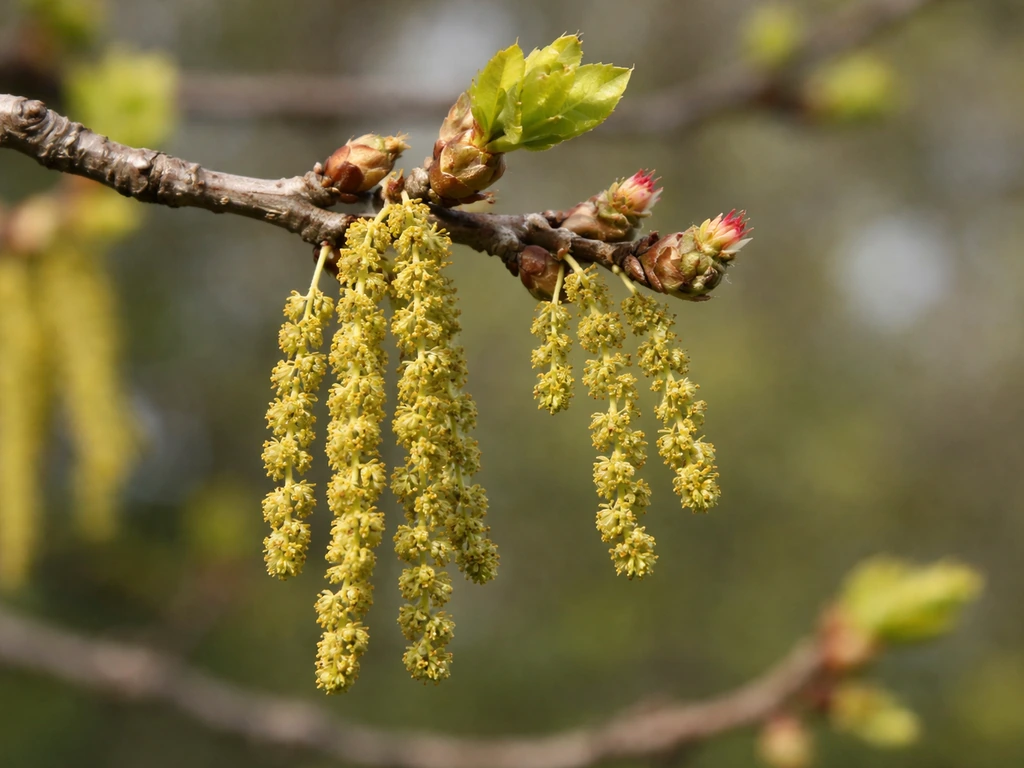
The whole process starts in spring, usually March through May, when oak trees push out their catkins (the dangling male flower clusters) alongside the tiny, easy-to-miss female flowers. Pollination is entirely wind-driven, so there are no bees involved. For species like chestnut oak (Quercus prinus), pollen dispersal typically happens 10 to 20 days after the catkins emerge, and the exact timing shifts with weather conditions. Research from the USDA Forest Service found that above-normal temperatures in late April followed by a cool spell of 13 to 20 days in early May actually improve pollination success in chestnut oak by delaying pollen release until the female flowers are fully receptive. That's a counterintuitive but important detail: a brief cold snap in early spring can actually help, not hurt, your acorn crop.
After successful pollination, you start to see tiny acorn nubs by late spring or early summer. If you want to turn those acorns into seedlings, follow a step-by-step process for growing oak trees from acorns in your area how to grow oak trees from acorns. At this point they look like small green bumps sitting in their cups. Through summer they slowly swell, and by late August or September the acorns of white oak group species are approaching full size and beginning to turn from green to brown or tan. Red oak group species follow a different clock entirely: those tiny acorns spend the rest of their first year barely developing, overwinter on the tree, and then put on most of their growth in their second summer before maturing in fall of year two.
| Oak Group | Common Examples | Time from Pollination to Mature Acorn | Typical Maturity Window |
|---|---|---|---|
| White Oak group | White oak, chestnut oak, bur oak | 1 year | August to October, same year as flowering |
| Red Oak group | Red oak, black oak, pin oak, water oak | 2 years | September to November, second year after flowering |
Water oak (Quercus nigra), a red oak group member, is a good example of that two-year pattern: its acorns mature around September of the second year. So if you're watching a water oak right now and wondering why the acorns look small, it's likely because they're first-year acorns that won't finish maturing until next fall.
How often oaks actually produce acorns
Most healthy, mature oaks produce some acorns every year, but the crop size swings dramatically from year to year. Every few years, oaks synchronize a massive overproduction event called a mast year, where acorn output can be ten to twenty times higher than a typical season. These mast years aren't random. They appear to be triggered by specific climate cues, often a cool spring following a warmer previous summer, which aligns with what we know about how temperature patterns affect flower timing and pollination success. Between mast years, you'll commonly see one or two years of sparse or near-zero production.
This boom-and-bust cycle is actually a survival strategy. By flooding the environment with acorns every few years, oaks overwhelm predators like squirrels, deer, and jays, ensuring that at least some acorns escape predation and have a shot at germinating. In lean years, those same animals don't get enough food to maintain large populations, which sets up the next mast year to be even more effective. It's worth knowing this cycle exists before you conclude something is wrong with your tree after a quiet year.
Why your region and climate zone change the timing

Where you live has a big effect on when acorns appear and how reliably they form. In warmer USDA zones (7 through 9, covering much of the U.S. South and West Coast), oak flowering can start as early as late February or March, and white oak group acorns may be mature by August. In cooler northern zones (4 through 6), flowering doesn't happen until April or May, and maturity often pushes into October or even early November. If you're in Australia or the Southern Hemisphere, the whole calendar flips: spring flowering happens in September through October, and acorn maturity falls around March through May.
Rainfall and drought are major wild cards. A dry spring or summer stresses the tree, which often responds by aborting developing acorns to conserve resources. Late frosts after flowering are another common timing disruption: if a hard frost hits after catkins have emerged but before pollination completes, you can lose the entire year's crop in white oak group trees (or set back year-one development in red oak group trees). Warmer-than-average springs that push flowering earlier also increase frost risk in many zones.
Tree-level factors that determine whether you get acorns at all
Age matters more than most people realize
Oaks generally don't start producing acorns until they're at least 20 years old, and meaningful, reliable crops often don't begin until the tree is 50 years or older. Young oaks in the 10- to 15-year range might produce a handful of acorns in a good year, but don't count on regular production from a young tree. If you planted an oak sapling in the last decade and you're not seeing acorns, age is almost certainly the reason.
Pollination requires more than one tree nearby
Wind pollination sounds reliable, but it has a real limitation: you need compatible oak pollen nearby. A lone oak in an open yard can self-pollinate to a limited degree, but cross-pollination from another oak of the same group improves acorn set significantly. If your tree is flowering but producing almost no acorns, check whether there are other oaks within a few hundred feet. Urban and suburban settings sometimes have isolated oaks that consistently underperform because pollen sources are too far away.
Stress shuts down reproduction
Oak trees under prolonged stress, from drought, compacted soil, root damage, disease, or heavy pest pressure, redirect energy away from reproduction. A stressed tree may skip acorn production entirely for one or more seasons. If your oak looks otherwise healthy (full canopy, good leaf color, no obvious disease signs) but still isn't producing, stress is less likely the culprit. But if the canopy is sparse or the tree has had significant disturbance in recent years, that's worth investigating before blaming climate or timing.
How to tell what stage your oak is in right now
You don't need specialized equipment to figure out where your tree is in the acorn development cycle. Here's what to look for at different times of year:
- Early spring (March to May): Look for dangling catkins (male flowers) and, on closer inspection, tiny reddish or greenish female flowers at the base of new leaves. If you see catkins, pollination is either underway or imminent.
- Late spring to early summer (May to July): Look for tiny acorn nubs, usually 2 to 5 mm across, sitting in their caps at the base of leaves. These are easy to miss. Presence of nubs means pollination succeeded and the current year's crop is in progress.
- Midsummer (July to August): Acorns should be growing visibly. White oak group acorns will be approaching full size. Red oak group acorns will still look small and green if they're first-year; second-year acorns on red oak group trees will be swelling noticeably.
- Late summer to fall (August to November): Mature acorns turn from green to tan, brown, or nearly black depending on species, and begin dropping. If you're in the white oak group, you should see ripe acorns by September. Red oak group acorns won't drop until their second fall.
- Winter and dormancy: No acorns visible except for any that cling on the tree (some red oak group acorns persist into winter). This is the right time to check for signs of pest or disease damage that might affect next year's flowering.
Not seeing acorns? Here's how to troubleshoot
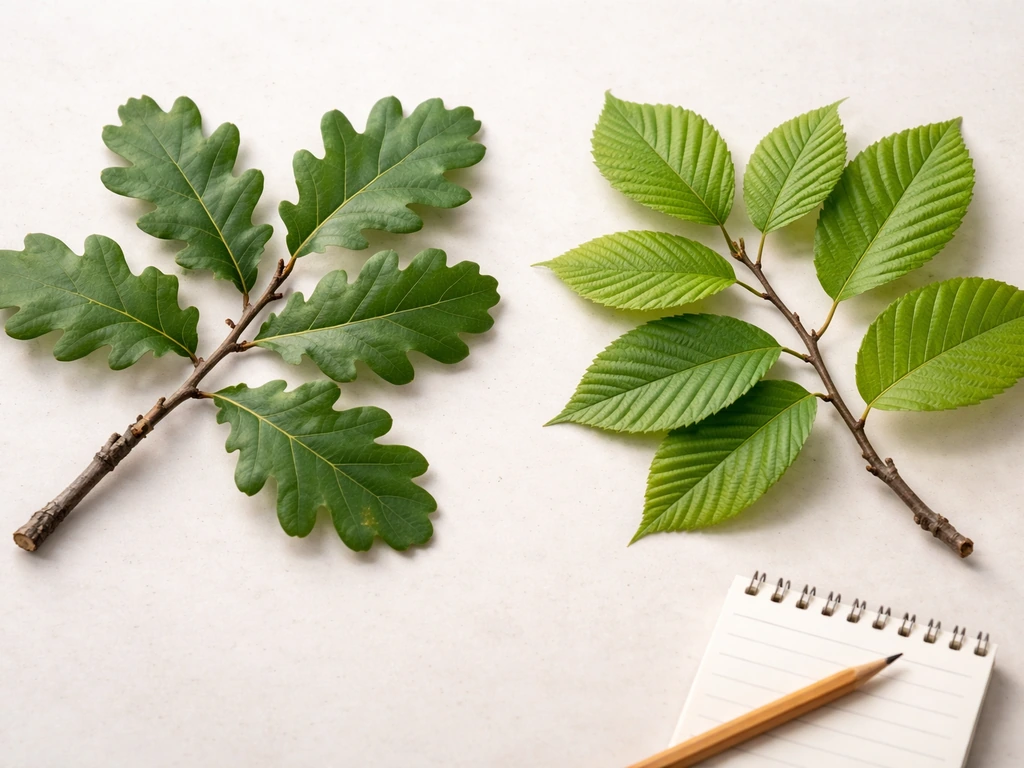
Start by confirming you actually have an oak. It sounds obvious, but several trees are commonly mistaken for oaks, including hornbeams and certain beeches. Check the leaves against a field guide or identification app: true oaks produce acorns and only acorns, not winged seeds or spiky husks. To narrow it down, focus on what trees grow acorns and use identification features beyond just bark or leaf shape.
If you're confident it's an oak, run through this checklist:
- Tree age: Is the tree at least 20 years old? If not, wait. There's nothing wrong with a young oak that isn't fruiting yet.
- Oak group: Is it a white oak group or red oak group species? Red oak group trees won't drop mature acorns until their second fall. If you're looking for acorns in year one, you won't find fully developed ones.
- Late frost damage: Did you have a hard frost after the catkins emerged this spring? If so, that year's crop may have been lost entirely.
- Drought stress: Has the tree experienced dry conditions during the summer growing season? Drought commonly triggers early acorn drop before maturity.
- Pollen availability: Are there other oaks of the same group within a few hundred feet? Low pollen availability reduces acorn set.
- Mast year cycle: Was last year a mast year in your region? A bumper crop is often followed by one or two quiet years.
- Tree health: Look at the canopy. Thin foliage, premature leaf drop, or visible disease can all suppress acorn production.
If everything checks out but your tree still isn't producing, give it more time and document what you see each spring during the flowering window. Catching the catkin stage tells you the tree is at least attempting reproduction, and that's useful diagnostic information for the following year. Understanding the full biology of how acorns grow from flower to mature nut helps enormously here, and the same applies when you're trying to understand which oak species are even suited to your climate or region before expecting reliable production.
FAQ
If I see catkins and flowering, why don’t I see acorns that same year?
Catkins confirm the tree is starting male flower development, but acorn visibility depends on successful pollination, then the tree keeping developing nuts. Problems like a late frost after catkins emerge, drought stress, or lack of nearby compatible oak pollen can lead to acorn abortion even when flowering happens. Also, red oak group trees often will not produce mature acorns until the second fall.
What’s the difference between white oak group and red oak group timing for acorn growth?
White oak group acorns usually mature in the same year flowering occurs, so you can see full-size nuts from late summer into September or October. Red oak group acorns typically mature in the second year, meaning first-year acorns look small and slow during the first summer, then enlarge and ripen the following fall.
How can I tell whether my “acorns” are from a white oak or a red oak group?
A practical clue is the calendar and how long they stay small. If the nuts are visible but remain undersized through summer and only reach maturity in the next fall, you likely have a red oak group species. If the nuts swell and turn tan in the same year as flowering, it aligns more with the white oak group.
Do all falling acorns eventually become seedlings?
No. Many acorns are infertile, damaged, or eaten after they fall. Even viable ones may fail if the ground is too dry, too waterlogged, or heavily disturbed, and if predators cache and consume them. A quick next step is to check acorn viability by looking for an intact, sound nut and avoiding ones with obvious holes or mold.
Can I expect a good acorn crop every year from my oak?
Typically no. Oaks often have irregular swings, including years with very little production. Mast years can create huge bumper crops, sometimes 10 to 20 times normal output, while nearby years may be sparse. If your tree is healthy but quiet, that may be normal variability rather than a problem.
Why do my oak acorns seem delayed compared to what I see in other areas?
Local temperature patterns drive timing. Warmer springs can start flowering earlier but can also raise frost risk, while cooler or changeable weather can shift pollination and slow development. In higher or colder regions, maturity commonly extends into October or November, even if another region’s acorns are already dropping.
My oak is mature, but acorn production is still low. What nearby factors matter most?
Two of the biggest are stress and pollen availability. Severe drought, root problems, soil compaction, and disease can reduce or eliminate reproduction for a season or more. In addition, wind pollination still needs compatible pollen nearby, so an isolated oak with limited nearby oak pollen often underperforms, especially in suburban or urban settings.
How old does an oak need to be before it produces meaningful acorns?
Oaks often start producing at younger ages, but reliable, consistent crops usually show up later. Many oaks do not produce a worthwhile amount until around 50 years old, while trees in the 10 to 15 year range may only produce a small handful in unusually favorable years.
What weather events can wipe out an acorn crop even if flowering looks normal?
Late frosts after catkins emerge are a common culprit, especially for white oak group trees if the frost hits before pollination completes. Prolonged drought during spring or summer can also cause the tree to abort developing acorns to conserve water and energy.
If my acorns are tiny in early fall, will they mature later or is that a sign of failure?
It depends on the oak group. Tiny early-fall acorns on a red oak group tree often indicate first-year development that won’t mature until the second fall. If it is a white oak group and nuts never swell into a normal-sized, ripening pattern, it may reflect pollination failure, stress, or aborted development.
When is the best time to check my oak to figure out what stage the acorns are in?
Track the window from spring flowering through late summer. Early on, look for swelling acorn nubs in late spring to early summer, then watch for rapid size increase and color change toward late summer into fall. If you confirm catkins and then see no development later, it helps you narrow the cause to pollination or stress rather than “timing only.”