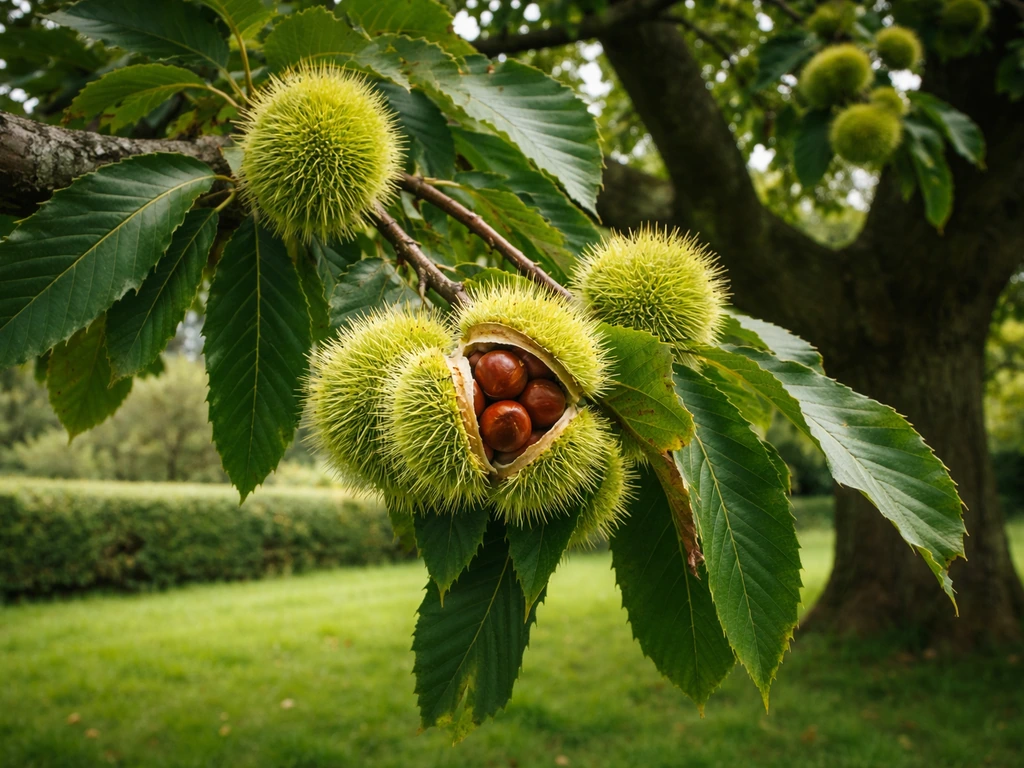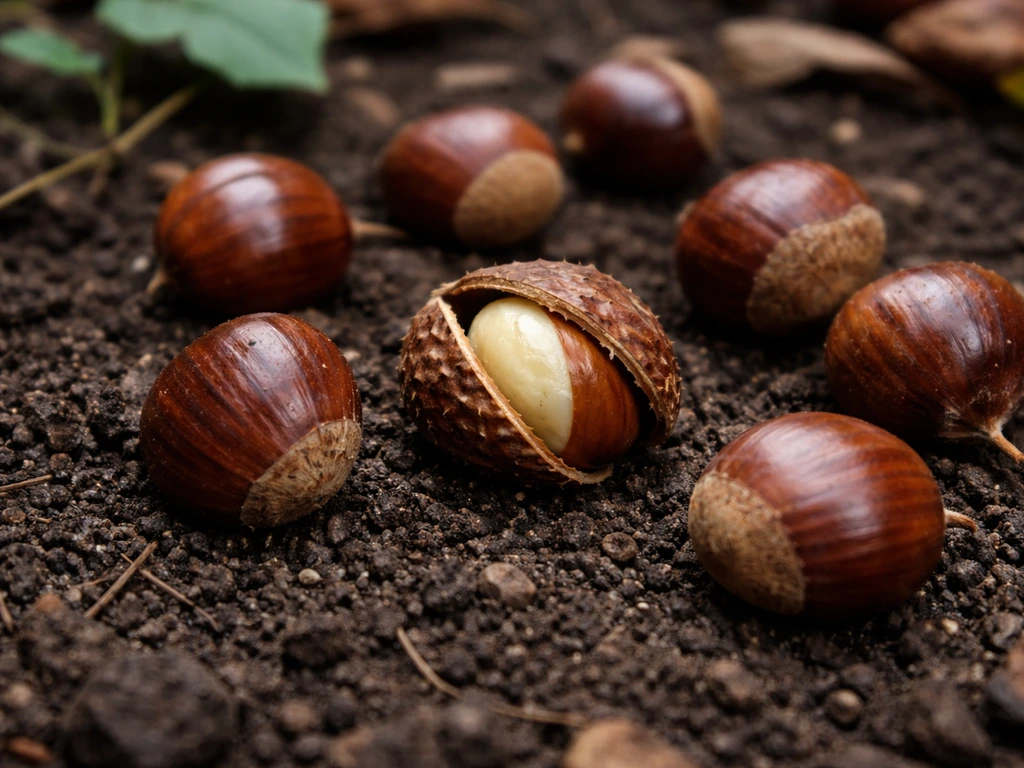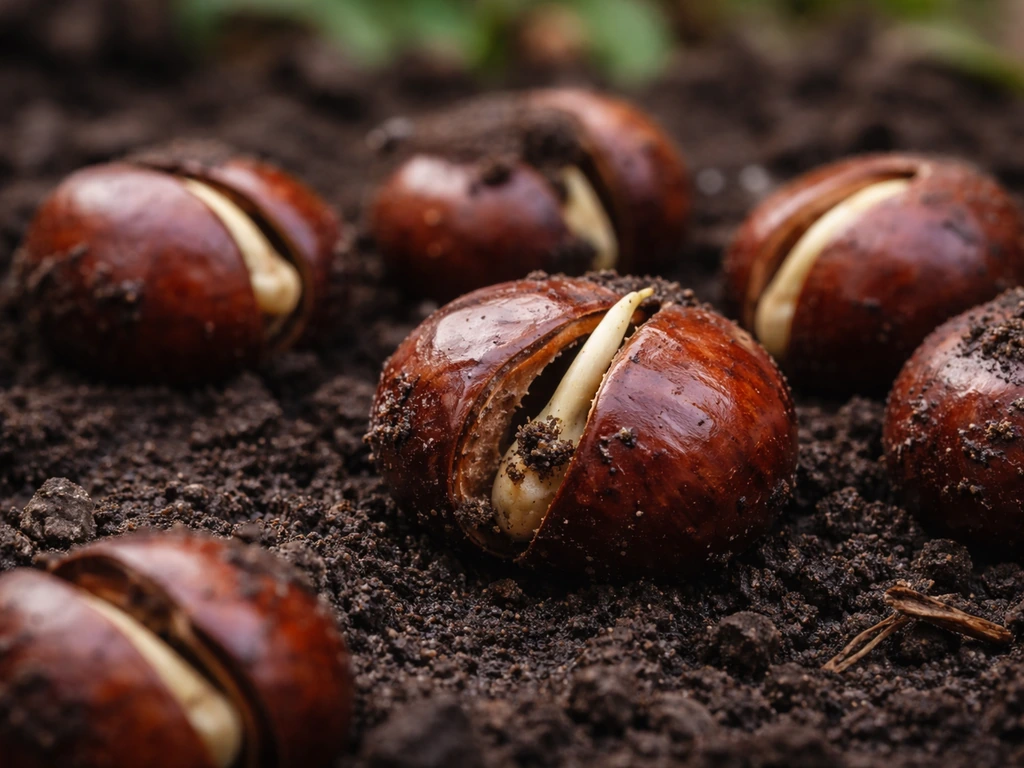
Yes, you can grow chestnuts in Canada, and in the right location you can get a reliable nut crop. The realistic window is roughly Zone 4 through Zone 6, which covers southern Ontario, parts of Quebec, and much of British Columbia's milder interior and coast. The key is choosing the right species or hybrid for your specific zone, planting on a well-drained site with full sun, and accepting that this is a multi-year project before you see meaningful harvests. If you’re wondering how do chestnuts grow, it starts with matching the right species to your zone and then setting up the tree for reliable flowering, nut set, and winter survival. It's not the easiest nut tree you'll ever grow, but it's absolutely doable with the right setup. Chestnuts can also grow in the UK in suitable mild, well-drained areas, but you still need the right species and protection from cold and wet conditions.
Can You Grow Chestnuts in Canada? Species, Site, Care, Harvest
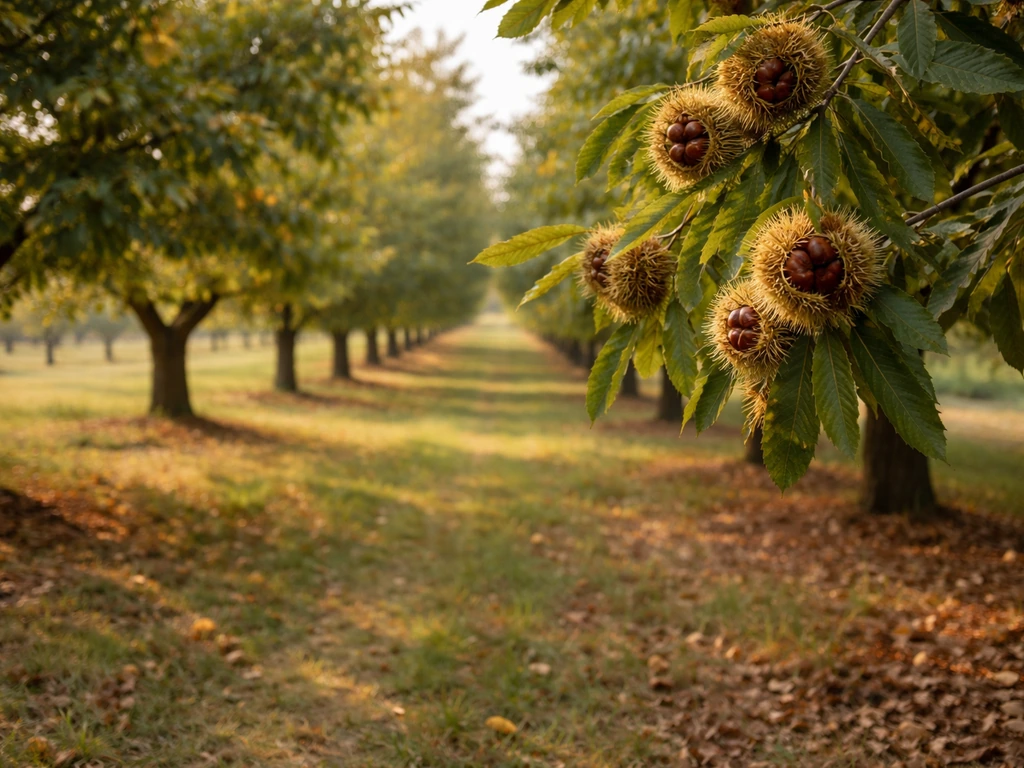
Climate and hardiness: where in Canada chestnuts can actually grow
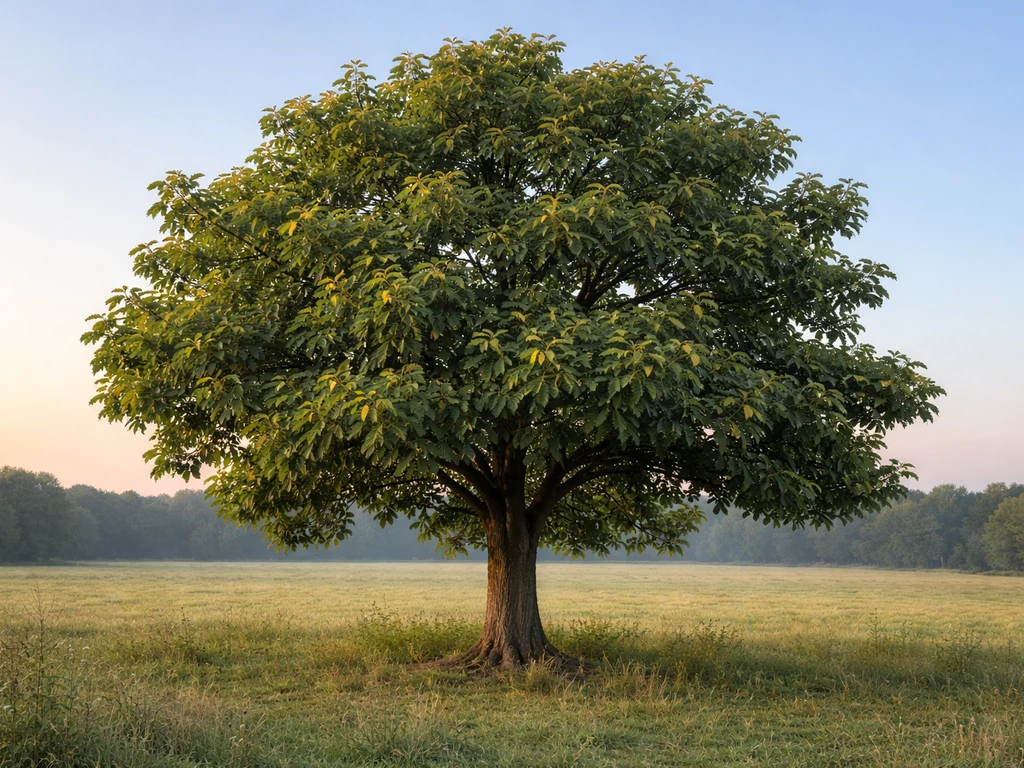
Chestnuts need a growing season long enough to mature their nuts and cold-hardy enough wood to survive your winters. Chinese chestnut (Castanea mollissima) is the benchmark species for cold tolerance, rated reliably to USDA Zone 4, which translates roughly to minimum winter temperatures around -34°C. That covers a good chunk of southern Canada. American chestnut (Castanea dentata) has similar cold tolerance in terms of rootstock survival, but blight wipes out the above-ground portion before it ever fruits in most Canadian settings. European chestnut (Castanea sativa) is the weak link for cold, struggling once you push into Zone 5 and colder winters.
The most promising Canadian growing regions are southern Ontario (particularly the Niagara Peninsula, Essex County, and areas around Lake Erie), the lower Fraser Valley and Vancouver Island in BC, and parts of southwestern Quebec. Ontario is only now starting to plant test orchards at any scale, and commercial chestnut production in Canada is essentially zero. That's not a discouragement, it's an opportunity. Growers who do the homework now are genuinely ahead of the curve. One Canadian nursery has reported nut production from chestnut crosses even after -35°C winters, which suggests that with the right genetics and site, the cold ceiling is higher than most people assume.
The limiting factor in colder zones isn't always winter kill. It's the combination of a shortened growing season and the risk of early fall frosts catching nuts before they mature. Zone 4 is the edge, not the sweet spot. If you're in Zone 5 or 6, you have far more flexibility in species choice and can expect more consistent nut set.
Which chestnut species actually works in Canada
This is where most Canadian growers need to be honest with themselves. There are four species in the mix, and they are not equally suitable. Here's how they stack up.
| Species | Cold Hardiness | Blight Resistance | Canada Suitability |
|---|---|---|---|
| Chinese chestnut (C. mollissima) | Zone 4 (-34°C) | High (naturally resistant) | Best standalone choice for Zone 4–6 |
| American chestnut (C. dentata) | Zone 4–5 | Very low (blight-susceptible) | Only viable in blight-resistant hybrid form |
| European chestnut (C. sativa) | Zone 5–6 | Low | Marginal; only southern BC and Niagara |
| Japanese chestnut (C. crenata) | Zone 4–5 | Moderate | Mostly used in hybrid breeding, not standalone |
| Chinese x American / other hybrids | Zone 4–5 depending on cross | Moderate to high | Strong choice; key is cultivar selection |
For most Canadian growers, the practical choice comes down to Chinese chestnut or a cold-hardy hybrid. Pure Chinese chestnut trees produce well, have natural blight resistance, and will survive Zone 4 winters without drama. The nuts are slightly smaller than American chestnut and have a flavor some describe as a bit sweeter, but they're genuinely good eating. Hybrids involving Chinese and American parentage have been the focus of long-term trials in temperate North America. After 20 years of evaluation, these crosses have shown solid survival, acceptable growth rates, and meaningful blight resistance, making them the choice for growers who want to push the envelope toward American chestnut flavor profiles while keeping blight resistance.
The 'Colossal' cultivar, a hybrid between European and Japanese chestnut, performs well in Michigan-style climates that mirror Ontario Zone 5 and 6 conditions. It produces large nuts and has adapted reasonably well to the Great Lakes climate zone. However, it is not a cold-hardy workhorse for Zone 4 sites. When selecting cultivars, look for selections with documented performance records in Zone 4–5 trial conditions rather than names familiar from warmer US markets.
Site selection and soil: getting this right saves years of frustration
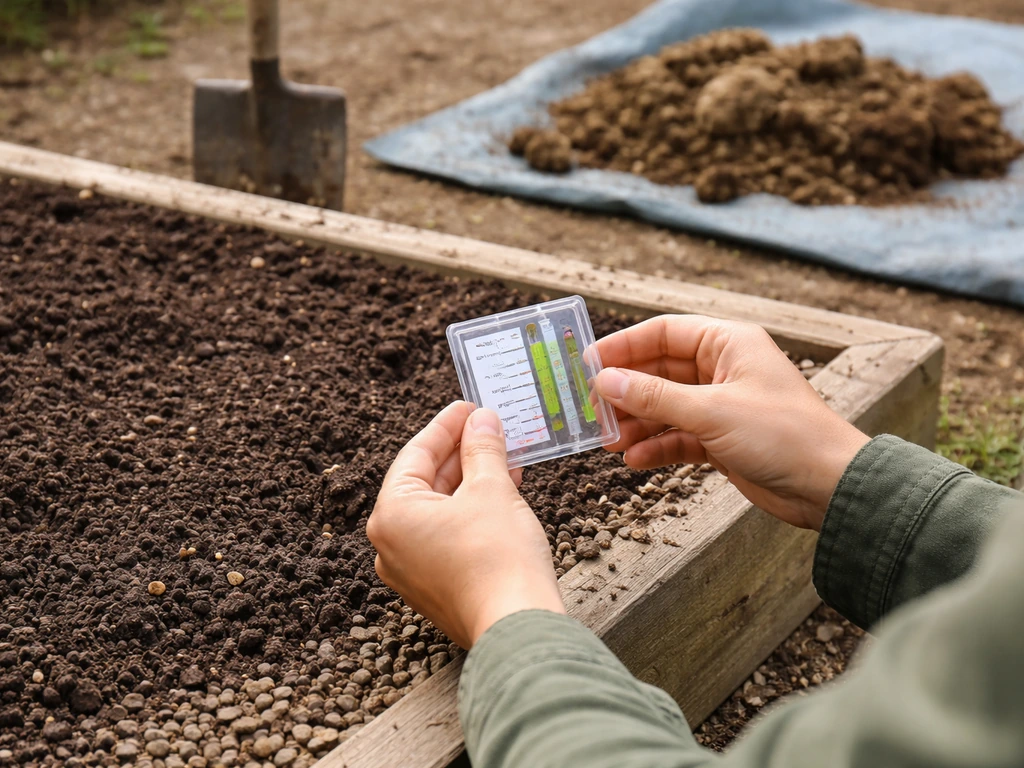
Chestnuts are unforgiving about drainage and soil chemistry. If you plant on a low-lying site with compacted subsoil that holds water, you will lose trees to Phytophthora root rot before blight even gets a chance. The single best thing you can do before ordering trees is pick a site on sloping ground, ideally near the upper portion of a slope. This does two things: it ensures natural drainage away from the root zone, and it helps cold air drain downhill away from your trees during frost events, protecting early spring growth and late-season nut fill.
Soil pH is non-negotiable. Chestnuts want a pH between 5.5 and 6.5, and they perform best near the middle of that range. Outside those bounds, nutrient uptake breaks down even if the soil is otherwise excellent. Get a soil test before you plant, every time, without exception. If your pH is too high, you'll work against the tree from day one. Avoid any site with a history of standing water, and if your subsoil is heavily compacted, subsoil ripping before planting is worth the effort.
- Full sun, minimum 6–8 hours of direct sun daily. Chestnuts grown in shade produce poorly.
- Well-drained soil with no history of waterlogging. Raised or sloped sites are strongly preferred.
- Soil pH 5.5–6.5. Test before planting and amend accordingly.
- Upper slope position to avoid frost pockets and improve cold air drainage.
- Protection from prevailing winter winds, especially in Zone 4 sites. A windbreak on the north or northwest side reduces desiccation and cold injury.
Planting approach: seed vs. transplants, timing, and spacing
Seed vs. grafted/improved transplants
Seedling trees are cheap and satisfying to grow, but they are blank" rel="noopener noreferrer">unpredictable in production. Some seedlings perform well; others never produce a useful crop, even after a decade. In a short Canadian growing season, that unpredictability is amplified. If your goal is a reliable nut crop, grafted or clonally propagated cultivars from improved selections are the better investment. Economic analyses show growers using superior cultivars can recover establishment costs in as little as six years. Seedling trees can't make that promise. If you're a hobbyist who wants the experience of growing from a nut and isn't fixated on harvest volume, seeds are fine. If you want to try growing horse chestnut trees from conkers, use fresh nuts and give them the right cold treatment before germination grow horse chestnut trees from conkers. If you’re trying to start specifically from seed, expect a lot more variability in nut production compared with planting grafted or clonally propagated cultivars can you grow a chestnut tree from a nut. If you want production, buy known cultivars.
Timing and spacing
Spring planting is generally safer in Canada than fall planting. Potted trees planted in fall need to establish roots quickly before the ground freezes, which is a real gamble in Zone 4 and 5. If you do plant in fall, mid-September to mid-October is the window, and you need to water well and mulch heavily to extend the root-establishment period. Spring planting after the last frost, once soil temperatures have risen, gives roots a full season to settle in before facing winter.
Dig planting holes two to three times wider than the root ball and the same depth. Do not plant deeper than the tree was growing in its container. Chestnuts do not benefit from being set deep. Spacing depends on your system: standard orchard spacing is typically 9–12 metres (30–40 feet) between trees for full-grown Chinese chestnuts. Tighter spacing of 5–6 metres works for the first decade in a thinning-based system where you remove every other tree as the canopy fills. For a home grower planting two to four trees for pollination and personal harvest, 9 metres between trees is a practical starting point.
Pollination, flowering, and getting nuts to set
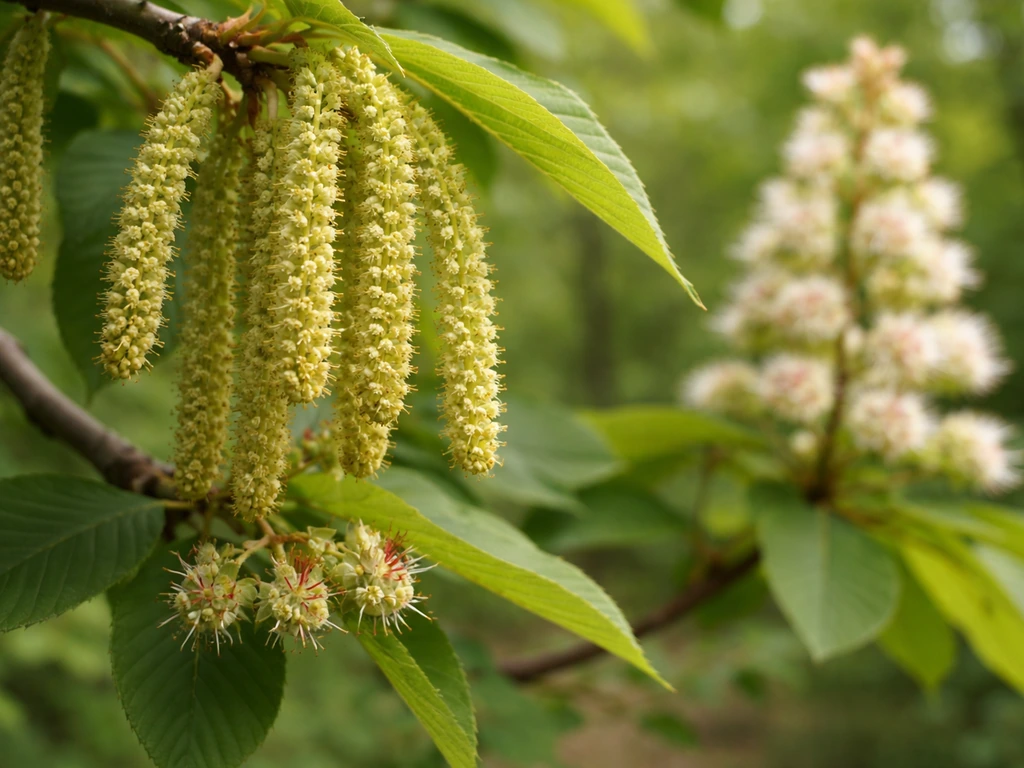
This is the section most new chestnut growers skip, and it's why they end up with a gorgeous tree that never produces nuts. Chestnuts are monoecious (male and female flowers are on the same tree), but they are self-incompatible. That means a single tree almost never produces nuts on its own. You need at least two genetically distinct trees, and ideally three or more, for reliable cross-pollination and good nut set. In Canada, American chestnut flowering typically runs from mid-June to early July depending on latitude and elevation. Chinese chestnut flowering is in the same general window.
The practical implication: always plant a minimum of two different cultivars or two unrelated seedlings close enough for pollen exchange. Bees and other insects handle pollination, so they need to be within a reasonable foraging range, generally within 60 metres or so. If you're buying named cultivars, check the nursery's pollinizer compatibility notes. Not all cultivars are equally compatible as pollinators, and MSU's cultivar guidance specifically flags pollinizer warnings for certain selections. Don't assume two Chinese chestnuts of the same cultivar will pollinate each other well. Different cultivars are safer.
In Canada's shorter season, flowering timing is compressed, which is mostly helpful since it reduces the window where frost can damage catkins. But late spring frosts after flowering begins can still damage flower clusters and reduce nut set in a given year. Site selection on a frost-safe slope, as discussed above, directly protects your pollination window.
Seasonal care: what the tree needs from you year to year
Watering
Newly planted trees need consistent moisture through their first two growing seasons. Deep watering that reaches 12–18 inches below the soil surface encourages deep rooting, which matters enormously for winter hardiness and drought tolerance in subsequent years. Water less frequently but more deeply rather than shallow and often. Once established (typically after year three), mature chestnut trees are reasonably drought tolerant, but they will drop more nuts prematurely under significant late-summer moisture stress.
Fertilizing
Nitrogen management in Canada requires extra attention because of the cold. Excessive nitrogen pushes vigorous vegetative growth late in the season, delaying the lignification of new wood and increasing susceptibility to cold injury when temperatures drop in October and November. Nitrogen status of flower buds also directly affects fruit set and nut quality, so the goal is balanced nutrition, not maximum growth. Use soil and tissue testing to guide applications. Avoid heavy nitrogen fertilizing after mid-summer in Zone 4–5 sites.
Pruning
Young chestnut trees benefit from formative pruning to establish a central leader or modified central leader structure in years one through four. After that, the focus shifts to maintaining canopy light penetration and removing dead, crossing, or damaged wood. Heavy pruning in early spring before bud break is the safest timing in cold climates because it avoids exposing fresh wounds to late winter cold stress. Keep pruning cuts clean and sized appropriately. Chestnuts don't handle neglect-and-then-heavy-correction well; annual light maintenance beats occasional drastic cutting.
Pests, diseases, and the real survival challenges in Canada
Chestnut blight (Cryphonectria parasitica) is the reason you can't just plant an American chestnut and walk away. Blight arrived in North America in the early 1900s and eliminated billions of American chestnut trees. In Canada, the fungus is present in southern Ontario. This is why the choice of species and cultivar matters so much. Chinese chestnut has natural resistance and generally survives blight infection with cankers that don't girdle and kill the tree. Hybrids with strong Chinese parentage have moderate to good resistance depending on the cross. Ontario's American chestnut recovery efforts document surviving root systems that resprout after above-ground blight kill, which tells you something about how persistent the fungus is. For a productive orchard, blight resistance is not optional.
Phytophthora root rot is the other major disease threat. It attacks the root system and lower trunk, and it is triggered by poor drainage and waterlogged soils. Well-drained sites dramatically reduce this risk. Some Phytophthora species that devastate American and European chestnuts in warmer climates are less prevalent in cold northern soils, which is a partial advantage for Canadian growers. But the protection is site-dependent, not species-dependent. Do not plant in wet areas and expect to be fine.
On the pest side, chestnut weevils (Curculio elephas and related species) can infest nuts, laying eggs inside developing burrs. This is manageable at small scale through prompt harvest and cold treatment of nuts after picking. Deer and squirrels are consistent problems everywhere in Canada and will take significant losses if not managed, especially in the first decade before trees are large enough that nut production outpaces wildlife pressure. Tree shelters for transplanted seedlings provide some early protection from browsing.
Harvest, storage, and what to do with the nuts
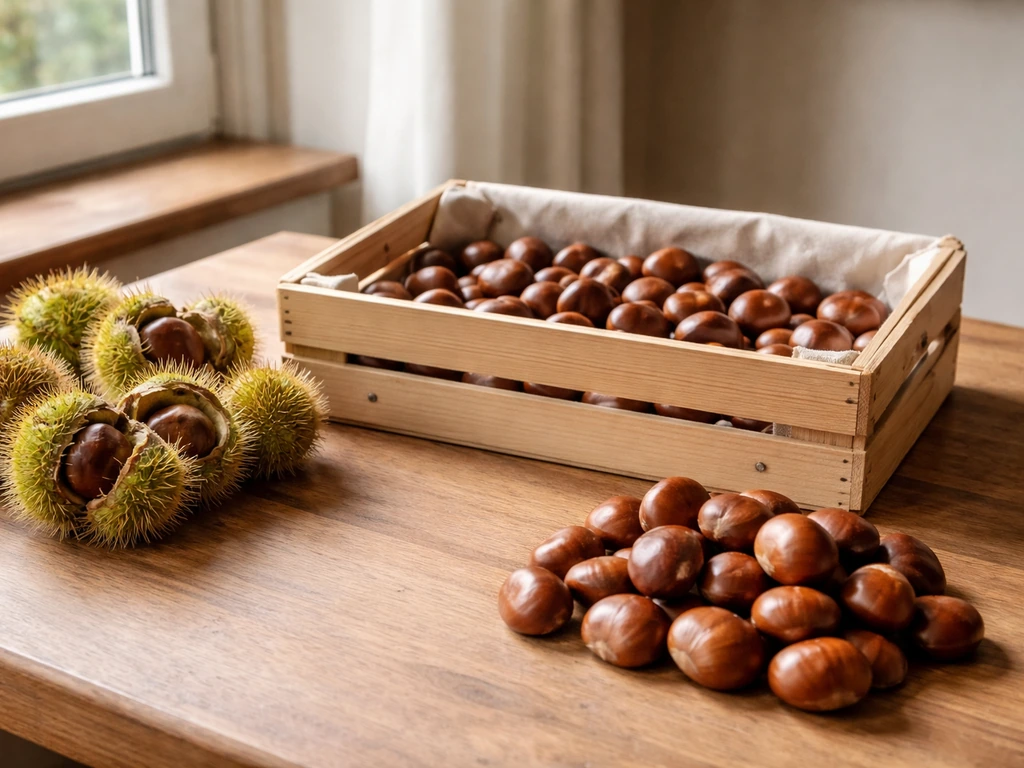
In Canadian climates, expect nut harvest from roughly the last week of September through mid-October, depending on your zone and the specific cultivar. Nuts are ready when the spiny burs begin to split open and nuts start dropping. Don't wait for all nuts to drop naturally; check daily and collect fallen nuts promptly. The quality window is tight. Nuts should be harvested within 48 hours of dropping and moved immediately into cold storage to prevent mold, insect damage, and quality loss.
For storage, chestnuts are unlike most other nuts because of their high moisture and starch content. They don't store well at room temperature and will mold or ferment quickly. The target storage environment is 0–4°C with moderate humidity (around 55–70% relative humidity). A standard refrigerator works well for home quantities. Under these conditions, fresh chestnuts store for several weeks to a couple of months. For longer storage, chestnuts can be peeled, cooked, and frozen.
Freshly harvested chestnuts can be roasted, boiled, pureed into soups, used in stuffings, or ground into gluten-free flour. Unlike most nuts, they are low in fat and high in complex carbohydrates, which makes them behave more like a grain than a traditional nut in cooking. In Europe, chestnut flour has centuries of culinary tradition. In Canada, domestic chestnuts are a genuinely interesting food crop with almost no local competition.
Your next steps based on where you're starting from
If you're a home gardener in Zone 5 or 6 (southern Ontario, lower Fraser Valley, Niagara), you have the most straightforward path. In California, chestnut success depends heavily on matching a suitable cool-season climate and choosing cold-hardy varieties do chestnuts grow in california. If you want to pinpoint where chestnuts grow in the US, focus on USDA Zones 4 through 6 and look for climates with enough chill and a long enough growing season where do chestnuts grow in the us. Yes, chestnuts are tree nuts, and the key is matching the species to your climate so you can actually get nuts from the trees. Get a soil test, choose a frost-safe sloped site with full sun, and order two to three different Chinese chestnut cultivars or cold-hardy hybrids from a reputable Canadian or northern US nursery. Plant in spring after last frost. Expect five to seven years before meaningful production from grafted trees, longer from seedlings.
If you're in Zone 4 (much of Ontario outside the Great Lakes influence, parts of Quebec and BC interior), you need to be more selective. Stick to Chinese chestnut or the most cold-proven hybrids. Site protection from winter winds matters more at this latitude. Wind protection on the north and northwest sides of the planting, combined with a slope position that drains cold air, can meaningfully shift your effective microclimate. Consider starting with a small test planting of two to three trees before committing to a larger orchard.
If you're a more serious grower thinking about a small commercial planting, the picture is genuinely interesting. Ontario is essentially starting from zero commercial chestnut production, which means early movers will face little local market competition for a high-value specialty crop. The economics favor grafted named cultivars over seedlings, proper site preparation including drainage work and soil amendment, and a realistic eight to ten year mindset before volume production. That's not unusual for any tree fruit crop, and chestnut is one of the easier tree crops to manage once established.
FAQ
If I plant just one chestnut tree, will it still produce nuts in Canada?
Most single trees will look healthy but produce few or no nuts because chestnuts are self-incompatible. For a reliable crop in Canada, plant at least two genetically different cultivars (or two unrelated seedlings) and keep them within about 60 m so pollen can be carried. If you can only fit one tree, plan on either adding a second cultivar or choosing a grafted tree that comes with a known compatible pollinizer plan from the nursery.
Why do my chestnut trees flower but not produce nuts?
Yes, chestnuts can leaf out and flower but still fail to set nuts due to timing, frost, or stress. The most common causes in Canadian sites are late spring frosts hitting catkins after they start developing, and early fall frosts that stop nuts from reaching full maturity. Choosing a frost-safe slope and checking cultivar trial performance for your zone helps reduce these failures, but you should still expect some “no-crop” years.
How do I know when to harvest chestnuts in Canada, and how quickly should I pick them?
The “right” harvest timing is closer to frequent checks than waiting for all burs to open. For best quality, start monitoring when burs begin to split, then pick up dropped nuts daily, harvest within about 48 hours of dropping, and move them quickly into cold storage. If you leave nuts on the ground longer, mold and weevil damage ramp up fast even when the tree looks healthy.
What’s the best way to store chestnuts after harvesting in Canada?
Chestnuts store poorly at typical room temperature because their moisture and starch content make them prone to mold and fermentation. For home storage, aim for 0–4°C with moderate humidity (roughly 55–70% relative humidity). A refrigerator works for short-term storage, but for longer storage you usually need to peel, cook, and freeze.
How can I protect chestnuts from deer and squirrels in the first few years?
Deer, squirrels, and other wildlife pressure is often highest in the first decade, before trees produce enough volume to “dilute” losses. Practical mitigation includes tree shelters for young transplants, physical netting or cages for nut-bearing trees during the harvest window, and consistent monitoring. Waiting until after the first nut drop to react usually costs you the crop.
Are horse chestnuts the same thing as the chestnuts I can eat or sell?
It depends on what you mean by “chestnut.” In most Canadian planting discussions, growers mean true chestnuts (Castanea species). Horse chestnut (Aesculus) is a different tree, and conkers from it will not reliably produce edible chestnuts. If your goal is edible nuts, make sure you are buying true chestnut cultivars and not Aesculus.
How important is soil pH and drainage when growing chestnuts in Canada?
A soil test is not just a recommendation, it directly affects nutrient uptake and tree performance. Chestnuts generally do best around pH 5.5 to 6.5, and if pH is too high you can see poor growth and weak nut development even with fertilizer. If your subsoil holds water or is compacted, improve drainage or consider site changes before planting, since root rot risk rises sharply.
Should I plant chestnuts in spring or fall in Canada, and what’s the risk with fall planting?
If you do fall planting, the biggest risk is insufficient root establishment before freeze-up, especially in colder areas. If you plant in fall at all, the window is typically mid-September to mid-October, then you must water well and mulch heavily to extend root establishment time. For most Canadian locations, spring planting after last frost gives roots the longest runway.
What’s the best approach to fertilizing chestnuts in Canadian winters?
Nitrogen timing matters because too much, too late pushes soft growth that struggles to lignify before cold weather. That can reduce winter survival and also affect flower bud quality, which can lower nut set. The practical approach is to avoid heavy nitrogen after mid-summer in colder zones, and base any feeding on soil and tissue results rather than guesswork.
Can I grow American chestnuts in Canada if I’m willing to manage disease?
With blight present in parts of southern Ontario, you should not assume American chestnut will “eventually” work. True edible-chestnut growers in Canada typically plan around Chinese chestnut or hybrids with Chinese parentage to get survivable trees and workable blight resistance. Treat blight resistance as a required trait, not an optional bonus, if you want nuts rather than just a decorative tree.