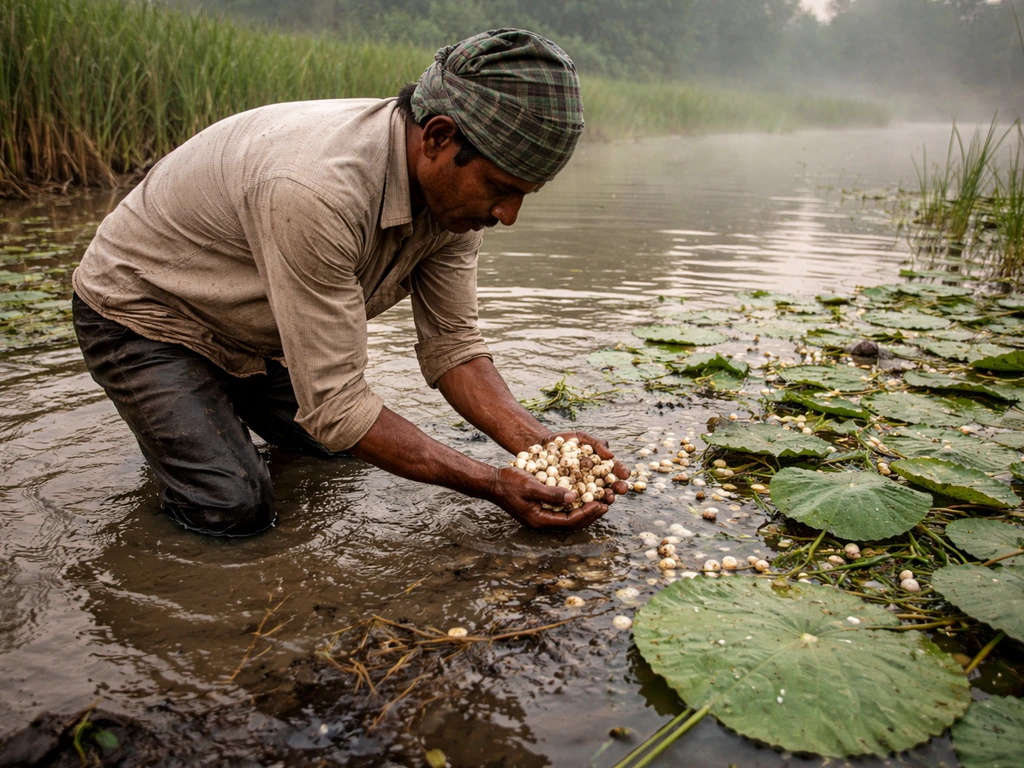
Connecticut gardeners can realistically grow and harvest nuts from chestnuts, hazelnuts, black walnuts, hickories, and butternuts, with Chinese chestnut and hybrid hazelnuts being the most productive and beginner-friendly options. Fox nuts are tropical, so where they grow naturally will be warm and frost-free, not like Connecticut. A handful of other species can survive in CT but rarely produce reliably without the right variety selection, site setup, and pollination partners. Here's what actually works, what struggles, and how to set yourself up for a real harvest. You may be wondering, does nutmeg grow in Connecticut, and the short answer is that it generally is not suited to the state's outdoor growing conditions.
What Nuts Grow in CT: Best Trees, Varieties, and Tips
Marcus Hendricks
5 May 2026
Best nut trees for Connecticut's climate
Connecticut sits in USDA hardiness zones 5b through 7a, depending on your exact location. That range is cold enough to rule out pecans and macadamias, but warm enough to support a surprisingly solid list of native and cultivated nut trees. The species below are the ones with the strongest track records in the state.
| Species | Type | Time to First Nuts | Difficulty | Native to CT? |
|---|---|---|---|---|
| Chinese chestnut | Tree | ~5 years | Moderate | No |
| Hazelnut (hybrid) | Large shrub/small tree | 3–5 years | Low–Moderate | Partial (native species yes) |
| Black walnut | Large tree | 5–10 years | Low (grows easily) | Yes |
| Shagbark hickory | Large tree | 10–20 years | Low (but slow) | Yes |
| Butternut | Tree | 5–10 years | High (disease risk) | Yes |
| American beech | Large tree | Decades | Low (but slow) | Yes |
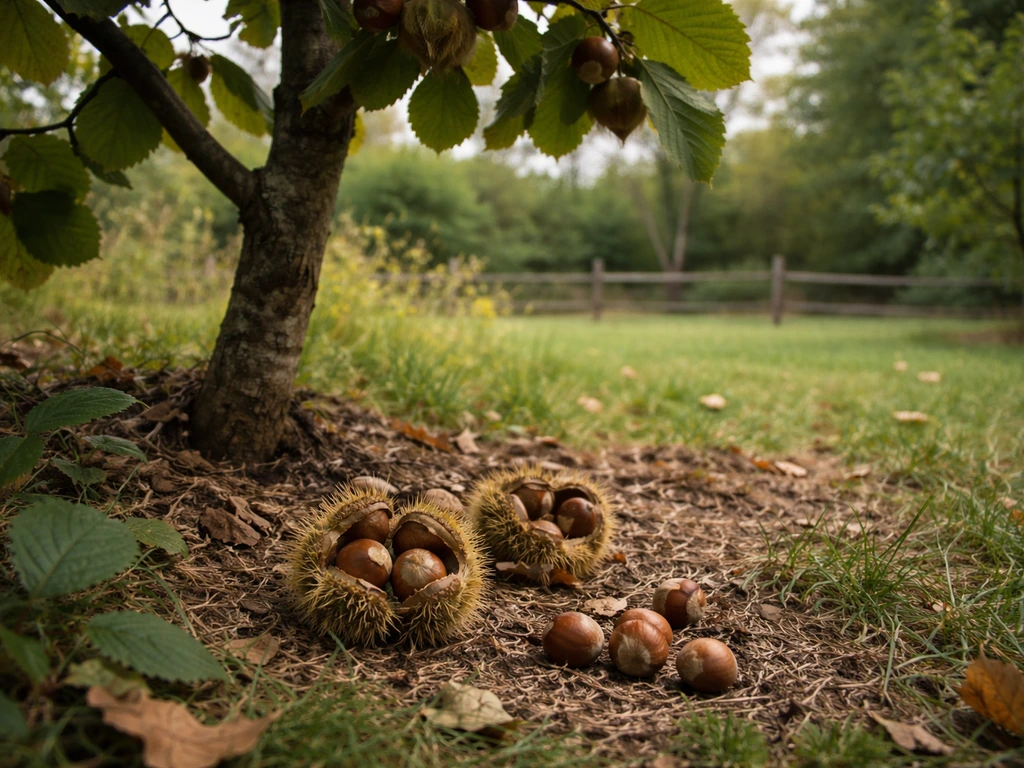
Chinese chestnut is probably the single best starting point for a CT grower who wants nuts within a reasonable timeframe. It's blight-resistant, sets nuts reliably with the right companion trees, and adapts well to most Connecticut soils. Hybrid hazelnuts (crosses between American and European species) are another strong pick: they're faster to produce, take up less space, and handle CT winters well. Black walnut grows almost anywhere in CT without much help, though the nuts require some effort to process. Hickories are truly native and productive but demand patience since they're very slow to mature. Butternut is native and delicious but faces serious disease pressure that we'll cover later.
Nuts you can grow from tree nuts vs. small nut crops
It helps to split CT-friendly nut plants into two categories: full-sized nut trees and smaller nut-producing shrubs. They have very different space needs, timelines, and management demands.
Full-sized nut trees
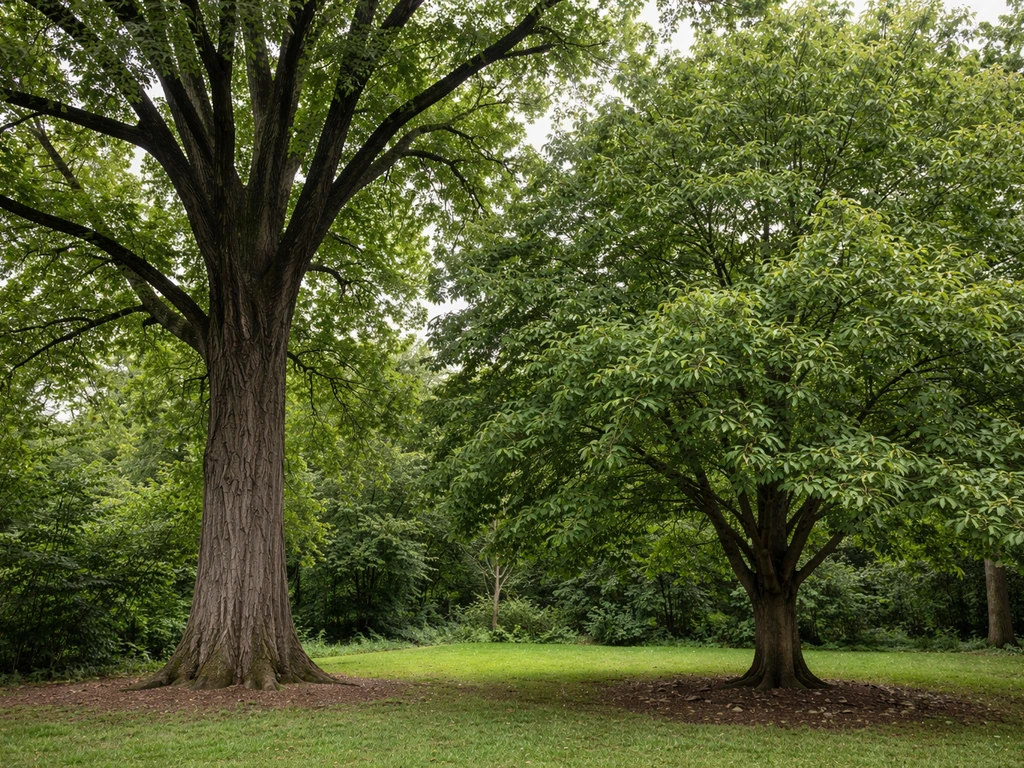
Chestnuts, walnuts, hickories, and butternuts are all genuine trees that will eventually dominate a large portion of your yard. A mature black walnut can reach 70 to 100 feet. Shagbark hickory tops out around 70 to 90 feet. Chinese chestnut is somewhat more manageable at 40 to 60 feet, and with careful pruning, some growers keep them shorter to simplify harvest. These trees need serious spacing, typically 30 to 50 feet apart depending on species, and they require years before the first nut crop. That's the trade-off for a tree that can then produce for decades or even centuries.
Smaller nut-producing plants
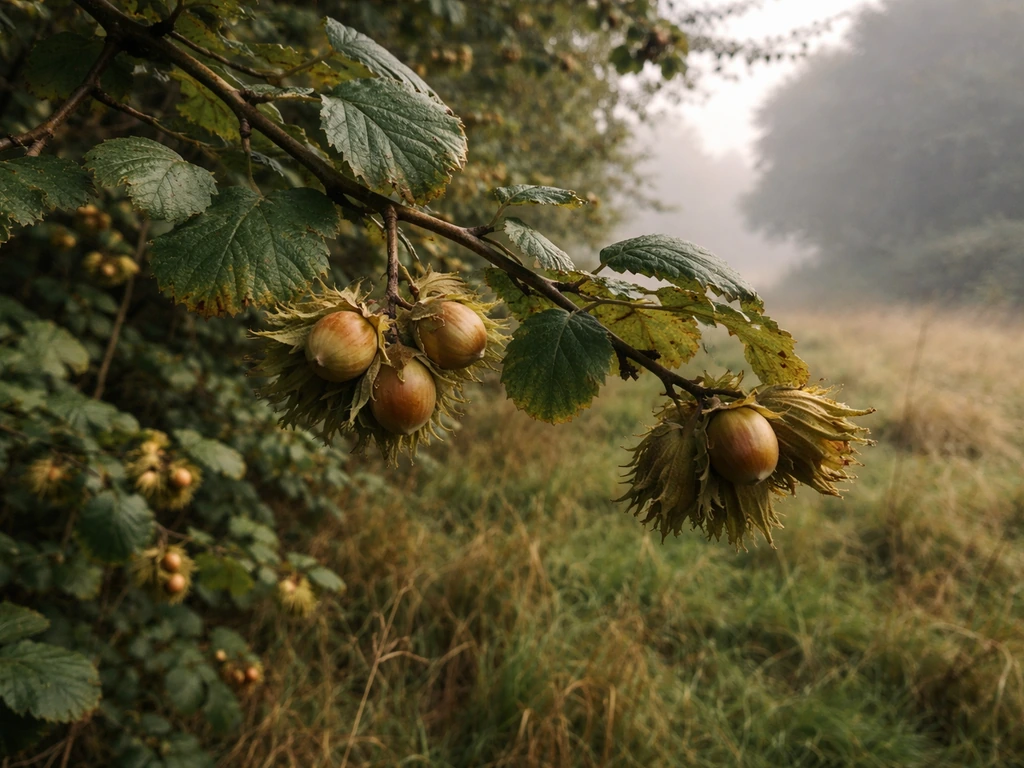
Hazelnuts (also called filberts) grow as large multi-stemmed shrubs or small trees, usually 8 to 15 feet tall. They fit into a suburban yard far more easily than a walnut or chestnut, and they produce much sooner. If you're working with a smaller property or want nuts within a few years rather than a decade, hazelnuts are the obvious starting point. American beechnut trees also technically fit Connecticut, but they're enormous, slow, and the beechnut crop is inconsistent enough that they're better thought of as a wildlife food source than a reliable personal harvest.
Regional site needs in CT: sun, soil, drainage, and chill hours
Getting the site right matters more than people expect with nut trees. These aren't plants you can stick in a shady corner and forget about. Every species on this list needs full sun, meaning at least 6 hours of direct sunlight daily, with 8 or more being ideal for heavy nut production. Crowded, shaded trees will grow but produce poorly.
Soil pH is a real differentiator between species. Chestnuts strongly prefer slightly acidic soil in the 5.0 to 6.5 range and absolutely will not tolerate waterlogged ground. Their roots rot quickly in poor drainage, so a well-drained slope or raised bed is ideal. Black walnuts and hickories are more forgiving about soil type but still want decent drainage and perform best in deep, fertile loam. Hazelnuts are the most adaptable, tolerating a range from pH 5.5 to 7.0 and doing reasonably well in heavier soils, as long as drainage is adequate.
Chill hours, the number of hours below 45°F during dormancy, are rarely a problem in Connecticut. Most CT locations accumulate 1,000 or more chill hours per winter, which comfortably satisfies the requirements of all the nut trees listed here. Where CT can cause trouble is with late spring frosts damaging emerging flowers. Chestnuts bloom late enough to usually avoid this, which is one reason they're so reliable here. Hazelnuts bloom earlier in late winter to early spring, and a hard freeze after bloom can wipe out a season's crop.
How to choose varieties that actually set nuts
Species selection is only half the battle. Within each species, variety choice determines whether you actually get nuts or just a good-looking tree.
Chestnuts: self-sterility makes variety pairing non-negotiable
Chestnuts are self-sterile, meaning no chestnut tree can pollinate itself or a clone of itself. CT CAES is blunt about this: you need two or more genetically distinct cultivars planted near each other, and you need to confirm that your chosen cultivars actually produce viable pollen, because some important cultivars are male-sterile and produce little to no pollen at all.
Plant at least two different named Chinese chestnut cultivars, or a mix of Chinese, Japanese, and hybrid varieties. Three trees gives you better insurance. The CT chapter of The American Chestnut Foundation has been running a breeding program since 2005 working on regionally adapted blight-resistant chestnuts specifically for Connecticut conditions, and their regionally selected material is worth looking into if you want to go that route.
Hazelnuts: go hybrid for disease resistance
For hazelnuts, the choice that matters most in Connecticut is between European filberts (Corylus avellana), native American hazelnuts (Corylus americana), and hybrid varieties. European filberts produce larger, higher-quality nuts but are seriously susceptible to eastern filbert blight, a fungal disease endemic to CT. Native American hazelnuts have more natural resistance to the blight. Hybrid cultivars bred for blight resistance, such as those developed by Oregon State or the Badgersett program, offer a middle ground: better nut size than wild American hazelnuts plus manageable blight resistance. In Connecticut specifically, European filberts planted without a disease management plan are a risky bet.
Walnuts and hickories: species choice over cultivar
For black walnuts, named nut-producing cultivars like 'Thomas' or 'Sparrow' will give better nut quality than seedlings, but even wild-grown black walnuts produce prolifically in CT. English (Persian) walnuts are borderline in Connecticut, hardier varieties can survive zone 5 winters but late-spring frosts frequently damage the early-emerging flower buds, making reliable crops inconsistent in much of the state. For hickories, shagbark (Carya ovata) is the most productive native option; named cultivars like 'Grainger' or 'Wilcox' exist but are hard to source. Shellbark hickory (Carya laciniosa) also works in CT but needs consistently moist, deep soil.
Planting timeline and establishment basics
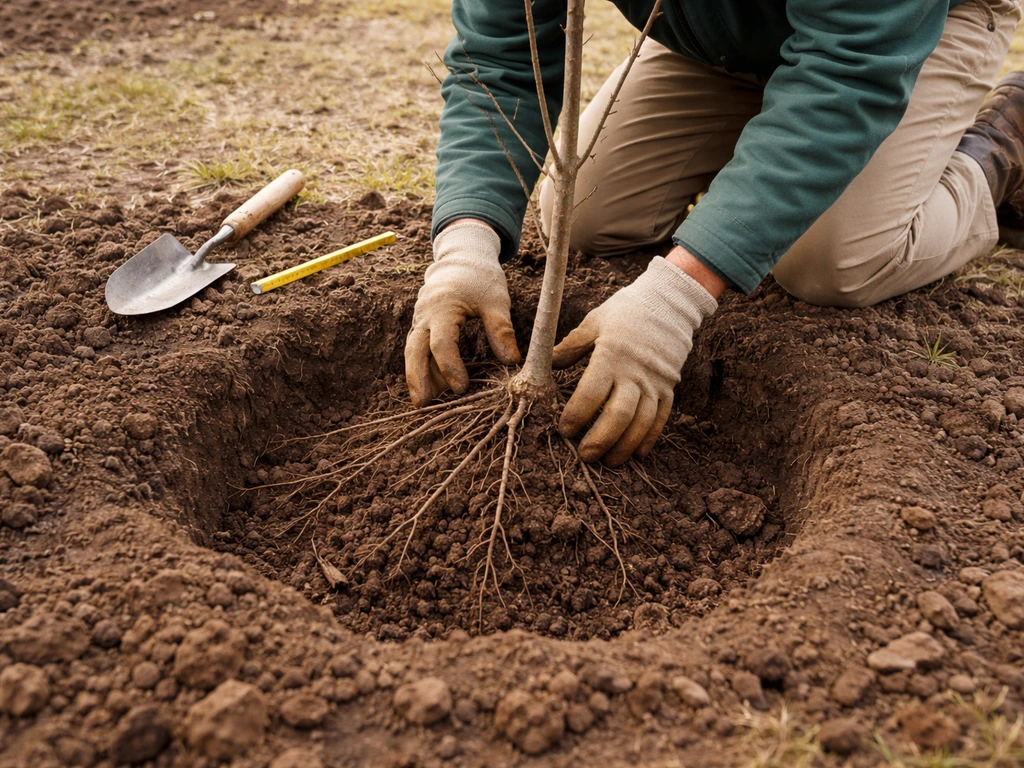
Early spring, after the ground thaws but before bud break, is the ideal planting window for nut trees in Connecticut. Bare-root trees should go in the ground as soon as possible after you receive them. Container-grown trees have more flexibility and can be planted through early fall, though spring establishment gives them the longest growing season before their first winter.
UConn Extension's tree planting guidance is worth following closely here. Dig the hole as wide as possible but only as deep as the root ball, then blank" rel="noopener noreferrer">place the root ball at grade or up to one inch above existing soil. Backfill with the original soil rather than amended mix. Mulch out to the drip line but keep mulch no deeper than 3 inches and pull it back from the trunk entirely: mulch piled against bark creates rot and pest habitat. Stake only if the tree genuinely cannot stand on its own, and remove stakes within a year.
One piece of advice that surprises new growers: do not fertilize at planting. CT CAES is explicit on this for chestnuts, and the principle applies broadly. Fertilizing at planting can burn young roots and push excessive shoot growth at the expense of root establishment. Focus on water instead, especially during the first summer. Once the tree is established, a light spring fertilizer application helps maintain vigor, which matters especially for disease resistance in hazelnuts and chestnuts.
Staking and pruning at planting should be minimal. Remove only dead, weak, or damaged branches. Let the tree put its energy into root development. Avoid the temptation to heavily shape young nut trees in their first year.
Pest and disease risks for CT nut trees
Connecticut's humid climate means fungal diseases are a persistent concern for almost every nut species. Knowing the major threats ahead of time lets you choose resistant varieties and set up management practices before problems arrive.
Chestnut blight
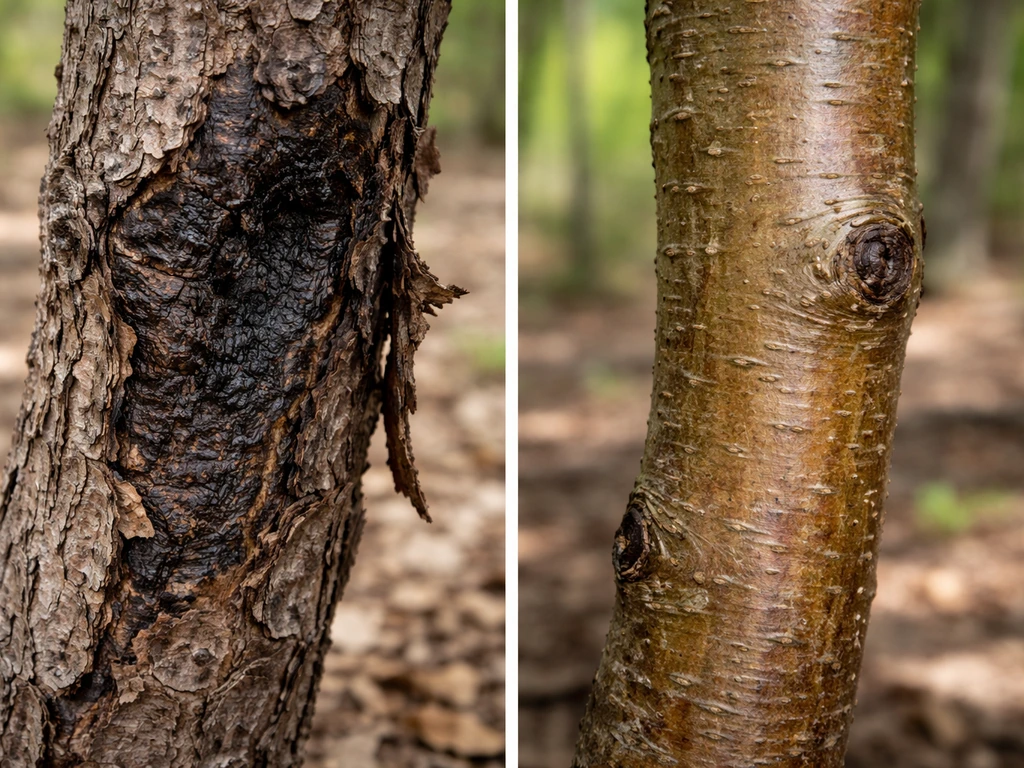
Chestnut blight (Cryphonectria parasitica) is the fungus that wiped out the American chestnut as a timber tree, and it's still present in Connecticut soils and on surviving chestnut sprouts. The fungus enters through bark wounds and forms cankers that kill the cambium layer; everything beyond the canker dies. Chinese chestnut and blight-resistant hybrids are your best protection. Avoid wounding the bark of your chestnut trees unnecessarily, and monitor for orange-tinted cankers.
Eastern filbert blight on hazelnuts
Eastern filbert blight (Anisogramma anomala) is the dominant disease concern for hazelnut growers in CT. It shows up as elongated cankers on branches and can kill off entire stems. European filberts are the most susceptible. Management focuses on pruning and removing infected wood promptly, keeping trees vigorous through spring fertilization, and watering during drought stress. There's no chemical cure; cultural practices and resistant varieties are your tools.
Butternut canker
Butternut canker (Sirococcus clavigignenti-juglandacearum) is devastating and has no known controls. CT CAES is clear that even removing infected wood only slows the disease rather than stopping it. This is why butternut, though native to Connecticut and producing excellent nuts, is a difficult investment for a home grower. Most of the butternuts you encounter in CT are actually butternut-heartnut hybrids, since pure-strain butternuts are now rare: a CT CAES survey of 62 Connecticut trees found only one confirmed pure butternut.
Insect pests to watch
- Hazelnut weevil (Curculio obtusus): adults appear in June, larvae develop inside nuts, and infested nuts drop early; monitor for early nut drop and remove fallen nuts promptly.
- Butternut curculio (Conotrachelus juglandis): injures nuts and shoots on walnuts and butternuts; weevils appear on trees in late May, making late May the window to act if you're using control measures.
- Oystershell scale on walnuts: a dormant horticultural oil application can control overwintering scale; summer crawlers can be targeted around mid-June when they're most vulnerable.
- Anthracnose: a fungal disease that affects multiple nut tree species, causing leaf spotting and twig dieback, and is worst after cool, wet springs. The fungi overwinter on fallen leaves and twig cankers. Sanitation (raking and removing fallen leaves), pruning infected tissue, and keeping trees vigorous are the primary defenses.
When and how to harvest and store nuts in CT
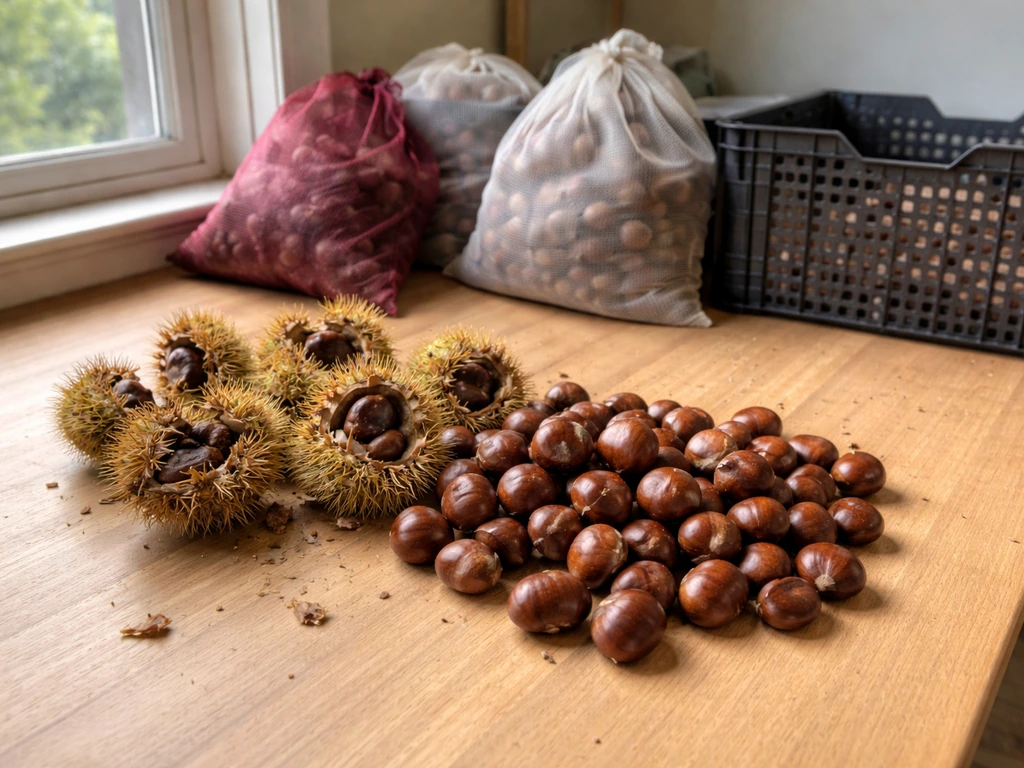
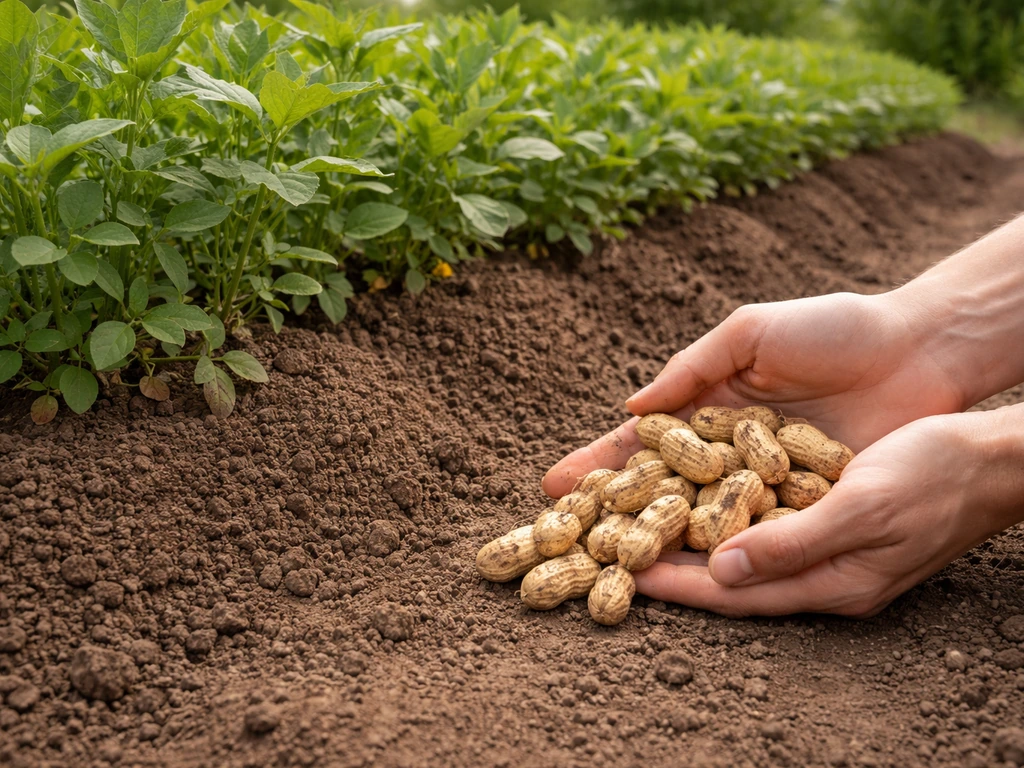
Harvest timing varies by species, but the general rule across all CT nut trees is: follow the tree's lead rather than the calendar. Do monkey nuts grow underground, and what does that mean for how you plant and harvest them? Nuts are ready when they tell you.
| Species | Harvest Signal | Typical CT Timing | Storage |
|---|---|---|---|
| Chinese chestnut | Burs split open and nuts fall | Late September–October | Refrigerate; eat within weeks or freeze for months |
| Hazelnut | Husks begin to yellow; nuts fall or shake free | August–September | Dry at room temp, then store in cool dry place for months |
| Black walnut | Outer hull turns yellow-green to black; nuts fall | September–October | Hull immediately, dry 2–4 weeks, store in shell up to a year |
| Shagbark hickory | Husks split and separate naturally | September–October | Dry well in shell; store cool and dry for months |
| Butternut | Hull turns dark; nuts drop | September | Hull and dry; store in shell in cool, dry place |
Chestnuts need the most immediate attention after harvest. They have a high moisture content and will mold or sprout within days at room temperature. Collect them off the ground promptly, sort out any that are soft or moldy, and refrigerate immediately. They'll keep a few weeks in the fridge or several months in the freezer. Black walnuts are the opposite in terms of patience: hull them quickly to avoid staining and bitterness, then let them dry in a single layer in a ventilated space for two to four weeks before cracking. Skipping the drying step makes cracking and storage much harder.
Hazelnuts are the easiest to deal with post-harvest. Let them dry at room temperature for a week or two after picking, then store in a cool, dry location. Properly dried hazelnuts in the shell will hold for several months without refrigeration. Hickory nuts in the shell are similarly forgiving once fully dried.
Realistic expectations: yields, pollination, and why some nuts struggle
It's worth being honest about timelines. Nut trees are not like vegetable gardens. Tiger nuts, for example, are a different kind of crop, and knowing where they grow best helps you decide if they fit your climate and soil not like vegetable gardens. You're making a multi-year, sometimes multi-decade investment, and the first few years will involve zero nuts and a lot of watering.
Chinese chestnut is among the fastest producers: expect the first nuts around year 5 under good conditions. If you're wondering where nutmeg grows, it's a tropical crop, so it won't thrive outdoors in Connecticut like the nut trees above Chinese chestnut. American chestnut, which is primarily grown as part of conservation programs rather than for home production, takes closer to 8 years.
Hickories are notoriously slow and may take 10 to 20 years to produce well from a young planting. Hazelnuts are the outlier: with good varieties and site conditions, you might see your first modest crop in 3 to 4 years.
Pollination failures are one of the most common reasons backyard nut trees look healthy but produce nothing. This is especially true for chestnuts. If you plant a single chestnut tree expecting nuts, you'll likely be disappointed no matter how well it grows. You need at least two genetically distinct trees, and ideally three, with confirmed pollen compatibility. Some cultivars produce no viable pollen at all, so a pair of male-sterile cultivars will never set nuts together regardless of how close they're planted. Always ask specifically about pollen production when selecting chestnut cultivars.
CT DEEP's own wildlife documentation notes that beechnut, black walnut, butternut, and hazelnut are either not reliable, consistent food producers in Connecticut or are scattered and limited in quantity in the wild. That's an honest summary of the challenge. Black walnut does produce reliably in CT, but the nuts require significant processing effort. Beech trees take so long to mature and produce so unpredictably that they're a poor choice if nuts are your goal.
Wild hazelnuts produce modest crops that vary a lot year to year. The takeaway is that selecting named, productive cultivars of the right species, pairing them correctly for pollination, and setting them up with the right site conditions is what separates a tree that produces real yields from one that's just a lawn ornament.
If your property has significant limitations, like heavy shade, very wet soil, or a small footprint, hazelnuts offer the most flexibility. They tolerate more variation in conditions than chestnuts or hickories and still produce meaningfully in 3 to 5 years. If you have the space and the patience, a small chestnut orchard with two or three compatible cultivars in a sunny, well-drained spot is probably the most rewarding long-term investment a Connecticut nut grower can make.
FAQ
Can I grow nuts in CT if my yard is only partly sunny?
Yes, but only if you match the species to your microclimate. Even within CT, the biggest limiting factors are late frosts during bloom and drainage. Before buying, confirm your expected sun hours on the exact planting spot (not the yard in general) and check whether spring water stands after rain, since chestnuts can fail quickly in wet ground even if the soil pH looks right.
If I plant two chestnut trees in CT, will that guarantee nuts?
For chestnuts, you usually cannot rely on self-pollination. Two trees is the minimum, and three gives better insurance, but the key detail is cultivar pollen viability, since some popular Chinese chestnut cultivars are male-sterile or produce little pollen. For a reliable plan, choose named cultivars known to supply viable pollen and plant them close enough to share pollinators.
What is the most disease-resistant nut option for CT when I do not want heavy maintenance?
If you do not want to manage disease, hazelnuts can still work, but you should plan on pruning and sanitation. Because eastern filbert blight has no quick chemical fix, you will need to remove infected branches promptly and keep trees vigorous so they can recover after pruning. European filberts are the most at-risk option unless you are ready for ongoing management.
Why do some walnut trees survive in CT but still fail to produce reliable nuts?
Japanese or English (Persian) walnuts are the common “almost” candidates in CT. Many survive cold winters, but late-spring frosts frequently damage flower buds, so you can get years with little to no crop even though the tree lives. If your goal is consistent home harvests, stick to the nuts with better CT track records or be prepared for variable yields.
Is it worth buying named nut cultivars in CT, or are seedlings just as good?
Yes, but plan for more variability and sorting. Seedlings can be productive, especially for black walnut, yet nut size, shell thickness, and timing can vary widely, and you will not know quality until you harvest and process. Named cultivars give more predictable nut quality, and they also help if you want faster, more uniform results.
What fertilizer should I use when I plant nut trees in CT?
Do not fertilize at planting, and avoid adding nitrogen-heavy “starter” mixes. New root systems are easily damaged and you can end up with lush shoots that do not establish well, increasing winter injury risk and disease susceptibility. The practical approach is water-first the first summer, then consider a light spring feeding later once the tree is clearly established.
If I have limited space, what is the best way to avoid pollination failure in CT?
Chinese chestnuts and hybrid hazelnuts benefit from pollination partners and from having more than one flowering tree nearby, ideally within the yard. If you cannot fit multiple trees, you can sometimes make things work with smaller-space shrub hazelnuts, but chestnuts specifically need compatible cultivars for viable pollen. You can also ask local nurseries or chestnut groups what combinations perform in Connecticut.
How soon do I need to process nuts after harvesting in Connecticut?
It depends on the species, but yes, you should expect different post-harvest handling timelines. Chestnuts spoil quickly at room temperature and generally require refrigeration right away after you collect and sort them. Black walnuts should be hulled quickly to prevent bitterness, then dried before cracking, since skipping drying makes nuts harder to crack and store.
Can I plant chestnuts in CT on heavy clay or wet ground?
Generally, no. You want to prevent the root zone from staying saturated, and you want to avoid planting where spring snowmelt or summer rainfall creates standing water. If your yard is flat and damp, consider a raised bed or a slightly elevated spot for chestnuts, since their tolerance for waterlogged soil is poor.
Do “monkey nuts” or fox nuts grow outdoors in Connecticut like Chinese chestnuts?
Yes, fox nuts are a common confusion, and they will not behave like CT nuts. They are tropical and require a warm, frost-free environment, so they will not reliably overwinter outdoors in Connecticut. If you are aiming for true CT outdoor nut crops, prioritize species already proven in the state.