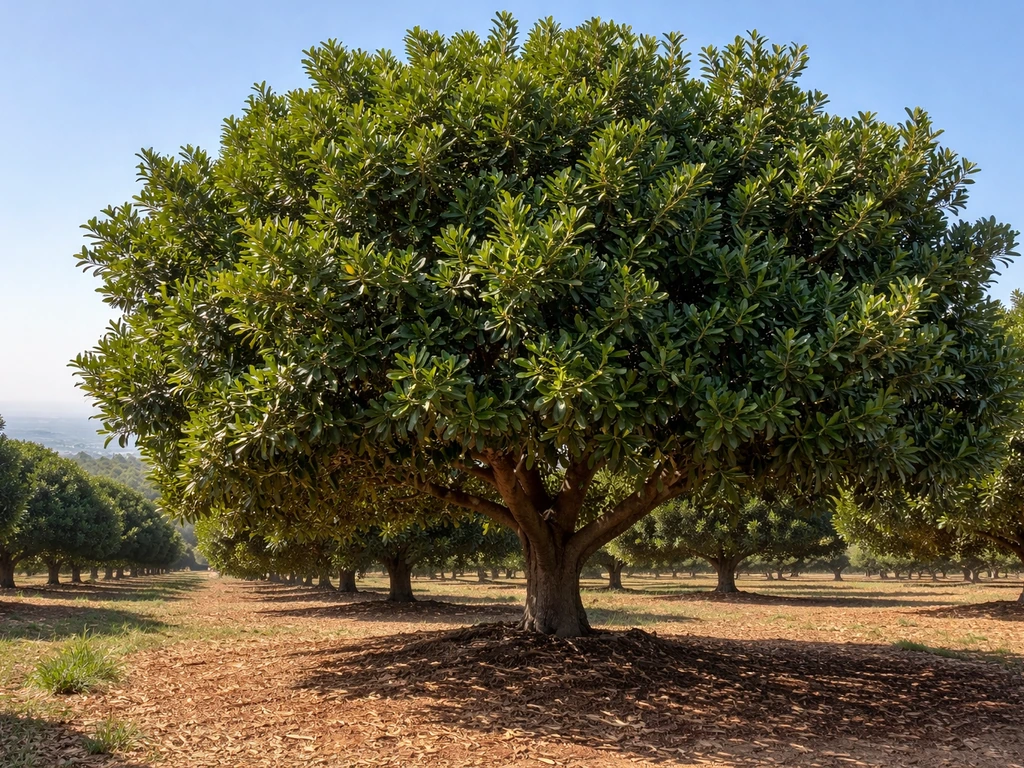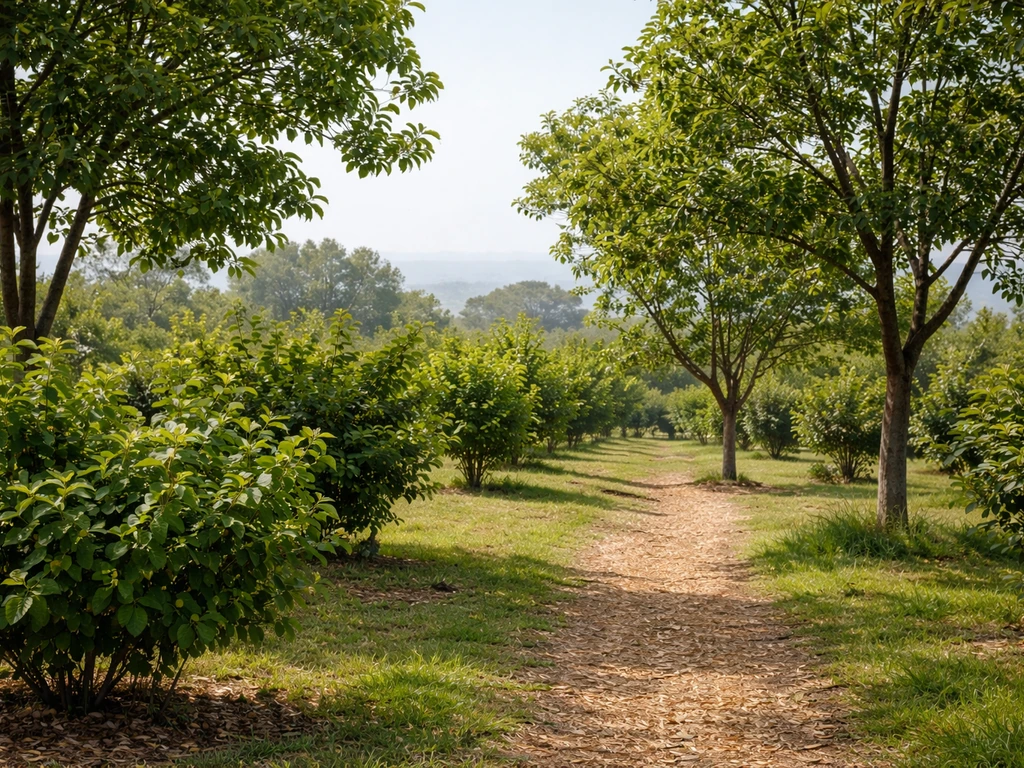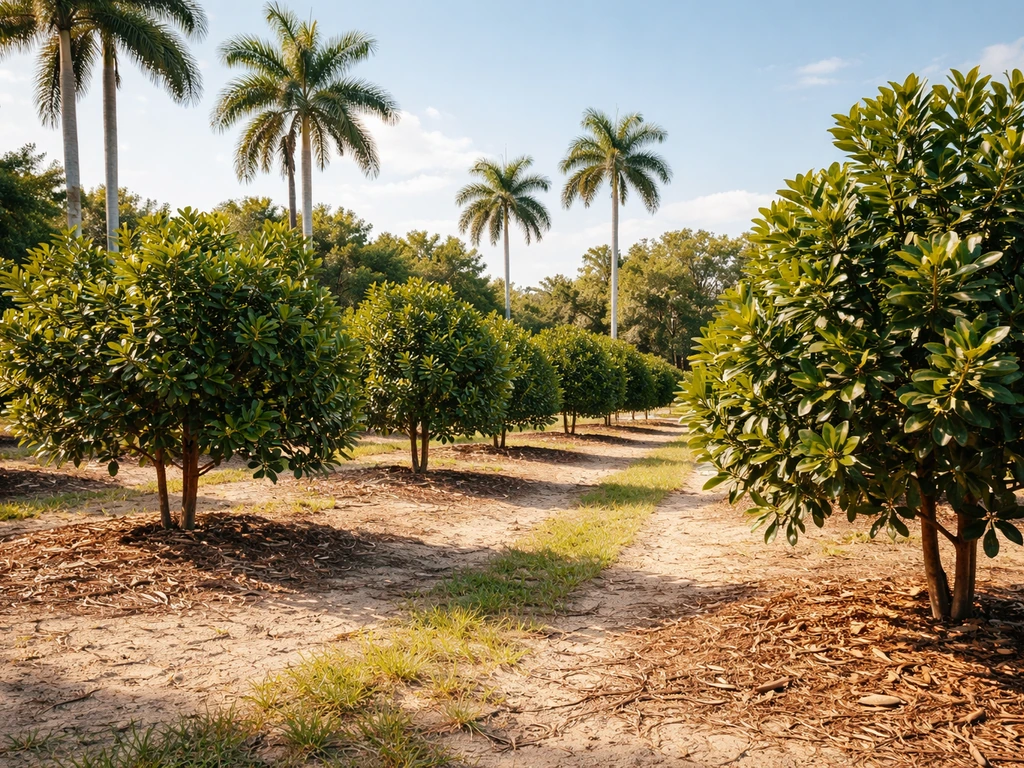
Macadamia nuts are commercially grown in about a dozen countries, with South Africa, Kenya, Australia, and Hawaii (USA) accounting for the vast majority of global supply. South Africa is now the world's largest producer, hitting roughly 87,000 tonnes in 2024. Beyond the big names, meaningful cultivation also happens in Guatemala, Malawi, Brazil, China, Zimbabwe, and a handful of other countries with the right subtropical or tropical highland climate. If you're trying to figure out whether your country or region makes the list, it comes down to a fairly specific set of climate and soil requirements, which I'll walk through after the country overview. Can you grow a macadamia tree from a nut? In many climates you can start seed, but success depends heavily on variety, seed viability, and whether you can meet the slow, long-term requirements the tree needs can you grow macadamia tree from nut.
Which Countries Grow Macadamia Nuts: Top Producers
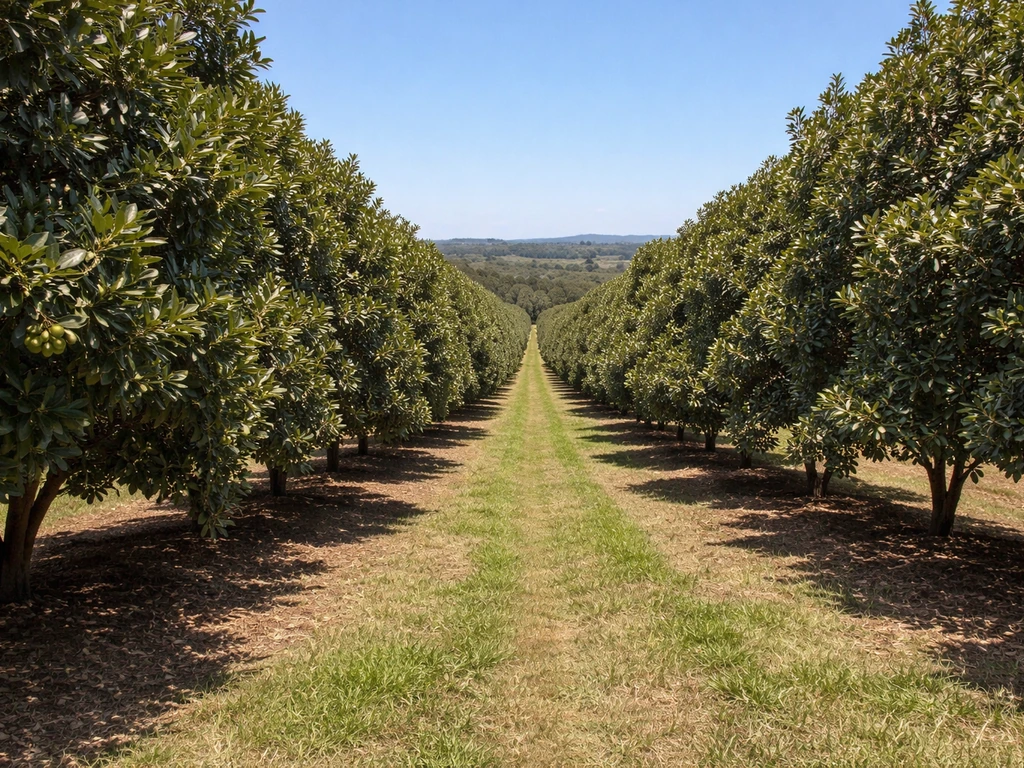
Macadamia growing regions worldwide (the quick list)
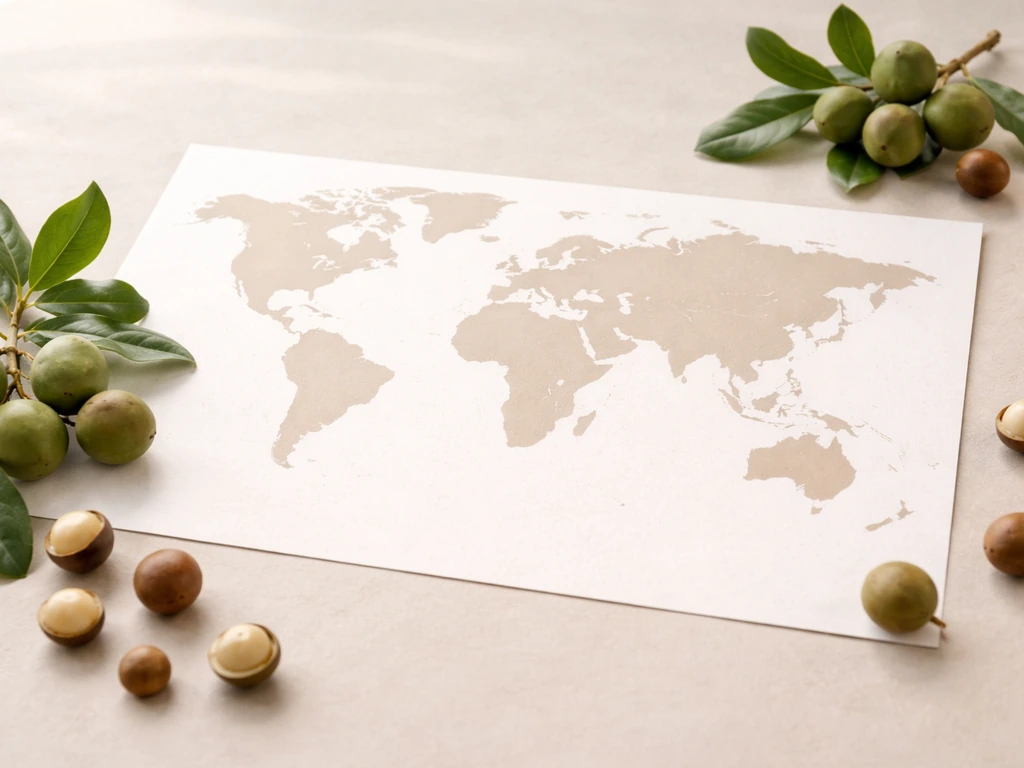
Here's the full picture of which countries grow macadamias today, broken into major producers and smaller or emerging growers. This covers both commercial-scale orchards and meaningful smaller-scale cultivation.
- South Africa (Limpopo, Mpumalanga, KwaZulu-Natal)
- Kenya (Central Highlands, Mount Kenya region)
- Australia (Queensland, New South Wales)
- United States / Hawaii (Big Island, Maui)
- Guatemala (Alta Verapaz, highland regions)
- Malawi (Thyolo, Mulanje districts)
- Brazil (São Paulo state, Minas Gerais)
- China (Yunnan, Guangdong provinces)
- Zimbabwe (Eastern Highlands)
- Mozambique (Manica, Zambézia provinces)
- Ivory Coast / Côte d'Ivoire
- Colombia
- New Zealand (northernmost regions, small-scale)
That's roughly 12 to 15 countries with documented macadamia cultivation at varying scales. The global production estimate for 2018 was around 211,000 metric tons of dry nut in shell, and that figure has grown significantly since, driven almost entirely by expansion in South Africa and Kenya.
What climate and conditions macadamias actually need
Macadamias are fussy about their environment in ways that aren't always obvious. The tree originates in subtropical rainforest in southeastern Queensland and northern New South Wales, Australia, and it carries the climate preferences of that origin. It's not a desert tree, not a cool-temperate tree, and definitely not frost-tolerant once mature (young trees are even more vulnerable). Getting the conditions right is the starting point for any regional assessment.
Temperature
Macadamias prefer mean annual temperatures between 18°C and 25°C (64°F to 77°F). They can tolerate brief dips to around -2°C (28°F) once established, but repeated frosts will kill them. The upper threshold matters too: sustained heat above 35°C (95°F) during flowering causes pollen failure and poor fruit set. This is why many successful growing regions sit at elevation rather than in hot lowland tropics.
Rainfall and humidity
Annual rainfall of 1,200mm to 2,000mm (47 to 79 inches) is the sweet spot, and it needs to be reasonably well-distributed rather than concentrated in one wet season. A dry period of 2 to 3 months around flowering actually helps by reducing fungal pressure, but a prolonged dry season without irrigation will stress the trees. High humidity during nut fill (summer) is fine; high humidity during flowering (typically autumn to winter depending on hemisphere) increases disease risk.
Soil
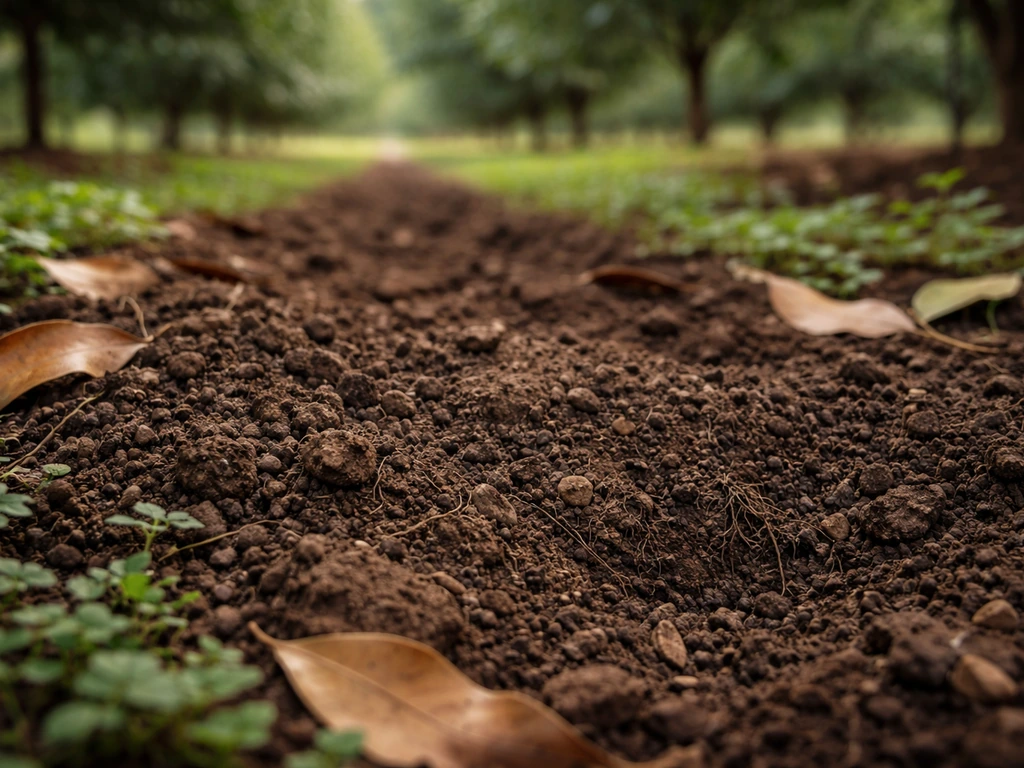
Deep, well-draining, slightly acidic soil with a pH of 5.0 to 6.5 is ideal. Macadamias have proteoid root clusters that are efficient at extracting phosphorus from low-fertility soils, but they cannot handle waterlogged conditions at all. Heavy clay, hardpan soils, and poorly drained sites are the most common reasons otherwise-suitable climates produce struggling trees.
Elevation
Many of the most productive macadamia regions sit between 300m and 1,200m (roughly 1,000 to 4,000 feet) above sea level. Elevation moderates heat and reduces tropical pest and disease pressure. Kenya's success in the highlands near Mount Kenya (around 1,000m to 1,500m) is a perfect example of this pattern: the latitude is equatorial but the elevation brings temperatures into the macadamia comfort zone.
Wind
Strong winds are a serious problem because macadamia trees have brittle branch unions and the nuts drop when ripe. Most commercial operations use windbreaks. Coastal sites with consistent strong trade winds are generally not suitable unless sheltered.
Major producing countries and why they lead
South Africa: the current world leader
South Africa produced approximately 68,840 metric tons (dry nut in shell at 3.5% moisture) in 2022, 77,659 MT in 2023, and an estimated 87,000 MT in 2024, blank" rel="noopener noreferrer">making it the world's largest macadamia producer by a significant margin. The main growing regions are Limpopo, Mpumalanga, and KwaZulu-Natal, where elevation, rainfall, and subtropical temperatures align well. The South African industry has expanded rapidly over the past two decades, driven by favorable land costs, strong export infrastructure, and a competitive cost of production. The industry body SAMAC (South African Macadamia Association) publishes detailed annual crop forecasts that are widely used as a global production benchmark. FAOSTAT’s Highlights archive provides agricultural production data release up to 2024 that serves as the statistical base used for global ranking tables by country blank" rel="noopener noreferrer">widely used as a global production benchmark.
Kenya: Africa's second-largest producer
Kenya has built a substantial macadamia industry, concentrated around the Mount Kenya region and Central Highlands. The combination of volcanic soils, moderate elevation (1,000m to 1,500m), and proximity to the equator (which provides consistent day length year-round) makes the growing conditions excellent. Kenya benefits from having a large number of smallholder farmers integrated into commercial supply chains, which has allowed rapid production growth. It consistently ranks second in Africa and among the top three globally.
Australia: the origin and a mature market
Australia is where macadamias come from. The wild species Macadamia integrifolia and Macadamia tetraphylla are native to Queensland and New South Wales, and commercial orchards are concentrated in the same general geography: subtropical Queensland and the Northern Rivers region of NSW. Australia's industry is mature, well-researched, and focused on quality rather than volume expansion. Production typically ranges from 40,000 to 50,000 MT in recent years, meaning it has been overtaken in volume by both South Africa and Kenya combined, but it remains a global leader in variety development and agronomic research.
Hawaii, USA: the birthplace of commercial macadamia farming
Hawaii was the first place macadamias were cultivated commercially at scale, starting in the early 20th century after trees were introduced from Australia in the 1880s. The Big Island, particularly the Kona and Hilo sides, still supports substantial production, though the US industry has contracted relative to Africa. Hawaii's volcanic soils, tropical climate moderated by elevation and trade winds on sheltered slopes, and reliable rainfall make it a textbook macadamia environment. Many of the commercial varieties grown globally today were developed or selected in Hawaii.
Countries with smaller or emerging macadamia cultivation
Beyond the leading four, there is a meaningful tier of countries with growing macadamia industries or established smaller-scale production. These are worth knowing about, especially if you're researching regional suitability or looking for examples of macadamias succeeding in specific climate types.
| Country | Main regions | Scale / Status | Notable climate factor |
|---|---|---|---|
| Guatemala | Alta Verapaz, Quetzaltenango | Commercial, mid-tier | Tropical highland elevation 800m–1,500m |
| Malawi | Thyolo, Mulanje | Commercial, smallholder-integrated | Elevated tea-growing districts, 700m–1,200m |
| Brazil | São Paulo, Minas Gerais | Established, growing | Subtropical plateau with reliable rainfall |
| China | Yunnan, Guangdong | Expanding rapidly | Yunnan's subtropical highlands, warm winters |
| Zimbabwe | Eastern Highlands | Smaller-scale commercial | Elevation moderates tropical heat |
| Mozambique | Manica, Zambézia | Emerging | Highland zones similar to Zimbabwe |
| Colombia | Andean highlands | Small-scale, growing interest | Altitude compensates for equatorial latitude |
| Ivory Coast | Western regions | Emerging smallholder | Humid tropical with partial shade systems |
| New Zealand | Northland (far north) | Very limited, trial-scale | Marginally warm enough in frost-free microclimates |
China's expansion in Yunnan is worth watching. The province has significant available land at the right elevation and subtropical climate, and Chinese domestic demand for macadamias has grown sharply. The Chinese industry is still relatively young but is scaling fast. New Zealand sits at the opposite end: it's barely warm enough even in the far north, and production there is small-scale and limited to favored frost-free microclimates, though the question of macadamia cultivation in New Zealand does come up often for curious growers. New Zealand also has other nut crops like hazelnuts, walnuts, and chestnuts, depending on climate and cultivar selection New Zealand sits at the opposite end.
Species and varieties grown by country
There are two main macadamia species in commercial cultivation, and knowing which is grown where matters if you're thinking about what to plant or why certain regions favor one over the other.
| Species | Common name | Where it's mainly grown | Key trait |
|---|---|---|---|
| Macadamia integrifolia | Smooth-shell macadamia | Australia, Hawaii, South Africa, Kenya, most commercial orchards globally | Higher kernel recovery, preferred commercially |
| Macadamia tetraphylla | Rough-shell macadamia | Australia (especially cooler NSW regions), some cooler subtropical zones | More cold-tolerant, slightly lower commercial kernel quality |
| M. integrifolia x tetraphylla hybrids | Various named varieties | Hawaii, Australia, increasingly South Africa | Bred for yield, crack-out, and disease tolerance |
In practice, most of the world's commercial production is Macadamia integrifolia or selected hybrid varieties derived from it. The Hawaiian variety program produced several widely planted cultivars (such as HAES 344 Keauhou, HAES 660 Keaau, and HAES 741 Mauka) that spread into Australian and African orchards during the industry's expansion. South African and Kenyan growers have since developed their own locally adapted selections. Macadamia tetraphylla is more often found in cooler pockets of southeastern Australia and occasionally in trial plantings where growers want a bit more cold tolerance, but it's not the backbone of export production anywhere.
If you're growing in a country where commercial macadamias aren't established yet, the starting assumption should be M. integrifolia or an integrifolia-dominant hybrid. Tetraphylla and its hybrids are a better bet only if your winters regularly push below 5°C (41°F) and frosts are a realistic risk.
How to check whether macadamias can grow in your country or region
A country being on the list above doesn't automatically mean your specific location within it is suitable, and a country not being on the list doesn't always mean it's impossible. Florida can be challenging for macadamias due to temperature and frost risk, but site selection and shelter can make the difference can you grow macadamia nuts in Florida. Here's how I'd work through the assessment step by step.
- Check your lowest winter temperature. If you regularly get hard frosts below -2°C (28°F), macadamias are not viable outdoors. Even occasional -3°C to -4°C events will kill established trees. Look up your location's historical minimum temps, not just averages.
- Check your mean annual temperature range. You want the annual average to sit between 18°C and 25°C. If your summers average above 30°C, note whether elevation or coastal influence brings that down. If your winters average below 10°C, the trees will survive but productivity will be very low.
- Calculate your annual rainfall. Aim for 1,200mm to 2,000mm. If your rainfall is lower, assess whether drip irrigation can make up the deficit. Reliable irrigation can substitute for natural rainfall, but you need the infrastructure and water access.
- Look at your elevation. If you're in the tropics (within 20 degrees of the equator), you almost certainly need at least 300m to 500m elevation to moderate temperatures and reduce disease pressure. The Kenyan and Guatemalan examples are good benchmarks.
- Assess your soil drainage. Find a spot on your property where water doesn't pool after heavy rain. Dig down 60cm to 1m and look for any hardpan layer or clay horizon that would impede roots. If drainage is poor, raised beds or mounding can help but have limits.
- Check your hardiness zone. In USDA terms, macadamias are generally suited to zones 9b through 11. In practice, zone 10 and 11 are the reliable zones, with 9b being marginal and entirely dependent on microclimate. Other countries use different zone systems, so cross-reference with the temperature minimums above rather than relying on zone labels alone.
- Look for a reference planting nearby. The best real-world confirmation is finding a mature macadamia tree within 100km of your target site at a similar elevation and aspect. If trees are fruiting there, your conditions are likely viable. If the only macadamias you can find are in pots or greenhouses, take that as a signal.
- Contact a local agricultural extension service or tropical fruit grower association. In most countries with any macadamia history, there will be documented trial results or grower experience you can tap. This is especially useful in emerging-cultivation countries like Colombia, Mozambique, or China's Yunnan region where data is accumulating fast.
One last practical point: even if your climate checks out, macadamias are slow. Trees grafted from known varieties typically start producing at 3 to 5 years, reach commercial yields around year 7 to 10, and peak production at 12 to 15 years. Seedling-grown trees take even longer. This is a long-term commitment, not a quick crop, so getting the site assessment right before planting is genuinely worth the effort. If you're also weighing whether to grow from a nut versus a grafted tree, that decision affects both timeline and variety predictability significantly.
FAQ
If a country is a macadamia producer, does that mean any region within that country is suitable?
No. Suitability depends on local factors like elevation, frost exposure, drainage, and wind exposure. For example, even within a producing country, low-lying hot areas or frost pockets can fail unless you select a sheltered, well-drained site.
How do I tell whether my location risks frost badly enough to rule out macadamias?
Use the pattern, not just the average temperature. The crop is sensitive to repeated frosts, especially when trees are young. If your site routinely sees multiple frost events during winter, you should treat it as a hard limitation even if brief dips are rare.
Can macadamias grow in hot lowland tropical areas if I irrigate?
Irrigation helps with rainfall deficits, but it does not solve heat stress during flowering. Sustained high temperatures above the mid-30s Celsius around flowering can cause pollen failure and poor fruit set, so elevation or a cooler microclimate is usually the deciding factor.
What soil problem most commonly ruins macadamia performance even in the right climate?
Poor drainage and waterlogging. Macadamias cannot tolerate standing water, so heavy clays, hardpans, and sites with high seasonal saturation often underperform or decline despite having acceptable rainfall and temperature.
Are macadamias self-pollinating, or do I need multiple trees and varieties?
Most commercial orchards manage pollination with planned variety choices and orchard layout, because flowering conditions and compatibility can strongly affect fruit set. If you are planting a small number of trees, check local recommendations for compatible cultivars rather than relying on random planting.
Which macadamia species should I assume for a new planting attempt in a non-traditional country?
Start with Macadamia integrifolia or an integrifolia-dominant hybrid as the default assumption. Macadamia tetraphylla tends to be a better fit only for genuinely cooler sites with winter temperatures that can drop low enough to create real frost pressure.
Do macadamias take the same long time to fruit if I start from grafted trees versus seeds?
No. Grafted trees typically begin producing around 3 to 5 years and reach commercial yields around year 7 to 10, while seedling-grown trees generally take longer. If you are trying to plan an investment timeline, grafted material is the main way to reduce uncertainty.
Is wind the same risk everywhere, or is it only a coastal issue?
Wind risk exists inland too, but coastal areas with consistent trade winds are especially challenging unless sheltered. Because branch unions can be brittle and nuts drop when ripe, strong winds can increase damage and harvest losses, so windbreak planning matters early.
What is a practical way to evaluate rainfall for macadamias beyond annual totals?
Look for distribution around flowering and fruit fill. A short dry period around flowering can reduce fungal pressure, but a long dry season without irrigation can stress trees. If you have only annual rainfall data, you may still need to verify the seasonal pattern.
Why does elevation show up again and again in successful macadamia regions?
Elevation helps keep daytime temperatures closer to the crop’s comfort range and reduces exposure to heat during flowering. It also often moderates pests and diseases relative to hotter lowlands, which can improve long-run orchard health.