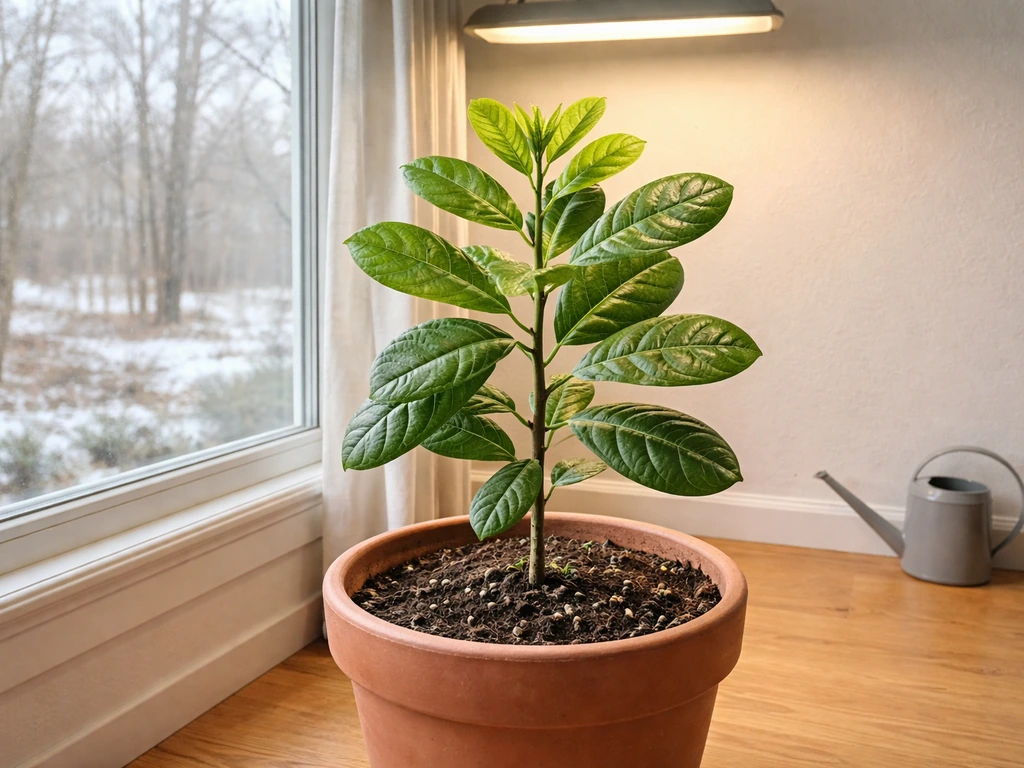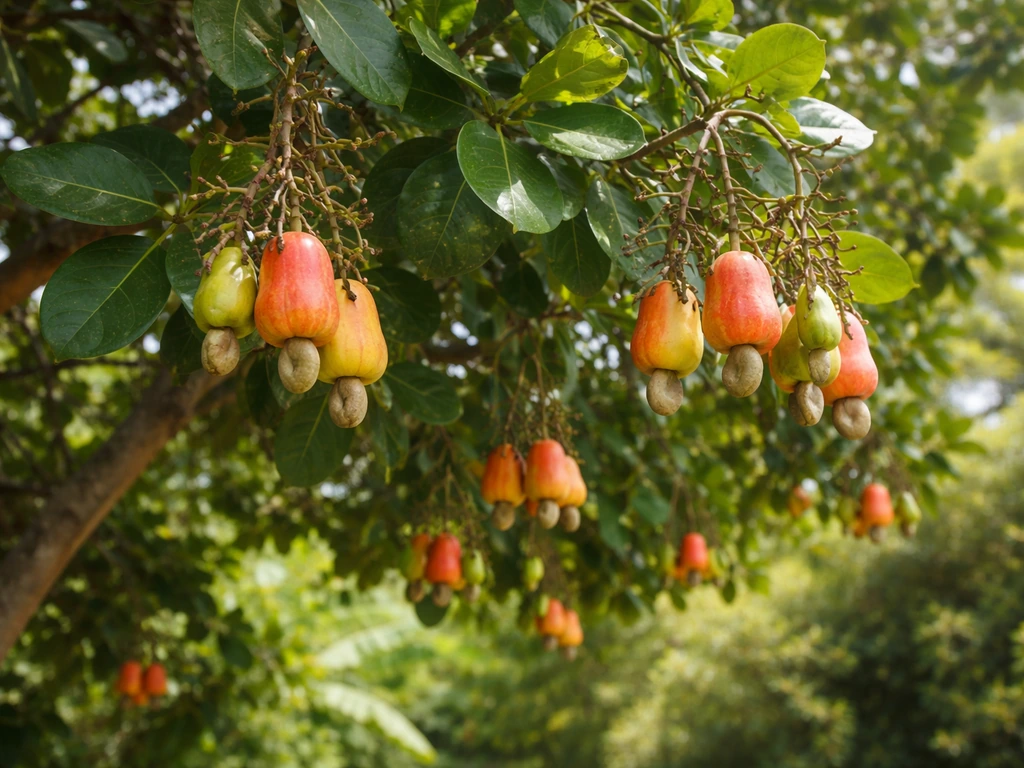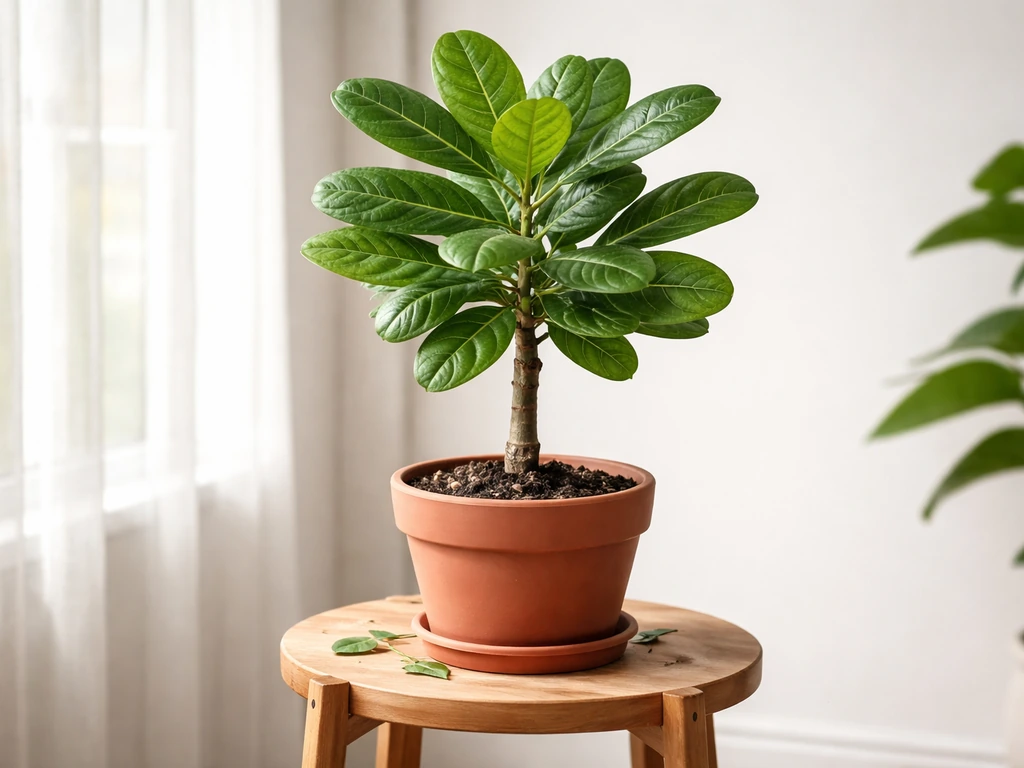
You cannot grow cashews outdoors in Canada in any meaningful sense. Cashew trees (Anacardium occidentale) are true tropicals that need year-round warmth, high humidity, and a frost-free growing season of roughly 190 to 260 days at temperatures well above what any Canadian region can reliably provide. That said, you can grow a cashew tree in Canada, inside a heated greenhouse, conservatory, or as a container plant kept indoors through winter, but producing an actual nut harvest is a very different bar to clear, and most Canadian growers will never get there. Here is what you are actually dealing with.
Can You Grow Cashews in Canada? Climate and Setup Guide
Marcus Hendricks
23 May 2026
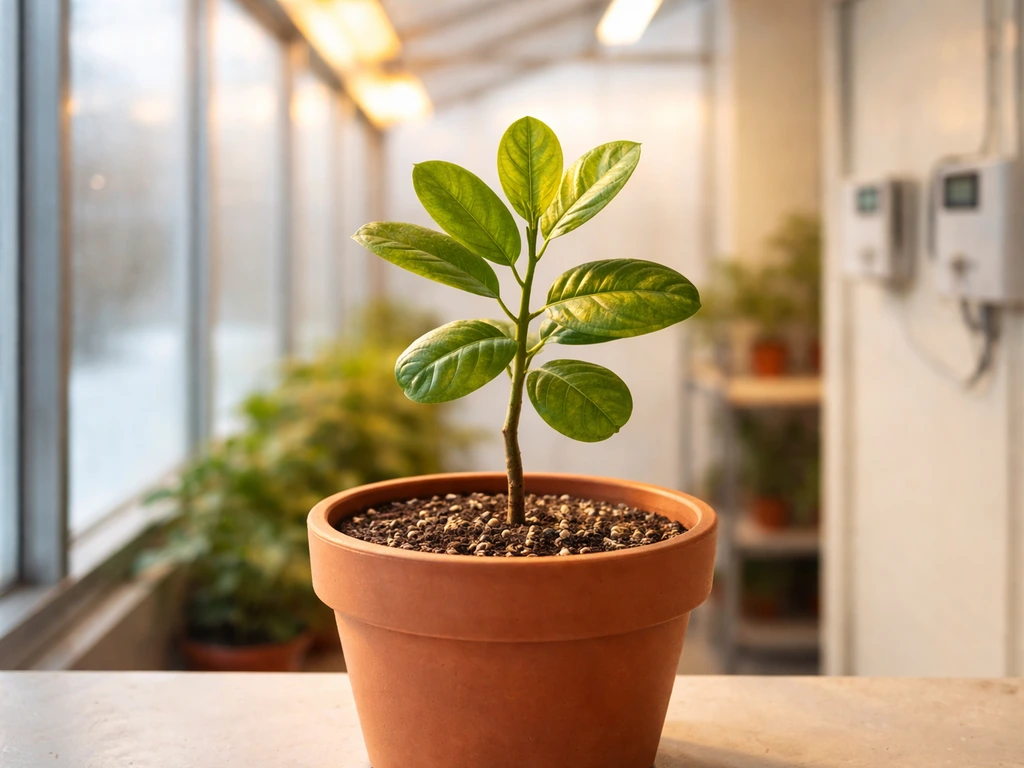
Cashew-growing reality check for Canadian climates
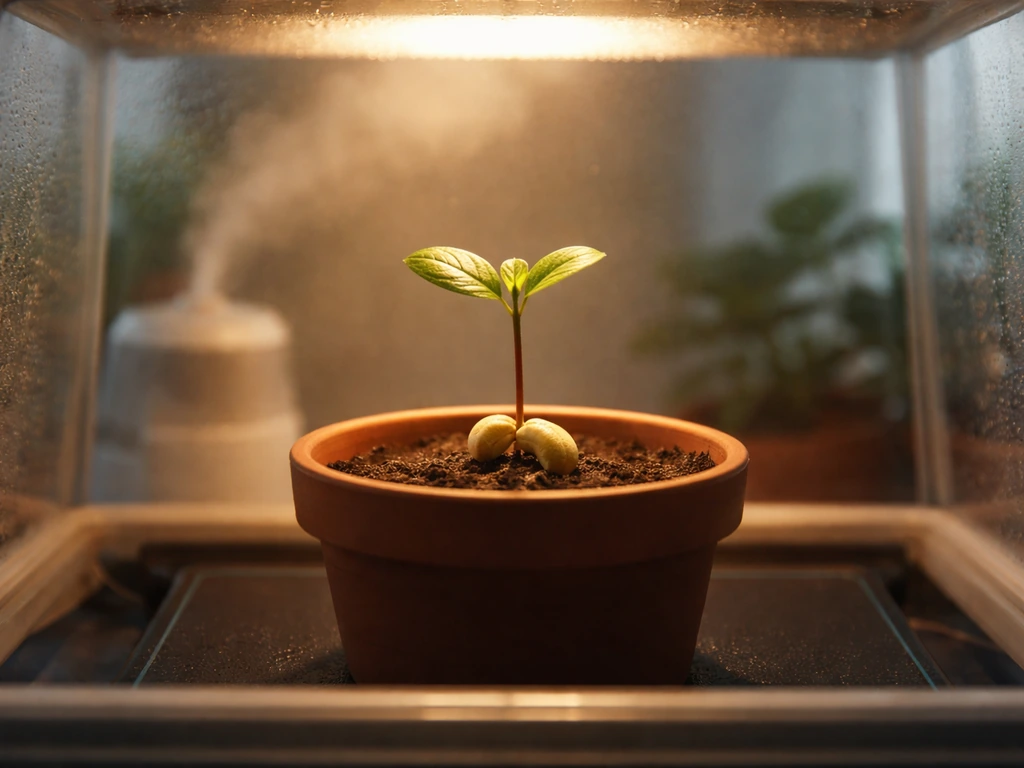
Canada's climate zones run from USDA equivalent zone 0 in the north to about zone 8b in the mildest pockets of coastal British Columbia and southern Ontario. Cashew trees are commercially grown between latitudes 25°N and 25°S, roughly in USDA zones 10b to 12. Even the warmest outdoor Canadian microclimates, think downtown Vancouver or the Niagara Peninsula, top out at zone 8 to 8b. That is a two to three zone gap, and unlike cold-tolerant nut trees such as black walnuts or hazelnuts, cashews have essentially zero frost tolerance. A single hard frost kills the tree outright. Temperatures below about 10°C (50°F) cause serious chilling injury even without frost. So the outdoor option is simply off the table for every Canadian location, including southern British Columbia, southern Ontario, and coastal Nova Scotia.
The question then becomes: can you sustain a cashew tree artificially and, if so, can you actually get it to fruit? Those are two separate goals, and it is worth being honest that the second one is genuinely difficult even for growers in Florida or Texas, where temperatures are far more favorable. In warmer regions, like Texas, cashews still need heat, careful humidity, and a long frost-free season to have any realistic chance at fruiting Florida or Texas. In Florida, the warm weather makes it much easier to keep a cashew tree thriving, but fruiting is still not guaranteed growers in Florida or Texas. Growers in the UK face a nearly identical challenge, year-round indoor management with marginal fruiting prospects, so if you want a sense of what a controlled-climate cashew project looks like, the UK experience maps closely onto what Canadians would face. If you are wondering can you grow cashew nuts in the UK, the same controlled-climate limits apply, and fruiting is far from guaranteed without serious setup.
Cashew tree biology: growth habits, flowering, and nut formation
Anacardium occidentale is an evergreen tree that in its natural habitat reaches 10 to 12 meters tall, though dwarf cultivars bred for orchard use stay closer to 6 meters and are far more practical for container or greenhouse situations. The tree has a spreading canopy with leathery, oval leaves and produces small, pinkish-white flowers in panicles at branch tips. This is where things get interesting from a production standpoint.
Flowering is triggered by a pronounced dry season followed by the return of warmth and moisture, a seasonal cue that is essentially impossible to replicate naturally in a Canadian winter unless you are carefully controlling your greenhouse environment. After successful pollination (more on that shortly), the tree produces the cashew apple, which is a swollen, fleshy peduncle that looks and tastes like a fruit. The actual cashew nut, the seed, hangs below the apple inside a double-shelled structure. That shell contains a caustic resin called anacardic acid, which is why commercial cashews are always roasted and processed before eating. The full crop cycle from flowering to harvestable nut runs 190 to 260 days according to FAO crop data, which means even a perfectly managed indoor tree needs the better part of a year of warm, stable conditions to complete one production cycle.
One more biology point that surprises most people: the cashew tree is in the same family as poison ivy and mangoes (Anacardiaceae). The shell resin is a real skin irritant, so handling fresh cashew nuts without protection is something you want to avoid. This matters practically if you are hoping to harvest and process your own nuts at home.
What conditions cashews actually need
Temperature
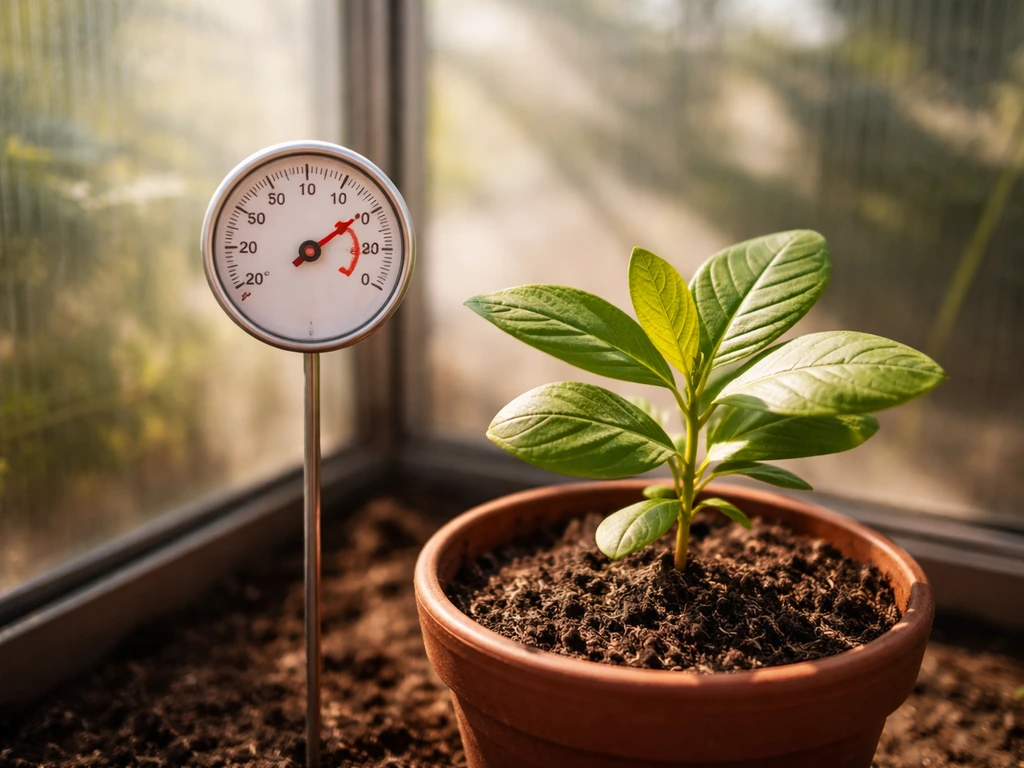
Cashews grow best where average annual temperatures stay between 24°C and 28°C (75°F to 82°F). FAO ECOCROP, developed by FAO, provides environmental descriptors such as min and max temperature, annual precipitation, light intensity, and photoperiod sensitivity that can be used to estimate crop productivity under different climates FAO ECOCROP provides environmental descriptors such as min/max temperature, annual precipitation, light intensity, and photoperiod sensitivity. They can handle brief dips to about 10°C (50°F) without permanent damage, but sustained cool nights slow growth dramatically and disrupt flowering. Anything below 4°C (39°F) will damage or kill the tree. For a Canadian greenhouse or indoor setup, you need to keep nighttime minimums above 15°C (59°F) year-round, with daytime temperatures ideally in the 24°C to 30°C (75°F to 86°F) range during the growing season.
Light
Cashews are high-light plants. In their native range they get 6 to 8 hours of direct tropical sun daily. Canadian winter light, even in the south, is both lower in intensity and shorter in duration. If you are growing indoors, supplemental full-spectrum grow lighting is not optional; it is the difference between a struggling plant and one that can realistically build toward flowering. Aim for at least 6 hours of direct or high-intensity artificial light. A light-deficient cashew will grow slowly and almost certainly never flower.
Humidity
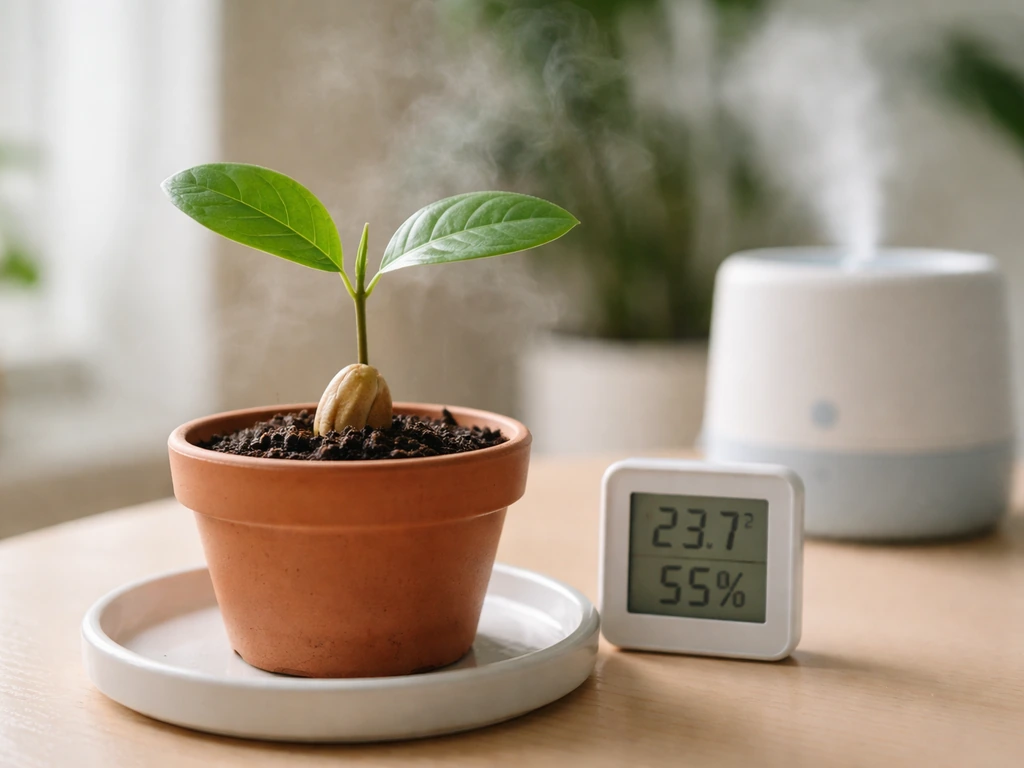
Cashews prefer relative humidity between 60% and 80% during the growing season, though they tolerate a drier period before flowering. Canadian indoor environments in winter are notoriously dry, central heating can drop indoor humidity to 20% to 30%. You will need a humidifier, a pebble tray, or regular misting to keep the tree comfortable. Ironically, the flowering cue requires a deliberate dry-down period first, so you are managing a humidity cycle, not just a constant level.
Soil and drainage
Cashews are exceptionally sensitive to waterlogged roots. In nature they grow in well-drained, sandy or loamy soils with a slightly acidic pH of around 5.5 to 6.5. For containers, use a fast-draining mix: a combination of coarse perlite, bark, and quality potting soil works well. Avoid peat-heavy mixes that hold moisture. The pot itself needs large drainage holes, and you should never let the root zone sit in standing water. Root rot is the most common way container cashews die in Canadian homes.
Outdoor vs greenhouse vs container indoors: your real options in Canada
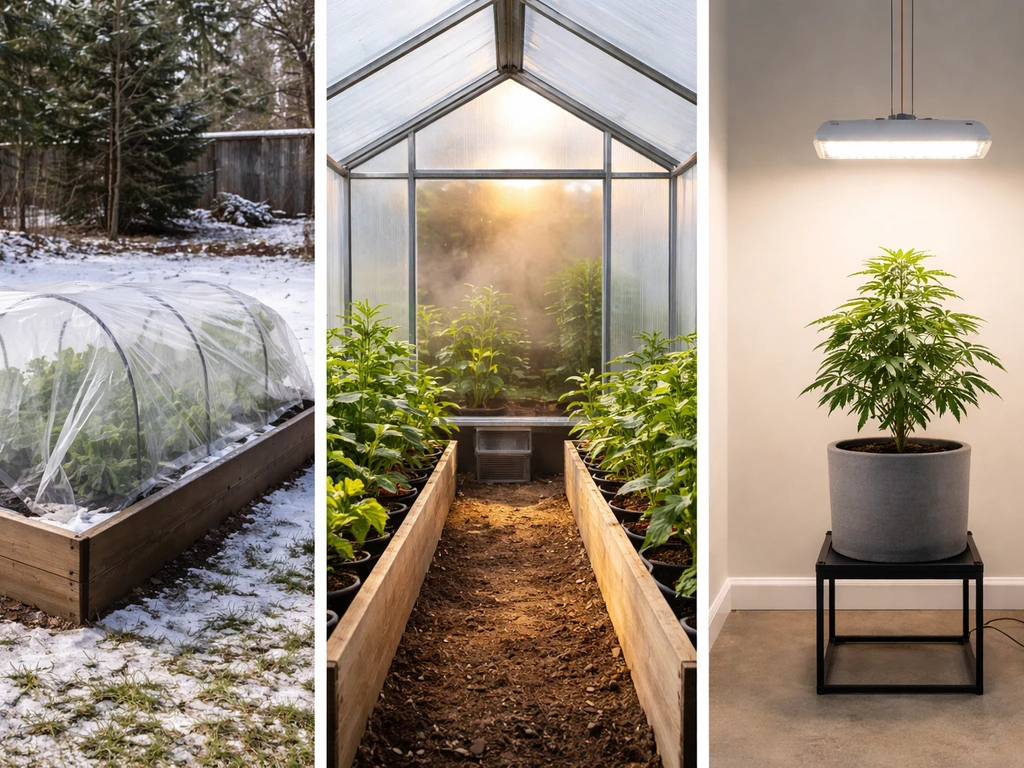
| Setup | Feasibility | Fruiting potential | Key requirement | Realistic for most Canadians? |
|---|---|---|---|---|
| Outdoor in-ground | Not feasible | Zero | Frost-free climate (zone 10+) | No |
| Heated greenhouse | Feasible | Low to moderate with effort | Year-round heat above 15°C night minimum, supplemental light | Possible for committed growers |
| Indoor container (sunny room) | Feasible for the plant | Very low — mostly ornamental | South-facing window plus grow lights, humidity control | Yes, as a foliage plant |
| High tunnel / unheated greenhouse | Not feasible year-round | Zero in winter | No frost protection | No |
A heated greenhouse is genuinely your best shot at fruiting in Canada. A glass or polycarbonate structure with a reliable heating system, supplemental grow lighting, and active humidity management can create conditions close enough to tropical that a dwarf cashew cultivar like 'Dwarf Yellow' or 'Dwarf Red' will at least attempt to flower. Indoor container growing in a home is more accessible but realistically positions the cashew as a novelty foliage plant rather than a productive tree. The light and heat levels inside most Canadian homes, even in south-facing rooms, are just not sufficient for reliable fruiting.
Starting from seed vs propagation: what actually works
One of the most common questions from Canadian gardeners is whether you can grow a cashew tree from a store-bought cashew. Even in Canada, you can technically start from seed, but the seed source has to be truly raw and viable can you grow a cashew tree from a store-bought cashew. The answer is almost always no. Commercial cashews sold for eating are always roasted or steamed during processing, that heat treatment kills the embryo completely. Even raw cashews sold in health food stores have typically been processed enough to render them non-viable. Germination from a store-bought nut is not a realistic starting point.
To grow from seed, you need a genuinely raw, unprocessed cashew still in its outer shell, sometimes called an 'unshelled raw cashew', sourced directly from a grower or specialty tropical plant supplier. Even then, germination rates vary considerably, and viability drops quickly after harvest. Fresh seed germinated in warm, moist conditions (around 27°C to 30°C) will typically sprout in 4 to 8 weeks. Given how difficult sourcing viable seed is in Canada, grafted dwarf cultivar saplings from specialty nurseries are the more practical and reliable starting point. They also tend to fruit earlier than seed-grown trees, which can take 3 to 5 years to reach flowering maturity.
Air layering is another propagation option used commercially, but it requires access to a mature parent plant, not something most Canadian growers will have. For most people in Canada, buying a named dwarf grafted sapling is simply the clearest path forward if you are serious about this project.
Care and management through the year
Watering
During the active growing season (late spring through summer), water thoroughly when the top 2 to 3 cm of soil dries out, then let it drain completely. In late fall, deliberately reduce watering to simulate the dry-season trigger that initiates flowering. This means cutting back to once every 10 to 14 days for 6 to 8 weeks, allowing the soil to become quite dry without letting the tree desiccate entirely. Then resume normal watering when you want to trigger flowering. This is one of the most critical care steps and the one most indoor growers skip.
Fertilizing
Feed with a balanced slow-release fertilizer (something like a 10-10-10 granular) in early spring, then switch to a lower-nitrogen, higher-potassium formula (like a 5-10-10 or tomato fertilizer) once you approach the flowering window. Excess nitrogen encourages leafy vegetative growth at the expense of flowers and fruit. Cashews also respond well to trace micronutrients, zinc and boron deficiencies are common in container-grown trees and show up as distorted new leaves or poor fruit set.
Pruning
Keep the tree to a manageable size by pruning back vigorous shoots after harvest or during the dry-down rest period. Dwarf cultivars are still fairly large trees if left unpruned, in containers, you are essentially bonsai-managing a tropical tree, so regular light pruning to maintain shape and encourage lateral branching (which produces more flowering sites) is both practical and productive. Avoid heavy pruning during active growth or pre-flowering.
Pollination
Cashew flowers are pollinated primarily by bees and other insects in the wild. Indoors, you will need to hand-pollinate using a small, soft paintbrush, transfer pollen between flowers in the same panicle or between panicles daily during flowering. The flowers are small and numerous, and the process is time-consuming, but skipping it means virtually zero fruit set. Some indoor growers use an oscillating fan to improve air circulation and simulate some level of passive pollination, but hand-pollination is far more effective.
Overwintering and dealing with cold damage
For Canadian growers, the period from October through April is the highest-risk window. If you are maintaining a cashew in a greenhouse, your heating system is non-negotiable, a thermostat failure on a -20°C Manitoba night will kill the tree. Install a backup heater and an alarm that notifies you of temperature drops below 12°C. For container plants moved indoors, the transition from outdoor warmth to indoor conditions should happen gradually in late August or early September, before nighttime temps start dropping toward 10°C.
Cold damage on cashews shows up as blackened, wilted leaf tips, then whole leaves, followed by branch dieback. If a light chill (above 4°C) causes leaf drop but doesn't kill the main stem, the tree may recover if moved to warmth immediately. Cut back any clearly dead wood to healthy green tissue, reduce watering, and give the tree 4 to 6 weeks to push new growth before resuming normal feeding. If the roots were chilled, recovery is less certain, root damage is often not visible until the tree fails to recover weeks later.
Pests to watch indoors include spider mites (exacerbated by dry winter air), scale insects, and mealybugs. Check the undersides of leaves regularly. A diluted neem oil spray handles most early infestations, but caught late, scale can be very difficult to eliminate on a large-canopied tropical tree in a container.
Should you actually do this? Practical next steps and alternatives
Before committing to a cashew project, honestly assess three things: your space (do you have a heated greenhouse or a very large, bright, south-facing room?), your heating and lighting infrastructure (can you maintain 15°C to 30°C year-round without significant cost?), and your expectations (are you okay with a beautiful ornamental tree that may never produce a harvestable nut, or is fruiting the actual goal?). If the answer to any of those is uncertain, the cashew is going to be a frustrating project.
If fruiting is your goal and you have a serious greenhouse setup, a dwarf grafted cashew cultivar in a large container (100 liters or more) with full climate management is technically achievable. But even then, you are working against every environmental cue the tree evolved with. If you just want a tropical novelty plant that is interesting and conversation-worthy, a cashew indoors can work fine, just set your expectations as a foliage plant with occasional flowers as a bonus.
For most Canadian gardeners who want to actually harvest edible nuts, the far more sensible path is to match the tree to your climate rather than fight it. Hardy nut trees that genuinely thrive in Canadian zones include hazelnut (Corylus americana and C. cornuta, hardy to zone 4), heartnut and butternut (zone 4 to 5), and even some newer cold-hardy pecan selections that survive zone 6 conditions. These will produce reliably with a fraction of the effort and infrastructure that a tropical cashew demands.
If you are set on exploring cashew growing further, start by researching how the challenge compares in climates slightly warmer than Canada's, Ohio, Michigan, and the UK face similar controlled-environment constraints, and growers in those regions have documented what works and what doesn't. If you are really asking can you grow cashews in Michigan, the reality is still about controlled warmth, long frost-free conditions, and lots of supplemental light if you are not growing outdoors. Cashews are similarly challenging in Ohio because they still need sustained warmth, frost-free conditions, and enough heat and humidity to reliably reach flowering and nut set can you grow cashews in ohio. That practical knowledge transfers directly to a Canadian greenhouse context. The bottom line: growing a cashew tree in Canada is possible with serious infrastructure, but harvesting a meaningful crop of cashew nuts is a long-shot project that requires more than most growers can realistically commit to.
FAQ
Can I grow cashews in Canada if I can keep them warm during the day but my home gets cooler at night?
If your goal is edible nuts, the biggest deciding factor is whether you can reliably keep nighttime temperatures above about 15°C year-round, not just keep the plant alive. Many indoor setups can handle daytime warmth but still dip too low at night, which prevents healthy flowering and nut set.
What are the odds of germinating a cashew from a supermarket cashew in Canada?
Store-bought cashews are almost always roasted or steamed, so the embryo is dead. Even “raw” health-store nuts are frequently processed enough that germination fails, so you need a truly unshelled, unprocessed source to have any realistic chance.
If I manage to grow a cashew tree indoors in Canada, will it automatically fruit?
Yes, but it is usually a two-step project: first you grow the tree to maturity, then you try to trigger flowering with an artificial dry-down. Without the dry-season cue plus pollination, you will often get leaves and maybe flowers but rarely any cashew apples or nuts.
Do I really need to hand-pollinate cashew flowers indoors in Canada?
Hand-pollination is most important when you want actual nuts, because indoor insects usually do not visit cashew flowers. Use a soft brush and move pollen frequently between flowers during the flowering window, because skipping days can reduce fruit set even if you have good heat and light.
What is the most common reason indoor cashew trees in Canada fail to flower?
If the greenhouse or room lighting is too dim, the tree can take a long time to mature or never flower. A common mistake is relying on a sunny window, then noticing slow growth and no flowering months later.
How do I manage watering so the flowering trigger actually happens?
Your watering schedule should include a planned, shorter dry-down period before flowering, not just “water less.” Many growers mistakenly reduce water too early or keep it too wet, which either delays flowering cues or increases the risk of root rot.
What causes most container cashew deaths in Canadian homes?
Even with the right temperatures, cashews can die quickly in poorly draining containers. The practical fix is a fast-draining potting mix and large drainage holes, and never allowing the pot to sit in a saucer of water.
Is it reasonable to expect edible nuts from a home container setup in Canada, or should I adjust expectations?
Yes, cashews can be grown as a novelty foliage plant, and you may sometimes see flowers without getting a meaningful nut harvest. To set expectations, treat “occasional flowers” as the upper realistic baseline for many homes, and treat nut production as a greenhouse-only challenge.
Can I move a cashew between outdoors (summer) and indoors (winter) in Canada?
You can, but it increases complexity because you must also maintain pollination and humidity cycles consistently across seasons. Moving plants outdoors can introduce cooler nights and pests, so plan the transition gradually and bring them back before nighttime temperatures approach the tree’s damaging range.
My cashew had a cold snap and lost leaves, what should I do next?
If nighttime temperatures fall but not to the worst range, you may see leaf tip blackening and leaf drop first, then possible dieback later. If it happened recently, remove clearly dead wood, keep conditions warm, and give several weeks for root recovery before you assume the plant is lost.
How can I tell if my container cashew needs micronutrients versus just more heat and light?
Yes, micronutrients matter more than most people expect in containers. A common approach is to use a fertilizer plan that reduces nitrogen as you near flowering, and watch new leaves for distortion that can signal zinc or boron issues.
What’s the difference between using a fan for airflow and ensuring proper pollination for fruiting?
Hand-pollination is time-consuming, but it also reduces uncertainty because you can track whether flowers actually get pollen. Some growers use a fan for airflow, but airflow is not a substitute for transferring pollen.
Is a grafted dwarf cultivar really better than growing from seed in Canada?
A grafted dwarf sapling tends to be the fastest path to flowering because it reaches maturity sooner than many seed-grown trees. If you are buying in Canada, confirm the plant is truly named and grafted, and expect multiple seasons of growth before any reliable flowering attempt.
Does pot size make a real difference for cashew fruiting indoors in Canada?
Container size affects stability of your climate control. A larger pot (often around 100 liters for serious fruiting attempts) buffers temperature and moisture swings, which helps keep root-zone conditions closer to what the tree expects.