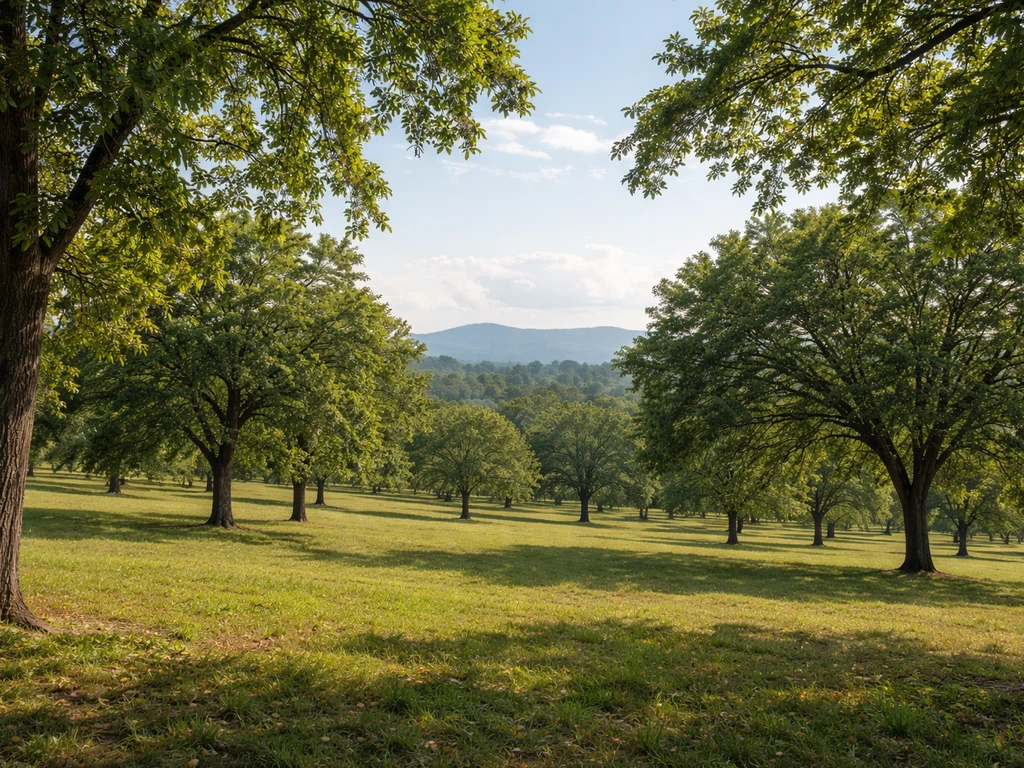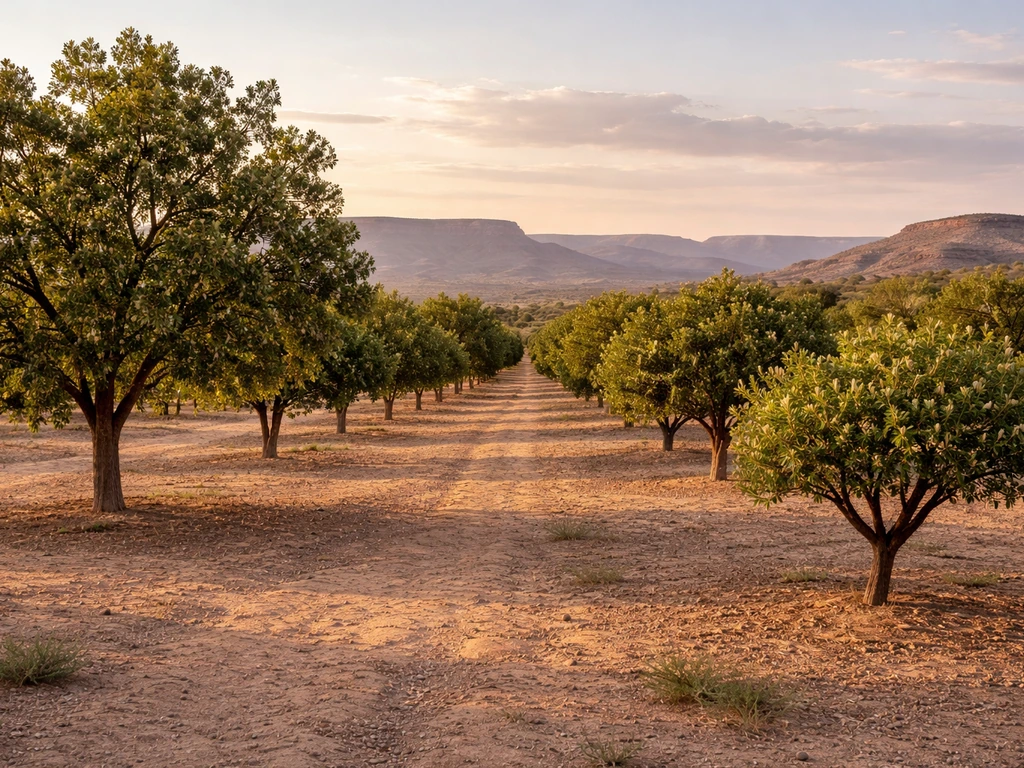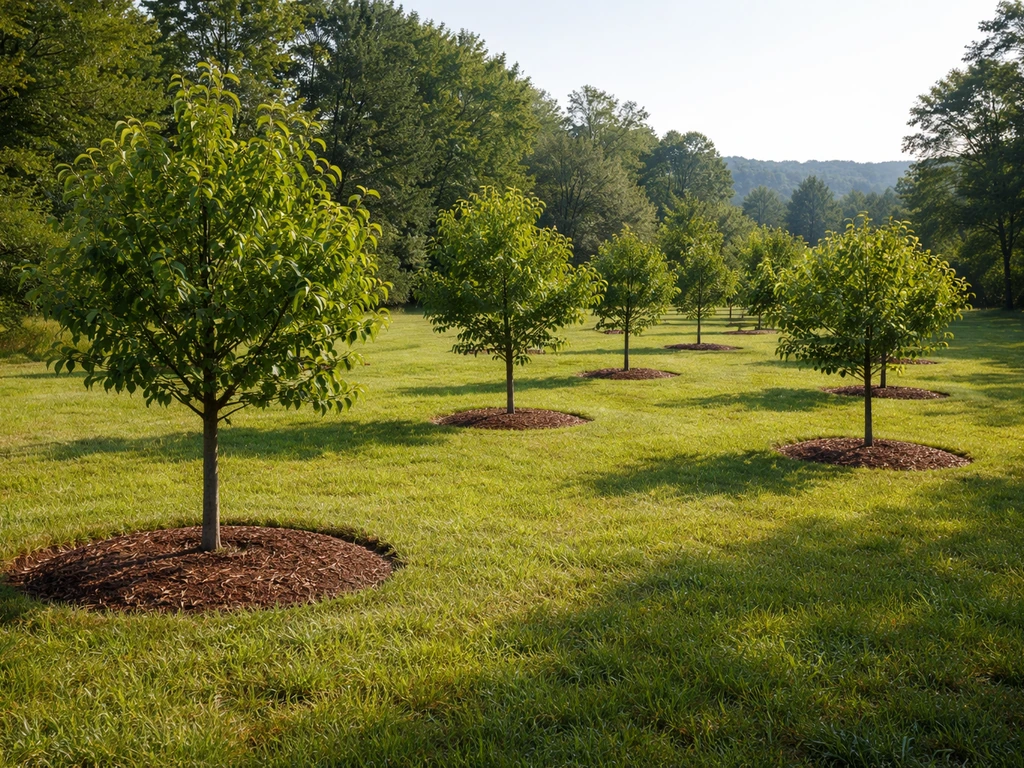
The best nut trees for Southern California are almonds, pistachios, and pecans. Cashews are much less common than the nut trees listed above, so if you are wondering do cashews grow in California, it helps to check your climate and chill requirements first. They were practically made for the Mediterranean climate here: hot dry summers, mild winters, and well-drained soil. After those three, chestnuts are a solid choice for cooler inland spots and foothills, and walnuts work well in the inland valleys if you have the space. If you're wondering what nut trees grow in Virginia, the best choices will also depend on your local chill hours, winter severity, and soil drainage. If you are wondering what nut trees grow in Utah specifically, focus on chill hours, winter cold, and whether your site drains well enough for long-term production. What you grow should depend heavily on where in SoCal you are, because the difference between a coastal garden in Santa Monica and an inland site in Redlands or Temecula is enormous in terms of chill hours, heat load, and frost risk.
Best Nut Trees to Grow in Southern California: Top Picks
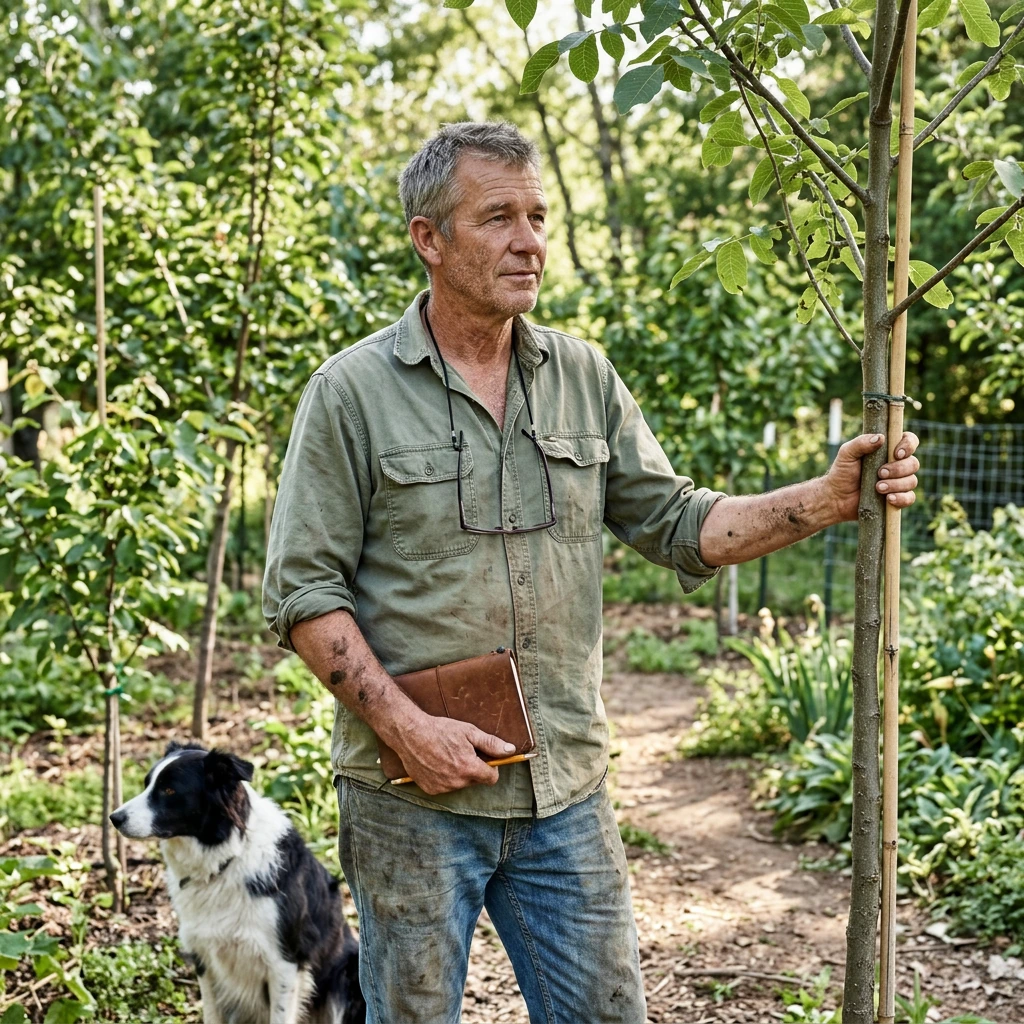
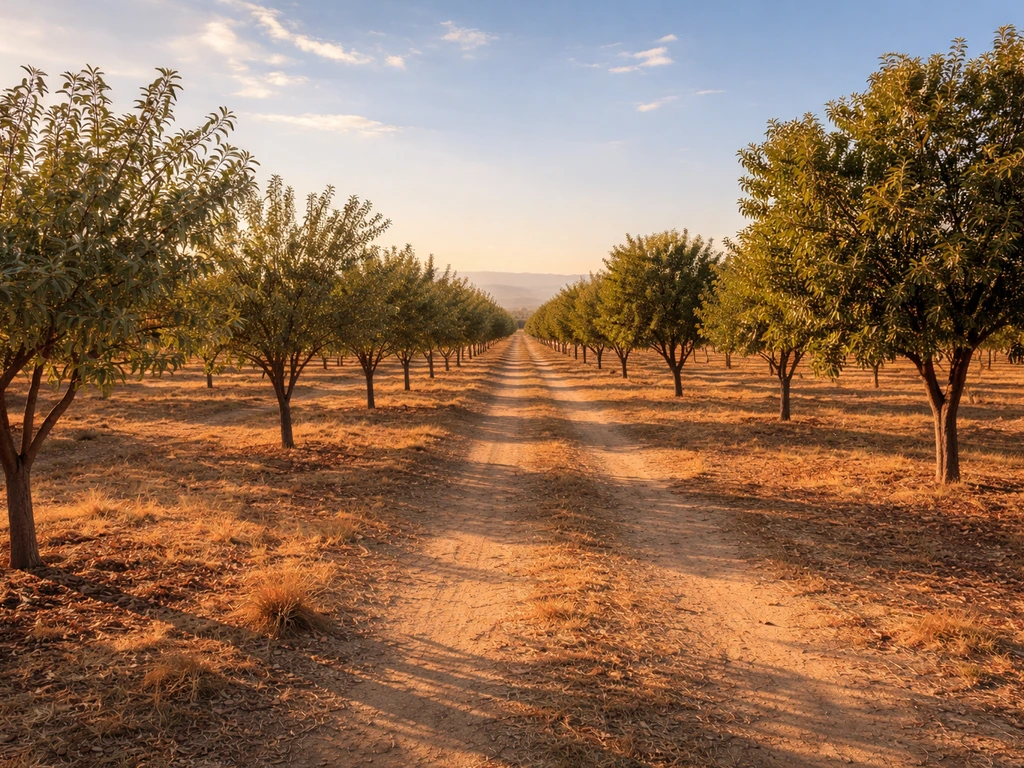
Top nut trees that thrive in Southern California
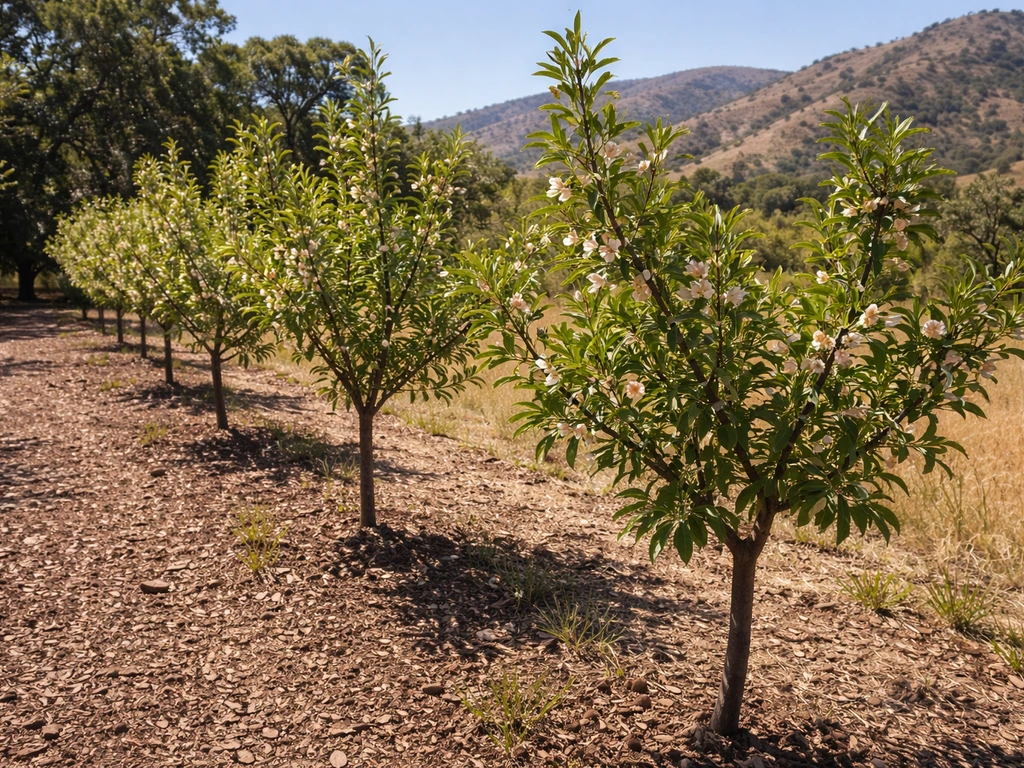
Here is a realistic shortlist of nut trees that actually perform well across the range of Southern California conditions, along with what each one is and what to expect from it.
Almond (Prunus dulcis)
Almonds are probably the single easiest nut tree for most SoCal gardens. They need around 200 to 400 chill hours (hours below 45°F), which even mild inland valleys provide. They handle heat, tolerate moderate drought once established, and start producing meaningful harvests in as little as 3 to 4 years. Trees reach 15 to 20 feet tall and wide if left unpruned, but respond well to shaping. The main catch: most cultivars need a pollinator. Plant two compatible varieties, such as 'Nonpareil' and 'All-In-One', or choose the self-fertile 'All-In-One' if you only have room for one tree.
Pistachio (Pistacia vera)
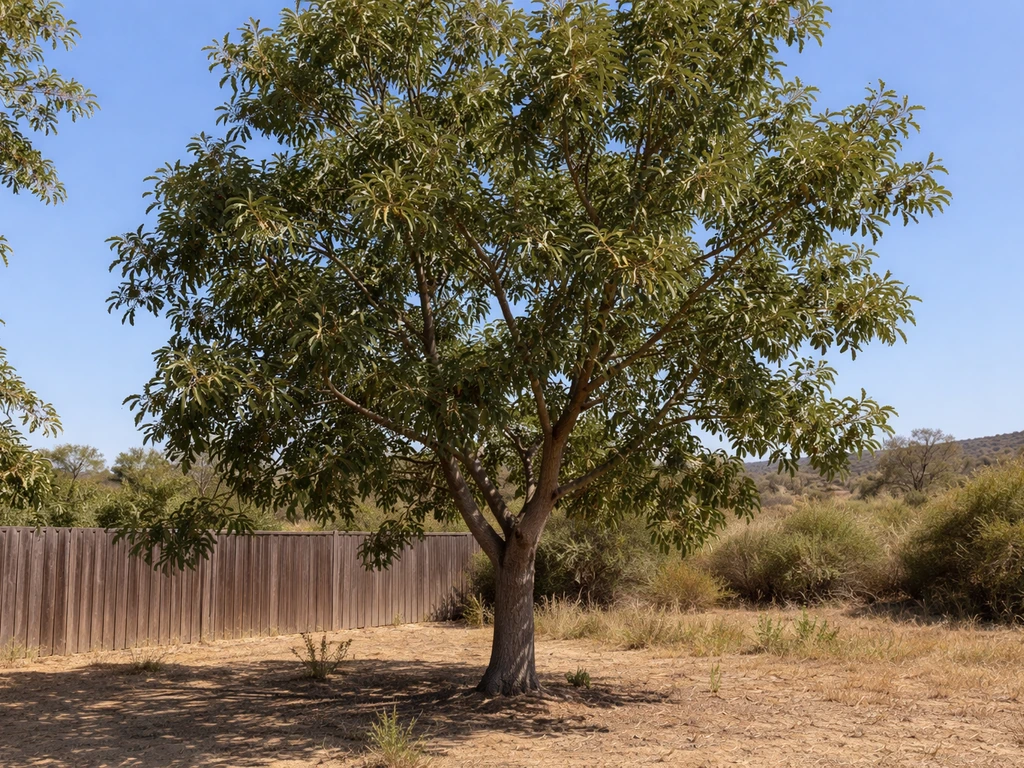
Pistachios are built for SoCal conditions. They tolerate alkaline soils, handle heat and drought aggressively, and actually suffer in areas with high humidity or wet winters. They need around 800 to 1,000 chill hours for good nut set, which rules out the coast and low-elevation desert edges but makes them ideal for the inland valleys and foothills. The other major requirement: pistachios are dioecious, meaning you need both a male and female tree. You cannot harvest anything from a single tree. One male can pollinate up to eight females. Expect your first real crop around year 5 to 7, with full production by year 10 to 12. 'Kerman' is the standard commercial female; 'Peters' is the most common male pollinator.
Pecan (Carya illinoinensis)
Pecans are underused in SoCal but genuinely productive in the right location. They are drought tolerant once established, love full sun, and handle the heat of inland valleys well. They do need a long hot season to fill the nuts properly, which is actually a point in their favor for places like the Coachella Valley edges, the San Gabriel Valley, and San Diego's backcountry. The downsides: pecans get large (40 to 60 feet at maturity), they need cross-pollination between two compatible cultivars, and they should never go into saline or poorly drained soil. 'Wichita' and 'Western Schley' are popular SoCal-adapted varieties that work as cross-pollinators for each other. First harvest typically comes around year 6 to 8.
Chestnut (Castanea spp.)
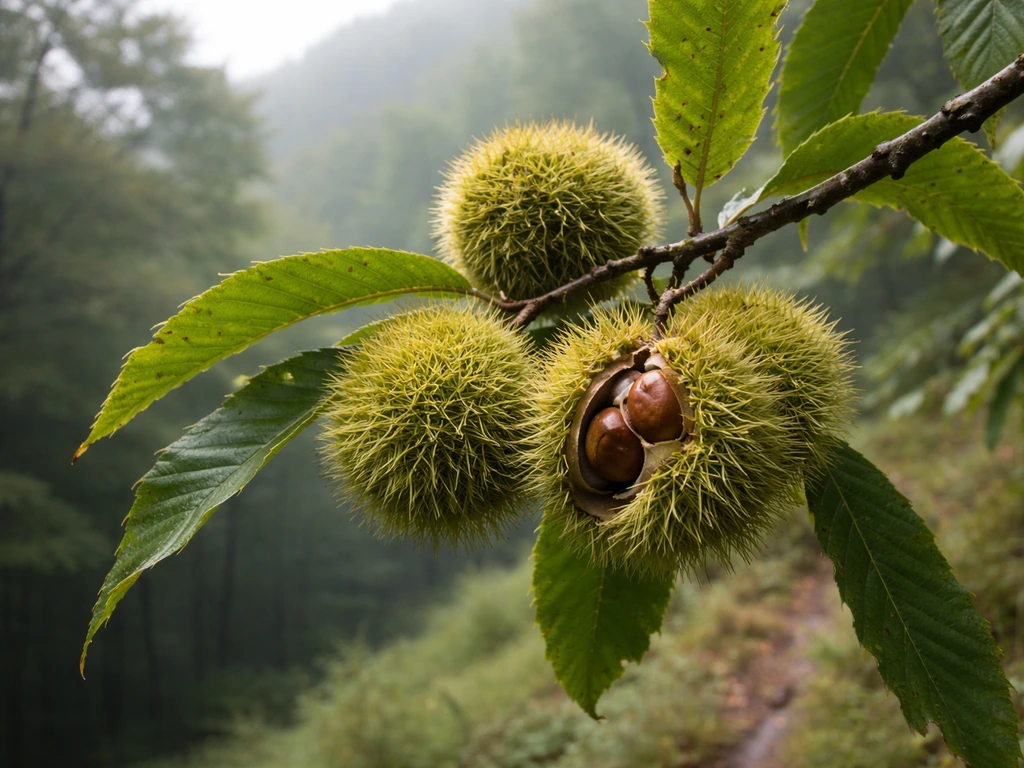
Chestnuts are the best choice if you are in the SoCal foothills or a higher-elevation inland site with decent moisture and 400 to 700 chill hours. In South Carolina, what nut trees grow best depends on similar factors like chill hours, moisture, and whether you have well-drained soil SoCal foothills or a higher-elevation inland site. They do not tolerate alkaline soils well, so if you have the sandy, slightly acidic soils of some foothill areas, they can excel. Most chestnuts need cross-pollination between two trees or two different grafted cultivars. Expect first harvests in 3 to 5 years from grafted trees. Chinese chestnuts (Castanea mollissima) are more blight-resistant and heat-tolerant than European types, making them the better bet for most SoCal sites.
Walnut (Juglans regia)
English walnuts grow well in the San Fernando Valley, Ventura County, and other moderate inland valleys, but they are a commitment. They need 500 to 1,000 chill hours, so the coast and low desert are out. They get enormous: UC IPM specifically notes you need space for a 40 to 50 foot spread. On the right site, they are long-lived and productive. 'Chandler' and 'Howard' are popular low-chill cultivars that perform well in warmer SoCal inland areas. Walnuts are self-fertile but produce better with a second compatible tree nearby.
Match each nut tree to your microclimate (coast vs inland vs frost pockets)
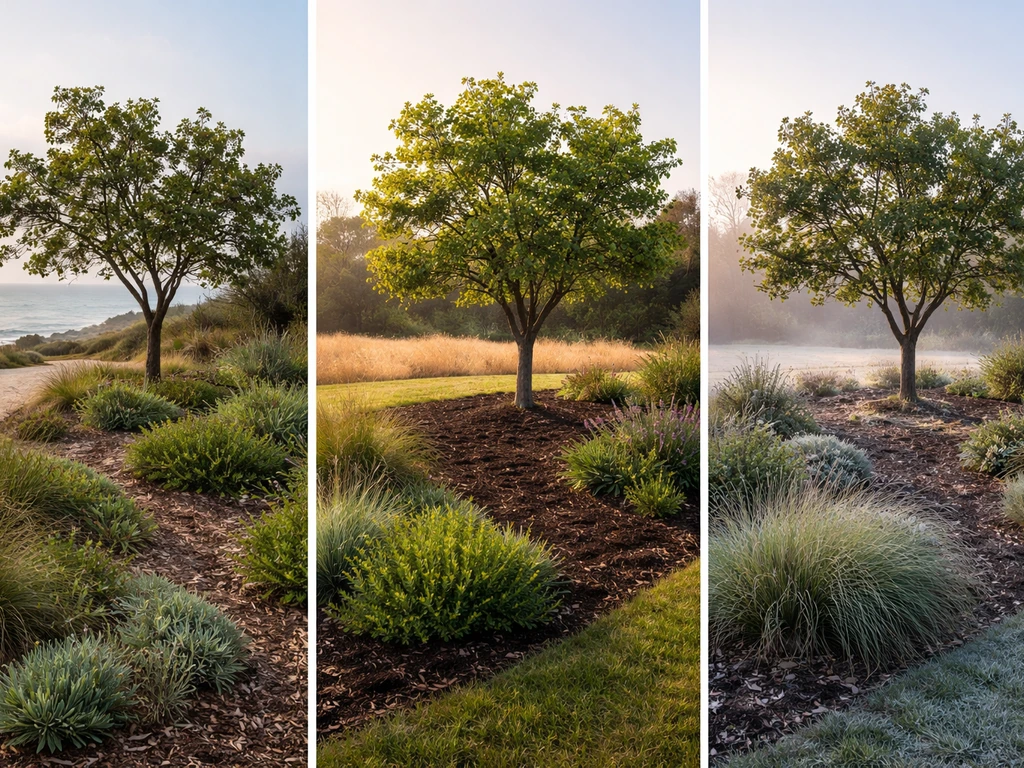
Southern California is not one climate. The difference between a coastal garden three miles from the ocean and an inland valley site can mean 400+ more chill hours and 20 degrees more summer heat. Getting this match right is more important than any other decision you will make.
| Nut Tree | Coastal (Santa Monica, Long Beach) | Inland Valley (San Gabriel, Temecula, Riverside) | Foothills & Mountains (1,500–3,500 ft) | Desert Edge (Palm Springs area, Victor Valley) |
|---|---|---|---|---|
| Almond | Marginal (low chill varieties only) | Excellent | Good | Marginal (too hot for some) |
| Pistachio | Poor (too mild, humid) | Excellent | Good | Good to excellent |
| Pecan | Poor (low heat units) | Excellent | Good | Good (heat helps fill nuts) |
| Chestnut | Poor (too mild) | Good (with irrigation) | Excellent | Poor (too hot and dry) |
| Walnut | Poor (insufficient chill) | Good to excellent | Excellent | Poor (too hot) |
Frost pockets are a real concern in SoCal foothill and valley gardens. Cold air drains downhill and pools in low spots, bowls, and areas surrounded by hillsides. This matters most for almonds and chestnuts, whose blossoms open early. MSU Extension's chestnut guidance specifically highlights frost pocket risk for orchard siting on flat or low-lying land. If your site is prone to late frosts, choose a variety that blooms later, avoid planting in the lowest point of your property, and favor sites with good cold-air drainage on sloped ground.
If you are on the coast and determined to grow nuts, almonds with low chill requirements (under 250 hours) like 'All-In-One' or 'Garden Prince' (a genetic dwarf) are your best realistic option. Pistachios and walnuts will underperform or fail to crop reliably in coastal microclimates due to insufficient winter chilling and summer heat units.
Planting plan: soil, sun, spacing, and irrigation setup
Site prep and soil
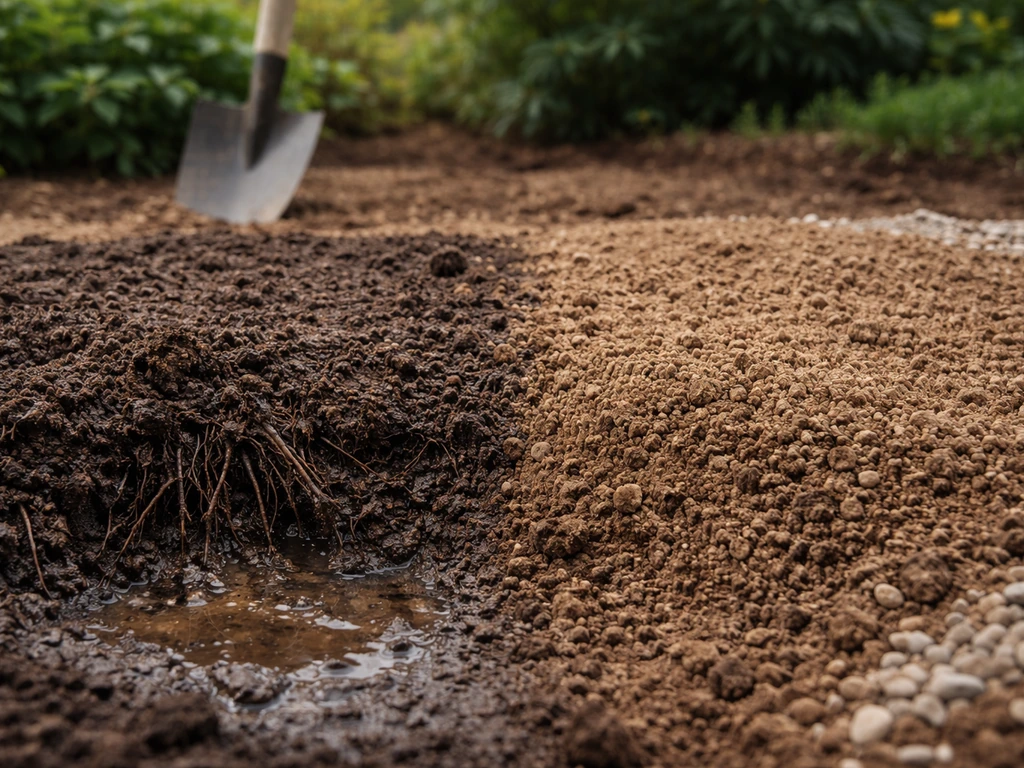
All five of these nut trees want full sun, meaning at least 8 hours of direct sun daily. Anything less and you will get weaker growth and poor nut fill. SoCal soils vary wildly: you might have deep loamy alluvial soil in parts of the San Gabriel Valley, hardpan clay in foothill areas, heavy adobe in parts of Ventura County, or sandy decomposed granite in mountain foothill zones. The single most important soil issue to deal with before planting is drainage. Poor drainage kills nut trees through root and crown rot, and it is entirely preventable with upfront work.
UC IPM's guidance for almonds is direct on this: if you have a hardpan layer, break through it before planting. If drainage is poor throughout, plant on raised beds, ridges, or mounds rather than in flat ground. For a backyard tree, this can be as simple as planting on a 12 to 18 inch raised mound of amended native soil, which keeps the crown and upper roots above the zone of waterlogging. Test drainage by digging a 12-inch hole, filling it with water, and watching how fast it drains. If it is not empty within an hour or two, you need to address drainage before you plant anything.
Amend sandy or very poor soils with compost before planting, but avoid over-amending: creating a rich pocket in otherwise lean soil actually impedes root exploration outward. Pistachios and almonds prefer well-drained, slightly alkaline to neutral soils (pH 6.5 to 8.0). Chestnuts prefer slightly acidic conditions (pH 5.5 to 6.5), so they need more careful soil matching in SoCal where soils often trend alkaline.
Spacing
- Almonds: 15 to 20 feet apart (dwarf varieties can go 10 to 12 feet)
- Pistachios: 18 to 20 feet apart (male tree can be at the end of a row or on prevailing wind side)
- Pecans: 30 to 40 feet apart minimum; full-size trees need 40 to 60 feet at maturity
- Chestnuts: 20 to 30 feet apart
- Walnuts: 30 to 40 feet apart; UC IPM specifies planning for a 40 to 50 foot canopy spread
Irrigation setup
In SoCal, you are not going to grow nut trees on rainfall alone. The key during the first year is to water deeply and infrequently: UC IPM recommends irrigating for 12 to 24 hours to wet the soil to a 3 to 6 foot depth. This trains roots downward and builds drought tolerance. Drip irrigation is the most efficient system, with emitters placed at or just beyond the drip line of the canopy, not right at the trunk. As trees mature, established almonds and pistachios can survive on significantly less water than you would think. Pecans, despite their drought tolerance, do need consistent moisture during nut fill (late summer), or you will get small, poorly developed kernels. Set up your drip system before you plant: getting irrigation right from day one is far easier than retrofitting after the fact.
Care roadmap: pruning, fertilizing, and seasonal maintenance
Pruning
For the first three years, your goal is to build structure. Most nut trees are trained to an open-center or modified leader form. The basic idea is to establish 3 to 5 well-spaced scaffold branches coming off the main trunk, starting at a height of about 3 to 4 feet. Remove any branches that cross, crowd, or grow toward the center of the canopy. After the tree is established, annual dormant pruning in late winter (January to February in SoCal) keeps the canopy open, removes dead or diseased wood, and controls height. Walnuts are the exception: they are pruned minimally because every cut is a potential entry point for disease. Chestnuts produce best when kept to a manageable height of 15 to 20 feet with annual thinning.
Fertilizing
Young trees (years 1 to 3) benefit from modest nitrogen applications in early spring to push vegetative growth. For almonds and pistachios, a balanced fertilizer (something like 10-10-10) applied in February and again in May is a reasonable starting point for home growers. Once trees hit bearing age, the focus shifts to supporting both crop load and canopy. Zinc deficiency is common in SoCal's alkaline soils and shows up as small crinkled leaves, especially in pecans and almonds. A foliar zinc spray in early spring often solves this faster than soil amendment. Avoid heavy nitrogen applications on pistachios in bearing years: too much pushes excessive shoot growth at the expense of nut production.
Seasonal maintenance calendar
- January to February: Dormant pruning, apply dormant oil spray if scale or mite eggs were a problem the prior year
- March to April: Apply zinc foliar spray at leaf emergence; begin irrigation as temperatures rise; monitor for aphids on new growth
- May to June: Thin young nut crops if extremely heavy (pistachios rarely need thinning; almonds and chestnuts sometimes do); adjust irrigation for warming temperatures
- July to August: Peak water demand period; maintain consistent irrigation especially for pecans and walnuts during nut fill; watch for navel orangeworm activity in almonds and pistachios
- September to October: Harvest almonds, pistachios, walnuts, and chestnuts (timing varies by species and cultivar); reduce irrigation after harvest
- November to December: Let trees enter dormancy; minimal irrigation during rainfall months; clean up any mummified nuts or debris from the orchard floor to reduce pest and disease carryover
Pollination, cultivar selection, and realistic harvest timelines
Pollination is where many home growers get tripped up. Understanding which trees need partners is critical before you plant, because finding out five years in that your solitary pistachio is female and has no male pollinator is a frustrating and expensive lesson.
| Species | Pollination Requirement | Recommended Cultivars for SoCal | Years to First Meaningful Harvest |
|---|---|---|---|
| Almond | Most need cross-pollinator; 'All-In-One' is self-fertile | 'Nonpareil' + 'All-In-One'; or 'Garden Prince' (dwarf, self-fertile) | 3 to 4 years |
| Pistachio | Dioecious: need 1 male per up to 8 females | Female: 'Kerman'; Male: 'Peters' | 5 to 7 years (full production 10 to 12 years) |
| Pecan | Cross-pollination strongly recommended | 'Wichita' + 'Western Schley'; or 'Pawnee' + 'Desirable' | 6 to 8 years |
| Chestnut | Most need cross-pollination (plant 2 cultivars) | Chinese chestnut (Castanea mollissima); 'Colossal' (hybrid) | 3 to 5 years from grafted trees |
| Walnut | Self-fertile; second tree improves yield | 'Chandler', 'Howard' (low-chill), 'Franquette' | 4 to 6 years |
When selecting cultivars, always verify chill hour requirements against your specific site, not just your general region. The chill hours at an inland valley site in Escondido can differ dramatically from a hilltop site 10 miles away. UC ANR's publication on chill hours and UC Davis's California chilling resources are useful references for understanding how chill accumulation varies across SoCal microclimates. Low-chill almond varieties like 'All-In-One' (around 250 chill hours) are the safest bet for coastal and warmer inland gardens. Pistachio's higher chill requirement (800 to 1,000 hours) means it truly belongs only in the higher-chill inland areas.
Pests and diseases to watch in SoCal nut orchards
Navel orangeworm
Navel orangeworm (Amyelois transitella) is the most damaging caterpillar pest for almonds, pistachios, and walnuts in California. UC IPM identifies it as the top caterpillar threat in pistachio orchards, and the Almond Board of California points growers directly to UC IPM's navel orangeworm resources for almond management. The larvae enter nuts through hull splits and damaged shells, contaminating kernels with mold and frass. In home orchards, the most practical controls are: removing all mummified nuts from the tree and ground at the end of each season (these are the overwintering sites), and timing any spray applications to about one month before harvest, when the new crop becomes most vulnerable. For home gardeners, sanitation alone can significantly reduce pressure compared to neglected trees.
Phytophthora root and crown rot
Phytophthora is the most serious disease threat for walnuts, almonds, and chestnuts in SoCal, and it is almost always a drainage problem at its root (literally). UC IPM lists it as a key concern for walnut home orchards, and UC Davis confirms that all common walnut rootstocks are susceptible. Armillaria mellea (oak root fungus) is also a significant threat in areas with a history of native oaks. The honest truth is that there is no cure once Phytophthora takes hold in a mature tree. Prevention is everything: plant on well-drained soil or raised mounds, never allow water to pool at the base of the trunk, and keep irrigation emitters away from the crown. UC IPM's chestnut page lists the same disease as a concern for chestnuts, so the same prevention logic applies across species.
Other pests to monitor
- Peach twig borer: targets almonds, causing shoot dieback and kernel damage in SoCal; manage with dormant oil and/or targeted sprays at petal fall
- Aphids: heavy infestations on walnuts and pecans can cause leaf curl and reduce vigor; often managed by encouraging beneficial insects
- Walnut husk fly: maggot damage to walnut husks causes black staining and kernel quality issues; traps and exclusion netting help in home orchards
- Spider mites: serious in hot dry SoCal summers, especially on almonds and walnuts; avoid dusty conditions, use overhead irrigation occasionally to reduce populations if drip is your primary system
- Pecan weevil: less of an issue in SoCal than in the Southeast, but worth monitoring in heavy pecan plantings
Harvesting, drying, and storage for best eating quality
Knowing when and how to harvest makes a real difference in the quality of what you eat. Each species has its own cues and handling needs.
Almonds
Almonds are ready when the hull splits open and begins to dry, usually August to September in inland SoCal. Knock or shake branches to bring them down, or collect from the ground daily if navel orangeworm pressure is high (delayed collection means more damage). After harvest, spread nuts in a single layer in a warm, airy spot and dry for 1 to 2 weeks until the kernel inside rattles audibly in the shell. Store in-shell almonds in a cool, dry place for up to a year, or shell them and freeze for longer storage.
Pistachios
Pistachios are ready when the hull turns from green to yellow-pink and slips easily off the shell, typically September to October. Harvest promptly: pistachio hulls ferment quickly and can stain and damage the shell if left too long. Hull them within 24 hours of harvest, then rinse and spread to dry. Roasting helps with flavor and also addresses any aflatoxin risk (a mold issue encouraged by delayed drying). Dry for several days at room temperature or use a low oven (170°F) before storing.
Pecans, Walnuts, and Chestnuts
Pecans are ready when the husk splits and falls, generally October to November. Collect daily and dry for several weeks before cracking. Walnuts are harvested when the green hulls start to blacken and split, usually September to October; hull them quickly, wash the shells, and dry for 2 to 3 weeks. Chestnuts are harvested fresh from the burr and must be handled differently from all other nut crops because they have high moisture and sugar content. They need to be used or refrigerated within a few days of harvest, or processed and frozen if you have a large crop. Unlike almonds or walnuts, chestnuts do not air-dry to a long shelf-stable state.
How to choose the best option for your goals (low water, manageable size, maximum yield)
If you want to cut to the answer: almonds are the best all-around choice for most SoCal home growers. They are productive, relatively fast to bear, manageable in size, and handle the climate better than any other nut tree across most of the region. Pistachios are the best choice if you have inland heat, high chill hours, and you are patient enough to wait for full production. Pecans are worth it if you have the space and a long hot season. Chestnuts are a niche but rewarding choice in the right foothill microclimate. Walnuts are excellent where they are suited but are a long-term, large-space commitment. If you are planning beyond Southern California, you can compare this with what nut trees grow in North Carolina to pick varieties that match your local chill and climate.
| Goal | Best Choice | Notes |
|---|---|---|
| Lowest water use once established | Pistachio | Exceptional drought tolerance; also tolerates saline soils better than most |
| Smallest tree / container-friendly | Almond ('Garden Prince' dwarf) | Genetic dwarf stays under 8 feet; self-fertile |
| Fastest to first harvest | Almond or Chestnut (grafted) | Both can produce in year 3 to 4 from a grafted tree |
| Maximum nut volume per tree | Pecan or Walnut | Largest trees; highest volume at maturity but require years and space |
| Best for coastal/mild areas | Almond (low-chill variety) | Only realistic choice; others fail to chill or fill nuts properly |
| Salt-tolerant / saline soil | Pistachio | Explicitly tolerates salinity per UC ANR production manual; pecans should NOT go in saline soil |
| Least pest pressure | Chestnut (foothill sites) | Fewer pest issues than almond/pistachio if in the right microclimate |
| Easiest single-tree setup (no pollinator needed) | Almond ('All-In-One') or Walnut | Self-fertile; still benefits from a second tree but will crop alone |
One practical note on decision-making: before buying anything, dig a hole on your actual planting site and assess drainage, soil depth, and whether you hit hardpan. This single step will tell you more about your realistic options than any chart. If drainage is poor, either address it with raised planting or switch to a species with higher tolerance (pistachio is more forgiving than walnut or chestnut in marginal drainage, though still not suitable for waterlogged conditions). If you are in an area close to the Arizona or New Mexico border or in SoCal's desert-edge regions, many of the same species comparisons apply for those climates as well. If you are in an area close to the Arizona or New Mexico border or in SoCal's desert-edge regions, many of the same species comparisons apply for those climates as well what nut trees grow in arizona. If you are deciding on what nut trees grow in New Mexico, the same species comparisons (like pistachio tolerance versus walnut or chestnut drainage needs) still help you narrow your best options by microclimate Arizona or New Mexico border.
Finally, buy grafted trees from reputable nurseries whenever possible. Seedling trees are genetically variable, and you may wait 8 to 10 years only to discover poor nut quality or low production. A grafted 'Kerman' pistachio or 'Chandler' walnut is a known quantity. Pay the premium, do your site prep, plant on the right microclimate, and you will have productive trees for decades.
FAQ
What’s the best nut tree to grow if my yard is on the cool coast with frequent morning fog?
For coastal SoCal, the safest bet is a low-chill almond cultivar, because pistachios and walnuts typically struggle to crop when winter chilling and summer heat units are both insufficient. Aim for a spot with maximum sun and strong air movement, and expect lighter yields in cool microclimates even with the right cultivar.
Can I grow pistachios from a single tree if I don’t have room for both male and female trees?
Usually no. Pistachios are dioecious, so you need a male and female for nut set. A practical approach is planting one male for multiple female trees, then spacing them so pollination overlaps during bloom, rather than trying to rely on a lone tree.
How do I tell if my soil has a drainage or hardpan problem before I buy trees?
Do a water-drainage test on your exact planting spot. Dig a hole, fill it with water, and time how long it takes to drain, if it stays wet for an hour or two you should plan raised mounds or ridges, or choose a species that tolerates slightly better conditions. Also probe deeper than you think you need to check for hardpan or compacted layers.
Is it better to plant on flat ground and “fix it later” with irrigation adjustments?
No. With nut trees, prevention beats retrofits, because diseases like crown and root rots are tied to how long water sits around roots and the trunk base. If drainage is marginal, build the raised bed or ridge before planting, then keep emitters out near the drip line rather than aiming water at the crown.
What if I only have room for one almond tree, will I still get a crop?
Many almonds require a pollinator, so check the cultivar. If you can only plant one tree, choose a self-fertile option, otherwise you risk getting flowers but minimal nut set. Also make sure the companion cultivar blooms in the same window, not just in the same season.
Are there any nut trees that are more tolerant of alkaline soil than others in Southern California?
Yes. Pistachios and almonds handle alkaline or neutral to slightly alkaline conditions better than walnuts and chestnuts. Chestnuts prefer more acidic soil, if your site is naturally alkaline, you either need careful soil matching or reconsider chestnuts altogether.
What should I do if my pecan leaves develop zinc deficiency symptoms?
Alkaline SoCal soils commonly cause zinc issues, and pecans are among the more affected species. A fast fix is a properly timed foliar zinc spray in early spring, but you should also confirm you are not over-fertilizing with nitrogen, since excessive shoot growth can reduce nut performance during bearing years.
Do frost pockets ruin all nut tree choices, or are some better suited?
Frost pockets matter most for trees that bloom early, almonds and chestnuts are usually the biggest concern. You can reduce risk by planting on sloped ground with good cold-air drainage, avoiding the lowest spots, and selecting varieties known for later bloom if your area reliably gets late freezes.
How far apart should I space nut trees for future growth and canopy management?
Plan for large mature spreads. For example, walnuts can take up major space at maturity, so spacing too tightly can force constant pruning or canopy shading. Use the mature size range for your cultivar, then allow room for scaffolding and airflow, not just the nursery pot size.
If I plant grafted trees, how long should I expect before the first meaningful harvest?
Expect variability by species and cultivar. Common ballparks are almonds around 3 to 4 years, pistachios about 5 to 7 years, pecans about 6 to 8 years, chestnuts about 3 to 5 years from grafted stock, and walnuts often longer due to their chill and space requirements.
What’s the most practical way to reduce navel orangeworm problems in a home orchard?
Start with sanitation. Remove all mummified nuts from the tree and ground at season end, then time any pest management actions to about one month before harvest so vulnerable new crop becomes protected before hull splits and damage. Daily collection during peak risk can also reduce contamination.
Is Phytophthora always fatal in older trees, or is there something I can do early?
Once Phytophthora takes hold and causes major damage, there is no reliable cure. The key action is prevention, fix drainage, avoid water pooling at the trunk base, and keep irrigation aimed beyond the crown so roots get water without leaving the crown wet.
What’s the correct harvesting approach if I get delayed due to work or travel?
Each nut has different timing sensitivity. For pistachios, delaying harvest can lead to hull fermentation and shell staining, so harvest and hull quickly. Almonds also benefit from timely collection when navel orangeworm pressure is high, and chestnuts need rapid refrigeration or processing because they do not air-dry into long-term storage.