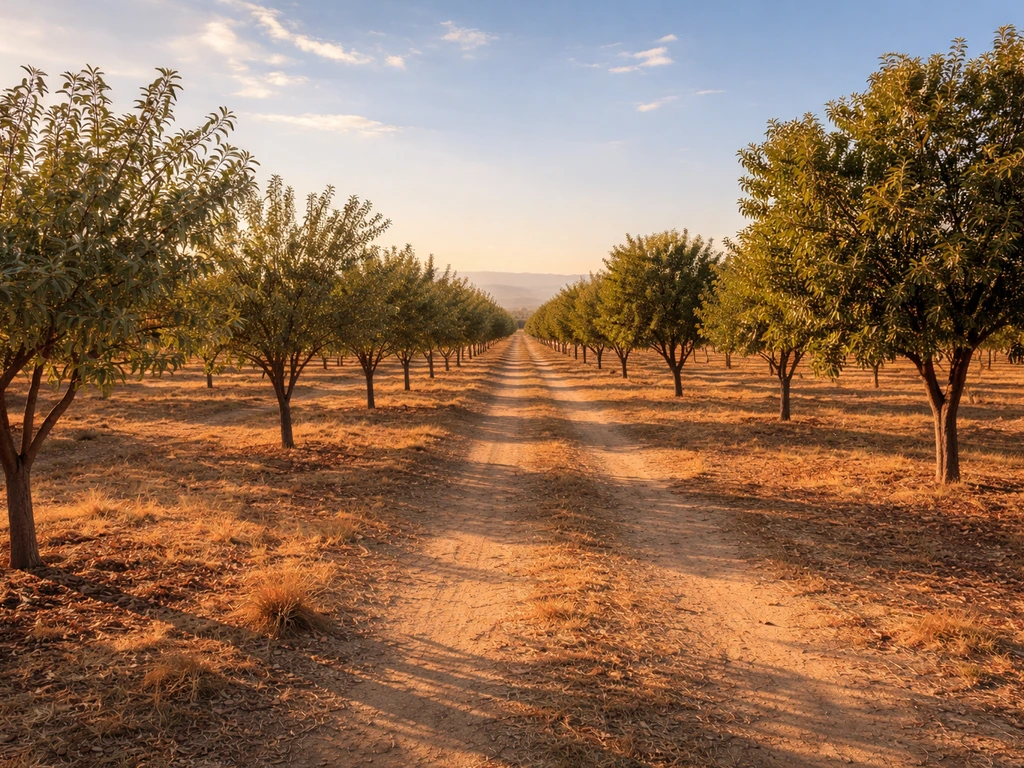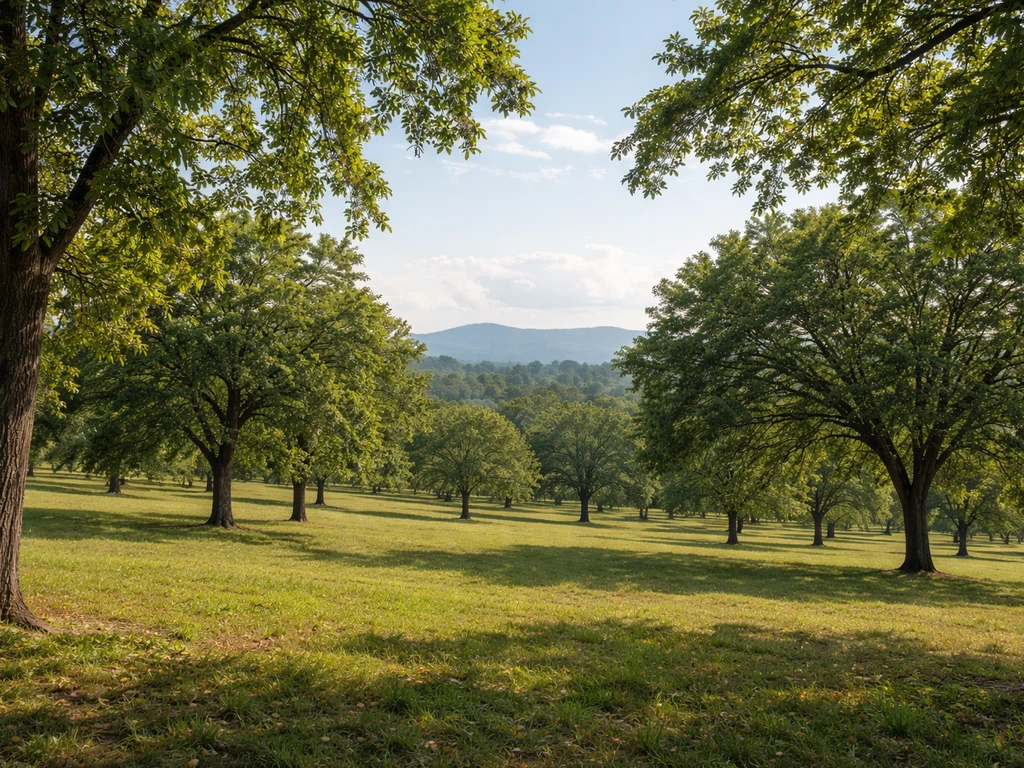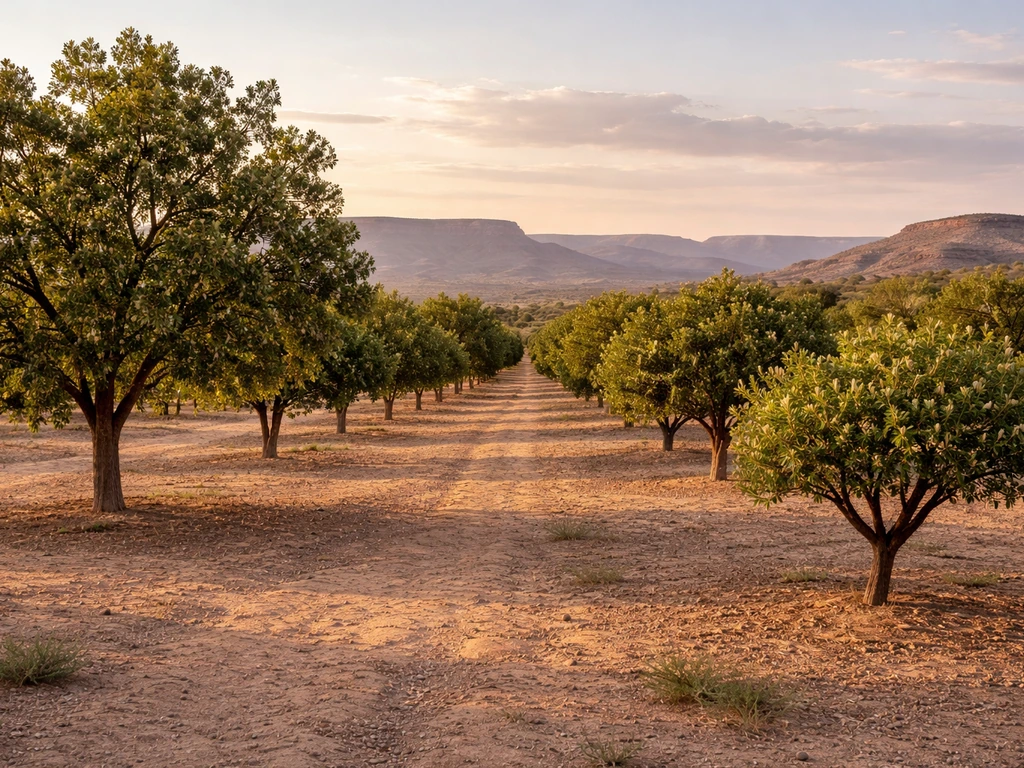
Arizona can grow pistachios, pecans, almonds, walnuts (in higher elevations), and even some macadamias in the warmest corners of the state. The trick is matching the right tree to your specific elevation and microclimate. If you want the same kind of guidance for South Carolina, use its local zone and chilling patterns to narrow down which nut trees are worth planting what nut trees grow in south carolina. A pistachio thrives in the Tucson basin but struggles in Flagstaff.
What Nut Trees Grow in Arizona Best Options by Climate
Marcus Hendricks
29 May 2026
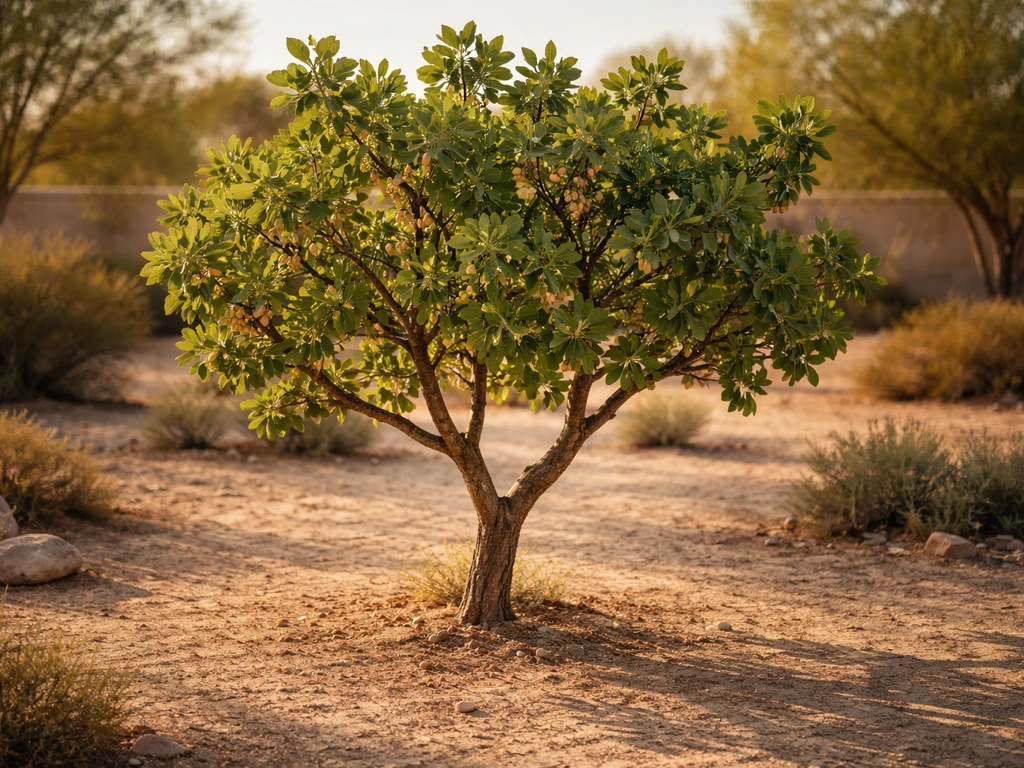
A black walnut that does fine in the White Mountains would fry in Phoenix. Get the match right and you can harvest real quantities of nuts from a home landscape or small acreage. If you are trying to figure out what nut trees grow in Virginia, the same approach applies: start with your USDA zone, then match chilling needs, heat tolerance, and water requirements. Get it wrong and you'll spend years waiting for a tree that never produces.
Arizona climate factors that decide which nut trees succeed
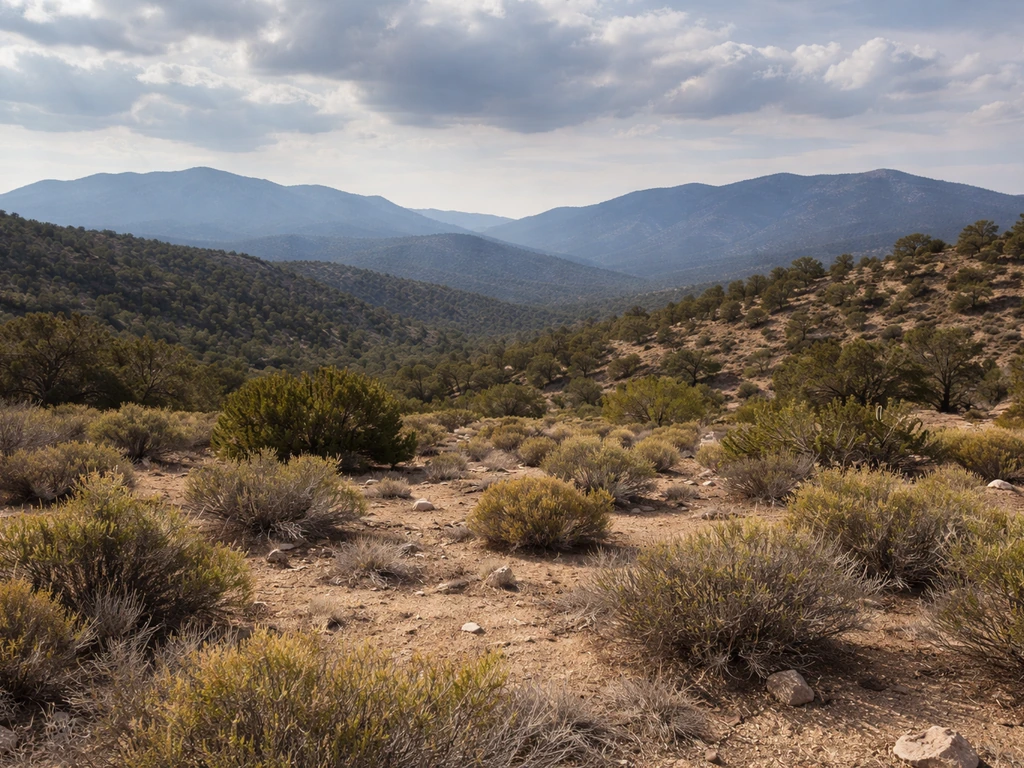
Arizona's climate is not one thing. The state spans USDA zones 5b through 10a depending on where you are, which means the growing reality in Flagstaff (zone 6a, last frost often as late as mid-June) is completely different from Phoenix (zone 10a, functionally frost-free) or Tucson (zone 9a, last frost typically around late February). That range covers almost the full spectrum of temperate nut tree growing, which is actually a good thing since it means someone somewhere in Arizona can probably grow almost any nut tree. The challenge is figuring out which one fits your specific patch of ground.
Three climate factors matter most for nut trees in Arizona: chilling hours, summer heat, and low humidity. Chilling hours are the accumulation of time spent between roughly 32°F and 45°F during winter. Most temperate nut trees need a minimum number of those hours to break dormancy properly and flower. UA Cooperative Extension data puts the low desert (Phoenix and surrounding areas) at roughly 300 to 400 chilling hours per year. That is just enough for low-chill varieties but not enough for standard temperate selections. In zones 12 and 13 (the hottest parts of the Phoenix metro), choosing varieties with chilling needs under 300 hours is strongly recommended for reliable annual production.
Summer heat is the other major filter. Pecans and pistachios are genuinely heat-loving and produce better when summers are long and hot. Almonds tolerate heat well too. Walnuts, hazelnuts, and chestnuts are more sensitive. The Sonoran Desert's low humidity also matters: fungal diseases that plague nut trees in humid climates (like pecan scab in the Southeast) are far less of a problem in Arizona, which is a real advantage. Irrigation availability matters just as much as rainfall since most of Arizona's productive low-elevation areas are functionally arid.
Top nut tree candidates for Arizona, broken down by region
Low desert (Phoenix metro, Yuma, lower Salt River Valley, zone 9b–10a)
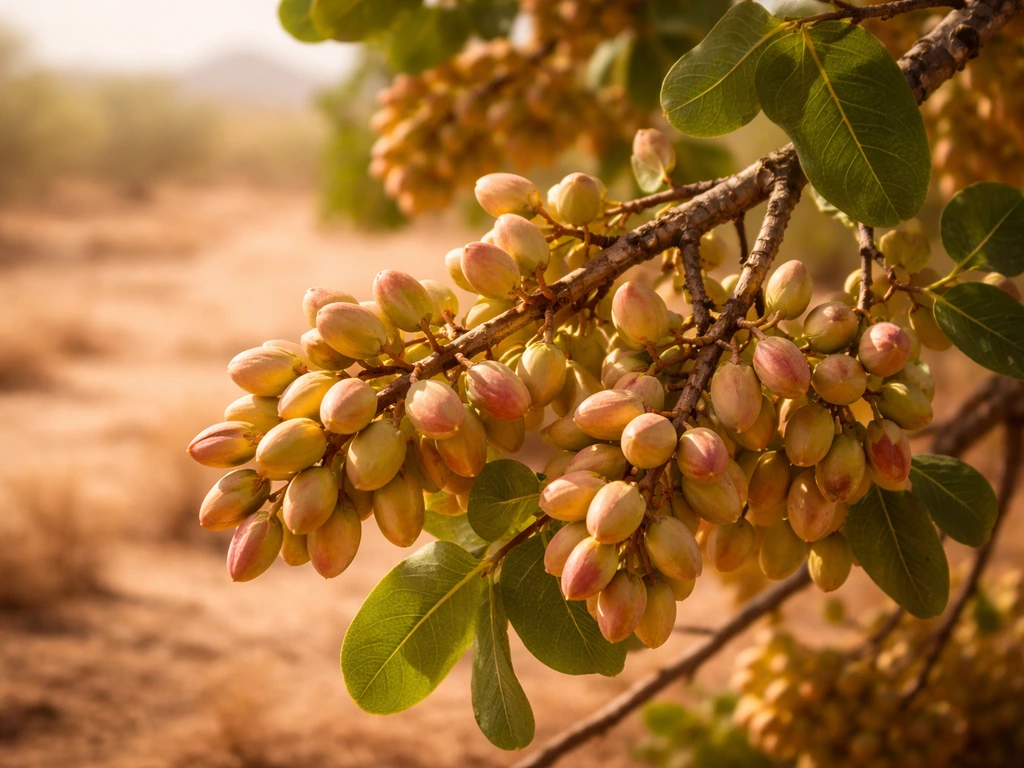
Pistachios are the standout choice here. They are native to hot, arid, continental climates and they handle both brutal summer heat and cold winters well. The 'Kerman' variety is the standard commercial selection and does well across much of southern Arizona with 'Peters' as the male pollinator. Almonds are also a solid option in this zone.
'All-in-One' (a partially self-fertile variety with low chill needs around 250–350 hours) is frequently recommended for the low desert. Pecans can work too, though they need significant water and a long enough season, which Phoenix provides. 'Wichita' and 'Western Schley' are popular low-desert pecan cultivars. Macadamia is possible in the very warmest, most frost-protected Phoenix microclimates, though it sits at the edge of viability and any hard freeze will damage or kill it.
Mid-elevation desert (Tucson, Benson, Safford, zone 8a–9a)
Tucson and the surrounding basin sit at roughly 2,400 feet and accumulate more chilling hours than Phoenix, typically enough to support a wider range of varieties. Pistachios do very well here. Pecans are a historic crop in southeastern Arizona, particularly in the Sulphur Springs Valley near Willcox. Almonds, including slightly higher-chill cultivars like 'Nonpareil' (around 400 hours), are worth trying. Tucson's last frost typically falls in the late February window, so bloom timing matters: almonds bloom early and can catch a late frost. Site selection to avoid cold air drainage pockets is important here.
Higher elevations (Prescott, Payson, Sedona, Show Low, zone 6a–8a)
At elevations from about 4,500 to 7,000 feet, chilling hours are plentiful, summers are milder, and the limiting factor shifts from heat and drought to late frosts and shorter growing seasons. English walnuts are viable here with the right cultivar. 'Chandler' is a popular commercial walnut but was bred for California's Central Valley.
Look instead for hardier, shorter-season selections or consider native Arizona black walnut (Juglans major), which grows naturally in the mountain canyons of Arizona and is extremely cold-hardy and drought-adapted. Pecans are marginal at these elevations due to the shorter season. Hazelnuts are worth exploring at the higher end of this range if you have reliable moisture. Chestnuts can work in well-drained acid soils but Arizona's alkaline soils make chestnut growing genuinely challenging without significant soil amendment.
Northern Plateau (Flagstaff, Williams, zone 5b–6b)
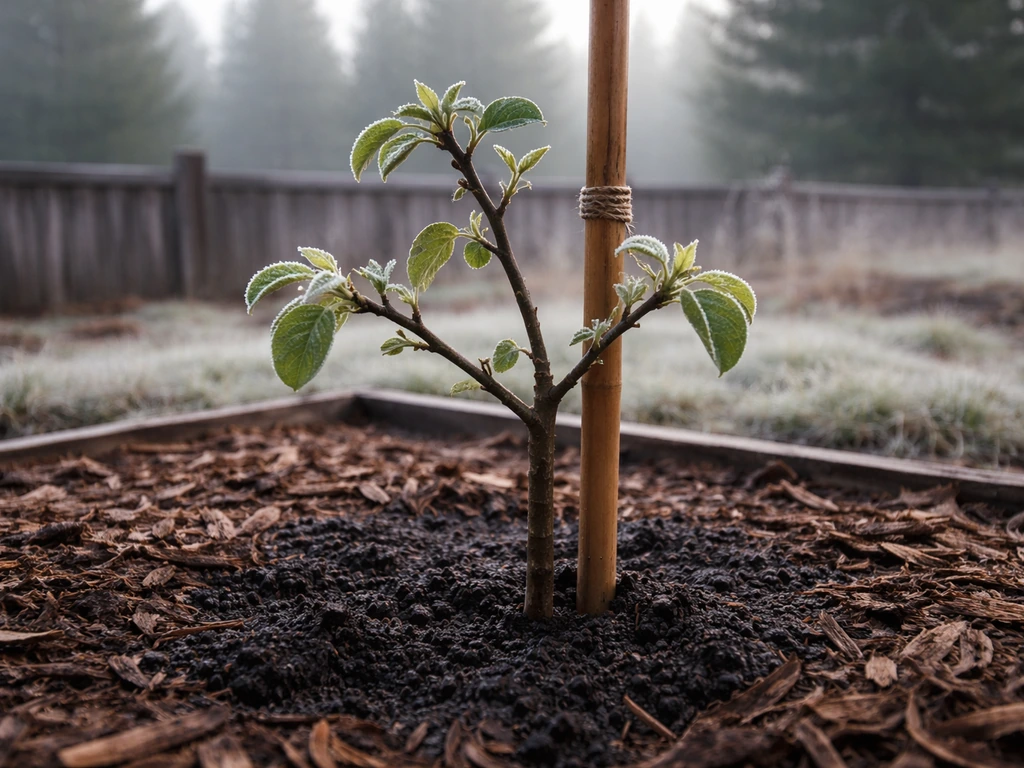
Flagstaff averages a last frost date in the June 11 to 20 window, which severely limits what you can grow and still expect to harvest. The growing season for nut trees is short and cold. Native Arizona black walnut and its relatives are the most realistic options. Standard English walnuts and pecans are not well-suited here. If you are in this zone, the honest answer is that most productive nut trees are a difficult proposition and you should look at native options or cold-hardy hazelnut breeding lines.
Cold hardiness vs heat tolerance: matching trees to your location
These two factors pull in opposite directions and it helps to think of them as a dial. Pistachios sit at the hot-and-cold-tolerant end: they handle 115°F summers and down to about 0°F winters. Pecans also tolerate heat well but their cold hardiness depends heavily on variety. Almonds are heat-tolerant but bloom early, making them vulnerable to late frosts at mid-elevation sites. Walnuts need more chilling and are less heat-tolerant. Macadamia sits at the other extreme: frost-sensitive but heat-tolerant in a tropical sense.
| Nut Tree | Best Arizona Region | Chilling Hours Needed | Heat Tolerance | Cold Hardiness (USDA Zone) |
|---|---|---|---|---|
| Pistachio | Low desert to mid-elevation | 600–900 hrs (rootstock affects this) | Excellent | Zone 7–10 |
| Pecan | Low desert, mid-elevation SE Arizona | 200–1,000 hrs (variety dependent) | Excellent | Zone 6–9 |
| Almond | Low desert to mid-elevation | 250–500 hrs (variety dependent) | Very good | Zone 7–9 |
| English Walnut | Mid to high elevation | 700–1,500 hrs (variety dependent) | Moderate | Zone 5–9 |
| Arizona Black Walnut | Mid to high elevation, native range | Low to moderate | Good | Zone 5–8 |
| Macadamia | Warmest low-desert microclimates only | None required | Excellent | Zone 9b–11 |
| Hazelnut | Higher elevation, cooler areas | 800–1,200 hrs | Moderate | Zone 4–8 |
| Chestnut | Higher elevation (with soil work) | 500–1,000 hrs | Moderate | Zone 5–8 |
When you are choosing between options, start with your USDA zone and elevation. Then cross-reference chilling hours. If you are in Phoenix, you are not going to reliably hit 700 chilling hours in most years. If you are in Prescott at 5,300 feet, you will hit 1,000-plus hours but your summers are too mild and short for a commercial pecan cultivar bred for the Texas Hill Country.
Soil, water, sunlight, and pollination requirements for nuts
Soil and drainage
Most nut trees share one non-negotiable requirement: excellent drainage. Caliche is a real problem across Arizona's desert regions. This calcium carbonate hardpan layer sits anywhere from a few inches to several feet below the surface and it blocks both drainage and root penetration. Before you plant any nut tree in Arizona, probe your soil. If you hit caliche within 18 to 24 inches, you either need to break through it manually, use a jackhammer or caliche bar to create drainage holes, or choose a different location. Pistachios and almonds tolerate alkaline soil and some salinity reasonably well. Walnuts, chestnuts, and hazelnuts prefer slightly acidic, well-aerated soil, which is harder to achieve in most of Arizona without serious amendment.
Water needs and irrigation
Arizona nut trees require irrigation except for established native species like Arizona black walnut in their natural range. Pecans are the thirstiest of the common options, needing deep, regular watering especially during nut fill (typically July through September in Arizona). Pistachios, once established, are more drought-tolerant but still need supplemental water during the growing season to produce reliably. Almonds need consistent moisture during bloom and through kernel development. Drip irrigation paired with deep, infrequent watering is better than frequent shallow watering. Deep watering encourages deep root systems, which improves heat and drought resilience.
Sunlight
Full sun is a baseline requirement for productive nut trees. In Arizona's low desert, that means the trees will receive intense afternoon sun at temperatures exceeding 110°F. Young trees and newly transplanted trees are vulnerable to sunscald. Wrapping the trunk of a young pistachio or pecan in white tree wrap for the first two to three summers is a simple way to prevent bark damage on the south and west sides.
Pollination
Pistachios require both a male and female tree. 'Kerman' is the standard commercial female; 'Peters' is the standard male pollinator. Plan for one male per eight to ten females at minimum. Pecans are technically self-fertile but produce much better yields with cross-pollination from a different variety. Almonds are mostly self-incompatible, so two compatible varieties are strongly recommended unless you plant a self-fertile variety like 'All-in-One'. Walnuts are wind-pollinated and monoecious (male and female flowers on the same tree) but timing of male and female flower maturity often differs, so planting two trees improves production. Hazelnuts require cross-pollination from a compatible variety. Chestnuts are largely self-sterile and need at least two trees.
How to choose cultivars and plan for nut production
Cultivar selection is where most Arizona nut growers either win or lose before the tree is even in the ground. The single most common mistake is buying a nursery tree without verifying its chilling hour requirement against your local average. A 'Nonpareil' almond needs around 400 chilling hours. In most of Phoenix that is borderline. In Tucson it is typically achievable. In Safford or Globe at higher elevation it is comfortable. Check with your county's UA Cooperative Extension office for local chilling hour averages and variety trial data specific to your region.
For pistachios, stick with 'Kerman' and 'Peters' unless you have specific guidance from a local grower or extension trial. For pecans in the low desert, 'Wichita' (around 400 chill hours) and 'Western Schley' (around 300 hours) are the most consistent performers. In southeastern Arizona's pecan growing areas around Willcox, 'Wichita', 'Western', and 'Pawnee' have commercial track records. For almonds, 'All-in-One' is the safest low-desert pick. 'Nonpareil' and 'Carmel' work in Tucson-area conditions.
For English walnuts at higher elevations, look for low-chill or early-ripening varieties if you are in a region with a shorter growing season. 'Franquette' is one of the more cold-hardy, late-leafing walnut varieties and thus less susceptible to late-frost damage. If you are in the mid to high elevations and want a true native option with no purchased inputs, Arizona black walnut (Juglans major) deserves serious consideration. It is adapted, drought-tolerant once established, and produces small but flavorful nuts.
Planting and early-care checklist
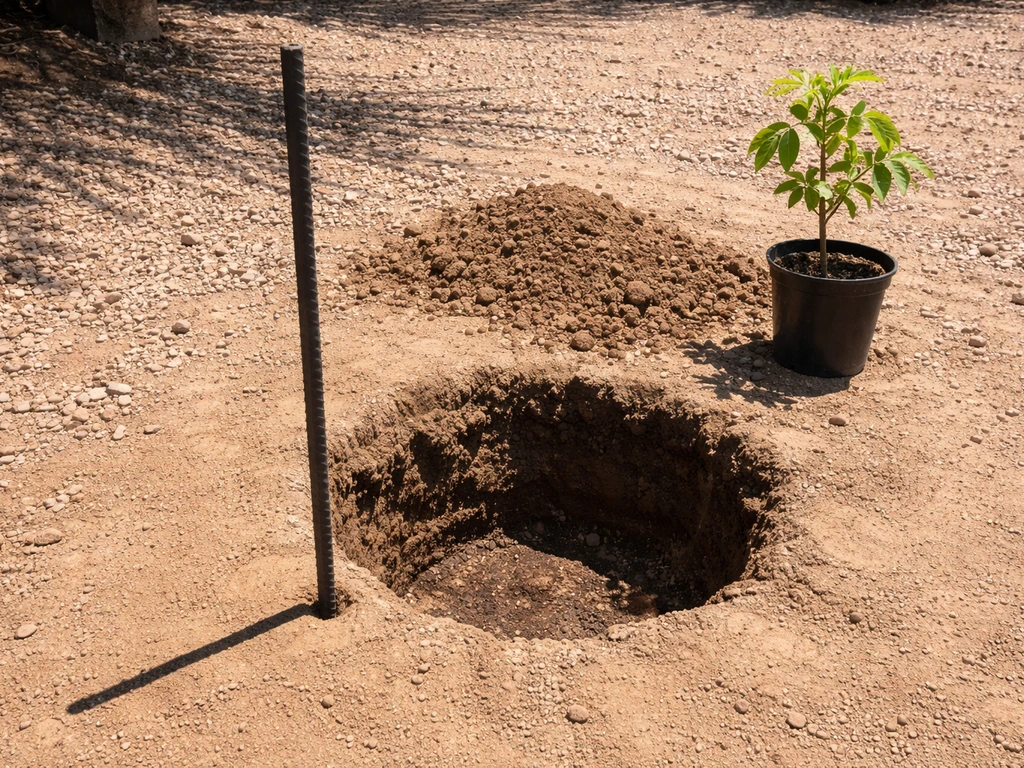
Getting the planting right avoids the most common failure points. Here is what matters most in Arizona's specific conditions:
- Test for caliche before digging. Use a rebar probe to check at 18, 24, and 36 inches. If you hit a hard layer, break through it or relocate.
- Dig a wide, shallow hole rather than a narrow, deep one. Nut tree roots spread laterally. A hole two to three times the width of the root ball but only as deep as needed is better than a narrow shaft.
- Do not amend the backfill with compost or fertilizer at planting. Backfill with the native soil. Rich backfill creates a 'bathtub' effect that concentrates roots and water and leads to root rot.
- Plant in late winter (January to February in the low desert, March to April at higher elevations) to give roots time to establish before summer heat arrives.
- Water deeply and immediately after planting, then hold off for several days before the next watering. The goal is encouraging downward root growth, not keeping the surface constantly moist.
- Wrap the trunk on the south and west sides with white tree wrap from the soil line to the first scaffold branches to prevent sunscald.
- Do not fertilize heavily in the first year. Let the tree establish roots. Light nitrogen after the first flush of growth in spring is enough.
- Skip permanent shade cloth or coverings. UA Extension specifically notes that permanent coverings in southern Arizona can be harmful and are not recommended.
- Plan your pollinator tree at the same time as your main tree. Buying a female pistachio and then trying to find a male pollinator a year later is a common and avoidable mistake.
Time to nuts and practical expectations for harvesting
Nobody wants to hear that their nut tree will take a decade to produce, but that is often the honest answer. Being realistic about timelines helps you plan your space and irrigation investment correctly.
| Nut Tree | First Meaningful Harvest | Full Production | Notes for Arizona |
|---|---|---|---|
| Pistachio | 5–7 years | 10–15 years | Alternating bearing is common; good years follow light years |
| Pecan | 5–8 years | 10–15 years | Also alternates; large trees need significant water |
| Almond | 3–5 years | 6–10 years | Faster to first nuts than most; frost at bloom is the main risk |
| English Walnut | 4–7 years | 10–15 years | Slower in marginal chill zones |
| Arizona Black Walnut | 5–10 years | 10–20 years | Very slow but long-lived and self-sufficient once established |
| Macadamia | 5–7 years | 10+ years | Marginal at best in AZ; any hard freeze sets back production significantly |
| Hazelnut | 3–5 years | 6–8 years | Multiple stems; needs consistent moisture at higher elevations |
| Chestnut | 4–7 years | 10–15 years | Soil amendment required; alkaline soils are a genuine obstacle |
Pistachios have an additional quirk worth knowing: they are alternate-bearing, meaning a heavy crop year is almost always followed by a lighter one. This is normal and not a sign of disease or poor care. Pecans do the same thing. Plan for it rather than being surprised by it. Almonds are the most consistent annual producers of the common Arizona nut trees, which is one reason they are a practical first choice for home growers who want nuts sooner.
Harvest timing in Arizona's low desert runs earlier than most published general guides suggest because of the long, hot growing season. Almonds typically reach harvest in July to August in the Phoenix area. Pecans ripen in October to November. Pistachios are typically harvested in September to October. Arizona black walnuts ripen in August to September depending on elevation.
Your next steps: building a realistic plan right now
Start with your zone and elevation. For help choosing varieties that fit Southern California conditions, review the best nut trees to grow in southern california guide Start with your zone and elevation. . For an answer focused on North Carolina, use the same approach: start with your USDA hardiness zone, then match chilling hours and species to where you live in the state what nut trees grow in north carolina.
If you do not know your USDA hardiness zone, enter your zip code into the USDA Plant Hardiness Zone Map online. Then find your elevation (your phone's built-in compass or a topographic app will do it in seconds). Cross those two numbers against the table above to narrow your candidates to two or three species.
If you are planning for New Mexico instead of Arizona, use the same USDA zone, chilling hours, and irrigation checks to narrow down which nut trees can actually thrive there. From there, you can match specific nut tree types to your local chill hours and heat exposure to find the best fit New Mexico.
Next, contact your local UA Cooperative Extension office. Every Arizona county has one and most have desert-specific variety guides. If you are trying to answer what nut trees grow in Utah, the best first step is the same: confirm your USDA zone and chilling hours, then compare cultivars recommended for that local climate. They can give you locally tested chilling hour averages and cultivar recommendations that generic national guides miss entirely.
Then probe your soil for caliche and map your irrigation options before buying a single tree. These two practical steps eliminate the most common Arizona nut-growing failures before they happen. Once you have confirmed your zone, your chilling hours, your soil drainage, and your irrigation capacity, pick one species, pick the right cultivar for your zone, buy both a primary tree and a pollinator where needed, and plant in the correct seasonal window. That is it. The patience required after that point is the same anywhere in the world.
If you are comparing Arizona's situation to neighboring states, the dynamics are similar in some ways to New Mexico (also arid, also alkaline soils, also elevation-dependent) and to parts of the California desert. Cashews can grow in California in suitable warm, frost-free areas, but your success will depend heavily on chilling hours and summer heat do cashews grow in california. But Arizona's growing zones and frost patterns are distinct enough that variety recommendations from those regions should always be checked against local data before you commit. If you are wondering what nut trees grow in Virginia, start by matching the species to your region's chilling hours and winter lows.
FAQ
If I only know my city name, what nut trees are usually the best starting points in Arizona?
Use the tree list as “zone defaults” and then adjust for elevation. In the low desert (Phoenix-area conditions), pistachio and low-chill almonds are the most common low-risk starting points, with pecan as a higher-water commitment. As you move toward higher elevations (Tucson basin and above), walnuts become more realistic, and by the time you reach Flagstaff-like conditions, native cold-hardy options (like Arizona black walnut or specialized hazelnut lines) are usually the practical direction.
Do nut trees in Arizona need a winter chilling period even if I live in a warm part of the state?
Yes, most temperate nut trees still need chilling to break dormancy and set properly. In the hottest parts of Arizona, the issue is that annual chilling can fall below many standard cultivars’ requirements, so the tree may leaf out and look healthy but fail to flower reliably. That is why cultivar chilling hours matter as much as your USDA zone.
How can I tell whether “low chill” varieties will actually perform in my yard?
Don’t rely on the cultivar’s labeled chilling range alone. Compare your estimated chilling hours for your exact area (often extension data for your county is best) against the specific cultivar requirement, then confirm your microclimate (cold-air drainage pockets, frost timing, and exposure). Two neighborhoods at the same city can behave differently due to wind patterns and topography.
What is the biggest planting mistake besides choosing the wrong cultivar?
Planting in poor-draining, caliche-affected soil or skipping soil probing before purchase. If you hit caliche within about 18 to 24 inches, many nut trees will struggle because roots cannot penetrate and water cannot move properly, even if you irrigate correctly. Fixing drainage after planting is far more difficult than choosing a better site.
Can I grow pistachios with only one tree if it’s a home garden?
Typically no. Pistachios require a male and female pairing, and the timing of pollen availability matters. A common rule of thumb is one male for every eight to ten females, and you still need both trees established close enough for pollen transfer during the flowering window.
Are pecan trees self-fertile enough that I can skip a second variety?
They can set some nuts without a second variety, but yields usually improve with cross-pollination. If you want consistent production rather than occasional crops, plan for at least one additional compatible cultivar, and remember pecans can also be alternate-bearing, so heavy and light years often alternate.
Why did my almond bloom but produce few nuts?
The most common causes are late frost damage to early bloom, insufficient chilling for that cultivar, and inconsistent moisture during bloom and kernel development. In mid-elevation Arizona, almonds are vulnerable because bloom can happen early, so a spring cold snap can reduce nut set even when the tree looks fine afterward.
How much water should I plan for a new nut tree in Arizona?
Plan on supplemental irrigation for most species, especially in the first years. A practical approach is drip irrigation with deep, infrequent cycles rather than frequent shallow watering, because you want roots to grow downward. Expect particularly high water demand from pecans, and still provide regular growing-season water for pistachios and almonds to support kernel filling.
What’s the sun exposure requirement, and how do I protect young trees from sunscald?
Most productive nut trees need full sun, which means intense afternoon heat in Arizona’s low desert. Young trunks are vulnerable to bark damage, especially on the south and west sides, so many growers wrap young trunks (for the first few summers) to prevent sunscald.
Can I grow macadamias in Arizona reliably?
Only at the very warmest, most frost-protected microclimates, and it is still an edge case. Any hard freeze can damage or kill the tree, so “reliable” production is not the expectation in most of Arizona. If you try it, plan for frost protection and accept that it may not behave like a core nut crop.
What harvest timing should I expect in Arizona versus national guides?
Arizona’s long hot season often accelerates harvest compared with broad guides. Almonds commonly mature in midsummer in the Phoenix area, pecans ripen later into fall, and pistachios are often harvested in early fall. Exact timing still varies by cultivar, site heat, and irrigation, so treat published ranges as approximations.
How long does it usually take before nut trees start producing meaningful crops?
Be prepared for a long timeline, especially for larger-seeded species. It can take several years to reach consistent nut production, and the exact timeline depends on tree size at planting, cultivar, pruning and training, and whether pollination requirements are met.
Are there nut trees that work better in Flagstaff or other high-elevation, short-season areas?
Most “standard” commercial options like English walnuts and pecans are difficult in very short, cold growing seasons. Native Arizona black walnut is often the most realistic option, and cold-hardy hazelnut breeding lines may be worth exploring if you can provide reliable moisture. The key limiting factor is usually late frosts and too-short time to ripen nuts.
What soil pH should I aim for, and can I amend alkaline desert soil for harder-to-grow nuts?
Pistachios and almonds tolerate alkaline conditions reasonably well, while walnuts, hazelnuts, and chestnuts generally do better with slightly acidic, well-aerated soil. While amendments can help, they are ongoing work and not a guaranteed fix, so the best strategy is matching the species to your site first, then amending only if you have a solid plan.
Where can I confirm my chilling hours and choose cultivars with confidence?
Use your USDA zone and elevation to narrow candidates, then confirm chilling-hour averages and variety recommendations with your local UA Cooperative Extension office. County-specific guidance often catches issues that generic charts miss, particularly when you are near the low end of a cultivar’s chilling requirement.
If I want nuts sooner, which option is most likely to produce an earlier payoff in Arizona?
Among common Arizona choices, almonds are typically the most consistent annual producers and often the quickest path to nuts. Pistachios and pecans can do well, but both may show alternate-bearing behavior (and pecans require substantial water), so your “earliest reliable nuts” goal usually points toward almonds.