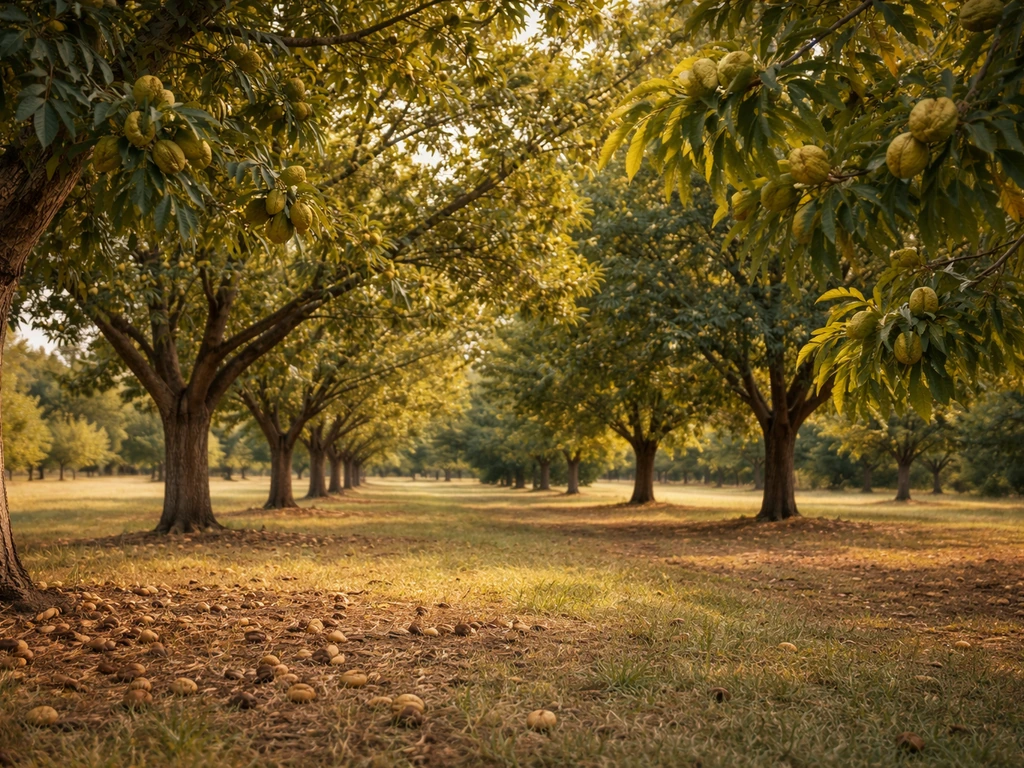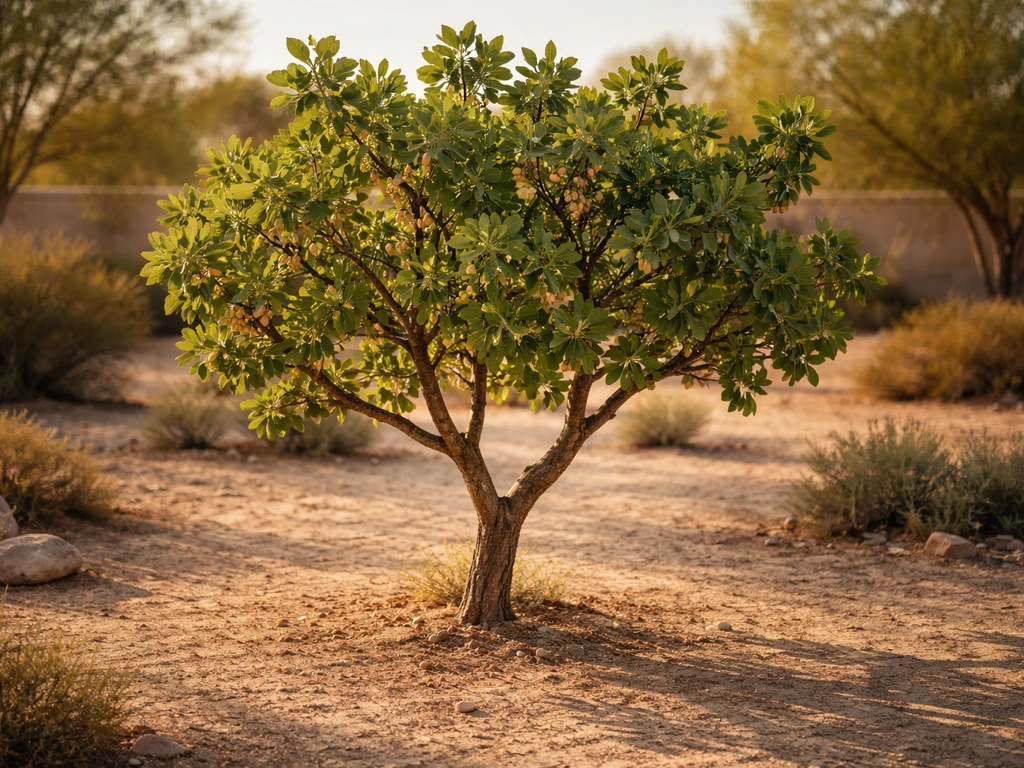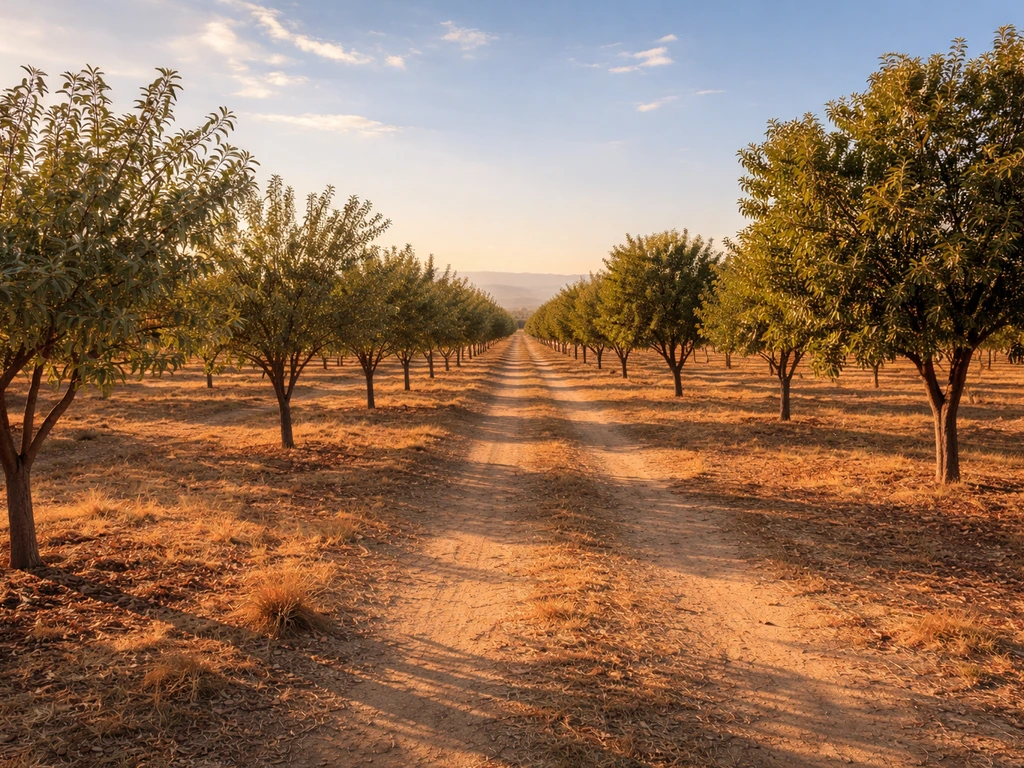
The nut trees most realistically grown in Utah are walnuts (both English and black), hazelnuts/filberts, almonds (in southern Utah only), and to a lesser extent chestnuts and pistachios. In New Mexico, the nut trees that commonly do best depend on how hot and frost-free your area is, but you’ll often see varieties like pecans where summers are long and warm. Pecans are possible in the warmest corners of the state but marginal.
What Nut Trees Grow in Utah Best Picks for Home Orchards
Marcus Hendricks
31 May 2026
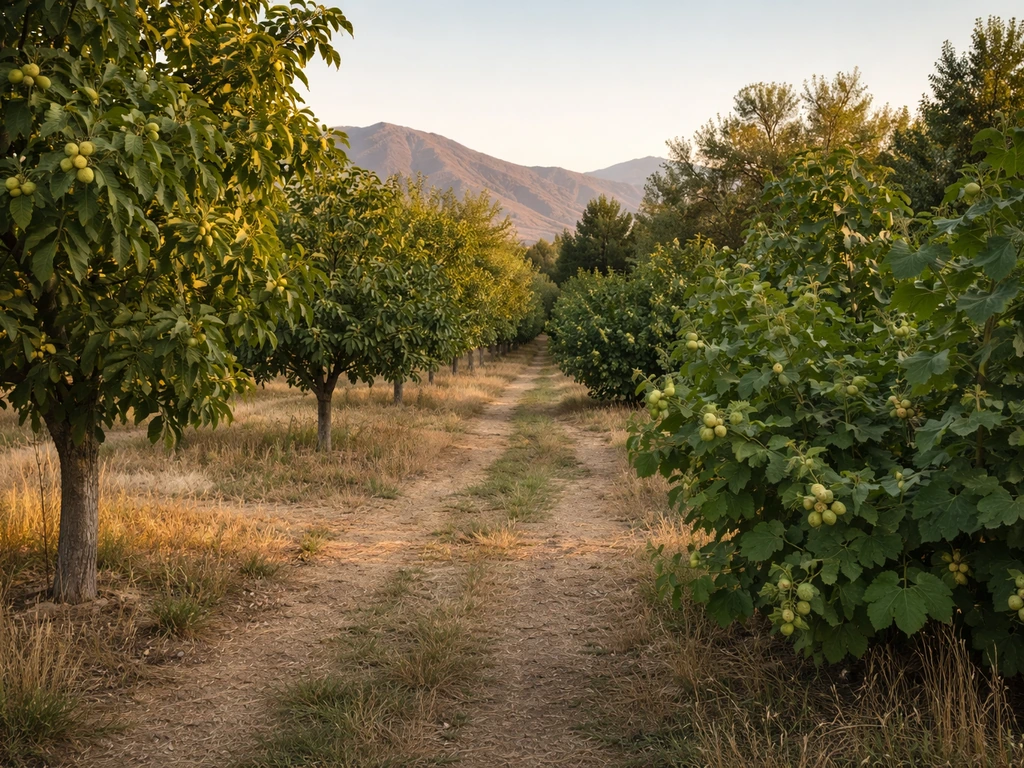
The biggest limiting factors aren't just winter cold, Utah's late spring frosts and short growing seasons in higher elevations are what kill nut crops year after year. Pick the right species for your specific part of Utah, choose cultivars with later bloom times and early ripening, and site them carefully, and you can absolutely get consistent nut production.
Utah's climate, and why it's more complicated than just your zone
Utah spans USDA hardiness zones 4 through 9, which on a map looks like an enormous range of opportunity. But the zone number alone doesn't tell you much about whether your nut trees will produce. The real challenge is the combination of cold winters, unpredictable late spring frosts, hot and dry summers, and relatively short growing seasons at elevation, all of which can vary dramatically within just a few miles.
Salt Lake City's average last spring freeze date is around April 22, but that's an average. Records show last freezes as late as June 6 in extreme years, and USU Extension data documents that last-frost dates can vary by many days within just a few miles depending on elevation, slope, and cold-air drainage. A spring temperature drop below 28°F at the wrong time, when flowers are open on a walnut or almond, causes nearly total crop failure. That's not a bad-luck situation; it's a regular occurrence in many Utah valleys and higher elevations.
The state breaks down into a few distinct growing environments for nut trees. The Wasatch Front (Salt Lake, Utah, Davis, and Weber counties) is zone 6 to 7 with decent growing seasons but real late-frost risk. Southern Utah, especially Washington County around St. George, is zone 8 to 9, warmer and longer-season, and opens the door to almonds and possibly pistachios.
If you're looking specifically for the best nut trees to grow in southern California, the same logic applies: pick species that match your local chill and frost timing, then choose cultivars bred for that climate southern Utah. High mountain valleys, think Cache Valley, Heber, or Sanpete County, are zone 4 to 5 with shorter seasons and severe late-frost risk that rules out most nut trees except the hardiest hazelnuts.
Which nut trees can actually grow in Utah, by region
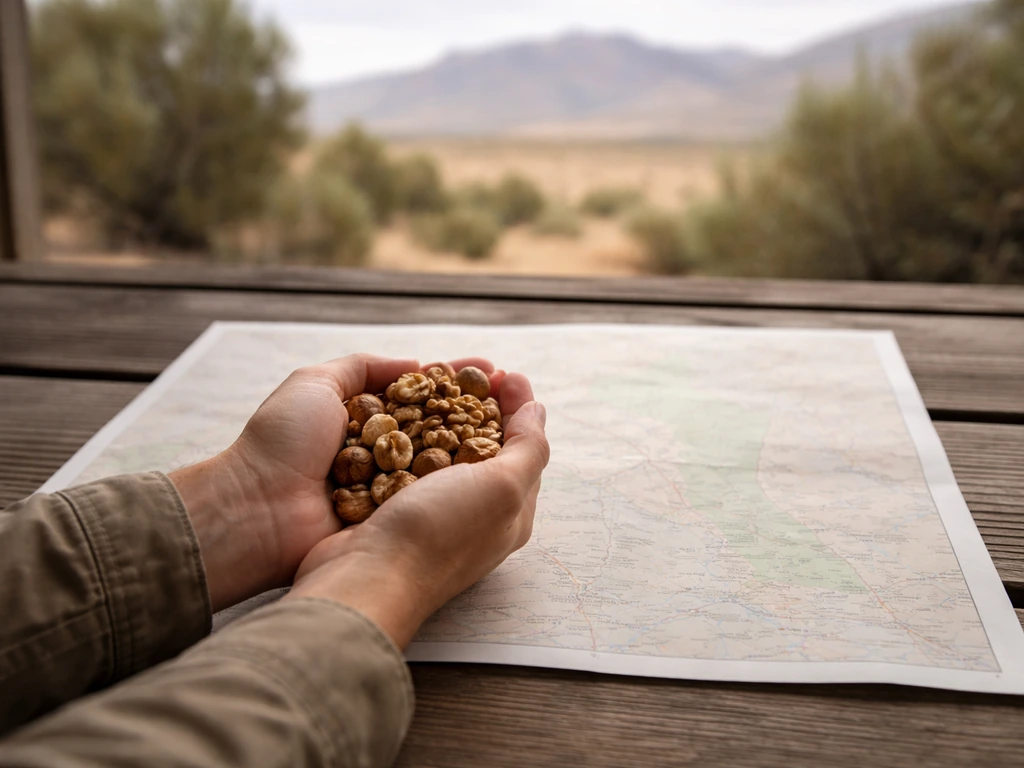
Here's a practical breakdown. Not every species is realistic in every part of the state, and being honest about that upfront saves you a lot of wasted time and money.
Walnuts (English and black)
Walnuts are the most commonly grown nut trees on the Wasatch Front, and for good reason, they're large, relatively adaptable, and productive once established. English walnut (Juglans regia) is the main commercial and home-orchard species. Black walnut (Juglans nigra) is tougher and more cold-hardy but produces smaller, harder-to-crack nuts and has allelopathic roots that suppress nearby plants.
That said, USU Extension is direct about the walnut challenge: many commercially available cultivars won't reliably produce fruit in most of Utah because of late spring and early fall freezes. The state's growing season in many areas barely meets the minimum 140 to 150 days above 27 to 29°F that early-ripening cultivars require. You need to specifically seek out later-flowering, early-ripening varieties, not just any walnut from a nursery catalog. On the Wasatch Front, walnuts are worth planting if you choose carefully. In high mountain valleys, the odds are against you.
Hazelnuts and filberts
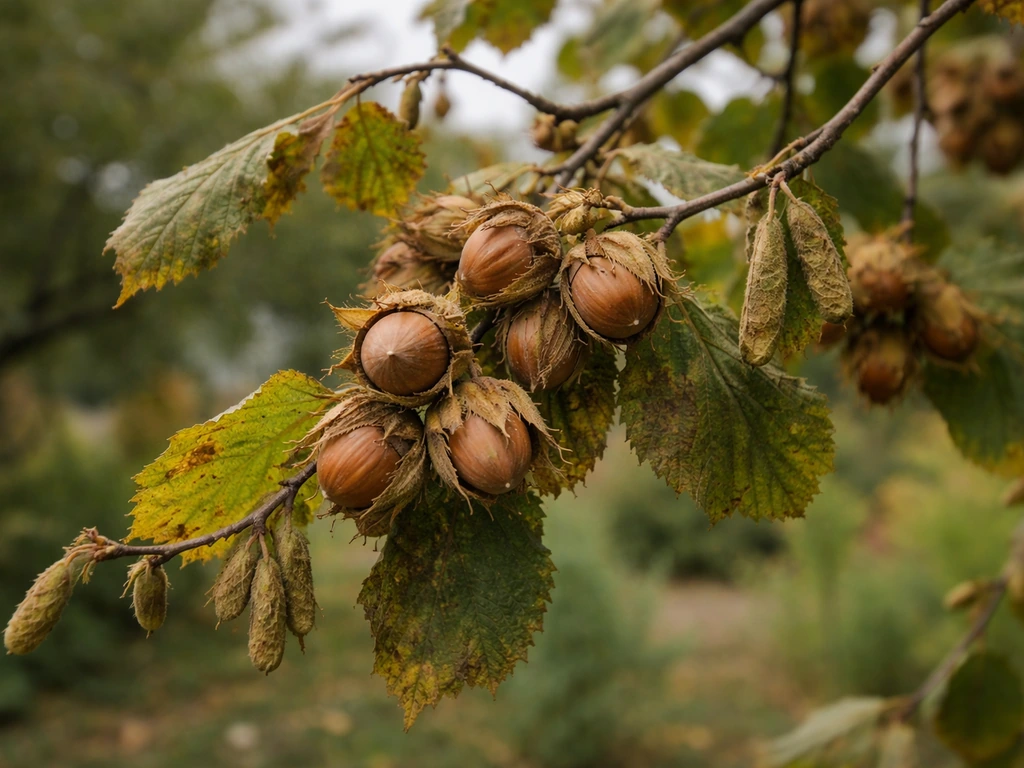
Hazelnuts are honestly one of the best options for northern Utah and the Wasatch Front. American hazelnut (Corylus americana) is hardy to zones 3 or 4, which makes it one of the few nut-producing shrubs or small trees that can handle Cache Valley winters. European hazelnut (Corylus avellana) produces larger, more flavorful nuts but blooms earlier in spring, which means its flowers are more vulnerable to late-frost damage, a real issue in Utah. Hybrid varieties that combine European nut quality with American hardiness are worth looking into for northern Utah.
Hazelnuts ripen from late September through October in Utah, which fits the state's growing calendar reasonably well. They're multi-stemmed shrubs more than trees, which means they're wind-pollinated and need more than one plant for good nut set. Plant at least two different varieties, cross-pollination is essential, and USU confirms that production is best with a compatible second variety or seed-grown plants of the same species nearby.
Almonds
Almonds are the warmth-loving outlier on this list. Cashews are not a typical orchard tree for California either, so you need to check local suitability before planting. blank" rel="noopener noreferrer">USU Extension is straightforward: almonds are currently not recommended in northern Utah, including the warmest parts of the Wasatch Front. They bloom very early in spring, often in late February or March, which puts flowers directly in the path of late-spring freezes. In Washington County and other parts of southern Utah (zones 8 to 9 with last frost dates in February or early March), almonds are a legitimate option. Elsewhere, you're gambling on the weather every year.
If you're in southern Utah and want to try almonds, the rules are: full sun, excellent drainage, and two different cultivars for cross-pollination (or a peach variety blooming at the same time, which can work as a pollinator). Most almond varieties are not self-fertile, so a single tree will produce poorly no matter how well you care for it.
Chestnuts
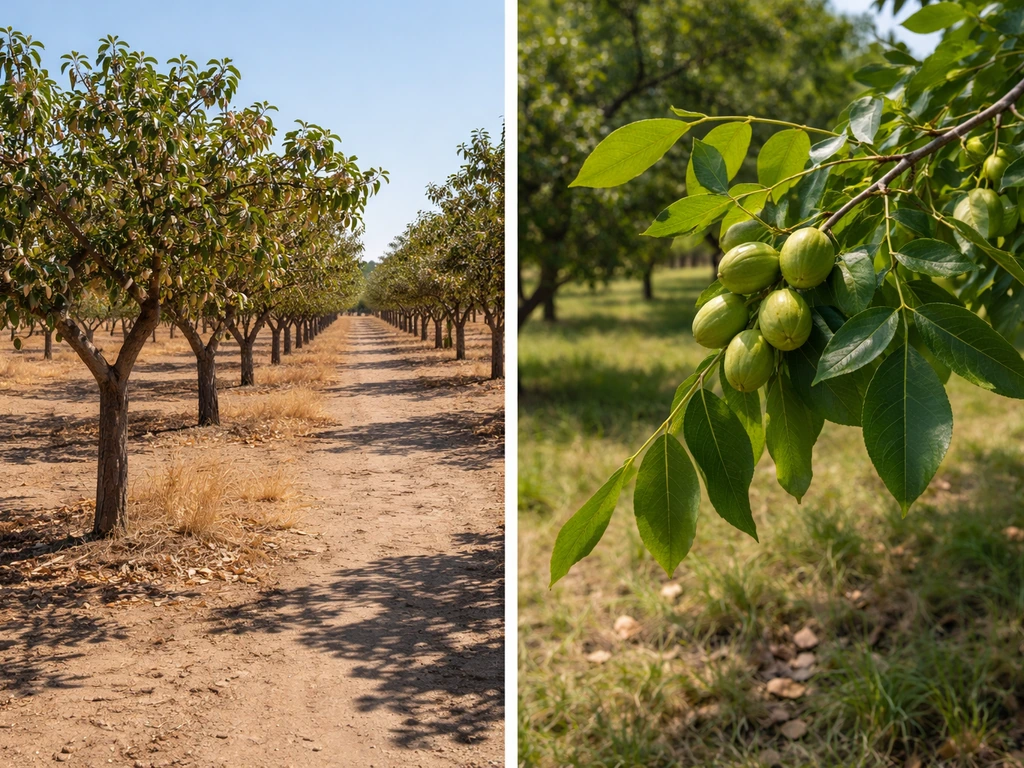
Chestnuts don't get as much press in Utah, but American chestnut hybrids and Chinese chestnuts (Castanea mollissima) are genuinely viable on the Wasatch Front and even in some cooler areas. Chinese chestnut is hardy to zone 4 to 5, blooms later than many other nut trees (reducing frost risk to the flowers), and is more drought-tolerant than you'd expect. It needs well-drained soil, full sun, and at least two trees for cross-pollination. Chestnuts are a slow-return investment, expect 3 to 5 years to first nuts, but once they're established and producing, they're one of the more reliable nut crops for Utah home orchards.
Pistachios and pecans
Pistachios need long, hot summers and cold but not severely cold winters, southern Utah fits the temperature profile reasonably well, but pistachio also needs extremely well-drained, even rocky soil and is sensitive to late frosts. If you are also comparing climates, you might be wondering what nut trees grow in Arizona and which species handle heat and drought best. It's possible in the St. George area but not a beginner tree.
Pecans need a long growing season (180 or more days) and significant summer heat, again, marginal in Utah except possibly in Washington County with early-ripening northern pecan cultivars. Both species are worth investigating if you're in extreme southern Utah, but they're not the trees most Utah gardeners should start with.
| Nut Tree | Best Utah Region | Hardiness Zone | Frost Sensitivity | Cross-Pollination Needed |
|---|---|---|---|---|
| English Walnut | Wasatch Front, Southern Utah | 6-9 | High (late-bloom cultivars required) | No (but helps yield) |
| Black Walnut | Wasatch Front, Northern Utah | 5-8 | Moderate | No |
| American Hazelnut | Statewide, including high valleys | 3-6 | Low to moderate | Yes (2+ varieties) |
| European Hazelnut | Wasatch Front, Southern Utah | 5-8 | High (early bloom) | Yes (2+ varieties) |
| Almond | Southern Utah (Washington County) | 7-9 | Very high | Yes (2 cultivars or peach) |
| Chinese Chestnut | Wasatch Front, Northern Utah | 4-7 | Low to moderate | Yes (2+ trees) |
| Pistachio | Southern Utah only | 7-9 | Moderate | Yes (male + female tree) |
| Pecan | Southern Utah only (marginal) | 6-9 | Moderate | Yes (2 varieties) |
Hardiness, chilling hours, and picking the right cultivar
Chilling hours matter more for some Utah nut trees than others. Almonds and hazelnuts both have chilling-hour requirements (hours below 45°F needed to break dormancy properly), but in Utah's cold winters, most locations easily meet or exceed those requirements. The more critical metric in Utah is spring-bloom timing relative to frost risk, and fall maturity date relative to first fall freeze.
For walnuts, look specifically for cultivars described as 'late-leafing' or 'late-flowering' that also ripen early, the combination of these traits gives you the best shot at staying above that 27 to 29°F threshold during bloom and ripening within Utah's window. Cultivars like 'Manregian', 'Hansen', and 'Somers' have been referenced for northern climates, but always check with USU Extension or a local nursery familiar with Utah conditions, because cultivar availability and local performance data evolve.
For hazelnuts, American hazelnut cultivars bred for cold climates are the safe bet in zones 4 to 6. If you want to try European hazelnut for larger nuts, look at varieties developed in the Pacific Northwest or Midwest with better frost resistance, and plan to site them in a frost-protected microclimate. USU Extension recommends planting hazelnuts in frost protected areas to support consistent nut production frost-protected microclimate. Eastern Filbert Blight, a serious fungal disease that devastates European hazelnuts in the eastern U.S., has not been reported in Utah so far, but choosing blight-resistant varieties is still smart long-term insurance.
Site prep, soil, water, and sun, the practical setup
Microclimate comes first
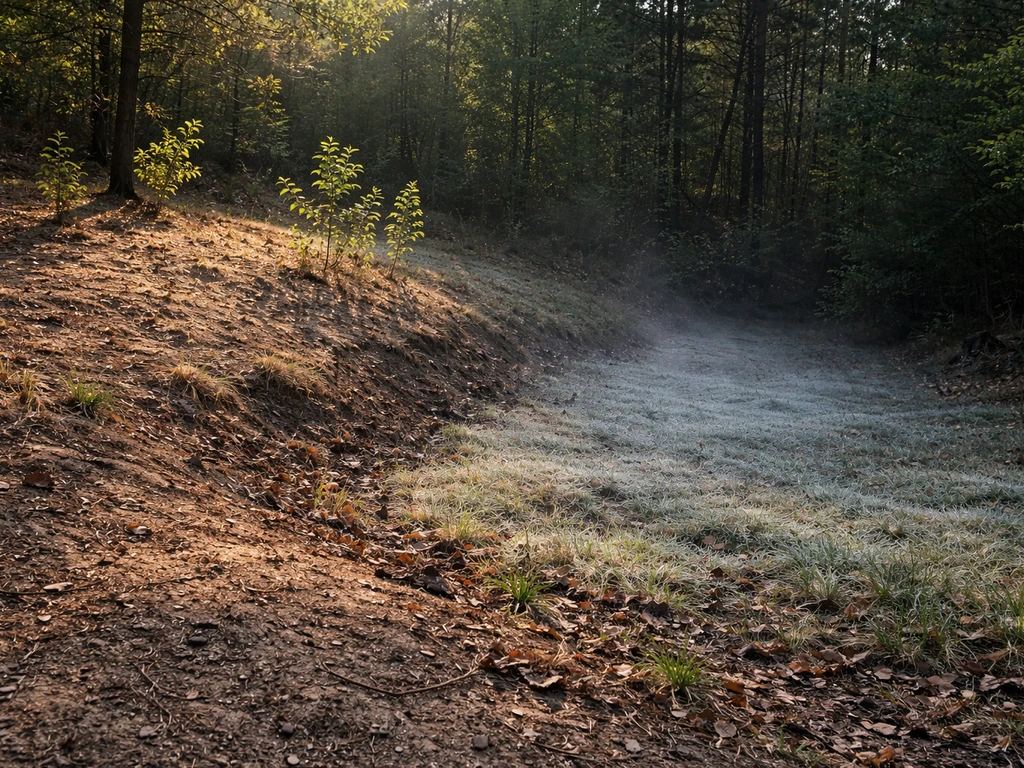
Before you worry about soil amendments, think about where on your property you're planting. Cold air drains downhill and pools at the bottom of slopes, a frost pocket can be 5°F colder than a spot 20 feet uphill, which is the difference between a crop and a failure. For frost-sensitive species like almonds and English walnut, planting on a gentle slope (not the bottom of the slope) with good air drainage is critical. North-facing slopes stay cooler in late winter, which can actually delay bloom slightly and reduce frost risk, counterintuitive but useful. Wind protection matters for hazelnuts especially, since they're wind-pollinated and wind damage can also desiccate young growth.
Soil requirements
Most nut trees in Utah share a few soil requirements: good drainage is non-negotiable, full sun (at least 6 to 8 hours of direct sun daily), and a soil pH in the 6.0 to 7.5 range. Utah soils tend to be alkaline and sometimes heavy in clay, particularly in valley bottoms, both of which can cause problems. For walnuts, deep, loamy, well-drained soil is ideal; they don't like waterlogged roots. Hazelnuts are more forgiving of soil type as long as drainage is adequate. Almonds are extremely sensitive to wet feet and need sandy or rocky, fast-draining soil. Chestnuts prefer slightly acidic soil, which means you may need to amend Utah's alkaline soils with sulfur or compost.
Watering
Utah's dry climate means supplemental irrigation is necessary for all of these trees, especially through the first three to five years while roots establish. Deep, infrequent watering, soaking the root zone thoroughly then letting the soil dry somewhat before watering again, is far better than frequent shallow watering. Drip irrigation works well for walnuts and almonds. Hazelnuts and chestnuts tolerate moderate drought once established but will produce significantly better nuts with consistent summer moisture. Avoid overhead irrigation on almonds and hazelnuts, since wet foliage promotes fungal problems.
How long until you get nuts, and how many
There's no sugar-coating the timeline for nut trees, you're investing years before you see meaningful production. Here's a realistic look:
| Nut Tree | First Nuts (Home Orchard) | Full Production | Typical Annual Yield (Mature Tree) |
|---|---|---|---|
| English Walnut | 4-7 years | 10-15 years | 50-80 lbs unshelled per tree |
| Black Walnut | 4-7 years | 10-15 years | Highly variable; often less than English |
| American Hazelnut | 2-4 years | 5-7 years | 10-20 lbs per shrub |
| European Hazelnut | 3-5 years | 6-8 years | 15-25 lbs per shrub |
| Almond | 3-5 years | 6-10 years | 15-30 lbs shelled (in-shell varies) |
| Chinese Chestnut | 3-5 years | 8-12 years | 20-50 lbs per tree at maturity |
| Pistachio | 5-8 years | 12-15 years | 10-20 lbs per tree (alternates heavy/light years) |
| Pecan | 7-10 years | 15-20 years | 50-100 lbs per tree in ideal conditions |
USU Extension data pegs the home-orchard average for walnuts at 50 to 80 pounds of unshelled nuts annually from a mature tree, that's a realistic number for a well-sited, well-managed tree on the Wasatch Front. Hazelnuts are faster to first production than any other option here, which is one more reason they deserve more attention from Utah growers. Chestnuts take longer but produce reliably once mature. Almonds can produce well in Washington County but are essentially a write-off north of that in most years.
Common problems and how to handle them
Frost damage to flowers and young nuts
This is the number one failure point in Utah nut orchards. A drop below 28°F during bloom means near-total crop failure for that year. The fix isn't always possible, you can't heat a full-size walnut tree, but for young or smaller trees, frost cloth or overhead sprinklers (the ice-barrier method) can protect at critical moments. USU research suggests that raising canopy temperature by even 1 to 2°F during a frost event meaningfully reduces crop loss. High tunnels are used for more serious protection but are a significant investment. The most practical long-term solution is choosing a good microclimate (slope position, wind protection) and selecting late-blooming cultivars in the first place.
Walnut husk fly
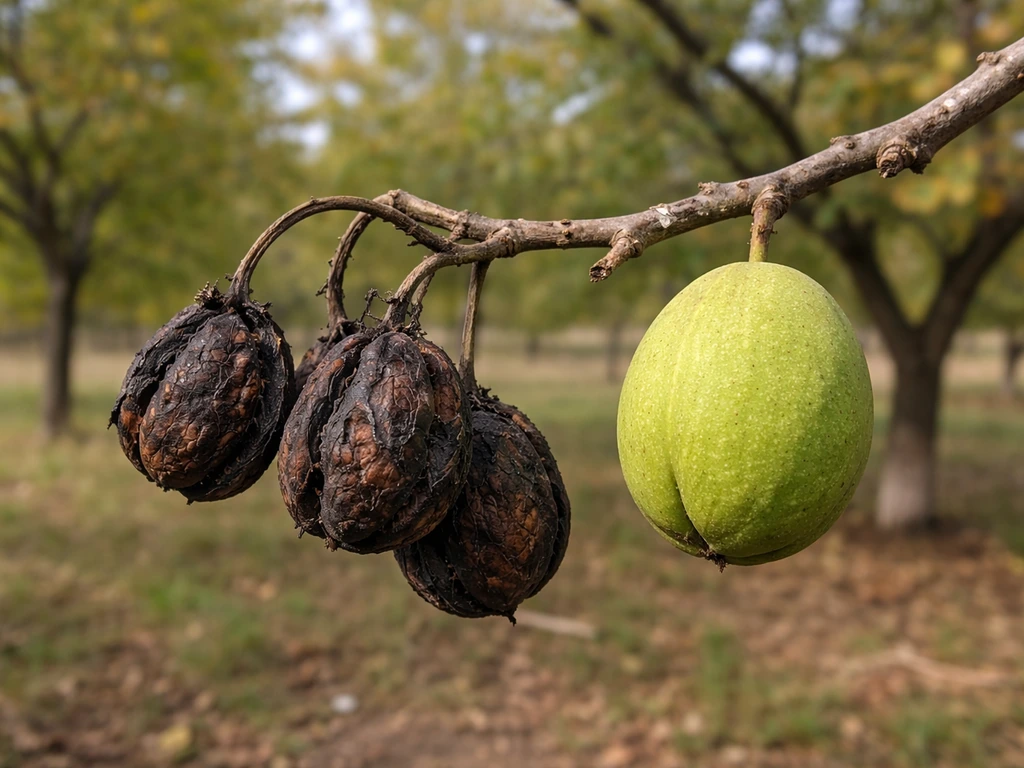
USU Extension names walnut husk fly as the most important insect pest for walnuts in Utah. The fly lays eggs in the husk, larvae feed inside, and the result is black, shriveled nuts with poor flavor. Management options include monitoring with yellow sticky traps, applying kaolin clay barriers, or using targeted insecticide applications at the right time. Timing is everything, treating after the flies have already laid eggs accomplishes little.
Thousand cankers disease in black walnut
If you're planting black walnut in Utah, thousand cankers disease is something you need to know about. It's caused by a fungus spread by a tiny bark beetle, and once a tree is infected it's essentially a death sentence, USU Extension reports it's nearly 100% fatal within 2 to 4 years of infection. There's no cure. Prevention means buying trees from reputable, local sources, not moving wood from potentially infected areas, and monitoring for early signs (cankers under the bark, dieback in the upper canopy). English walnut is less susceptible.
Hazelnut diseases
Root rot and powdery mildew are the main disease concerns for hazelnuts in Utah. Both are manageable with good cultural practices: plant in well-drained soil, don't overwater, and prune for air circulation through the canopy. Powdery mildew appears as a white coating on leaves late in summer, it's mostly cosmetic on hazelnuts and rarely affects nut production significantly if the tree is otherwise healthy.
Poor nut set
If your tree flowers but produces few or no nuts, the culprit is almost always pollination failure or frost. For species that require cross-pollination (almonds, hazelnuts, chestnuts, pistachios), a single tree will almost always disappoint. Check that you have compatible pollinators planted within range. For hazelnuts, compatible pollinators need to be within 65 to 100 feet for wind pollination to work reliably. For almonds, make sure the second variety blooms at overlapping times, some almond varieties bloom at very different times and won't cross-pollinate effectively even when planted together.
Mapping your site to the right tree
The most useful thing you can do before buying a single tree is map your specific site. Find your last spring frost date, not just your city's average but your actual yard, accounting for elevation and slope. Utah Climate Center maintains a freeze dates table covering 300-plus Utah locations, which is a much more precise starting point than a generic USDA zone map. USU Extension has county-level resources and Master Gardener programs in most counties that can tell you what's actually worked locally.
Use this decision framework: if your last spring frost is reliably before April 1, almonds become possible (if you're in southern Utah) and walnuts are a strong bet with the right cultivar. If your last spring frost regularly runs into late April or May, hazelnuts and chestnuts are your most reliable options. If you're also comparing climates, research what nut trees grow in Virginia so you can match species to your local frost timing and growing season. If you're in a high mountain valley with a last frost in May or later, American hazelnut is essentially the only realistic nut tree worth planting, and even then, site it carefully on a frost-protected slope.
- Look up your specific location's freeze date using the Utah Climate Center's freeze dates table — don't rely on zone maps alone.
- Identify your microclimate: note where cold air pools on your property (low spots, north-facing flat areas) and where air drains well (gentle slopes, elevated spots).
- Match your last-frost date and microclimate to the species list above — eliminate species that regularly bloom before your frost-free date.
- For walnuts, research late-leafing, early-ripening cultivars and confirm they're available from a reputable Utah-area nursery.
- For hazelnuts, plan to plant at least two different varieties within 65 to 100 feet of each other for cross-pollination.
- For almonds, only proceed if you're in Washington County or a confirmed zone 8 or warmer microclimate — and plant two compatible cultivars.
- Contact USU Extension in your county for cultivar-specific recommendations; local performance data is far more reliable than national nursery catalogs.
- Prepare soil before planting: test pH, ensure drainage (dig a test hole, fill with water, and confirm it drains within a few hours), and amend as needed.
Growing nut trees in Utah is genuinely rewarding, but it rewards patience and careful site-matching more than enthusiasm. If you want to know what nut trees grow in South Carolina, the same basic approach applies: match species to your local frost pattern and growing season nut trees in Utah.
The growers who succeed here aren't the ones who plant the most exotic species, they're the ones who picked the right cultivar for their specific valley, put it on the right slope, and gave it the cross-pollinator it needed. Start with hazelnuts or walnuts on the Wasatch Front, stick to almonds only if you're in southern Utah, and treat that first successful harvest as the beginning of something that gets better every decade.
If you're trying to narrow down what nut trees grow in North Carolina, you'll want to compare the state by region and hardiness zones to match your frost risk and growing season. If you also wonder what nuts grow in California, start by comparing your climate and last-frost timing to the species that need it.
FAQ
If Utah winter hardiness is fine, why do nut trees still fail to produce fruit? (What should I check on the label?)
Look for “late” reproductive timing traits, not just hardiness. For walnuts, prioritize cultivars marketed as late-flowering or late-leafing and early-maturing, then verify they’re described as productive in short-season regions. For hazelnuts, American types (or cold-bred hybrids) are safer because their bloom timing is less likely to land right at Utah’s worst late-frost windows.
How can I tell if a bad nut year is frost damage versus a pollination problem?
Because their flowers can be killed before you see any visible stress. Even if leaves later look normal, a freeze during bloom can wipe out the year’s crop. The practical check is to record bloom stage date (approximate week of flowering) and compare it to your yard’s last-freeze pattern, then plan frost protection for the flowering window rather than “sometime in spring.”
What site mistake most commonly causes nut trees to underperform in Utah?
Yes, but only when it changes air movement. Planting low on a slope, in a valley bottom, or in a spot that collects cold air will usually be worse than being “slightly” higher. Also avoid blocking airflow with dense hedges or buildings right near the canopy, since poor ventilation can increase humidity and disease even if temperatures are decent.
Can I plant just one walnut, hazelnut, or almond and still get a decent harvest in Utah?
Not all “two trees” is enough. Almonds typically need a second cultivar that blooms at the same time, compatible with overlapping bloom dates, and many varieties are not self-fertile. Hazelnuts also benefit from a compatible second variety, and because they’re wind-pollinated you want enough spacing and the right flowering overlap, not just two different names in the same row.
What irrigation approach is best for nut trees in Utah, especially in spring?
For Utah yards, the biggest upgrade is frost pocket avoidance plus irrigation reliability. Use drip irrigation on the drip line, keep water deep (so roots establish) and avoid frequent light watering. If you’re considering sprinklers for frost protection, test and plan carefully, because overhead irrigation methods can also raise disease risk later if you overdo it.
Which pests or diseases are “most expensive” to ignore, and how do I prevent them?
Pests and diseases change by species and timing. Walnut husk fly control depends on treatment timing around egg-laying, so if you miss the window you often get deformed, low-quality nuts anyway. For black walnut, thousand cankers disease is the high-consequence issue, so buy only from reputable local sources and do not move firewood or infected bark material.
What if I live in Cache Valley or another high mountain area (zone 4 to 5), can I still grow walnuts or almonds?
Consider starting with the most frost-tolerant option for your exact elevation and slope position. In many high mountain valleys, American hazelnut (or cold-hardy hybrids) is the realistic nut tree choice, while English walnuts and almonds often struggle due to late freezes and short seasons. If your last frost regularly runs late into April or May, treat “walnuts or almonds” as experimental rather than the default plan.
Do Utah soil conditions require amendments for nut trees, and which species are most sensitive?
Yes. Heavy clay or alkaline pockets can cause chronic performance problems even when temperatures are right. For chestnuts, target a slightly more acidic condition than typical Utah soil, and do it with soil-level adjustments over time rather than one-time fertilizing. For almonds and walnuts, prioritize physical drainage (raised mounds or improved soil structure) before adding nutrients.