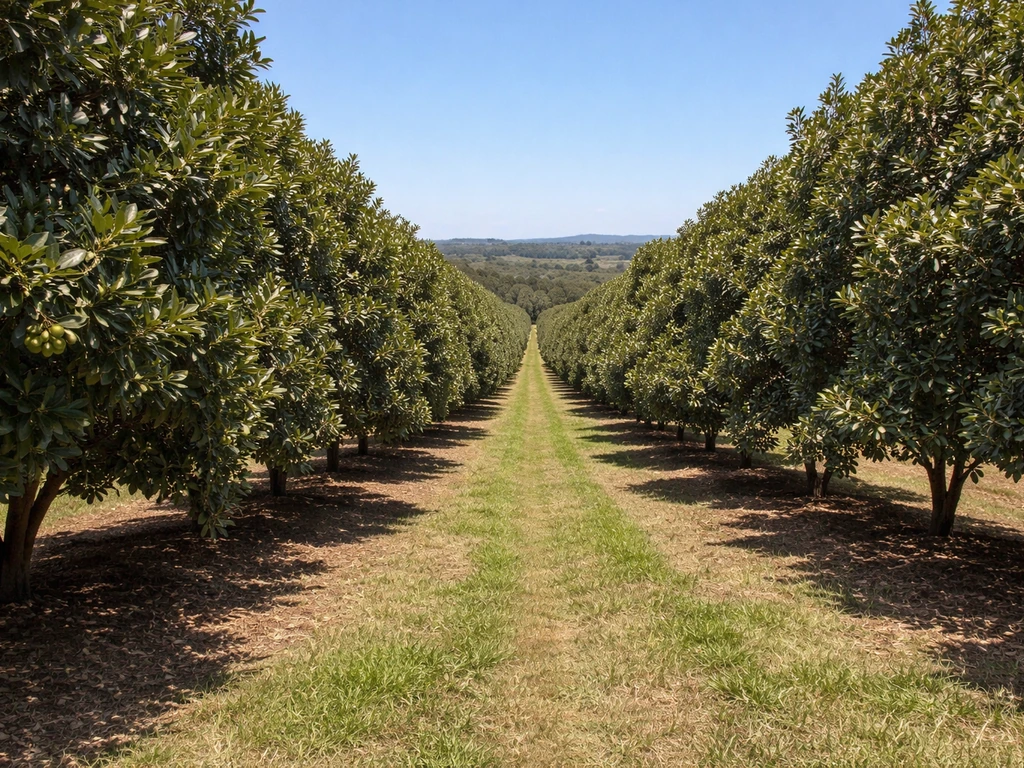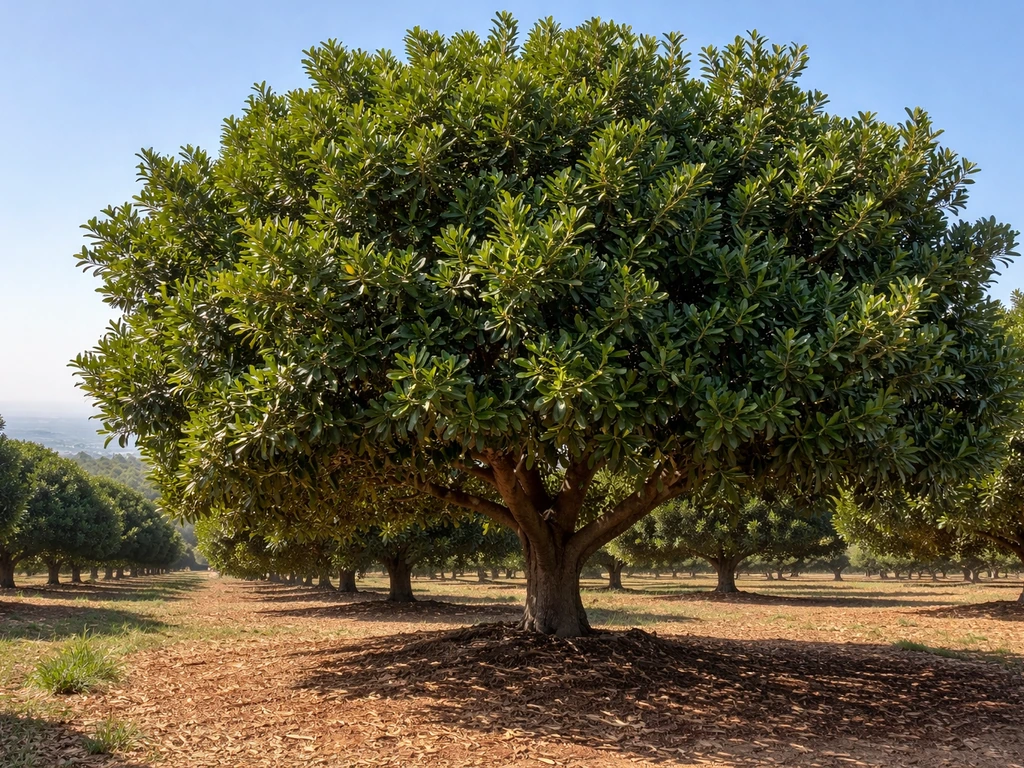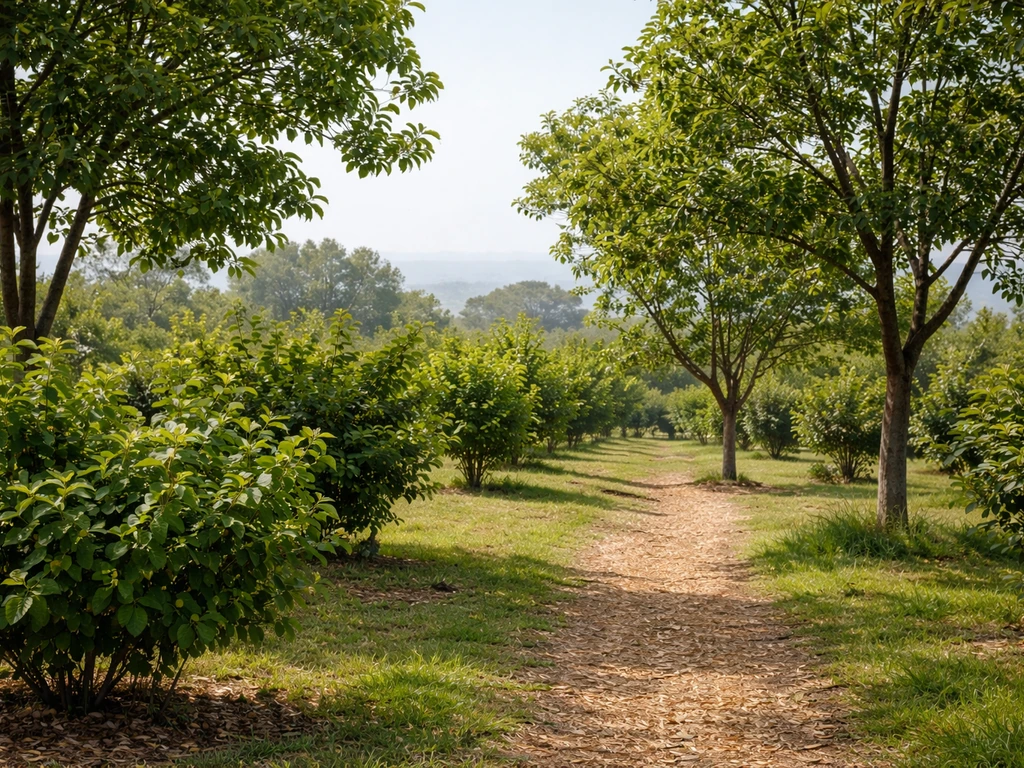
Yes, you can grow a macadamia tree from a nut, and it works more reliably than most people expect, provided you start with the right nut in the right condition. The catch is that germination can take anywhere from 4 to 12 weeks, seed-grown trees take 7 to 12 years to produce nuts, and the tree you end up with may not match the quality of the parent.
Can You Grow a Macadamia Tree From a Nut? How to
Marcus Hendricks
27 May 2026
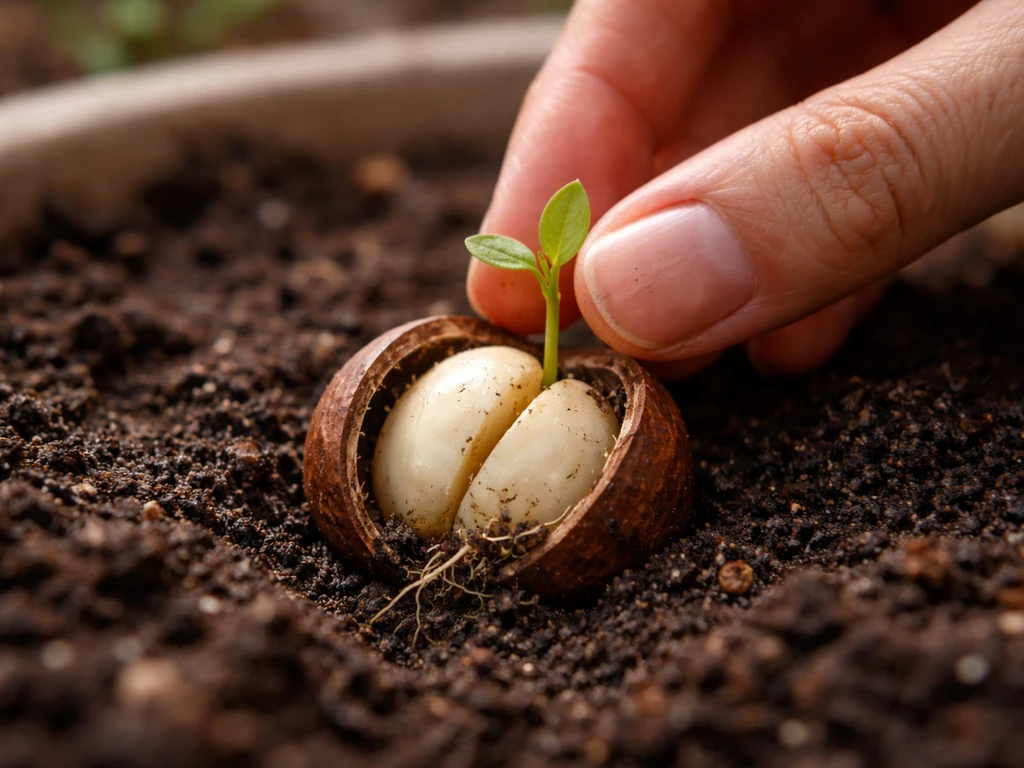
Horticulture Innovation Australia also notes that macadamia seed germination behavior varies by variety and can be erratic, with some cultivars taking roughly four weeks to eight months after sowing [germination behavior varies by macadamia variety and can be erratic](https://www. horticulture. com. au/globalassets/hort-innovation/historic-reports/disease-management-in-macadamia-mc07003.
pdf). If you're in a warm, frost-free climate and you're genuinely curious or patient, it's absolutely worth trying. If you're chasing a reliable nut crop soon, a grafted sapling is a smarter starting point.
Is it actually possible to grow macadamia from a store-bought nut?
This is the question most people are really asking, because the nuts sitting in your pantry are the most accessible starting point. The honest answer: it depends entirely on how that nut was processed. A raw macadamia still in its hard outer shell (the woody endocarp) has a reasonable chance of being viable. A shelled, roasted, or salted kernel sitting in a snack bag has zero chance.
A 2025 SSRN preprint on thermal treatments reports that [aggressive heat approaches are less effective than mild or non-thermal approaches](https://papers. ssrn. com/sol3/papers. cfm?
abstract_id=5465241) for macadamia seed germination and seedling vigor, which helps explain why roasted or heat-treated kernels are unlikely to sprout. Heat processing destroys the embryo completely, and even "raw" shelled kernels sold in stores are usually dried to a moisture level that makes germination impossible.
So when people ask about growing from a "store-bought nut," the most viable option is finding whole macadamia nuts still in their rough, fibrous green husk (the pericarp) or in the hard woody shell just beneath it. These are rarely sold in supermarkets but are sometimes available from specialty nurseries, online seed suppliers, or directly from growers.
If you live somewhere macadamias are grown locally, like Hawaii, parts of coastal California, or subtropical Australia, you may be able to source freshly fallen nuts directly. For a handy answer to what nuts grow in Hawaii, macadamia is the one most people can realistically start with. In particular, that means do macadamia nuts grow in Hawaii is often answered by the availability of freshly fallen nuts from local trees.
Fresh vs dried, shell vs kernel: picking a nut that will actually germinate
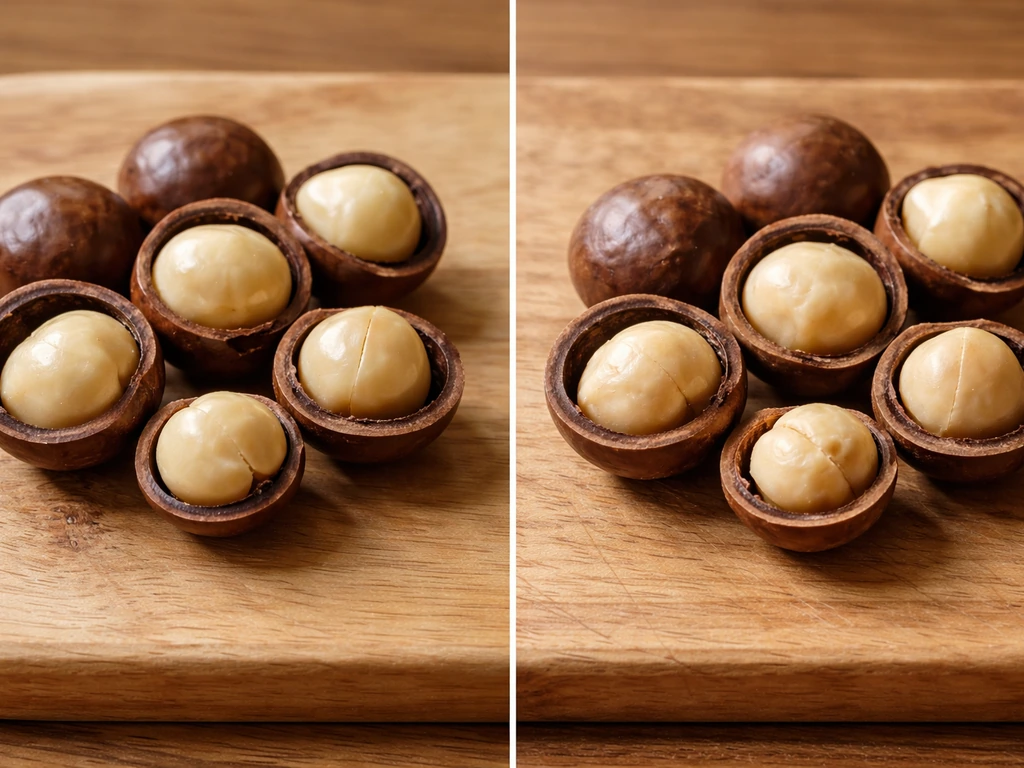
The single biggest factor in germination success is seed freshness. Macadamia seeds do not store well. Unlike some nuts that can stay viable for years, macadamia viability drops sharply after a few months, especially if the nut has been dried, refrigerated repeatedly, or exposed to temperature swings. Fresh nuts that have recently fallen from the tree and still have some green or drying husk attached are your best bet.
| Nut type | Germination viability | Notes |
|---|---|---|
| Fresh nut in green husk | High | Best option; plant within 2 to 4 weeks of harvest |
| Dry nut in woody shell (unprocessed) | Moderate | Can work; soak before planting to rehydrate |
| Shelled raw kernel (unroasted, undried) | Very low to none | Embryo is usually damaged during shelling |
| Roasted, salted, or flavored kernel | Zero | Heat and salt kill the embryo completely |
| Commercially packaged "raw" kernel | Zero or near-zero | Dried to low moisture for shelf stability; not viable |
If you're working with a dry, unprocessed nut still in the hard shell, soak it in room-temperature water for 24 to 48 hours before planting. This helps rehydrate the seed inside and softens the shell slightly. Don't nick or crack the woody shell yourself as a shortcut; you risk damaging the embryo. Some growers lightly sand one side of the shell with coarse sandpaper to improve water uptake, which is a safer approach than cracking.
One more thing worth knowing: macadamia seeds don't have a true dormancy period the way many temperate tree seeds do. They don't need cold stratification. What they need is warmth, consistent moisture, and time. The embryo is alive and ready to go; it just moves slowly.
Germinating macadamia nuts step by step
Here's the process I'd walk anyone through if they had a fresh macadamia nut in hand and wanted to give it a real shot.
- Remove the green husk if present. It can harbor mold and inhibit germination if left on during the process. Peel or cut it away to expose the hard woody shell beneath.
- Soak the shelled nut in room-temperature water for 24 to 48 hours. Change the water once. This rehydrates the seed inside and gives you a small signal: nuts that sink are generally more viable than those that float.
- Prepare a germination mix. Use a fast-draining medium such as coarse river sand mixed with perlite or a 50/50 mix of perlite and seed-raising mix. Macadamia seeds are extremely sensitive to waterlogged conditions and will rot fast in heavy soil.
- Plant the nut roughly 2 to 4 cm (about 1 to 1.5 inches) deep, on its side or with the pointed end slightly downward. Cover loosely and water gently.
- Place the container in a warm spot where the temperature stays consistently between 20°C and 27°C (68°F to 81°F). A heat mat set to around 25°C works very well if ambient temperatures are lower.
- Keep the medium consistently moist but never waterlogged. Check it every two to three days and water lightly when the top centimeter feels dry. Do not let it dry out completely.
- Be patient. Germination typically takes 4 to 12 weeks. Some nuts take even longer. Don't give up and dig them up to check; this usually causes more harm than good. Mark your calendar and wait.
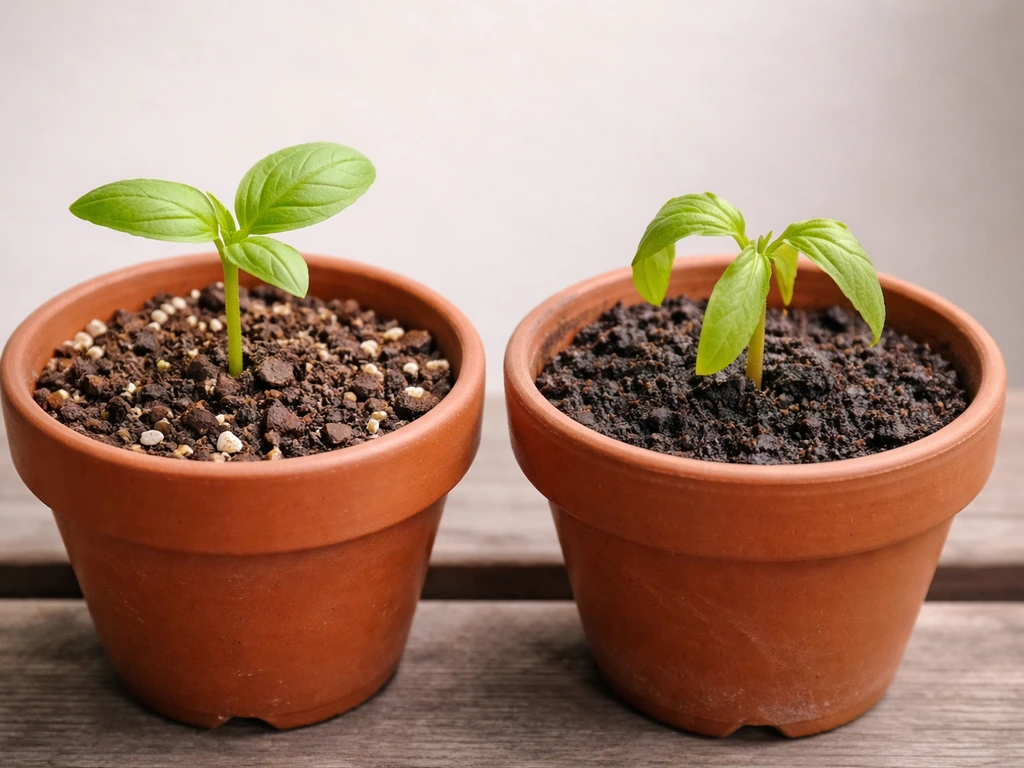
- Once the shoot emerges, move the seedling to a brighter spot with indirect light. Avoid direct harsh sun on very young seedlings as it can scorch the tender first leaves.
During the waiting period, your main enemies are mold (caused by overwatering or poor drainage), cold temperatures (anything below about 15°C will slow or stall germination), and impatience. The germination rate for fresh macadamia nuts is generally reasonable when conditions are right, but dried or older nuts will disappoint more often than not. Planting several nuts at once improves your odds.
Getting the setup right: pots, soil, light, and early care
Container choice and soil
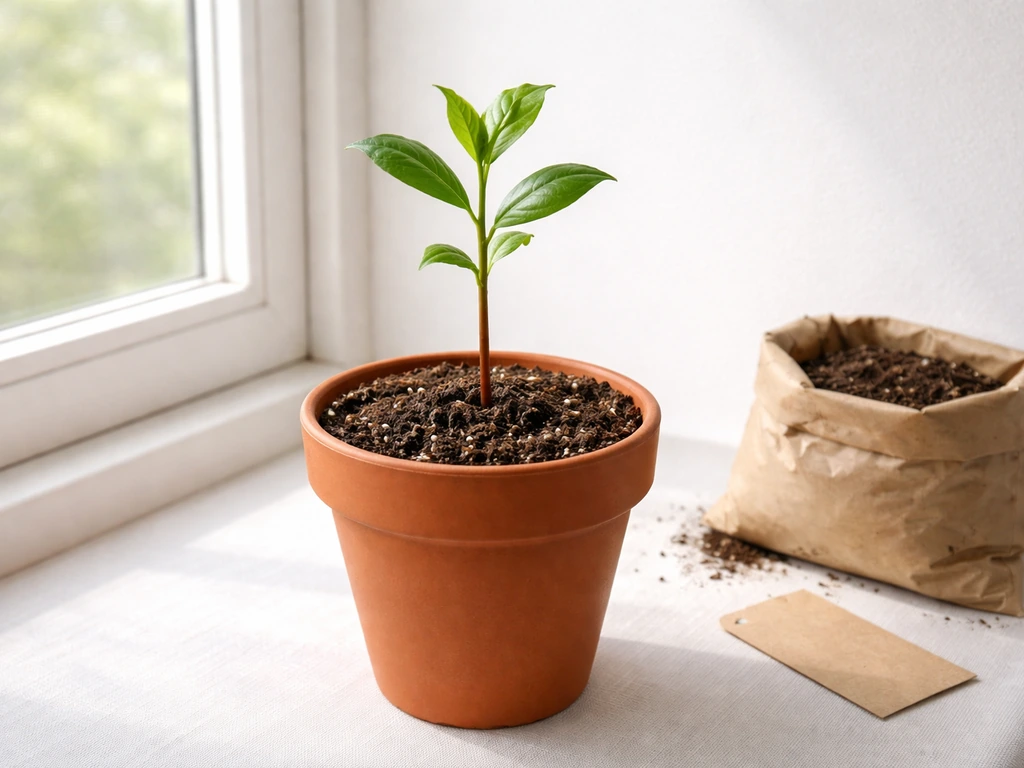
For the first year or two, a deep pot works better than a wide, shallow one. Macadamia trees develop a substantial taproot early on, and restricting that root will stress the seedling. A 20 to 30 cm deep container to start, then potting up as the plant grows, is a reasonable approach. Use a well-draining mix: something like a quality potting mix blended with coarse perlite or pumice at about a 3:1 ratio. Macadamias prefer slightly acidic soil, ideally in the pH range of 5.0 to 6.5. If your potting mix is neutral or alkaline, a small amount of sulfur-based acidifier can help.
Light
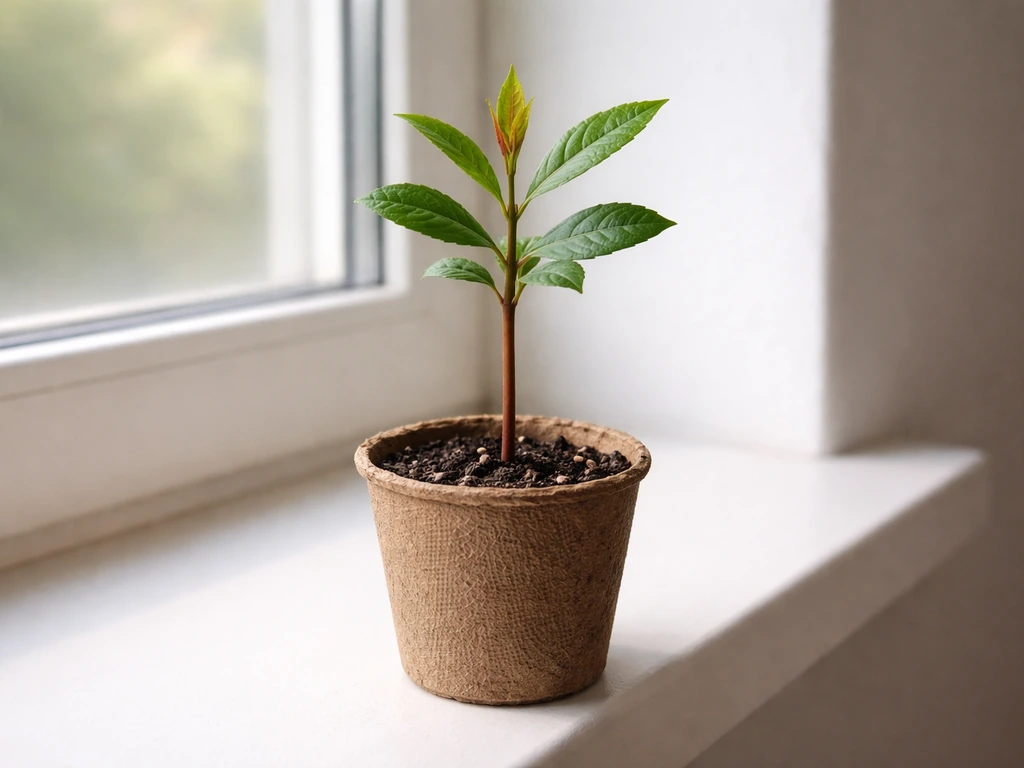
Young macadamia seedlings do well with bright, indirect light for the first few months. Once they have a few sets of true leaves and some stem strength, they can handle more direct sun. In outdoor settings in warm climates, dappled shade or morning sun with afternoon protection works well for the first season. Indoors, a south-facing window or a quality grow light (12 to 14 hours per day) will keep things moving.
Watering and feeding
Young macadamias need consistent moisture but hate wet feet. Water deeply when the top few centimetres of soil feel dry, and always make sure the pot or planting spot drains freely. Root rot is one of the most common killers of young macadamia plants, and it usually comes from overwatering or poorly draining soil rather than from not watering enough.
Hold off on fertilizing until the seedling has been growing actively for about 6 to 8 weeks. Then start with a diluted, balanced liquid fertilizer (something like a 10-10-10 NPK at half the recommended rate). Macadamias are sensitive to high phosphorus levels, so avoid fertilizers with very high P numbers. As the plant matures, a slow-release fertilizer formulated for acid-loving plants works well. Feed lightly during the growing season and not at all in winter if you're in a climate with cooler months.
Pests and disease watch-outs for young trees
- Root rot (Phytophthora): the biggest early-stage killer; prevented by good drainage and not overwatering
- Scale insects: common on indoor-grown or stressed seedlings; treat with horticultural oil or neem
- Mealybugs: appear in warm, sheltered conditions; remove manually or treat with insecticidal soap
- Leaf spot fungi: usually a sign of overcrowding, poor air circulation, or overhead watering; improve airflow and water at the base
- Sunscald: young seedlings moved abruptly from indoors to full sun can bleach and die back; harden off gradually over 2 to 3 weeks
Transplanting and caring for your macadamia long-term
Macadamia trees don't love being disturbed at the roots, so the fewer times you repot or transplant, the better. If you're in a suitable outdoor climate, aim to get the tree into its permanent ground position within the first 2 to 3 years, before the root system becomes too established in a container. When transplanting, handle the root ball as carefully as possible and don't prune roots to make the tree fit a hole.
Dig the hole wider than the root ball, not deeper, and backfill with the same native soil (amended with compost if your soil is very poor). Water in well and mulch around the base to retain moisture and regulate soil temperature, keeping mulch away from the trunk itself.
Once in the ground in a good climate, macadamia trees are fairly low maintenance but they do appreciate a few things consistently: deep watering during dry periods (young trees especially need help through their first two to three summers), an annual top-dress of compost and a light application of slow-release fertilizer in spring, and minimal pruning (mainly to remove dead or crossing branches). Macadamias don't need heavy shaping. Mature trees develop a dense, attractive canopy naturally.
If you're growing in a container long-term because your climate is too cold for outdoor planting, plan to pot up every two to three years as the tree grows. Container-grown macadamias can be kept manageable in size with gentle root pruning every few years, though this will also limit their overall productivity. Overwintering indoors near a bright window or under grow lights will keep the tree alive through cool spells, but growth will slow noticeably.
Climate fit: where macadamias actually thrive and where they struggle
Macadamia trees are subtropical to tropical in their requirements. They originate from the rainforest margins of coastal Queensland and northern New South Wales in Australia, which tells you a lot about what they want: warm temperatures year-round, reasonable humidity, reliable rainfall or irrigation, and no frost. USDA hardiness zones 9b through 11 are the realistic outdoor range, with zone 10 and above being ideal. Hawaii is the classic example of a region where macadamias thrive at commercial scale.
In addition to knowing how they grow, it helps to identify which countries have the climate and production systems for commercial macadamia nut farms which countries grow macadamia nuts. Parts of coastal California (especially Southern California and sheltered spots on the Central Coast) can support them. Florida is possible in the warmest southern zones, though humidity and some disease pressure complicate things.
Frost is the hard limit. Mature macadamia trees can tolerate brief dips to around -2°C (28°F) but young trees are much more vulnerable and can be killed by even a light frost. If you're in a climate that regularly freezes in winter, outdoor planting without serious frost protection is not realistic for the long term, even if the summers are warm enough. Container growing with indoor overwintering is a workable but limited solution in borderline climates.
Coastal versus inland also matters. Macadamias prefer the temperature stability that comes with coastal proximity. Inland areas that swing between hot summers and cold winters, even in the subtropics, are harder environments than a coastal site at the same latitude. High humidity is generally fine and actually mirrors their native range; what they can't handle well is prolonged cold, hard frost, or waterlogged soils combined with cold.
If you're in a genuinely cold-winter climate and you're still keen, growing in a container indoors or in a heated greenhouse is the realistic path. The tree can live and grow, but you should go in with honest expectations about nut production.
What to actually expect: growth rate, flowering, and nut quality from seed-grown trees
Here's where I want to be completely straight with you, because the timeline surprises a lot of people. A macadamia grown from seed typically takes 7 to 12 years to produce its first nuts. Some trees in ideal conditions have flowered a little earlier, around 5 to 6 years, but that's not the norm when starting from seed. By comparison, a grafted tree purchased from a reputable nursery can begin bearing in 3 to 5 years.
The other thing to understand is the true-to-type issue. Commercial macadamia orchards use grafted trees specifically because grafting guarantees that the new tree is genetically identical to a proven, high-yielding cultivar. Seed-grown trees are the product of open pollination, meaning the nut you plant carries genetics from whatever pollen fertilized that flower. The resulting tree may be excellent, mediocre, or anywhere in between. You won't know until it fruits, which, as just noted, takes years. This doesn't mean seed-grown trees can't produce good nuts; many do. But they're unlikely to match the consistency or yield of a named commercial variety, and some individual trees may produce fewer nuts, smaller nuts, or thinner shells that crack differently.
Cross-pollination also plays into productivity. Seed-grown trees may actually benefit from having another macadamia tree nearby for cross-pollination, which improves nut set. If you're planting a single tree in a backyard and hoping for a generous harvest, cross-pollination from nearby trees (or planting two) will help regardless of whether your tree is grafted or seed-grown.
Growth rate in good conditions is moderate. Expect roughly 0.5 to 1 metre of new growth per year in a warm climate with adequate water and nutrition. The tree will likely reach 3 to 5 metres within the first decade and can eventually reach 10 to 15 metres at maturity if left unpruned in ideal conditions.
Your next steps depending on where you live
If you're in a warm, frost-free climate (zones 10 to 11), growing a macadamia from a fresh nut is a genuinely worthwhile project. If you want, you can also review whether you can grow macadamia nuts indoors or in colder regions grow a macadamia from a fresh nut. Source the freshest unprocessed nut you can find, follow the germination steps above, and plan for a multi-year growing journey.
Knowing where macadamia nuts grow can also help you choose the best sourcing region Source the freshest unprocessed nut. The tree itself is beautiful and the nuts are exceptional if you get a good producer. If you want to think beyond macadamia and compare other local options, see what nuts grow in new zealand for a broader picture.
If you're in a marginal zone (roughly zone 9b, with occasional light frost), container growing with frost protection is doable but requires commitment. A grafted tree in a large container will give you a better shot at nuts in your lifetime than a seed-grown one.
If you're in a genuinely cold climate, growing a macadamia as a long-term indoor or greenhouse specimen is the only realistic path. You may never get nuts, but the tree is an attractive, interesting plant on its own terms. For actual nut production in cooler regions, other species are much more practical options.
Whatever your climate, the seed germination experiment itself is a worthwhile way to learn the biology of this tree firsthand. Just go in knowing what you're committing to, and start with the freshest nut you can get your hands on.
FAQ
How can I tell if a macadamia nut is still viable before I plant it?
Viability is hard to confirm without germinating, but you can do a quick check. If the nut is fully dry, brittle, or smells stale, odds are low. Nuts fresh enough to still have some green husk or that feel firm rather than light and dry generally have a much better chance. Plant multiple nuts from the same source to hedge against older ones.
Can I plant a macadamia nut directly outdoors instead of using a pot?
Yes, but only if you have warm conditions, reliable drainage, and no frost risk. Use a hole wider than the nut, keep moisture consistent, and cover lightly so it does not dry out. In many areas, critters and rot become the main problems, so a deep pot is often safer for the first year or two.
What soil mix should I use if I do not want to amend for pH?
If your soil is neutral or alkaline, the tree may grow slowly and can develop nutrient issues even if it germinates. For outdoor planting, consider adding an acidic organic amendment (like composted pine bark) and using sulfur-based soil acidifiers only if you can monitor pH. In containers, it is simpler to control pH with the right potting mix.
Do macadamia seedlings need cold treatment to germinate?
No. They do not require cold stratification. Cold temperatures mainly slow or stall germination, so keep them warm and consistently moist. If you live in a cooler climate, start indoors or in a protected warm area until you see active growth.
Should I crack or nick the shell to speed things up?
It is safer not to crack the woody shell. Cracking can injure the embryo and reduce germination even if it speeds water uptake. If you want to improve chances, use light sanding on one side rather than breaking the shell.
My planted nuts are moldy, what should I change?
Mold usually means the medium stays too wet or drains poorly. Let the top layer dry slightly between waterings, improve drainage, and ensure the container has holes. Avoid over-soaking, and consider starting a fresh batch if the nut contents are breaking down.
How many macadamia seeds should I start if I want at least one tree?
Because older or improperly processed nuts frequently fail, start multiple nuts from the same batch. A practical approach is to plant at least 3 to 6 seeds so you are more likely to end up with a healthy seedling even if only one or two germinate.
What is the best temperature range for germination?
Aim for warm, stable conditions. Germination slows significantly below about 15°C, and cold snaps can stop progress. Use indoor warmth or a protected propagator if nighttime temperatures in your area dip too low.
When should I switch from bright indirect light to more sun?
Once the seedling has several sets of true leaves and its stem looks sturdy, you can gradually increase light. Start with a short period of morning sun, then extend over days. If you see leaf scorch or wilting during bright exposure, back off and return to indirect light.
How do I prevent root rot in a young macadamia?
Use a deep pot with drainage holes, a well-draining mix with plenty of perlite or pumice, and water only after the top portion of the soil dries. Do not leave the pot standing in a saucer of water. Good airflow around the container also helps.
Should I fertilize right away after germination?
Usually no. Fertilize only after the seedling is actively growing for about 6 to 8 weeks. Start with a diluted balanced fertilizer, and avoid high-phosphorus formulas. Excess fertilizer early can burn roots and set the plant back.
Will a seed-grown macadamia need a separate pollinator?
Not always, but it can help. Seed-grown trees may benefit from having another macadamia nearby for better nut set, and backyard plantings often do better with two trees or proximity to another mature tree within pollination range.
Can a macadamia grown from nut ever produce the same quality as store-bought nuts?
There is no guarantee with seed-grown trees because they come from open pollination and inherit mixed genetics. Some seedlings produce excellent nuts, but variability is normal, and shell thickness, kernel quality, and yield can differ substantially from the parent.
What should I do if my seedling’s taproot is getting crowded?
Macadamias dislike frequent root disturbance, so plan pot size and timing carefully. Start deep enough from the beginning (often 20 to 30 cm) and pot up as it grows rather than forcing it to remain root-bound. If you need to move outdoors, transplant within the first couple of years for the best survival.
If I live in a borderline zone, can I still get nuts from a seed-grown tree?
Possible but unlikely, especially in colder or marginal climates. A container-grown seedling can survive with winter protection, but consistent flowering and nut production still require warm, long growing seasons. For realistic nut production, a grafted tree in the biggest feasible container or eventual protected outdoor spot gives better odds.