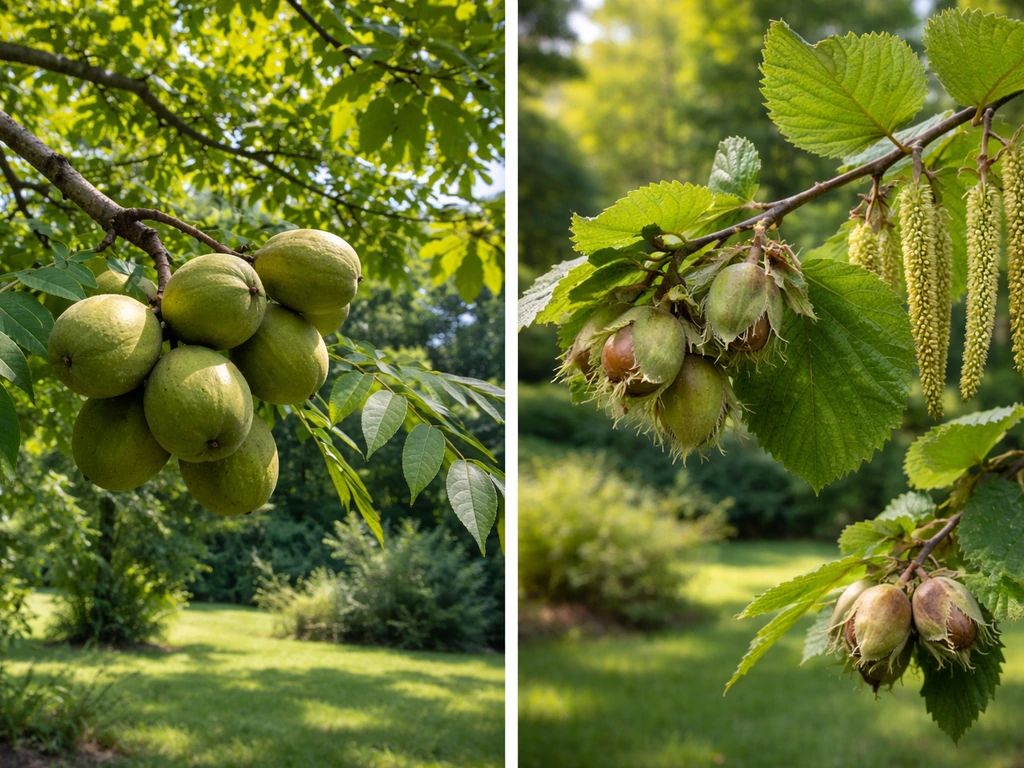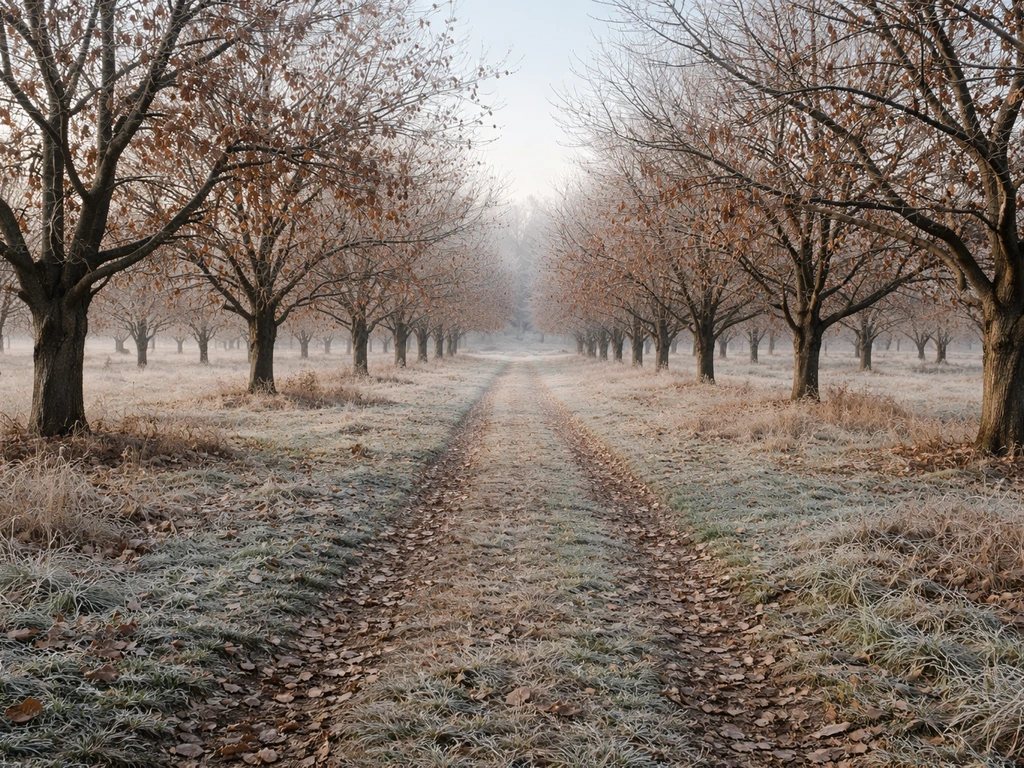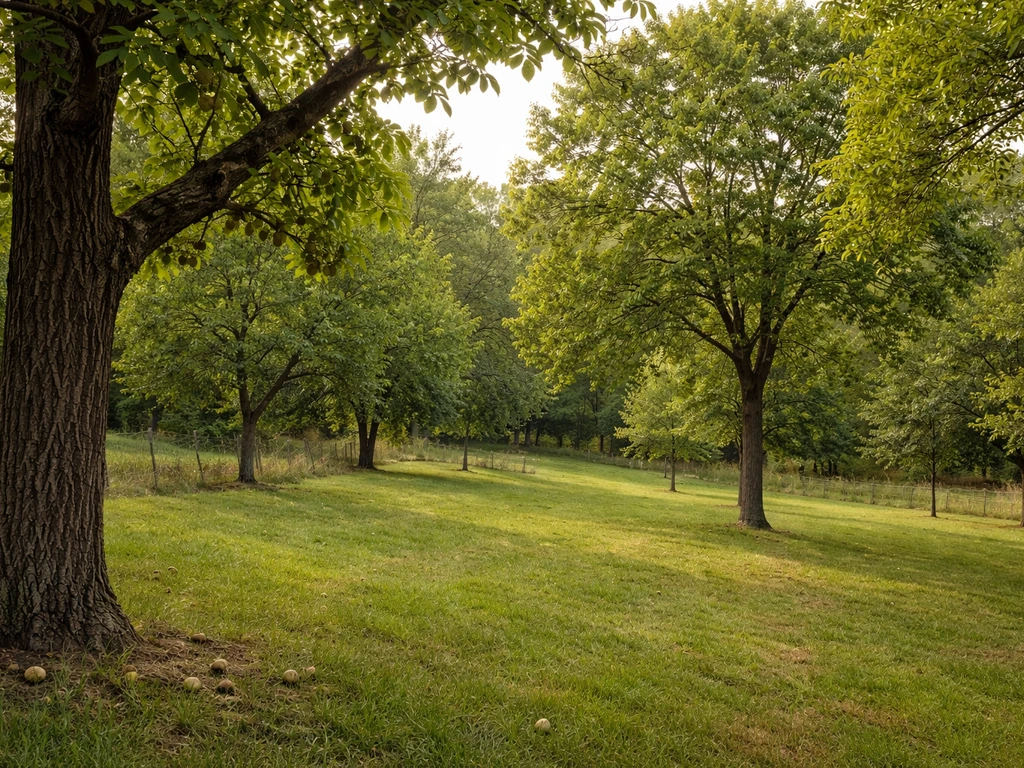
Several nut tree species grow reliably in Wisconsin: black walnut, butternut, American hazelnut (and improved hybrid hazelnuts), and American chestnut hybrids are your most realistic options statewide. In the warmer southeastern corner of the state, heartnut and shagbark hickory can also produce well. The key distinction to make early is between trees that can survive Wisconsin winters and trees that will actually produce a usable nut crop in your specific location. Those are two different questions, and most planting failures happen because gardeners don't separate them.
What Nut Trees Grow in Wisconsin: Best Species and Care
Marcus Hendricks
22 May 2026
Wisconsin's climate basics for nut trees
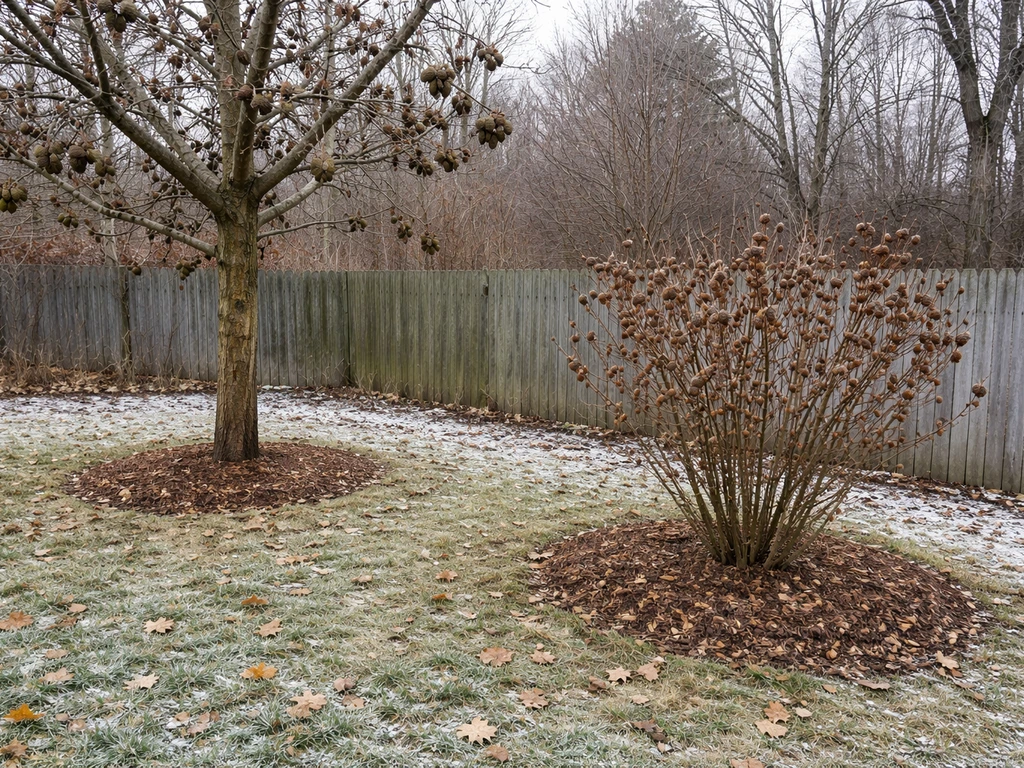
Wisconsin spans USDA cold hardiness zones 3 through 6, based on the 2023 update. Zone 3 covers the northern reaches of the state, zones 4 and 5 dominate the central and southern regions, and zone 6a appears along the western Lake Michigan shoreline from Kenosha County up into southeastern Sheboygan County, plus Washington Island off Door County. These zones reflect average annual minimum winter temperatures over a 30-year period, not the worst single cold event you might see, so an occasional brutal winter can still damage trees that are technically rated for your zone.
Two climate quirks matter a lot for nut trees here. First, frost pockets: cold air drains downhill and pools in low spots and valley bottoms, so a planting site in a hollow can run a full zone colder in practical terms than the surrounding landscape. If you're eyeing a marginal species like European chestnut or heartnut, siting it on a slope or elevated well-drained ground rather than a low spot can make the difference between success and a dead tree.
Second, growing season length: Wisconsin doesn't accumulate meaningful growing degree days before April 1, and the effective nut-ripening season in the north closes by mid-September.
That window shapes which species can actually ripen a crop before frost, not just survive the winter.
Urban heat island effects are real too. A city lot in Milwaukee or Madison can behave one half-zone warmer than the surrounding countryside. That's not a free pass for tender species, but it does mean you have a little more latitude than a rural grower in the same county. Take advantage of it with site selection: south-facing walls, windbreaks on the north, and well-drained sandy loam soils all push your effective microclimate warmer.
Best nut tree species for Wisconsin
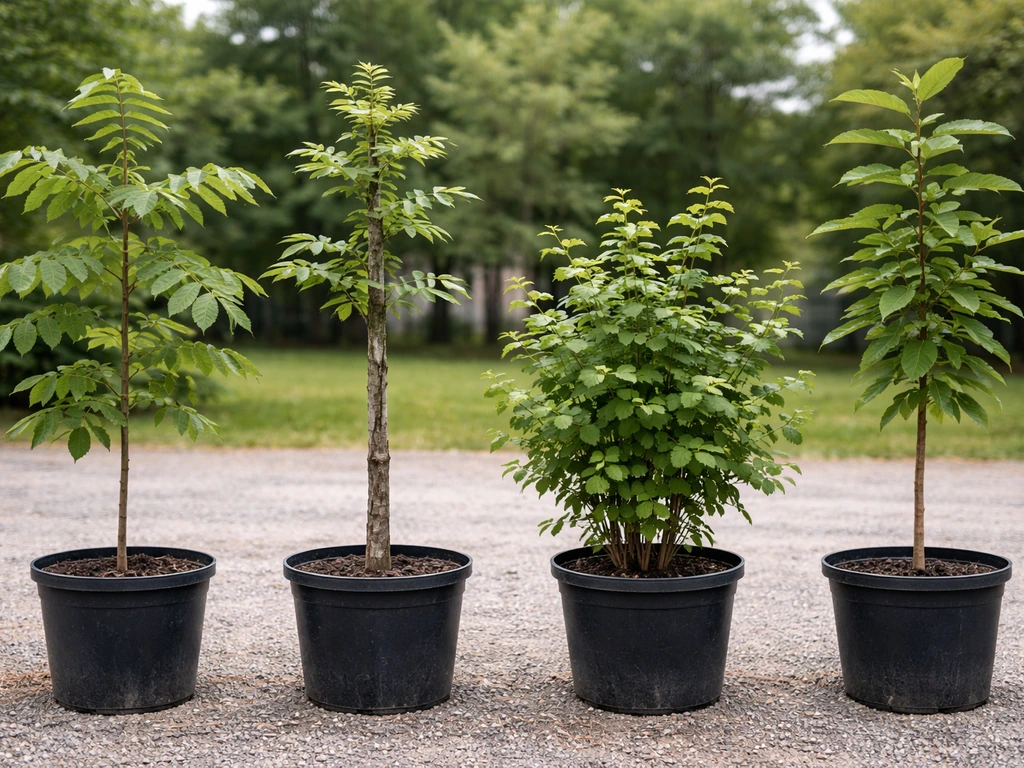
Here's how the main candidates stack up in terms of hardiness and practical site fit across Wisconsin's zones. The table below covers the species you're most likely to succeed with, along with realistic notes on where they work and where they struggle.
| Species | Zones in Wisconsin | Cold Hardiness | Key Site Notes |
|---|---|---|---|
| Black walnut (Juglans nigra) | Zones 4–6 (best); marginal in 3 | Hardy to -30°F with adapted stock | Deep, well-drained loam; produces juglone toxic to many plants within ~50–60 ft |
| Butternut (Juglans cinerea) | Zones 3–6 | Very cold hardy; native to Wisconsin | Prefers moist, rich, well-drained soil; butternut canker disease is a serious concern |
| American hazelnut (Corylus americana) | Zones 3–6 | Extremely cold hardy; native | Shrub form; tolerates a wide range of soils; Eastern filbert blight resistant |
| Hybrid hazelnut (Corylus hybrids) | Zones 4–6 (best) | Varies by cultivar; some hardy to -30°F | Improved nut size over American hazelnut; cultivar selection is critical |
| American chestnut hybrids (Castanea spp.) | Zones 5–6 (most reliable) | Varies; blight-resistant hybrids preferred | Well-drained, acidic soil; avoid frost pockets; needs cross-pollination |
| Shagbark hickory (Carya ovata) | Zones 4–6 | Hardy native; slow to establish | Tolerates a range of soils; long taproot makes transplanting difficult |
| Heartnut (Juglans ailantifolia var. cordiformis) | Zones 5–6 | Marginally hardy; protected sites in zone 5 | Similar needs to black walnut; produces juglone; shorter nut season than black walnut |
Black walnut is the closest thing Wisconsin has to a dependable workhorse nut tree. It's native, deeply rooted in the landscape, and produces consistently in zones 4 through 6. The trade-off is juglone, the allelopathic compound produced throughout the tree (roots, hulls, buds) that damages or kills many common garden plants within roughly 50 to 60 feet of a mature trunk. Plan your planting layout around that radius from day one. Mulching with walnut wood or bark is also a bad idea for the same reason.
Butternut is native and extremely cold hardy, making it attractive for zone 3 and 4 growers. The problem is butternut canker, a fungal disease (Sirococcus clavigignenti-juglandacearum) that has devastated wild populations across the eastern US. If you plant butternut, source trees from disease-resistant or tested stock when possible, and accept that long-term survival is not guaranteed without resistant genetics.
Nuts by type: tree nuts, hazelnuts, and chestnuts
People searching for Wisconsin nut trees often lump very different plants together, so it's worth being clear about categories. Walnuts and hickories are true tree nuts and grow into large canopy trees. Hazelnuts are technically shrubs (or multi-stemmed small trees) and are in a completely different genus. Chestnuts are a third category, large trees in genus Castanea with a very different nut structure and growing requirement. The distinction matters because site needs, spacing, timeline to production, and disease concerns are completely different across these groups.
Tree nuts: walnuts and hickories
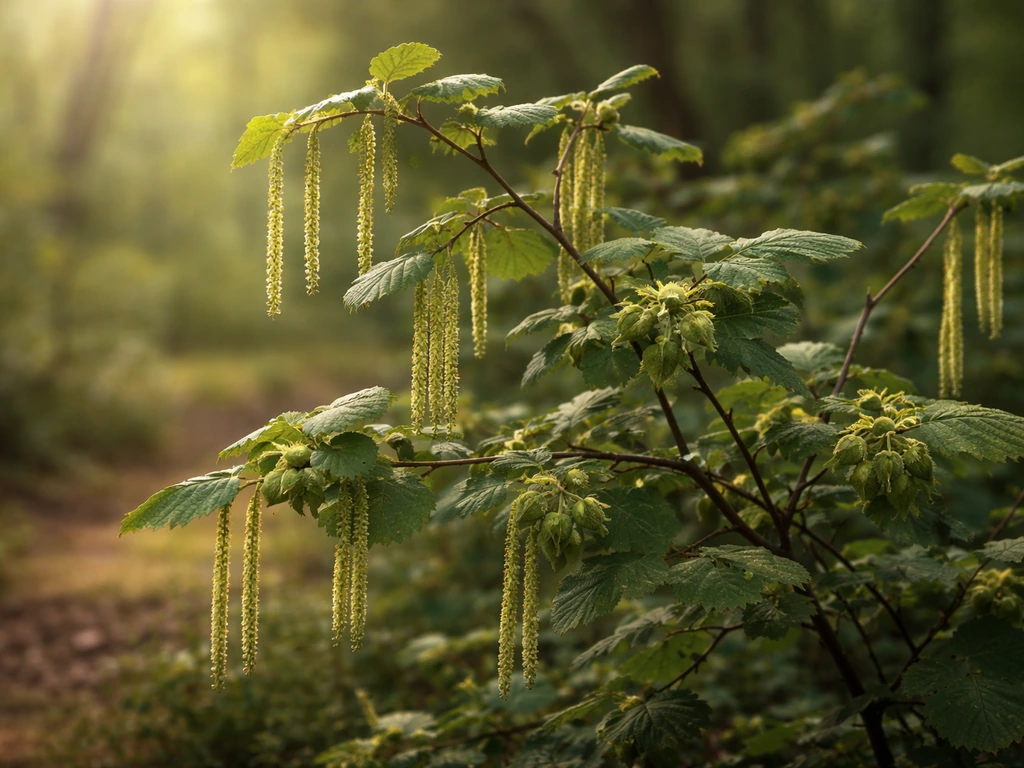
Black walnut and butternut are the practical tree nut options for most of Wisconsin. Heartnut (a Japanese walnut variant) can work in sheltered zone 5 and 6 sites. Shagbark hickory is native and produces good nuts but requires patience: it's notoriously slow to establish and even slower to bear. These are large trees that need 30 to 60 feet of spacing and will eventually dominate whatever area they're planted in. Treat them as long-term infrastructure, not a quick crop.
Hazelnuts: native shrubs and improved hybrids
American hazelnut (Corylus americana) is native to Wisconsin and is genuinely tough across all four zones in the state. The nuts are smaller than commercial hazelnuts, but the plants are reliable producers. The bigger opportunity is in improved hybrid hazelnuts developed through programs like the Upper Midwest Hazelnut Development Initiative (UMHDI), a joint effort between the University of Minnesota and University of Wisconsin formed in 2007 specifically to improve hazelnut germplasm for this region. These hybrids aim to combine the cold hardiness of American hazelnut with the larger nut size of European hazelnut (Corylus avellana).
The critical warning: do not plant straight European hazelnut in Wisconsin. UW–Madison Extension is explicit that Corylus avellana and other non-hardy seed-stock are at serious risk of winter injury and Eastern filbert blight (EFB), a fungal disease caused by Anisogramma anomala. EFB is endemic to the upper Midwest and can kill non-resistant plants outright. Cultivar selection isn't a preference here, it's a survival requirement. Stick to UMHDI-evaluated hybrids or proven zone-hardy selections with documented EFB resistance.
Chestnuts: which types can work in Wisconsin
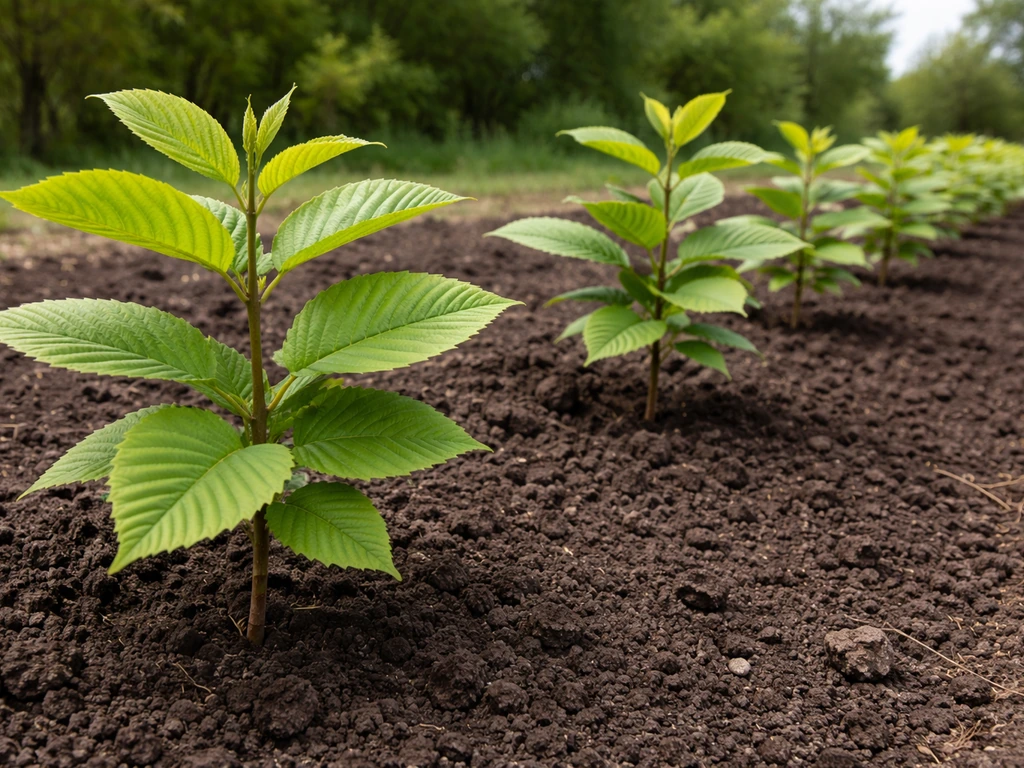
American chestnut (Castanea dentata) is functionally extinct as a producing tree due to chestnut blight, but blight-resistant hybrids are available, mostly crosses between American and Chinese or Japanese chestnut (Castanea mollissima and Castanea crenata). Chinese chestnut itself is hardy to about zone 4 and has been grown successfully in southern Wisconsin. The key needs are well-drained, moderately acidic soil (pH 5.5 to 6.5), full sun, and protection from late spring frosts during bloom. Chestnuts are cross-pollinated, so you need at least two compatible trees. In zone 3 and northern zone 4, the growing season is too short for most chestnut varieties to ripen nuts reliably before frost.
How to choose a variety for your zone and microclimate
Start with your USDA zone, but don't stop there. Look at your site honestly: is it a low spot where frost pools? Is there a windbreak to the north and west? Is the soil well-drained or does it stay wet after rain? A marginal species planted on a perfect site can outperform a supposedly zone-hardy plant stuck in a frost pocket with poor drainage. Here's a practical decision framework:
- Identify your USDA zone from the 2023 updated map (available through UW–Madison Extension or the USDA directly). Note whether you're in an urban area that may run warmer, or a rural low-lying site that may run colder.
- For zone 3 and 4, limit your ambitions to American hazelnut, butternut, black walnut (southern zone 4), and shagbark hickory. Don't gamble on chestnuts or heartnut without exceptional site protection.
- For zone 5, all of the above apply plus Chinese chestnut hybrids on south-facing, well-drained slopes, and heartnut on sheltered sites. Choose cultivars specifically trialed in the upper Midwest.
- For zone 6 (primarily the Lake Michigan shoreline), you have the most flexibility. English walnut is still borderline and not well-adapted, but chestnut hybrids, heartnuts, and improved hazelnuts all have a real shot.
- For any hazelnut planting, only use cultivars with documented EFB resistance. Contact UW–Madison Extension's Fruit Program or the UMHDI for current variety recommendations, as this list evolves with ongoing research.
- Assess your frost pocket risk. If your target site is a low spot in the landscape, shift one zone colder in your planning to be safe.
Seedling variability is a real trap with hazelnuts especially. Plants grown from seed can show wildly different nut production, nut size, and disease resistance compared to named cultivars. If reliable, uniform production is your goal, buy named cultivars from a reputable nursery, not random seedlings from a local sale.
Planting, pollination, and spacing
Pollination requirements
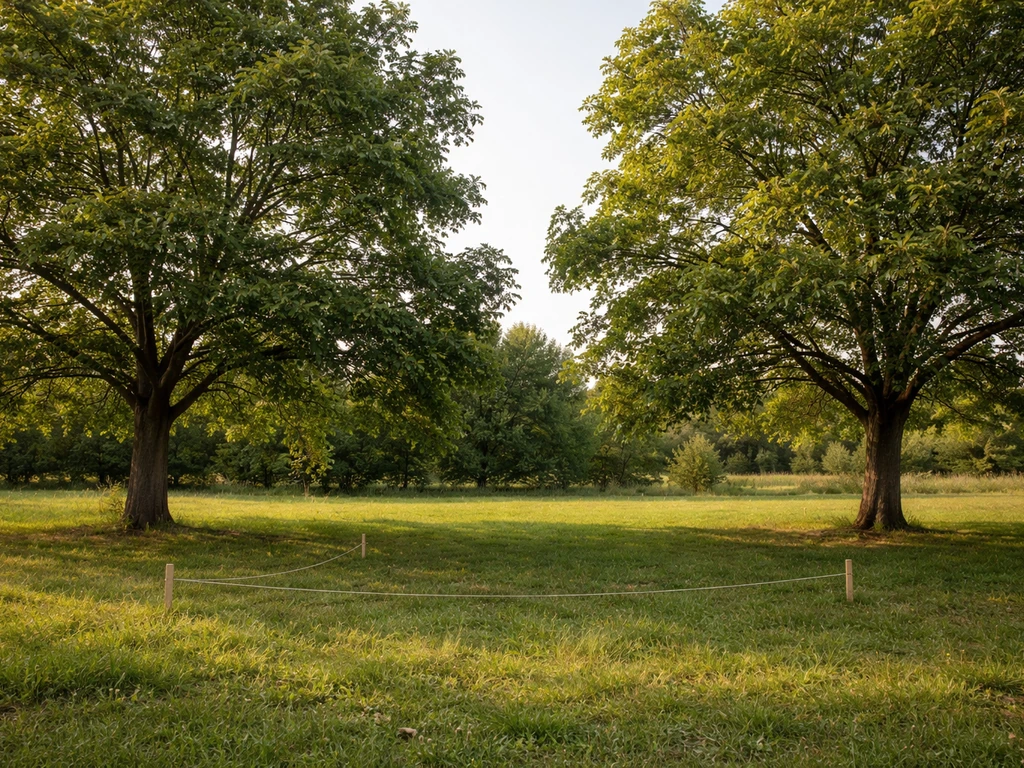
Most nut trees are wind-pollinated, and most require a second compatible tree nearby to set a good crop. This is not optional. Black walnut is generally self-fertile enough to produce solo, but yields improve with multiple trees. Hazelnuts require cross-pollination: plan on planting at least two different varieties or seedlings, and ideally more, because hazelnut pollen is shed in late winter when temperatures are still unpredictable, and having redundancy helps. Chestnuts are not self-fertile and need at least two compatible trees within about 200 feet for reliable pollination. Butternut can self-pollinate to a degree but produces better with a second tree nearby.
Spacing guidelines
Spacing varies enormously by species. Large tree nuts need room. Black walnut should be spaced 30 to 60 feet apart depending on whether you want a full orchard or individual specimen trees. Shagbark hickory is similar. Chestnuts in an orchard setting are often planted at 30 to 40 feet. Hazelnuts are much more manageable: for production plantings, UW–Madison Extension guidance points to in-row spacing of 4 to 6 feet, with rows typically 10 to 14 feet apart to allow equipment access and airflow. Tighter spacing increases early yields but requires more pruning management over time.
Expected yields: when will you actually get nuts?
Patience is non-negotiable with nut trees. Here's an honest timeline for what to expect from the main Wisconsin-suited species:
| Species | First Nuts (Years After Planting) | Full Production | Notes |
|---|---|---|---|
| American/hybrid hazelnut | 3–5 years | 6–10 years | Fastest of the bunch; shrub form means easier management |
| Black walnut | 5–7 years (grafted); 8–12 (seedling) | 10–15+ years | Grafted trees on known rootstock bear sooner |
| Butternut | 4–7 years | 8–12 years | Canker risk shortens productive lifespan for many trees |
| Chinese chestnut / hybrids | 3–5 years (grafted) | 6–10 years | Needs full season to ripen; marginal in northern Wisconsin |
| Shagbark hickory | 8–15 years | 15–25+ years | Very slow; plant it for the next generation as much as yourself |
| Heartnut | 4–6 years | 8–12 years | Marginal hardiness in zone 5; site protection critical |
Buying grafted trees of named cultivars almost always accelerates first production compared to growing from seed or purchasing random seedlings. It costs more upfront, but you also get predictable genetics and a known bearing timeline. For hazelnuts especially, where seedling variability is a documented issue, named cultivars are worth the extra cost.
Care basics: soil, water, pests, diseases, and winter
Soil and water
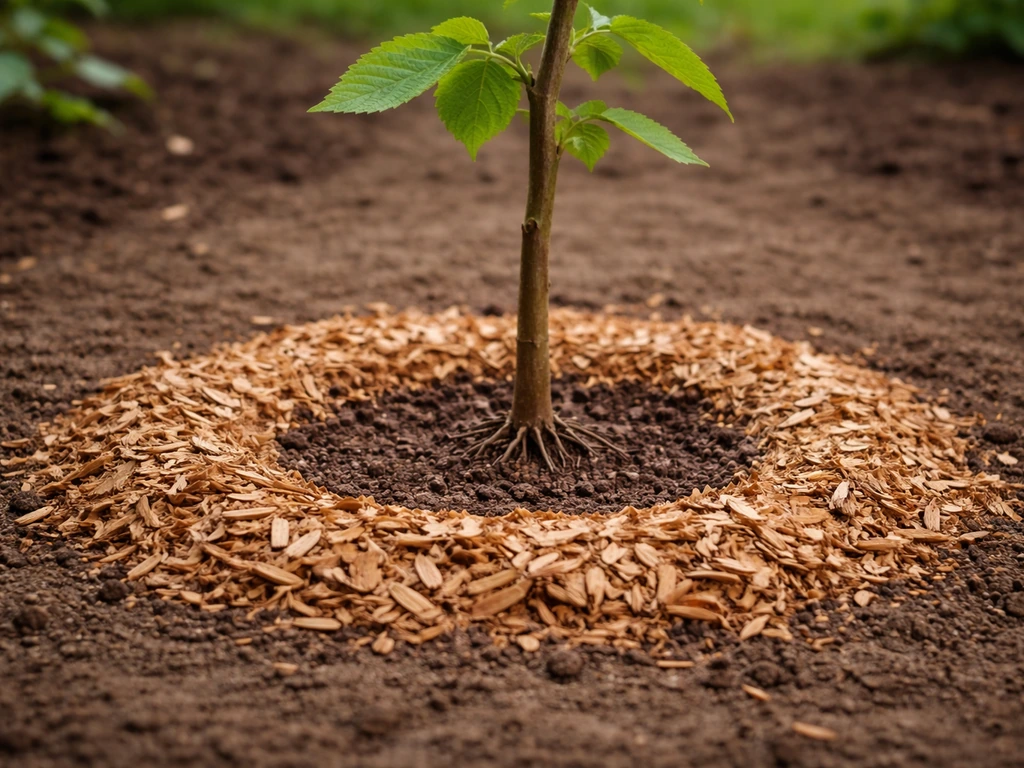
Most nut trees want well-drained, moderately fertile loam and will struggle in heavy clay or waterlogged soils. Chestnuts are the most particular about soil pH (5.5 to 6.5, slightly acidic) and drainage. Black walnut and butternut prefer deep, rich, moist-but-draining soils and actually dislike dry, thin soils. Hazelnuts are the most forgiving and will grow in a range of soil types, though they produce better in decent loam with reasonable moisture. Newly planted trees need consistent watering through the first two growing seasons, roughly an inch per week equivalent during dry stretches. After establishment, most Wisconsin-native or native-adjacent species are drought-tolerant enough to manage on rainfall, though young chestnuts appreciate irrigation during dry summers.
Mulching and fertilizing
A 3 to 4 inch layer of wood chip mulch around the base of a newly planted nut tree (kept a few inches clear of the trunk) conserves moisture, moderates soil temperature, and suppresses competition weeds that rob young trees of nutrients. For walnuts specifically, never use walnut-derived wood chips or bark as mulch, because the juglone in the material can harm surrounding plants and can even stress the young tree's own understorey. Use hardwood chips from non-walnut species. Go light on nitrogen fertilizer in the first few years; you want the tree to establish roots, not put on aggressive shoot growth that winter can damage.
Common pests and diseases
- Eastern filbert blight (EFB): the top disease threat for hazelnuts in Wisconsin; only plant EFB-resistant cultivars.
- Butternut canker: a serious fungal disease with no reliable cure; source resistant stock and monitor trees annually.
- Walnut husk fly (Rhagoletis completa): larvae tunnel into walnut husks, affecting nut quality but not tree survival; baited traps help monitor populations.
- Pecan weevil and hickory nut weevil: rarely economically significant in Wisconsin backyards, but can reduce yields in heavy infestation years.
- Chestnut blight: pure American chestnut is functionally killed by this; stick to blight-resistant hybrids.
- Squirrel and deer pressure: not a disease, but a real production problem for small plantings; young trees may need trunk guards, and net protection over small chestnut or hazelnut plants speeds establishment.
Overwintering and cold protection
Most species well-suited to Wisconsin don't need much active winter protection once established. The exceptions are marginally hardy species in their first two or three winters: young heartnut trees in zone 5, or chestnut hybrids on borderline sites, can benefit from wrapping the trunk with tree wrap or burlap to prevent frost cracking and sun scald on the south-facing bark during late winter temperature swings. Anti-desiccant sprays on evergreen components aren't relevant here since these are all deciduous, but late-fall watering before the ground freezes matters for young trees headed into their first winter.
Pruning
Nut trees generally need less pruning than fruit trees but still benefit from structural training in the first five years. For large tree nuts like black walnut and hickory, focus on establishing a single central leader and removing competing co-dominant stems early. For hazelnuts, which naturally grow as multi-stemmed shrubs, prune out the oldest, thickest stems every few years to keep the plant vigorous and open to air and light. Chestnuts are trained similarly to walnuts for orchard systems, with a single trunk and a well-spaced scaffold of branches. Prune all nut trees during dormancy, late winter before bud break.
Where to get local recommendations and resources
The single best starting point for Wisconsin-specific, current advice is UW–Madison Extension. Their Wisconsin Horticulture pages cover hardiness zone maps, hazelnut production, black walnut management, and fruit and nut crop pollination. The UW Fruit Program specifically covers hazelnut and tracks UMHDI research outputs and cultivar evaluations, which is more current than anything you'll find in a general gardening book. You can also contact your county UW–Madison Extension office directly; many counties have a horticulture agent or master gardener program that can confirm which species and cultivars are performing well locally.
For chestnuts, the Chestnut Growers of America and the American Chestnut Foundation both maintain regional chapters with Wisconsin connections and can point you toward growers who've trialed varieties in your zone. For hazelnuts specifically, the UMHDI has produced practical outputs for growers in the upper Midwest; look for their variety performance reports through the UW Extension Fruit Program.
Wisconsin shares a lot of its nut-growing challenges and opportunities with neighboring states. If you're also wondering what nut trees grow in Missouri, the best choices depend on Missouri's USDA hardiness zones and your local microclimate, just like in Wisconsin neighboring states. If you are also asking what nut trees grow in Illinois, treat it like a neighboring-state version of the same hardiness and site-selection problem neighboring states.
If you are also looking beyond Wisconsin, see what nut trees grow in Ontario to compare which species match similar growing conditions. If you're asking what nut trees grow in Indiana, you can use the same approach by checking Indiana's USDA zones and looking at the hazelnut and chestnut trials from the closest Midwest regions neighboring states.
Growers in Michigan and Minnesota in particular have done extensive trialing of hazelnut hybrids and chestnut selections that directly applies to Wisconsin conditions, so research and grower networks from those states are worth tapping. If you are asking specifically what nut trees grow in Michigan, you can use the same approach, but pick varieties matched to Michigan’s colder zones and growing season limits.
If you're in southern Wisconsin near the Illinois border, the overlap with what works in northern Illinois is substantial too.
The practical next step today: pull up the 2023 USDA hardiness zone map for your specific address, then cross-reference against the species table in this article. If you are asking what nut trees grow in Idaho, use Idaho’s own USDA cold hardiness zones and growing-season length to narrow down which species will reliably ripen.
If you're looking at Oregon instead of Wisconsin, start by checking Oregon-specific USDA zones and climate limits for nut trees, since the usable species list will change by region what nuts grow in oregon. If you're in zones 3 or 4, start your planning with American hazelnut or butternut and work outward from there. If you're in zones 5 or 6, you have real options across multiple species.
Then contact UW Extension or the UMHDI for current cultivar recommendations before you buy anything, because variety lists for hazelnuts especially change as new disease-resistance evaluations come in. Plant two or more of any cross-pollinated species, give them a good site, and set your expectations around the honest bearing timelines above. That's the plan.
If you're wondering what nut trees grow in Ohio specifically, the best picks depend on your USDA zone and local growing season for reliable nut ripening.
FAQ
Can I grow chestnut hybrids in northern Wisconsin and actually harvest nuts?
Not reliably. Even though some chestnut hybrids and other “zone-rated” trees may survive winter, Wisconsin’s effective nut-ripening window often closes by mid-September in the north, so nuts may fail to mature. If you are in zone 3 or northern zone 4, plan for varieties that have proven nut-ripening performance locally, or expect mostly survival and ornamental value rather than a dependable crop.
Why did my “hardy” nut tree survive but never produce nuts in Wisconsin?
For most growers, the bigger reason is a mismatch between where the tree can live and where it can ripen nuts. Frost pockets, late spring bloom damage, poor drainage, and heavy clay that stays wet can all reduce nut set or nut maturity even if the tree survives the winter. Check your planting site slope and drainage first, then confirm the cultivar’s pollination needs and hardiness.
Do nut trees in Wisconsin need a second tree for pollination?
It depends on the species, but for crops you should treat it as a requirement for good yields. Black walnut can often bear without another walnut nearby, but multiple trees typically boost output. Hazelnuts and chestnuts require cross-pollination, so planting only one tree usually leads to weak or inconsistent nut crops.
Is it okay to start hazelnuts from seed in Wisconsin?
Yes, and it’s especially important for hazelnuts. Seed-raised plants can vary substantially in bearing, nut size, and disease resistance compared with named cultivars. If you want predictable production, buy named cultivars from a reputable nursery rather than random seedlings from local sales.
Can I mulch around black walnut with walnut wood chips?
No, avoid walnut-derived mulch around walnut roots. Juglone in walnut wood, bark, and chips can harm other plants in the area and may stress nearby vegetation around the young tree. Use hardwood chips from non-walnut species and keep mulch a few inches away from the trunk.
What fertilizer should I use for nut trees in Wisconsin, and how much?
Fertilize lightly, especially in the first few years. Heavy nitrogen can push fast shoot growth that winter damage can knock back, which slows establishment and delays bearing. Prioritize consistent watering the first two growing seasons and only add nutrients if a soil test shows a real deficiency.
How do late spring frosts affect chestnuts and other nut trees?
Yes. Late spring frost at bloom time is a common failure point for chestnuts. Even if the tree is cold-hardy, a frost can ruin flowers and drastically reduce the crop that year. Choose a higher, well-drained site away from frost pockets, and consider wind protection to reduce cold-air pooling.
How far apart should nut trees be planted for Wisconsin?
For most orchard-style nut plantings, you should plan spacing as a long-term decision, not a short-term one. Black walnut and shagbark hickory need large distances (often 30 to 60 feet) because they will dominate the area. Hazelnuts can be tighter, but tighter spacing increases pruning and airflow management needs over time.
Do I need to wrap or protect nut trees for winter in Wisconsin?
In general, you can use a small amount of young-tree protection for marginal species during the first two or three winters. The most useful protections are trunk wrapping or burlap for frost cracking and sunscald on south-facing bark. Once established, most Wisconsin-suitable deciduous nut trees need little to no active winter protection.
How often should I water nut trees during the first year, and does late-fall watering help?
Yes, watering timing matters. Newly planted trees do best with consistent moisture through the first two growing seasons, then rely more on rainfall after establishment. Also, a thorough late-fall watering before the ground freezes can help young trees enter winter with better hydration.
What’s the most common mistake when choosing nut trees for Wisconsin?
You should not assume “zone-hardy” means “crop-hardy.” The hardest-to-predict factors are site microclimate (frost pockets and wind), drainage, and whether the cultivar can ripen before frost in your part of the state. Use both your USDA zone and a honest site assessment, then confirm the specific variety’s disease resistance and bearing expectations.
Which species are most likely to fail due to disease or winter injury, even if they survive the first winter?
Start by matching to your microclimate, then choose cultivars with documented disease resistance where it matters. For example, avoid planting straight European hazelnut, because winter injury and Eastern filbert blight are common risks without resistance. For butternut, prioritize disease-resistant or tested stock because canker has reduced survival for many plantings.